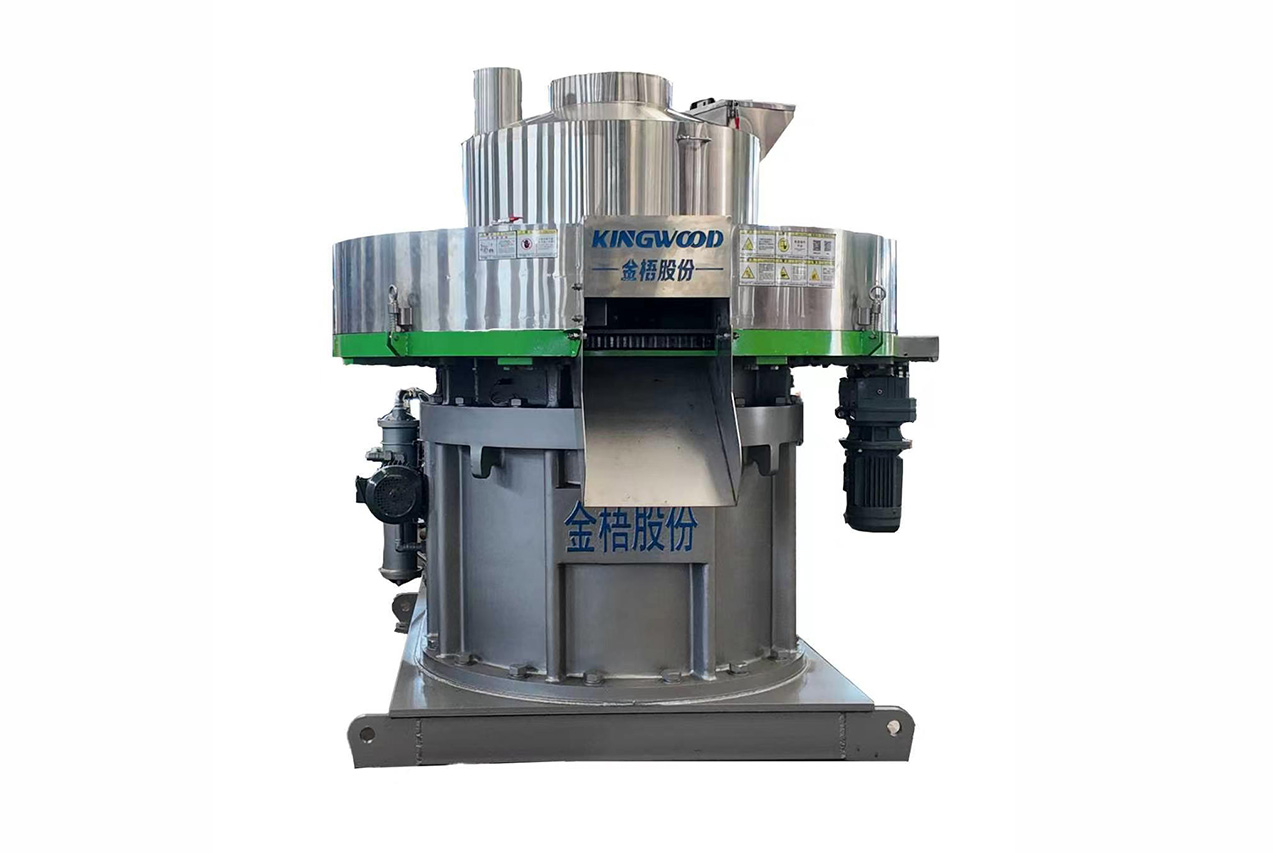
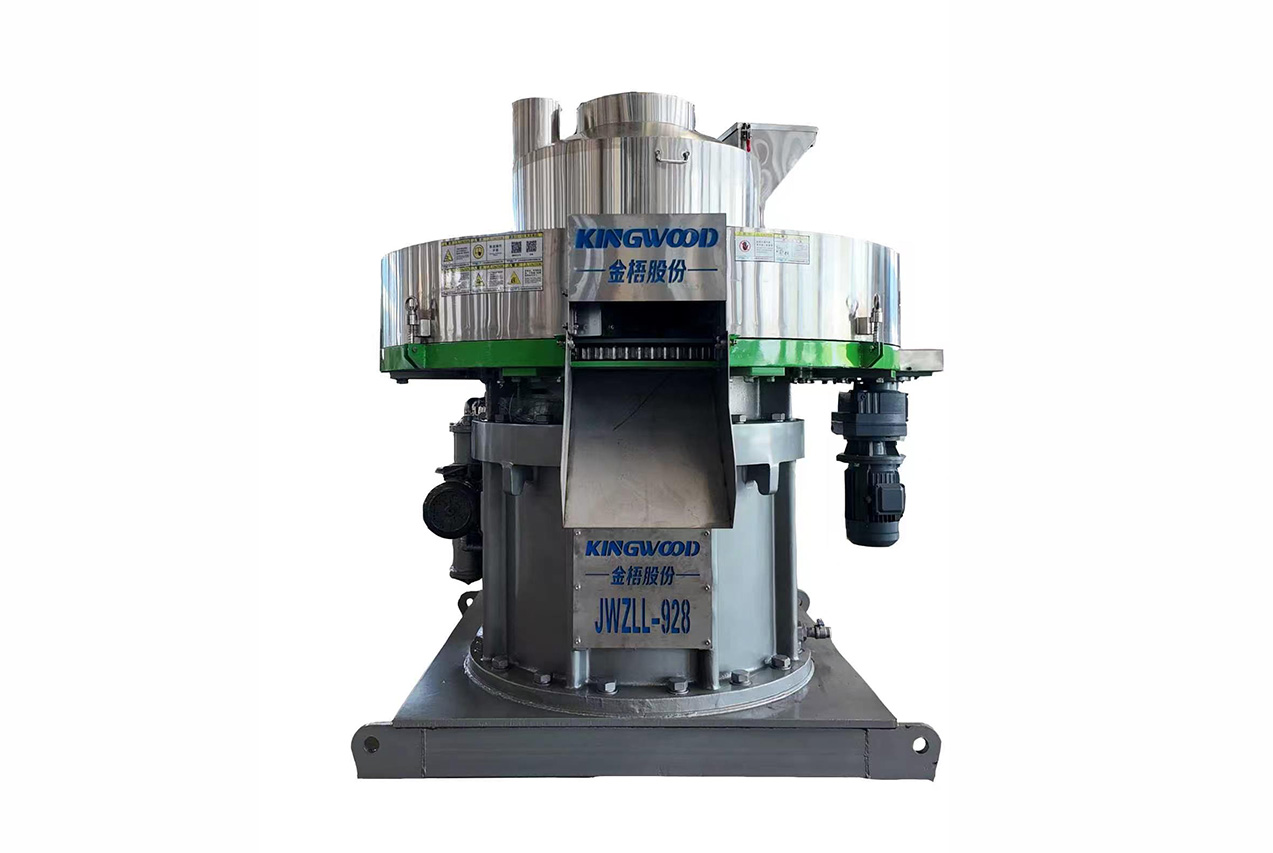
When evaluating any wood pellet mill manufacturer Vietnam buyers contact, the gap between a supplier who can ship equipment and one who has actually commissioned lines in-country is significant. It shows up in commissioning timelines, spare-parts lead times, and the quality of operator training. This article works through the real numbers behind Vietnam's pellet industry, the specific equipment decisions that matter for Vietnamese feedstock, and what a documented 24 t/h installation actually looked like on the ground.
Vietnam exported approximately 3.5 million tons of wood pellets in 2023 per the Vietnam Timber and Forest Product Association (VIFORES) 2023 annual report — ranking the country among the world's top three pellet exporters alongside the United States and Canada. The primary buyers are Japan and South Korea, both of which have feed-in tariff programs that maintain stable long-term demand for biomass fuel.
Three feedstocks dominate Vietnamese pellet plants:
Sawdust from furniture factories and construction demolition waste rounds out the available supply, particularly around Ho Chi Minh City and Binh Duong province.
Vietnam's National Energy Development Strategy through 2030 targets biomass contributing 1,800–2,000 MW of installed power capacity — more than triple the 2022 baseline, per Vietnam's Ministry of Industry and Trade energy planning documents. For pellet plant investors, this creates both a domestic consumption pathway and continued incentive for the export-grade production that currently dominates the market.
A manufacturer who has shipped equipment to Vietnam but never managed an in-country installation cannot tell you that Vietnamese customs clearance for pellet mill components can add 3–6 weeks if HS codes are incorrectly classified on commercial invoices — something our logistics team learned to front-load with correct documentation after early projects. That operational knowledge directly affects your commissioning timeline.
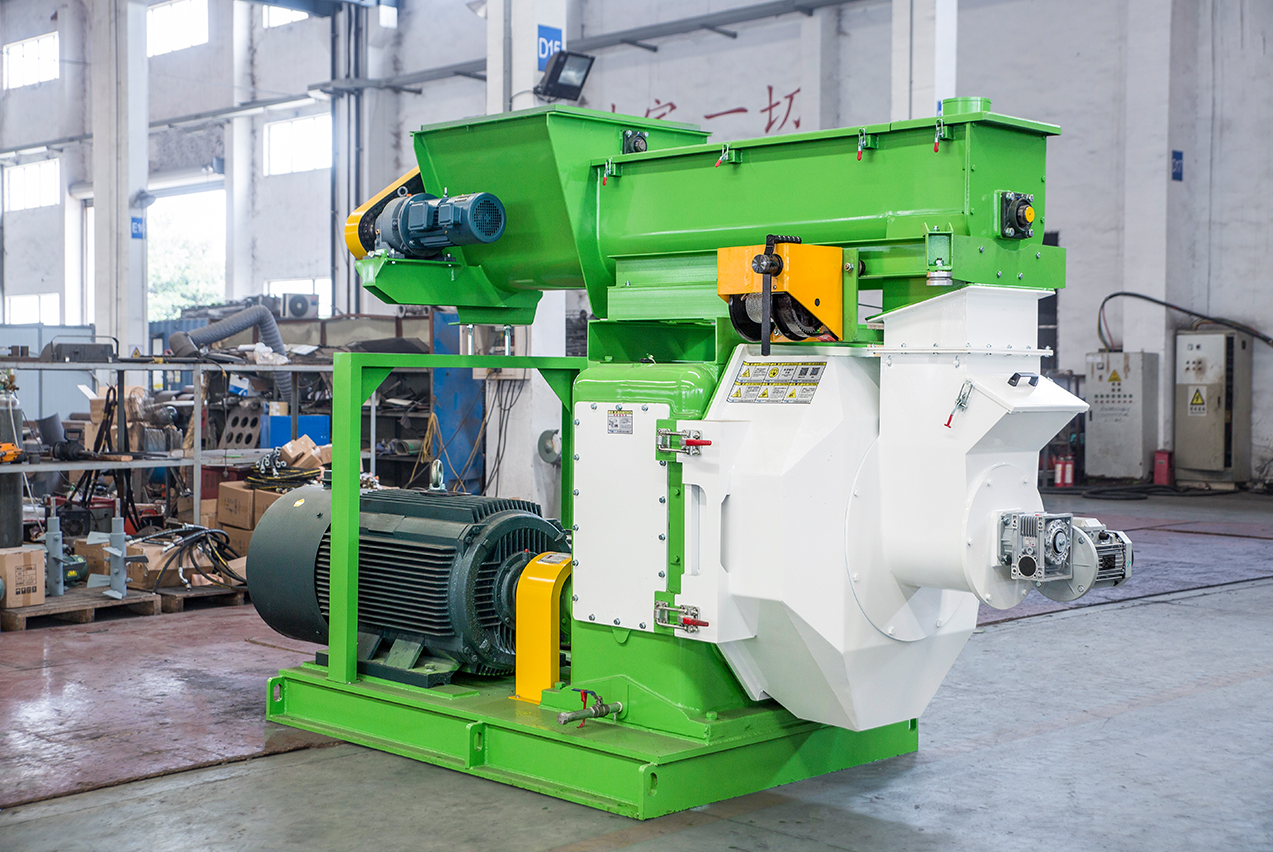
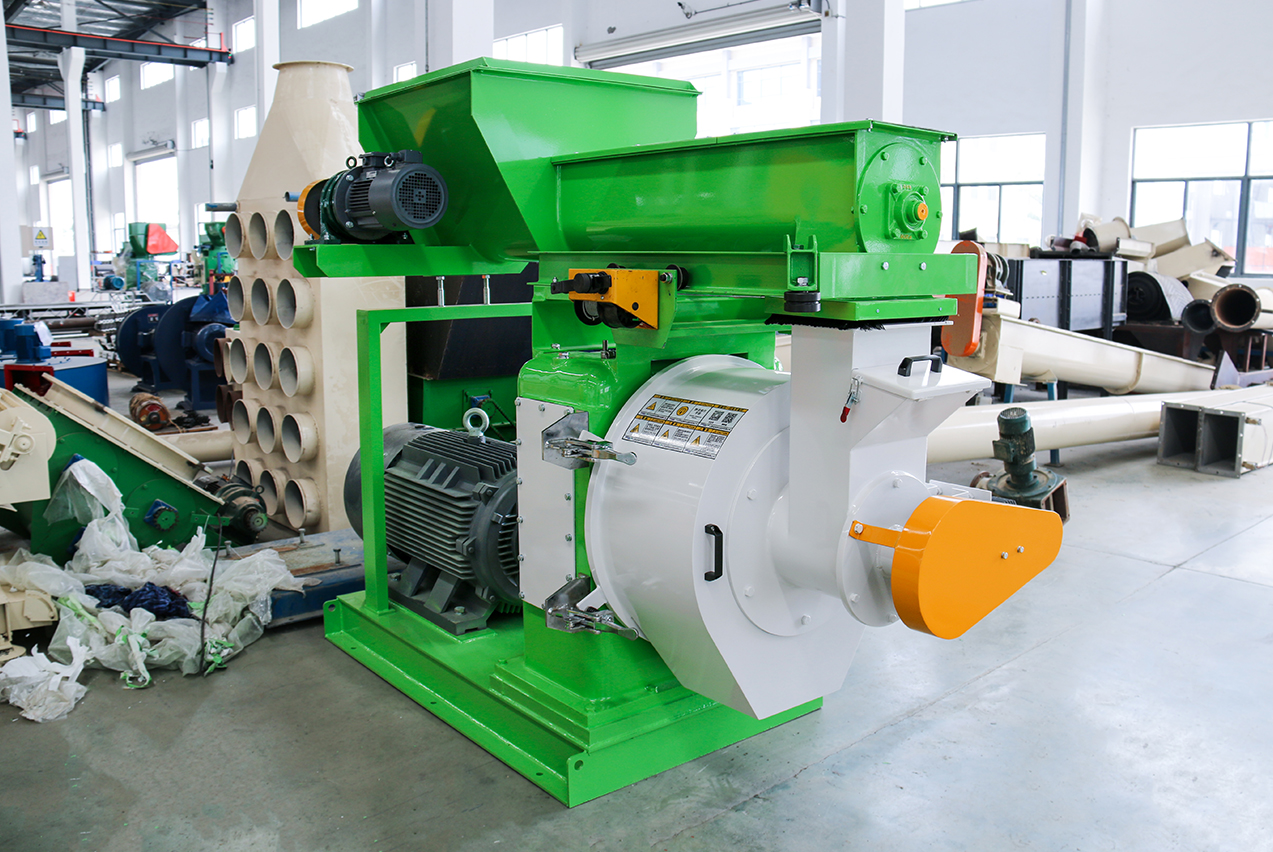
Industrial ring die wood pellet mill machines from manufacturers with verified Vietnam installation references will typically come with local equipment registration support, Vietnamese-language operation manuals on request, and service engineers who have previously cleared immigration and traveled to central and southern Vietnamese sites.
Southeast Asia biomass capacity grew 18% year-over-year between 2022 and 2023 per the IEA 2024 Bioenergy report — that growth rate is attracting new equipment suppliers who have no installation history in the region. Vetting for actual commissioning records, not just sales references, is therefore more important than it was three years ago.
| Certification | Why It Matters for Vietnam Buyers |
|---|---|
| ISO 9001 | Quality management system; required by most Japanese and Korean offtake buyers for supplier qualification |
| ISO 14001 | Environmental management; increasingly required by Vietnamese industrial zone authorities |
| CE Marking | Required for re-export of equipment to EU-connected supply chains; indicates electrical and mechanical safety compliance |
| China Biomass Energy Alliance Membership | Confirms standing in the primary manufacturing ecosystem; Deputy Director Member status indicates peer recognition |
Kingwood holds ISO 9001, ISO 14001, and CE certification, and serves as a Deputy Director Member Unit of the China Biomass Energy Industry Alliance.

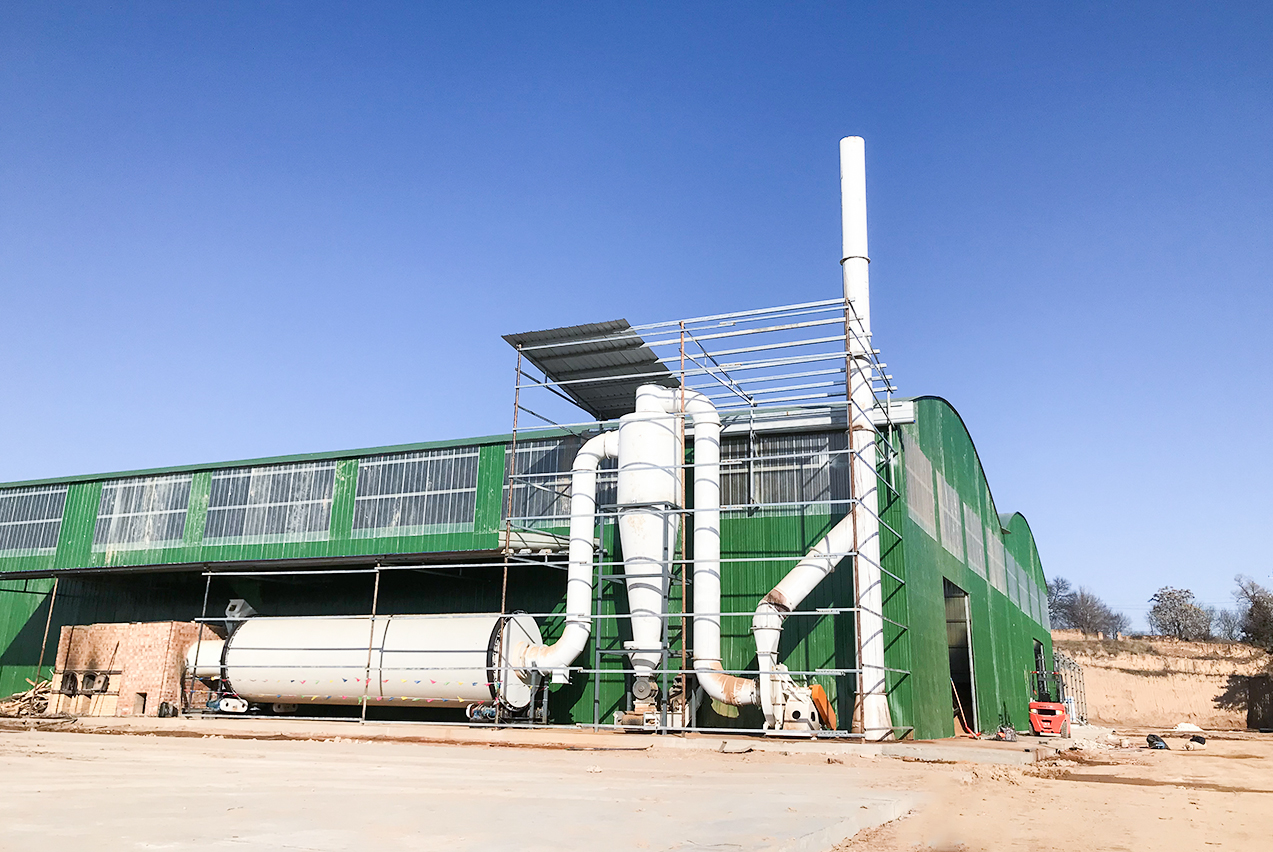
AVP Group — Asia's largest power company and a leading producer of sustainable biomass — invested an additional USD 10 million in a 24 t/h wood pellet plant in central Vietnam. Kingwood was awarded the tender in late 2020, with installation completed in June 2021. The complete biomass wood fuel pellet production line was configured around two parallel 12 t/h ring die pellet mill units, giving the plant redundancy and phased startup capability.
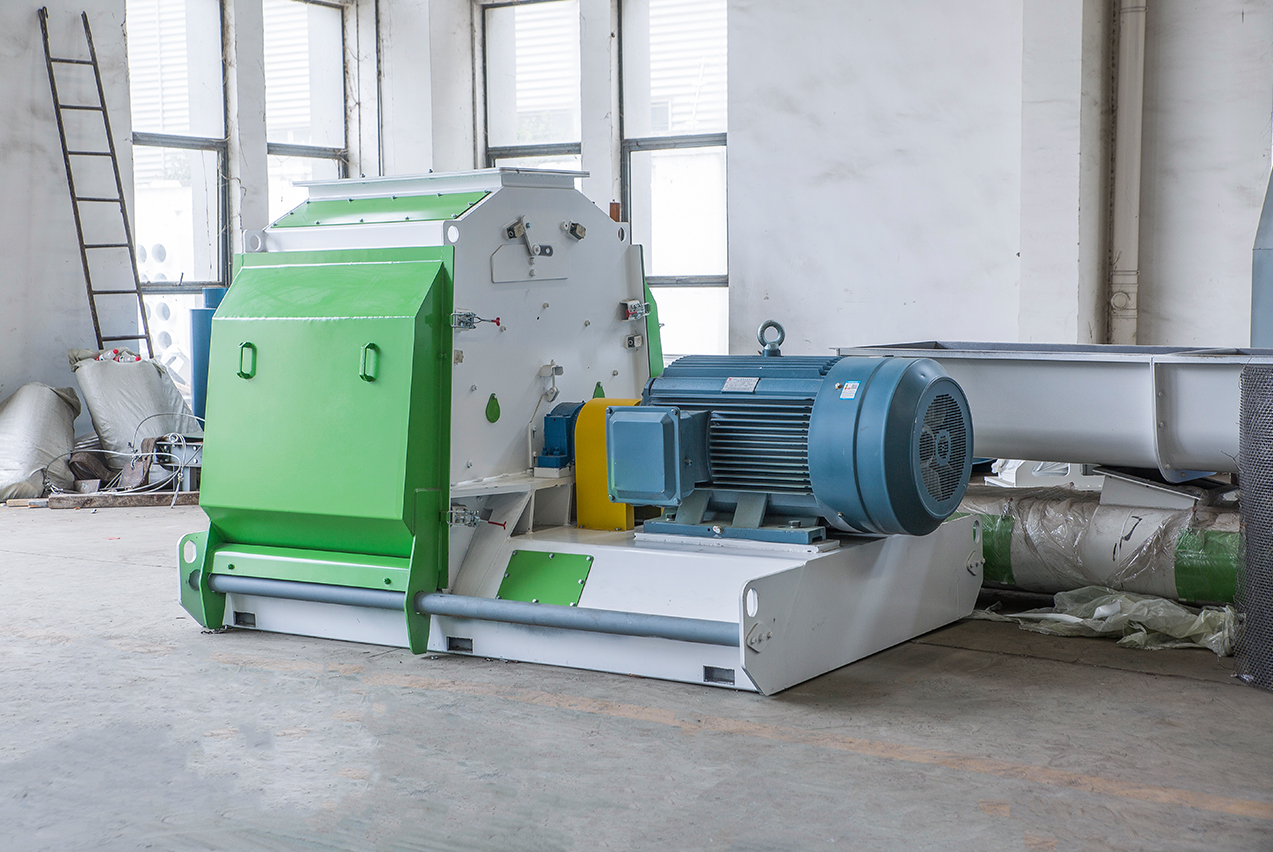
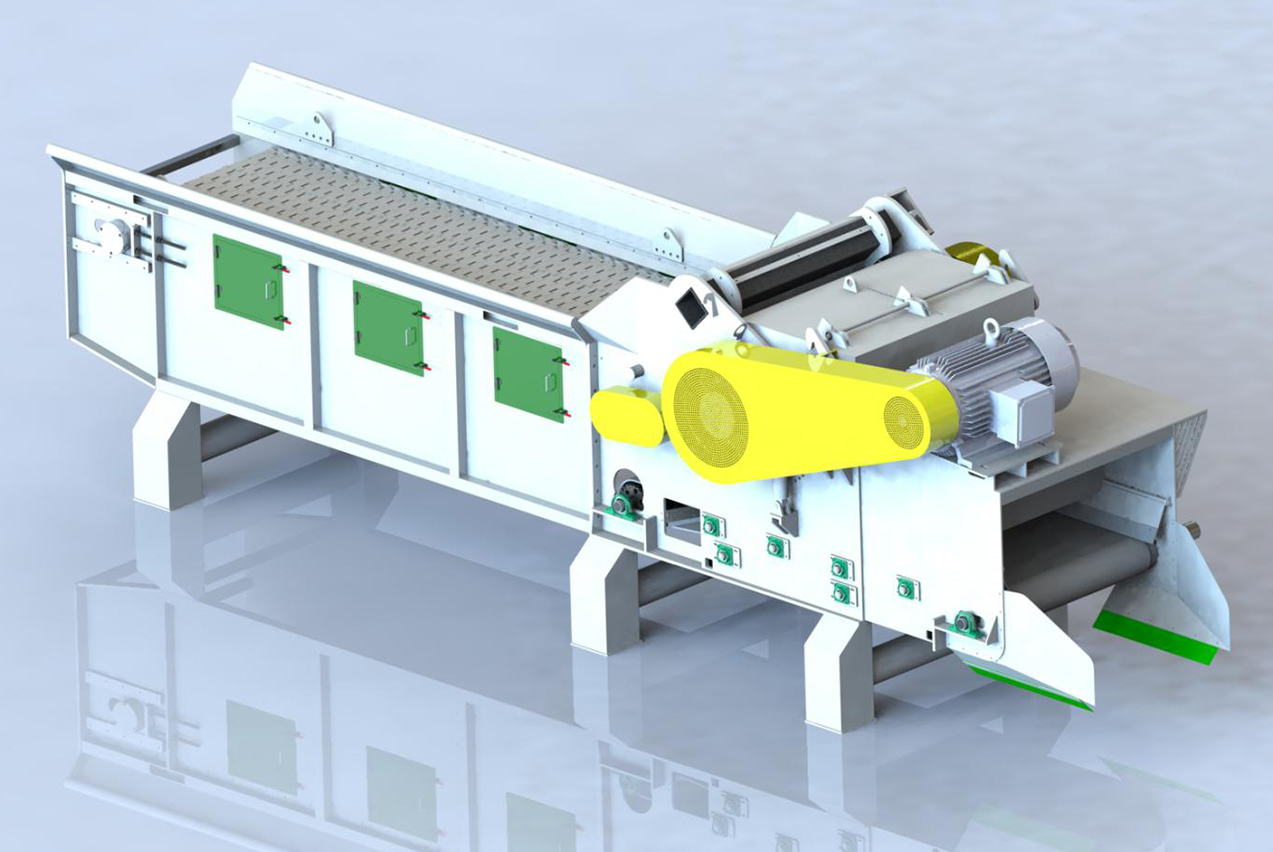
The line processed acacia wood chips as its primary feedstock. The equipment sequence:
Total installed power for the line aligned with the scale: four JWZL-688 series mills at the 10 t/h per unit scale in a comparable Hubei, China project consumed 1,980 kW total — the Vietnam configuration at 24 t/h aggregate operated within a similar power density.
The project ran through 2020–2021 when international travel restrictions were in force. Kingwood's engineers faced significant challenges: shipping delays on certain electrical components, restricted site access during Vietnam's domestic lockdowns, and remote commissioning support for initial startup phases. The resolution involved pre-commissioning all electrical control panels in Kingwood's Liyang factory before shipment, reducing on-site calibration time, and staging local Vietnamese technical staff who received remote instruction before Kingwood engineers arrived for final sign-off.
The 9-month timeline from contract to completion — under those conditions — is a useful benchmark for buyers planning today, when logistics have normalized.
Kingwood's Three-Standardization Framework (Integrated, Dust-Free, Automated) was applied across the Vietnam plant:
A Vietnam wood pellet line achieving 23-month payback using a JWZL688 at 12 t/h capacity is the most directly relevant ROI reference for medium-scale investors. The calculation rests on three revenue and cost variables.
Japanese wood pellet imports reached 4.25 million tons in 2023 per the USDA Foreign Agricultural Service Global Agricultural Information Network August 2023 report. Vietnamese exporters supply a significant share of this volume. Export pricing for Vietnamese-origin pellets to Japan and South Korea has typically ranged USD 120–160 per ton FOB, depending on pellet quality grade (ENplus A1 commands the upper end), contract duration, and shipping route.
At 12 t/h with 7,000 operating hours per year (a realistic figure allowing for scheduled maintenance), annual production reaches approximately 84,000 tons. At USD 130/ton average, annual revenue from a single 12 t/h line approaches USD 10.9 million — before operating costs.
Key operating costs for a Vietnamese biomass pellet line:
Biomass pellets save 40–50% versus fuel oil, gas, or electric heating for Vietnamese industrial users who consume domestically — an additional offtake option if export markets soften.
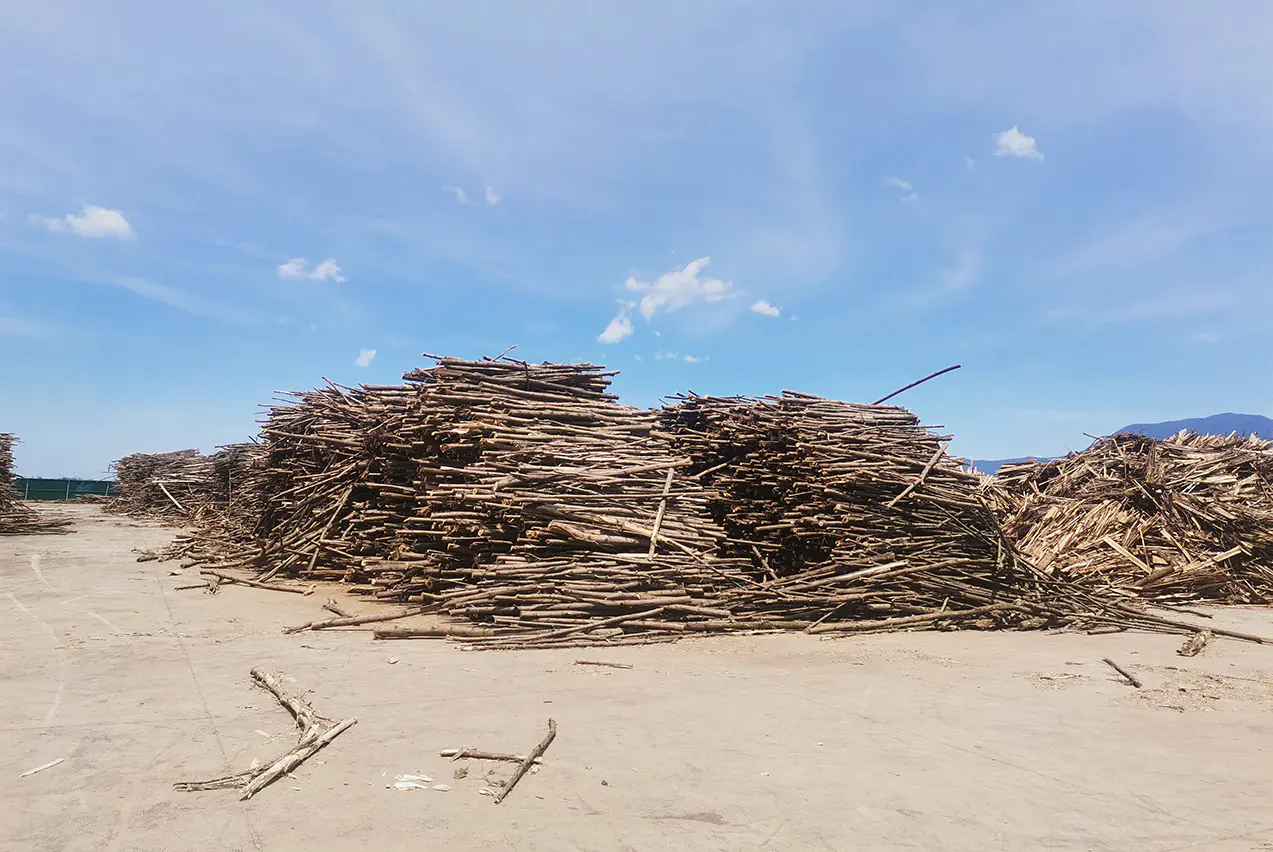
Acacia wood at 40–55% green moisture cannot be pelletized directly. The dryer must reduce moisture to 10–14% before the ring die. Undersizing the dryer is the most common mistake we see in Vietnam project proposals from buyers who focus on pellet mill capacity without calculating dryer throughput. A 12 t/h pellet output line typically requires a dryer capable of evaporating 8–12 tons of water per hour from green acacia — that translates to a substantial rotary drum dryer installation, not a small auxiliary unit.
ENplus A1 standard requires bulk density ≥ 600 kg/m³ and PDI ≥ 97.5% per the European Pellet Council 2022 quality standard. Kingwood ring die mills achieve these benchmarks on dry sawdust at 10–14% moisture. Achieving them on poorly dried feedstock is not possible regardless of die configuration.
| Model | Capacity | Main Motor Power | Typical Application |
|---|---|---|---|
| JWZL-420 | 1–1.5 t/h | Lower power range | Small-scale or trial operations |
| JWZL-688 | 2–2.3 t/h (standard) | — | Medium commercial |
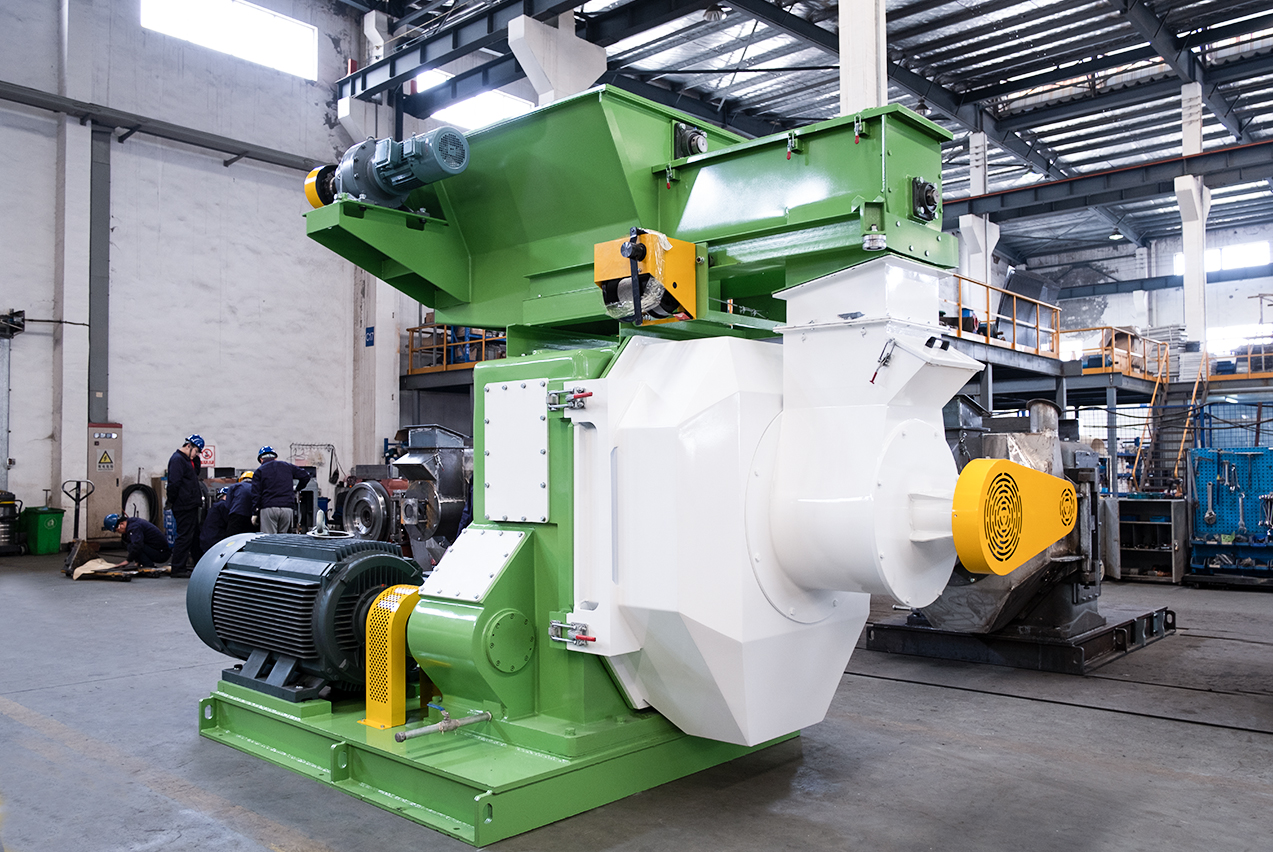
| JWZL-688D | 3–3.5 t/h | 200 kW | High-output single-unit for Vietnamese exporters |
| JWZL-860 | 4–5 t/h | Higher power | Large single-unit; Indonesia 20–30 t/h lines use multiple units |
| Multi-unit (2× or 4×) | 12–30 t/h | Combined | Export-scale plants (AVP Group Vietnam, Indonesia deployments) |
For a Vietnamese buyer targeting 8–12 t/h total output, two JWZL-688D units in parallel is a common configuration. For 20 t/h and above, the JWZL-860 in a 20 t/h Indonesia configuration or a 30 t/h Indonesia deployment provides the reference architecture.
The 500 kg/h threshold is a practical decision point: below it, a flat die pellet mill is adequate and lower-cost. Above 500 kg/h — which covers virtually every commercial export-grade operation in Vietnam — ring die is the correct choice. The ring die's continuous-contact mechanics handle higher feed rates more efficiently, maintain more consistent die pressure, and achieve the PDI figures required by Japanese and Korean buyers.
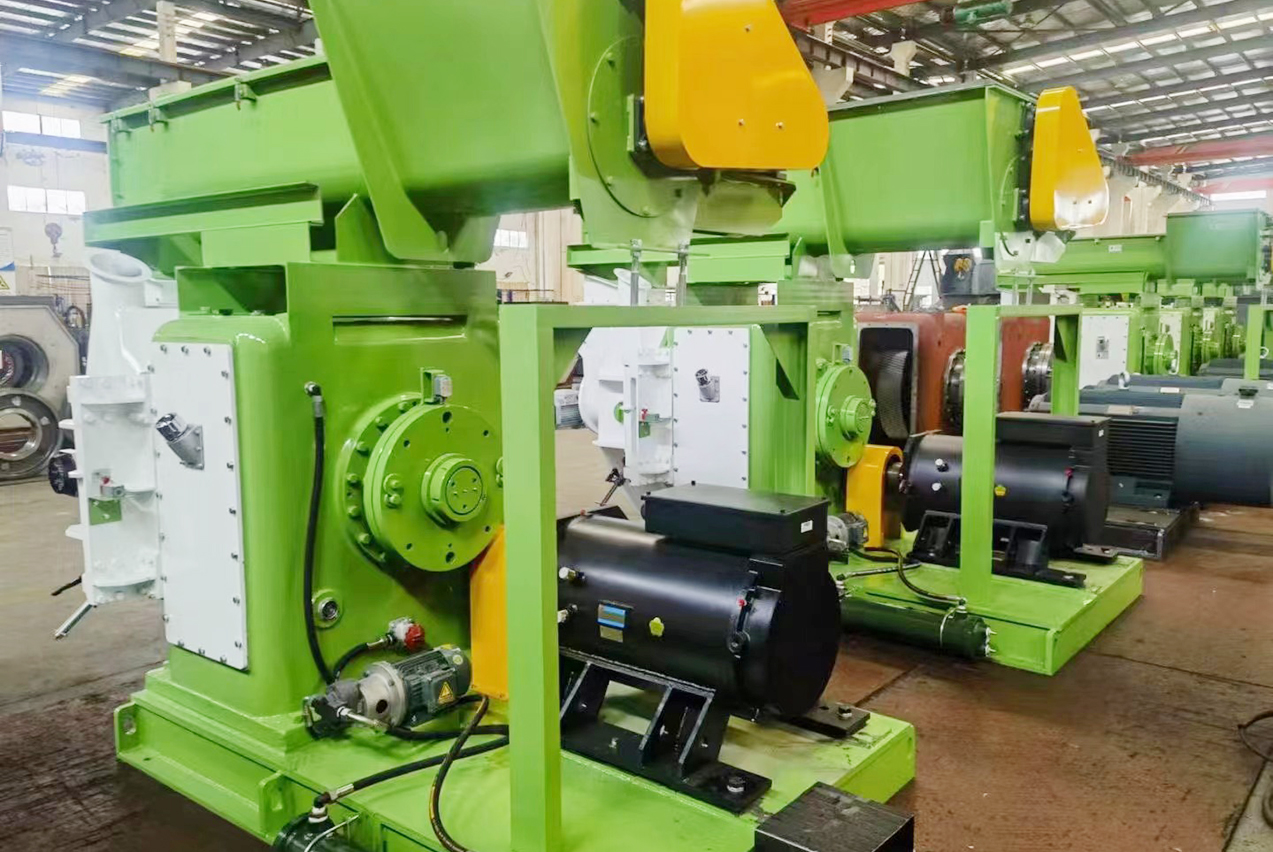
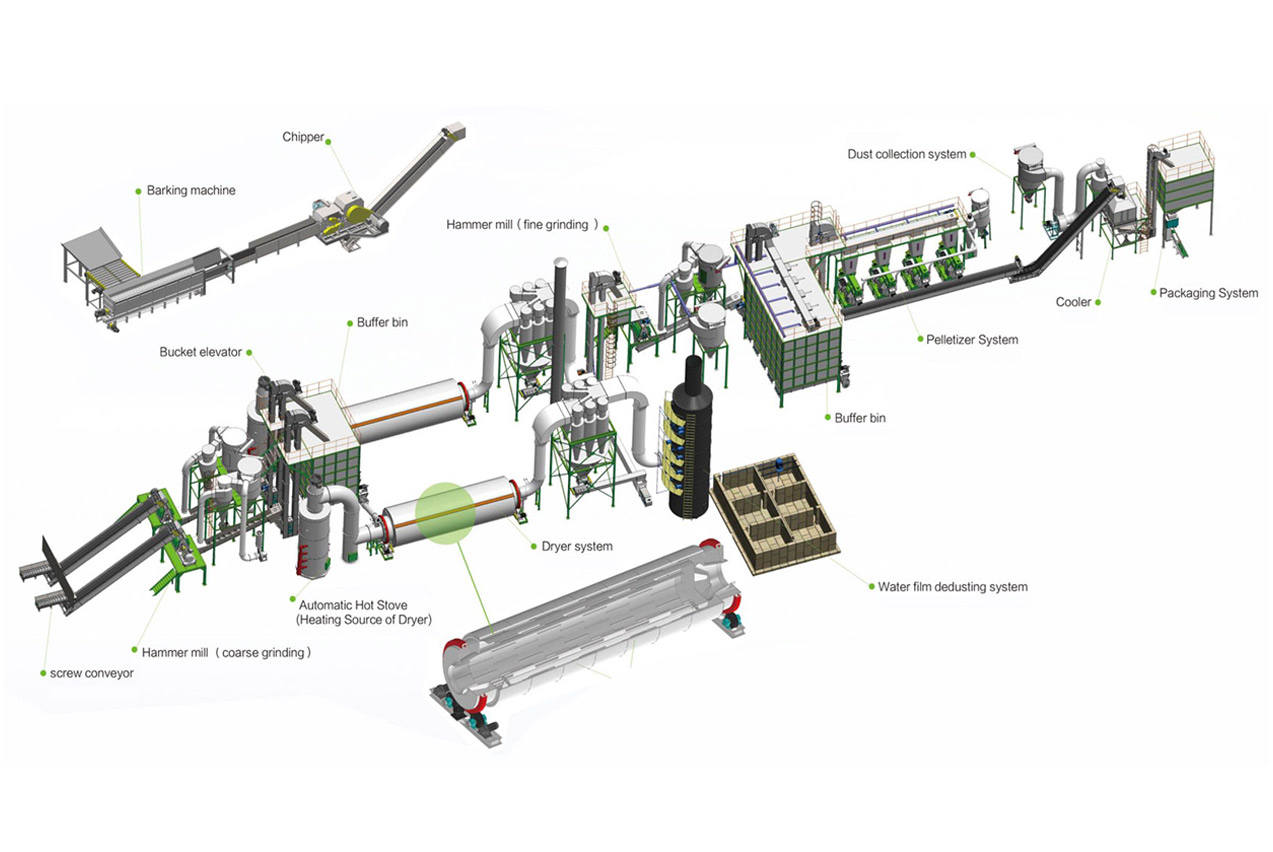
A complete line for Vietnamese acacia processing follows this sequence:
Vietnamese industrial emission standards under QCVN 19:2009/BTNMT set limits on particulate matter from biomass processing operations. Kingwood's enclosed conveying systems — all material transfers between process stages run through enclosed screw conveyors or enclosed belt conveyors with dust extraction points — are designed to meet these requirements. The World Bank 2023 Vietnam Environmental Performance Review notes particulate emissions from biomass processing are subject to these national industrial emission standards, and enclosed dust-free systems are increasingly a licensing requirement in Vietnamese industrial zones.
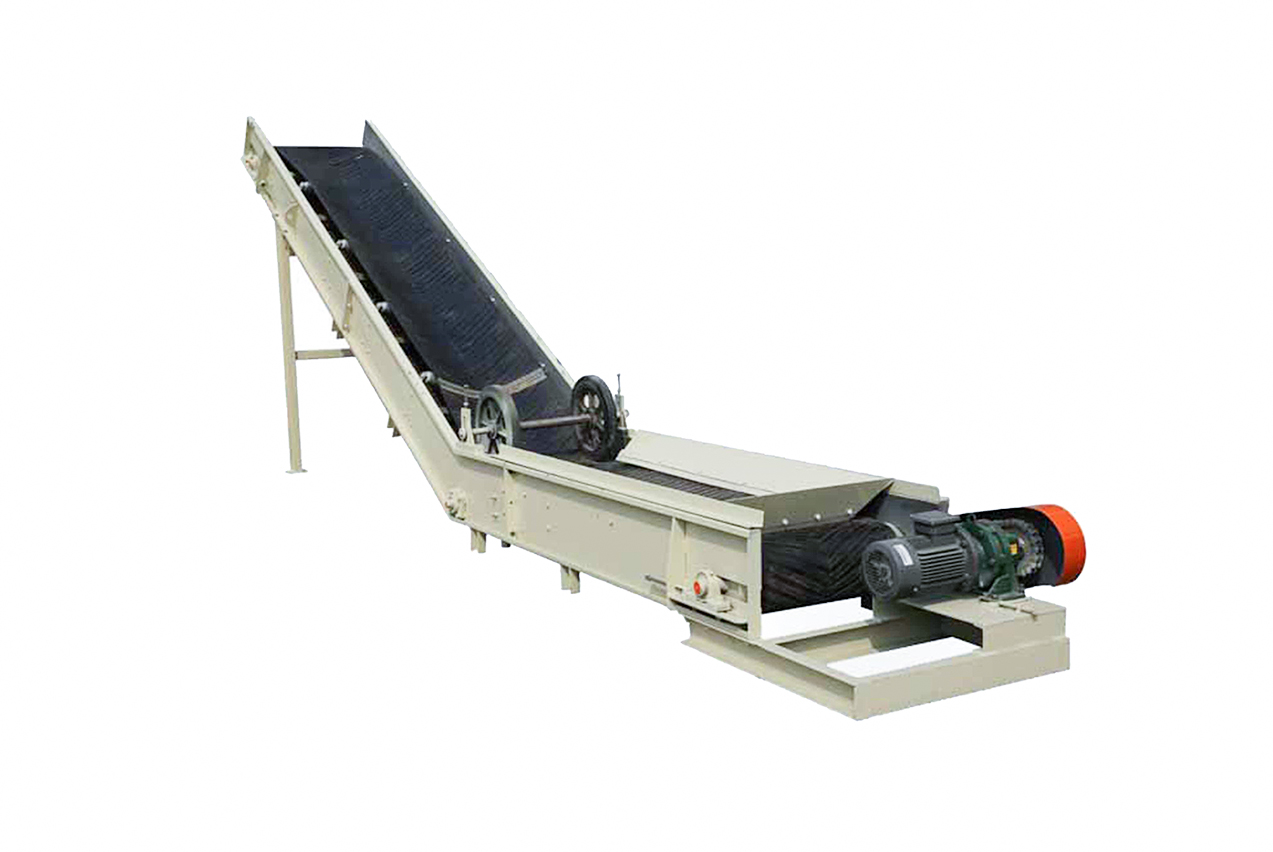
Pellet mill auxiliary equipment (coolers, conveyors, dust collectors) in a Kingwood EPC contract typically includes: counter-flow pellet cooler, vibrating screener, cyclone dust collectors at hammer mill and dryer exhaust points, bag filter dust collection at the bagging station, all inter-stage conveyors, a central electrical control cabinet, and operator training. Buyers sourcing equipment piece-by-piece often miss dust collectors for the dryer exhaust — a common gap that creates both compliance and fire risk issues.
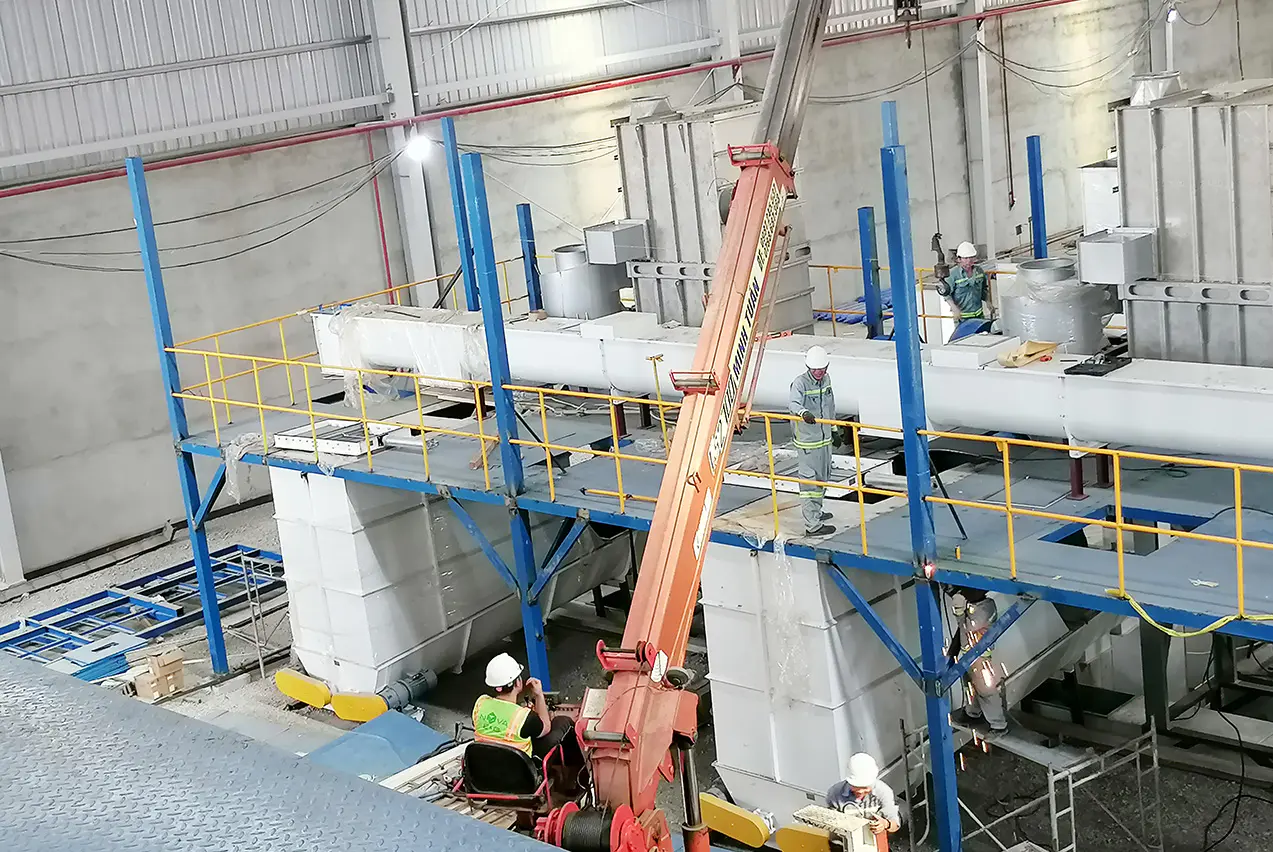
Kingwood (Jiangsu Kingwood Industrial Co., Ltd.) has been developing biomass pellet equipment since 1999 — 27 years of R&D — and has planned and designed 2,000+ production line projects across 30+ countries, with documented deployments in Vietnam at 12 t/h and 24 t/h scale.
For Vietnamese buyers specifically, Kingwood offers:
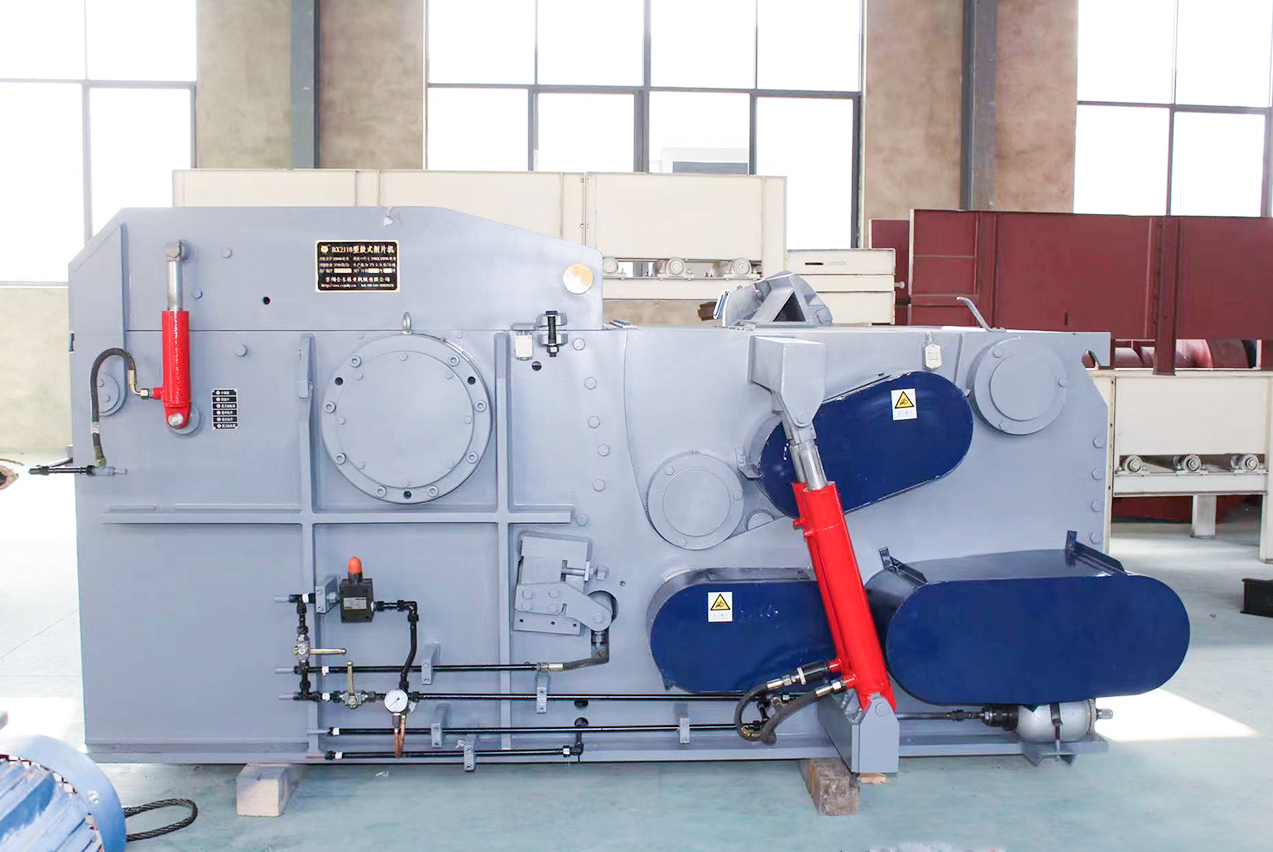
Kingwood holds ISO 9001, ISO 14001, and CE certification, and carries Jiangsu Provincial High-Tech Enterprise status. The JWZL-688D, the most-deployed model for Vietnamese mid-scale export lines, runs at 3–3.5 t/h with a 200 kW servo motor main drive — verified figures from Kingwood's published specification sheet, not estimated ranges.
A manufacturer's 2,000+ project history across 30+ countries is not a marketing claim — it is a proxy for problem-solving depth. Plants encounter unusual feedstock, unexpected moisture variation, and electrical compatibility issues. A supplier who has seen these problems across dozens of markets has developed standard solutions; a new-to-market supplier is learning on your project.
After-sales service availability ranked as the #1 purchasing criterion ahead of price for 63% of respondents per a Statista 2024 survey of Asian biomass equipment buyers. That finding aligns with what our customers in Vietnam consistently report: the purchase price difference between suppliers narrows considerably once commissioning support, spare-parts freight, and downtime costs are factored in.
| Phase | Typical Duration |
|---|---|
| Site survey, raw material analysis, proposal | 2–4 weeks |
| Contract finalization and down-payment | 1–2 weeks |
| Equipment manufacturing | 60–90 days |
| Shipping to Vietnam (Jiangsu port to Vietnam port) | 10–18 days |
| Customs clearance and inland transport | 2–4 weeks |
| Civil construction (if not pre-built) | Parallel to manufacturing |
| Installation and commissioning | 4–8 weeks |
| Operator training and handover | 1–2 weeks |
| Total: 6–12 t/h line | ~4–6 months |
| Total: 20–24 t/h line | ~7–10 months |
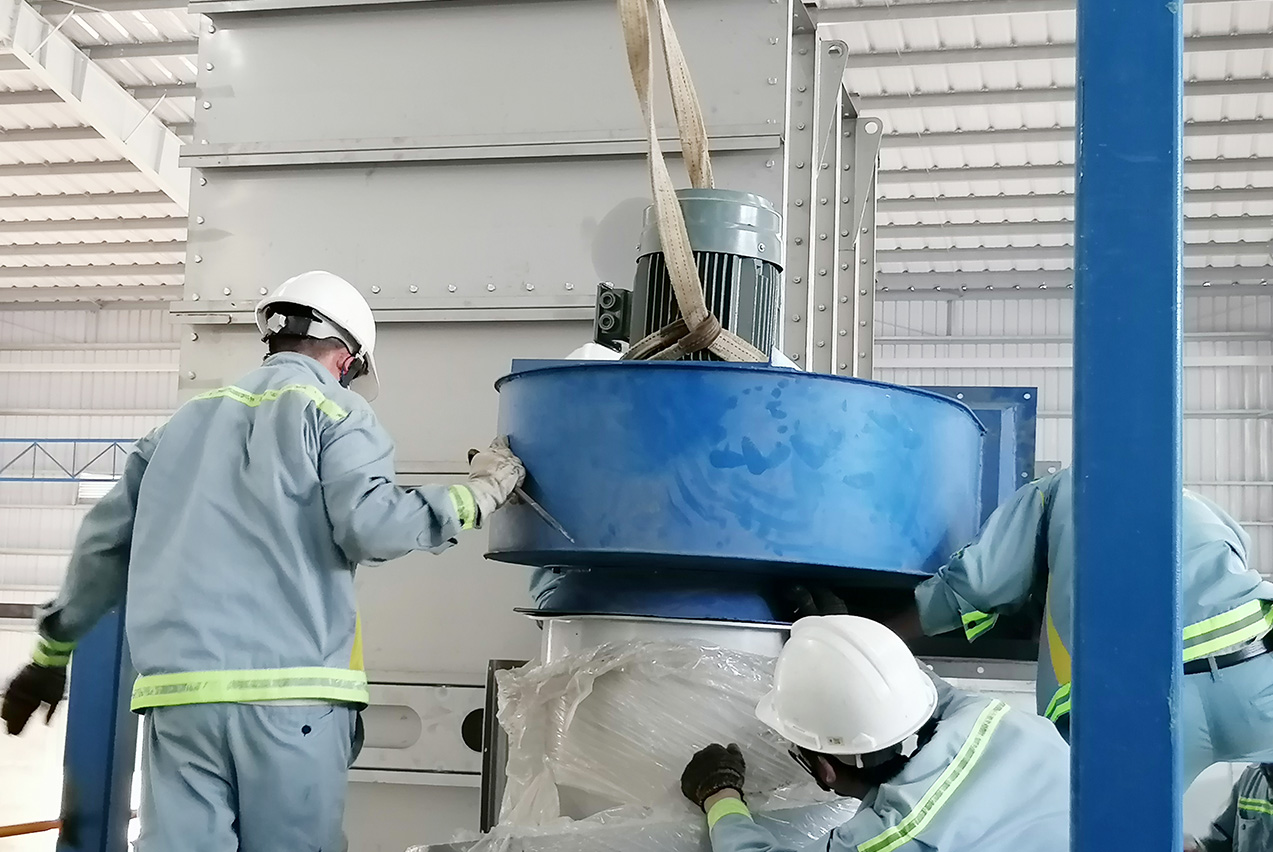
Based on Kingwood's AVP Group project, installation and commissioning of a 24 t/h line in central Vietnam took approximately 9 months from contract award in late 2020 to completion in June 2021, including COVID-era logistics delays. Simpler 6–12 t/h turnkey lines typically run 4–6 months from order to first production. Lead times depend on equipment complexity, site readiness, and customs clearance.
A documented Kingwood case study for a 12 t/h JWZL688 line in Vietnam shows a payback period of 23 months. Payback depends on pellet selling price (typically USD 120–160/ton FOB for Vietnamese exporters to Japan and South Korea), feedstock cost, and plant utilization rate. Larger lines above 20 t/h generally achieve faster payback due to lower per-ton operating costs.
Kingwood's ring die pellet mills handle acacia wood chips, rubber wood, sawdust, rice husk, bamboo, and agricultural straw — all common Vietnamese biomass feedstocks. The 30 t/h Vietnam deployment documented on kingwood-china.com used rubber wood and acacia logs processed through a log peeling, slicing, and drying sequence before pelletizing. High-moisture green wood (40–55%) requires an upstream rotary drum dryer to reach the 10–14% moisture target for pelletizing.
Yes. Kingwood operates a global service network covering 30+ countries, including Vietnam, with on-site engineer support and a one-stop spare-parts supply program. Critical wear parts — ring dies, roller shells, hammer mill blades, and screens — are stocked for rapid dispatch. Kingwood's 150-person team includes 35+ R&D and service engineers who can be deployed to Vietnamese sites for troubleshooting and maintenance training.
Buyers should verify ISO 9001 quality management certification, ISO 14001 environmental management certification, and CE certification — all of which Kingwood holds. For pellets destined for the EU or Japanese markets, confirm the manufacturer's equipment can produce pellets meeting ENplus A1 standards (PDI ≥ 97.5%, bulk density ≥ 600 kg/m³). Also confirm the manufacturer is a recognized industry association member; Kingwood serves as a Deputy Director Member Unit of the China Biomass Energy Industry Alliance.

Wood Biomass Machinery Manufacturer


 English
 日本語
 한국어