Rice husk is one of the most underutilized agricultural by-products globally. FAO 2023 data estimates approximately 150 million tons of rice husk are generated annually, concentrated in South and Southeast Asia — precisely the regions where industrial boiler fuel costs are highest and coal dependence remains a real operational risk.
For mill operators exploring rice husk pellet machine in Asia biomass supply chains, the core economics are straightforward: husk is often available at the mill gate for under $5/ton or essentially free as a processing residue, while the resulting pellets sell at $60–100/ton in regional markets.
Rice husk pellets deliver a calorific value of roughly 3,000–3,500 kcal/kg on a dry basis, compared to 4,500–4,800 kcal/kg for standard wood pellets. For industrial boiler operators, this means a higher feed rate is required to achieve the same heat output, but the lower feedstock cost more than compensates in most Southeast Asian markets.
Rice husk carries 15–20% ash content by weight, predominantly amorphous silica. This is significantly higher than wood pellets, which typically fall below 1.5% ash per ENplus standards. Boiler operators need grate designs or fluidized bed systems capable of handling the higher ash load — this is a system-level consideration buyers should resolve before configuring a pellet line.
The silica content also has a direct impact on pellet machine wear, which is covered in detail in the maintenance section below.
A rice husk pellet machine does not operate in isolation. Commercial operations require a sequence of conditioning steps before the husk reaches the pelletizing stage.
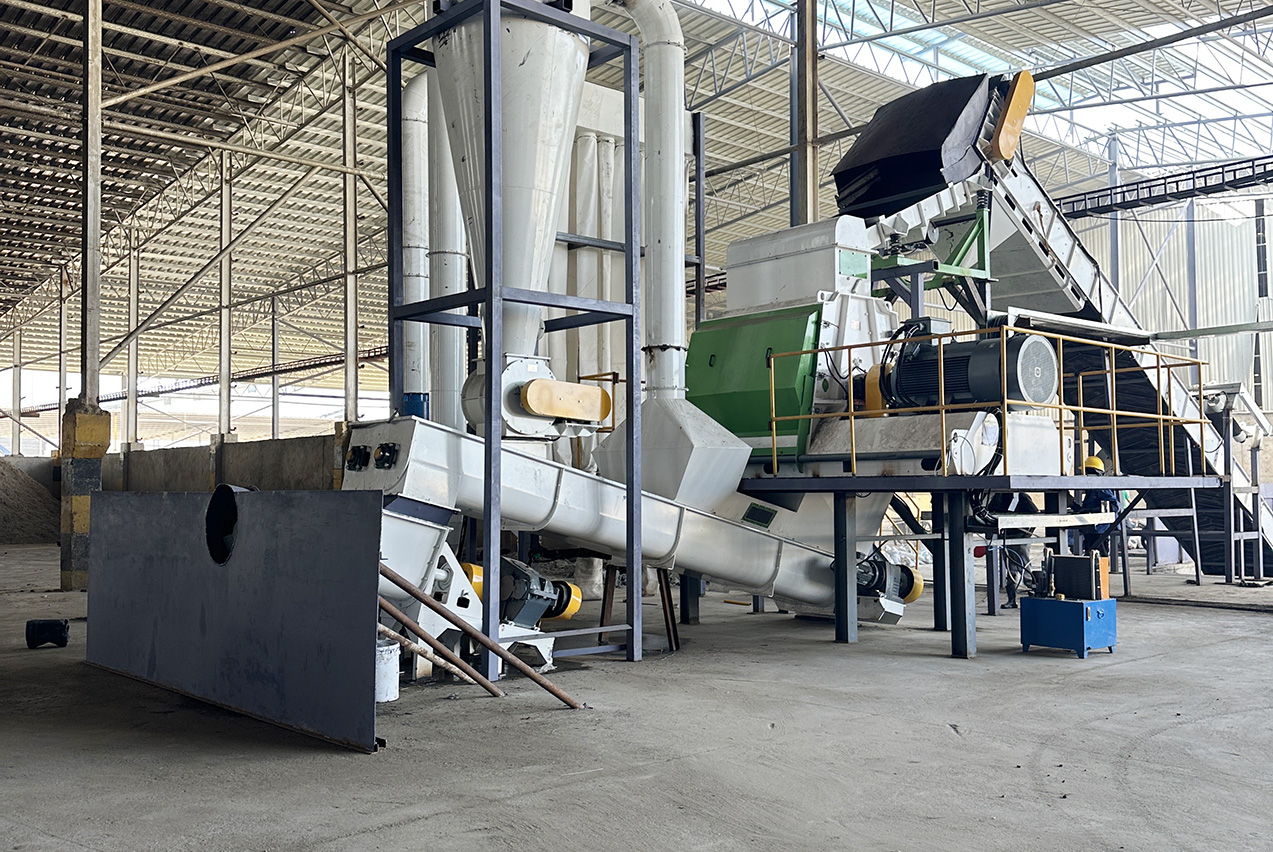
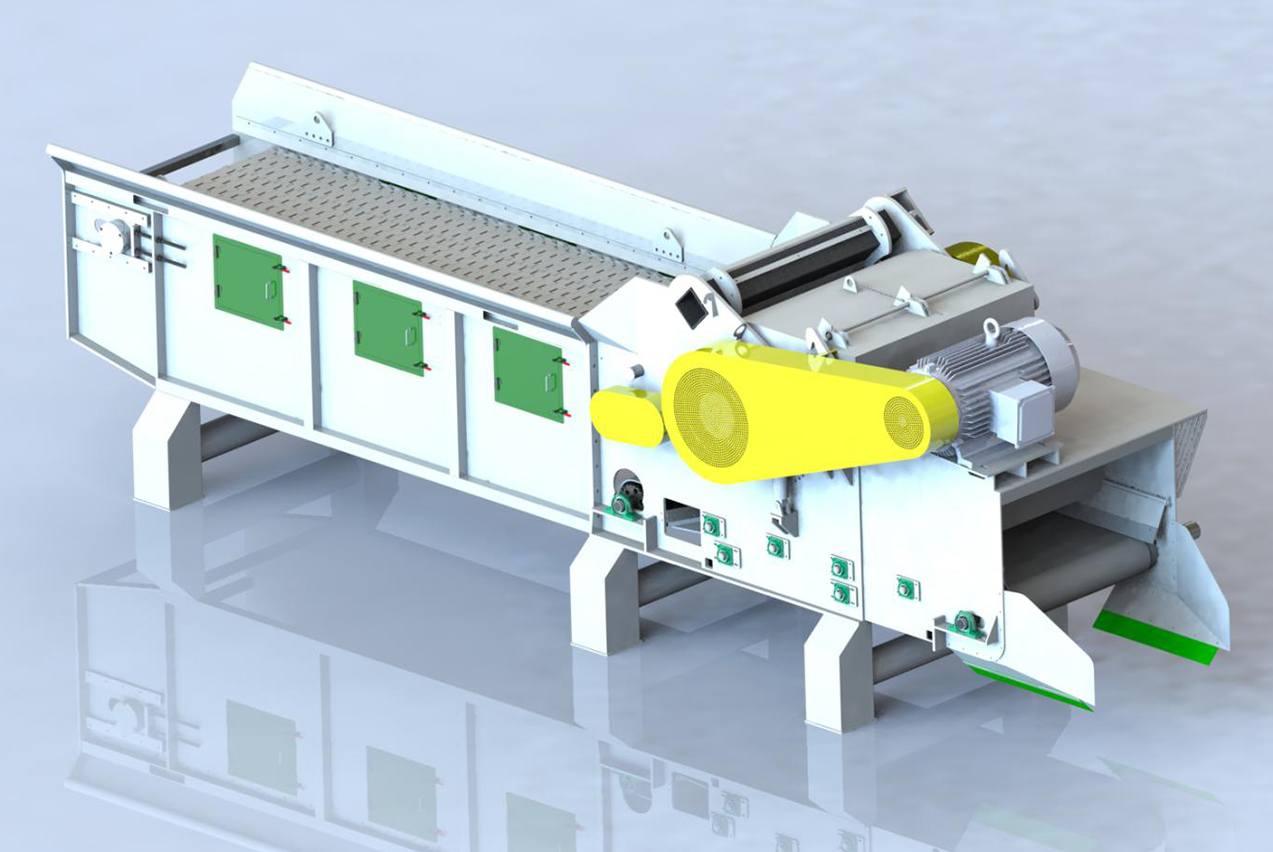
1. Size Reduction Fresh rice husk from a mill typically has a particle size distribution that is already reasonably fine, but it often contains occasional larger debris — sacking material, stones, or clumped wet husk. A hammer mill or crusher at 2–4 mm screen size removes oversized material and creates a uniform feed particle, which is critical for consistent die filling and pellet density.
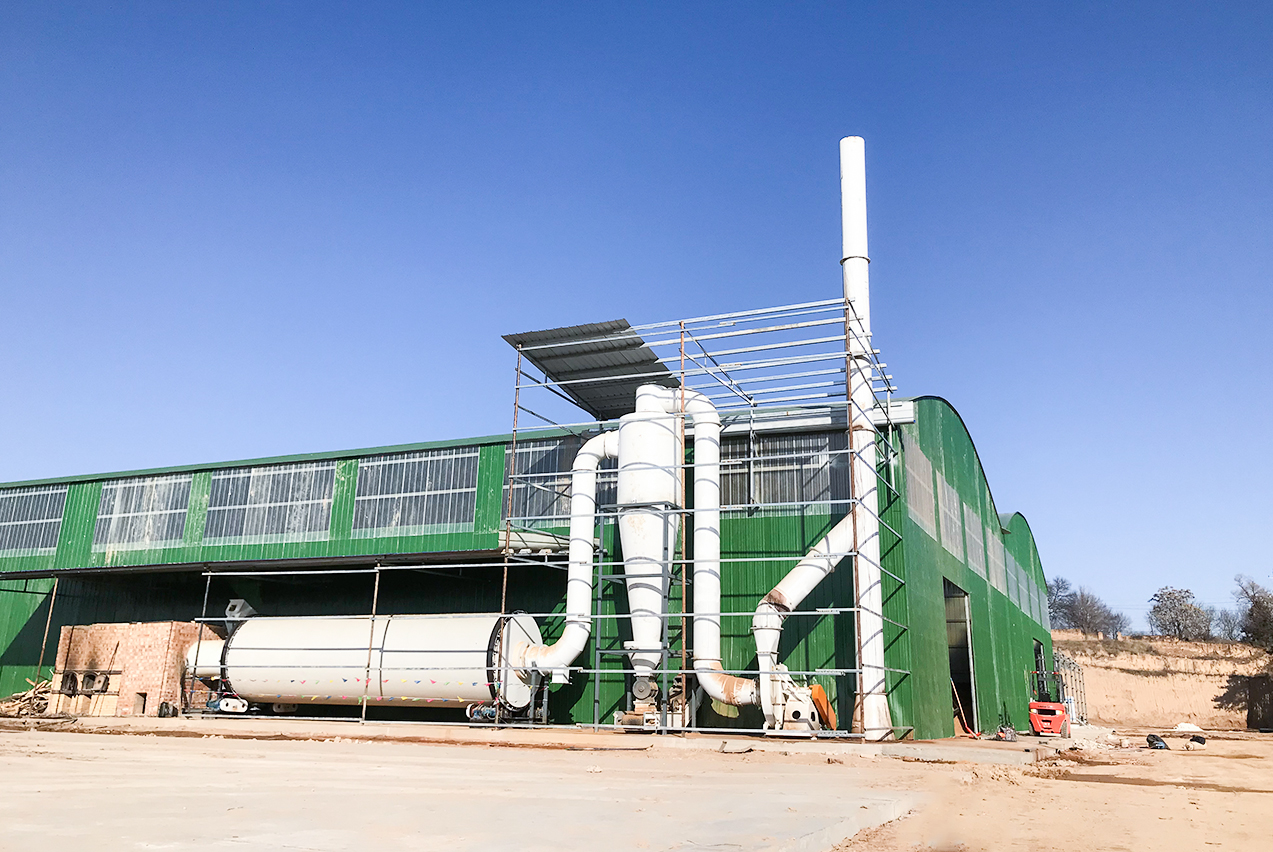
2. Drying Optimal pelletizing moisture for rice husk is 10–14%. Freshly milled or stored husk in monsoon climates routinely carries 12–18% moisture, so a drum dryer is almost always required upstream. Over-wet feed causes pellets to crack or expand after exiting the die; under-dry feed below 8% produces crumbly, low-density output that falls apart in transport. Per IEA Bioenergy 2023 technical guidelines, moisture conditioning is cited as the single largest cause of poor pellet durability in commercial rice husk operations.
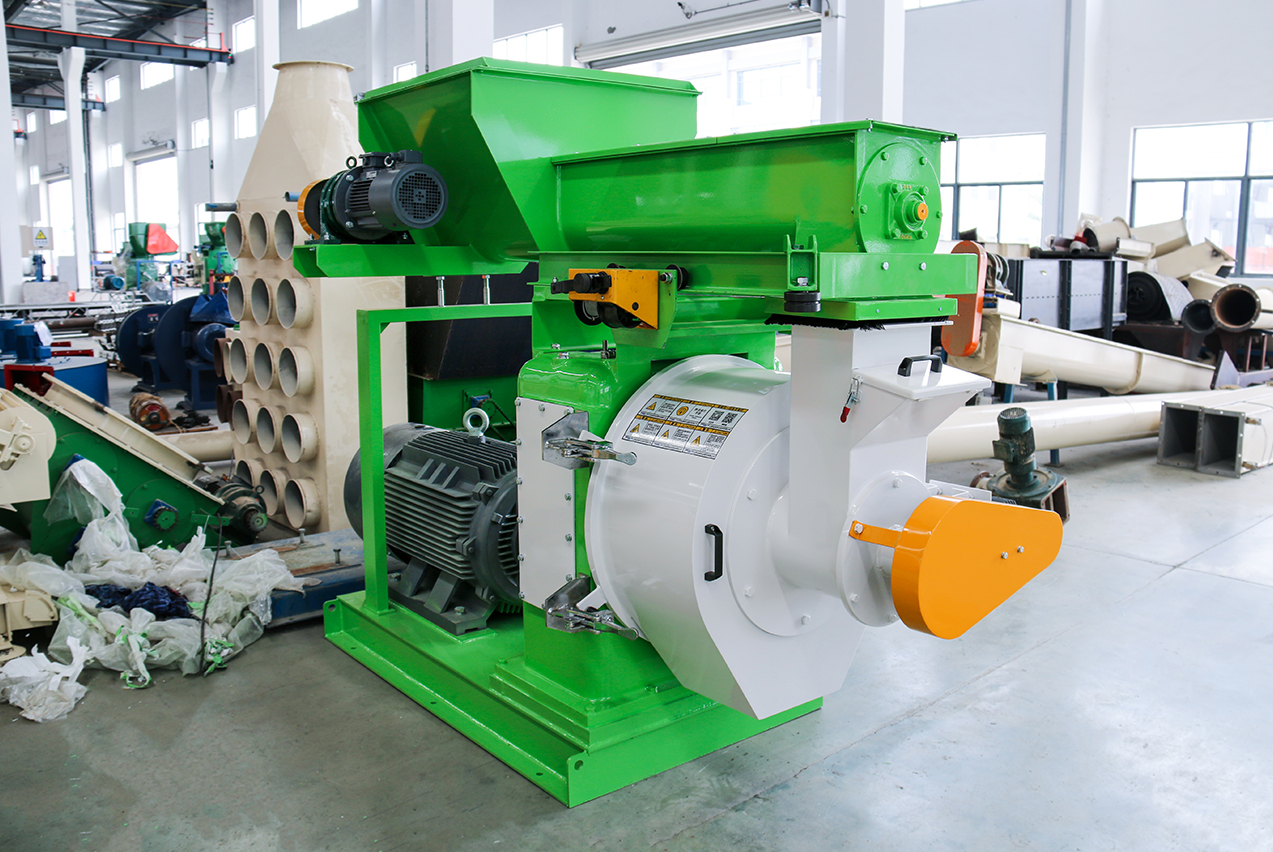
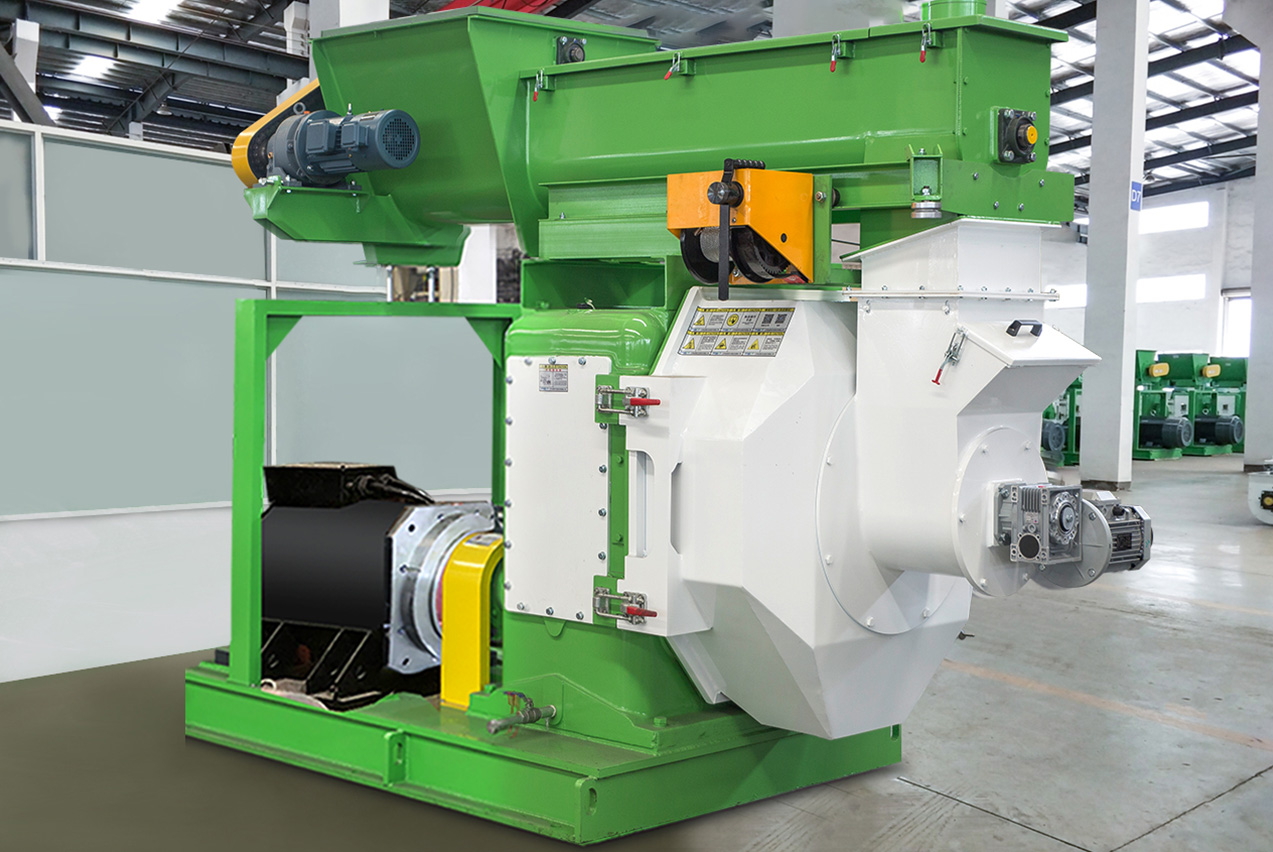
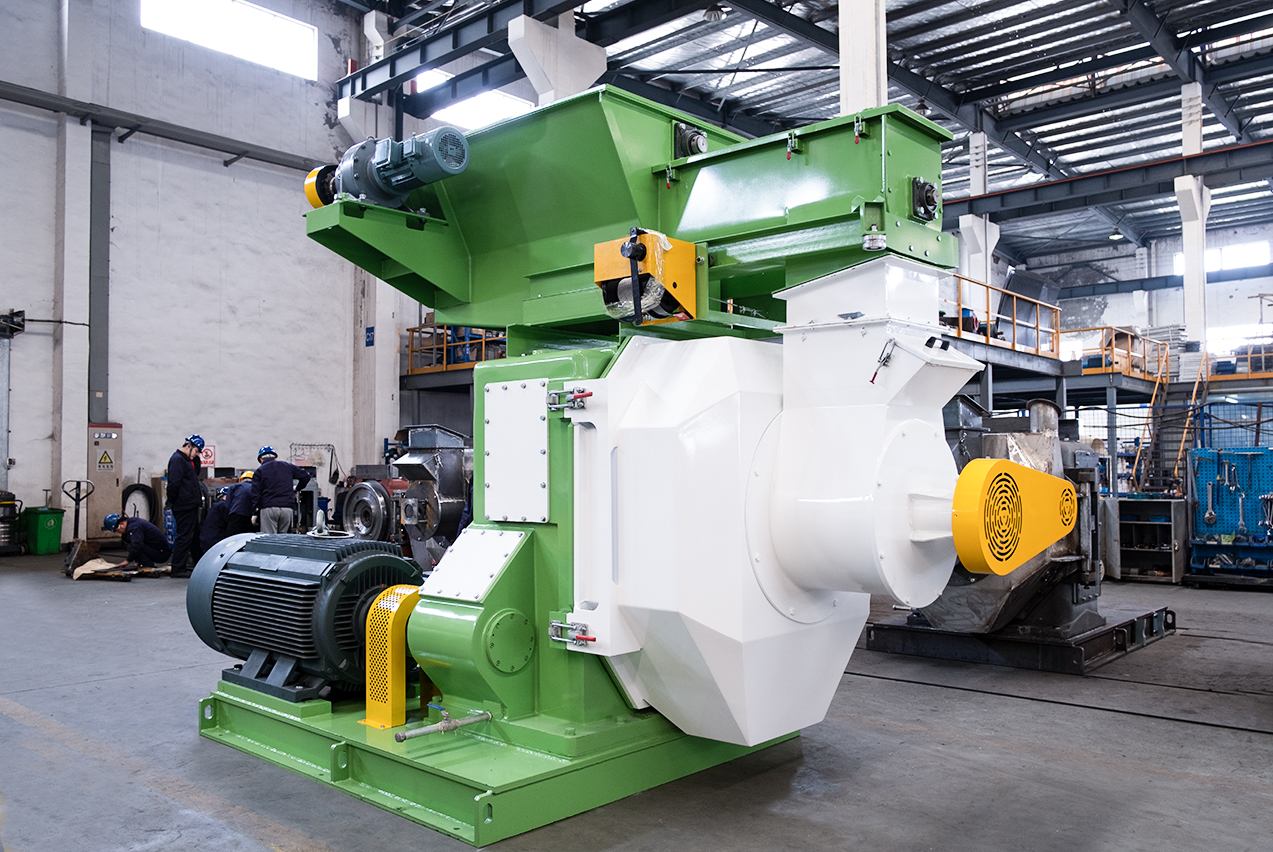
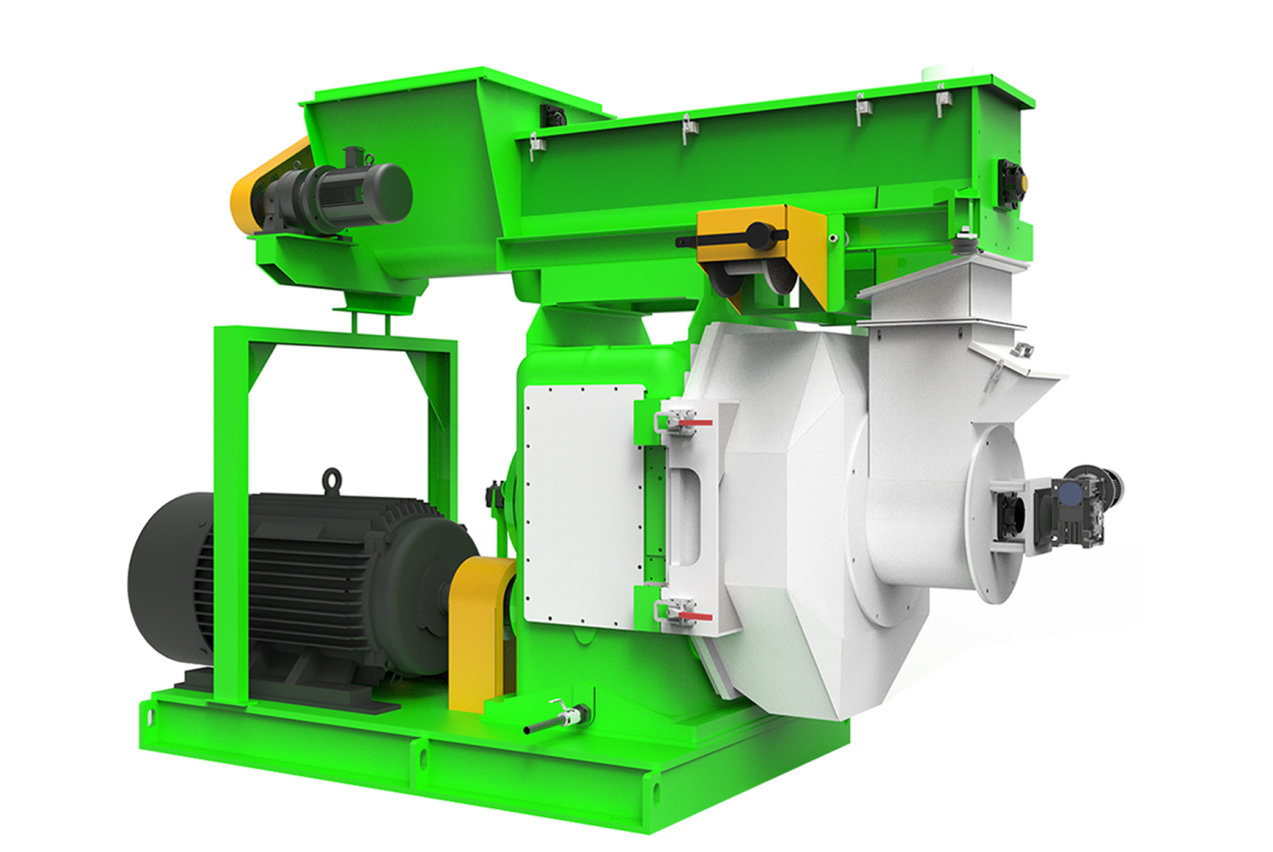
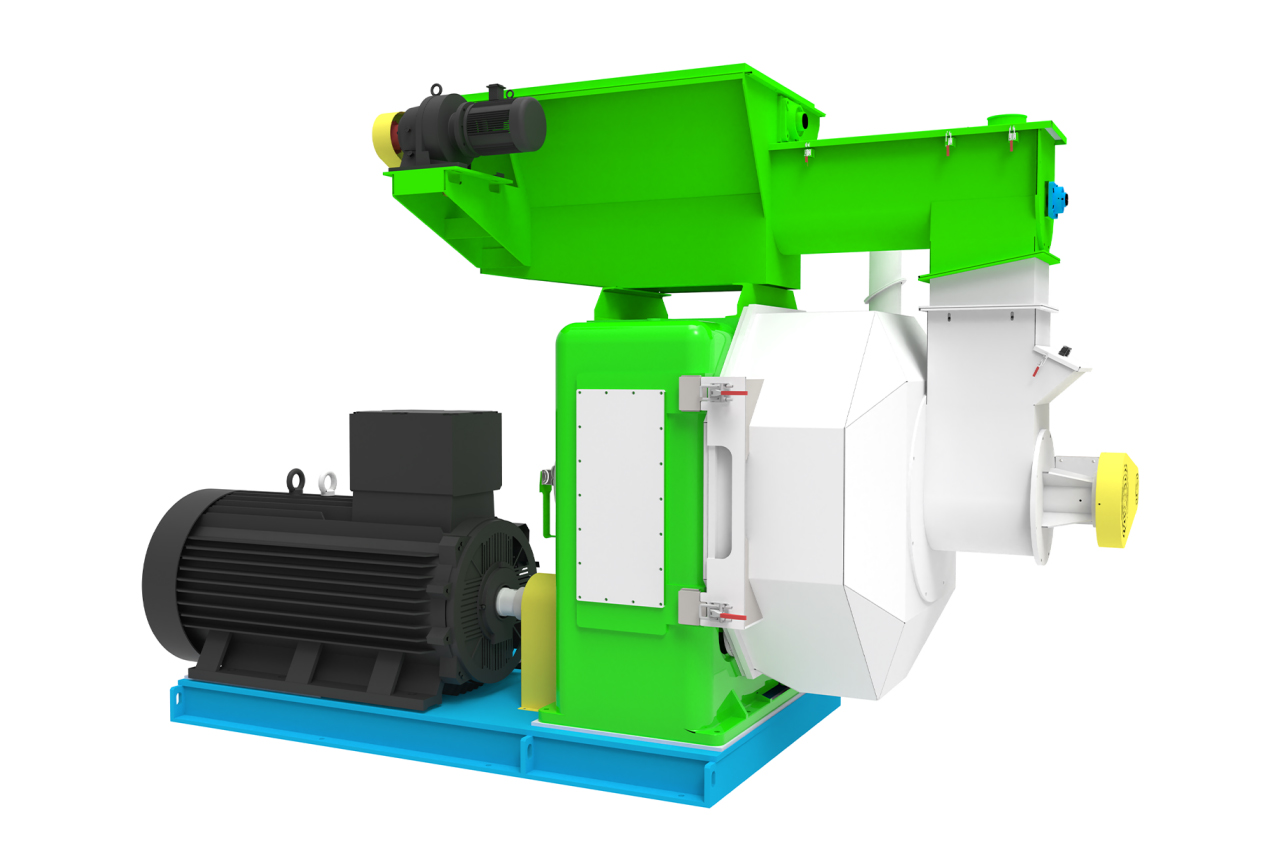
3. Pelletizing The conditioned husk is fed into the ring die pellet mill through a force feeder. The ring die rotates while pressure rollers, which spin through contact with the die, compress husk through precision-drilled holes typically 6–10 mm in diameter for fuel-grade pellets. Die hole geometry — specifically the length-to-diameter (L/D) ratio — controls compression ratio and directly determines pellet hardness and density.
4. Cooling and Screening Pellets exit the die at 70–90°C and with roughly 2–3% higher moisture than the target. A counter-flow cooler reduces temperature and moisture simultaneously. A downstream screen separates fines (typically 5–10% of output) that can be recycled back to the conditioning stage.
The ring die and roller shells are the two wear components that define both output quality and maintenance cost for any rice husk pellet machine. The ring die provides the forming geometry; the roller shells apply the compression force. Under rice husk abrasion conditions, both components wear faster than they would on clean wood sawdust — a factor that must be priced into any ROI calculation.
Selecting the right machine size for a rice husk operation requires matching rated capacity to actual husk availability and accounting for the lower bulk density of rice husk compared to sawdust.
| Model | Rated Capacity (Sawdust) | Estimated Rice Husk Capacity | Main Motor | Pellet % | Weight |
|---|---|---|---|---|---|
| JWZL-420 rice husk biomass pellet mill (1–1.5 t/h) | 1–1.5 t/h | 0.8–1.2 t/h | ~90 kW | ≥90% | ~4.5 t |
| JWZL-688 | 2–2.3 t/h | 1.6–2.0 t/h | ~132 kW | ≥90% | ~7.5 t |
| JWZL-688D | 3–3.5 t/h | 2.4–3.0 t/h | 200 kW | ≥90% | ~9.5 t |
| JWZL-860 | 4–5 t/h | 3.2–4.2 t/h | ~280 kW | ≥90% | ~14 t |
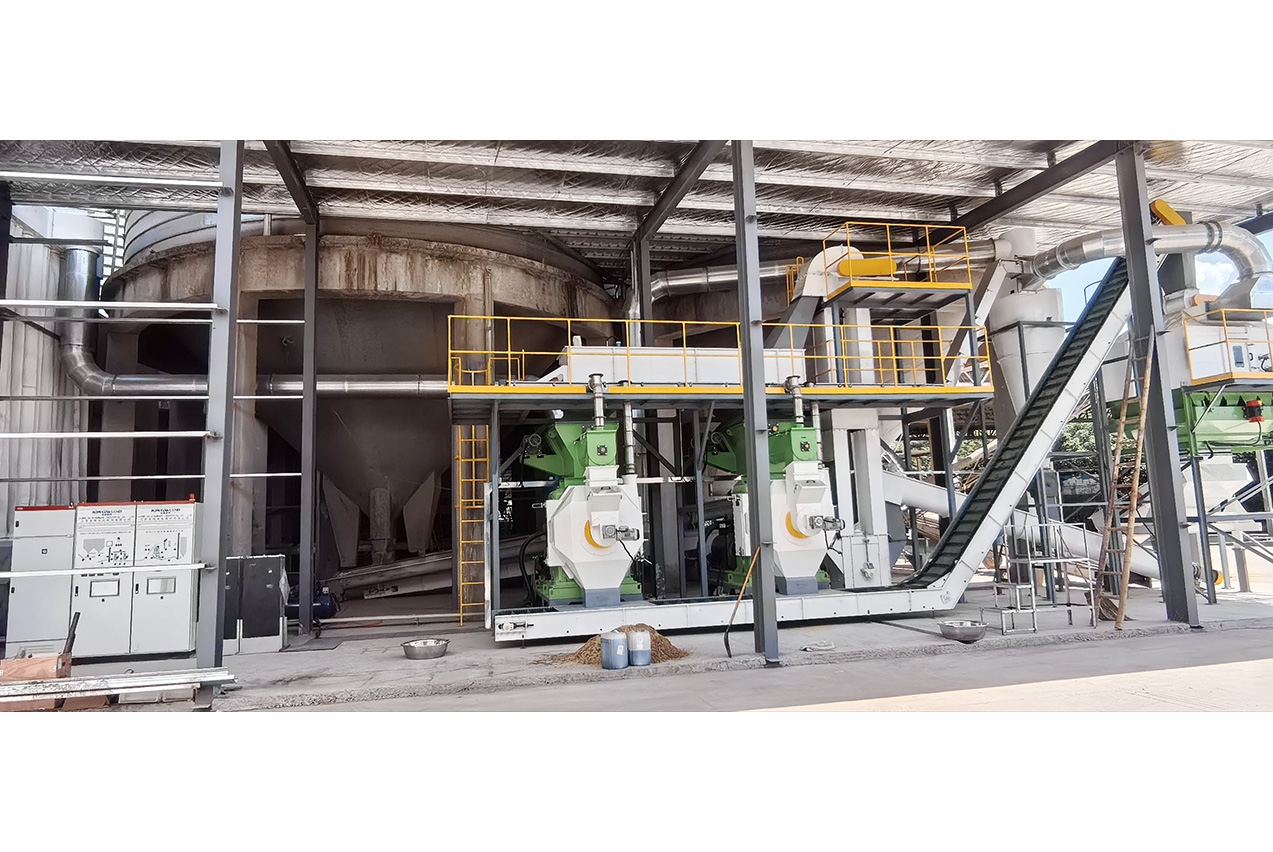
Note on rice husk capacity adjustment: Rice husk bulk density is typically 100–120 kg/m³, versus 150–200 kg/m³ for dry sawdust. This volumetric difference means that at a given die speed and roller gap, the rice husk line will run at roughly 80–85% of the rated sawdust throughput. Buyers should factor this into line sizing.
The JWZL-688D is the most commonly specified unit for mid-scale rice husk operations in Vietnam and Indonesia. Its 200 kW servo motor and force feeder (2.2 kW) deliver a rated pellet percentage of ≥90%, with fines ≤10% per Kingwood product data. Noise is rated at ≤93 dB(A) — relevant for operators building plants near residential areas.
Buyers supplying industrial boilers should require a Pellet Durability Index (PDI) of at least 95% for pneumatic conveying systems, and 92–95% for gravity or belt-fed boilers. For reference, Kingwood's ring die systems achieve PDI above 97.5% on dry sawdust at 10–14% moisture; on rice husk, PDI typically runs 93–96% depending on moisture control consistency. Specifying PDI in the purchase contract — with a test protocol such as ASABE S269 — gives buyers a measurable acceptance criterion rather than relying on visual inspection.
For industrial buyers needing 10 t/h or more, multiple ring die units operating in parallel on a single production line is the standard configuration. A confirmed example: Kingwood's 10 t/h China biomass pellet line using the JWZL-860 demonstrates how parallel pellet mill trains share upstream drying and downstream cooling infrastructure to reduce capital cost per ton of output.
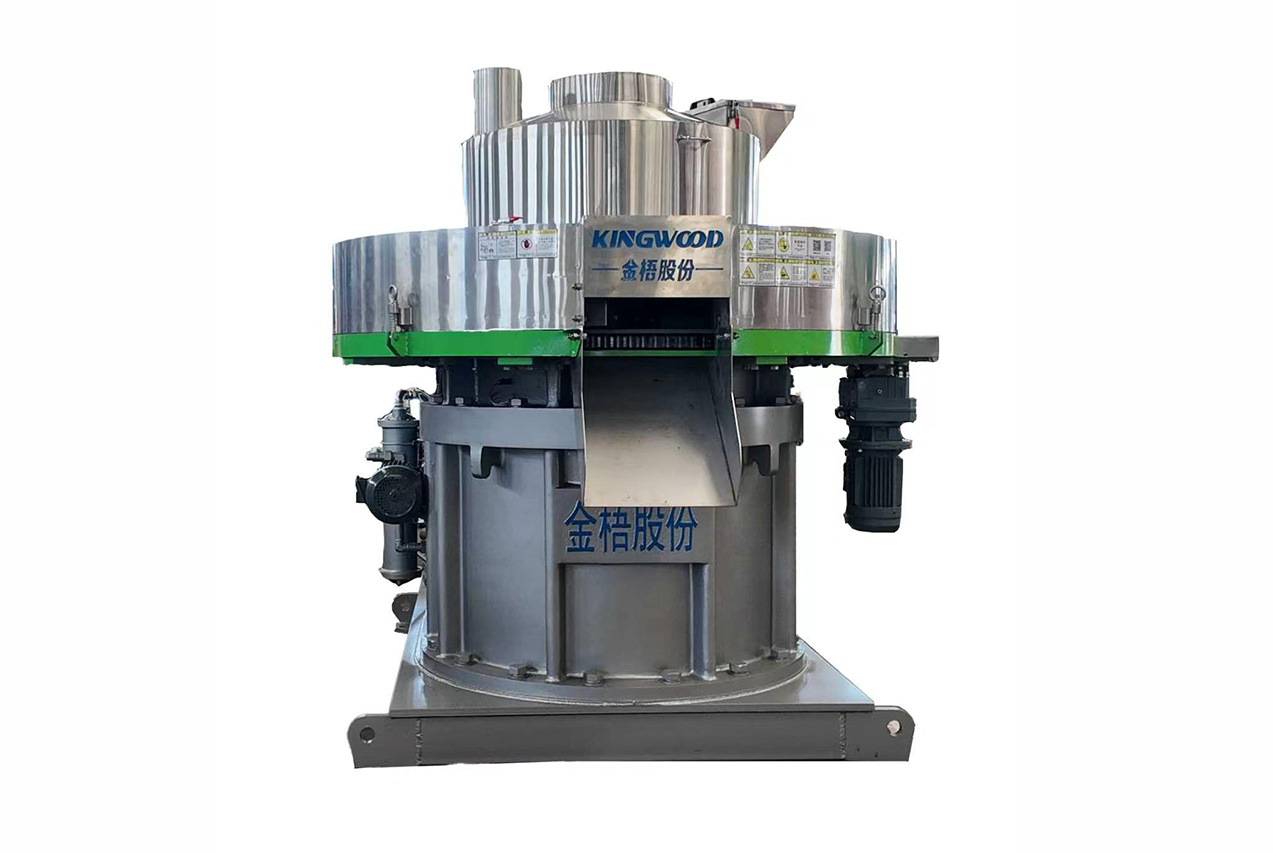
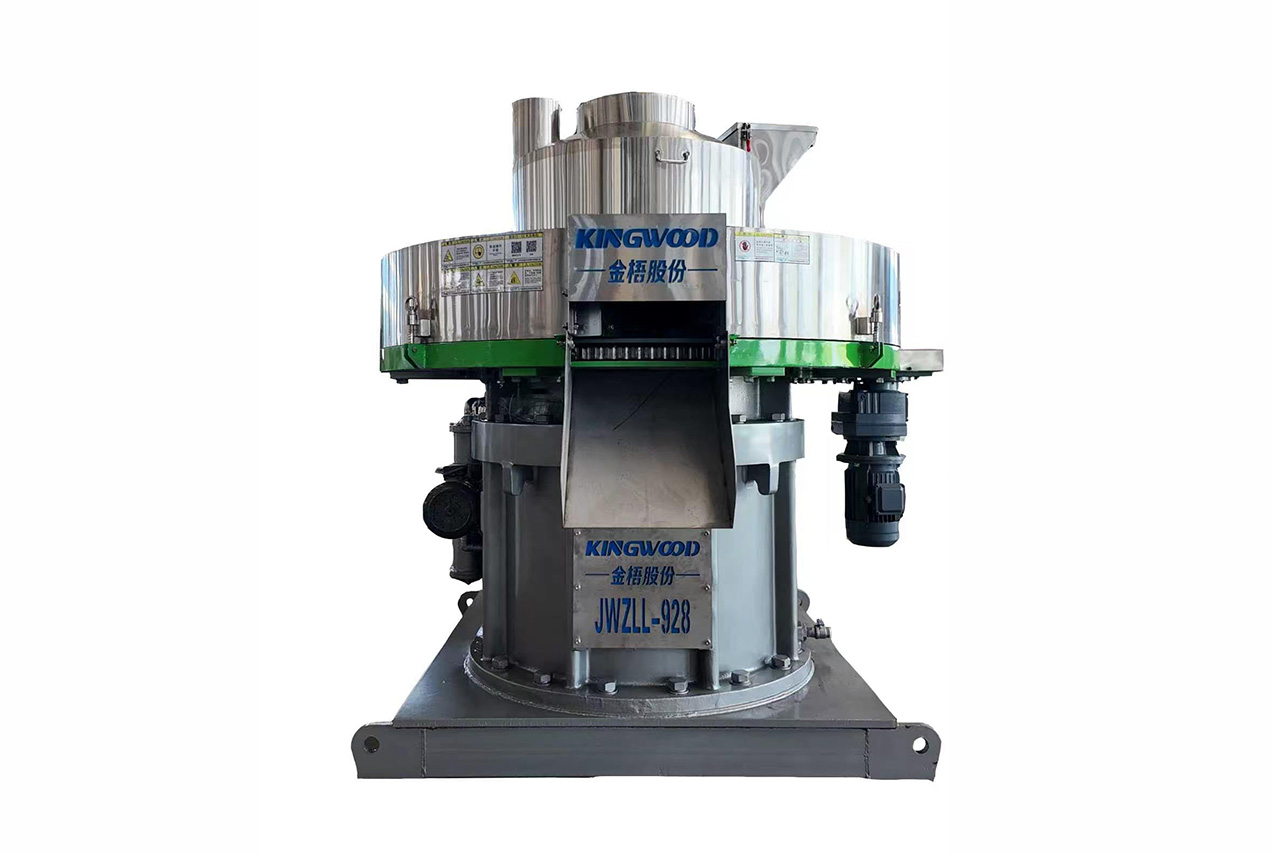
The 500 kg/h throughput threshold is the practical dividing line for equipment selection. Below that threshold, a flat die pellet mill can be cost-effective for a small rice mill operator who only needs to process on-farm husk waste for local heating. Above 500 kg/h — and certainly for any commercial fuel pellet operation — a ring die configuration is the rational choice.
| Factor | Flat Die Mill | Ring Die Mill |
|---|---|---|
| Suitable capacity range | Up to ~500 kg/h | 500 kg/h to 30+ t/h |
| Rice husk abrasion impact | Die and roller wear faster due to vertical downward compression with limited lubrication paths | Ring die wears faster than on wood, but larger contact area and better lubrication access reduce cost-per-ton of wear |
| Maintenance access | Simple — fewer components, field-serviceable | More complex but modular; ring dies and roller shells can be swapped in 1–2 hours with trained operators |
| Capital cost | Lower (typically $3,000–$15,000 range) | Higher ($25,000–$150,000+ range depending on capacity) |
| Pellet density | Adequate for local use | Suitable for export or power-plant fuel standards |
| Long-term cost-per-ton | Higher wear cost at scale | Lower at volumes above 2 t/h |
IEA Bioenergy 2024 estimates Asia-Pacific biomass pellet demand will grow 18% by 2030, which is driving investment toward industrial-scale ring die systems. A flat die unit remains appropriate only for operators producing under 3,000–4,000 tons/year with low capital budgets and no export ambitions.
A small rice mill producing 2–3 tons of husk per day for on-site boiler fuel does not need a ring die system. The flat die unit's lower capital cost and simpler maintenance make it the practical choice if the pellets are consumed internally and transport durability is not a concern.
Maintenance cost is the most commonly underestimated line item in rice husk pellet line budgets. We have seen operators calculate ROI solely on energy savings and pellet revenue, then face unexpected cash flow pressure six months after commissioning when die replacements arrive earlier than projected.
Rice husk silica content of 15–20% is abrasive enough to reduce ring die service life by 30–50% compared to clean wood sawdust at equivalent throughput. In practical terms: a ring die that lasts 800–1,200 operating hours on pine sawdust may need replacement at 500–700 hours on rice husk, depending on moisture consistency and die material grade. Specifying hardened alloy die steel (typically 4Cr13 or X46Cr13 equivalent) rather than standard carbon steel is worth the premium for rice husk applications.
Per Kingwood engineering data, inadequate lubrication causes bearing failure within 800–1,200 hours. For rice husk lines, the recommended practice is to set a grease replenishment interval at every 200–250 hours of operation — shorter than the 300–400 hour intervals common on wood lines — because silica dust infiltrates bearing housings more aggressively. Operators should also check roller shell wear depth at each lubrication event and replace shells when wear reaches 10 mm below the original surface profile.
When ordering a rice husk pellet line, buyers routinely under-order spare roller shells and forget to stock hammer mill blades. The parts that move fastest on a rice husk operation are:
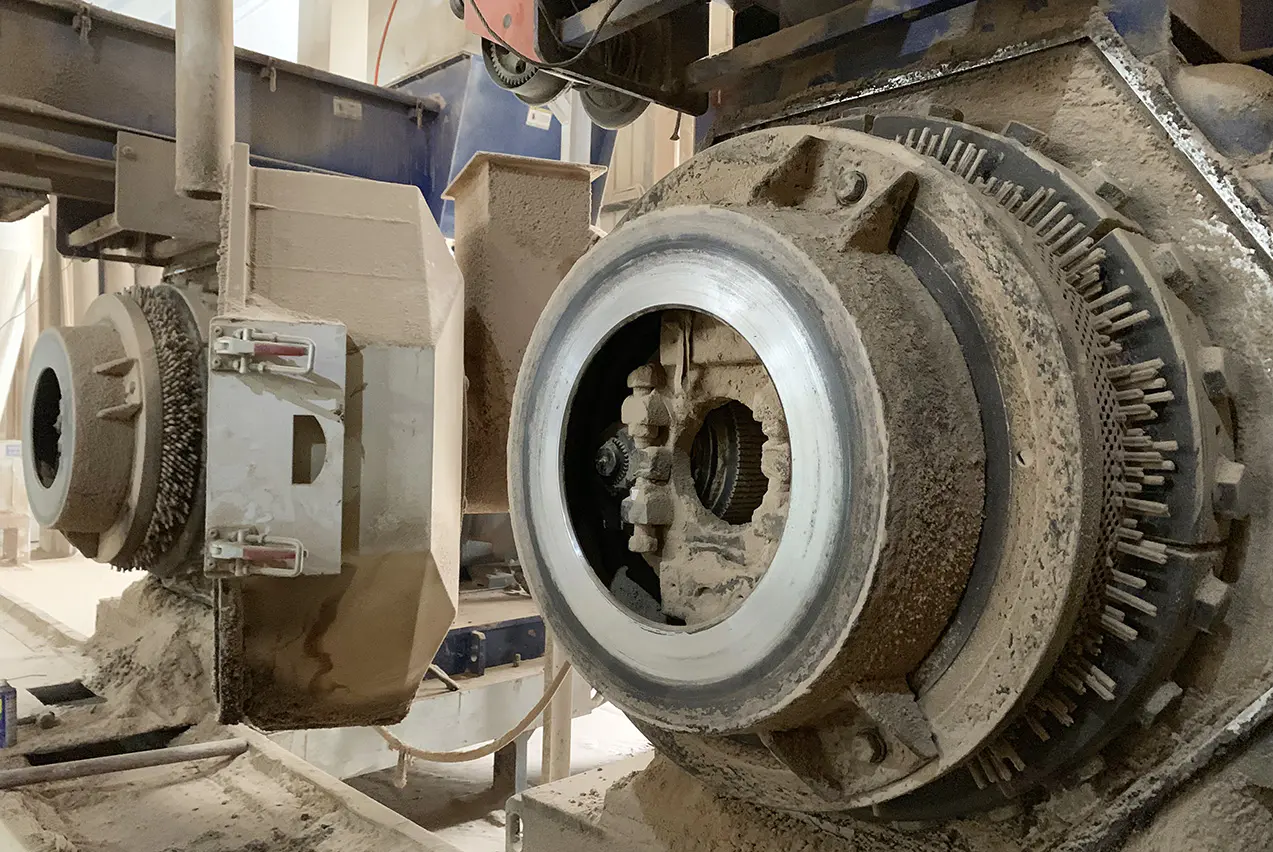
Kingwood stocks ring dies, roller shells, hammer mill blades, screens, and shafts for fast dispatch. For buyers in Vietnam and Indonesia, sea freight from Liyang (Jiangsu) to Ho Chi Minh City or Surabaya runs 18–28 days for full container loads.
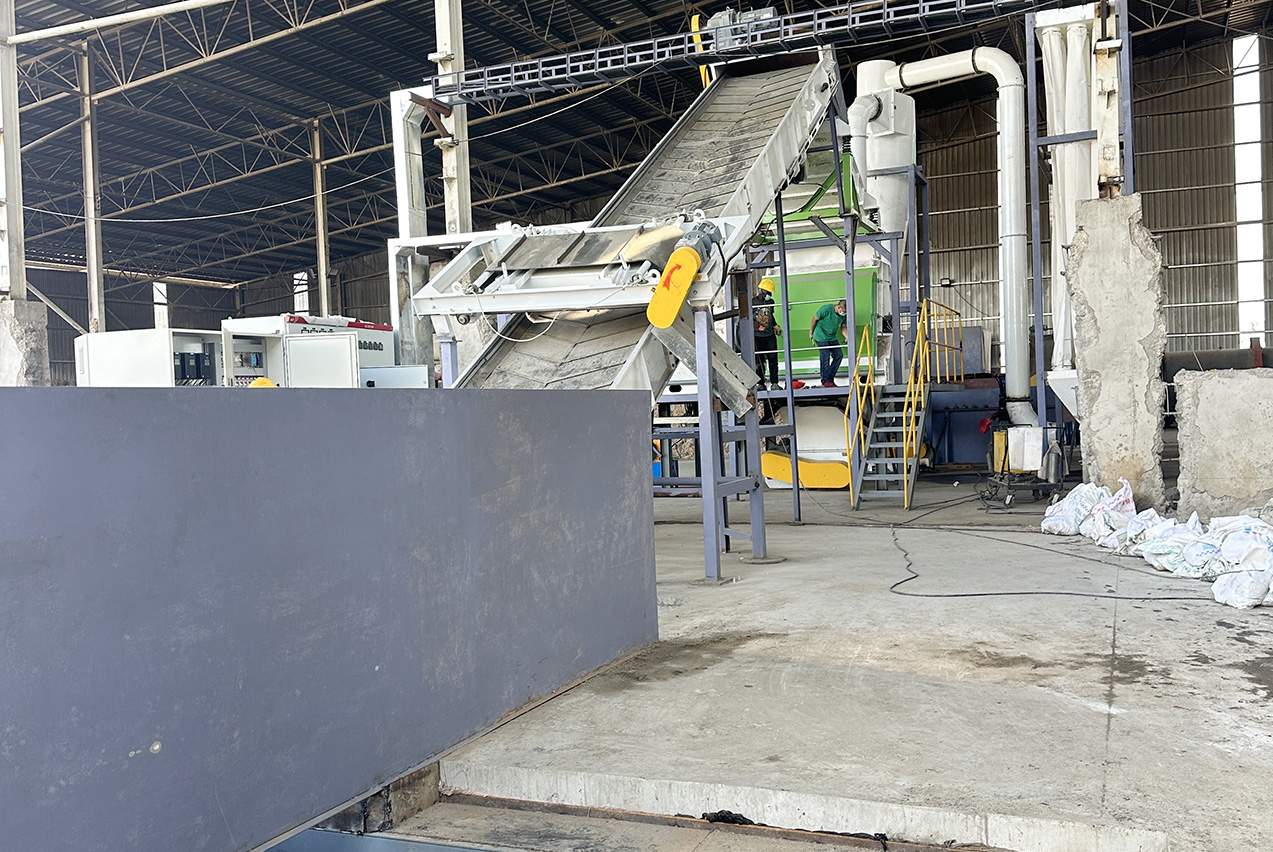
A standalone rice husk pellet machine does not constitute a production operation. The upstream and downstream equipment define both output quality and total cost of ownership.
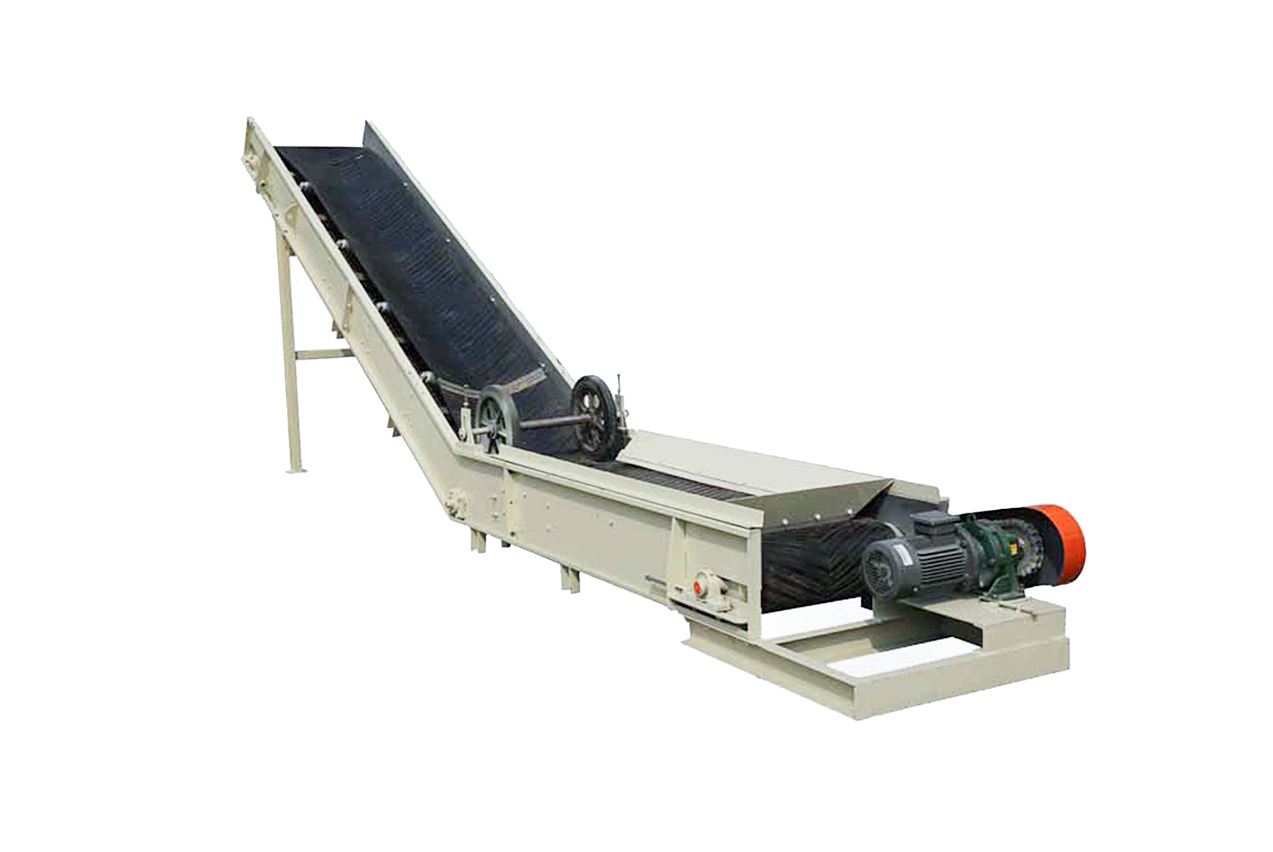
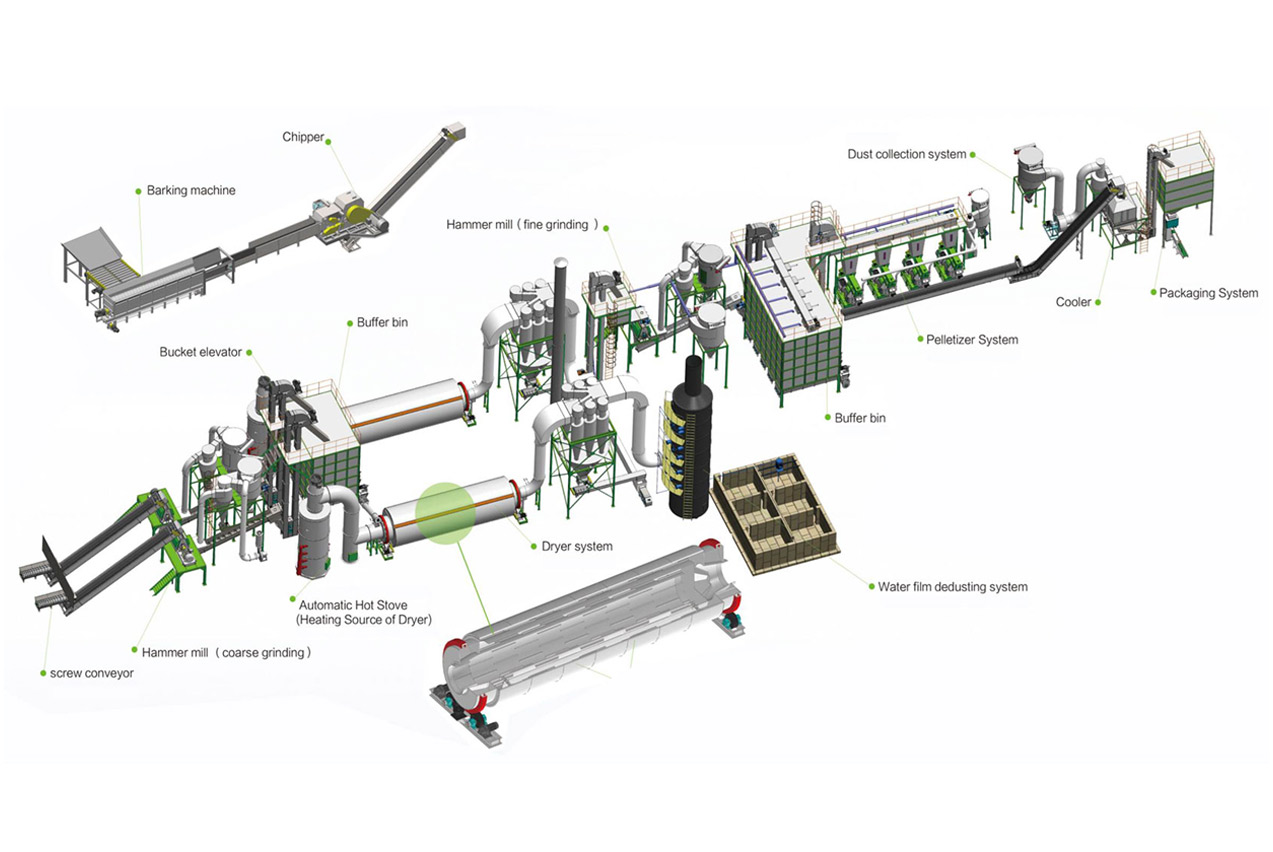
A fully integrated rice husk pellet production line follows this sequence:
Kingwood's Three-Standardization Framework — Integrated, Dust-Free, and Automated — is directly relevant to rice husk operations. Rice husk dust is highly combustible; in our experience, plants without enclosed conveying and central dust extraction systems routinely face fire events within the first 18 months. The Dust-Free standard (enclosed processing with integrated dust removal) is not optional for rice husk — it is a safety requirement. The Automated standard (minimal manual intervention) is particularly valuable for markets like Vietnam and Indonesia where skilled operators are scarce and labor cost is rising.
Kingwood's complete wet-feed production lines support up to 200,000 tons/year capacity with fully automated dust-free operation, which positions this framework for large integrated rice processing complexes as well as mid-scale standalone pellet plants.
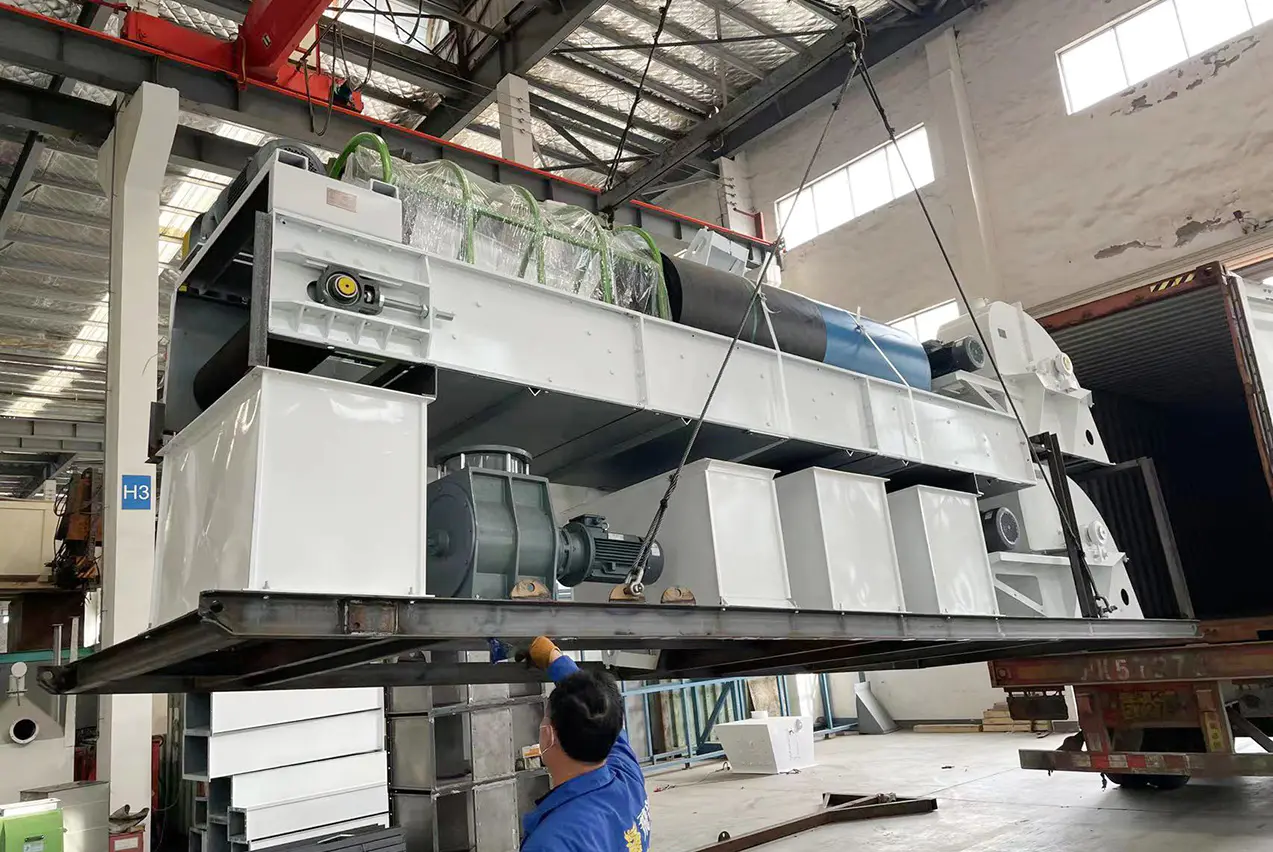
Kingwood's EPC/turnkey contracting covers: raw material and site analysis, process engineering, plant layout design, equipment manufacturing, civil construction guidance, installation, commissioning, and operator training. For a mid-scale 6–10 t/h rice husk line, total delivery from contract signing to commissioning is typically 5–8 months, with equipment manufacturing taking 60–90 days and site installation requiring 4–8 weeks.
The business case for a rice husk pellet machine depends on four variables: feedstock cost, energy consumption of the line, pellet selling price, and local alternative fuel costs.
| Variable | Vietnam | Indonesia | India |
|---|---|---|---|
| Rice husk feedstock cost (mill gate) | $0–5/ton | $0–5/ton | $2–8/ton |
| Grid electricity cost | ~$0.07–0.09/kWh | ~$0.07–0.10/kWh | ~$0.08–0.12/kWh |
| Biomass pellet selling price | $70–90/ton | $65–85/ton | $55–75/ton |
| Coal equivalent (industrial boiler) | $90–130/ton | $85–120/ton | $80–110/ton |
Per World Bank 2023 commodity data, rice husk is often available at $0–5/ton at the mill gate in Southeast Asia, making it among the lowest-cost biomass feedstocks globally.
A confirmed Kingwood deployment — a Vietnam 12 t/h JWZL-688 line in a forestry and energy application — achieved payback in 23 months. Rice husk lines with near-zero feedstock cost can reach similar or shorter payback periods when pellets are sold into regional industrial boiler markets, provided operating efficiency stays above 80%.
Biomass pellet fuel saves 40–50% versus fuel oil or gas heating per comparable heat output, per Kingwood operational data across customer sites. For a factory spending $200,000/year on fuel oil, switching to pellets can free $80,000–$100,000/year in fuel cost — translating directly into line payback.
Kingwood holds ISO 9001 and ISO 14001 management system certifications, plus CE certification for exported equipment. For buyers seeking project financing from development banks or international lenders active in Vietnam, Indonesia, and India (ADB, IFC, and bilateral development funds frequently require ISO-certified supply chains), these certifications reduce documentation burden and supplier qualification time. They also simplify export market access for buyers who plan to sell pellets into Japan or South Korea, both of which are growing importers of biomass fuel per IEA Bioenergy 2024 data.
Kingwood (Jiangsu Kingwood Industrial Co., Ltd.) has been designing and manufacturing biomass pellet equipment since 1999 — 27 years of dedicated R&D in this specific field. With 2,000+ production line projects across 30+ countries, including confirmed operational lines in Vietnam and Indonesia, the company offers structured support across the full project lifecycle rather than simply shipping equipment.
For rice husk applications specifically, Kingwood's engineering team at their Liyang, Jiangsu facility provides:
The JWZL product range — from the JWZL-420 rice husk biomass pellet mill (1–1.5 t/h) up through JWZL-860 multi-unit lines at 20+ t/h — covers the full range of commercial rice husk operations. For profitable rice husk pellet solutions for mill operators, the starting point is a feedstock assessment, not a machine specification.
Buyers can also review the broader global energy market outlook for rice husk pellets to understand where demand is heading before committing to a line configuration.
A 10,000-ton/year target requires roughly 1.25 t/h of continuous output over 8,000 operating hours, which fits Kingwood's JWZL-420 (1–1.5 t/h) or a pair of smaller units. If your rice mill generates husk seasonally, a 2–2.3 t/h JWZL-688 running shorter shifts provides operational flexibility without over-investing in capacity.
Rice husk contains 15–20% ash, largely amorphous silica, which is significantly more abrasive than wood sawdust. This can reduce ring die service life by 30–50% compared to clean wood feedstocks, making die material grade and lubrication intervals — Kingwood recommends checking bearings every 800–1,200 operating hours — critical to controlling maintenance costs.
Optimal pelletizing moisture for rice husk is 10–14%; above 14% the pellets expand and crack after exiting the die, while below 8% the material fails to bind properly. A drum dryer upstream is typically required because freshly milled husk often carries 12–18% moisture depending on storage and climate conditions in Vietnam, Indonesia, or India.
Rice husk pellets typically have a calorific value of 3,000–3,500 kcal/kg and ash content of 15–20%, which places them below ENplus A1/A2 wood pellet standards but within the range acceptable for industrial boiler fuel in Asia and some co-firing applications. Kingwood's CE-certified equipment and ISO 9001/14001 quality systems support documentation requirements for export markets, though buyers should verify end-market specifications before configuring the line.
Kingwood's EPC scope covers raw material analysis, plant layout, process engineering, equipment manufacturing, civil construction guidance, installation, commissioning, and operator training. After-sales support includes spare parts supply and a global operation and maintenance network spanning 30+ countries, with confirmed project presence in Vietnam and Indonesia.

Wood Biomass Machinery Manufacturer


 English
 日本語
日本語
 한국어
한국어