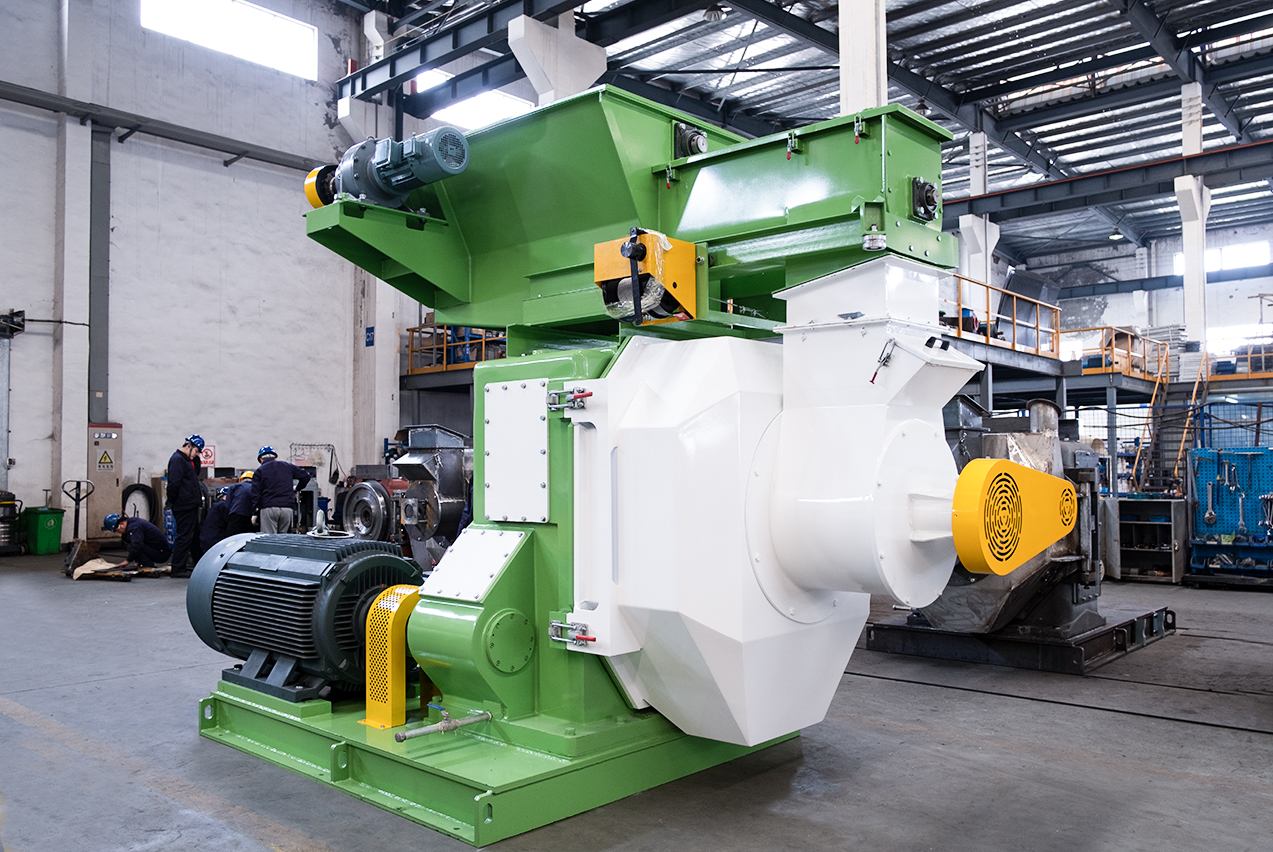
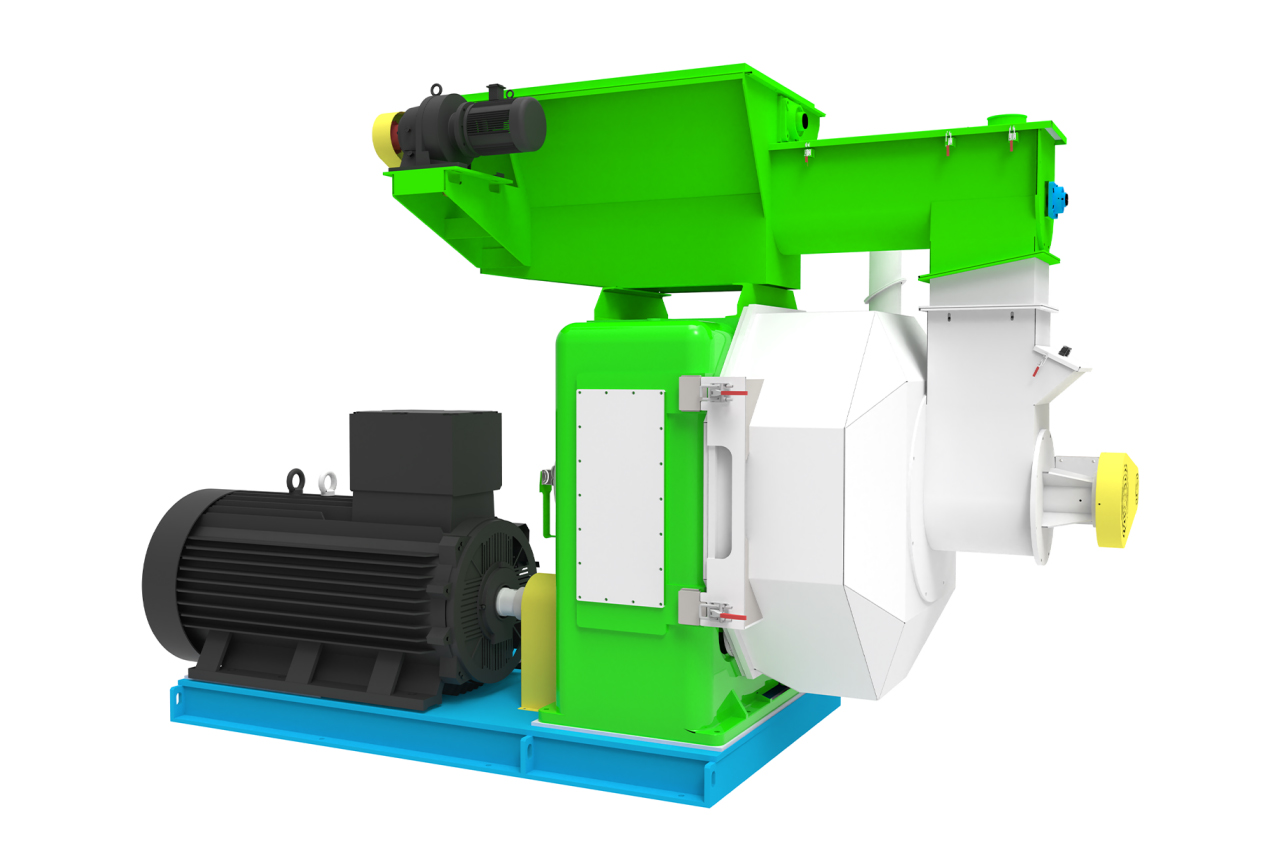
Project at a glance: A Jiangsu-based biomass company deployed a multi-machine JWZL-860 biomass pellet mill line (four units × 280 kW) to process local rice husk and agricultural residues at a combined 10 t/h, with commissioning completed in September 2026.
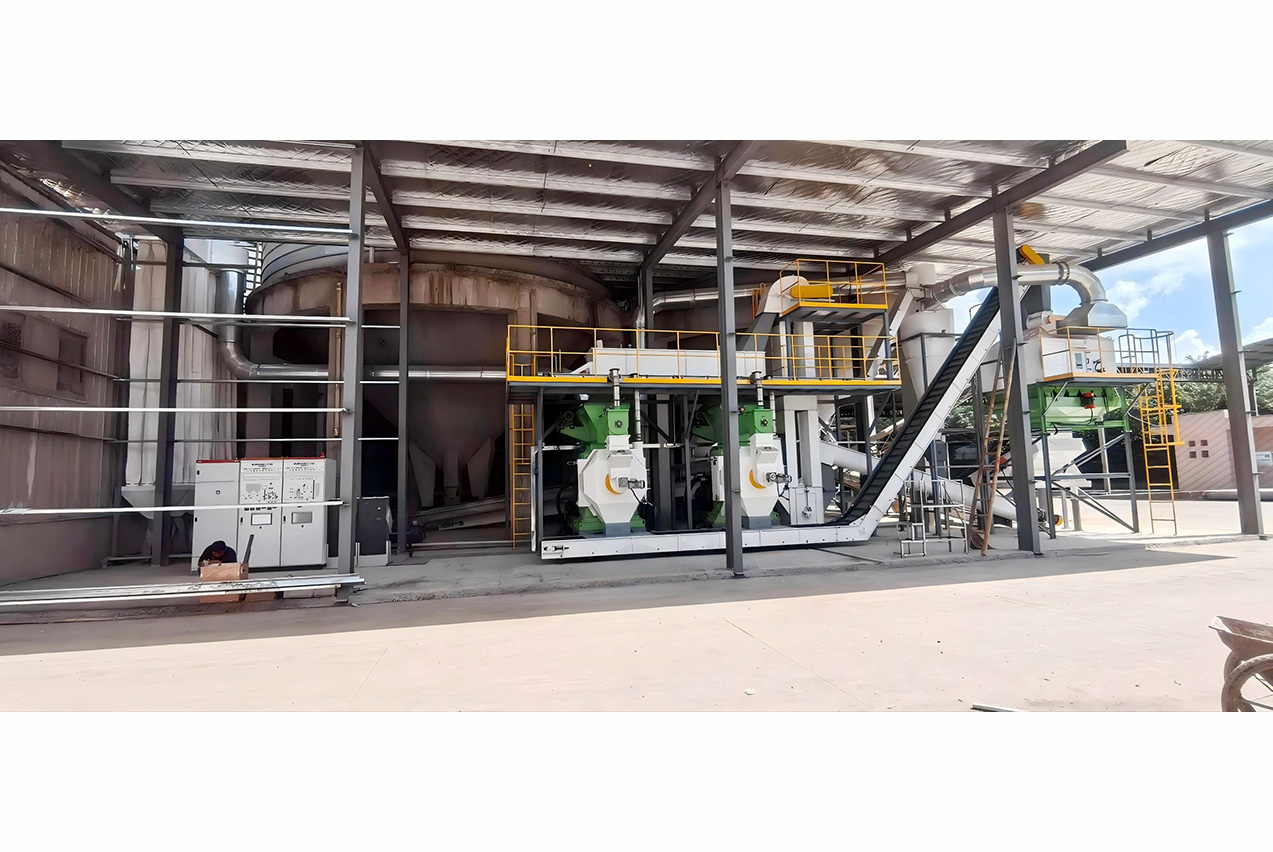
Jiangsu Province sits at the heart of China's agricultural belt. Rice cultivation generates enormous volumes of husks every harvest season — material that, for decades, was either burned in open fields or piled in storage yards with nowhere useful to go. The Jiangsu operator behind this project faced that same accumulation problem: local rice husk and mixed forestry residues were building up faster than any conventional disposal route could handle them.
Rice husk is a deceptively difficult material. It has a high silica content, low bulk density, and tends to bridge or clog equipment designed for denser wood feedstocks. It also absorbs and retains moisture unevenly, which makes consistent pelleting a challenge without proper pre-treatment. For a Jiangsu operator managing seasonal harvest peaks, the logistics of storing or transporting raw husk to distant processors made local processing the only economically viable path.
Forestry residues compounded the problem. Sawmill offcuts, branch wood, and processing trim from regional timber operations added volume and variety to the waste stream. These materials arrive in inconsistent sizes and moisture levels, requiring flexible equipment that can handle mixed feeds without constant manual adjustment.
Open burning of agricultural residues is increasingly restricted across China under air quality regulations enforced in provinces like Jiangsu. Landfill is expensive and does not recover any energy value. For companies facing growing waste volumes and tightening disposal rules, converting residues into a sellable fuel product is no longer an optional upgrade — it is a practical necessity. The project was conceived specifically as a local utilization model: transform what is currently a cost and liability into a resource.
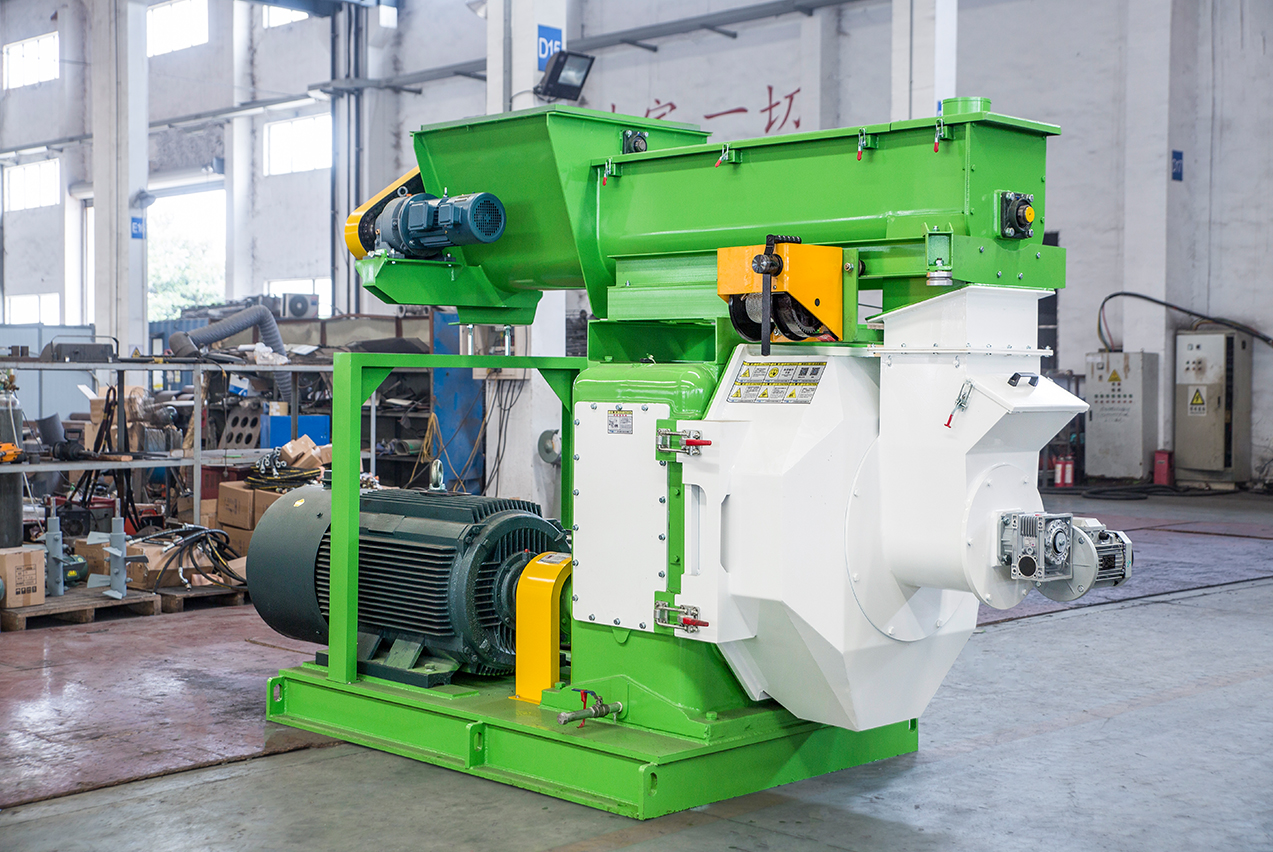
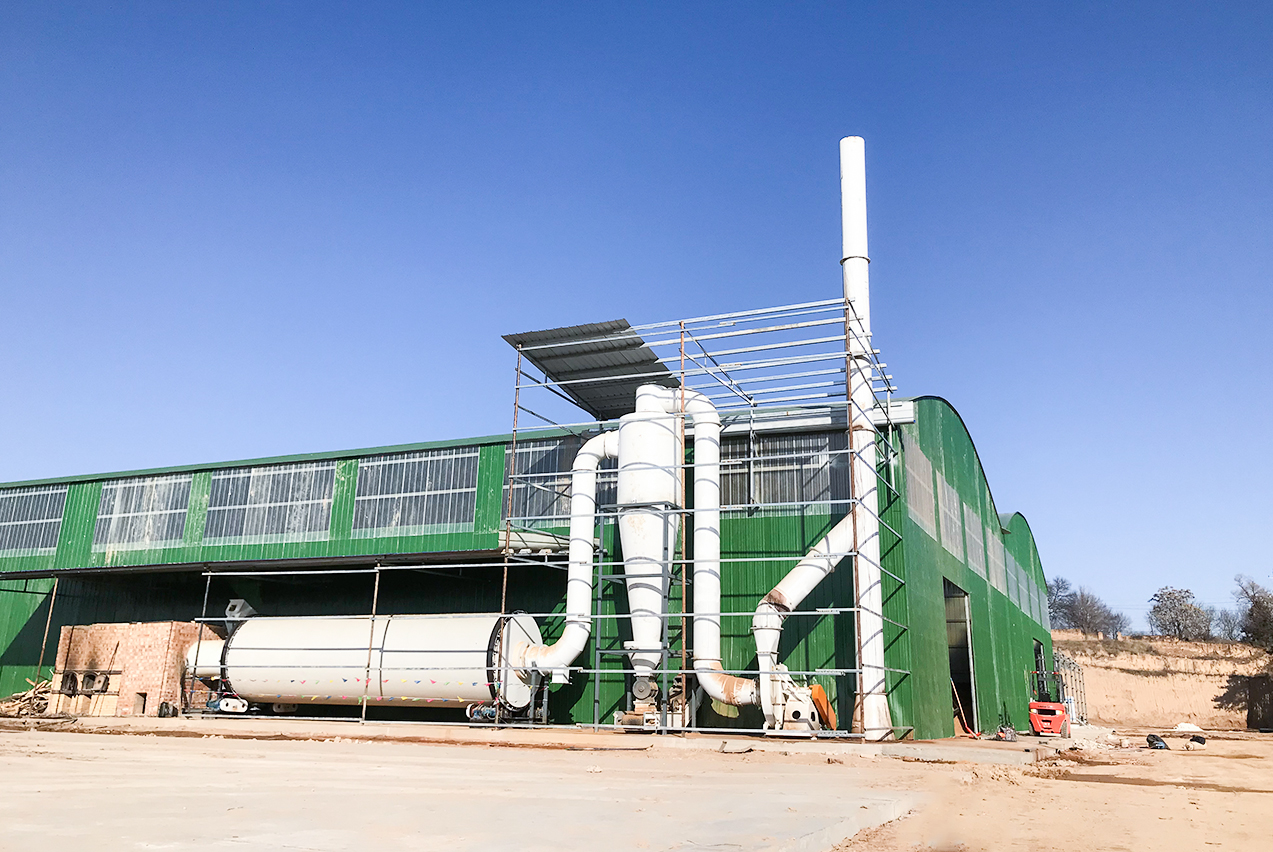
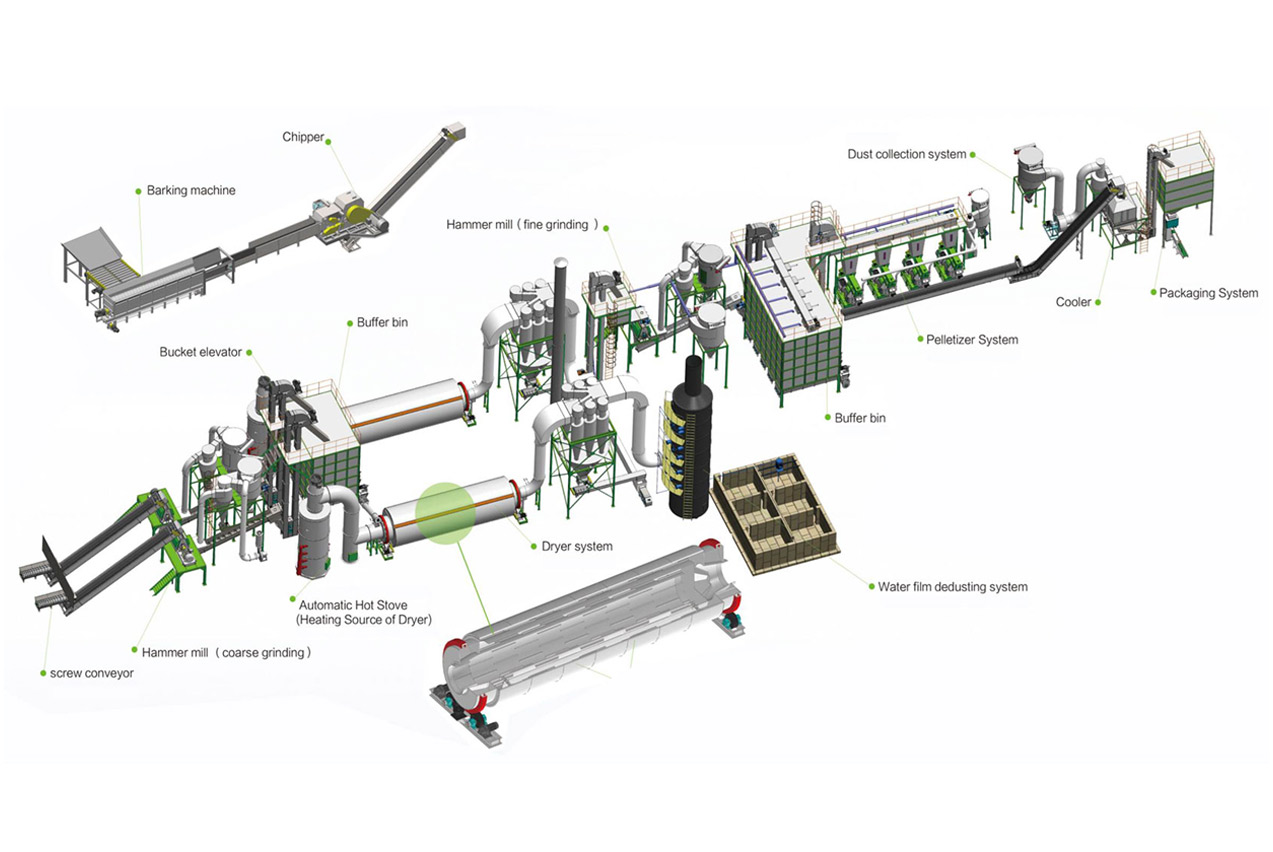
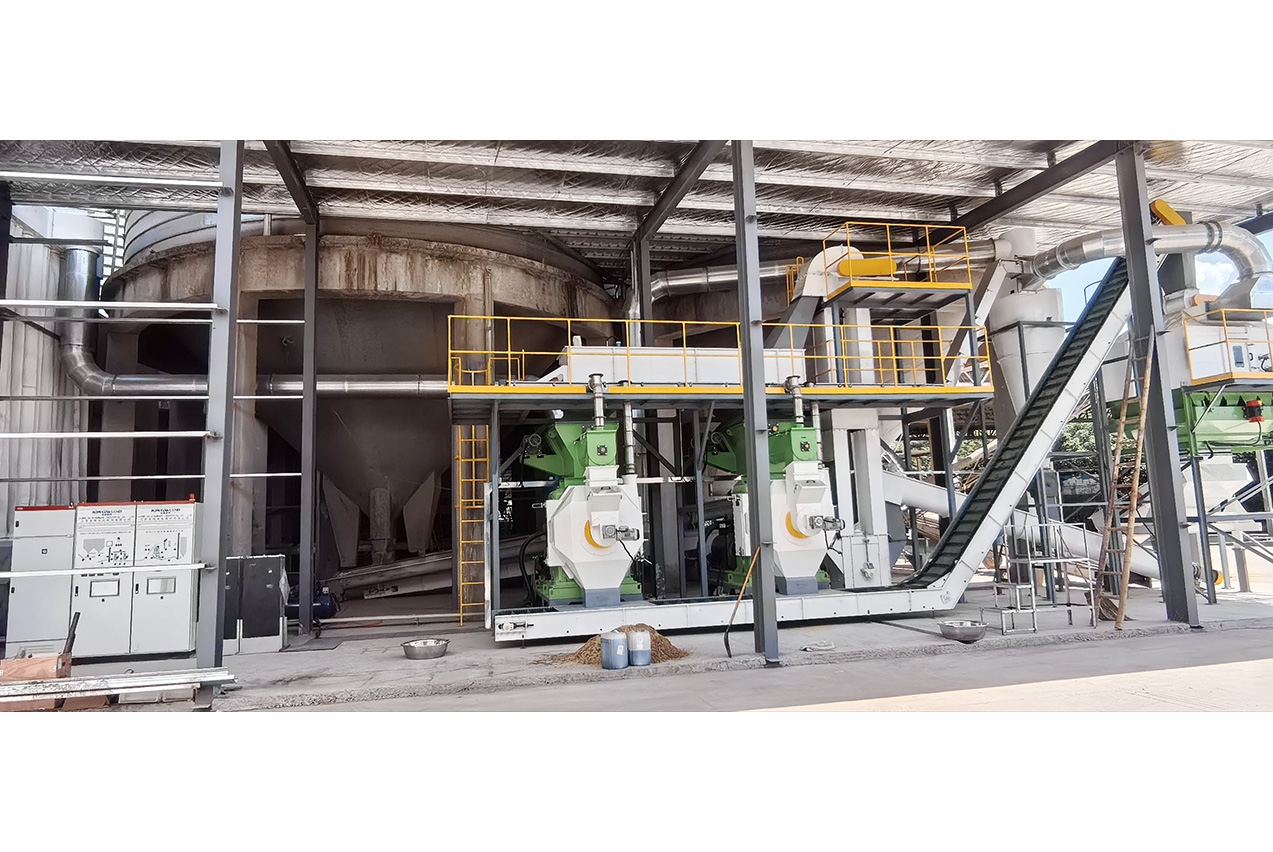
Rather than a single large mill, Kingwood configured four JWZL-860 pellet mills in collaborative multi-machine operation. This architecture balances the load across units, preserves production continuity if one unit requires maintenance, and allows the line to be scaled incrementally. The result is a complete biomass pellet production line that processes rice husk and mixed agricultural and forestry waste at a combined 10 t/h.
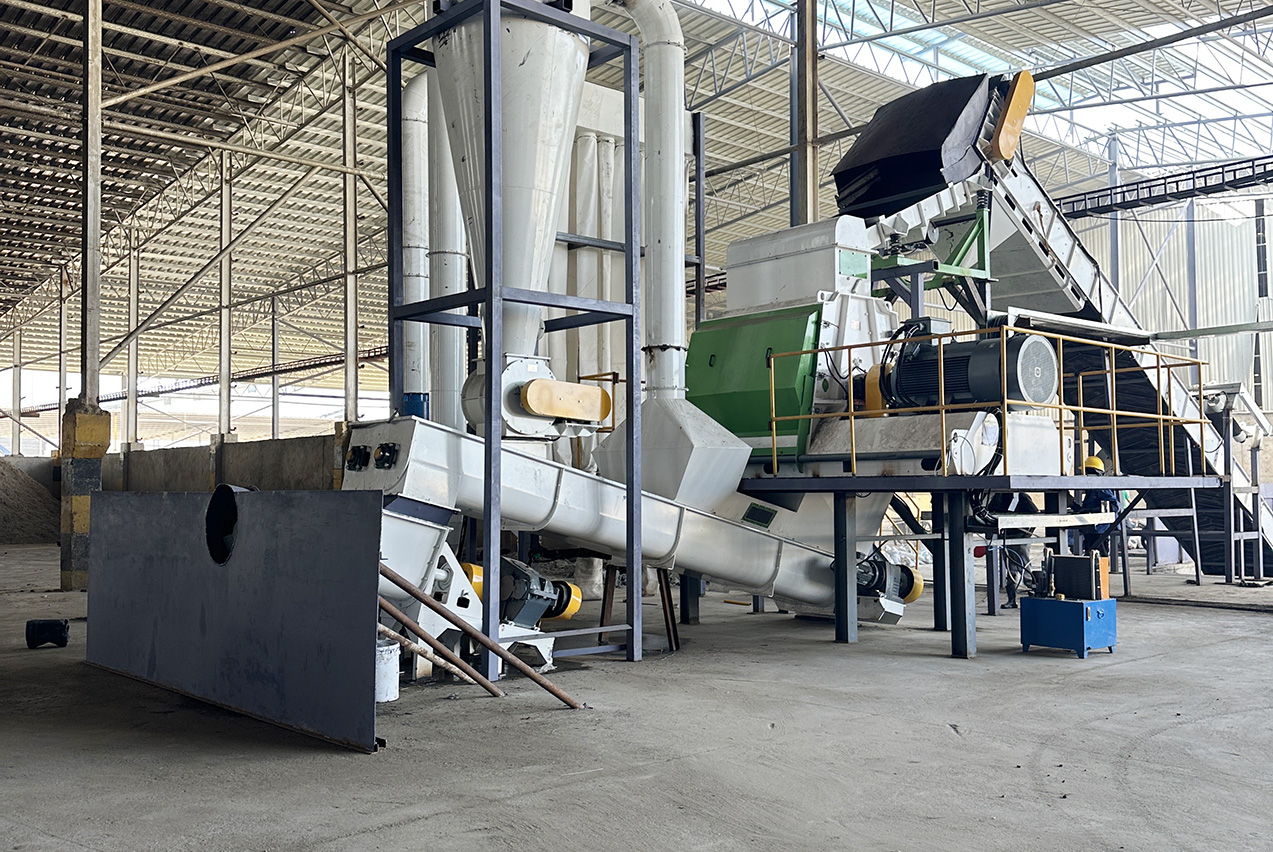
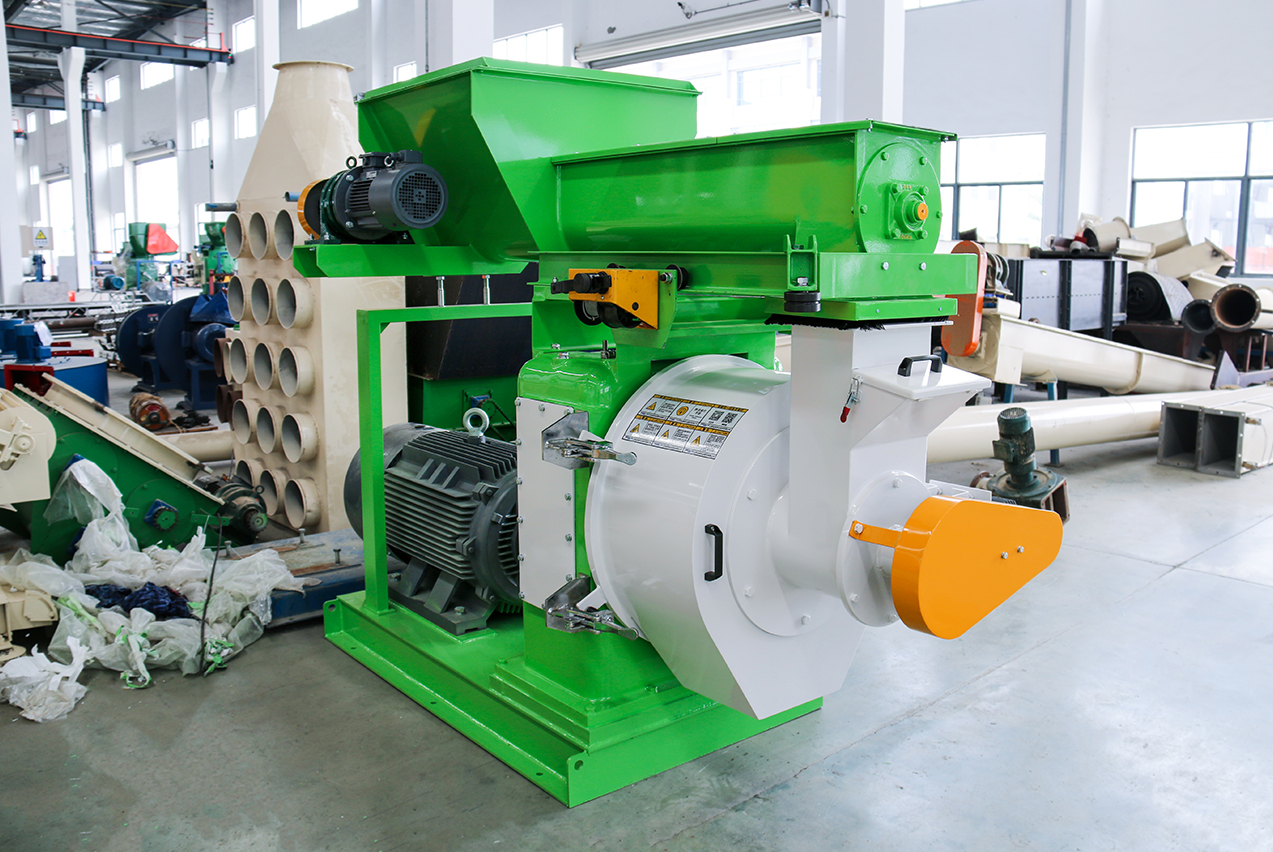
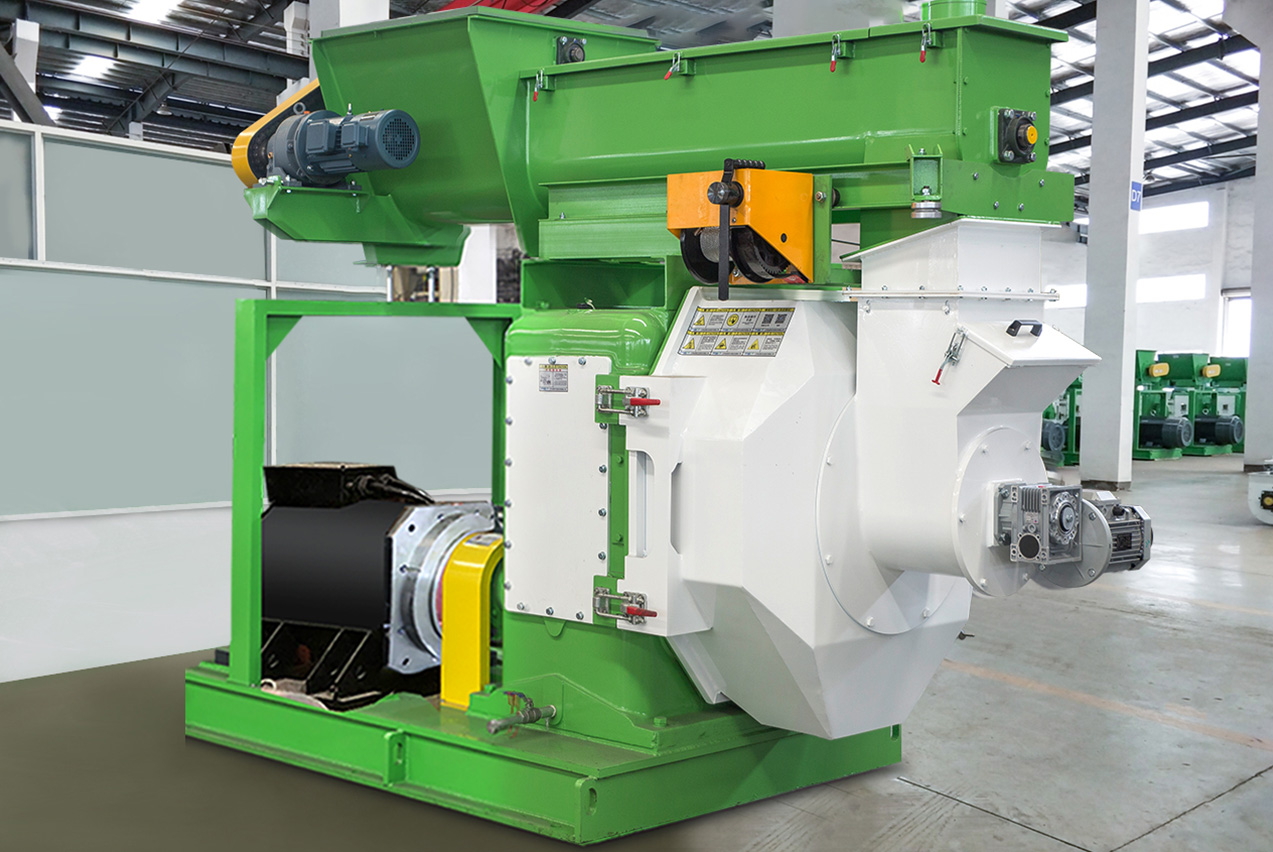
Each JWZL-860 unit is a horizontal ring die pellet mill rated at 280 kW. In a ring die configuration, the die rotates while the rollers remain stationary, spinning on contact with the die surface. This geometry suits higher feed rates more efficiently than flat die designs, making it the appropriate choice when combined throughput targets exceed roughly 500 kg/h — as is clearly the case here at 10 t/h total.
Four units running in collaborative operation since commissioning in September 2026 deliver that 10 t/h combined output. The parallel layout means no single mill is a production bottleneck; if one unit needs a scheduled stop, the remaining three continue running while work is completed.
Kingwood designs every production line around what it calls the Three-Standardization Framework: Integrated (全链条一体化), Dust-Free (无尘化), and Automated (自动化).
Rice husk processing makes all three pillars particularly relevant. Husk dust is fine, abrasive, and combustible — an uncontrolled dust environment creates both safety and compliance risks. The Jiangsu line uses enclosed conveying and processing with active dust removal throughout, so husk fines are captured rather than dispersed. Automation reduces manual intervention at feeding, transition, and discharge points, which both improves consistency and reduces exposure of operators to dusty material streams. The integrated supply chain approach means Kingwood supplied and coordinated the full equipment set rather than leaving the customer to source auxiliary components separately.
Kingwood's engagement with this Jiangsu customer followed the company's standard full-lifecycle EPC model: project assessment, raw material analysis, plant layout planning, equipment manufacturing, site installation, commissioning, and operator training. The customer explicitly noted in their post-commissioning feedback that the "custom solution perfectly aligns with our actual needs" — language that reflects the front-end engineering work done before any equipment was manufactured.
Delivery and commissioning were completed in September 2026. From that point the line has run without reported interruption.
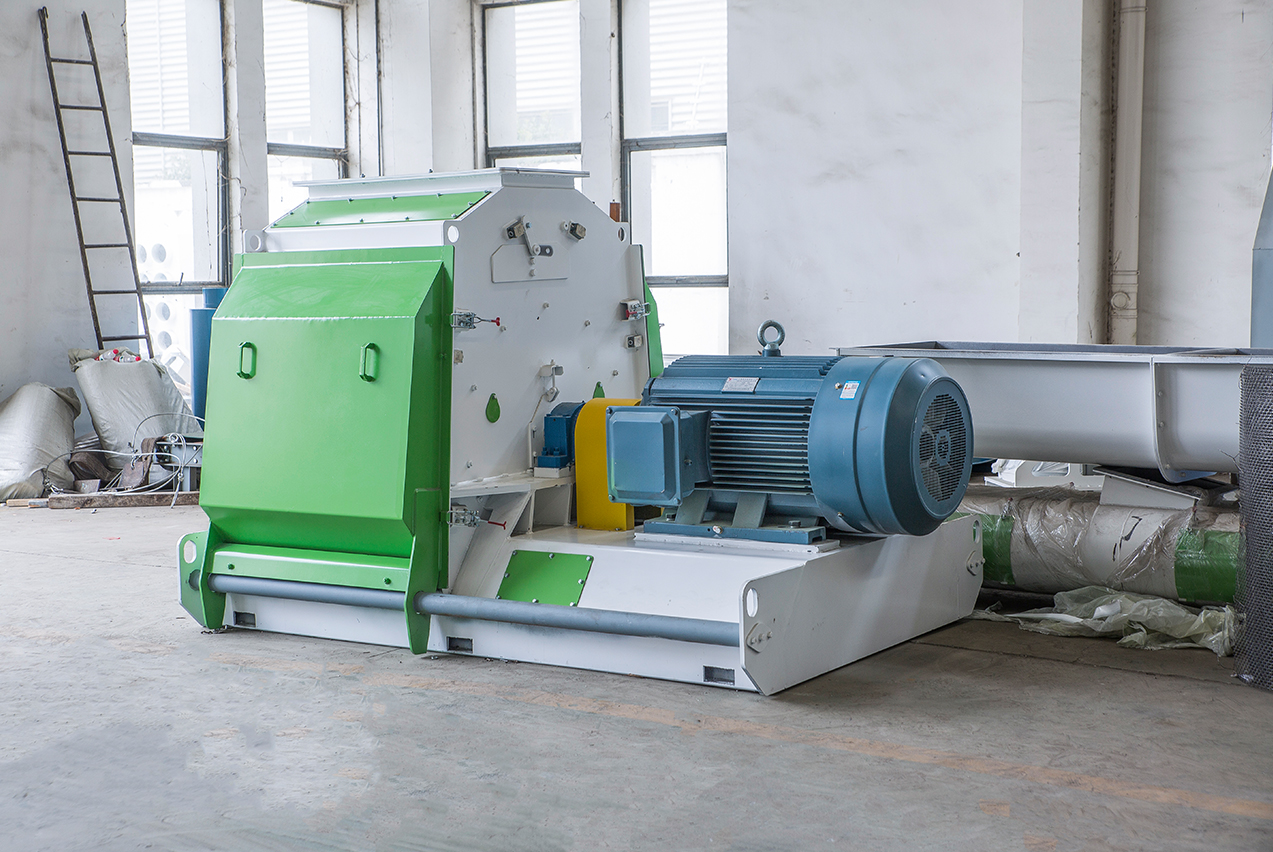
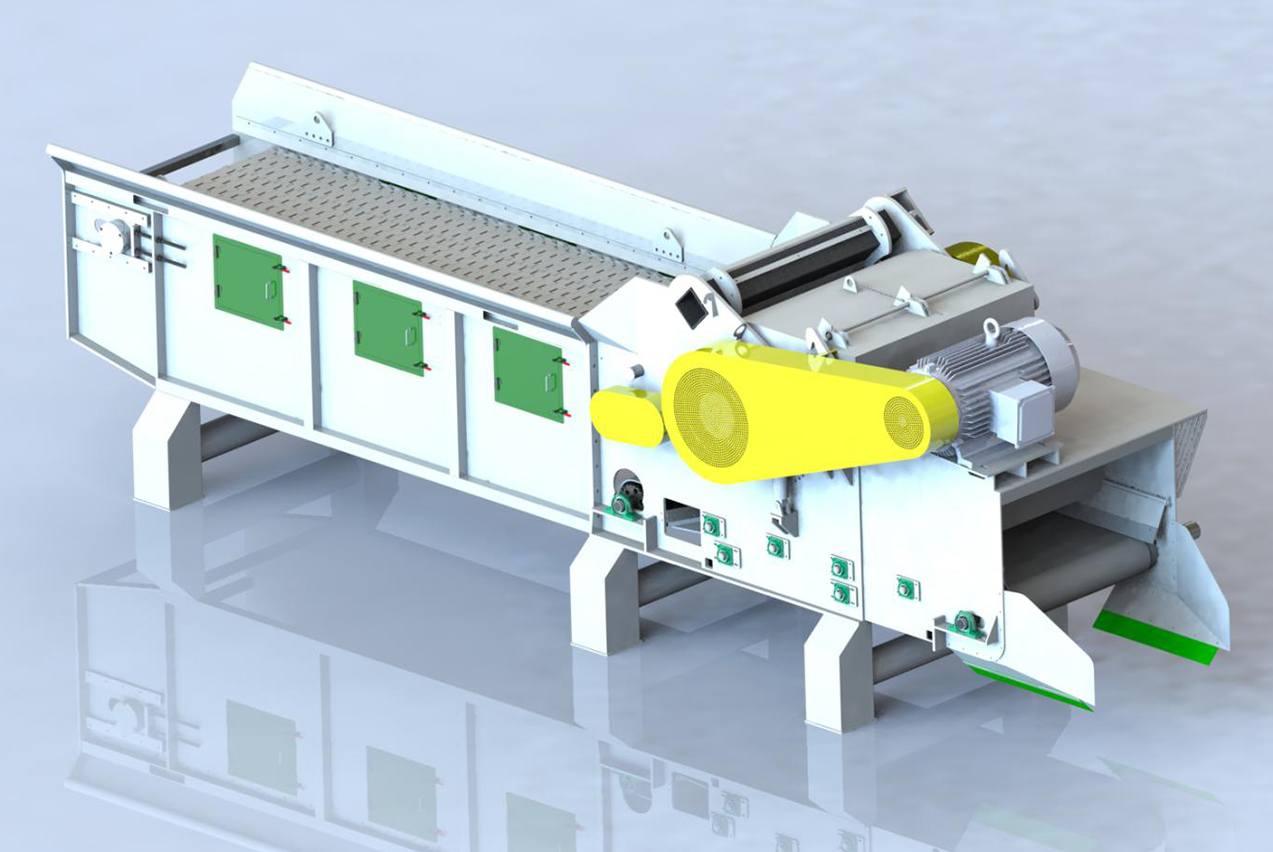
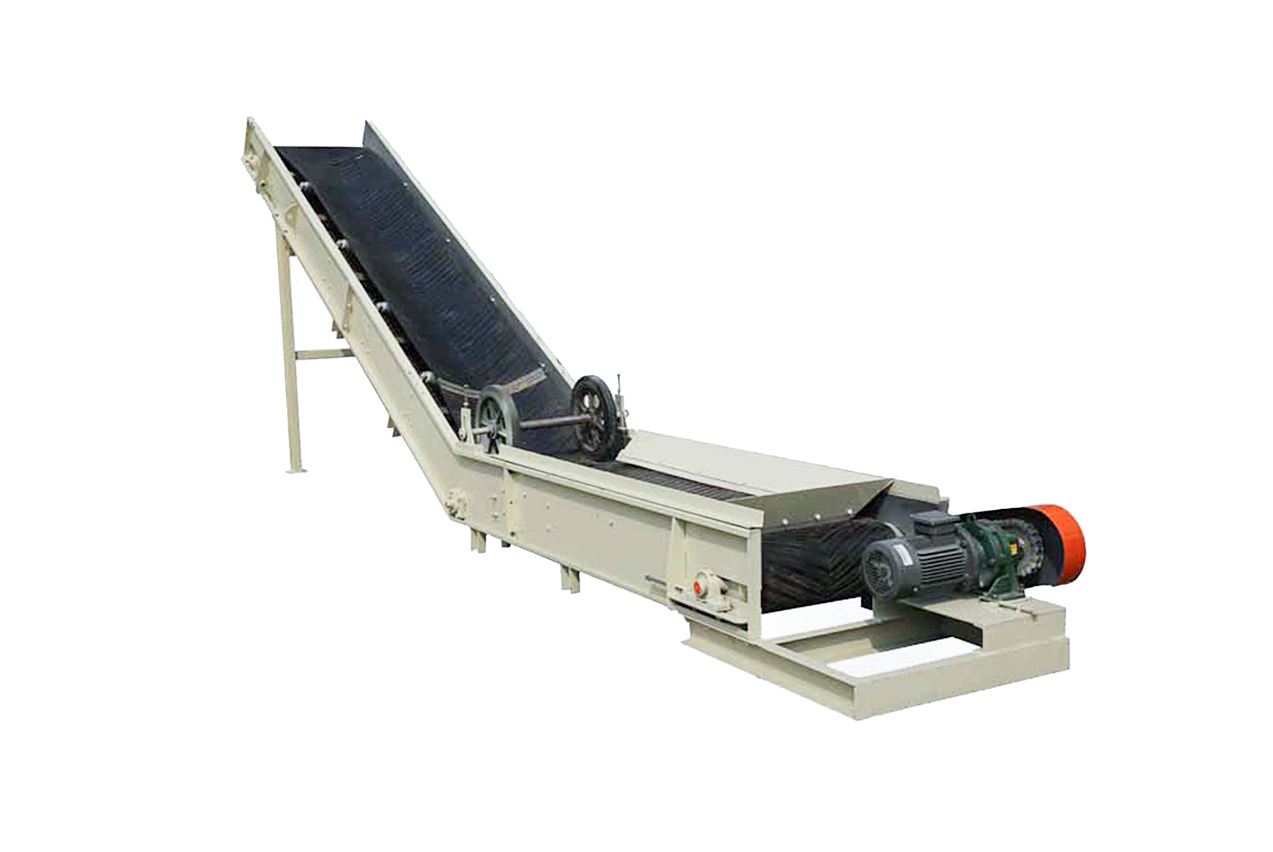
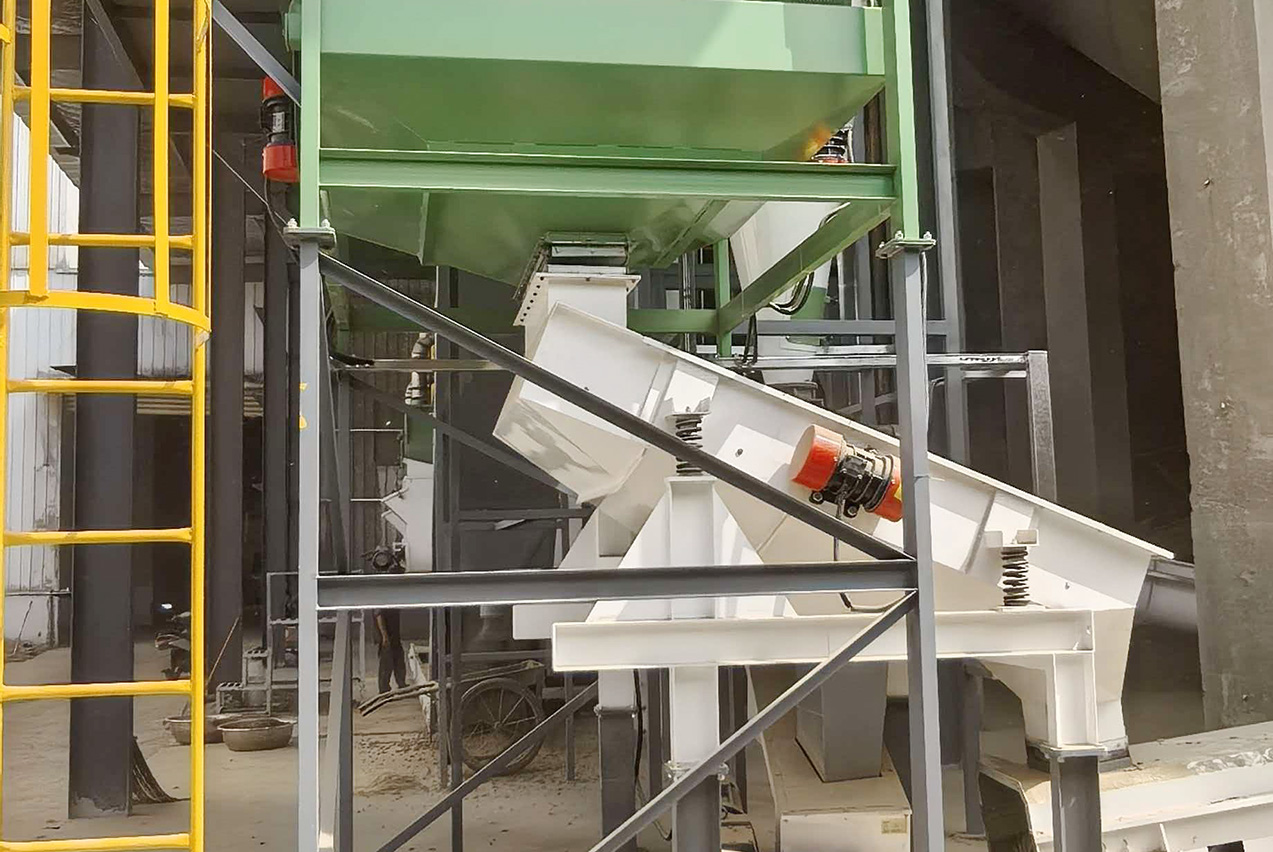
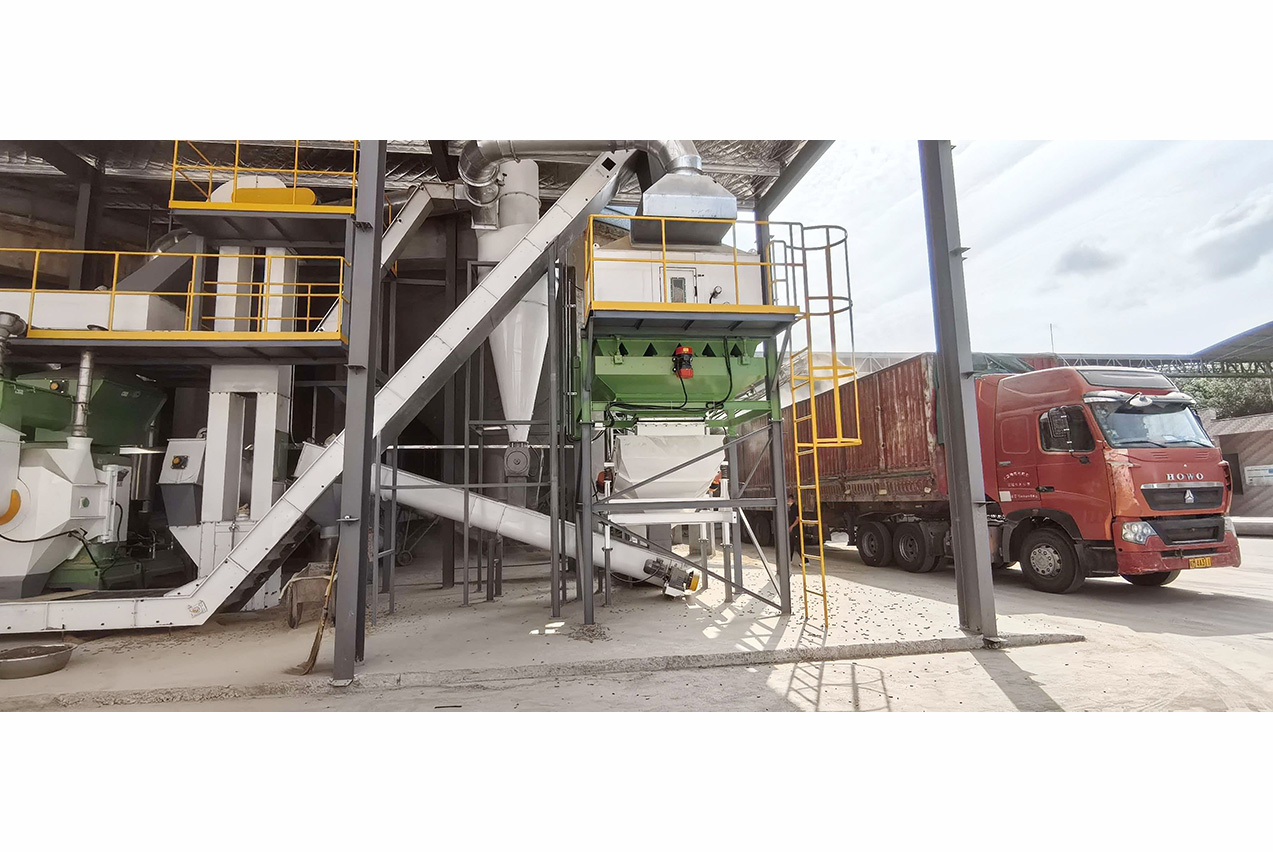
Multi-machine collaborative operation means the four JWZL-860 units share a common feedstock preparation and finished-product handling infrastructure but operate their pelletizing stages in parallel. A single centralised biomass drum dryer conditions incoming material to the moisture window required for effective pelleting; the dried, milled material is then distributed to each pellet mill via enclosed conveyors. Pellets discharged from all four mills are collected, cooled, and routed through common screening and packaging systems downstream.
This architecture is straightforward to operate and to maintain. Technicians trained on one JWZL-860 unit can service any of the four, and spare parts inventories can be standardised across the set.
The customer's feedback specifically noted that "the project employs a variety of raw materials." This is consistent with the JWZL-860's ring die design, which can process rice husk, sawdust, wood offcuts, straw, and other agricultural and forestry residues without requiring die changes between feedstock types. The non-selective feeding capability is important for a Jiangsu operator whose input stream varies by season and by the mix of local suppliers.
Practically, this means the production line is not locked to rice husk alone. During periods when husk availability is lower — between harvest seasons — the same line can shift to processing wood waste or mixed residues from local furniture and construction industries, maintaining utilization.
Kingwood's ring die equipment is designed to produce pellets with a bulk density above 600 kg/m³ and a Pellet Durability Index (PDI) above 97.5% on dry feedstocks with moisture content in the 10–14% range. Biomass pellets produced from agricultural residues on Kingwood equipment are rated at approximately 4,800 kcal/ton calorific value, comparable to standard coal. Customers purchasing pellet fuel produced on this Jiangsu line should verify that it meets the quality requirements of their specific boiler or combustion equipment — pellet quality parameters interact with combustion system design, and local verification is always the correct approach.
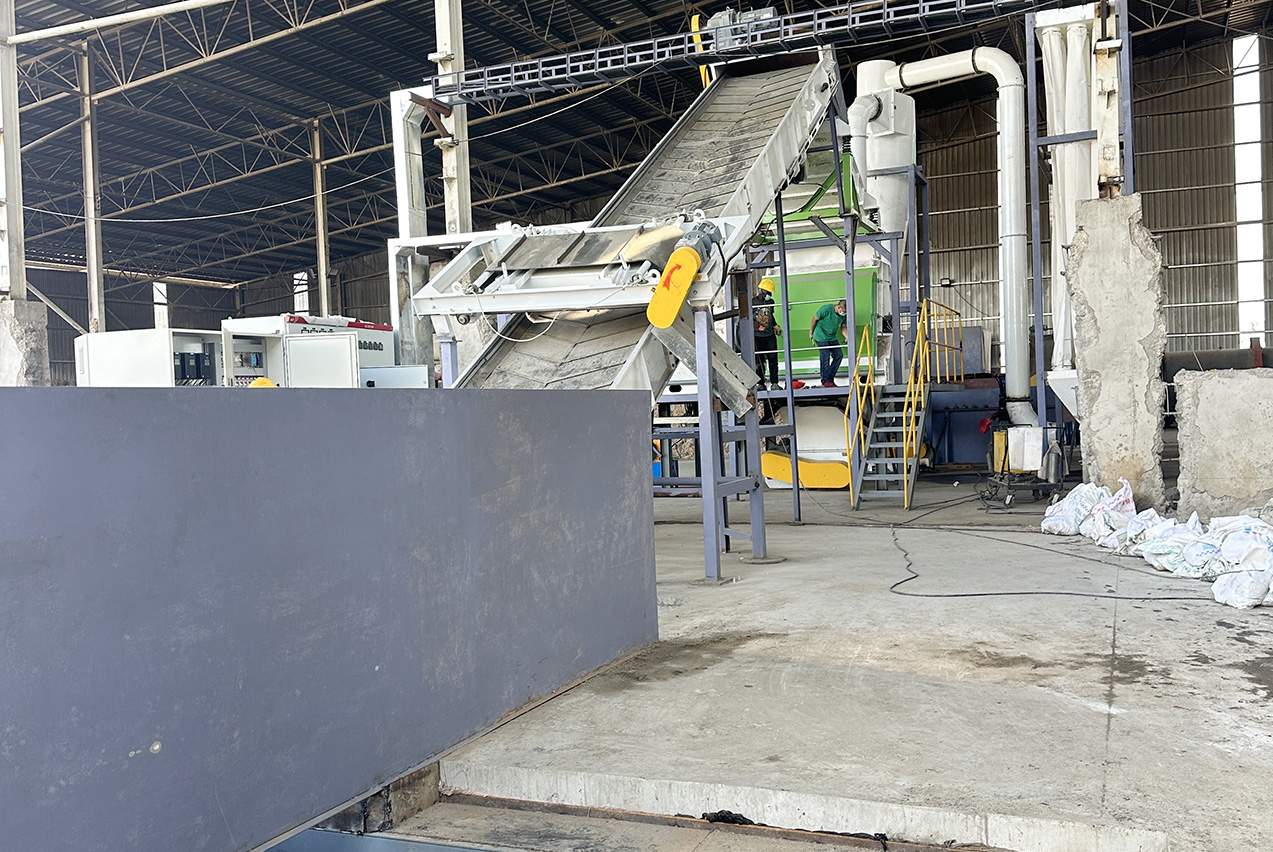
Since commissioning in September 2026, the Jiangsu line has run continuously at its 10 t/h combined target. The customer described operations as "running smoothly" with results that "far exceed our expectations." No production stoppages or equipment failures were reported in the post-commissioning feedback. For a line that processes a difficult feedstock like rice husk — with its abrasive silica content and variable bulk density — smooth early operation is a meaningful indicator of correct equipment sizing and pre-commissioning setup.
The economic logic of the project is straightforward: material that previously had disposal costs and no revenue now has a market value as fuel. The project was designed specifically around local utilization of agricultural waste, creating a regional loop where rice husk generated in Jiangsu is processed and sold as fuel within the same region rather than transported or discarded. The customer noted that the project "provides strong support for green and low-carbon development" — positioning the operation within China's broader push toward carbon neutrality and reduced agricultural burning.
Kingwood's biomass energy positioning supports this framing. Biomass pellet fuel, when it substitutes for coal in industrial boilers, reduces net carbon emissions over the combustion cycle because the carbon released was recently fixed from the atmosphere by growing plants. Industrial boiler operators across Jiangsu can use pellets produced at facilities like this one as a direct drop-in fuel replacement.
The customer's full post-commissioning statement is worth quoting directly because it reflects both the technical and the commercial outcomes:
"We sincerely appreciate the professional solutions provided by your company. The custom solution perfectly aligns with our actual needs. The project employs a variety of raw materials and utilizes the 280 kW JWZL-860 pellet machine for granulation in a multi-machine collaborative operation, effectively addressing our practical challenges. Since its implementation, the project has run smoothly, delivering results that far exceed our expectations. Not only has it achieved efficient resource utilization, but it has also provided strong support for our green and low-carbon development. Moving forward, we look forward to maintaining a long-term and stable partnership with your company, exploring more collaboration opportunities together!"
The phrase "long-term and stable partnership" and the explicit mention of "exploring more collaboration opportunities" indicate plans for line expansion or additional projects — a common trajectory for operators who validate a production model at initial scale.
Kingwood was founded in 1999 and has dedicated 27 years specifically to biomass pellet equipment research, development, and manufacturing. That is not a general industrial machinery background applied to biomass — it is a focused track record in this one sector. The company operates from a 35,000 m²+ facility in Liyang City, Jiangsu, employs 150 staff including 35+ R&D and service engineers, and has completed 2,000+ production line projects across 30+ countries.
The R&D infrastructure behind each Kingwood product line includes a joint R&D centre established with Nanjing University of Agriculture and a Clean Renewable Energy R&D Lab co-established with the Nanjing government. These institutional partnerships mean product development is tested against academic and applied research, not just production floor experience.
On the certification side, Kingwood holds ISO 9001 and ISO 14001 management system certifications, CE certification, and is recognised as a Jiangsu Provincial High-Tech Enterprise and a Jiangsu Provincial Gazelle Enterprise. The company is a Deputy Director Member Unit of the China Biomass Energy Industry Alliance and has received the "Top 10 Brands in Biomass Molding Equipment" award.
For a buyer evaluating the JWZL-860 for a rice husk or mixed agricultural residue project, this background matters in two practical ways: the equipment design has been tested across a wide range of real-world feedstocks in multiple countries, and the company's service network spans 30+ countries with local operation and maintenance support.
The Jiangsu rice husk project functions as exactly what the customer's feedback calls it: "a high-quality demonstration for the resourceful utilization of regional agricultural and forestry waste." China generates enormous volumes of agricultural residue annually, and the challenge of converting that material into useful energy locally — rather than burning or landfilling it — is one that many provinces and operators face.
The multi-machine collaborative architecture used in this project is directly replicable. Operators with larger waste volumes can configure additional JWZL-860 units in parallel; those with smaller initial volumes can start with two units and expand. The common infrastructure (drying, screening, packaging) scales with the pelleting capacity, and Kingwood's EPC delivery model means the integration work is managed by the same team that designed and built the original line. For Chinese biomass operators watching this Jiangsu deployment, the September 2026 commissioning and the post-commissioning performance feedback provide a real reference point against which to evaluate their own project feasibility.
Each JWZL-860 unit is rated at 280 kW and delivers approximately 4–5 t/h on standard biomass feedstocks. In this Jiangsu project, multiple JWZL-860 mills were configured in collaborative multi-machine operation to reach a combined 10 t/h throughput, processing rice husk and mixed agricultural and forestry residues.
Kingwood's ring die pellet mills feature non-selective feeding capability, meaning the line can process diverse inputs — rice husk, sawdust, straw, and wood offcuts — without reconfiguring the die. The Jiangsu project demonstrated this with multiple raw material types running through the same JWZL-860 units in collaborative operation since commissioning in September 2026.
Kingwood holds ISO 9001 and ISO 14001 management system certifications, CE certification, and is recognized as a Jiangsu Provincial High-Tech Enterprise. The company is also a Deputy Director Member of the China Biomass Energy Industry Alliance and has been awarded "Top 10 Brands in Biomass Molding Equipment."
Yes. Kingwood provides full General Contracting (GC) and EPC turnkey services covering project assessment, raw material analysis, plant layout, equipment manufacturing, installation, commissioning, operator training, and ongoing after-sales support. The Jiangsu rice husk project was delivered under this full-lifecycle service model, with commissioning completed in September 2026.
Biomass pellets produced by Kingwood equipment from agricultural residues such as rice husk typically achieve a calorific value of approximately 4,800 kcal/ton — comparable to standard coal — with all emission indicators tested below China's GB13271-2001 national standard limits. Pellet durability index (PDI) on dry feedstock exceeds 97.5% and bulk density exceeds 600 kg/m³.


Wood Biomass Machinery Manufacturer


 English
 日本語
日本語
 한국어
한국어