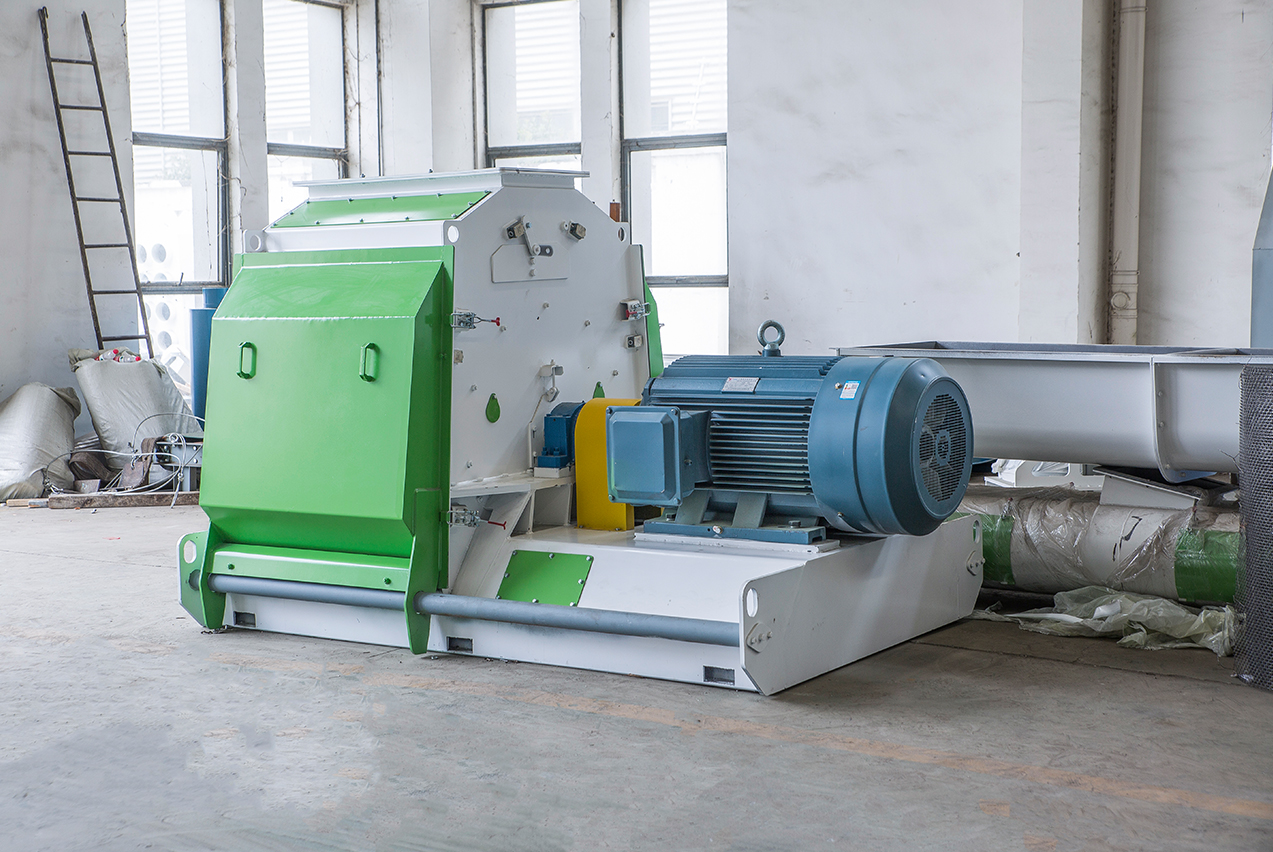
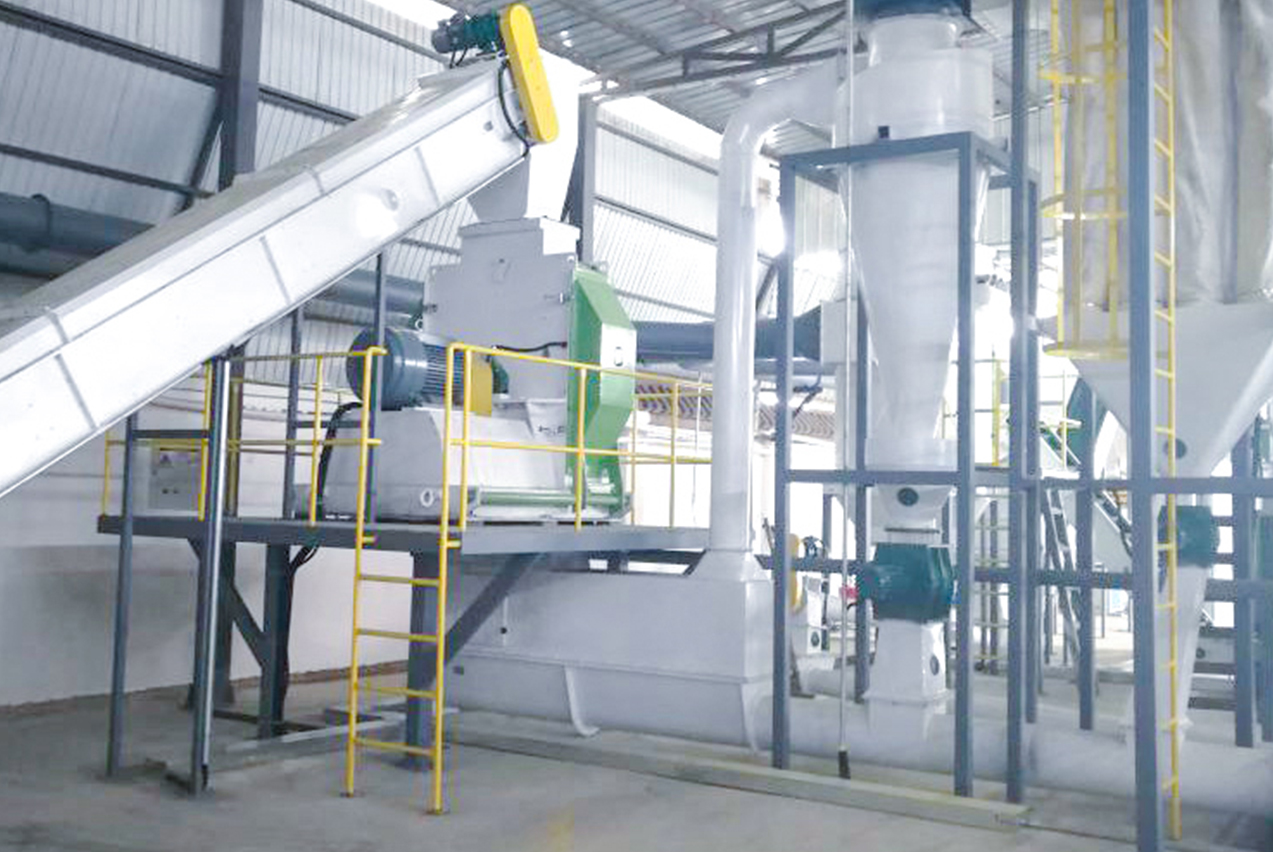
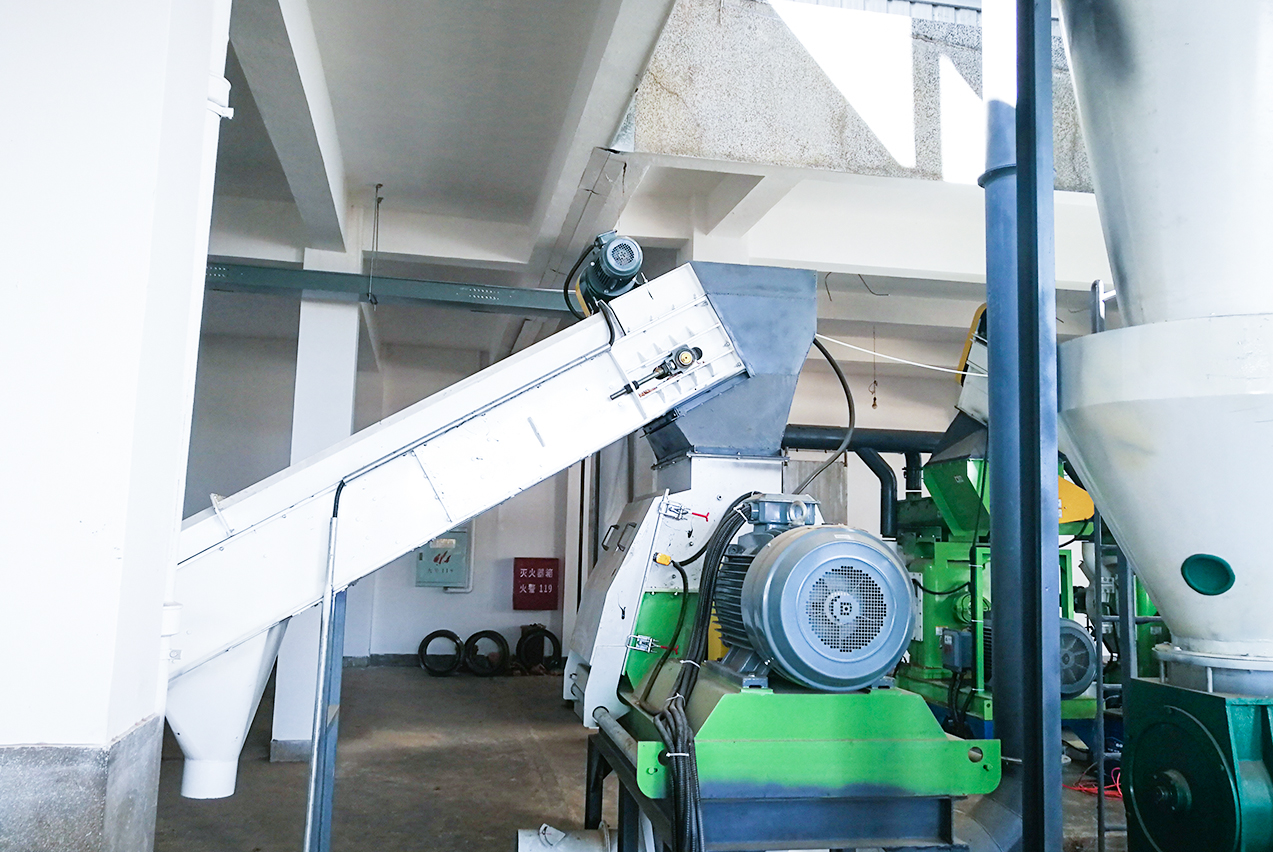
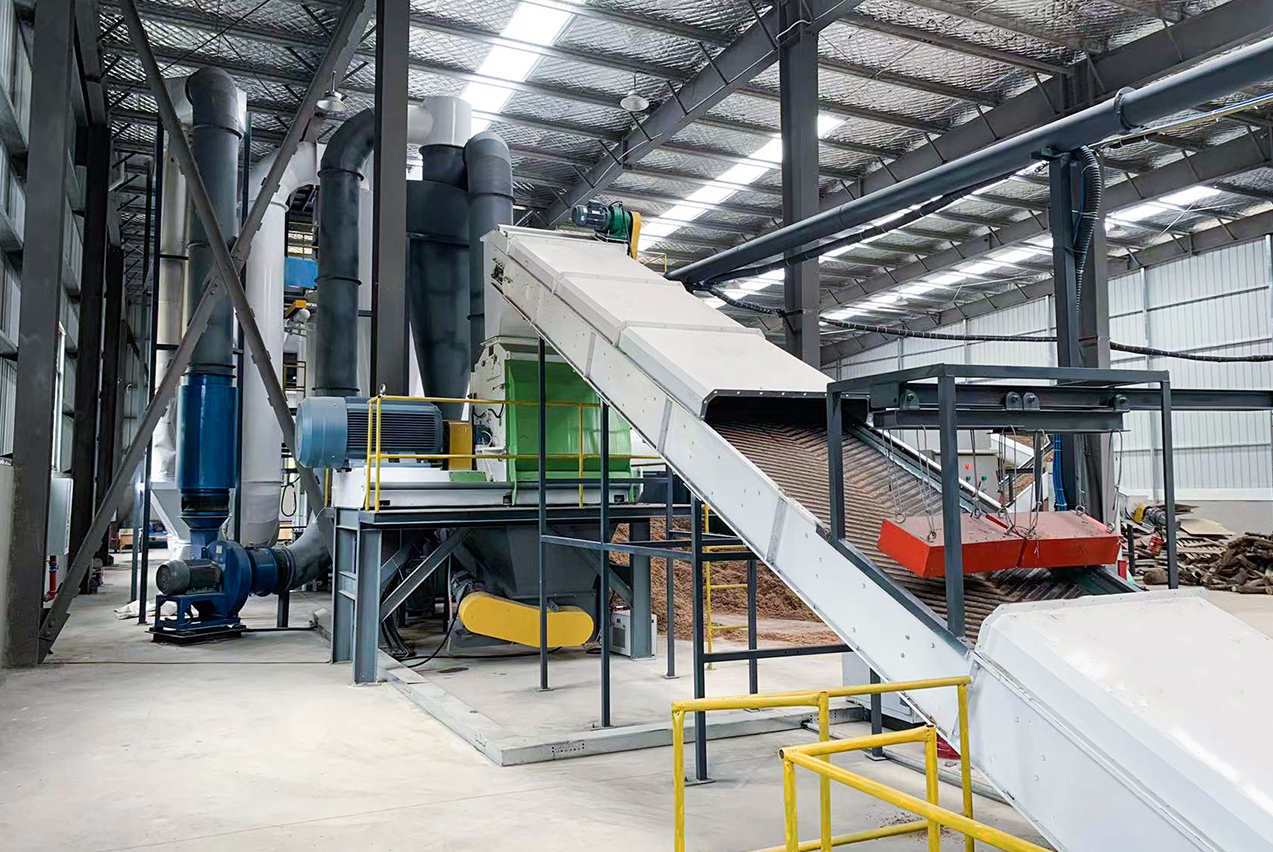
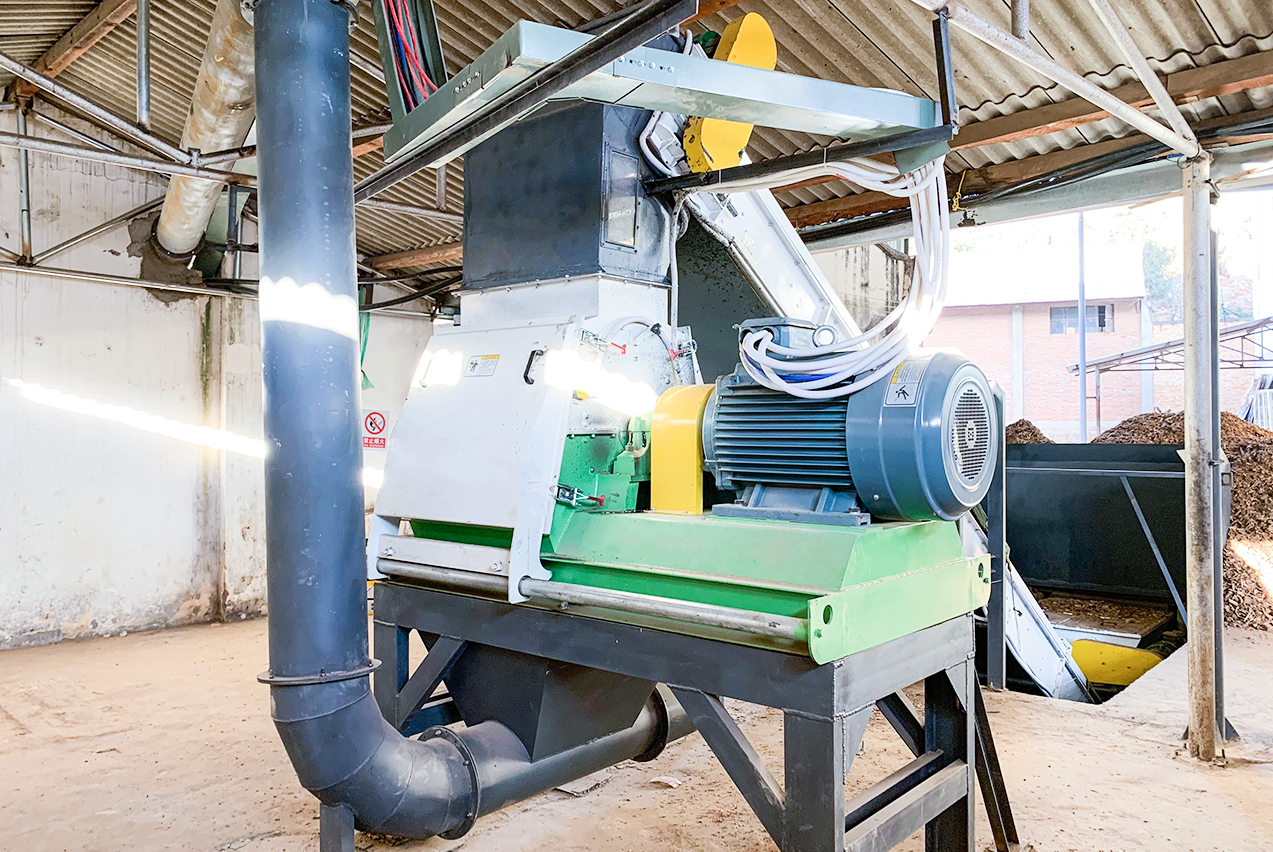
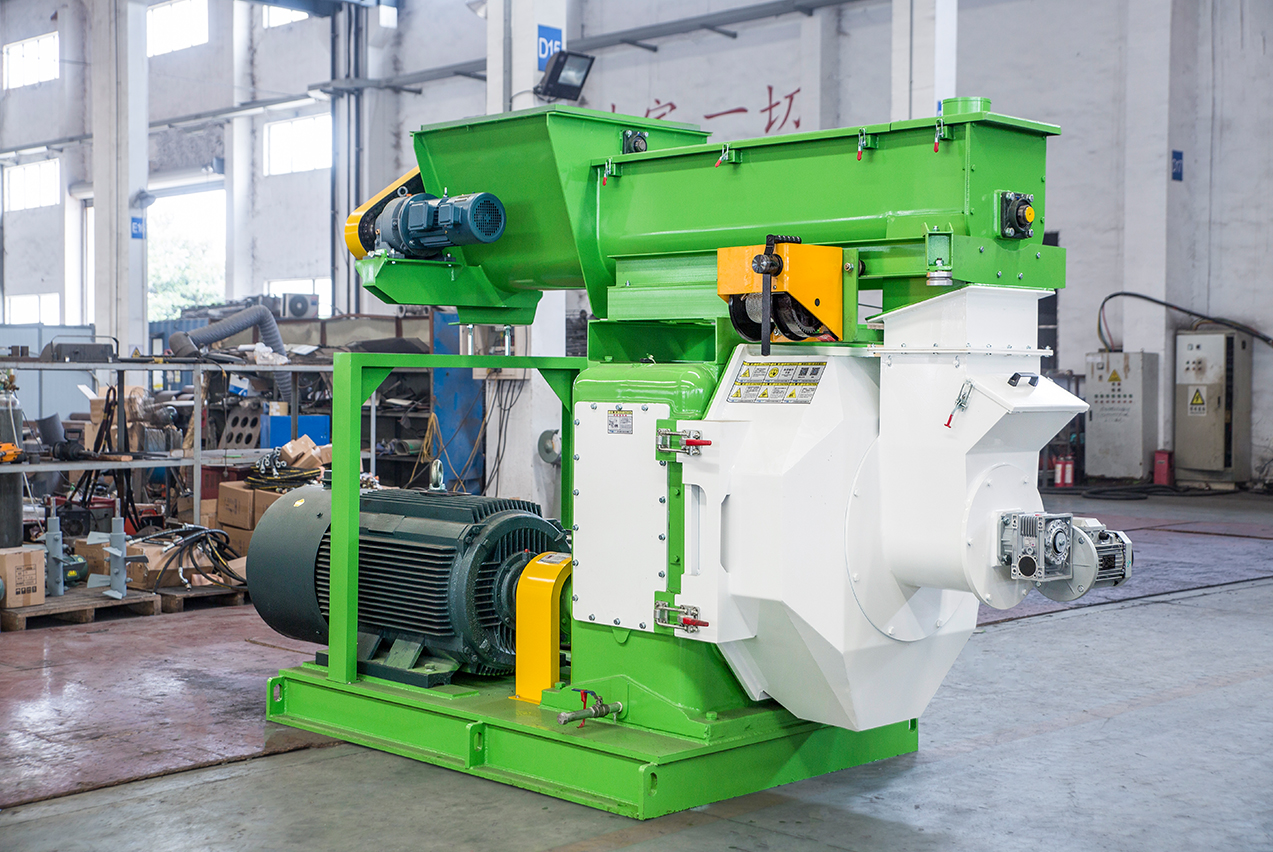
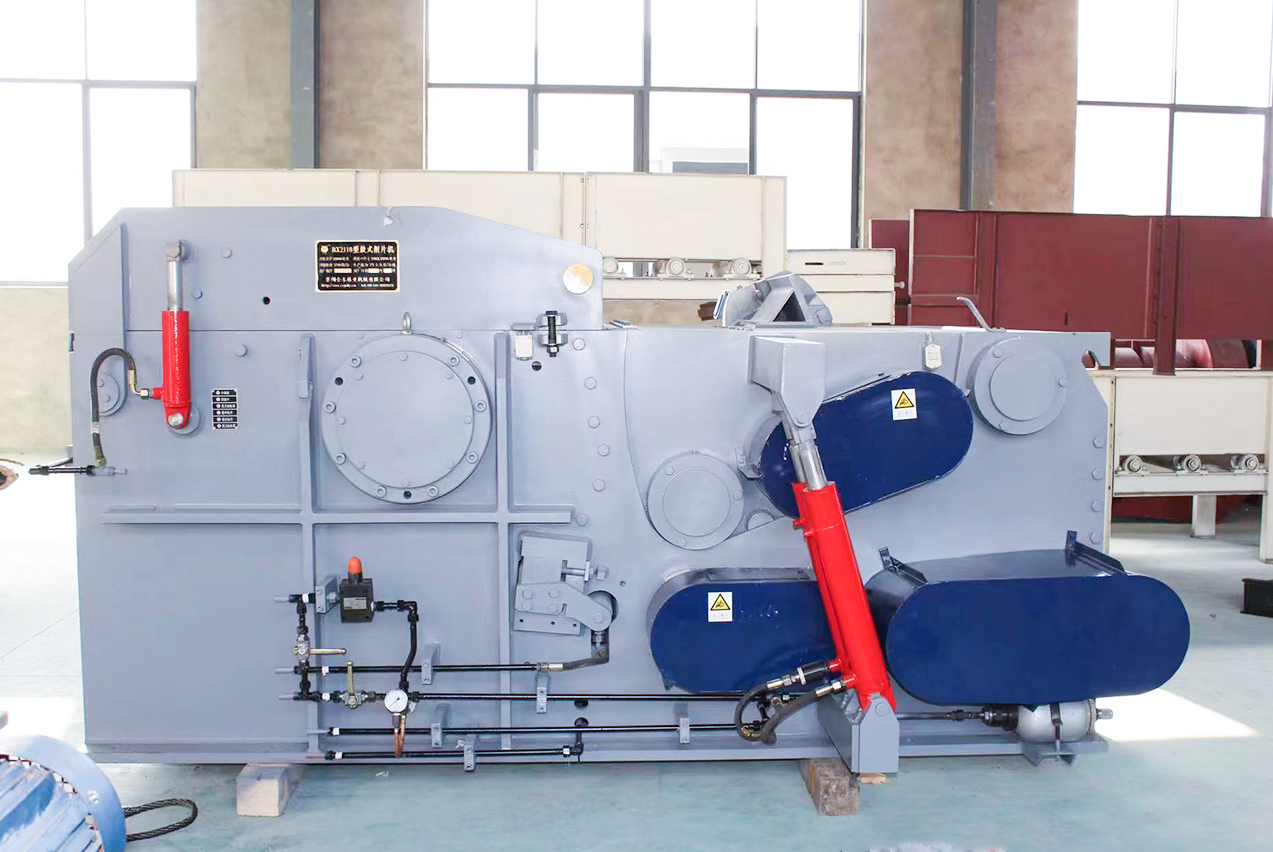
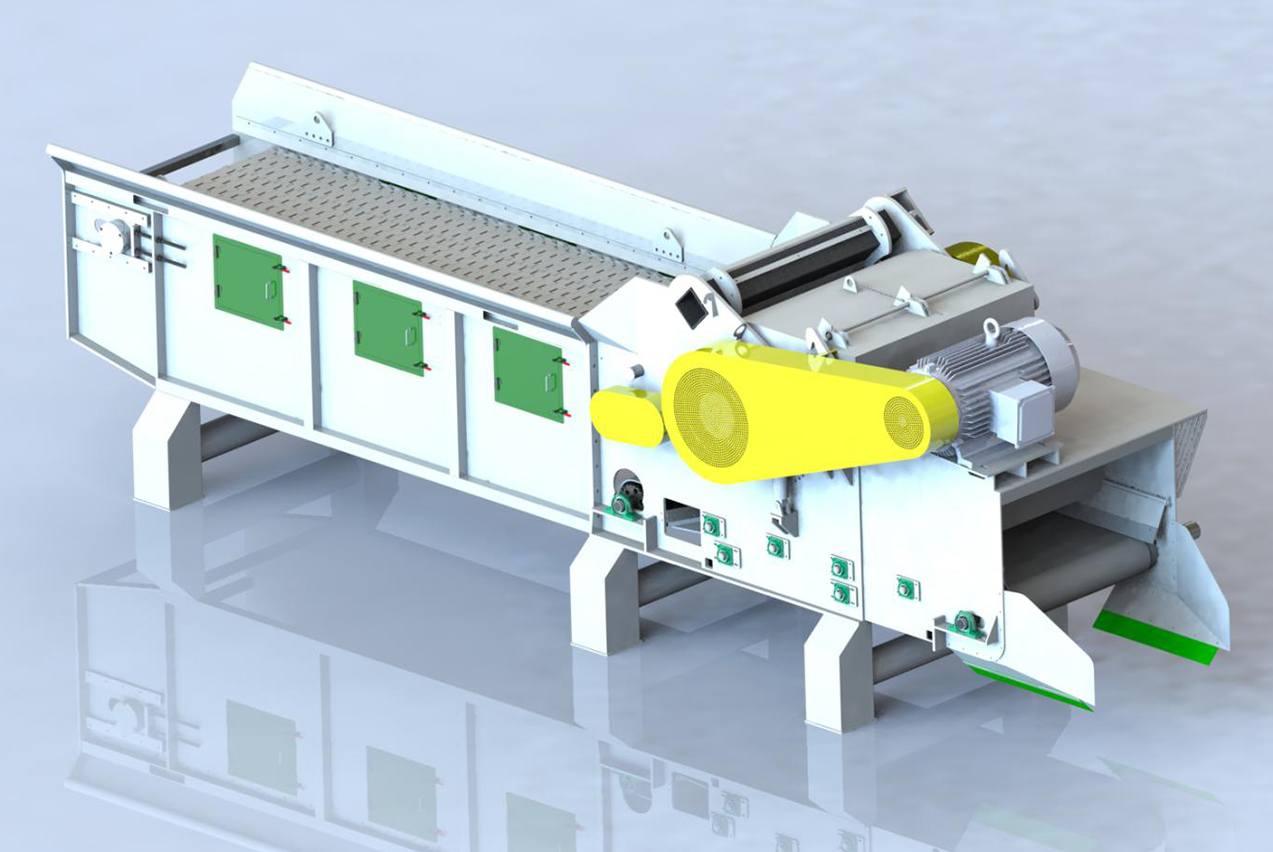
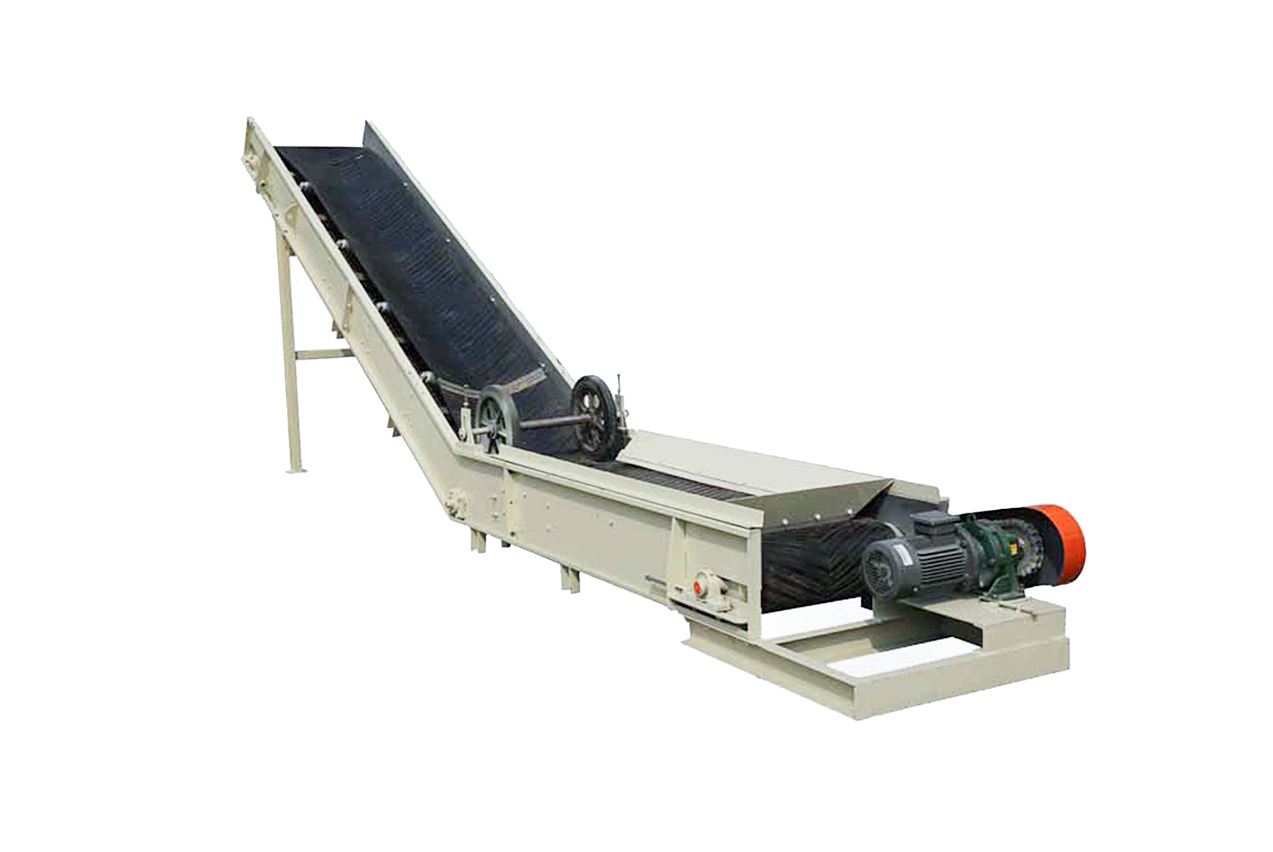
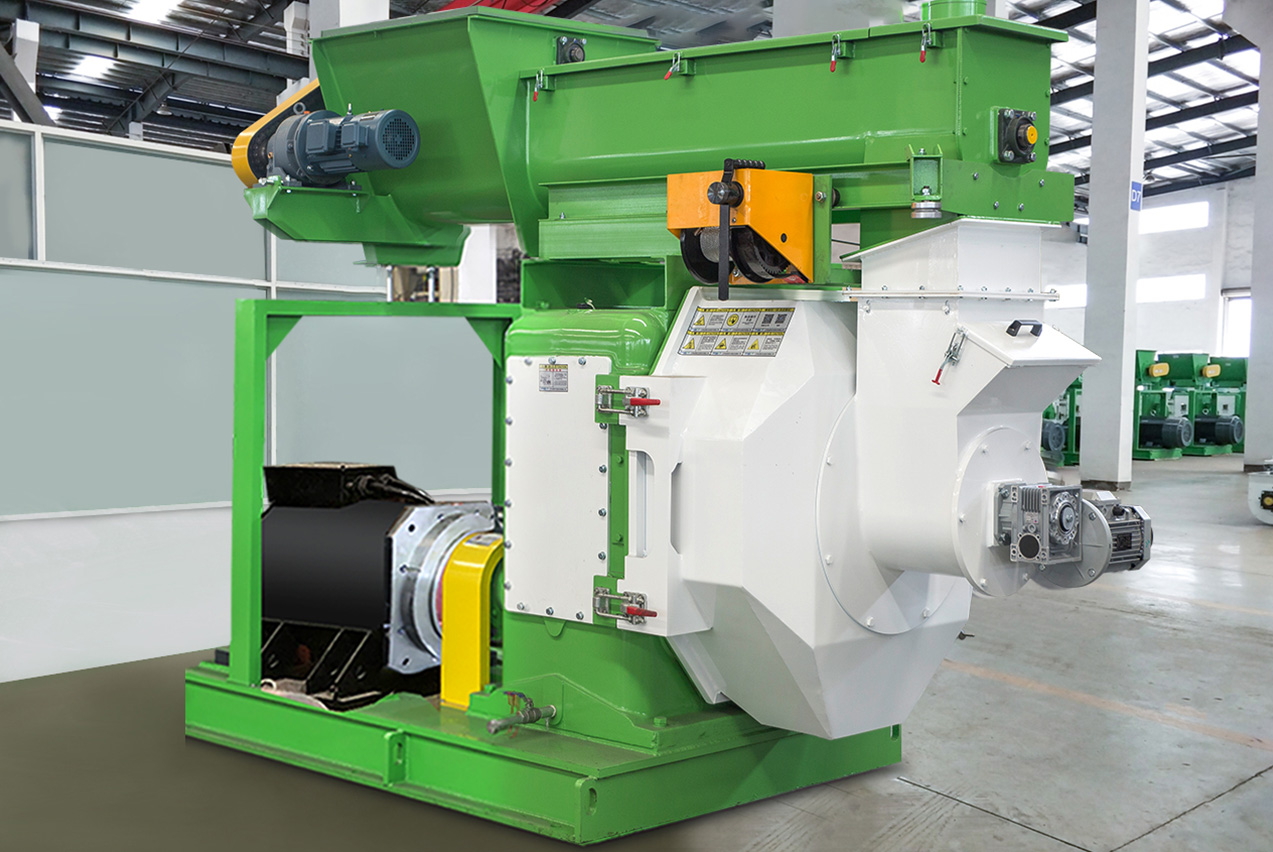
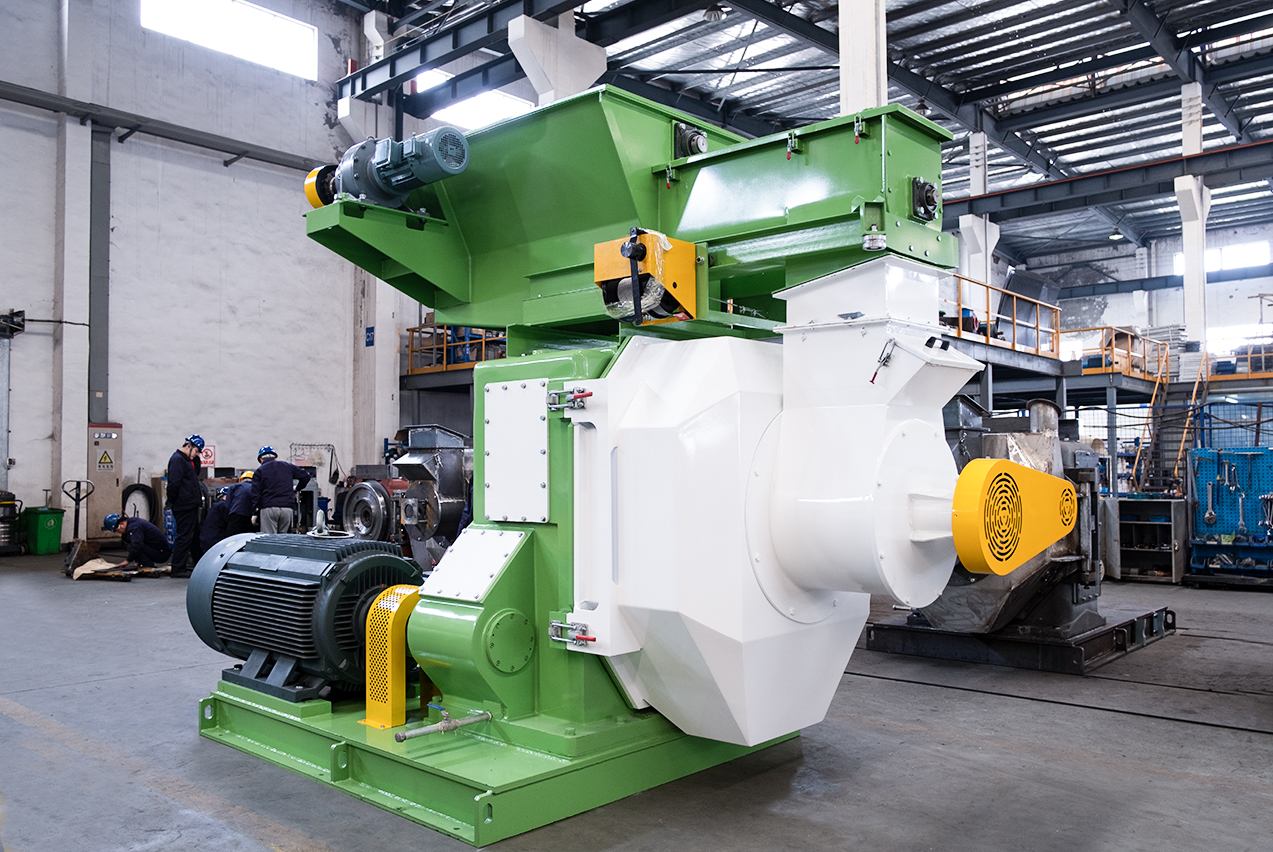
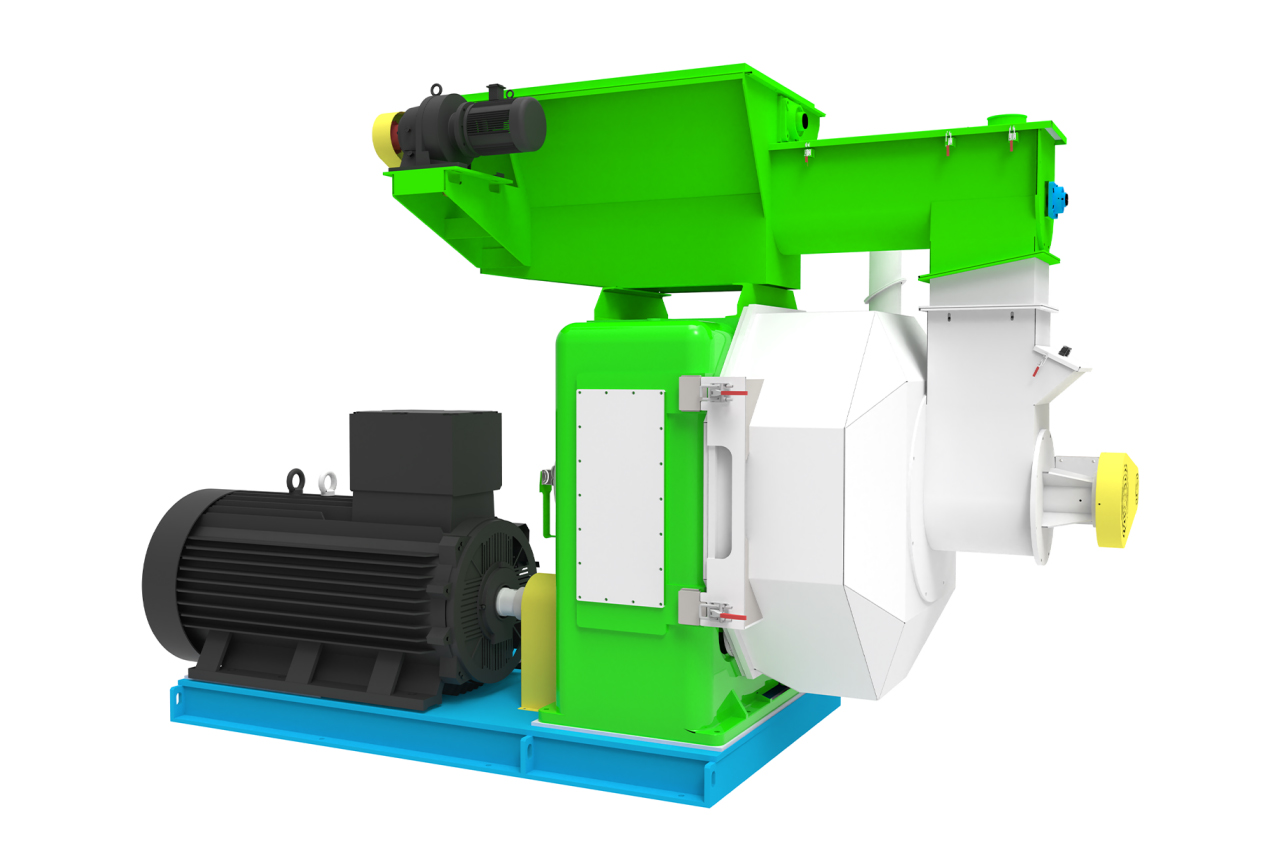
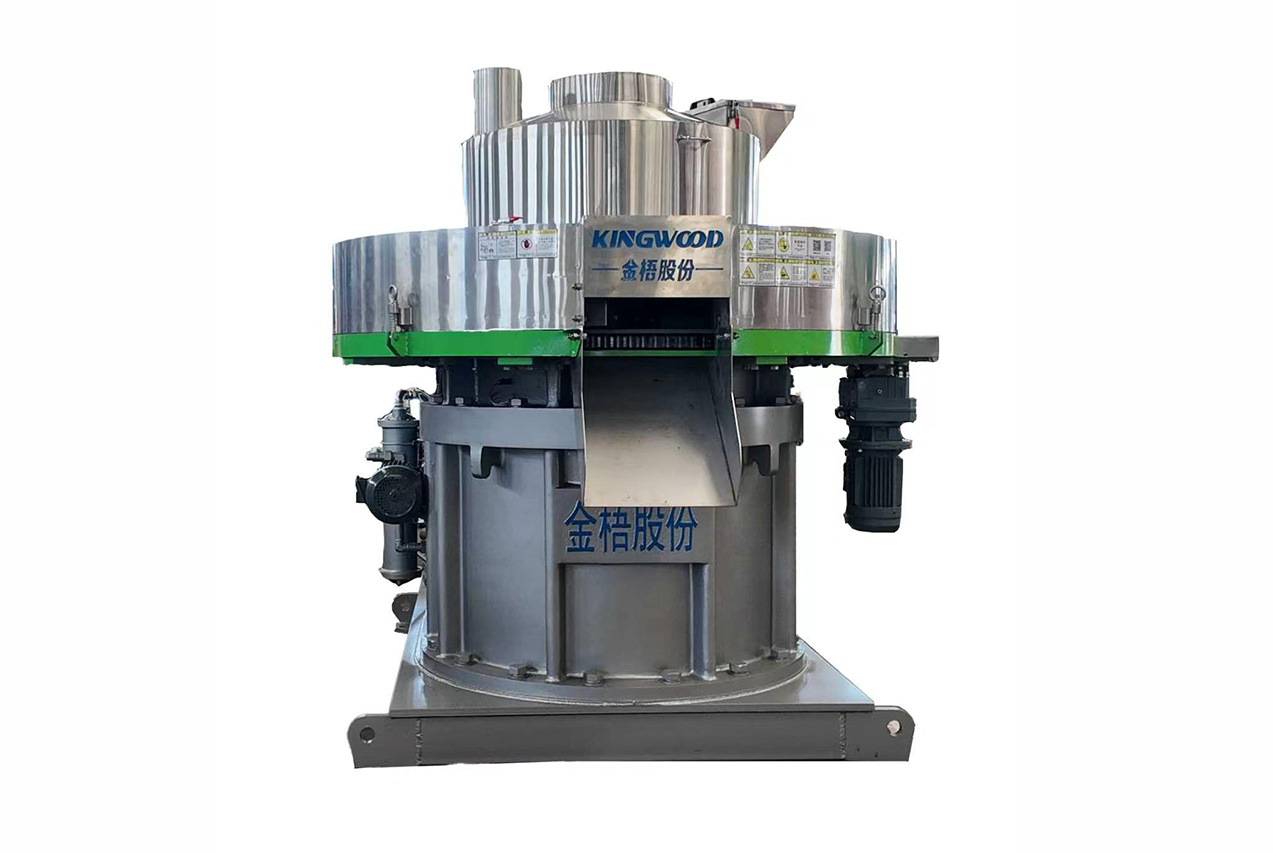
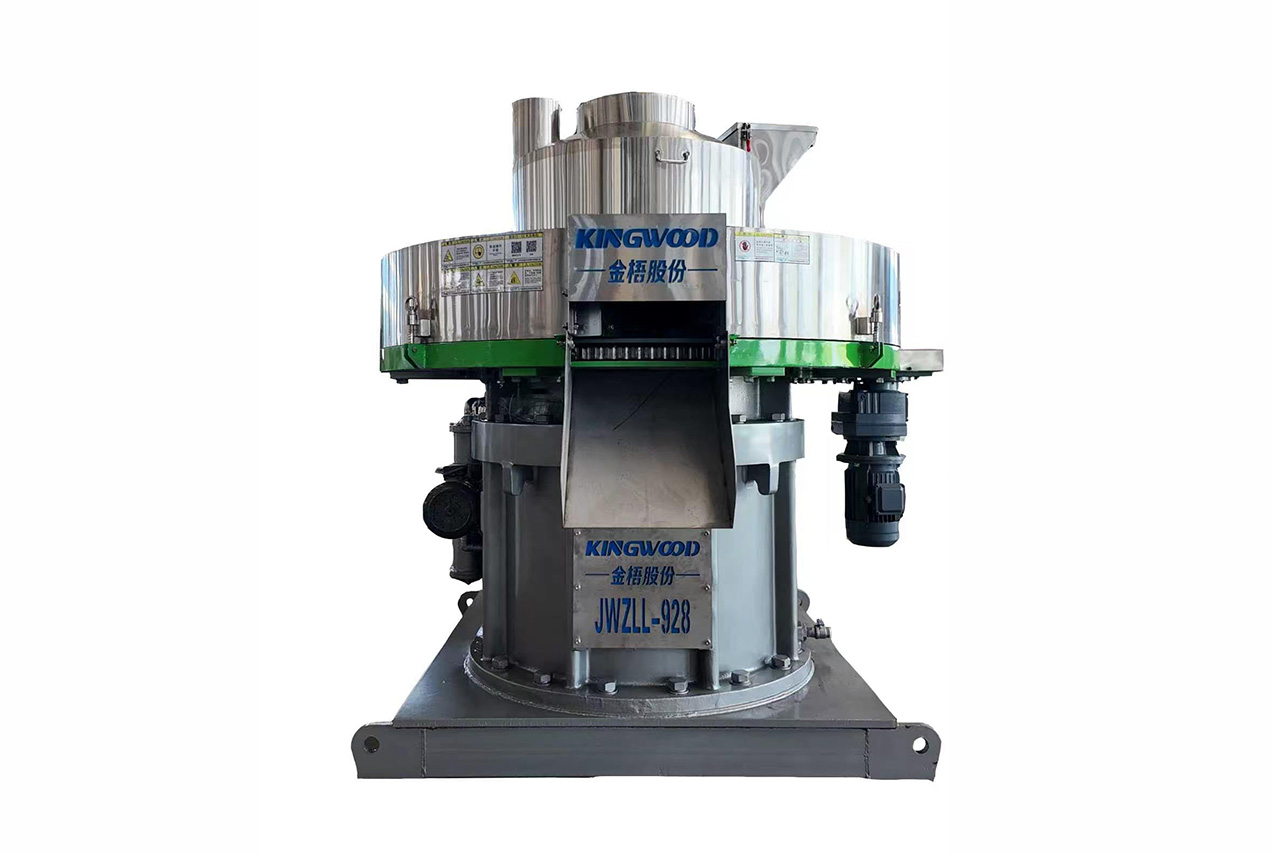
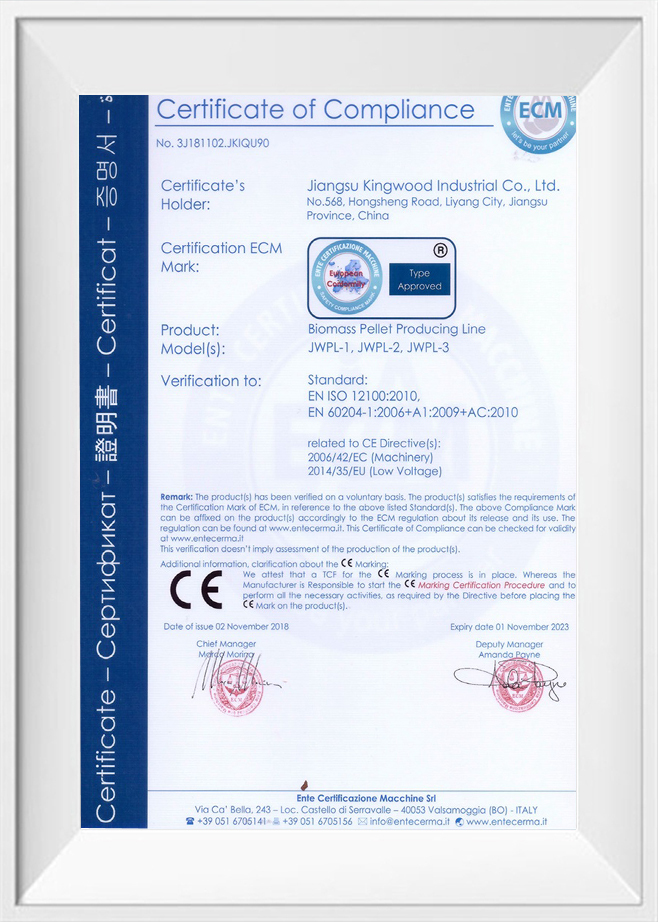
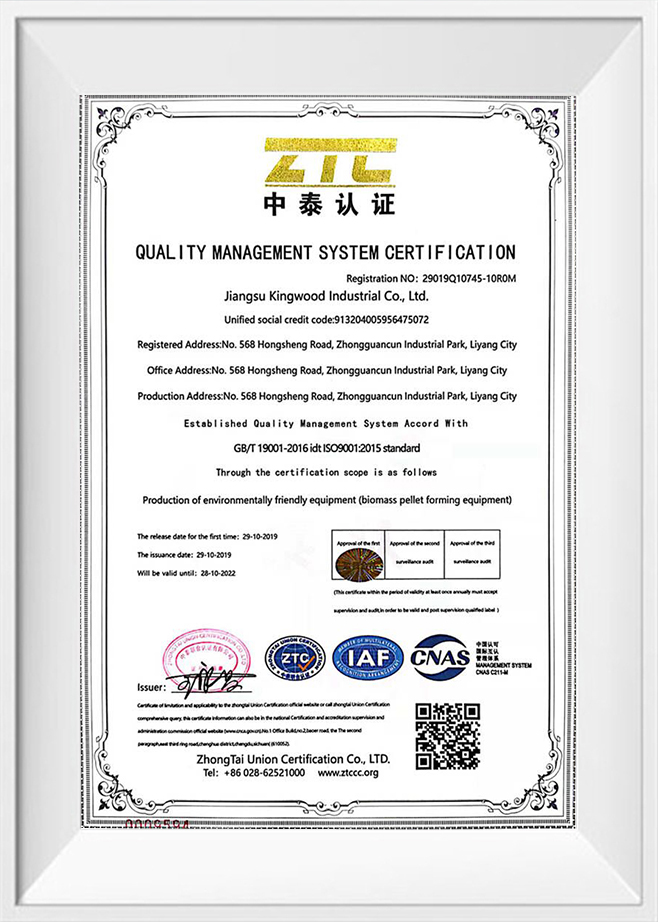
In the realm of biomass energy production, the Biomass Hammer Mill stands as a crucial component in the process of transforming raw materials into usable pellets. This machine, often paired with a Biomass Pellet Making Machine, is essential for the efficient and effective creation of Biomass Pellets.
The manufacturer of the Biomass Hammer Mill, known for their expertise in the biomass processing industry, has designed this machine to meet the rigorous demands of commercial and industrial applications. The FSP80T, FSP100T, FSP120T, and FSP140T models, equipped with 84, 108, 132, and 144 knives respectively, showcase the manufacturer's commitment to providing a range of options tailored to various production needs.
Key Features of the Biomass Hammer Mill
1. High-Quality Construction: The Biomass Hammer Mill is constructed with high-quality materials to ensure durability and longevity, even under the demanding conditions.
2. Customizable Knife Configuration: With a range of knife options, the Biomass Hammer Mill can be customized to suit the specific requirements of different biomass materials.
3. Efficient Processing: The design of the Biomass Hammer Mill allows for efficient processing of a wide range of biomass materials, including wood, straw, and other agricultural residues.
4. Easy Maintenance: The Biomass Hammer Mill is designed for easy maintenance, ensuring that downtime is minimized and production can continue with minimal interruptions.
5. Safety Features: Incorporating advanced safety features, the Biomass Hammer Mill ensures that operators can work with confidence, knowing that their safety is a priority.
Integration with Biomass Pellet Making Machine
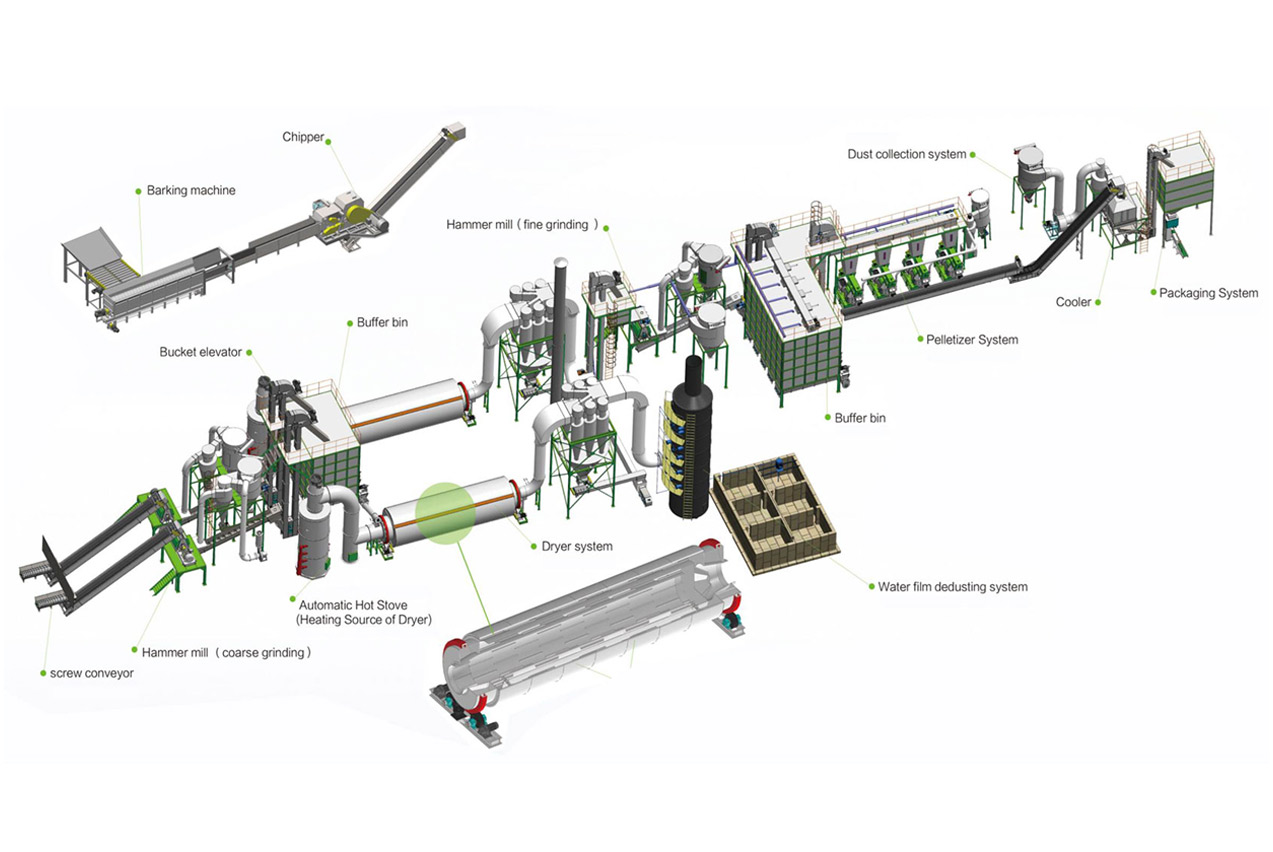
The Biomass Hammer Mill is designed to work seamlessly with the Biomass Pellet Making Machine. Once the raw materials have been processed by the Biomass Hammer Mill into fine particles, they are ready to be fed into the Biomass Pellet Making Machine. This integration ensures a smooth transition from raw material processing to pellet production, streamlining the overall production process.
Advantages of Using a Biomass Hammer Mill
1. Increased Production Efficiency: The Biomass Hammer Mill's high processing capacity contributes to increased production efficiency, making it an ideal choice for large-scale operations.
2. Consistent Pellet Quality: By ensuring that the raw materials are uniformly processed, the Biomass Hammer Mill contributes to the production of consistent, high-quality Biomass Pellets.
3. Versatility: The Biomass Hammer Mill's ability to handle a wide range of materials makes it a versatile tool in the biomass industry.
4. Cost-Effectiveness: The long-term cost savings associated with the efficient operation of the Biomass Hammer Mill make it an attractive investment for businesses looking to capitalize on the growing demand for biomass energy.
5. Environmental Benefits: By facilitating the production of Biomass Pellets, the Biomass Hammer Mill plays a role in promoting the use of renewable energy sources, contributing to a cleaner and more sustainable future.
The Biomass Hammer Mill is a testament to the manufacturer's dedication to innovation and advanced in the biomass processing industry. With its robust design, customizable features, and seamless integration with the Biomass Pellet Making Machine, it is an indispensable tool for businesses looking to capitalize on the potential of biomass energy. The Biomass Pellet Mill, in conjunction with the Biomass Hammer Mill, represents a significant step forward in the pursuit of sustainable and renewable energy solutions.
FAQ
Q: What's the difference between a wood crusher and a wood hammer mill?
A: A wood crusher breaks raw timber into chips (10–40 mm); a wood hammer mill grinds those chips into fine particles (1–5 mm) suitable for pelletizing. They are sequential stages in a complete biomass production line — Kingwood manufactures both, and typical wood pellet projects need one of each.
Q: How many knives does an industrial hammer mill need?
A: It depends on throughput. Kingwood FSP series scales from 84 knives (FSP-80T, 1–2 t/h) to 144 knives (FSP-140T, 5–8 t/h). More knives = more cutting points per rotation = finer output and higher throughput, at the cost of higher motor power requirement.
Q: What feedstock can a wood hammer mill process?
A: Wood chips, sawdust, bark, rice husk, palm kernel shell, agricultural straw, and similar fibrous biomass. Feedstock moisture should be ≤15% for stable hammer mill operation; wetter input clogs the screen.
Q: How long do hammer mill blades last?
A: 400–800 operating hours for fixed blades under industrial conditions, depending on feedstock abrasiveness (rice husk wears blades faster than softwood). Hardened-steel Kingwood replacement blades are available in Type A and Type B for different impact tolerances.
Q: Can a hammer mill replace a pellet mill?
A: No — they do different jobs. A hammer mill produces loose fine particles; a pellet mill compresses those particles into dense pellets under pressure and heat. For a wood pellet production line, you need both equipment types in sequence.

 English
 日本語
日本語
 한국어
한국어