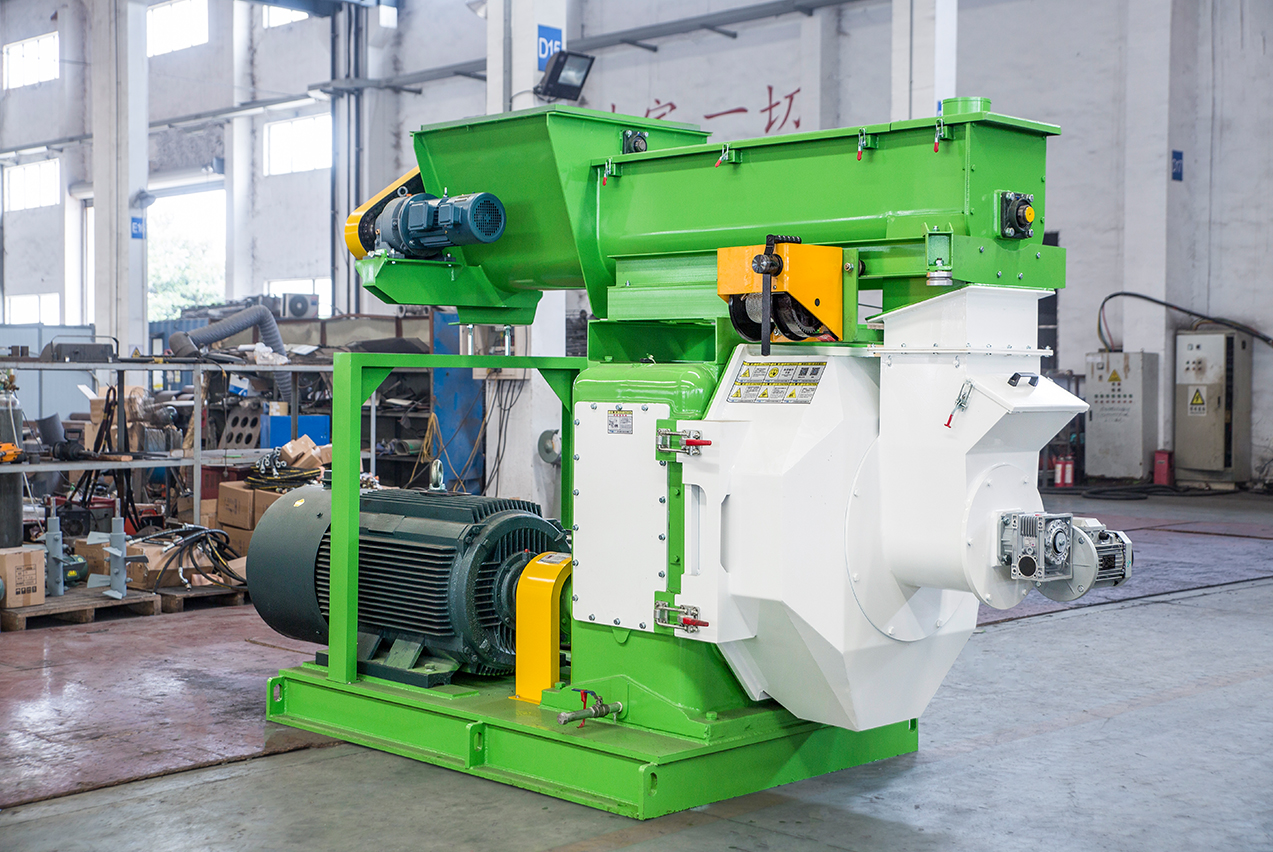
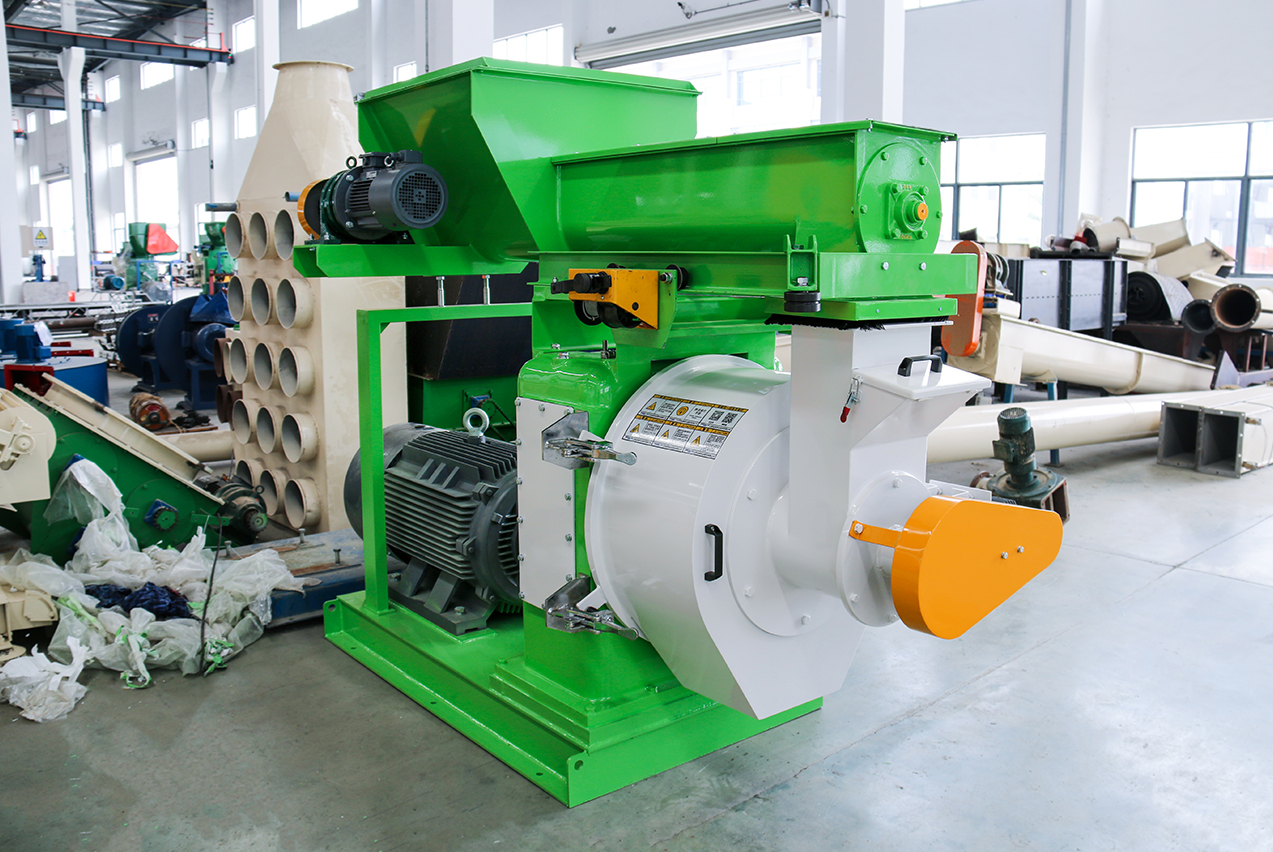
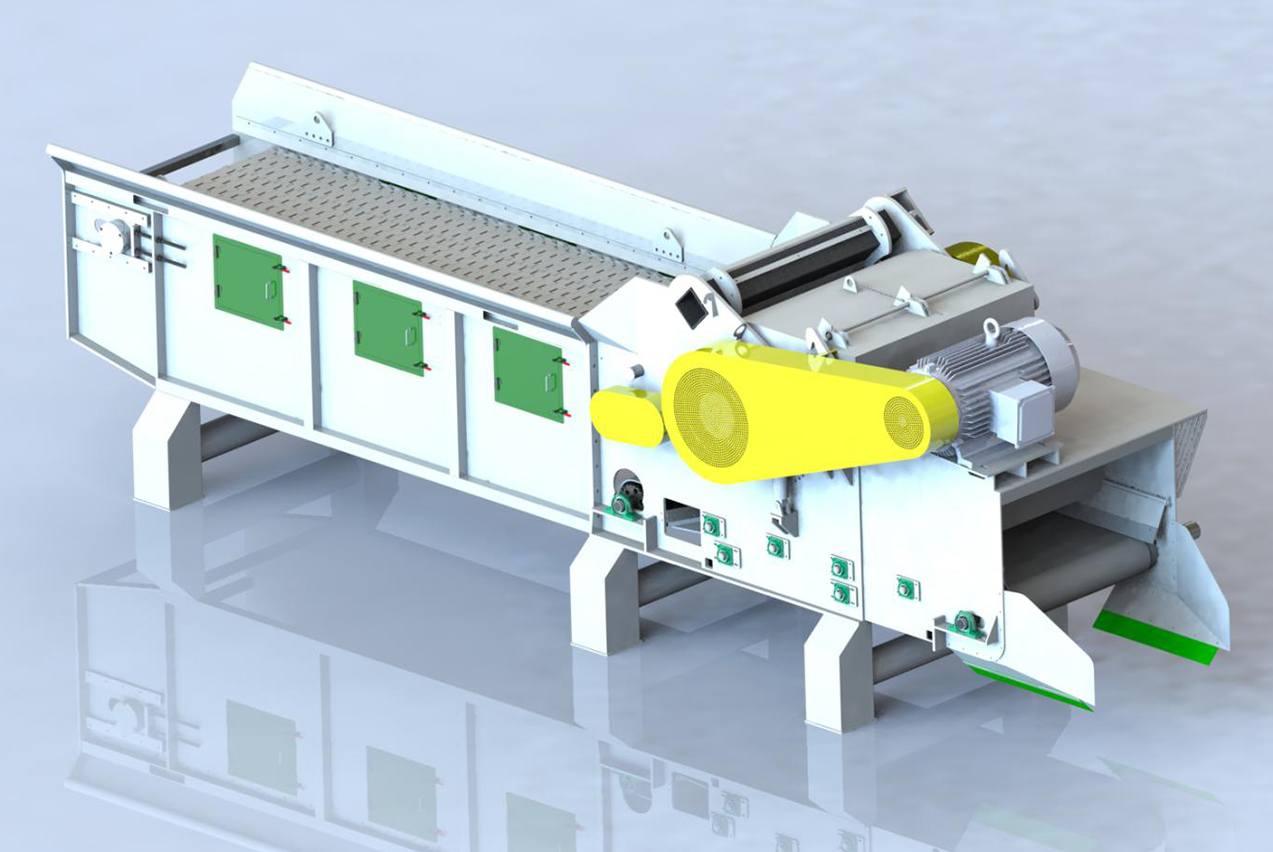
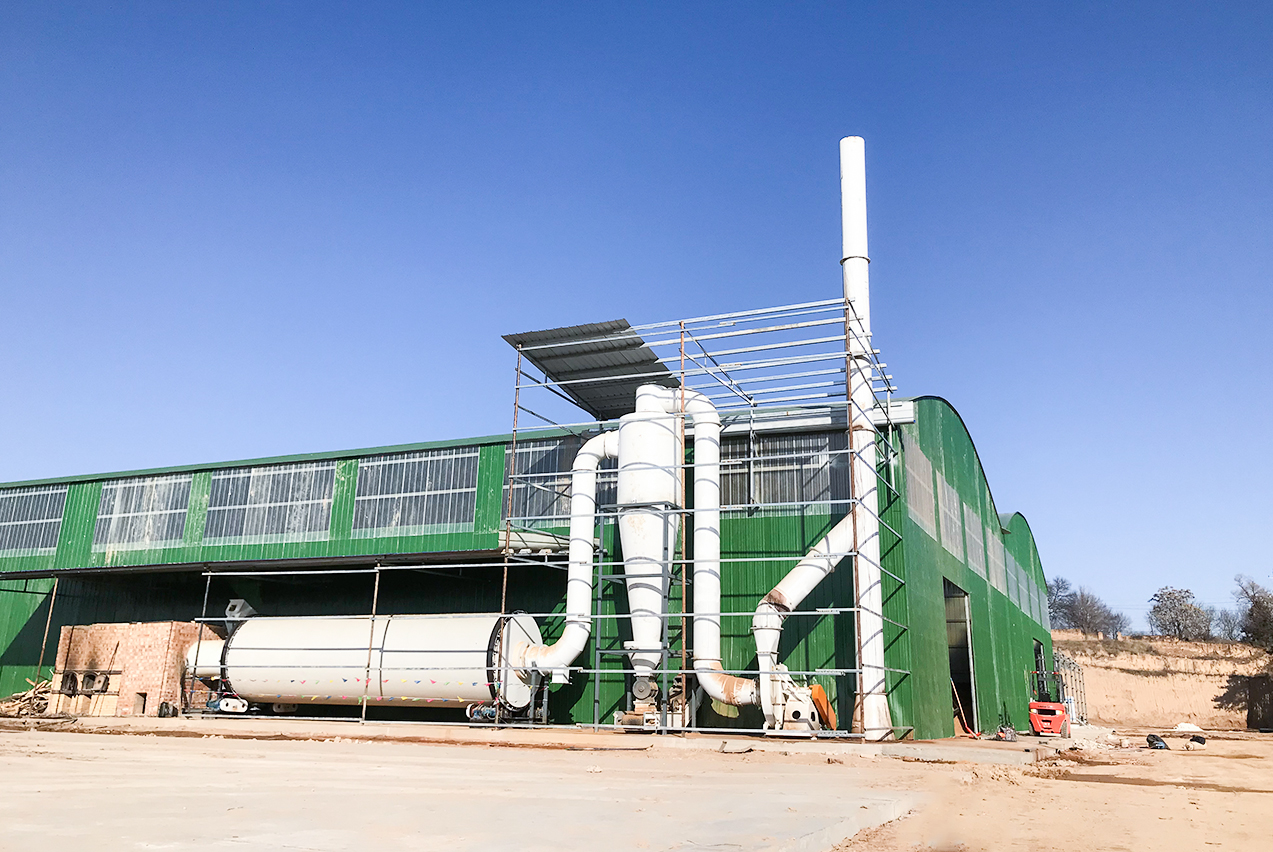
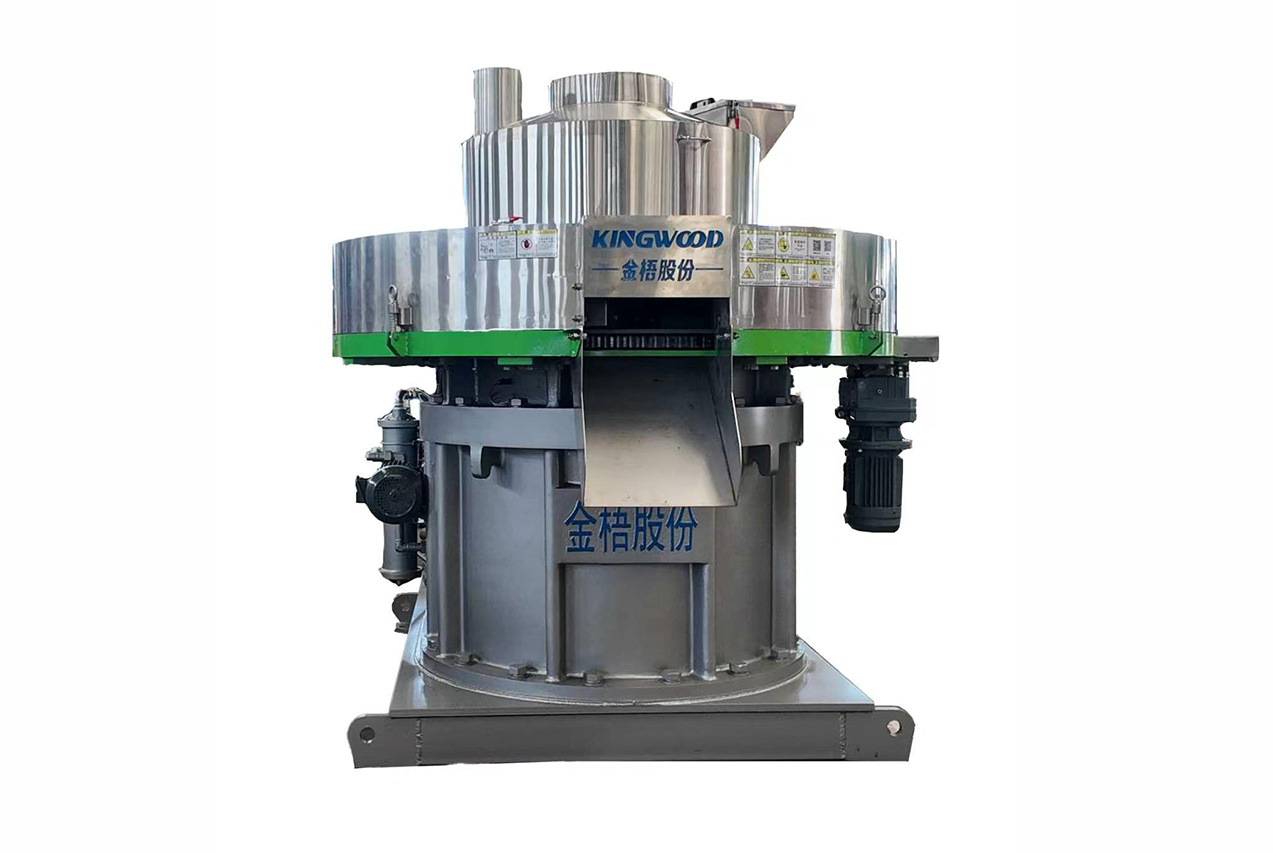
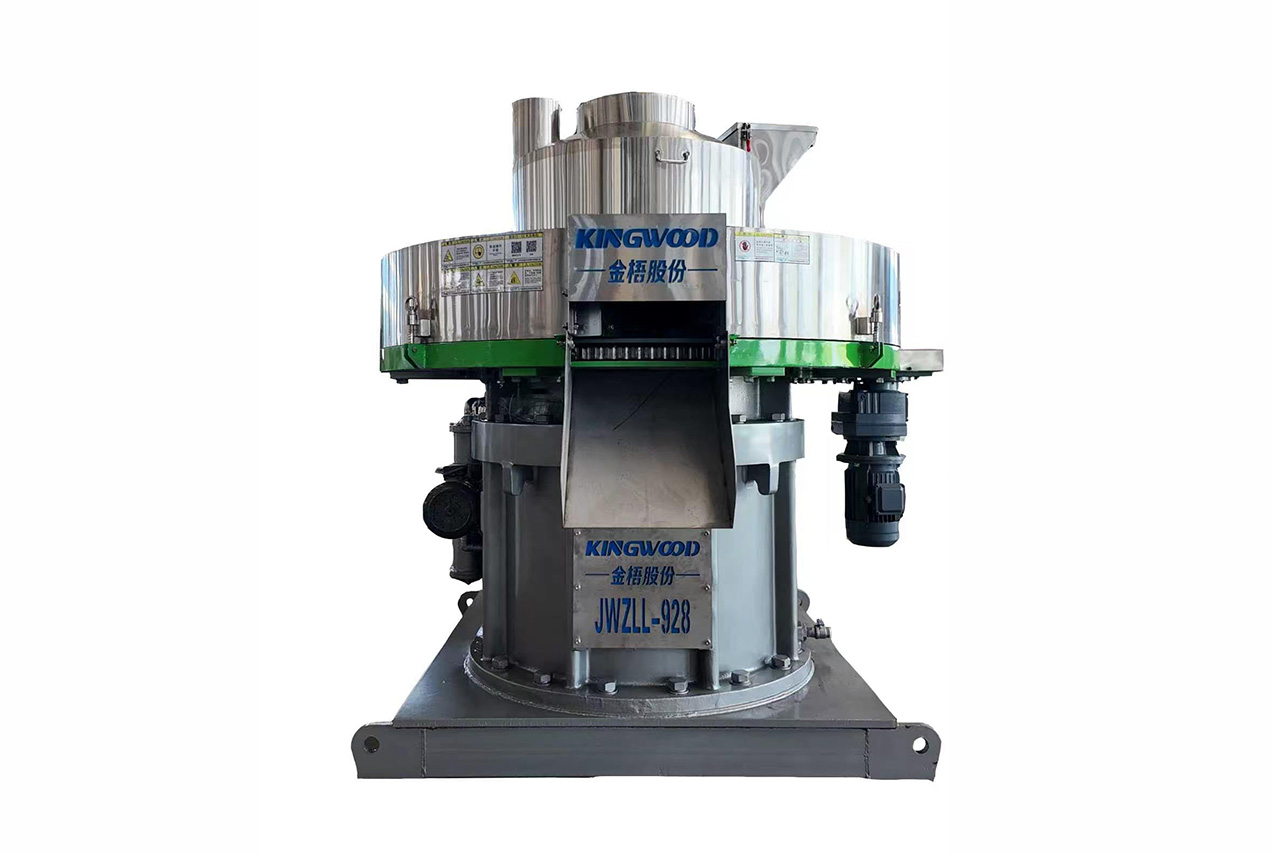
If you are evaluating a wood pellet mill for sale Thailand market procurement, the volume of options available from Chinese manufacturers can make shortlisting difficult. This article compares the main pellet mill technologies, model specifications, line configurations, and total-cost-of-ownership data relevant to Thai buyers — drawing on real deployment data from Southeast Asia. For a full overview of available equipment, visit the Kingwood industrial wood pellet mill range.
Thailand's installed biomass power capacity reached 5,820 MW in 2023 per IRENA Renewable Energy Statistics 2024 — making it one of the largest biomass power bases in Southeast Asia. The country's Alternative Energy Development Plan (AEDP) 2037, published by Thailand's Department of Alternative Energy Development and Efficiency (DEDE), targets a 30% renewable energy share in the national energy mix by 2037. Biomass is a primary contributor to that target, supported by feed-in tariff mechanisms for biomass power generators.
Southeast Asia's biomass power sector is expanding at approximately 8% CAGR per the IEA ASEAN Energy Outlook 2023, and Thailand is growing in line with this trend.
Thai pellet production draws on four major biomass streams:
Each feedstock has different moisture content and bulk density characteristics, which directly influence pellet mill selection and dryer sizing. Rubber wood typically arrives at 40–60% moisture and requires more aggressive drying before pelleting than rice husk at 10–15% moisture.
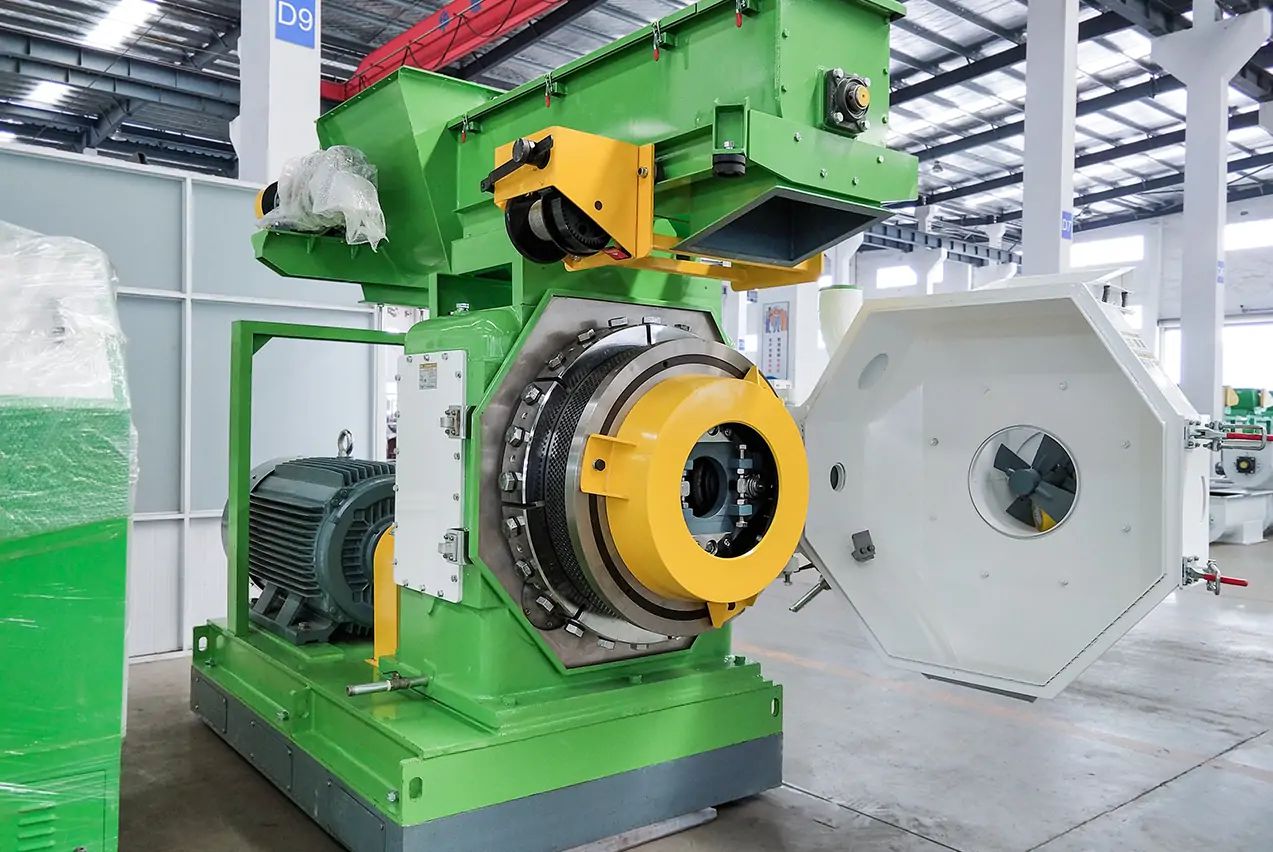
The 500 kg/h output level is the generally accepted crossover point between flat die and ring die technologies. Below this threshold, flat die mills offer lower capital cost and simpler maintenance. Above it, ring die mills deliver lower energy consumption per tonne of output and significantly higher throughput — making them the correct choice for nearly every commercial Thai operator targeting industrial boiler supply or export pellet markets.
Per Kingwood's technical data, ring die mills achieve a Pellet Durability Index (PDI) above 97.5% and bulk density above 600 kg/m³ on dry sawdust at 10–14% moisture. Flat die mills typically produce PDI in the 90–94% range at equivalent moisture levels, which affects pellet combustion quality in industrial boilers and reduces the pellet's export grade eligibility.
| Parameter | Ring Die Mill | Flat Die Mill |
|---|---|---|
| Practical output range | 500 kg/h – 30+ t/h | 50–500 kg/h |
| PDI (dry sawdust, 10–14% moisture) | ≥97.5% | Typically 90–94% |
| Bulk density | ≥600 kg/m³ | 520–570 kg/m³ |
| Energy per tonne produced | Lower at scale | Higher per tonne |
| Capital cost | Higher | Lower |
| Maintenance complexity | Moderate | Lower |
| Recommended use | Commercial / industrial | Small-scale / farm |
Thai buyers frequently ask about electrical infrastructure requirements before committing to a model. A ring die mill in the 3–5 t/h range draws 160–250 kW at the main motor, requiring three-phase industrial power at 380 V / 50 Hz — standard across Thai industrial estates. Flat die mills in the sub-500 kg/h range typically draw 15–45 kW.
Heat and humidity in Thailand affect two specific components: main motor insulation class and lubrication intervals. Ring die mills operating in tropical climates require adequate bearing lubrication on short intervals — insufficient lubrication causes bearing failure within 800–1,200 hours per Kingwood engineering records. Motors should be rated IP55 minimum for humid environments. Both concerns are addressed in Kingwood's standard tropical configuration.
Kingwood manufactures four ring die models commonly specified for Thai projects. The table below summarises the key parameters:
| Model | Capacity | Main Motor | Noise | Machine Weight | Typical Application |
|---|---|---|---|---|---|
| JWZL-420 | 1–1.5 t/h | 110 kW | ≤93 dB(A) | ~5.5 t | Small commercial, rice husk |
| JWZL-688 | 2–2.3 t/h | 160 kW | ≤93 dB(A) | ~8.0 t | Medium operations, rubber wood |
| JWZL-688D | 3–3.5 t/h | 200 kW (servo) | ≤93 dB(A) | ~9.5 t | High-throughput, export lines |
| JWZL-860 | 4.5–5 t/h (single) | 315 kW | ≤95 dB(A) | ~14.0 t | Large plants, 20–30 t/h lines |
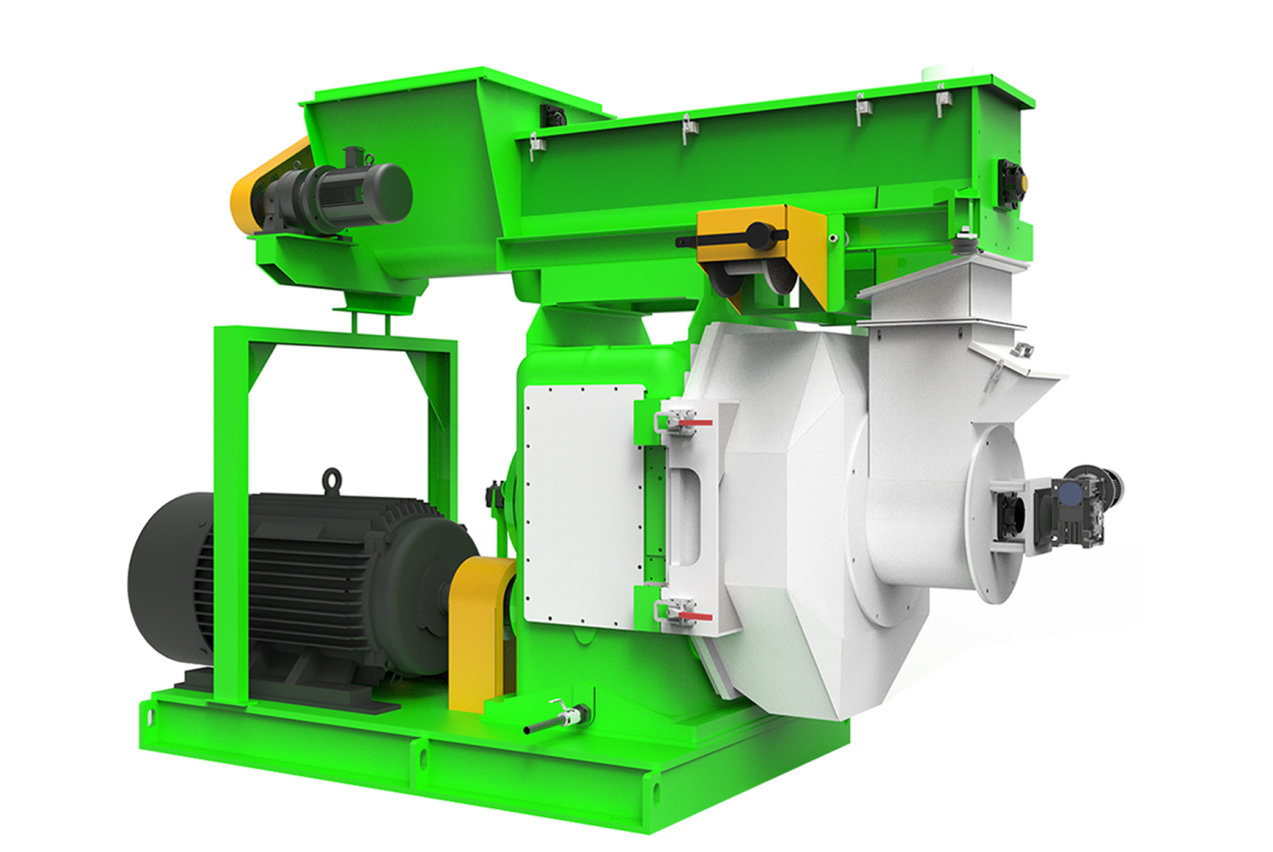
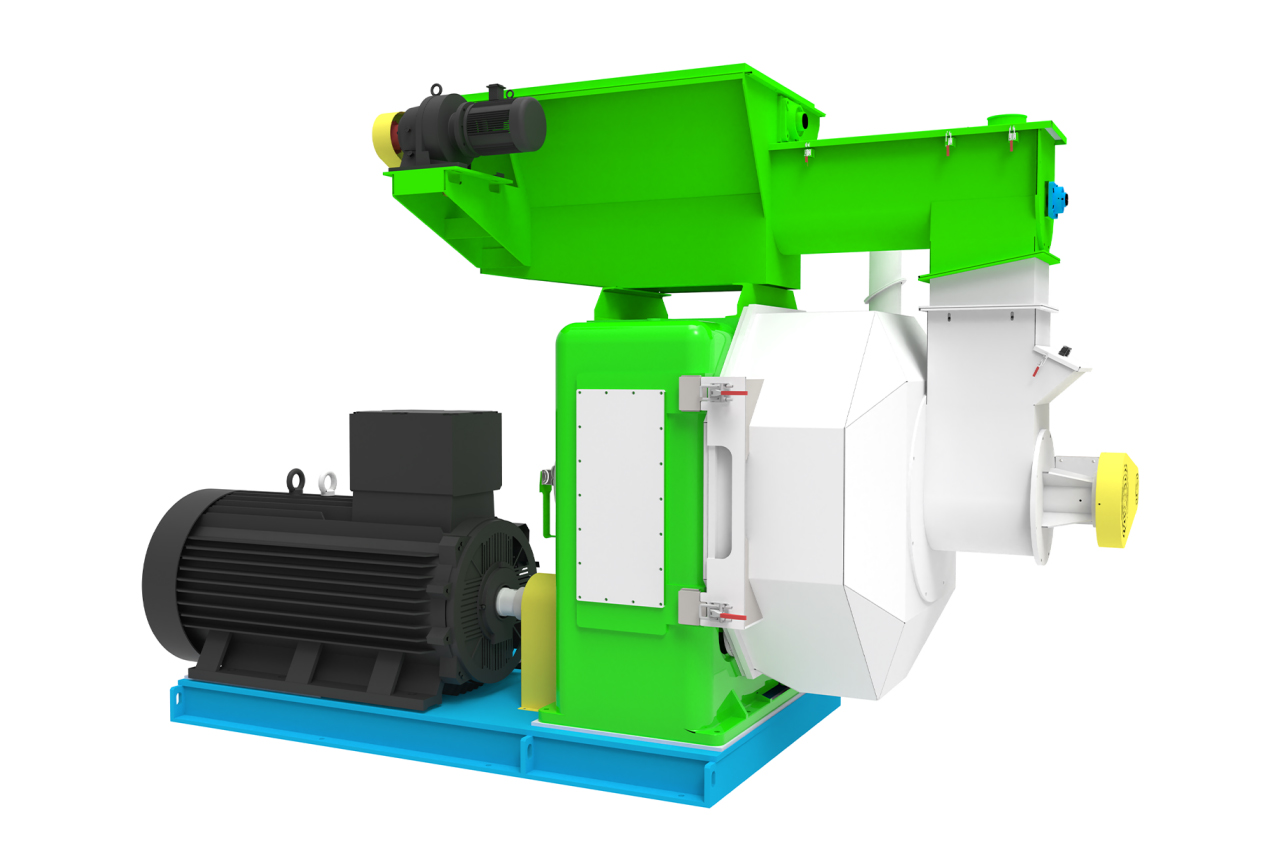
The JWZL-688D commercial wood pellet mill specifications show why this model leads orders across the region. Key parameters from Kingwood's published product data:
The permanent magnet synchronous servo motor delivers measurable efficiency gains over conventional asynchronous drives: it maintains rated torque at lower RPM, reduces reactive power draw, and enables soft-start to protect the ring die from impact load on startup. In our customers' installations across Vietnam and Indonesia, this motor type reduces electricity cost per tonne by an estimated 8–12% compared to equivalent conventional motor configurations.
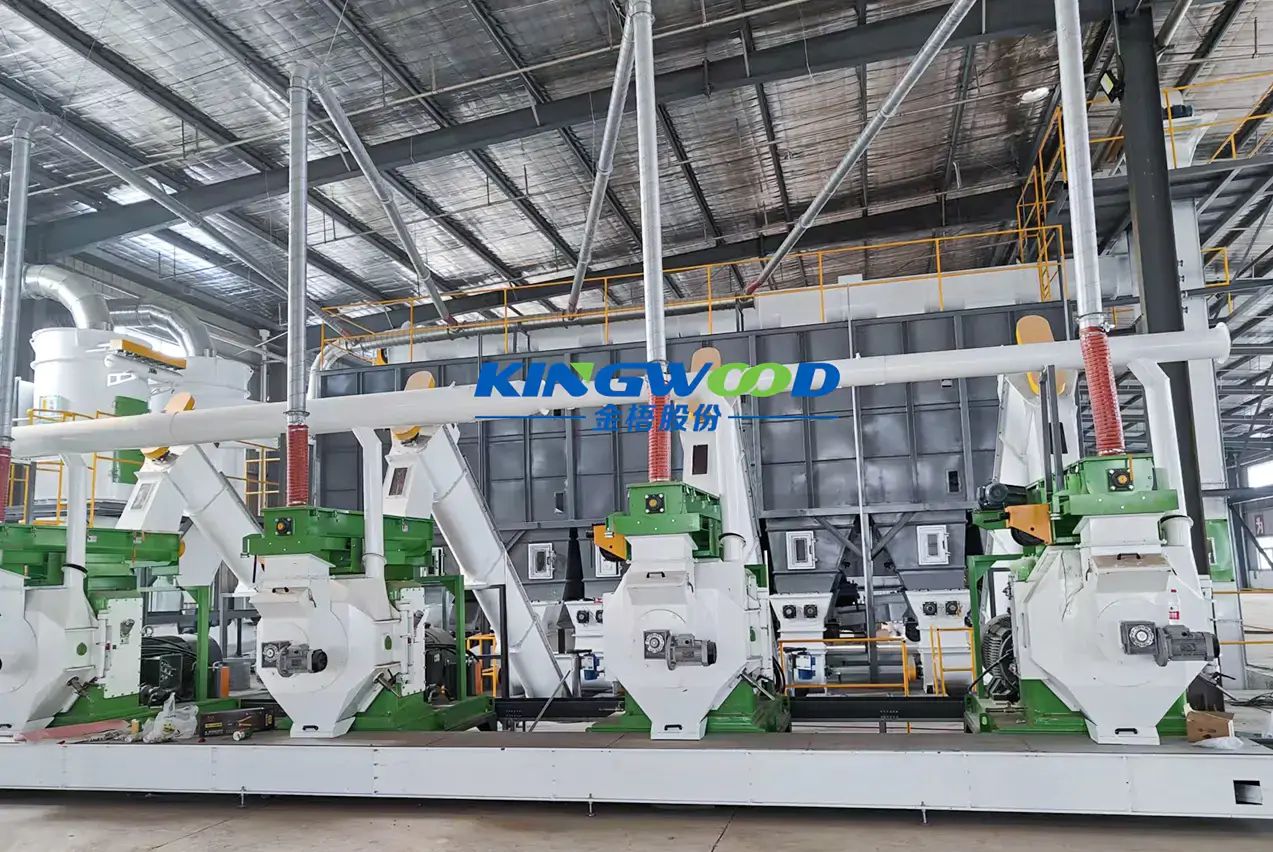
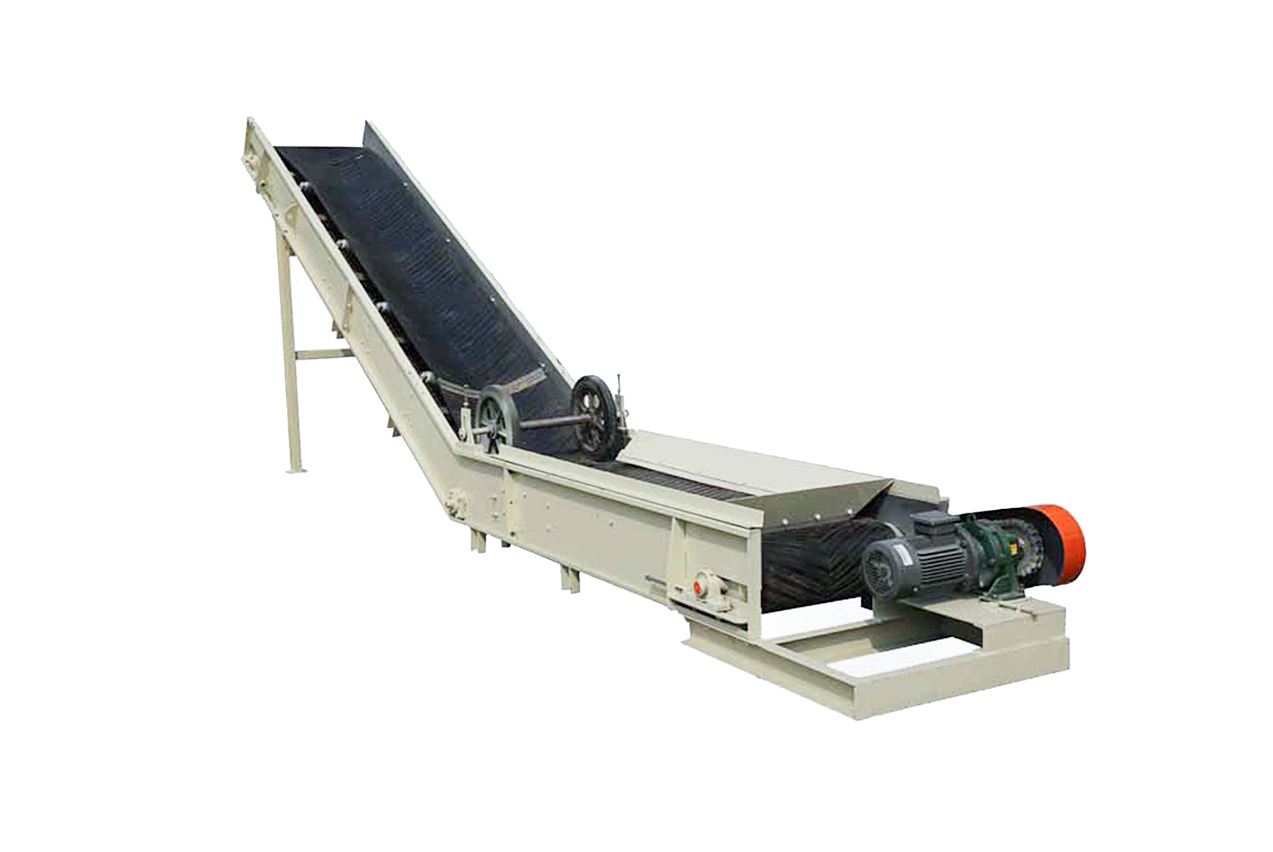
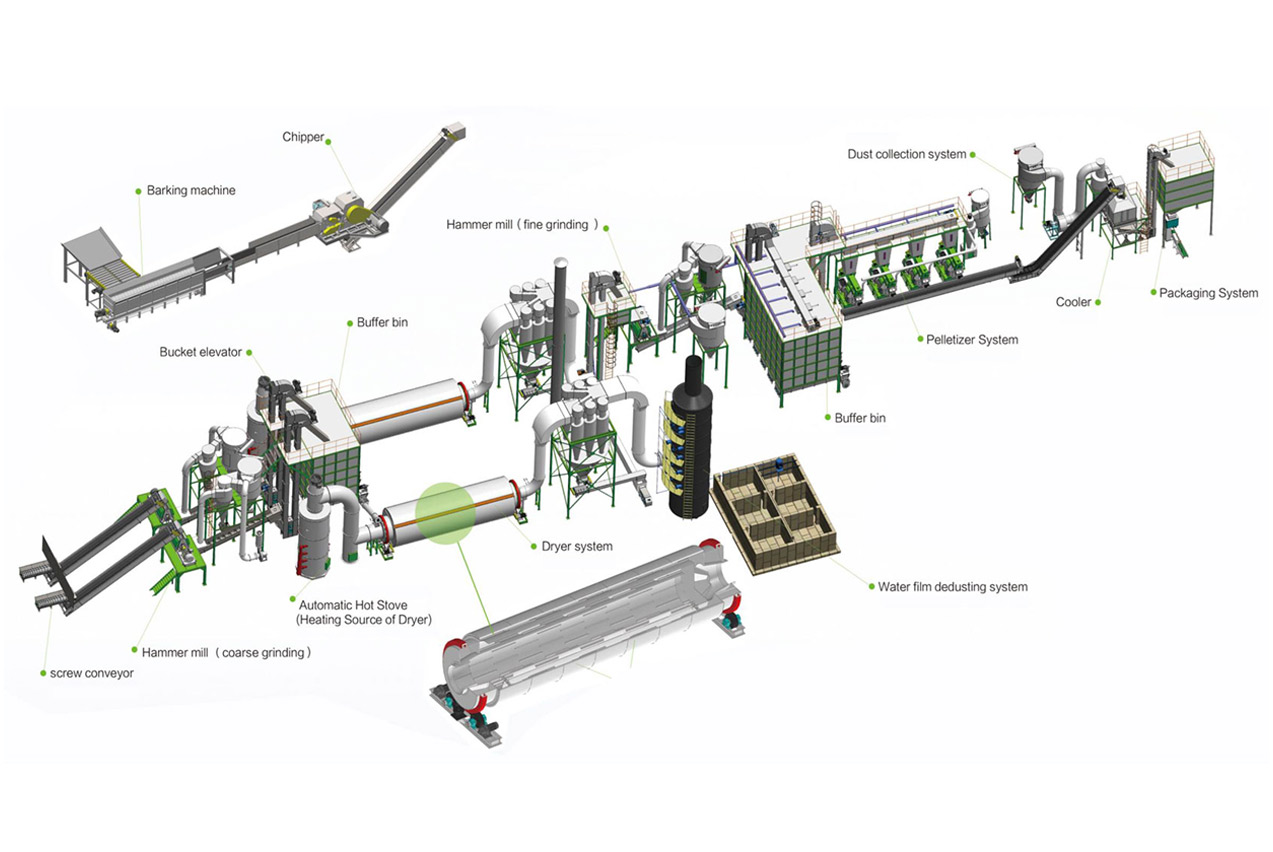
A stand-alone pellet mill is not a production line. Thai buyers sourcing a complete facility need to account for upstream and downstream equipment. The standard flow for a wet-feed wood-based line is:
For pre-pelleting moisture control, Kingwood's biomass drum dryer for pre-pelleting moisture control is designed to match the throughput of any of the pellet mill models above, with controllable output moisture and high operational flexibility across feedstock types. For a fully configured system, the complete biomass wood pellet production line covers each stage as an integrated package.
Kingwood's Three-Standardization Framework — integrated supply chain, dust-free processing, and fully automated operation — has particular relevance for Thailand's operating environment. Dust control matters not just for worker safety compliance under Thailand's Occupational Safety, Health and Environment Act, but also for fire risk management: biomass dust at concentrations above the LEL (lower explosive limit) is an ignition hazard in hot, dry season conditions. Kingwood's enclosed conveying and dust removal systems are standard, not optional.
Automation reduces the dependence on skilled operators, which is a genuine constraint in upcountry Thai locations where technically trained labour is scarce. Fully automated operation with minimal manual intervention brings labour cost per tonne down and reduces variability in pellet quality.
A Kingwood China case from March 2023 documented a 10 t/h construction waste and furniture offcut pellet line running four JWZL-688 units with a total installed power of 1,980 kW including all auxiliaries. Per Kingwood's complete wet-feed line specifications, these lines can scale to 200,000 t/year capacity. Thai buyers should budget for transformer capacity 20–25% above the installed equipment nameplate to handle startup surge loads.
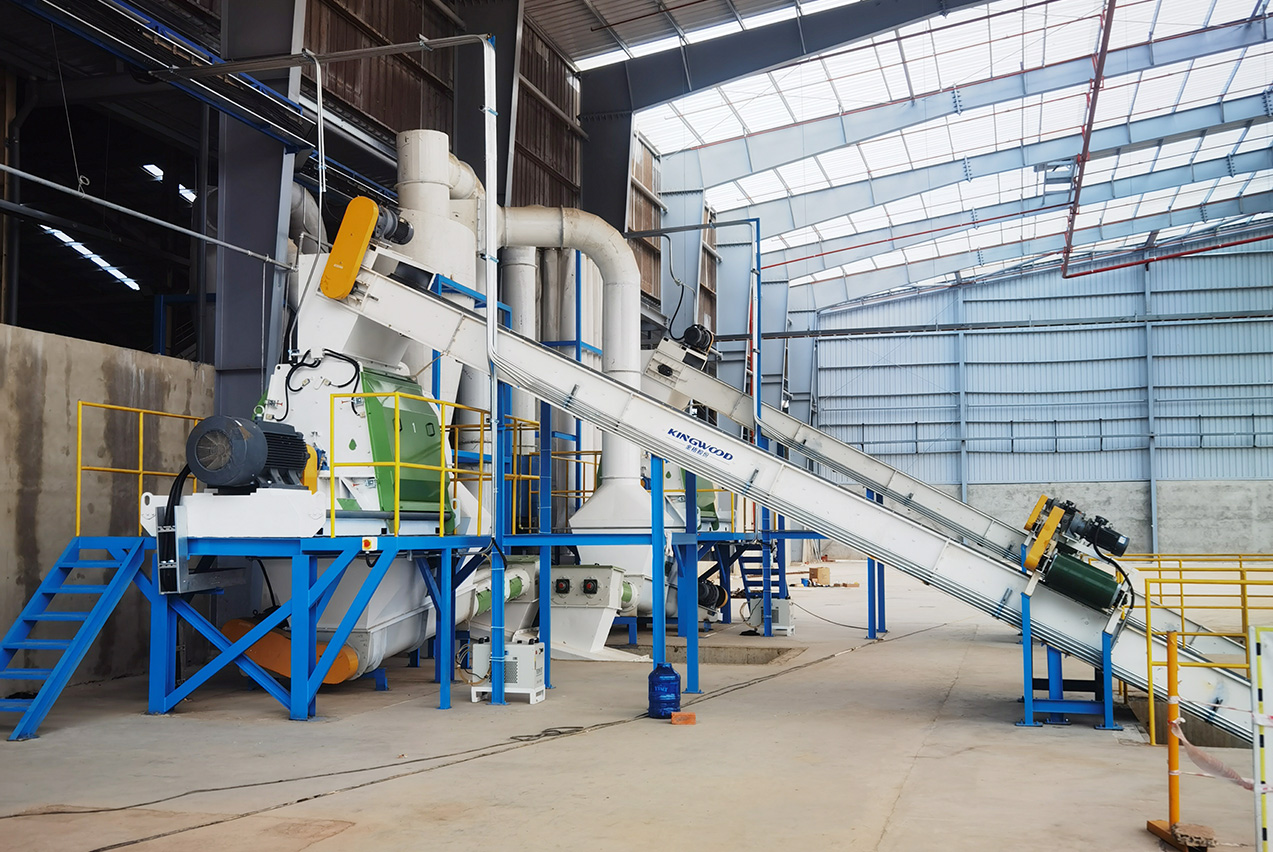
The most directly applicable benchmark for Thai buyers is Kingwood's Vietnam 12 t/h wood pellet line achieving 23-month payback. This JWZL-688 line, operating on forestry and wood residue feedstocks in a tropical climate comparable to Thailand's, reached full investment payback in 23 months — a figure that accounts for equipment, installation, civil works, and operating costs against pellet sales revenue.
For context, biomass pellet fuel produced on Kingwood equipment saves 40–50% versus fuel oil, gas, or electric heating per Kingwood product data, which drives the economics at the buyer (industrial boiler operator) end. As Thai industrial energy users face increasing fuel oil costs and carbon accounting pressure, the price spread between biomass pellets and fuel oil continues to support strong pellet demand.
Kingwood-equipped plants globally produce over 3 million tonnes of wood pellets annually. A single 12 t/h line operating at 80% utilisation across 300 days runs approximately 86,400 tonnes per year — well within the output range that secures long-term supply contracts with Thai power generators or export customers in Japan and South Korea, where wood pellet imports are expanding rapidly per IEA 2024 bioenergy trade data.
The Vietnam 24 t/h AVP Group plant — installed by Kingwood in central Vietnam in 2021 — represents the scale that larger Thai investors should benchmark against for greenfield planning.
Thailand's AEDP 2037 biomass targets per Thailand DEDE 2023 create a regulatory environment where equipment procured for grid-connected biomass power projects must meet documented quality standards. For Chinese biomass equipment imports, Thai procurement managers should require:
Kingwood holds all three certifications and is listed on the NEEQ market (stock code 871765), which requires audited financial disclosure — a useful additional verification layer.
Thai buyers have reported recurring issues with under-specified Chinese suppliers. Practical checks:
Red flags: no CE or ISO documentation, no traceable project references, and pricing that is more than 30–40% below the market midpoint (usually signals substandard ring die metallurgy or drive components).
Standard equipment manufacturing lead time from Kingwood's Liyang, Jiangsu facility is typically 45–90 days from order confirmation, depending on model and configuration. Ocean freight from Jiangsu province (typically via Shanghai port) to Laem Chabang or Bangkok port adds approximately 7–14 days transit time.
Kingwood's Vietnam 24 t/h project for AVP Group was fully installed and commissioned within 9 months including civil construction and pandemic-related delays — a useful ceiling estimate for project planning in a comparable Thai context. Under normal conditions, a single-mill installation with civil works completed in advance can be commissioned in 3–4 months from equipment dispatch.
Kingwood's project development process covers the full cycle from raw material analysis and site layout through to operator training and after-sales support. For Thai buyers, this means you can contract on an EPC/turnkey basis rather than managing separate equipment, civil, and installation contractors. This is particularly relevant for first-time plant operators who may lack internal commissioning expertise.
Kingwood operates a global O&M service network across 30+ countries per the 2024 brochure, with active project presence across Southeast Asia including Vietnam and Indonesia.
A common oversight we see in Thai installations: buyers order the pellet mill but underestimate consumable parts consumption in year one. For a JWZL-688D on rubber wood feedstock, plan to stock at minimum:
All parts are available from the pellet mill auxiliary equipment for complete lines catalogue and ship from the Liyang facility on short lead times.

Kingwood was founded in 1999 and has 27 years of dedicated biomass pellet equipment R&D and manufacturing experience. The company has delivered 2,000+ production line projects across 30+ countries, with Southeast Asia as a primary market. Its joint R&D centre with Nanjing University of Agriculture gives the engineering team access to academic research on feedstock variability — directly relevant when working with Thailand's diverse biomass streams.
For Thai buyers, the practical value is:

If you are sourcing a wood pellet mill for sale Thailand project — whether a single mill or a complete EPC line — the correct starting point is a site-specific assessment. Contact Kingwood with your feedstock type, moisture profile, target output, and available electrical capacity, and the engineering team will size the line and provide a project-specific quotation.
Entry-level ring die mills (JWZL-688, 3–3.5 t/h) are priced significantly lower than full EPC lines; a complete 10–12 t/h turnkey plant including dryer, crusher, and auxiliaries can require a total investment in the range of several hundred thousand USD. Kingwood's 2023 China case for a 10 t/h line ran at 1,980 kW total installed power across 4 JWZL-688 units. Request a site-specific quotation for Thailand since freight, duties, and civil works vary by province.
Kingwood ring die mills handle rubber wood, eucalyptus, sugarcane bagasse, rice husk, and palm shell — all major Thai biomass streams. Moisture must be dried to 10–14% before pelleting, and Kingwood's rotary drum dryer systems are sized to match any of these feedstocks. The JWZL-860 model has been deployed at 20–30 t/h on wood-based feedstocks in Indonesia, a comparable tropical context.
Most Thai industrial buyers targeting boiler or power-generation contracts need at least 3–5 t/h to justify capital investment; at this scale a ring die mill is preferred over flat die (which suits under 500 kg/h). Thailand's AEDP 2037 biomass target drives demand for plants of 10 t/h and above. Kingwood has delivered 2,000+ production line projects across 30+ countries, with Southeast Asia as a primary market.
Yes — Kingwood maintains a global operation and maintenance service network covering 30+ countries, including Southeast Asia. Spare parts including ring dies, roller shells, hammer mill blades, and screens are stocked and shipped from the Liyang, Jiangsu facility. On-site commissioning engineers can be deployed for Thailand installations as part of EPC or project management contracts.
Standard equipment manufacturing lead time is typically 45–90 days from order confirmation; ocean freight from Jiangsu to Laem Chabang port adds approximately 7–14 days. The Vietnam 24 t/h project was fully installed and commissioned within 9 months including civil works and pandemic-related delays in 2021. Kingwood's EPC service covers plant layout, equipment manufacture, installation, and operator training.

Wood Biomass Machinery Manufacturer


 English
 日本語
日本語
 한국어
한국어