Sawdust sits at the top of the biomass feedstock hierarchy for one practical reason: it arrives pre-sized. Unlike wood chips or agricultural straw, sawdust from sawmills and furniture factories is already below 5 mm in most dimensions, which eliminates or reduces the primary grinding stage and lowers energy consumption per tonne of output.
The FAO 2023 global forestry report estimates wood residue generation at approximately 135 million tonnes per year worldwide. A significant share of that — typically 30–40% of all mill residues — is fine sawdust generated at sawmills, furniture manufacturers, flooring plants, and timber processing facilities. In Southeast Asia alone, countries like Vietnam and Indonesia generate tens of millions of tonnes of sawdust annually from their furniture export industries, much of it currently landfilled or burned openly.
From a process standpoint, sawdust has two properties that make pelleting straightforward:
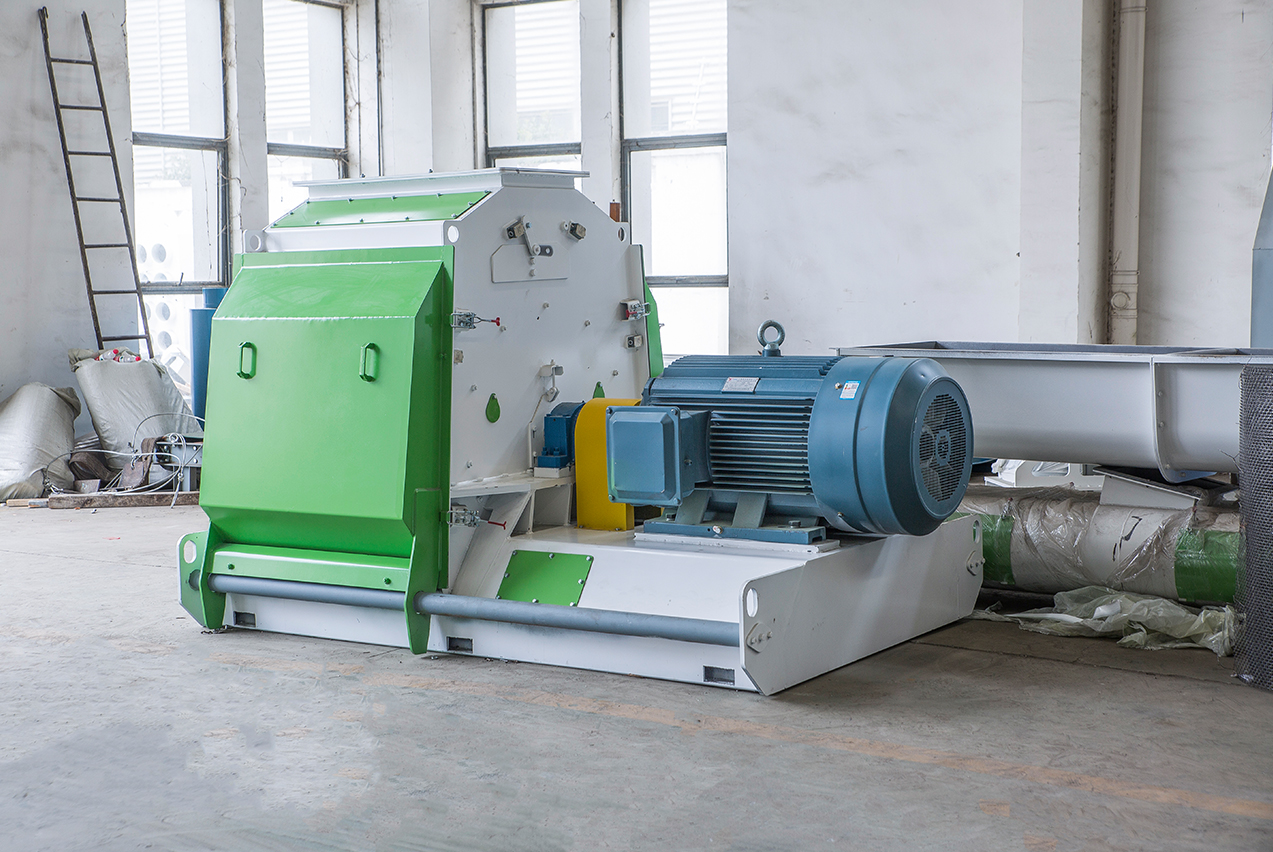
Ring die pellet mills work best when feed material is below 6 mm. Sawdust from planing or sanding operations typically falls in the 0.1–3 mm range, which means it can feed directly into the pellet mill without a hammer mill stage. Coarser sawmill sawdust (3–8 mm) may need a light pass through a grinder.
Wood sawdust contains 20–30% lignin, which acts as a natural binder when heat and pressure are applied during pelletizing. This means sawdust pellets can be produced without chemical binders, keeping production costs lower than pellets made from agricultural straw, which often requires steam conditioning or additives to achieve the same durability.
The combination of fine particle size, adequate lignin content, and wide availability makes sawdust the preferred feedstock when buyers are evaluating a new biomass pellet production line for the first time.
The choice between ring die and flat die is primarily a question of scale, not technology preference. Both configurations press biomass through die holes to form pellets, but the mechanical design determines throughput limits, energy efficiency, and maintenance cost at different production volumes.
For guidance on choosing the right sawdust pellet press for your capacity and feedstock, the 500 kg/h threshold is widely used as the decision point.
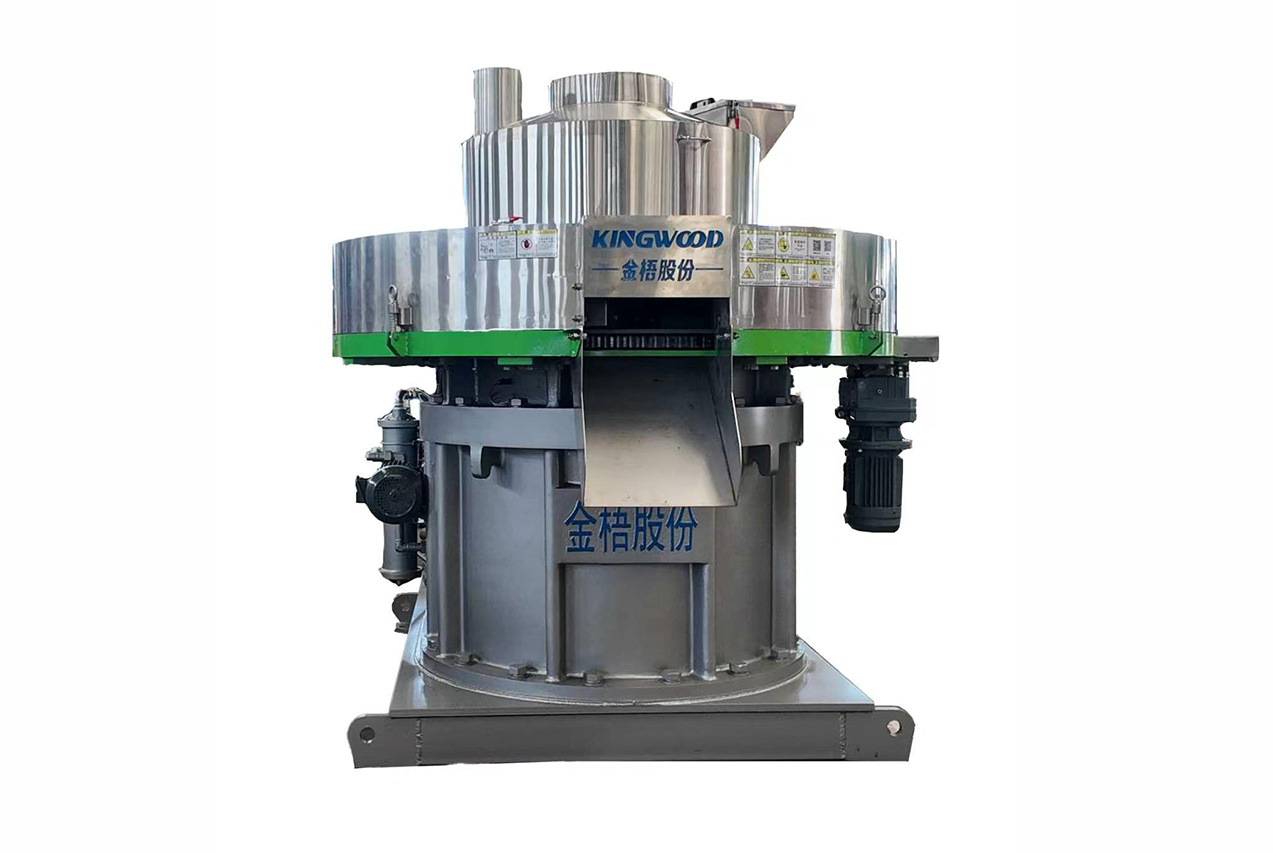
In a flat die mill, rollers press material downward through vertical holes in a stationary horizontal die. The design is mechanically simple, easier to maintain, and costs significantly less upfront — typically USD 3,000–15,000 for the machine itself, depending on capacity. For pilot lines, research projects, or operations producing pellets for on-site heating only, a flat die unit is a practical first step. See a detailed breakdown of flat die pellet mill advantages for smaller-scale production for smaller operations.
The limitation is throughput: flat die mills rarely exceed 400–500 kg/h, and die wear accelerates sharply when operators push them past rated capacity with abrasive feedstocks.
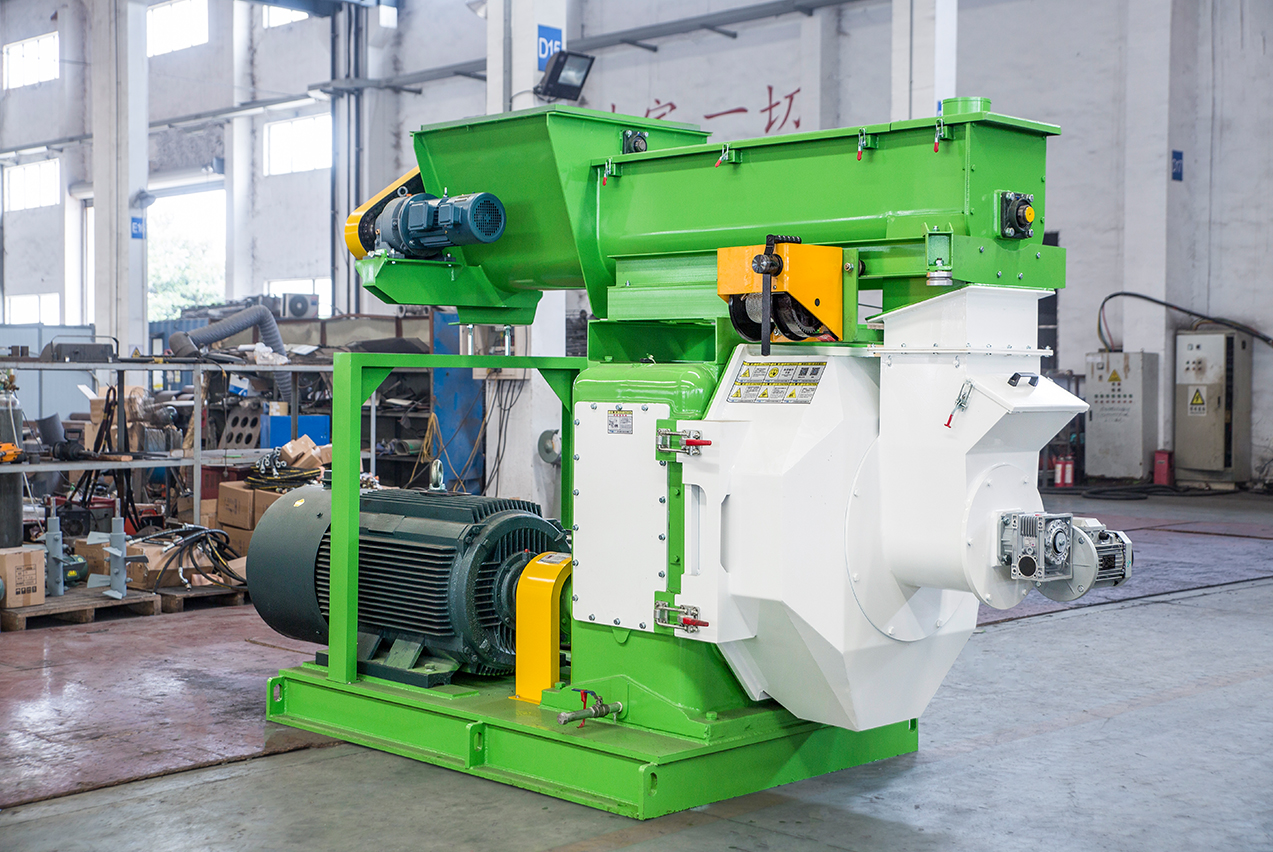
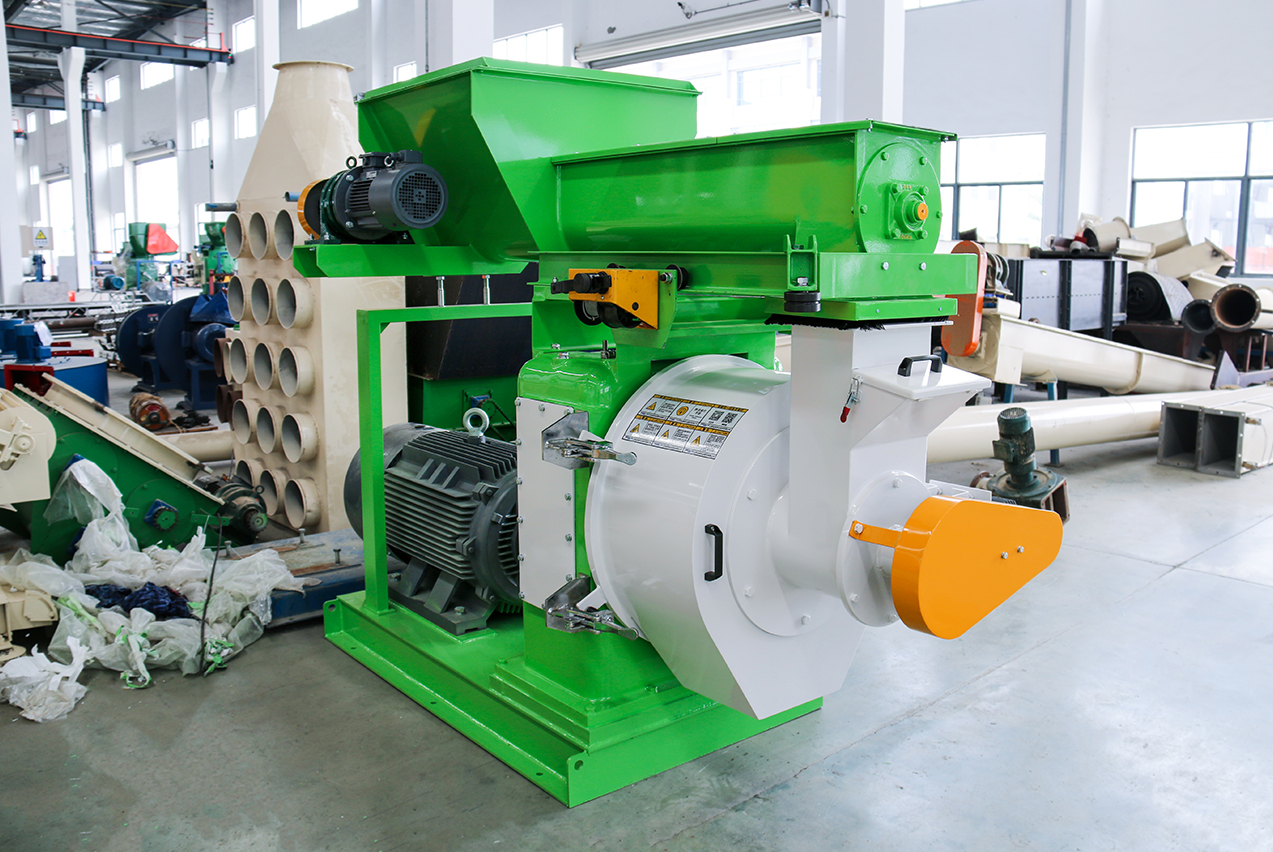
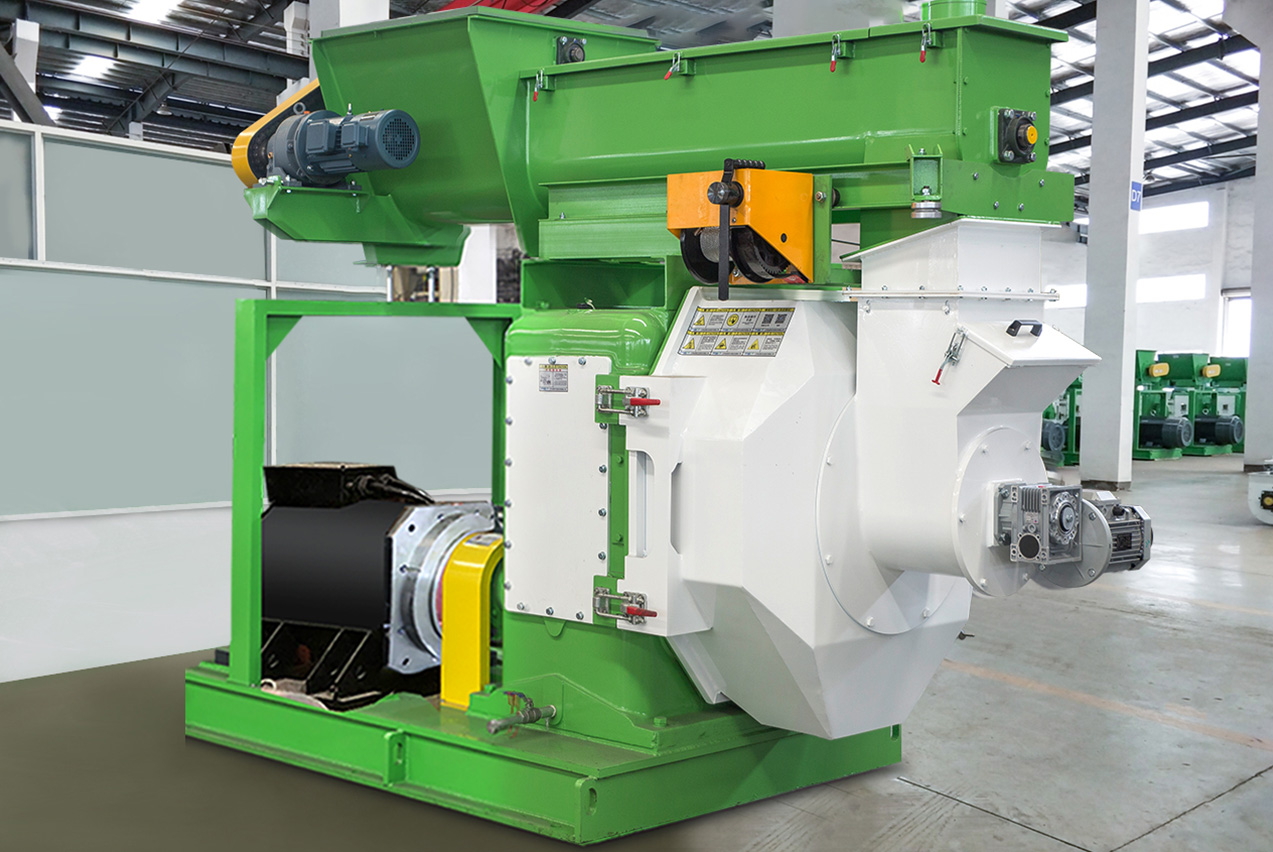
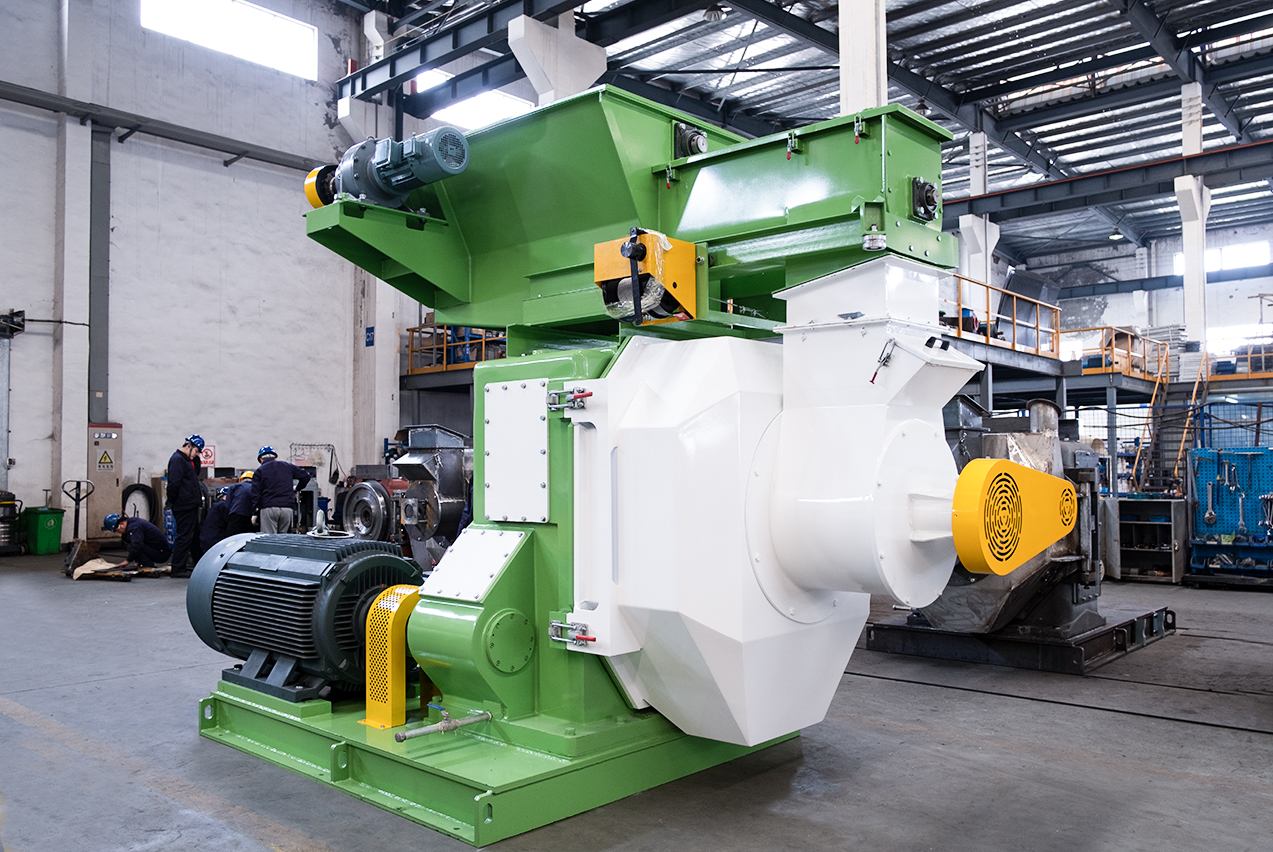
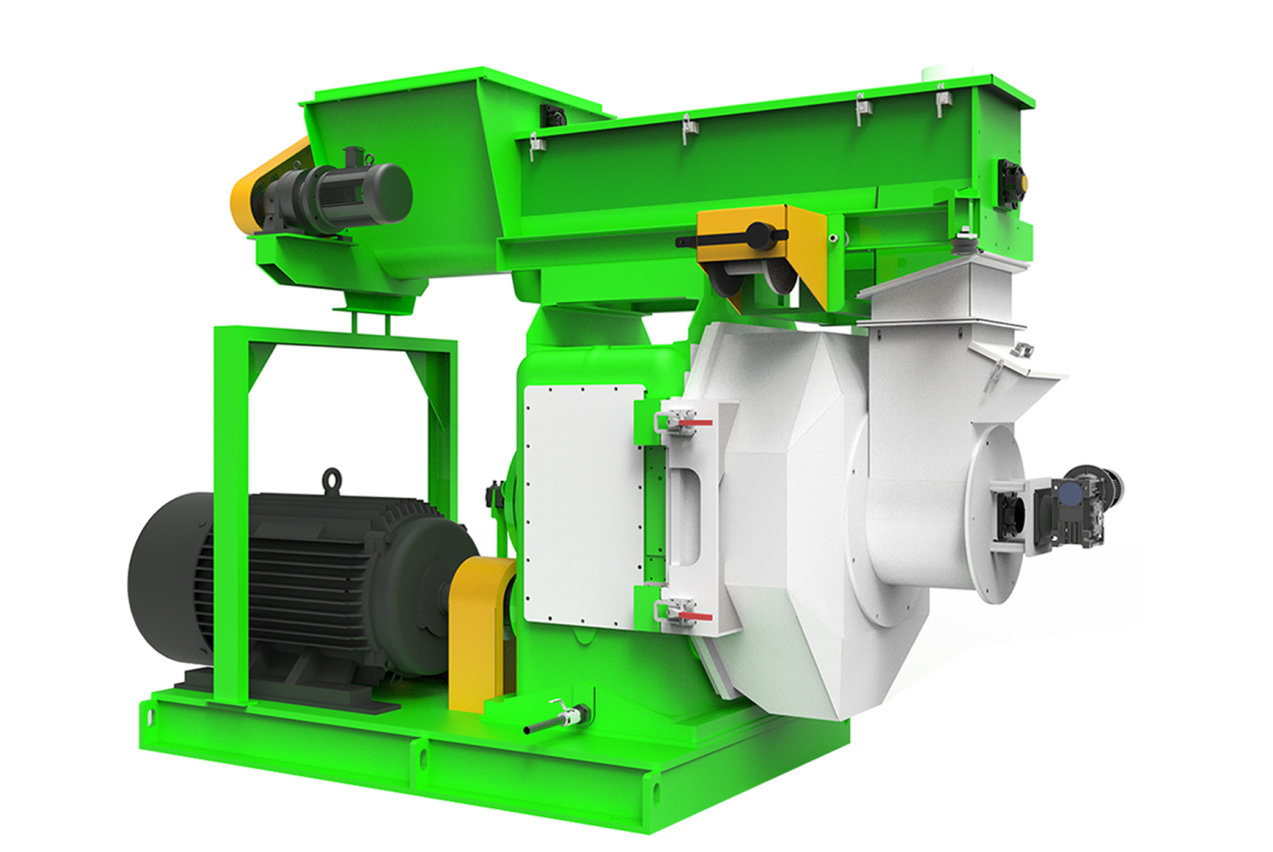
In a ring die configuration, the die rotates while rollers remain stationary. This design distributes mechanical stress more evenly, enables continuous high-speed operation, and scales efficiently to large outputs. Ring die pellet mills account for approximately 68% of industrial biomass pelletizing capacity per the Statista 2024 biomass equipment market report — a figure that reflects their dominance in commercial and industrial plants.
| Parameter | Flat Die Mill | Ring Die Mill (e.g. JWZL-688D) |
|---|---|---|
| Typical capacity range | 50–500 kg/h | 500 kg/h – 30+ t/h |
| Motor power at rated output | 7.5–30 kW | 75–630+ kW |
| Pellet bulk density | 550–620 kg/m³ | 600–680 kg/m³ |
| PDI achievable (dry sawdust) | 90–94% | Up to 97.5%+ |
| Initial machine cost (approx.) | USD 3,000–15,000 | USD 15,000–200,000+ |
| Suited for | Pilot, small farm, on-site use | Commercial, industrial, export plants |
| Maintenance complexity | Low | Moderate |
Kingwood's JWZL-688D ring die mill produces 3–3.5 t/h at a main motor power of 200 kW, with a noise level below 93 dB(A) and a machine weight of approximately 9.5 tonnes. This model is among the most ordered units for mid-scale commercial plants in Southeast Asia and the Middle East. It uses a TYL series liquid-cooled high-efficiency permanent magnet synchronous servo motor, which reduces energy consumption compared to standard induction motors at equivalent output.
For buyers considering a step up from flat die to ring die, the JWZL-420 is Kingwood's entry-level ring die option at 1–1.5 t/h, which bridges the capacity gap without requiring the full capital commitment of a 688D.
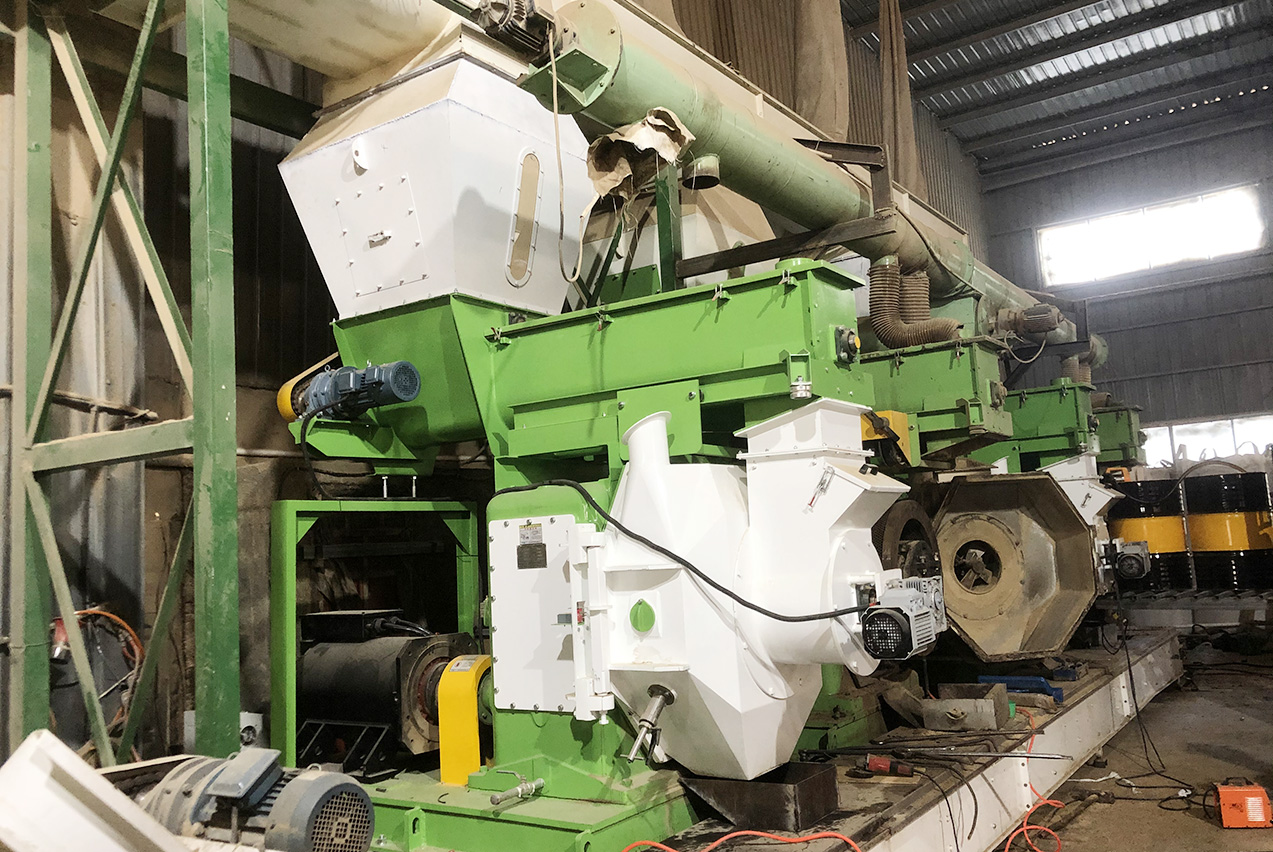
Many buyers focus on capacity and price during initial evaluation and overlook the specifications that determine whether a machine performs to expectations after 12 months of operation. These are the numbers to demand from any supplier.
Pellet Durability Index (PDI) measures how well pellets resist breakage during handling and transport. A PDI below 95% produces excessive fines, which clog conveyor systems, reduce boiler combustion efficiency, and create dust explosion risk in enclosed warehouses.
For dry sawdust at 10–14% moisture content, a well-designed ring die mill should achieve PDI above 97.5% — the benchmark from Kingwood's own ring die specifications. When evaluating a supplier, ask for a test report from an actual production run at the stated moisture range, not a theoretical figure. Bulk density should be at or above 600 kg/m³ for standard 6–8 mm diameter wood pellets.
The compression ratio of the ring die (die hole length divided by hole diameter) determines how much pressure is applied to the biomass as it passes through. For fine sawdust from softwoods (pine, acacia, rubber wood), a compression ratio of 5:1 to 6:1 is typically appropriate. Hardwood sawdust and mixed wood waste may need 6:1 to 7:1. A die spec that is too low for your feedstock produces soft, crumbly pellets; too high, and the die jams and overheats, accelerating wear.
| Target Output | Recommended Motor Power | Typical Ring Die Model |
|---|---|---|
| 1–1.5 t/h | 75–90 kW | JWZL-420 |
| 2–3.5 t/h | 160–200 kW | JWZL-688 / JWZL-688D |
| 4–5 t/h | 250–315 kW | JWZL-860 class |
| 8–10 t/h | 450–500 kW | Multiple-mill configuration |
| 20–30 t/h | 1,600–2,000 kW total | Multi-mill production line |
Bearing failures account for a disproportionate share of unplanned downtime in pellet mills. Based on operational experience, inadequate lubrication intervals lead to bearing failure within 800–1,200 hours — roughly 5–8 months at two-shift operation. When assessing any machine, ask the supplier for the recommended lubrication interval (in operating hours), the grease specification, and whether the lubrication system is manual or automatic.
Automatic lubrication systems add to upfront cost but typically pay for themselves within the first year in reduced maintenance labour and bearing replacement costs, particularly in remote plant locations where finding a qualified mechanic is difficult.
Moisture control is the single most common reason a new sawdust pellet line underperforms. Operators receive a pellet mill, skip or undersize the dryer to save capital, and then run below nameplate capacity for years.
Raw sawdust from freshly cut timber — green wood from rubber wood plantations, acacia, or eucalyptus — commonly arrives at 40–55% moisture content per IEA Bioenergy Task 40 2023 data. The optimal pelletizing moisture for sawdust is 10–15%. Material above 18% moisture produces pellets with low density and PDI below 90%; material below 8% is too dry to bind and causes the die to jam or overheat from friction.
To reduce sawdust from 50% moisture to 12% moisture, roughly 0.7–0.9 tonnes of water must be evaporated per tonne of dry pellet output. This requires substantial drying energy and residence time.
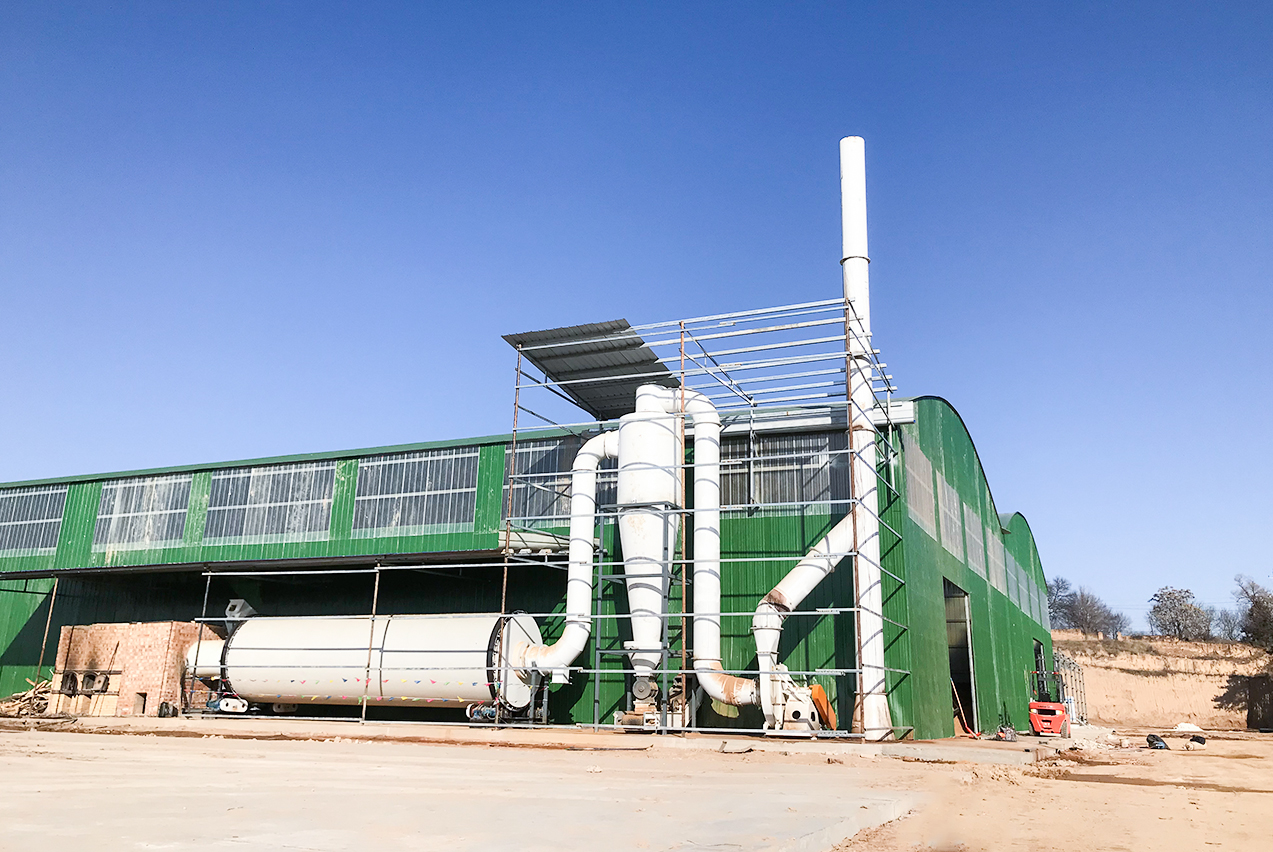
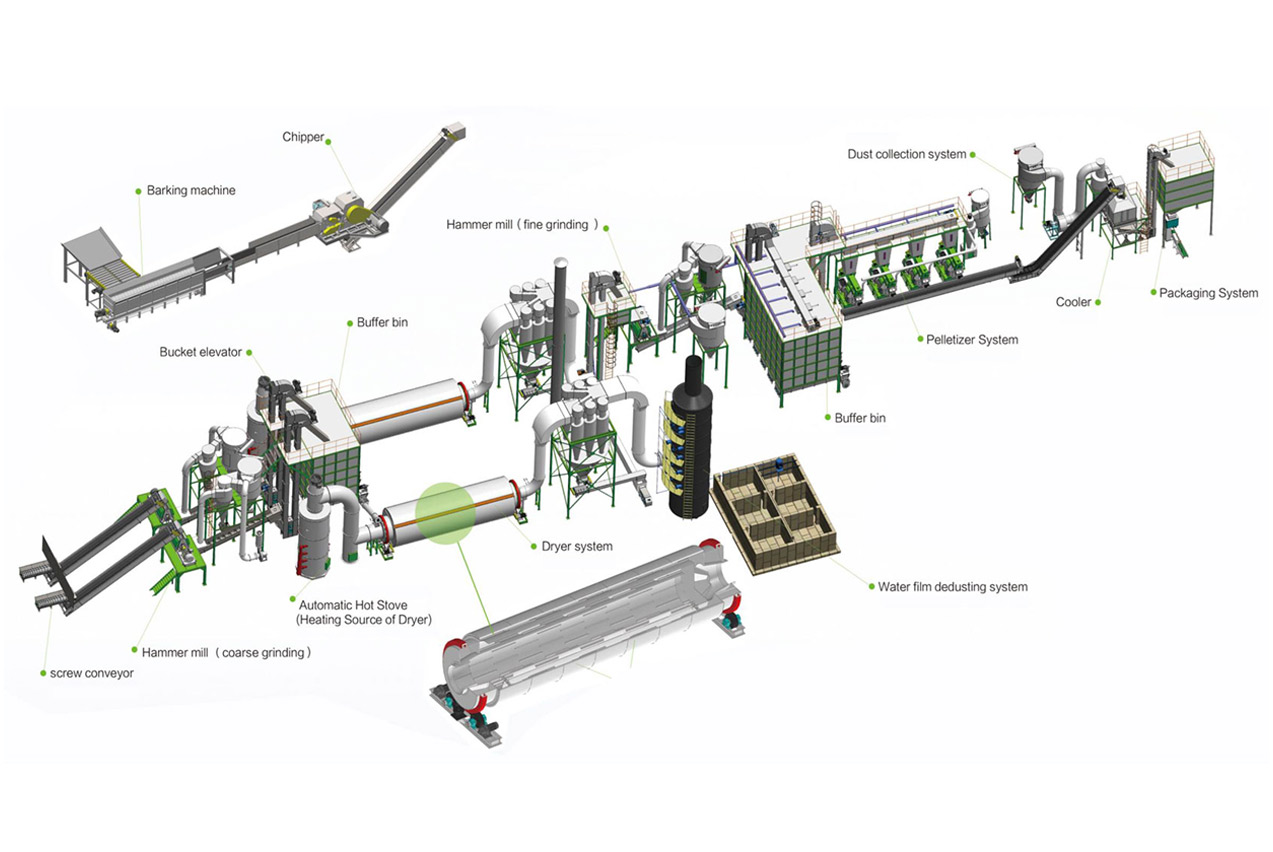
A rotary drum dryer installed upstream of the pellet mill is the standard industrial solution. In a continuous production line, wet sawdust feeds into the rotating drum, hot flue gas (typically sourced from a biomass burner fed by the plant's own sawdust or pellet fines) passes through counter-currently, and dried sawdust exits at a controlled 10–14% moisture.
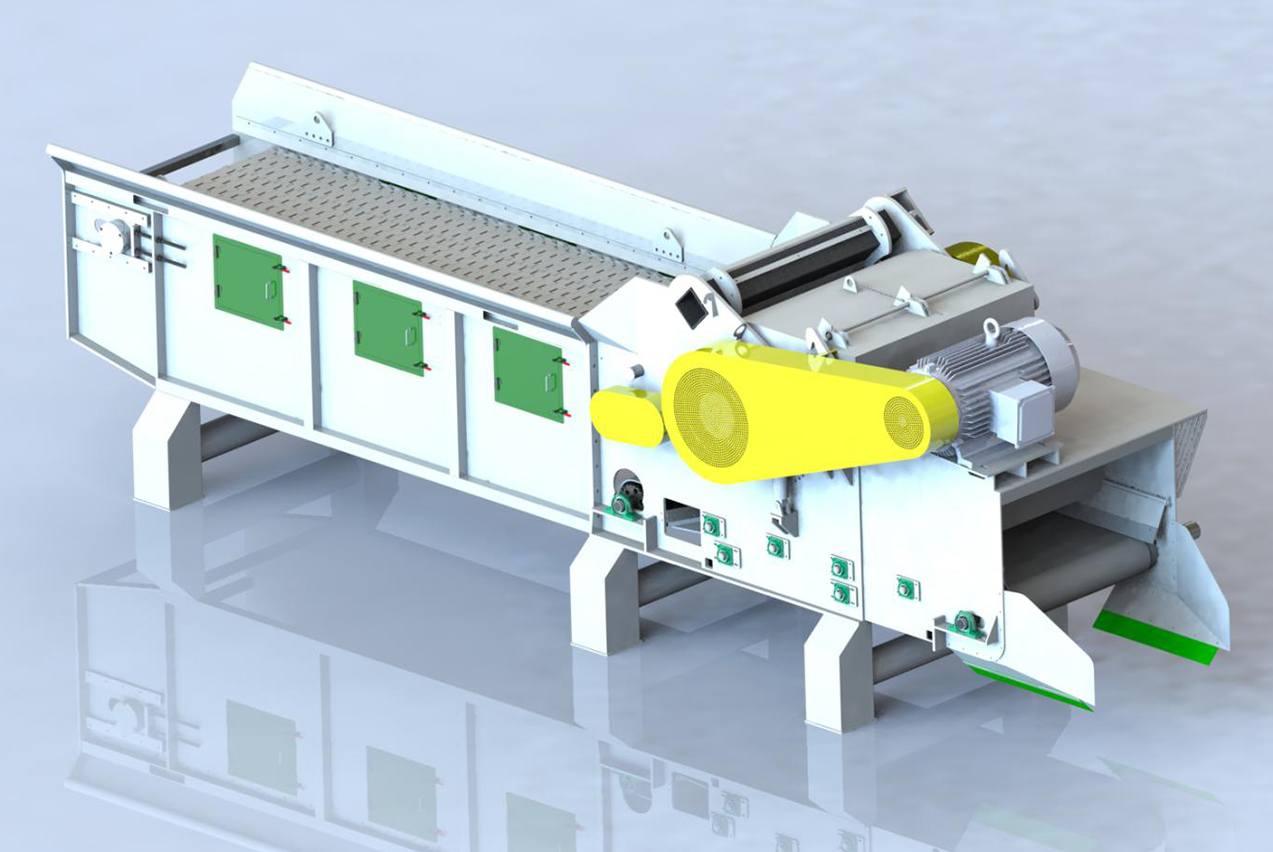
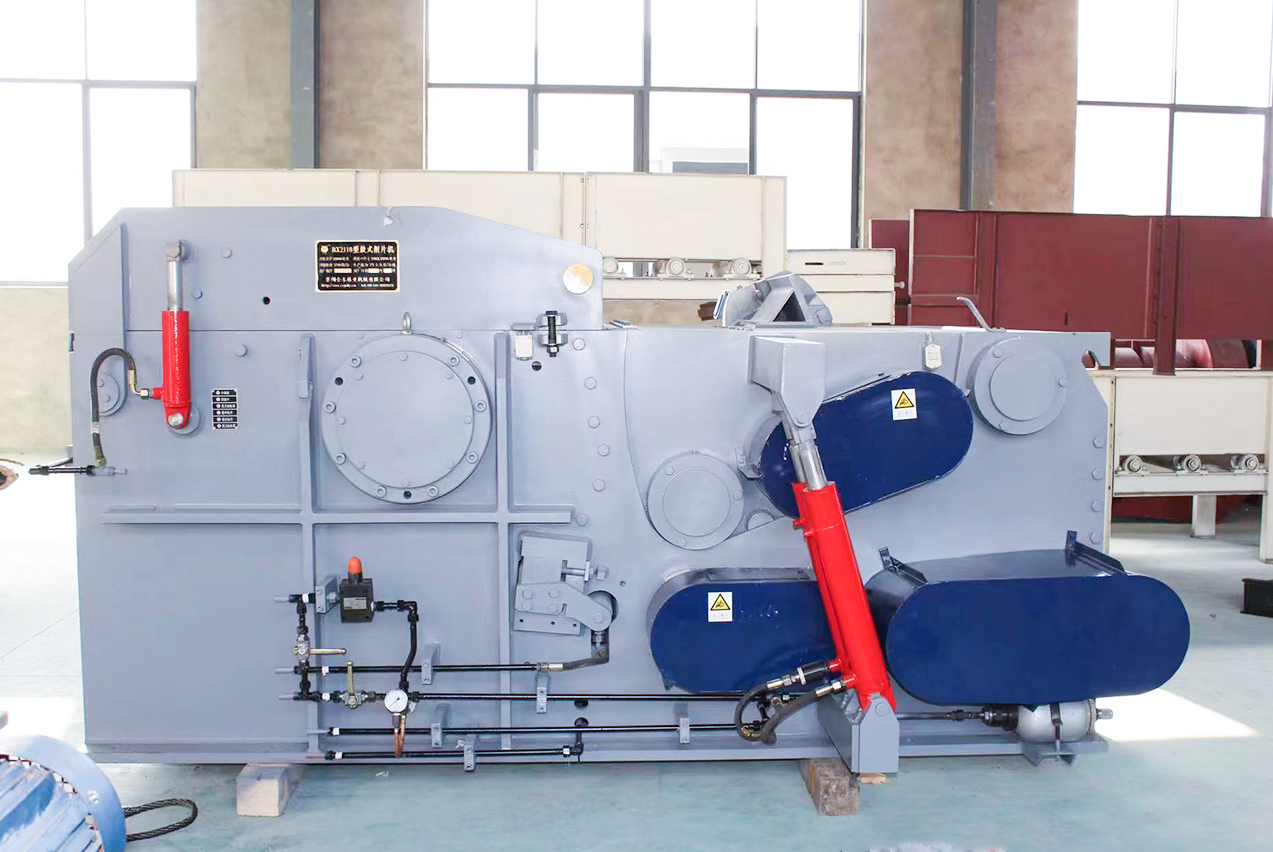
For an industrial sawdust and wood chip crusher for pre-processing and drying system integration, the equipment sequence matters: crush first, then dry. Drying large-particle wood waste before grinding wastes thermal energy because the larger surface-to-volume ratio of ground material dries faster and more uniformly.
Operating a pellet mill on 25–30% moisture sawdust without pre-drying results in output rates 40–60% below nameplate capacity, higher die wear, and pellets that fail European or Japanese quality standards (ENplus requires moisture below 10% in the finished pellet). The energy and wear cost penalty typically exceeds the capital cost of a correctly sized dryer within 18 months of operation.

Buyers who already have a crushing and drying stage in place — for example, a furniture factory with a functioning dust collection and drying system — may only need a pellet mill to add a revenue stream from their waste. In that case, a standalone ring die unit makes sense. The payback calculation is clean: machine cost divided by margin on pellets sold.
For greenfield projects with high-moisture feedstock, no existing infrastructure, and production targets above 5 t/h, a complete wet-feed pellet production line reduces risk significantly. The process stages in a full line are: crushing → coarse grinding → drying → fine grinding → pelletizing → cooling → screening → packaging. Coordinating these stages from multiple vendors introduces integration risk: conveyor sizing mismatches, control system incompatibilities, and warranty disputes when throughput targets are missed.
Kingwood's complete wet-feed biomass pellet production lines can reach up to 200,000 tonnes/year capacity — a figure that reflects the scalability of the modular design. At that scale, the investment justification is straightforward: even small improvements in system integration efficiency translate to millions of dollars over a 10-year operating life.
For operations between 5 t/h and 30 t/h, the Three-Standardization Framework — Integrated (full supply chain coordination), Dust-Free (enclosed conveying with active dust removal), and Automated (minimal manual intervention) — reduces both capital expenditure and operating risk compared to assembling machines from separate vendors. Dust-free design is not just an environmental feature; in wood processing facilities, fine sawdust accumulations create explosion hazard under NFPA 664 and equivalent standards. Eliminating that hazard from the system design avoids the cost of retrofitting dust suppression systems later.
Explore future trends in sawdust pellet mill technology including automation improvements that are reshaping how integrated lines are specified.

Southeast Asia represents the fastest-growing market for biomass pellet equipment. Asia-Pacific biomass pellet demand grew at roughly 12% CAGR between 2020 and 2024 per BloombergNEF 2024 estimates, driven primarily by Japan and South Korea's co-firing mandates and Vietnam and Indonesia's growing domestic and export pellet production industries. Rubber wood, acacia, and eucalyptus sawdust are the dominant feedstocks.
A Vietnam forestry deployment using the JWZL-688 at 12 t/h achieved documented payback in 23 months. The feedstock was acacia wood chips and sawdust, dried to 12–14% moisture before pelletizing. Pellets were sold into the South Korean ENplus market. The 23-month payback reflects a combination of low-cost feedstock (sawmill residue at near-zero cost), high pellet export price, and a plant utilization rate above 85%.
The lesson for buyers: payback accelerates sharply when feedstock is genuinely zero-cost or near-zero-cost waste. Vietnamese furniture and timber exporters often have this advantage — the question is whether they have the production volume to justify the capital investment.
AVP Group — described as Asia's largest power company at the time of the project — committed US$10 million to a 24 t/h wood chip pellet production line in central Vietnam, commissioned in June 2021 using two sets of 12 t/h pellet mill systems. The project was awarded to Kingwood in late 2020, with commissioning completed after approximately nine months including a period of restricted international travel. This project illustrates an important sizing principle: at 24 t/h and above, operating two parallel mill lines rather than one large unit provides redundancy — if one mill requires scheduled maintenance, production continues at 50% rather than stopping completely.
Indonesia deployments at 20 t/h and 30 t/h using JWZL-860 class equipment represent higher capital intensity than the Vietnam lines, reflecting the larger site footprint, higher infrastructure cost, and longer logistics chains in Indonesia's island geography. Both projects use palm shell and wood residue feedstocks. The practical lesson for Indonesian buyers: factor in shipping lead time for spare parts (typically 3–5 weeks from China to outer Java or Sumatra), and negotiate a local spare parts buffer with the supplier before signing.

Jiangsu Kingwood Industrial Co., Ltd. has operated since 1999 and has planned and designed more than 2,000 production line projects across 30+ countries. That project volume is not a marketing claim — it means the engineering team has encountered most feedstock and site combinations that exist in practice, and has configurable solutions rather than fixed catalogue options.
Kingwood's ring dies are manufactured on fully automatic CNC ring die drilling machines with vacuum heat treatment, which produces consistent hole geometry and longer die service life compared to conventionally drilled dies. Roller shells are produced on specialized turning equipment to tight inner-surface dimensional tolerances, reducing runout and extending bearing life.
The JWZL-688D, the most commonly deployed model in Southeast Asia, is available with a TYL series permanent magnet synchronous servo motor that reduces power consumption at partial load — a meaningful saving over a 20-year plant life. For hammer mill blades optimized for softwood and sawdust grinding upstream of the pellet mill, Kingwood supplies matched spare parts from the same facility, avoiding the compatibility issues that arise when buyers source parts from third parties.
Beyond equipment supply, Kingwood offers EPC turnkey contracting, project management, installation and commissioning, operator training, and ongoing O&M services. For buyers in markets without a strong local biomass engineering services industry — which describes most of Southeast Asia and much of Africa — this matters. A machine that arrives on-site without a qualified commissioning team loses months of production during startup.
Our customers in Vietnam and Indonesia typically report that having a factory-trained commissioning engineer on-site during the first 30 days of operation reduces startup time by 4–6 weeks compared to self-commissioning from a manual alone.
Kingwood operates from a 31,200 m² facility (25,000 m² production area) in Liyang City, Jiangsu Province, with USD 15 million+ in fixed assets and a joint R&D center with Nanjing University of Agriculture. The company holds ISO 9001, ISO 14001, and CE certifications, and has been recognized as a Jiangsu Provincial High-Tech Enterprise and Jiangsu Provincial Gazelle Enterprise. These designations require documented R&D expenditure and audited production quality systems — they are not self-awarded.
A trading company reselling equipment from multiple factories cannot offer the same engineering continuity, spare parts compatibility, or warranty accountability. When evaluating suppliers, ask for the factory address, a facility visit invitation, and the name of the R&D institute they collaborate with. Credible manufacturers will provide all three.
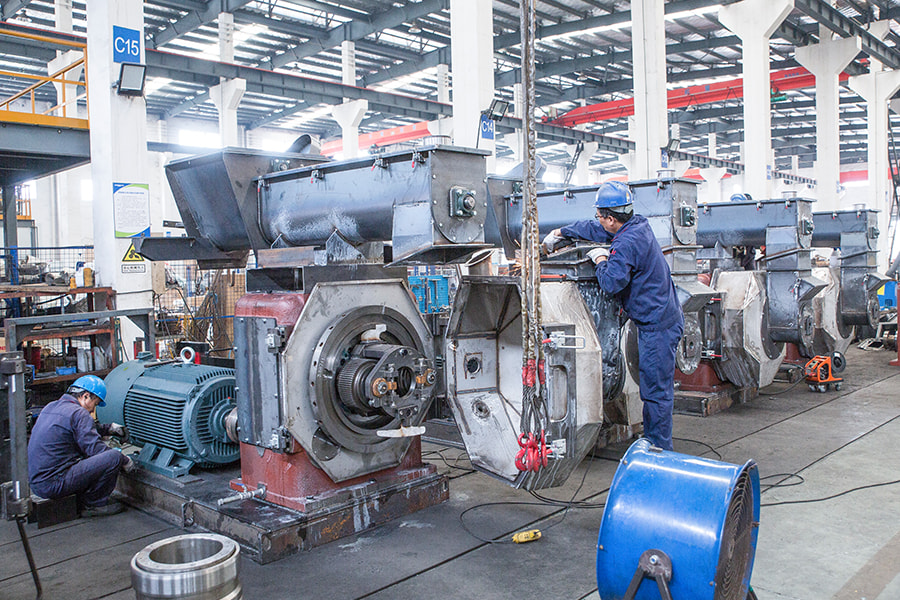
Ring die mills become more cost-effective once you need more than approximately 500 kg/h of output. Below that threshold, a flat die unit has lower upfront cost and simpler maintenance. Kingwood's entry-level ring die model JWZL-420 produces 1–1.5 t/h, while the popular JWZL-688D reaches 3–3.5 t/h at 200 kW.
Sawdust should be dried to between 10% and 15% moisture before pelletizing; material above 18% moisture produces loose, low-durability pellets, while material below 8% is too dry to bind and can jam the die. A rotary drum dryer upstream of the mill is the standard solution for high-moisture green sawdust, which can arrive at 40–55% moisture from fresh-cut operations.
Payback period depends heavily on feedstock cost, local energy prices, and line utilization rate. A documented 12 t/h Vietnam forestry deployment using Kingwood's JWZL-688 achieved payback in 23 months. In markets where biomass pellets replace fuel oil or gas — saving buyers 40–50% on energy cost per Kingwood product data — payback can fall below 24 months for well-utilized lines.
At minimum, require ISO 9001 (quality management) and CE certification to confirm the equipment meets international safety and performance standards. ISO 14001 environmental certification is an additional positive indicator. Kingwood holds both ISO 9001 and ISO 14001, CE certification, and has been recognized as a Jiangsu Provincial High-Tech Enterprise and a Jiangsu Provincial Gazelle Enterprise since its founding in 1999.
Yes — ring die pellet mills designed for sawdust can also handle wood chips, agricultural straw, palm shell, bamboo, and rice husks, provided the feedstock is pre-crushed to the correct particle size and dried to 10–15% moisture. Feedstock flexibility is one reason industrial buyers prefer ring die over flat die equipment. Always confirm the die compression ratio matches your specific biomass, as harder materials like palm shell require a different ratio than fine sawdust.

Wood Biomass Machinery Manufacturer


 English
 日本語
日本語
 한국어
한국어