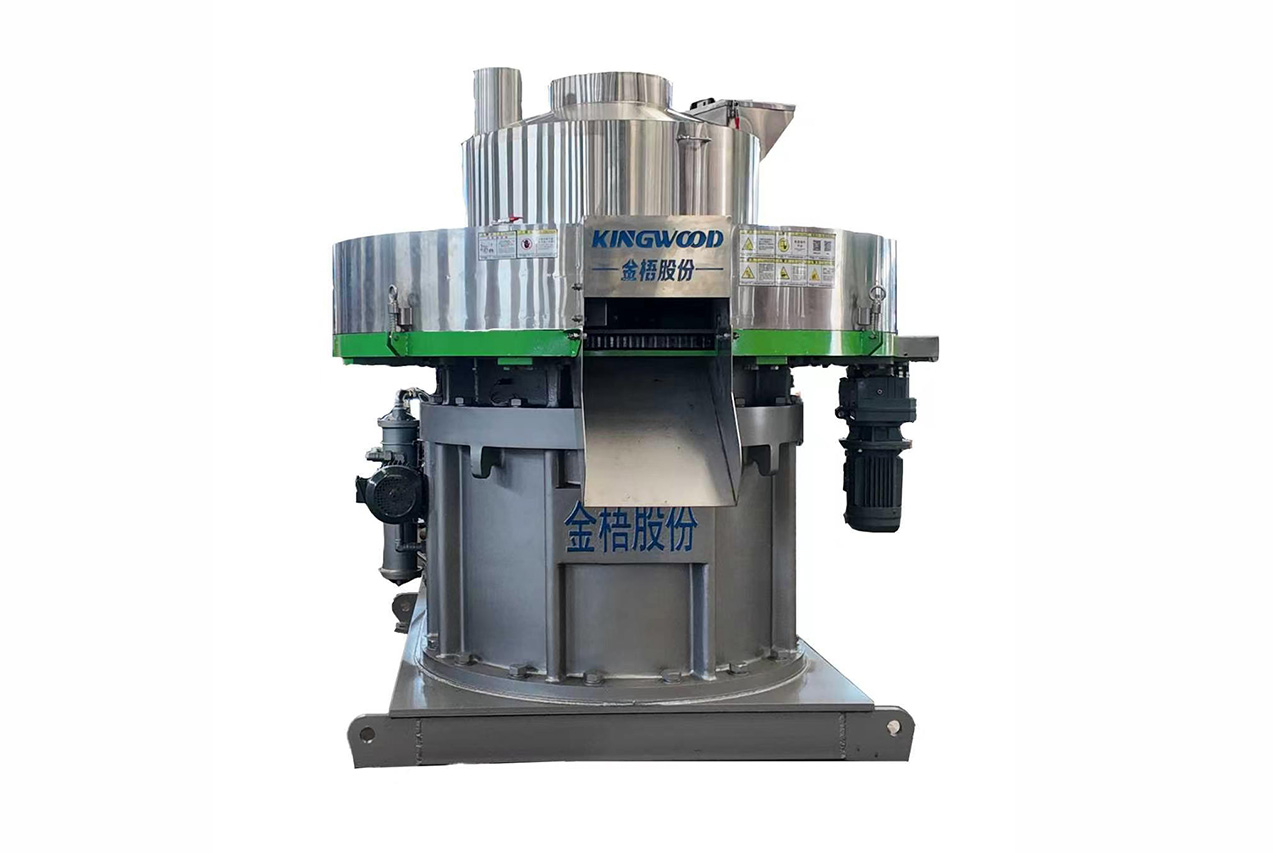
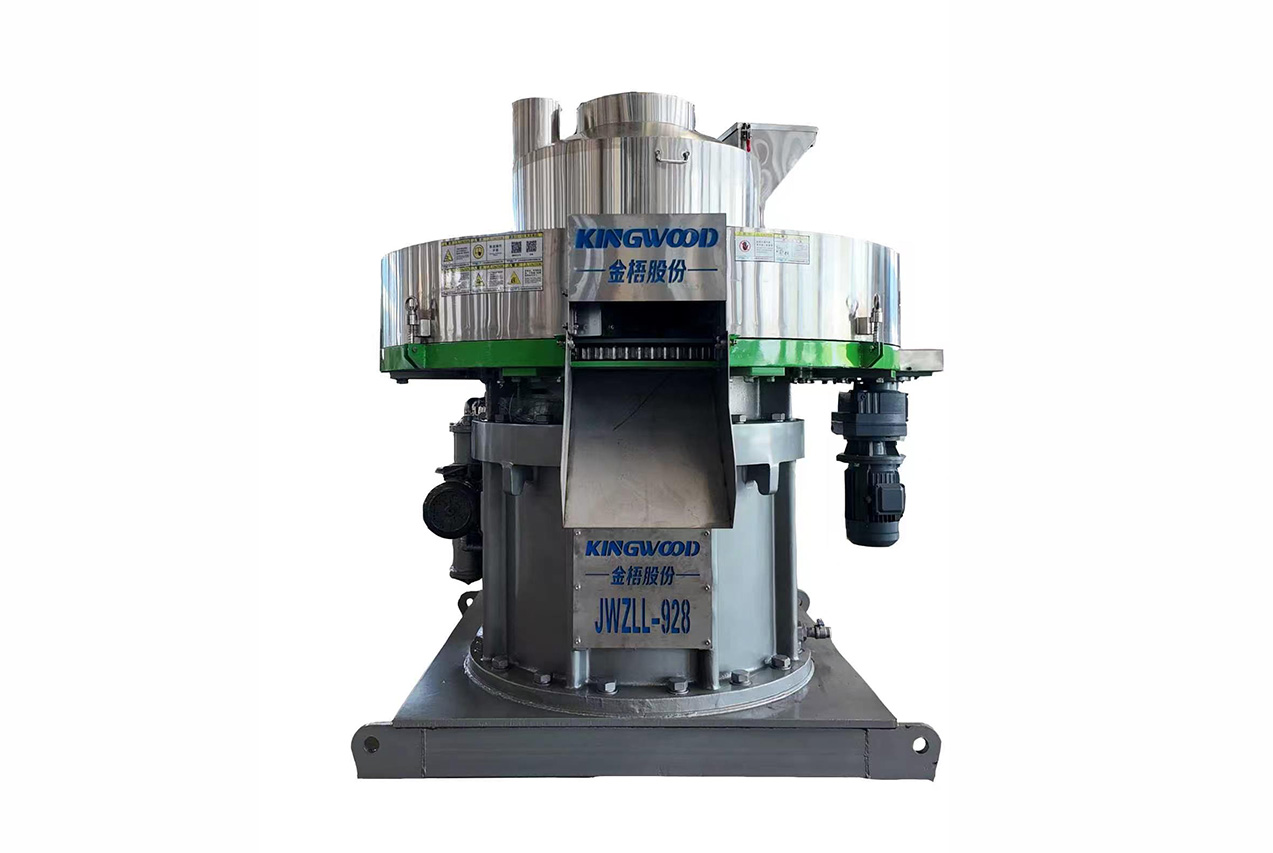
An Indonesian forestry company deployed a 30 t/h fully automated biomass pellet production line in April 2025, anchored by the JWZL-860 pellet mill, to convert logging residues into premium fuel pellets with 99% material utilization.

Indonesia's forestry sector generates substantial volumes of organic waste from commercial logging operations, selective cutting programs, and routine forest maintenance. The region surrounding this project site is rich in forest resources, producing continuous streams of logging residues, thinning maintenance waste, wood chips, and wood offcuts. Without efficient processing infrastructure, these materials represent both an environmental liability and a missed economic opportunity.
Traditional disposal methods—open burning or landfilling—contribute to greenhouse gas emissions and fail to capture the energy value embedded in woody biomass. As Indonesia pursues its renewable energy targets under the National Energy Policy, which aims for 23% renewable energy by 2025, the forestry industry faces mounting pressure to adopt circular economy practices. The challenge extends beyond waste management: forestry operators need scalable solutions that transform residues into marketable products while meeting strict environmental standards.
For this Indonesian company, the core challenge was threefold. First, the sheer volume of forestry waste required industrial-scale processing capacity—small-scale equipment could not keep pace with daily accumulation. Second, the diverse nature of feedstock (ranging from fine sawdust to coarse wood chips) demanded flexible pre-processing and pelletizing systems. Third, local environmental regulations and corporate sustainability commitments required dust-free operations with minimal emissions. The company needed a turnkey solution capable of processing 30 tons per hour of mixed forestry residues into standardized biomass pellets suitable for industrial boilers and export markets.
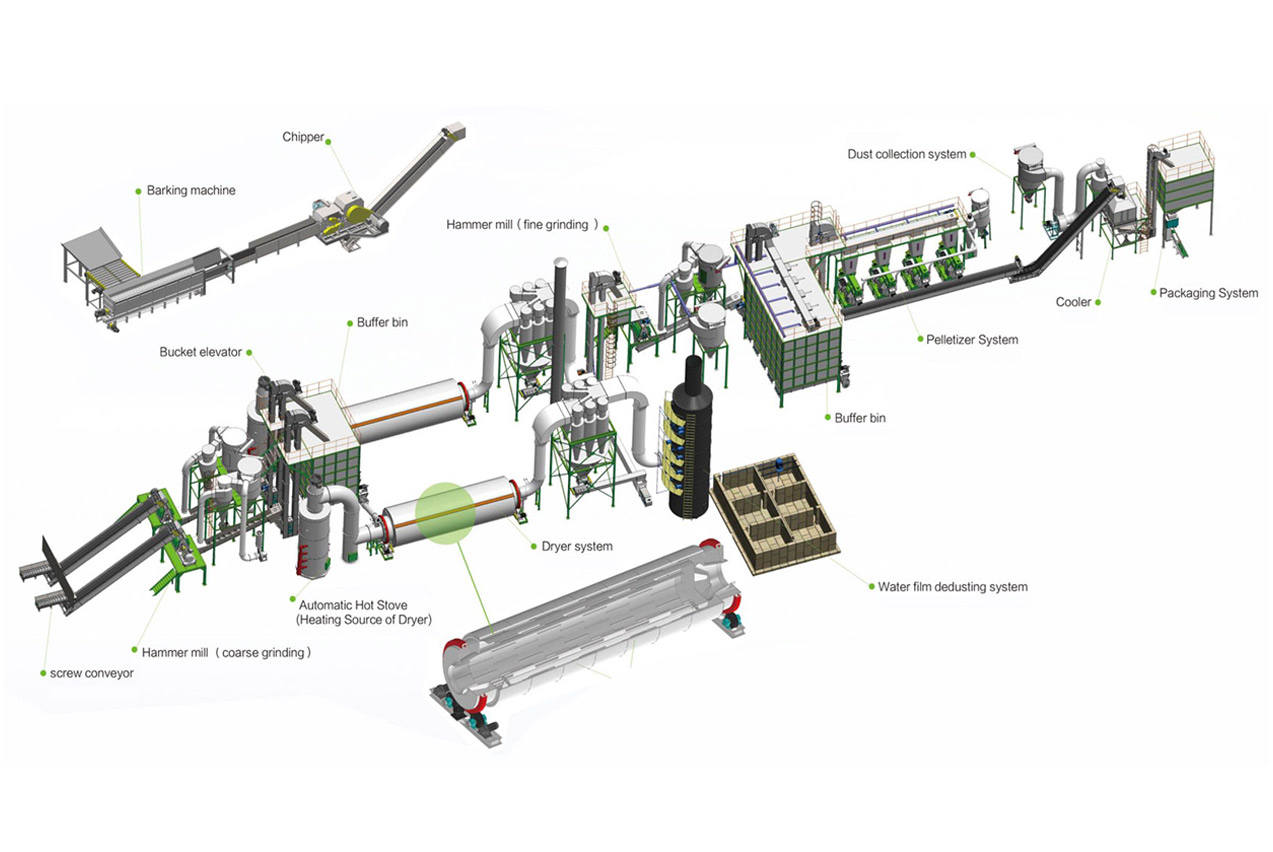
Kingwood delivered a fully enclosed, automated indonesia biomass pellet line in April 2025, designed specifically for high-volume forestry waste conversion. The production system integrates crushing, grinding, drying, pelletizing, cooling, and packaging stages into a continuous, dust-free workflow. This configuration reflects Kingwood's Three-Standardization Framework—integrated supply chain, dust-free processing, and automated operation—developed over 27 years of biomass equipment R&D.
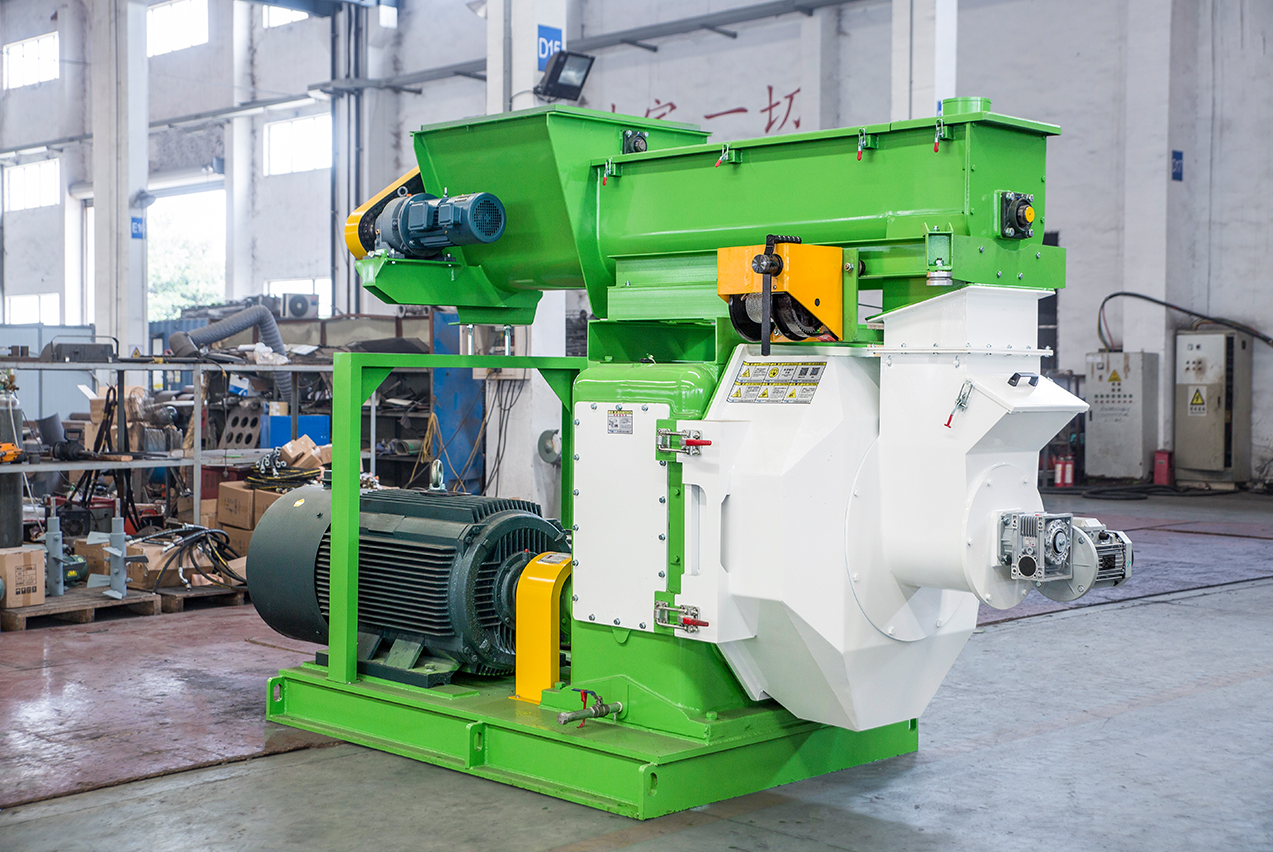
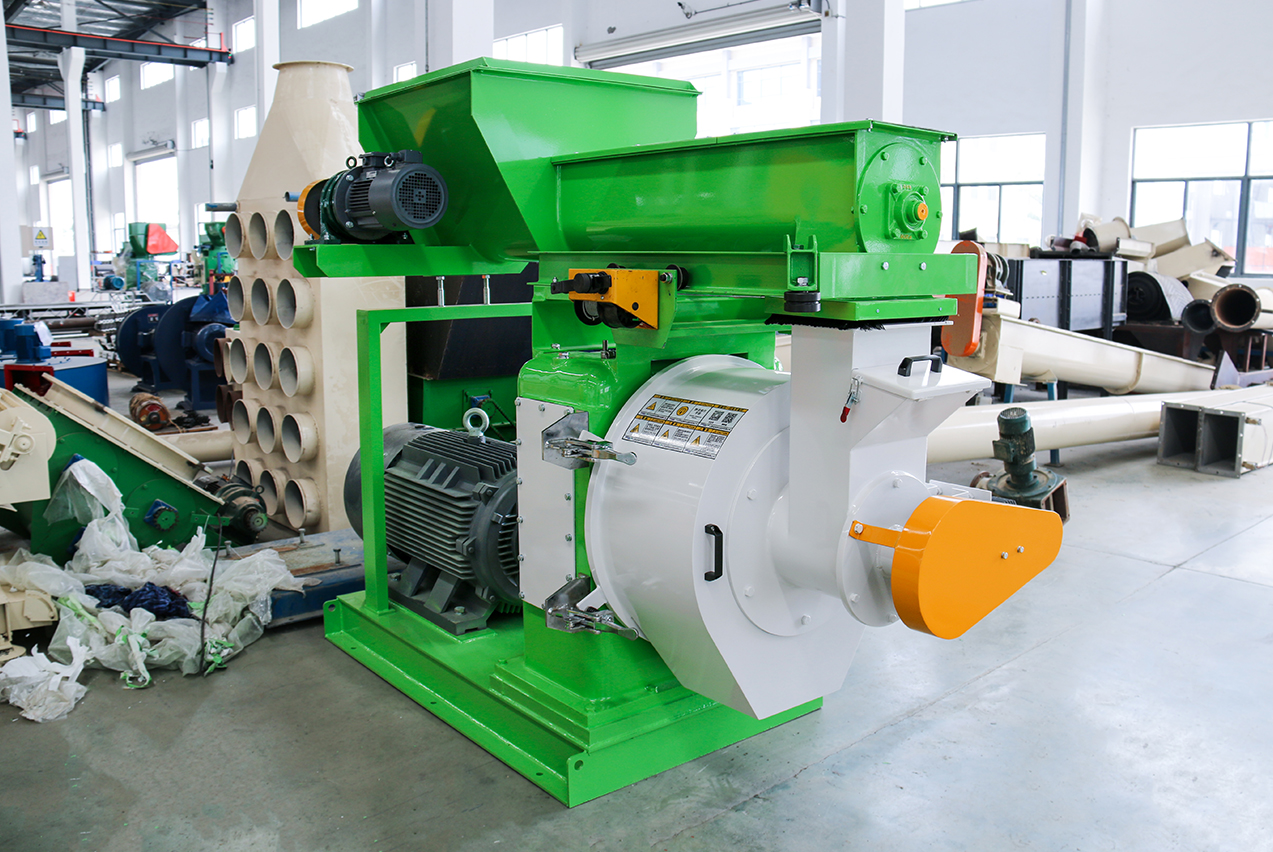
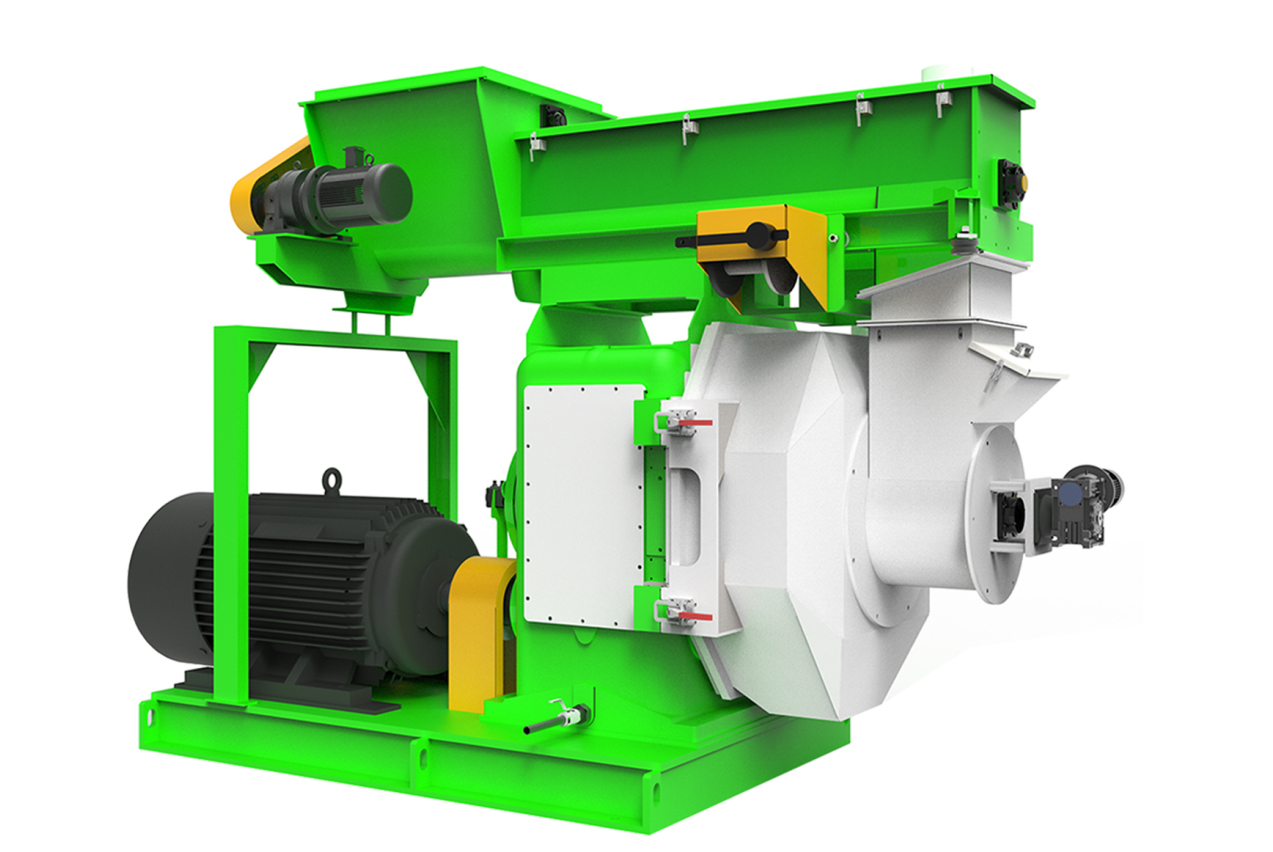
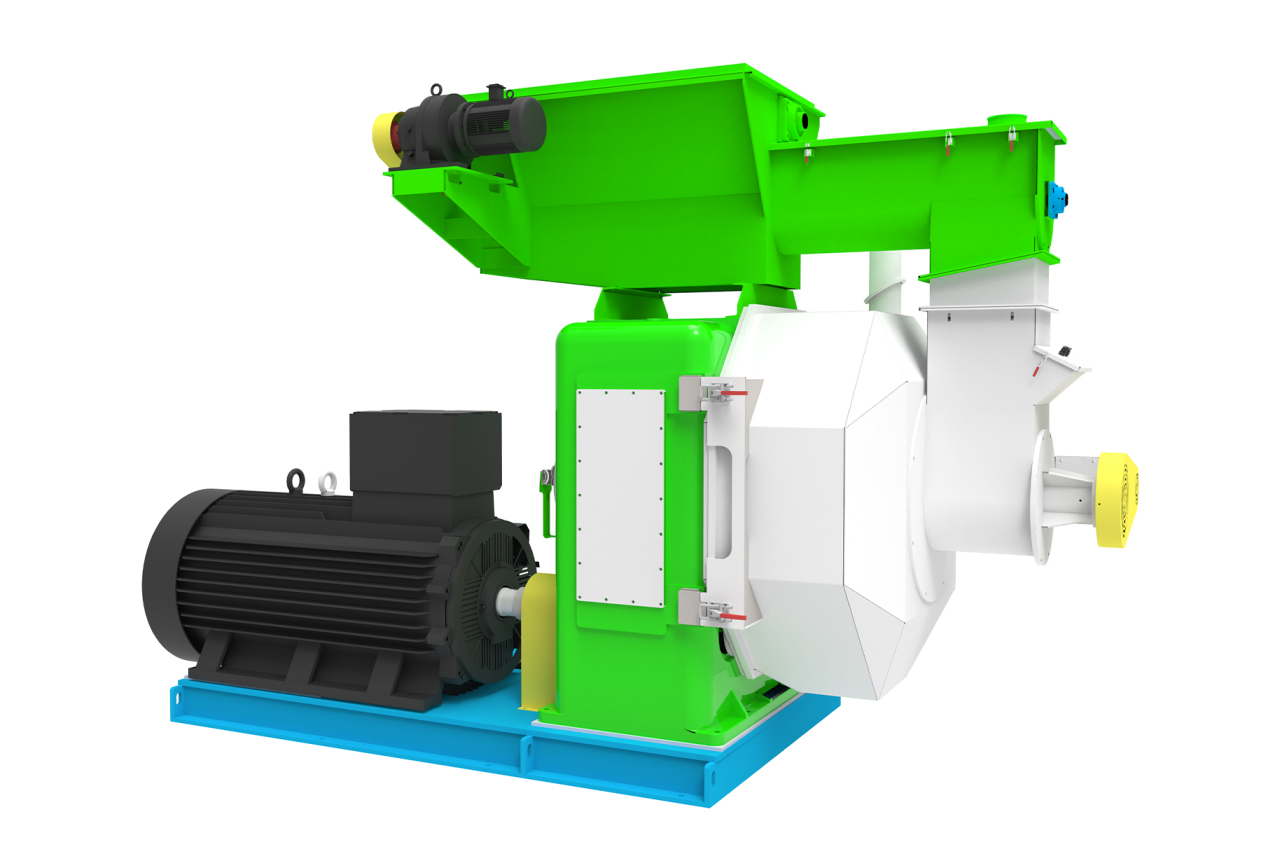
The JWZL-860 ring die pellet mill serves as the heart of the production line. This industrial-scale machine is engineered for continuous duty in demanding environments, processing pre-conditioned sawdust and wood powder into uniform 6-8 mm cylindrical pellets. The 860 mm ring die diameter provides the throughput necessary to sustain 30 t/h system capacity, while the robust gearbox and bearing assembly ensure long-term reliability under heavy loads.
Key technical features include high-precision gear transmission for efficient power transfer, low-speed/high-torque operation to accommodate varying feedstock moisture levels, and a water-cooled lubrication system that maintains stable operating temperatures during extended production runs. The pellet mill's door cover design allows rapid ring die and roller replacement, minimizing downtime during scheduled maintenance. According to Kingwood's technical specifications, the JWZL-860 achieves pellet formation rates above 97% with pulverization rates below 3%, ensuring consistent product quality.
The entire production line operates under closed transportation conditions, eliminating fugitive dust emissions at every process stage. A central dust removal system captures airborne particles through strategically positioned collection points along the crushing, grinding, and pelletizing sections. Collected dust is conveyed via enclosed pipelines back to the raw material warehouse, where it re-enters the production stream. This closed-loop design achieves over 99% raw material utilization—a critical performance metric confirmed by the customer in post-commissioning feedback.
The dust collection infrastructure includes cyclone separators, bag filters, and automated discharge valves that maintain negative pressure throughout the system. By recycling fine particles that would otherwise be lost, the system maximizes feedstock efficiency and reduces the environmental footprint of pellet production. This approach aligns with Indonesia's increasingly stringent air quality regulations and supports the customer's green development objectives.
Raw forestry residues enter the production line through a multi-position feeding system that accommodates logs, branches, and wood offcuts up to 400 mm diameter. A drum chipper reduces oversized material to uniform wood chips, which then pass through a coarse hammer mill for initial size reduction. The resulting chips are conveyed to a rotary drum dryer, where moisture content is reduced from 45-50% (typical for fresh logging residues) to the optimal 10-14% range required for pelletizing.

After drying, a fine hammer mill grinds the material to 3-5 mm particle size, creating the sawdust feedstock for the JWZL-860 pellet mill. The pelletizing stage compresses the sawdust through the ring die under high pressure and temperature, activating natural lignin binders that hold the pellets together. Freshly extruded pellets exit at 70-80°C and are immediately transferred to a counterflow cooler, which reduces temperature to ambient levels and hardens the pellet structure. The final stage includes vibrating screens to remove fines, automated weighing and bagging systems, and a finished product warehouse with capacity for several days of production.
Equipment Configuration and Technical Highlights
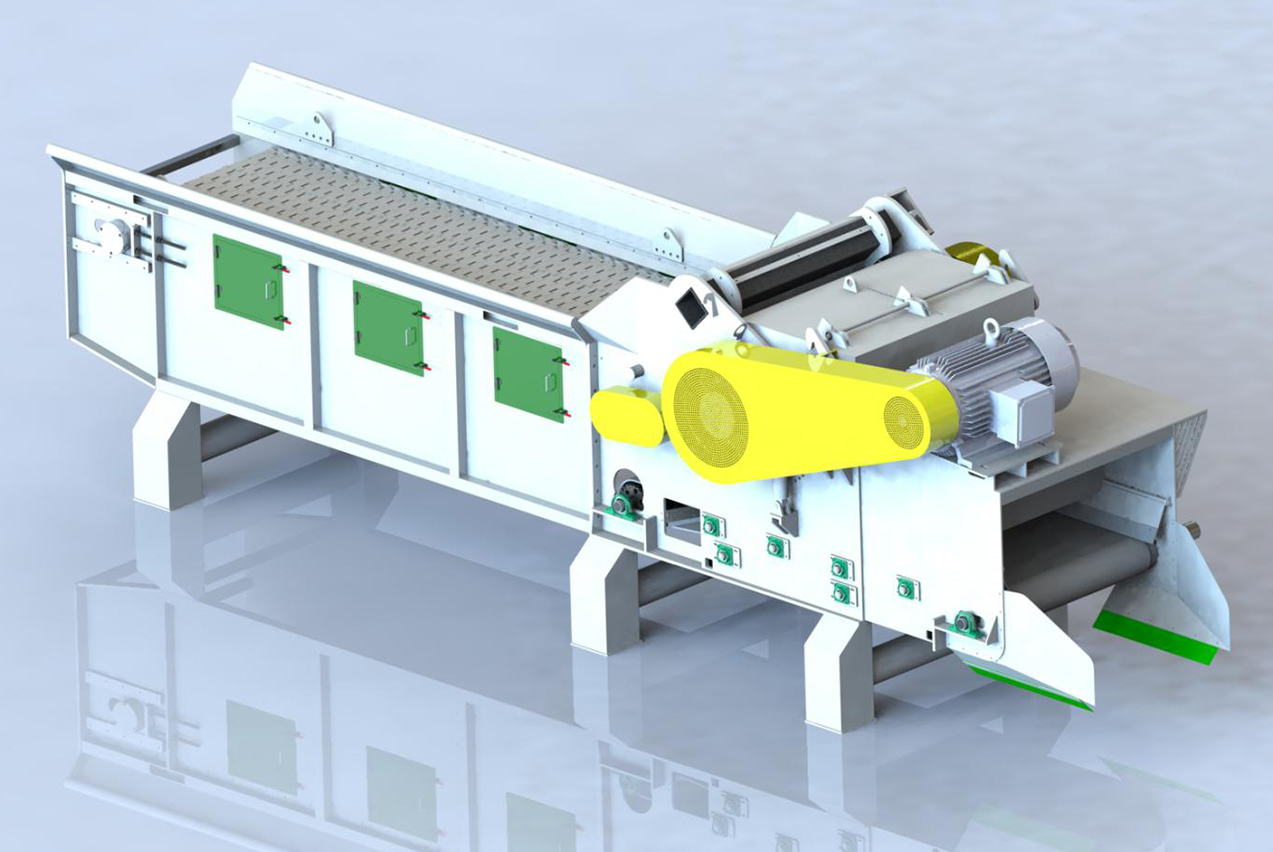
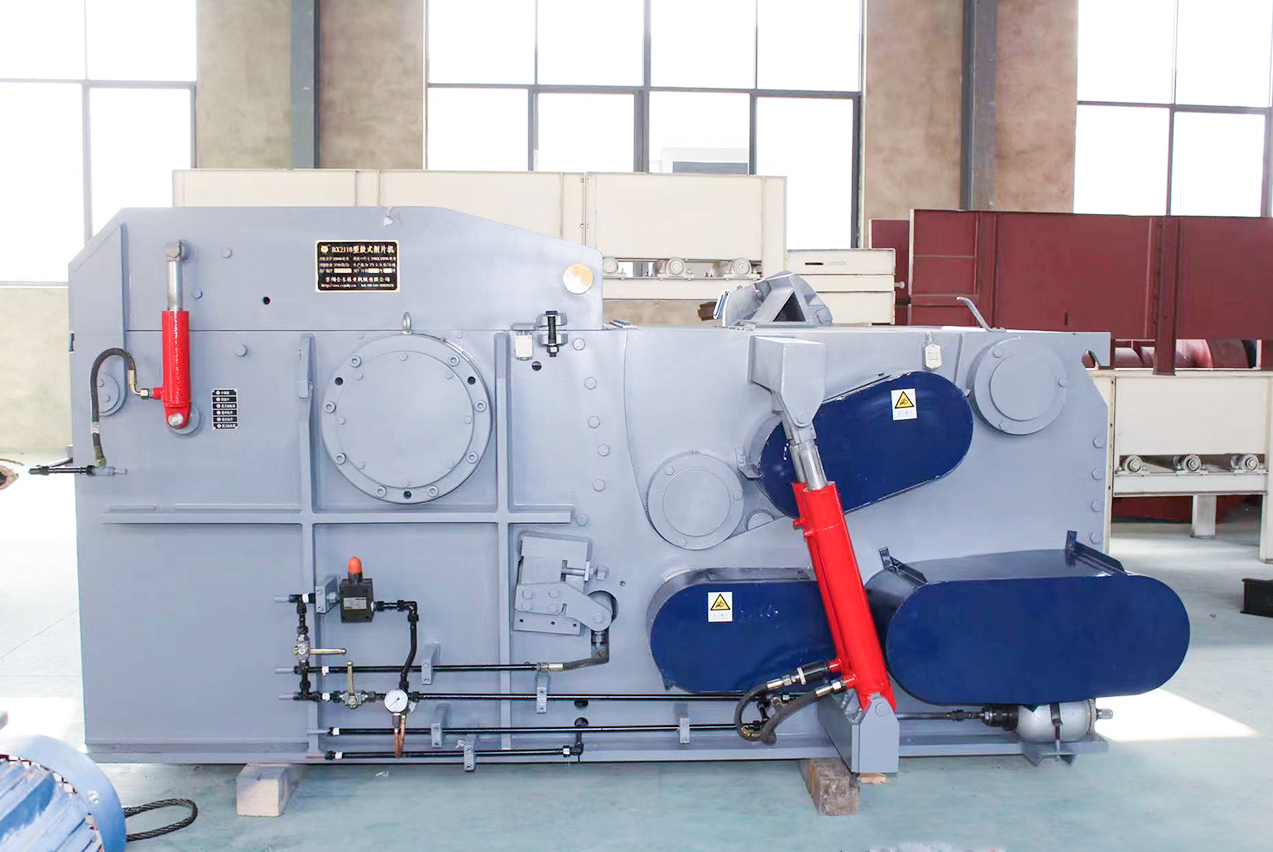
The front-end crushing section employs a BX2113 drum chipper with a 1300 mm roller diameter and dual knife configuration, capable of processing logs up to 230 mm diameter. This machine produces wood chips with a target length of 30-38 mm, optimized for downstream grinding efficiency. The chipper's robust construction and replaceable blade system ensure consistent performance even when processing mixed hardwood and softwood species common in Indonesian forestry operations.
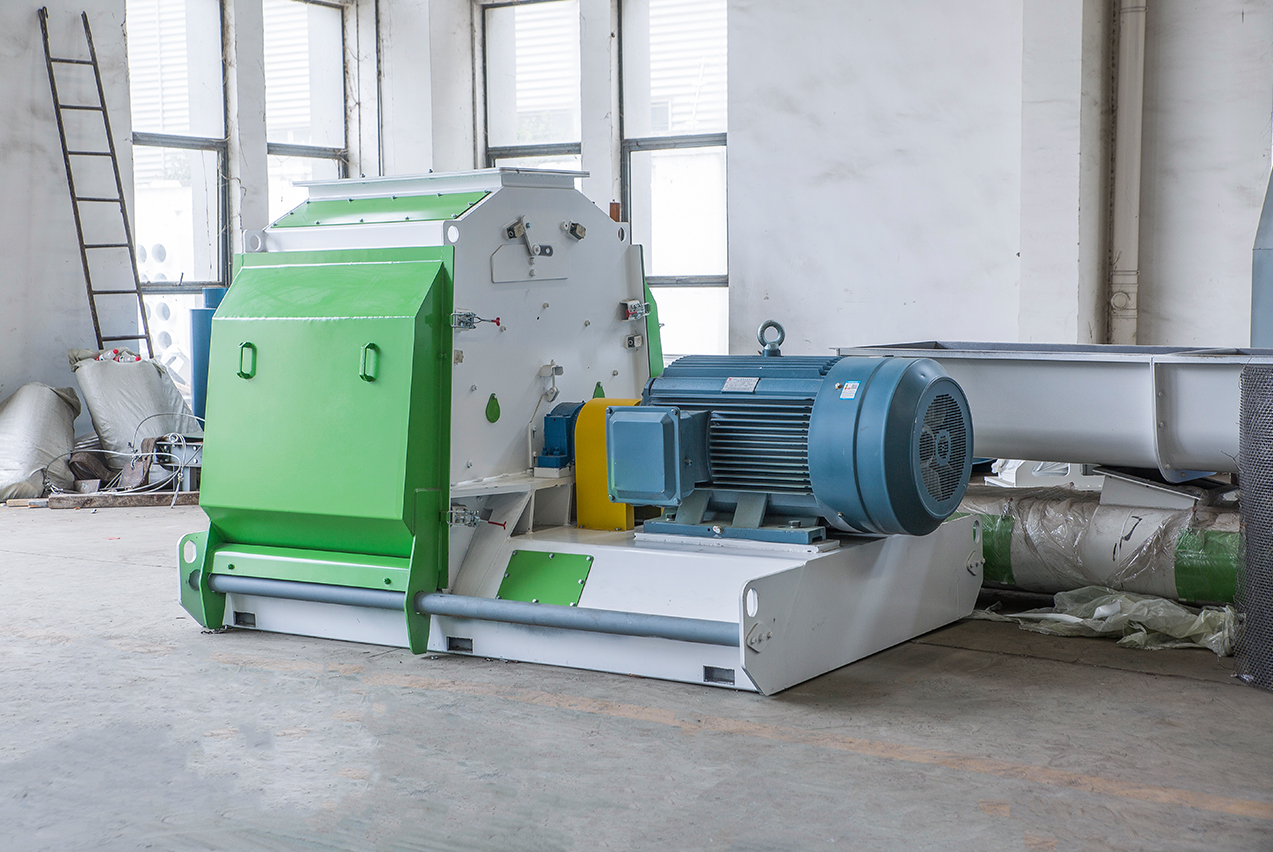
Following the chipper, an FSP140T hammer mill with 144 knives provides coarse grinding capacity of 9-12 t/h. This large-rotor design features secondary crushing chambers that improve grinding efficiency by 15-20% compared to conventional single-chamber mills. Mechanical and pneumatic conveying systems work in tandem to transport material between stages, reducing fan energy consumption by approximately 50% while maintaining steady material flow.
The drying system utilizes a triple-layer single-channel rotary drum dryer with thermal efficiency exceeding 70%—a 50% improvement over traditional single-drum designs. This configuration reduces the production line's physical footprint by approximately 50% while lowering power consumption by 60% compared to older drying technologies. The dryer is heated by an automatic biomass hot stove that burns production waste (bark, oversized chips, and pellet fines), creating a self-sustaining energy loop that minimizes external fuel requirements.
Post-drying, the material enters a buffer silo that provides surge capacity and ensures continuous feeding to the JWZL-860 pellet mill. The pellet mill's servo motor drive system (available on the JWZL-688D variant) offers precise speed control and energy efficiency, though the JWZL-860 deployed in this project uses a standard high-efficiency motor rated for continuous industrial duty. The pelletizing chamber maintains optimal compression conditions through automated monitoring of die temperature, roller pressure, and material feed rate.
The cooling section employs a counterflow cooler that introduces ambient air at the pellet discharge point, gradually reducing temperature as pellets move through the cooling chamber. This controlled cooling process prevents thermal shock that could cause pellet cracking, ensuring the finished product meets durability standards for bulk handling and long-distance transport.
The entire production line is governed by a centralized PLC control system that monitors equipment status, material flow rates, and process parameters in real time. Operators can adjust production settings from a single control room interface, reducing the need for manual intervention at individual machines. Automated interlocks prevent equipment damage by shutting down downstream machines if upstream blockages or malfunctions occur.
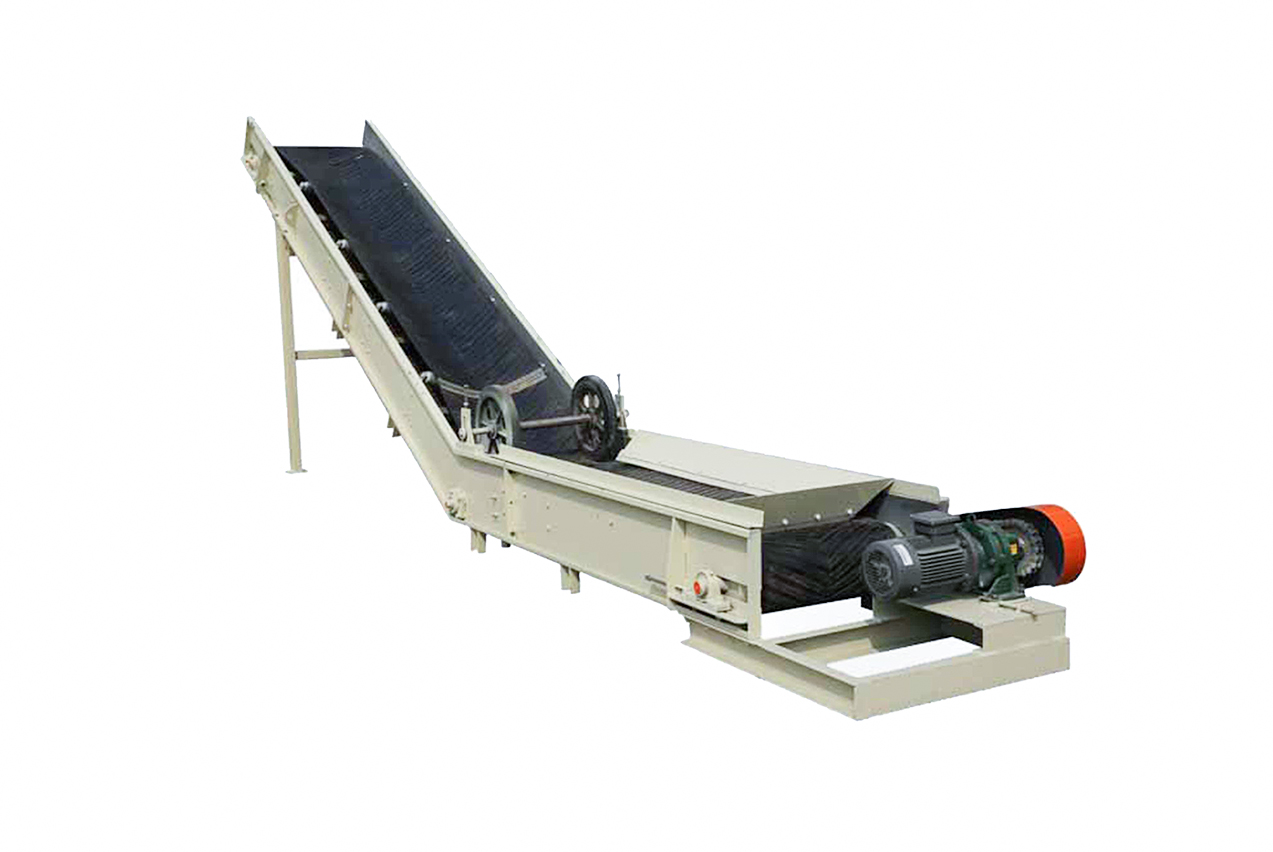
Enclosed screw conveyors, belt conveyors, and pneumatic transport lines move material between process stages without exposure to the external environment. This closed-loop design not only captures dust but also protects the product from contamination and moisture absorption. Spark detection systems at critical points (particularly in the drying and grinding sections) provide fire prevention safeguards, addressing one of the primary safety concerns in biomass processing facilities.

The integrated dust collection system has delivered measurable improvements in raw material efficiency. By capturing and recycling fine particles at every process stage, the production line achieves over 99% utilization of incoming forestry residues—a figure confirmed by the customer's operational data collected during the first months of production. This performance metric translates directly to cost savings: for every 1,000 tons of raw material processed, less than 10 tons are lost to waste streams.
The economic impact extends beyond material savings. Reduced waste generation lowers disposal costs and minimizes the environmental footprint of pellet production. In the context of Indonesia's forestry sector, where sustainable resource management is increasingly scrutinized by international buyers and certification bodies, the ability to demonstrate near-complete feedstock utilization strengthens the customer's market position and supports compliance with green supply chain requirements.
In formal feedback provided after commissioning, the customer highlighted several aspects of the project's success. The customized solution "perfectly addressed our core challenge of dealing with the abundant forest resources in the surrounding area," utilizing forestry by-products as raw materials through a "multi-position efficient and collaborative operation model." The customer specifically praised Kingwood's adherence to integrated, dust-free, and automated design principles, noting that the production process is "efficient, environmentally friendly, and safe."
Operational stability has been a key outcome. The customer reports that "after the project's implementation, operations have been stable, and the results have far exceeded our expectations." This stability is critical for industrial-scale pellet production, where unplanned downtime disrupts supply commitments and erodes profitability. The customer further emphasized that the project has led to "efficient utilization of resources" and "provided strong support for our green and low-carbon development goals," indicating alignment between the technical solution and broader corporate sustainability objectives.
The customer expressed interest in maintaining a "long-term and stable partnership" with Kingwood to "explore more collaborative opportunities together," suggesting satisfaction with both the equipment performance and the project delivery process. This feedback reflects Kingwood's full-lifecycle service model, which extends beyond equipment manufacturing to include project planning, installation supervision, operator training, and ongoing technical support.

Indonesia's deployment of a 30 t/h automated pellet line signals growing industrial maturity in Southeast Asia's biomass sector. The region's abundant forestry and agricultural resources—combined with rising energy demand and climate commitments—create favorable conditions for large-scale pellet production. According to the International Energy Agency's 2024 Renewables report, global wood pellet demand is projected to reach 50 million tons annually by 2028, with Asia-Pacific markets contributing significant growth.
For forestry operators across Southeast Asia, this case study demonstrates the technical and economic viability of converting waste streams into revenue-generating products. The 99% material utilization achieved through integrated dust collection sets a new benchmark for resource efficiency, while the fully automated design addresses labor availability challenges common in rural forestry regions. As carbon pricing mechanisms and renewable energy mandates expand across ASEAN countries, investments in biomass pellet infrastructure are likely to accelerate.
Kingwood's role in this project—delivering turnkey engineering, equipment manufacturing, and commissioning services—illustrates the value of working with experienced biomass machinery suppliers. The company's 27 years of R&D experience and track record of 4,000+ production line projects globally provide technical credibility that reduces project risk for first-time pellet producers. For buyers evaluating similar investments, the Indonesia case offers a reference point for capacity planning, equipment selection, and performance expectations in tropical forestry environments.
The production line delivers 30 tons per hour of finished biomass pellets. The JWZL-860 pellet mill serves as the core equipment, processing raw timber and forestry residues through a fully automated, dust-free system delivered in April 2025.
The central dust removal system recycles airborne particles through pipelines back into the raw material warehouse, achieving over 99% utilization. Closed transportation throughout the process eliminates dust emissions and maximizes feedstock efficiency.
The line processes logging residues, thinning maintenance waste, wood chips, and wood offcuts from surrounding forest resources. The integrated crushing, grinding, and drying stages prepare diverse feedstocks for pelletizing, supporting flexible sourcing strategies.
The JWZL-860 offers high throughput suitable for 30 t/h operations, robust construction for continuous duty, and compatibility with automated feeding and dust collection systems. Kingwood's 27 years of R&D ensure reliable performance in demanding industrial environments.
For project scoping in Indonesia and Malaysia, see our regional supplier guide.



Wood Biomass Machinery Manufacturer


 English
 日本語
 한국어