A useful quotation starts with a description of the material entering the plant and the pellets leaving it. “Straw” alone is not a complete raw-material specification. Tell the supplier which crop residue is available, how it is collected, whether it arrives baled or loose, and whether several materials will be mixed. Explain the intended customer's fuel requirements as well. A plant selling to a local industrial user may need a different supply agreement and handling arrangement from a plant preparing pellets for transport to another market.
The quotation should identify the equipment supply boundary. Ask whether it includes bale handling, size reduction, drying where needed, feeding, pelletizing, cooling, screening, conveying, packaging and dust collection. Electrical installation, civil works, raw-material storage and commissioning should each be assigned to a responsible party. A low pellet-mill price is not directly comparable with a complete biomass pellet production line proposal.
Keep the quotation, layout and performance conditions together. When one changes, check the others before approving the order. This prevents a discussion about the main machine from overlooking the dryer, storage area or material-handling equipment that the project also needs.
Start with a representative description of the supply, not the best-looking sample from a single delivery. Record the crop type, collection method, storage conditions and any material blending. Ask suppliers how samples should be prepared and what quantity they require for assessment. Keep the sample identity and test conditions with the results so that a successful trial can be compared with later deliveries.
Moisture content is an input to the process design. It should be measured on the material that will actually be supplied, including seasonal variation. Do not adopt a moisture target copied from an unrelated sawdust article and treat it as a guaranteed operating condition for every straw. The supplier should state the proposed feed conditions and explain how the upstream process will produce them.
The same approach applies to particle size and contamination. Describe the incoming material and ask for the required size distribution at each processing stage. Include the planned method of removing unsuitable foreign material. Responsibility for incoming inspection should be clear before commissioning, especially where several farms or collection contractors supply the plant.
Storage and delivery arrangements belong in this discussion. A line that can process a prepared sample still needs a practical way to receive and feed the daily material supply. Discuss access for delivery vehicles, handling of bales or loose material, and how the feed system will be checked during acceptance.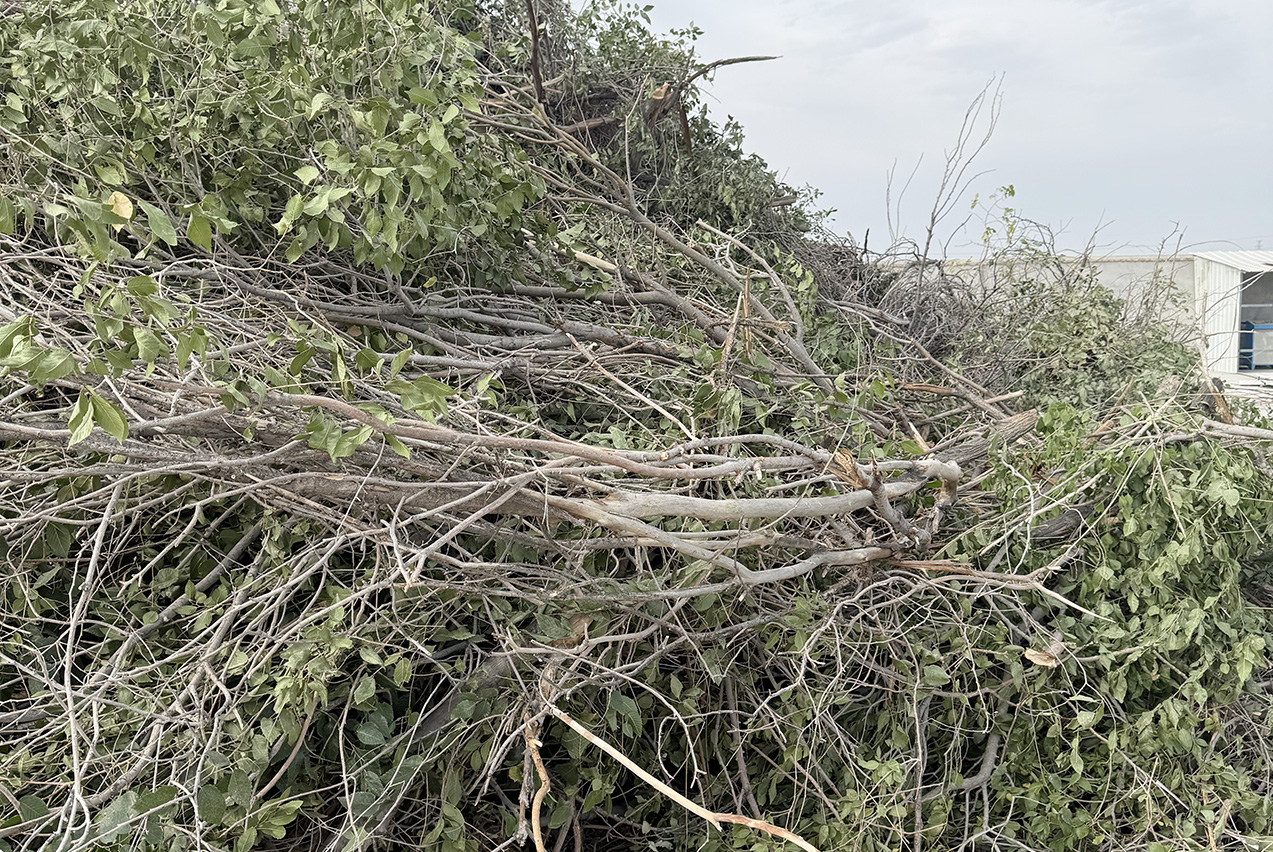
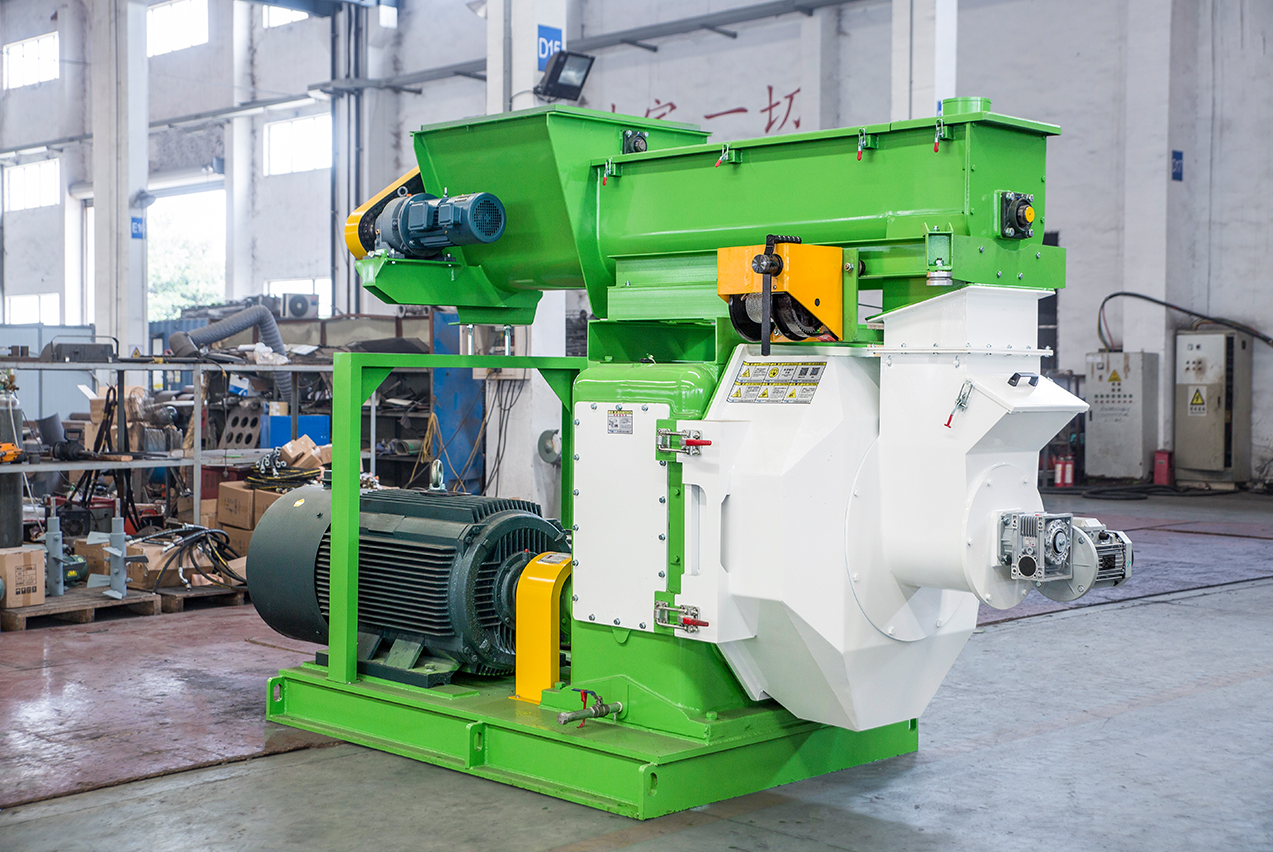
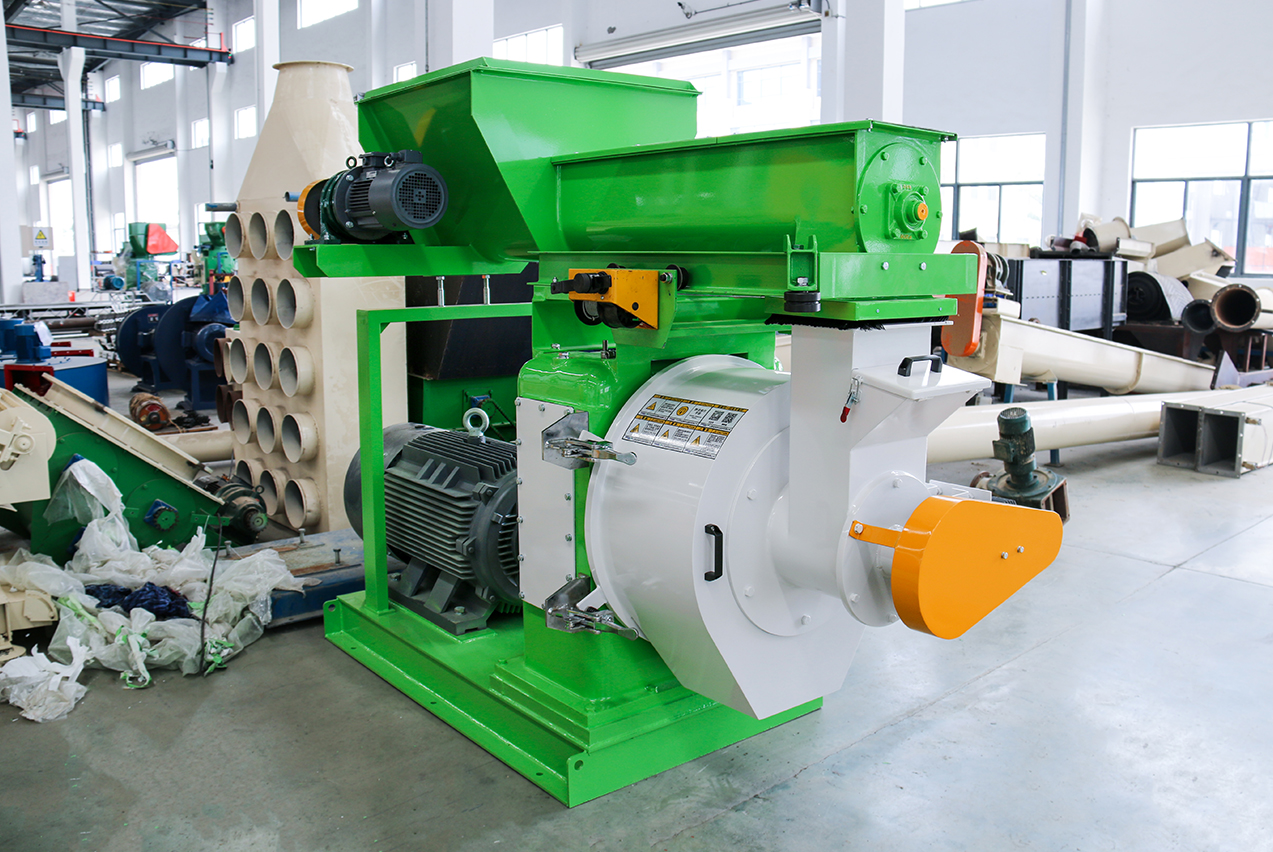
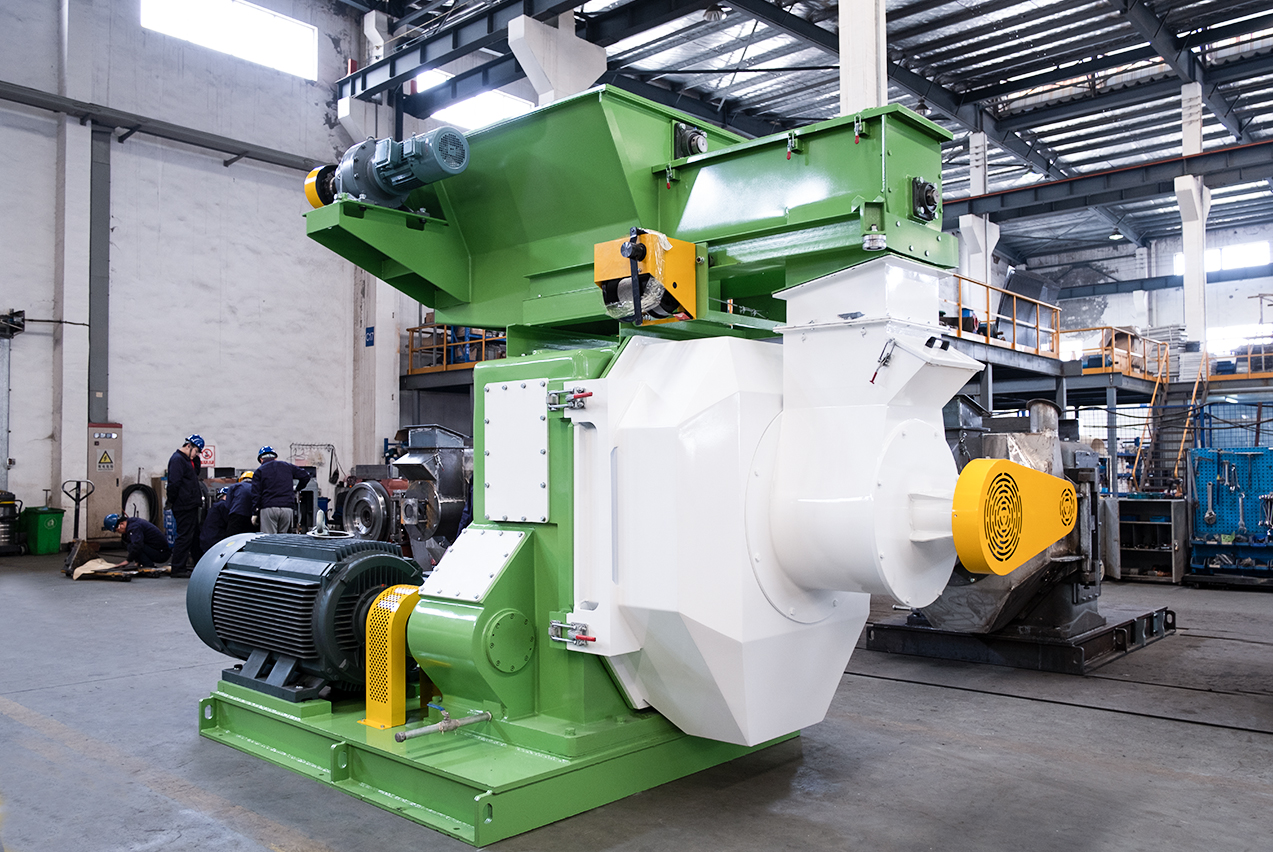
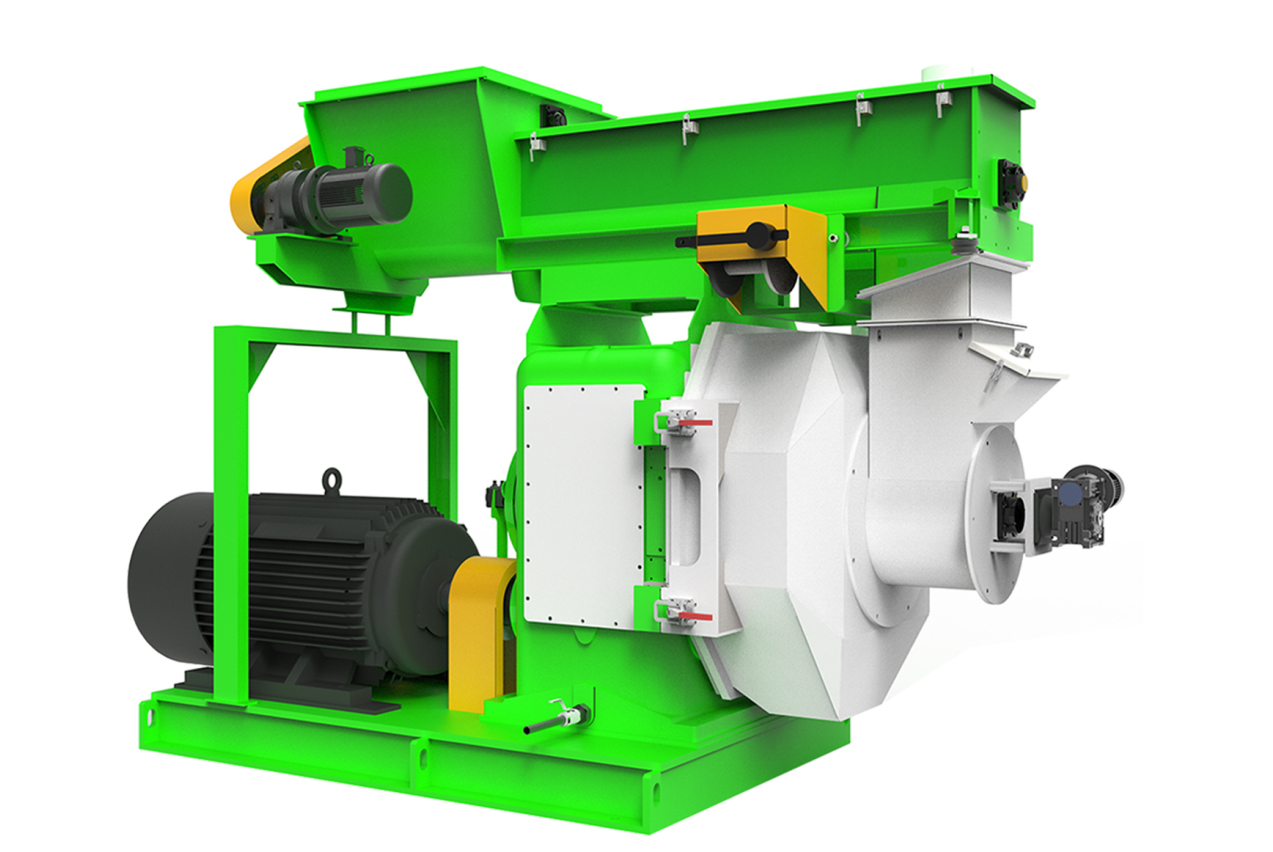
Kingwood's equipment information lists the following ring die biomass pellet mill ranges:
| Model | Published equipment capacity reference |
|---|---|
| JWZL-420 | 1–1.5 t/h |
| JWZL-688 | 2.2–3 t/h |
| JWZL-688D | 3–3.5 t/h |
| JZWH-860 | 4–5 t/h |
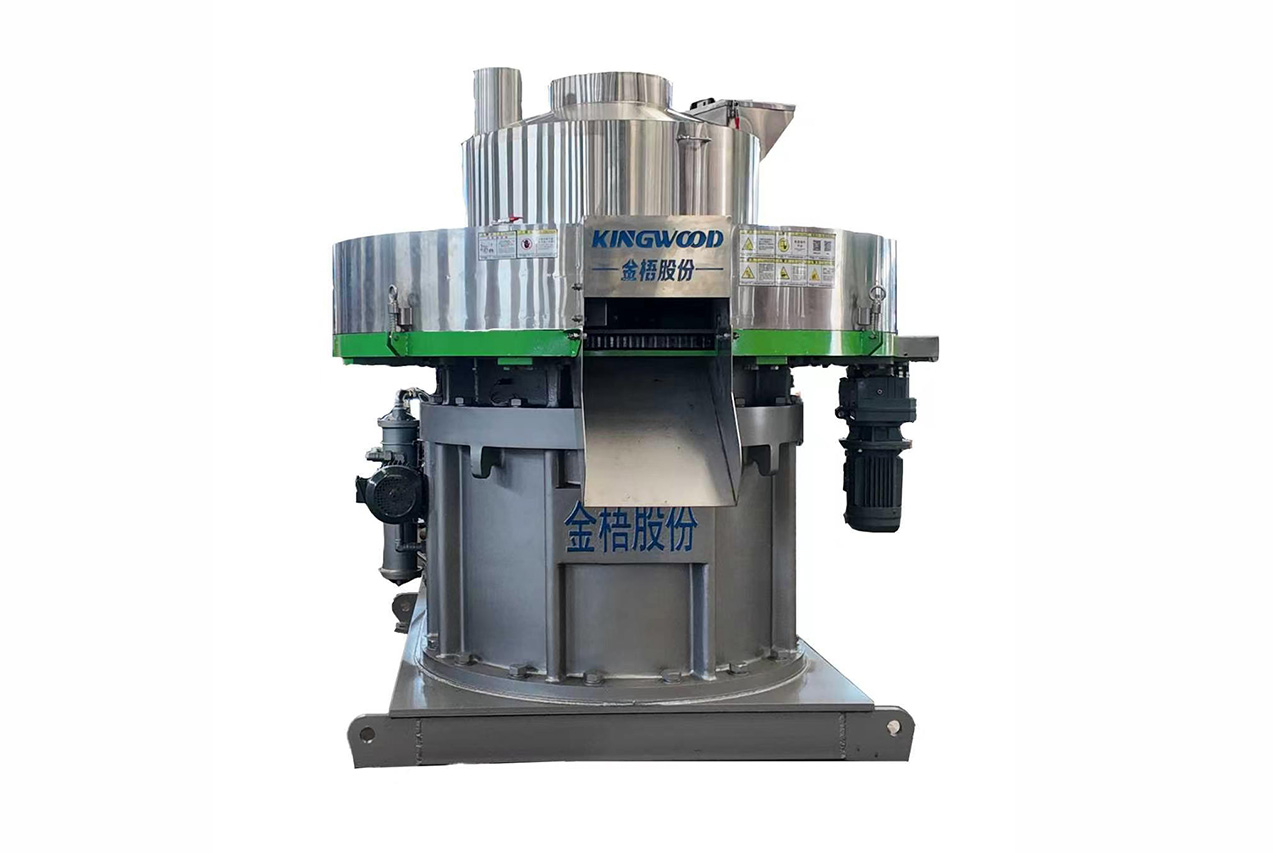
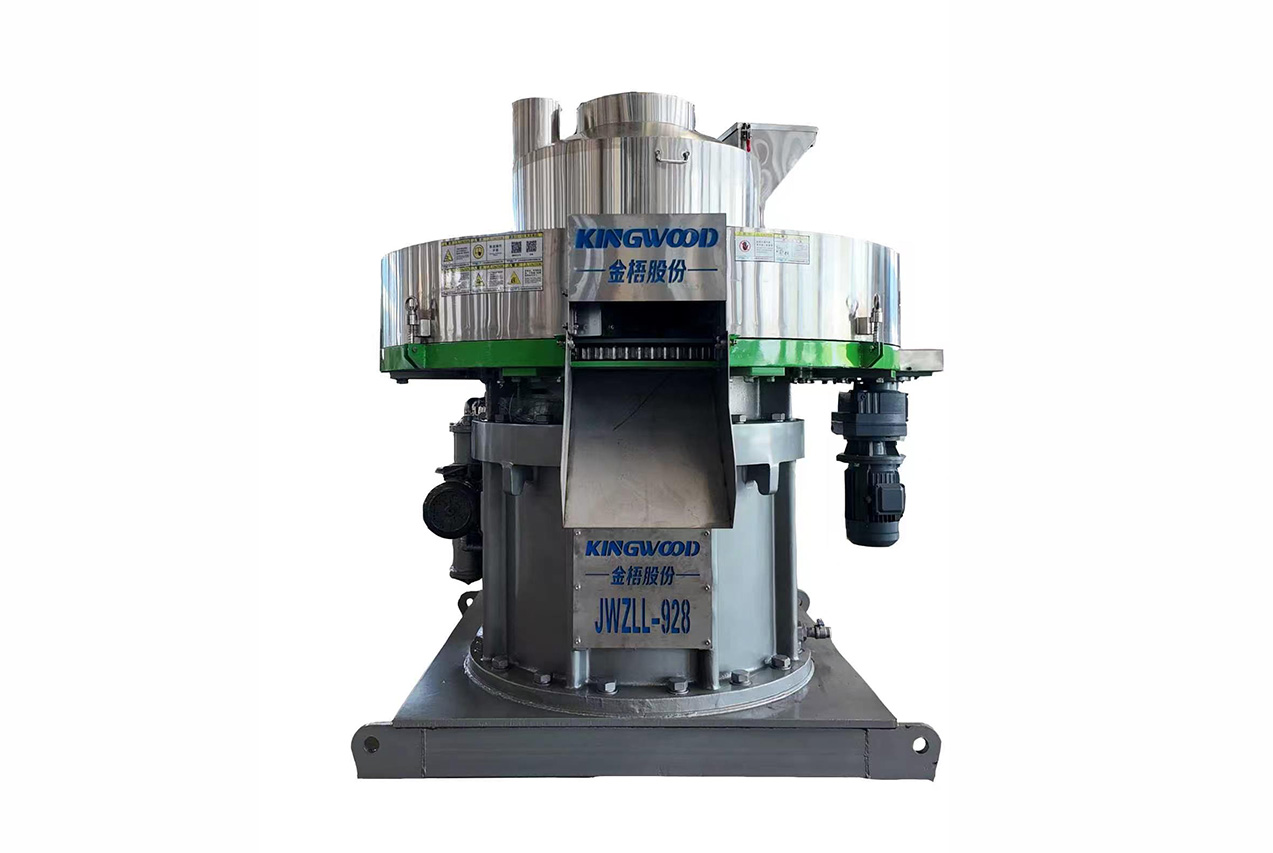
| JWZL-928 | 4–5 t/h |
These figures help a buyer begin a model discussion. They do not establish the guaranteed saleable output of a straw pellet plant. Confirm the feedstock, preparation conditions, die specification and product-quality requirement against which any capacity is offered. Ask whether a quoted output refers to material entering the machine, pellets leaving the press, or screened pellets ready for sale.
For a larger project, discuss the number of pellet mills and the balance of the complete line. Several machines can form part of a larger plant, but their individual catalogue capacities do not by themselves prove the plant's delivered output. Shared feeding, drying, cooling and handling equipment must be included in the design discussion.
Check model names carefully in the quotation and spare-parts schedule. For example, JWZL-688 and JWZL-688D are different entries in Kingwood's equipment information. JZWH-860 should not be substituted with a similarly written model name. Use the agreed equipment list when reviewing drawings, motor specifications and replacement parts.
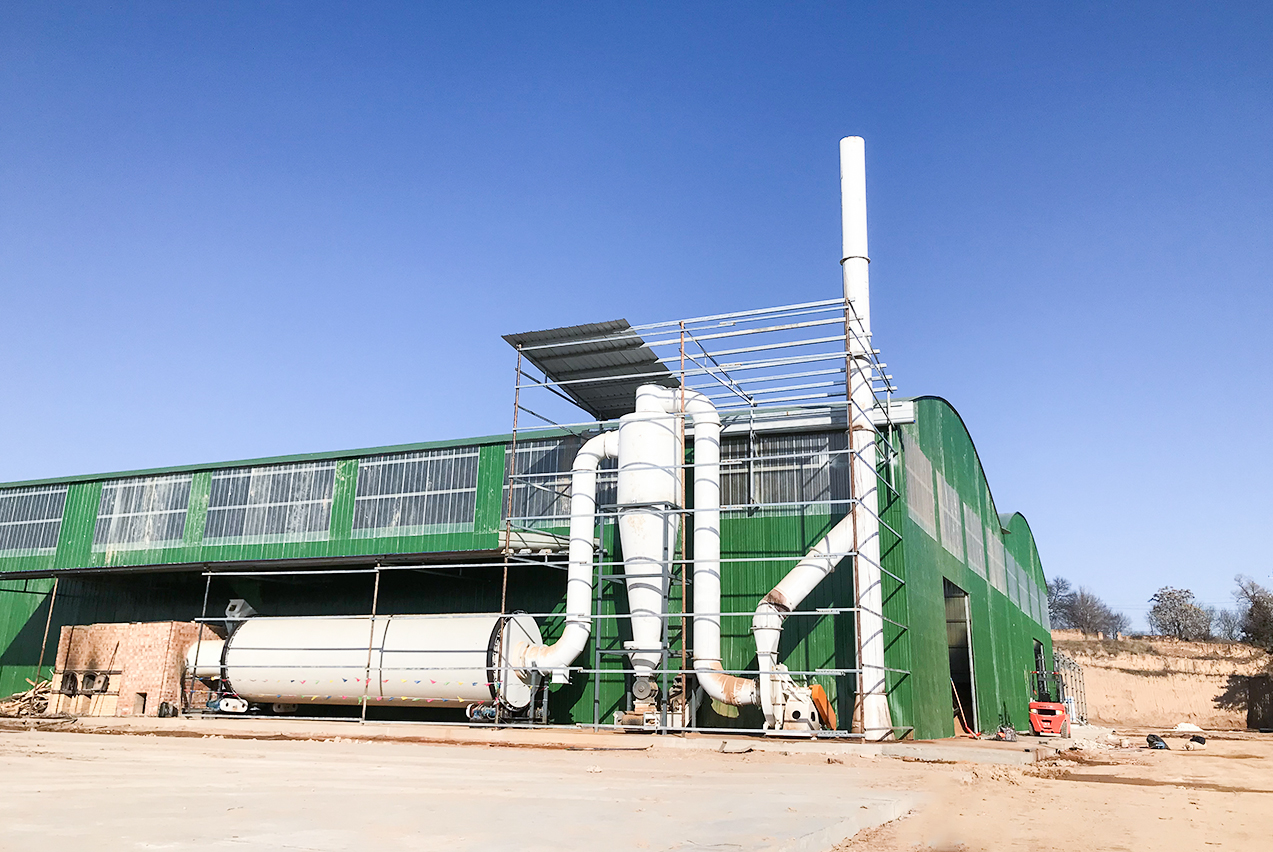
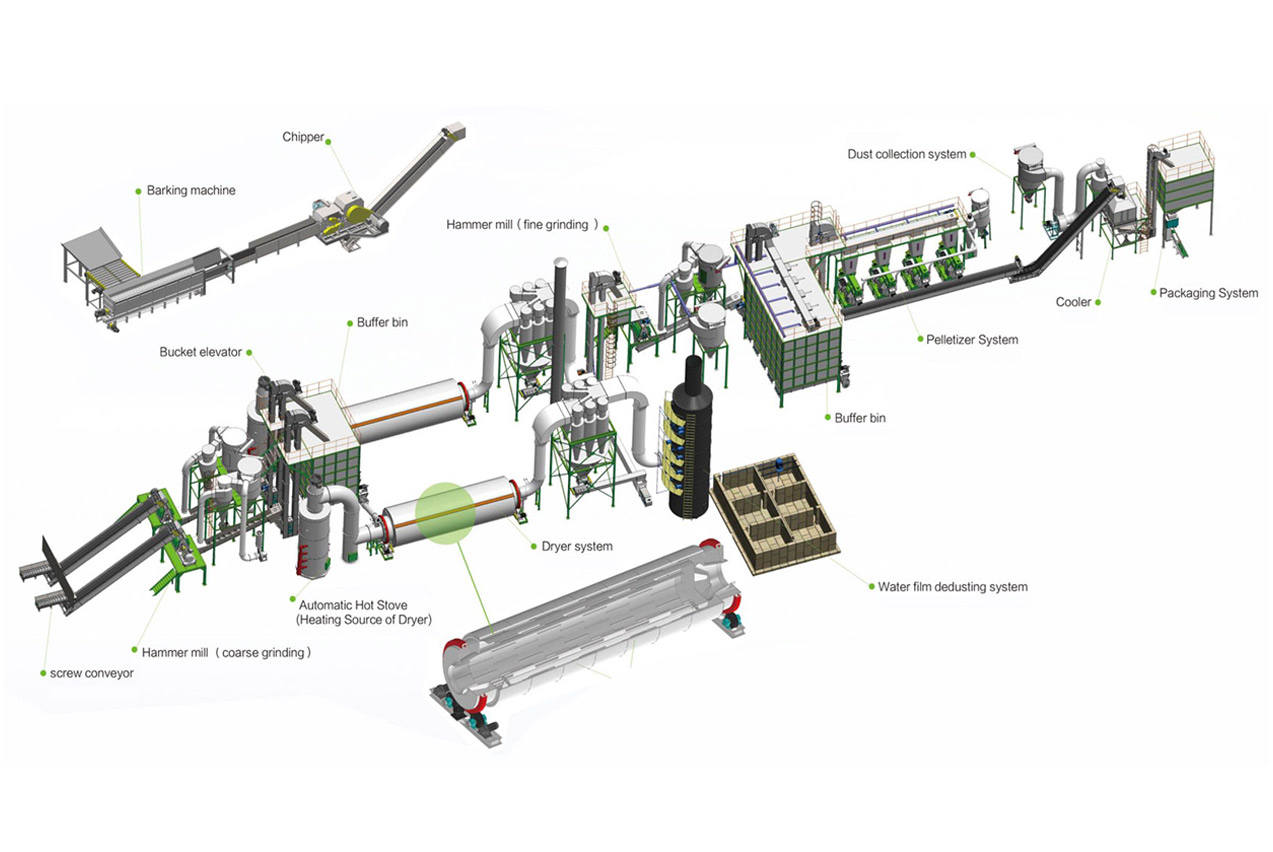
A project may include receiving and preparation, crushing or grinding, drying where the assessed material requires it, pelletizing, cooling, screening and final handling. The exact arrangement should follow the feedstock assessment and the customer's output specification. It should not be copied unchanged from a wood-chip plant or presented as a universal sequence for all agricultural residues.
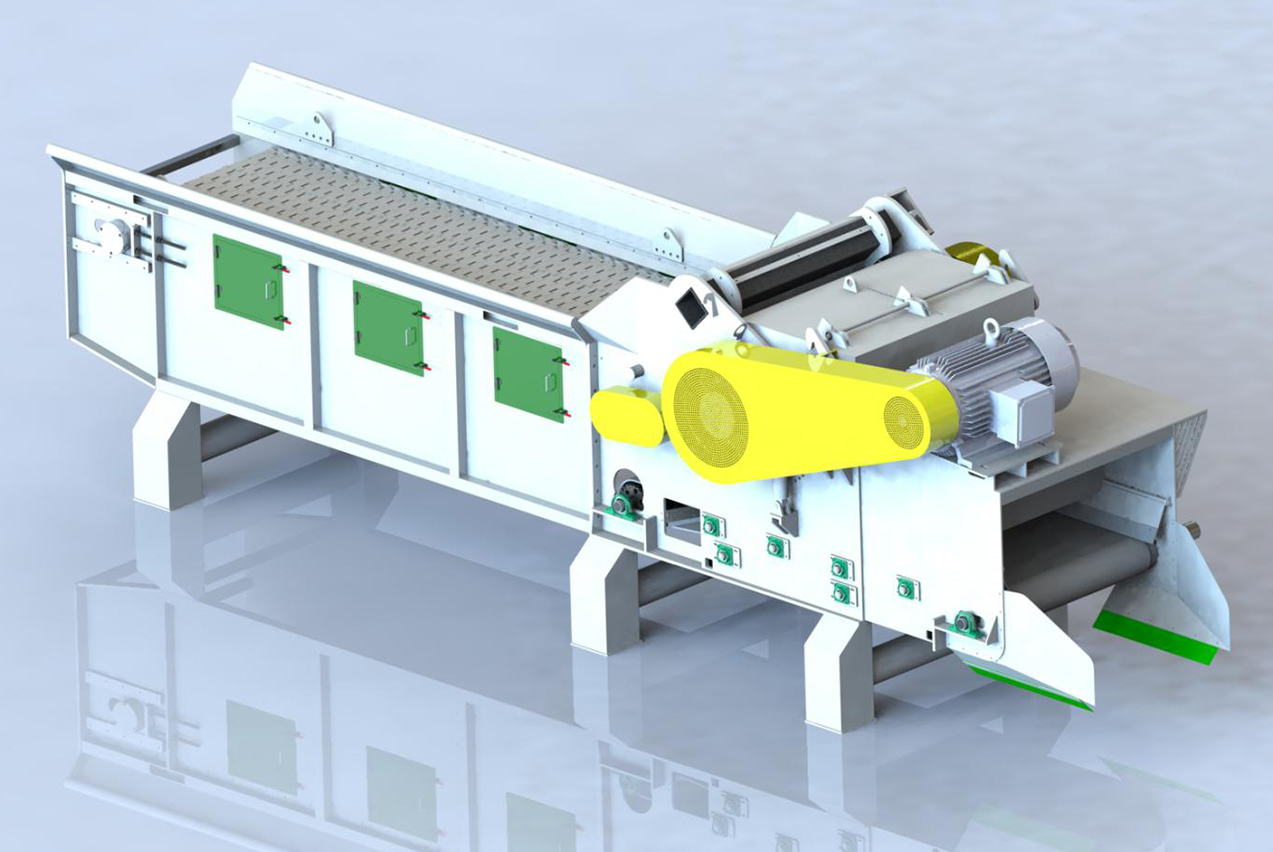
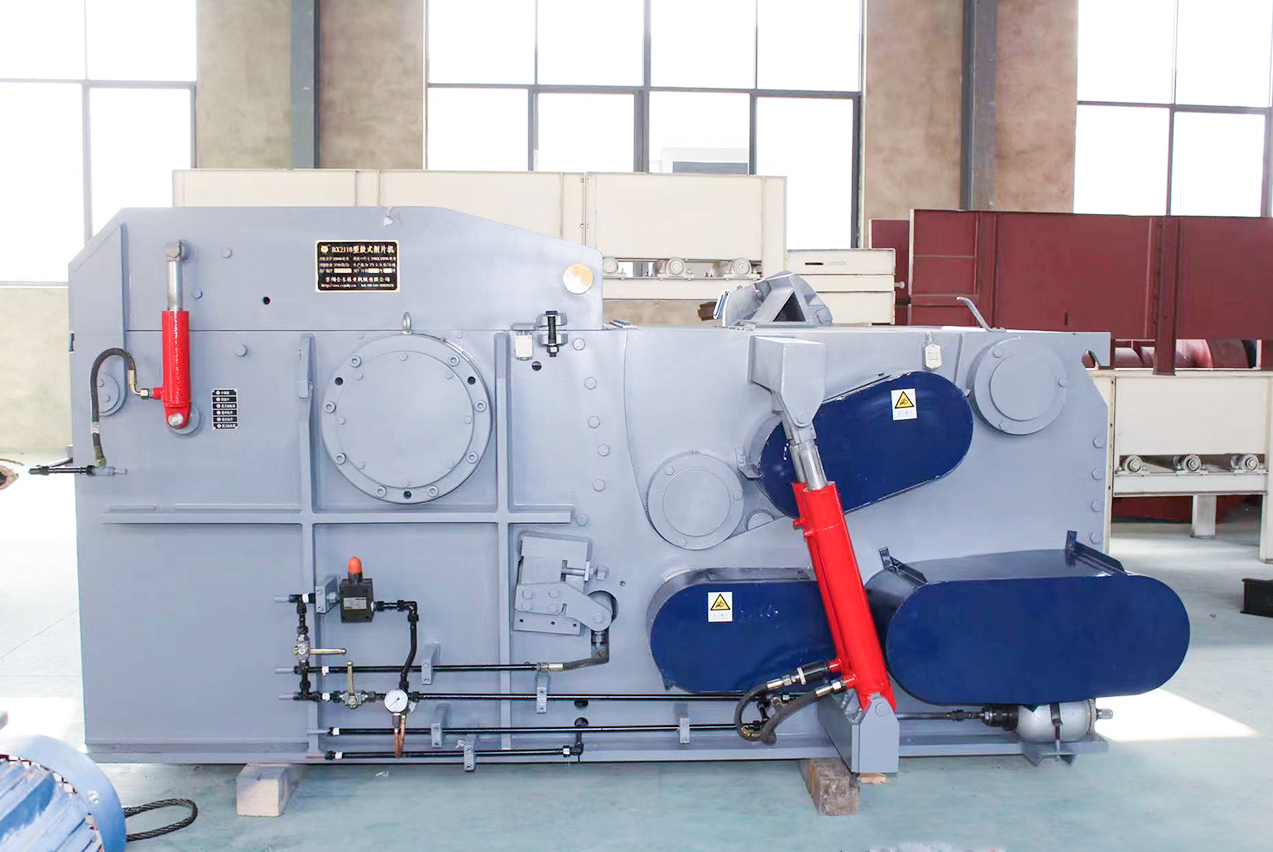
Kingwood's auxiliary-equipment range includes hammer mills, drum chippers, drum dryers, counter-flow coolers and pellet packaging machines. Selection of a particular auxiliary machine still requires a project-specific discussion. The availability of a machine in the product range is not evidence that every straw project needs it.
Ask the supplier to explain the purpose and supply boundary of each proposed stage. If drying is included, identify the basis for its selection and what happens when the incoming material changes. If a conditioning stage is proposed, ask for its operating requirements and how they were established. Do not assume that one temperature, moisture setting or die compression ratio is correct for every crop residue.
Review the handover points between machines. The main pellet mill should be considered alongside the feed and discharge arrangements, access for maintenance, and the equipment responsible for handling off-specification material. A clear process description helps the buyer compare proposals without reducing the decision to the purchase price of the press.
Before treating a production target as a sales target, establish what the customer will accept. Ask the offtaker to provide its required test methods, fuel parameters, delivery conditions and documentation. Confirm which requirements apply to the actual agricultural material and intended use. Do not assume that a wood-pellet specification automatically covers straw pellets.
Where independent testing is needed, agree on the laboratory, sampling procedure and reporting format. Keep product-quality requirements separate from equipment descriptions: owning a certain model does not certify the pellets it produces. Equally, a successful sample does not remove the need to agree on how routine production will be checked.
The acceptance plan should identify what is measured and who records it. Include the feedstock conditions and the point at which output is counted. This makes the result meaningful to both the equipment supplier and the fuel buyer. Claims about certified quality, guaranteed durability or particular fuel properties should appear only when supported by the relevant evidence and contract.
For a straw pellet mill, ask how the proposed die and roller arrangement will be matched to the assessed feedstock. Request the supplier's specification and maintenance instructions for the supplied configuration. A generic statement that one material is always suitable, or that a die lasts a fixed number of hours, is not an adequate basis for a purchasing decision.
Kingwood provides information on pellet mill ring dies and roller shells. Use the equipment model and confirmed assembly details when requesting replacement parts. Dimensions, interfaces and operating conditions should be verified before a spare is ordered; a similar photograph is not enough to establish interchangeability.
Discuss a practical spare-parts plan before the plant starts. Ask which items should be available locally, how parts are identified, and what lead times apply to the intended destination. Request training and maintenance documentation for the supplied equipment. Service scope, response arrangements and warranty conditions should be confirmed in the proposal rather than inferred from a general article.
Separate equipment purchase cost from the cost of operating the complete plant. Obtain current quotations for the actual supply scope and destination. Freight, site work, installation, electrical supply and commissioning should be checked against the agreed responsibility list. A comparison is useful only when the competing proposals include comparable work and conditions.
Operating assumptions need their own evidence. Obtain local information on collected feedstock, transport, electricity, labour, storage, maintenance and product delivery. Ask the potential customer how pellet quality and delivery affect the selling arrangement. Do not use an advertised pellet price from another country as the expected revenue for this project.
Keep the plant's operating schedule explicit when estimating annual production. Distinguish planned production hours from calendar hours, and describe the assumptions behind the saleable output. Test the budget against less favourable feedstock, operating and sales conditions as well as the initial plan. This is a buyer's planning exercise, not a promise that a particular pellet mill will deliver a fixed financial return.
Do not transfer the payback of a wood-pellet installation to a straw proposal. Even where a reference project is genuine, its material supply, local costs, operating conditions and sales contract may differ. Ask for references relevant to the proposed equipment and application, and identify what each reference actually demonstrates.
A productive first enquiry explains the project location, feedstock, target output, intended pellet customer and proposed schedule. State whether you need a single straw pellet mill, a replacement machine within an existing plant, or a complete new line. For an existing plant, describe the present equipment and the problem the new machine must solve.
Include the available raw-material information and say which points still need measurement. Where the project is at an early stage, preliminary information is useful as long as it is labelled as preliminary. Ask the supplier which additional information is needed before it can confirm the configuration or provide a performance commitment.
Kingwood was founded in 1999 and supplies biomass pellet equipment and associated line equipment. Contact the team through the enquiry page to discuss a feedstock assessment and a proposal matched to your supply boundary. The aim is a configuration and acceptance plan that both parties can verify, rather than an unsupported headline output or payback claim.
No. Use the published capacity as a starting reference, then confirm the actual feedstock, preparation conditions, product specification and measurement point. A complete plant's saleable output also depends on the equipment around the pellet mill.
The requirement should be decided from the measured incoming material and the proposed process conditions. Ask the supplier to document the basis for including or excluding drying. This article does not prescribe a universal moisture target.
Ask for confirmation against each proposed material or mixture. The model name alone does not establish that the feeding, die, preparation and maintenance requirements will be unchanged. Define a changeover and assessment procedure before relying on material flexibility.
A commitment requires an agreed project scope, feedstock conditions, product requirements and acceptance procedure. General equipment ranges are not a project guarantee, and financial returns depend on documented operating and sales assumptions. Request a project-specific assessment before finalising the purchase.

Wood Biomass Machinery Manufacturer


 English
 日本語
 한국어