Vietnam has become one of Southeast Asia's dominant biomass exporters in under a decade. According to the Vietnam Timber and Forest Product Association (VIFORES) 2023 report, the country exported approximately 3.5 million metric tons of wood pellets in 2023—a figure that places it alongside the United States and Canada among the world's top pellet-exporting nations.
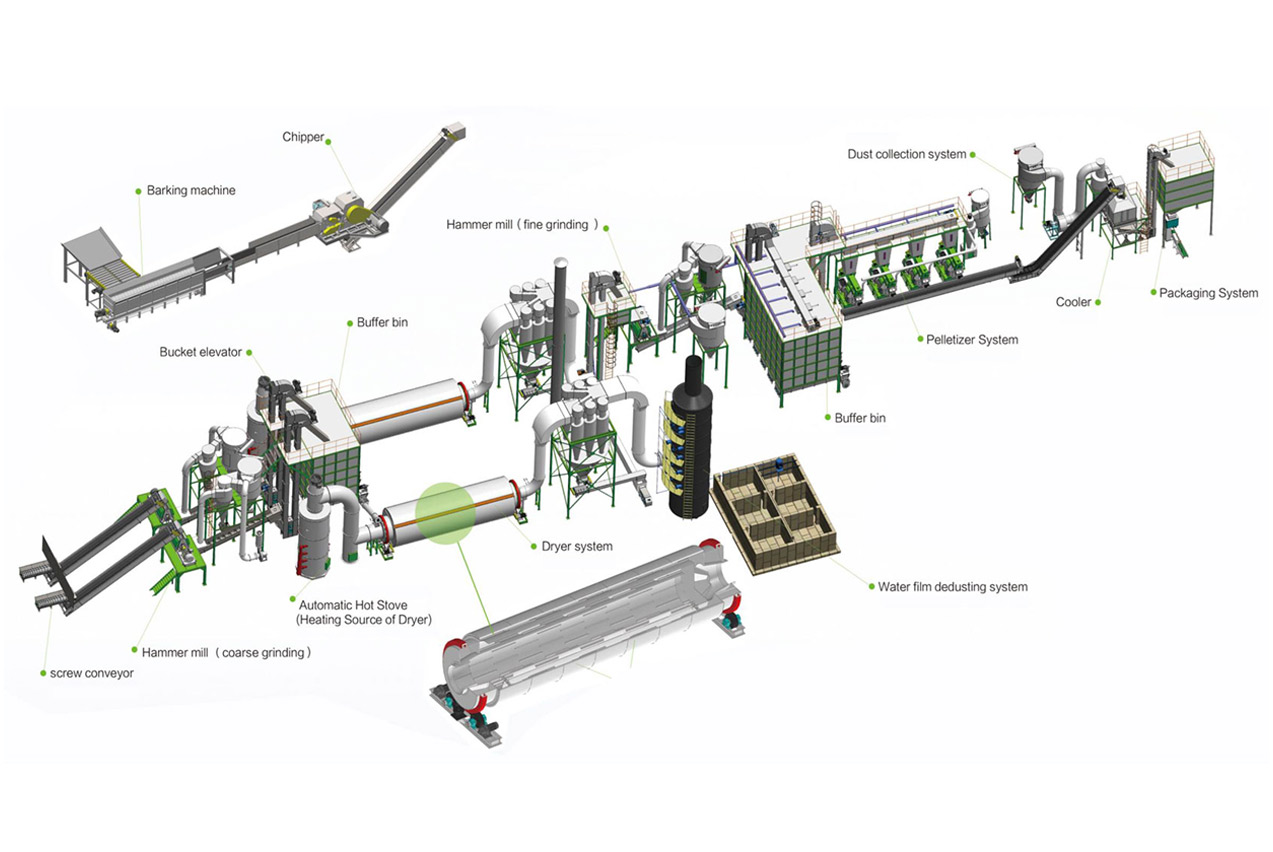
Pellet manufacturing is concentrated in provinces with access to plantation forestry and sawmill residues. Binh Duong, Binh Phuoc, Dak Lak, and the Central Highlands account for a significant share of installed capacity, reflecting the distribution of acacia and rubber wood plantations. Coastal provinces in Central Vietnam—where the Vietnam 24 t/h wood chip pellet production line built by Kingwood for AVP Group is located—have attracted large-scale investment because of port access for export.
The three primary feedstocks in Vietnamese pellet plants are:
All three feedstocks are compatible with industrial ring-die pellet mills and produce pellets with a calorific value of approximately 4,800 kcal/ton—comparable to sub-bituminous coal and sufficient to meet the ENplus A2 and industrial-grade standards required by Korean and Japanese utility buyers.
The combination of feedstock availability, low land costs, and proximity to major importing markets (Japan, South Korea, the EU) means that equipment demand shows no signs of plateauing.
Understanding wood pellet mill price Vietnam requires separating the machine cost from the total project cost. Suppliers frequently quote FOB China prices; buyers need to convert these into landed, installed, and commissioned costs before comparing options.
| Capacity | Mill Type | FOB China Price (USD) | Estimated Landed Cost Vietnam | Typical Use Case |
|---|---|---|---|---|
| < 500 kg/h | Flat die | $5,000–$18,000 | $7,000–$22,000 | Farm-scale, trial operations |
| 1–2 t/h | Flat die | $15,000–$30,000 | $19,000–$36,000 | Small traders, cooperatives |
| 2–3.5 t/h | Ring die (JWZL-688) | $30,000–$55,000 | $37,000–$65,000 | Mid-scale export producers |
| 3–3.5 t/h | Ring die (JWZL-688D, 200 kW servo) | $45,000–$65,000 | $55,000–$78,000 | Export-grade, premium quality |
| 4–5 t/h | Ring die (JZWH-860) | $60,000–$90,000 | $72,000–$108,000 | Growing exporters |
| 10–12 t/h | Ring die multi-mill line | $150,000–$250,000 | $185,000–$310,000 | Industrial export plants |
| 20–30 t/h | Full automated line | $280,000–$450,000+ | $340,000–$550,000+ | Large integrated plants |
Landed cost estimates include sea freight to Ho Chi Minh City or Da Nang, local trucking, and basic import clearance. They exclude civil works and installation.
Vietnam's MFN import tariff on industrial machinery under HS code 8479 is 0–5% per the Vietnam Ministry of Finance tariff schedule 2024. Most complete pellet mill equipment falls at the lower end of this band, so import duty adds a relatively modest amount to landed cost compared to shipping.
Buyers producing for the EU or Japanese markets should budget a 10–20% price premium for CE-certified equipment versus uncertified Chinese alternatives at equivalent capacity. The premium is justified: EU importers and some Japanese trading houses now audit equipment certification as a condition of purchase agreements. Kingwood's mills carry both CE and ISO 9001/ISO 14001 certification, which removes this audit risk.
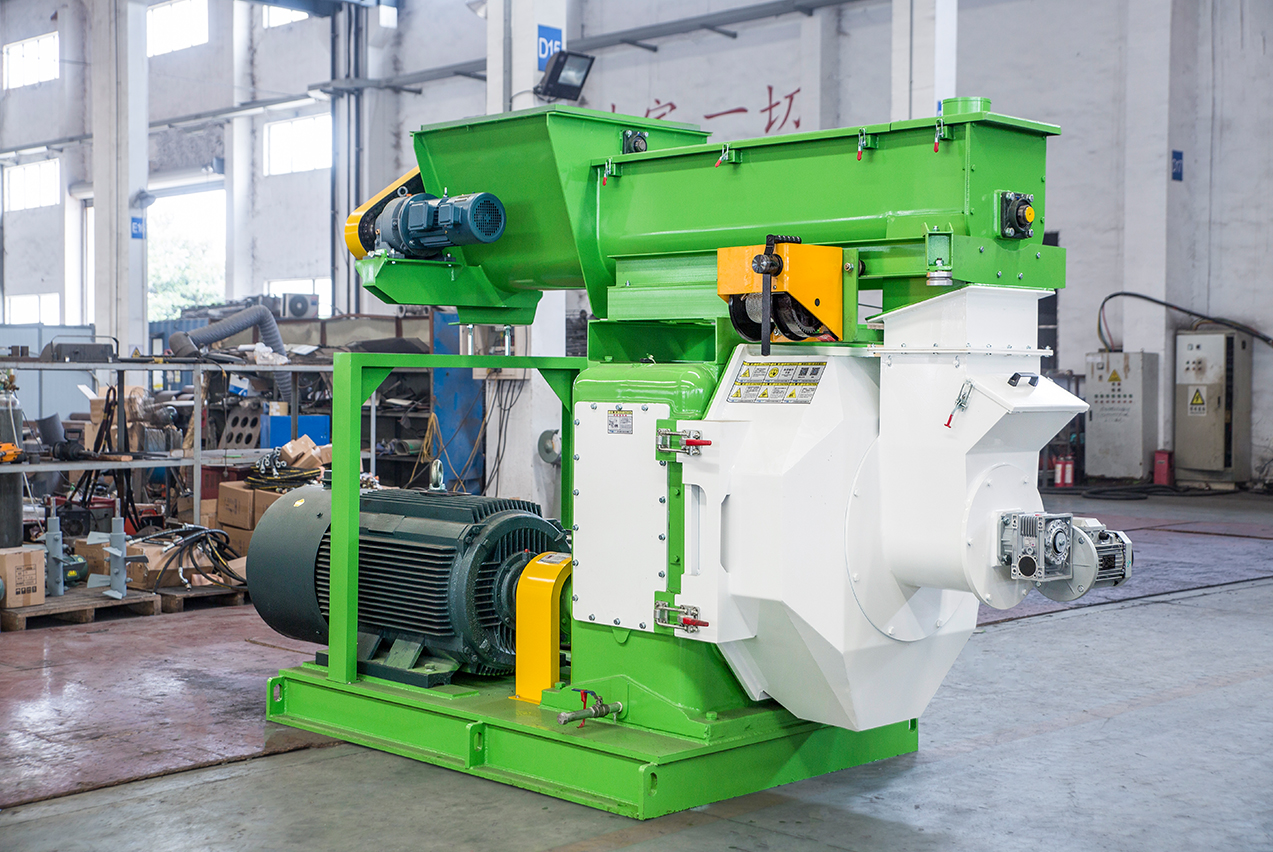
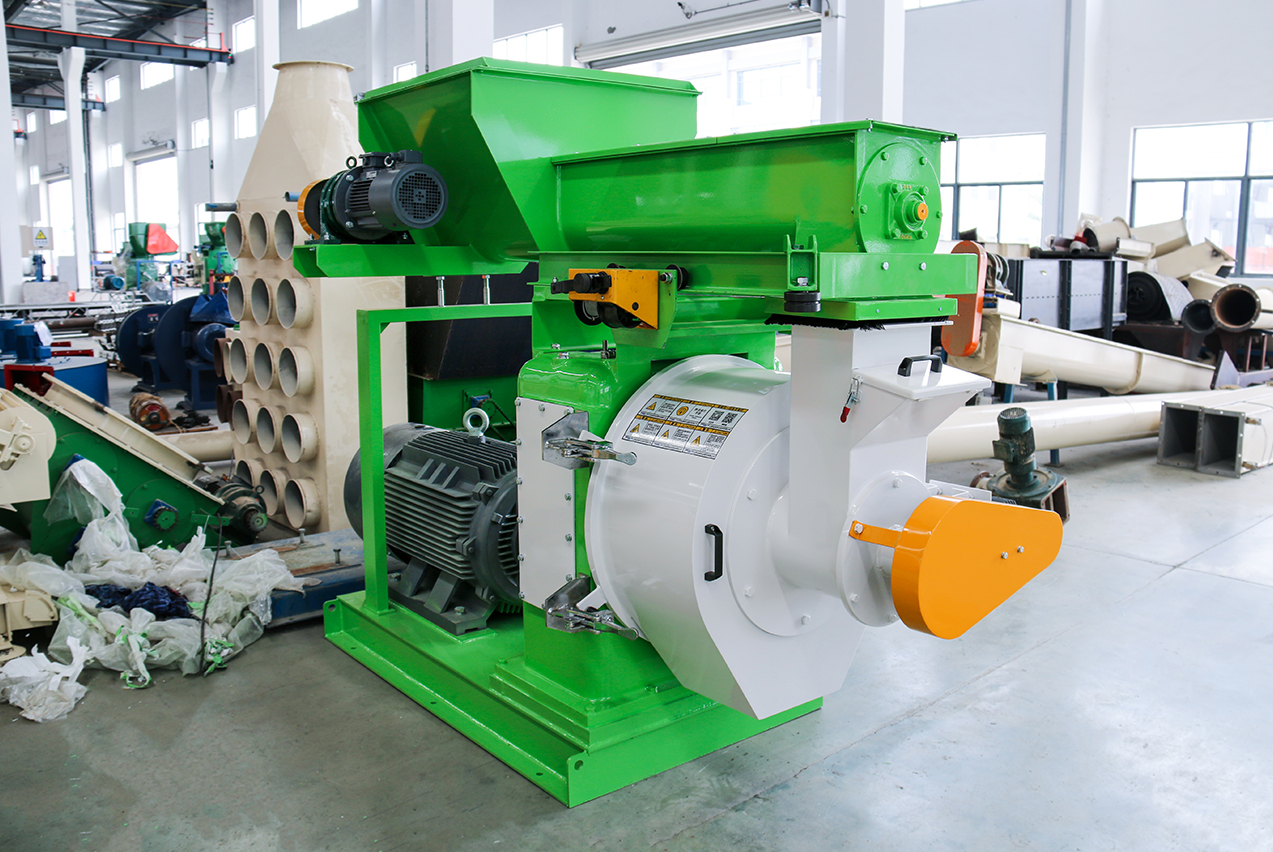
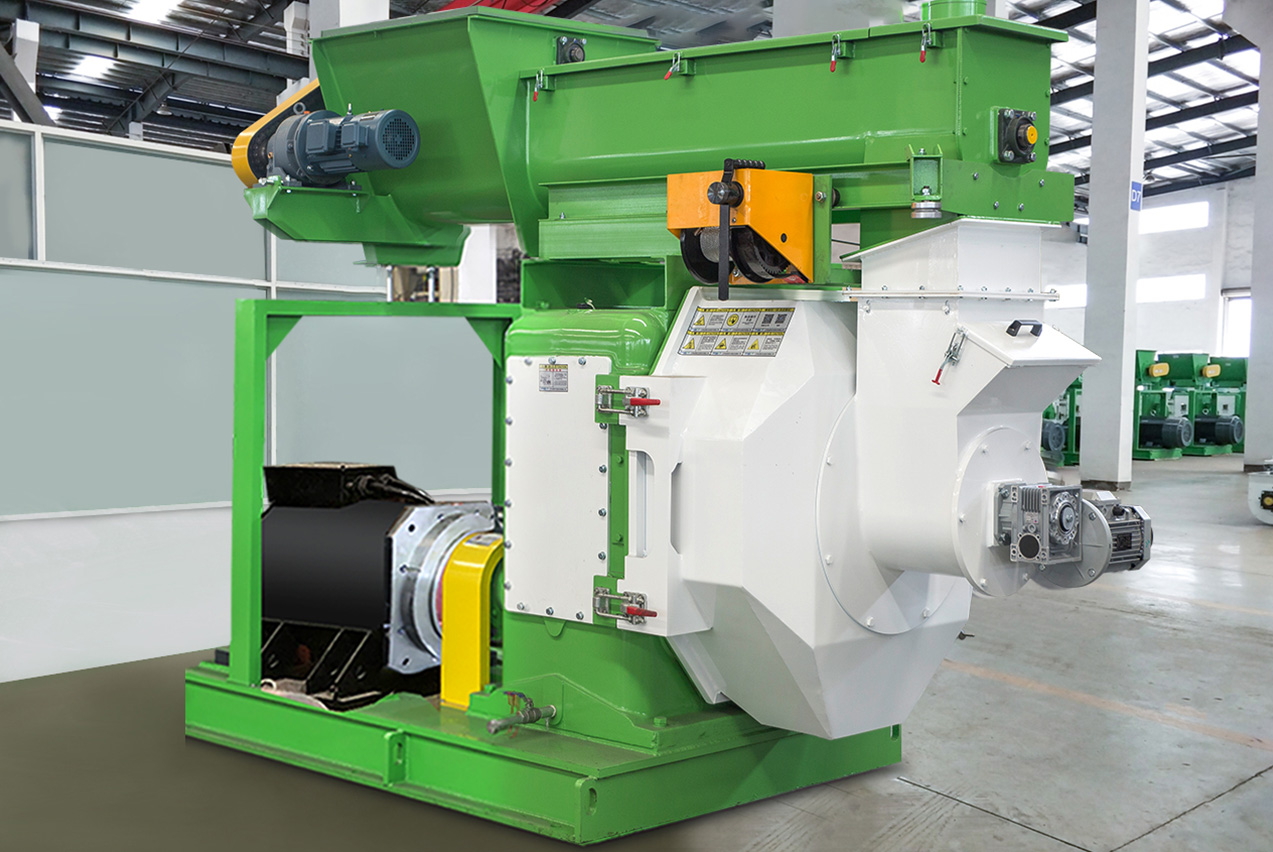
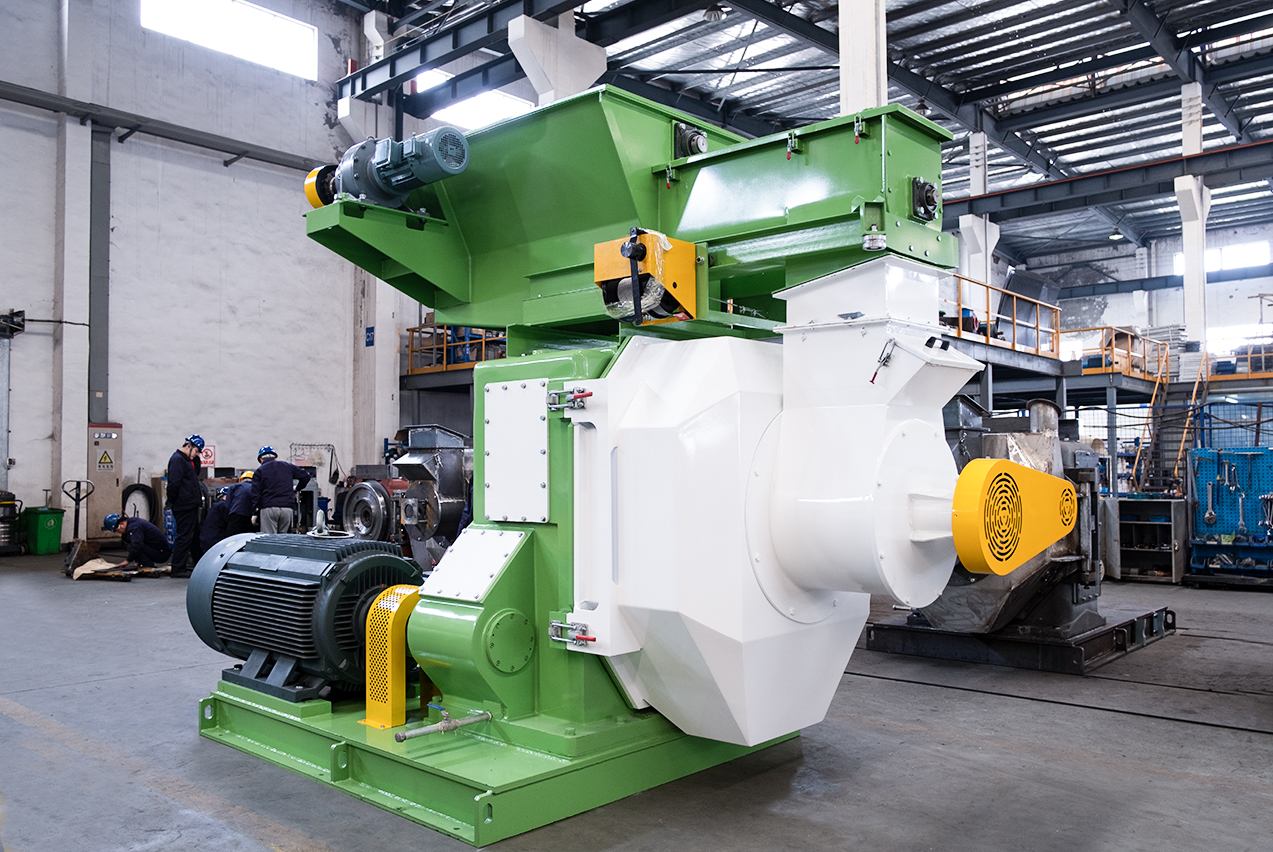
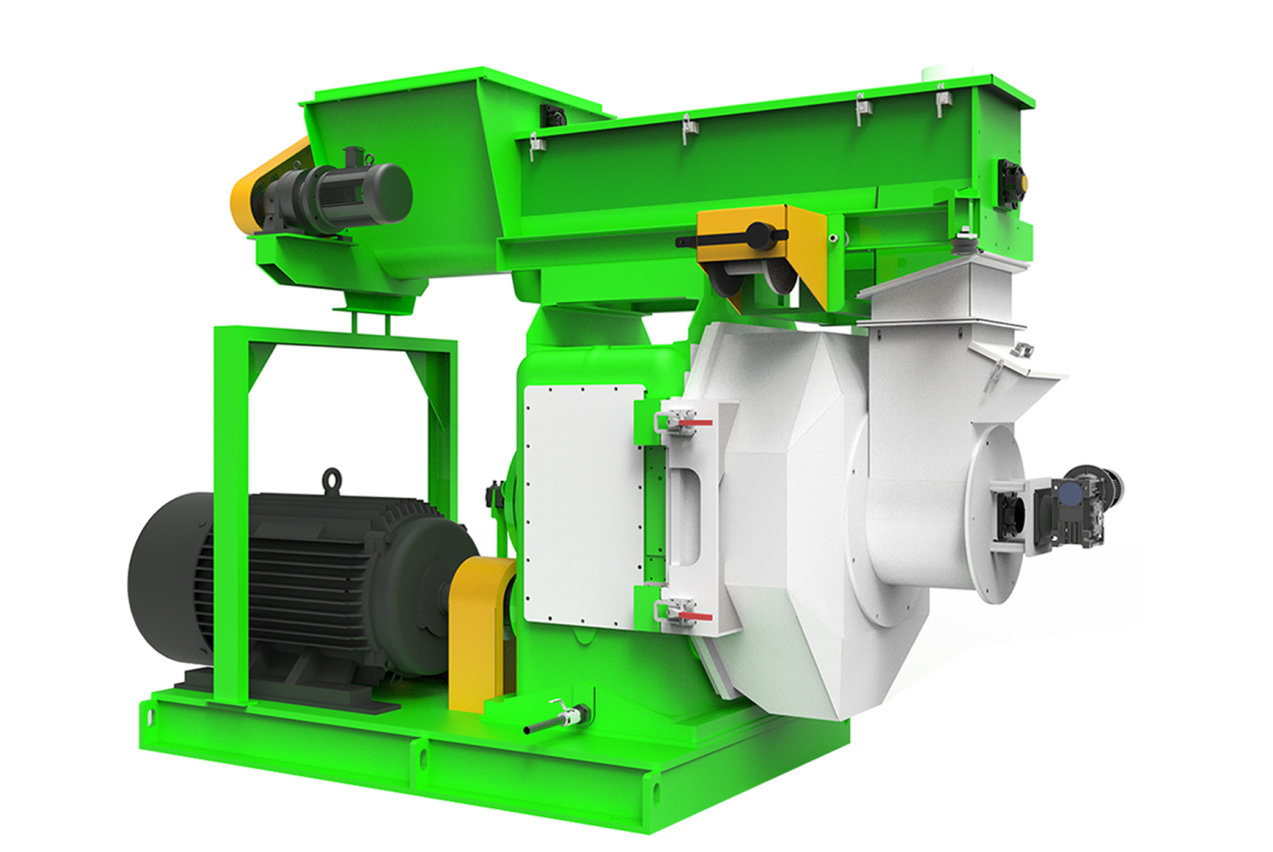
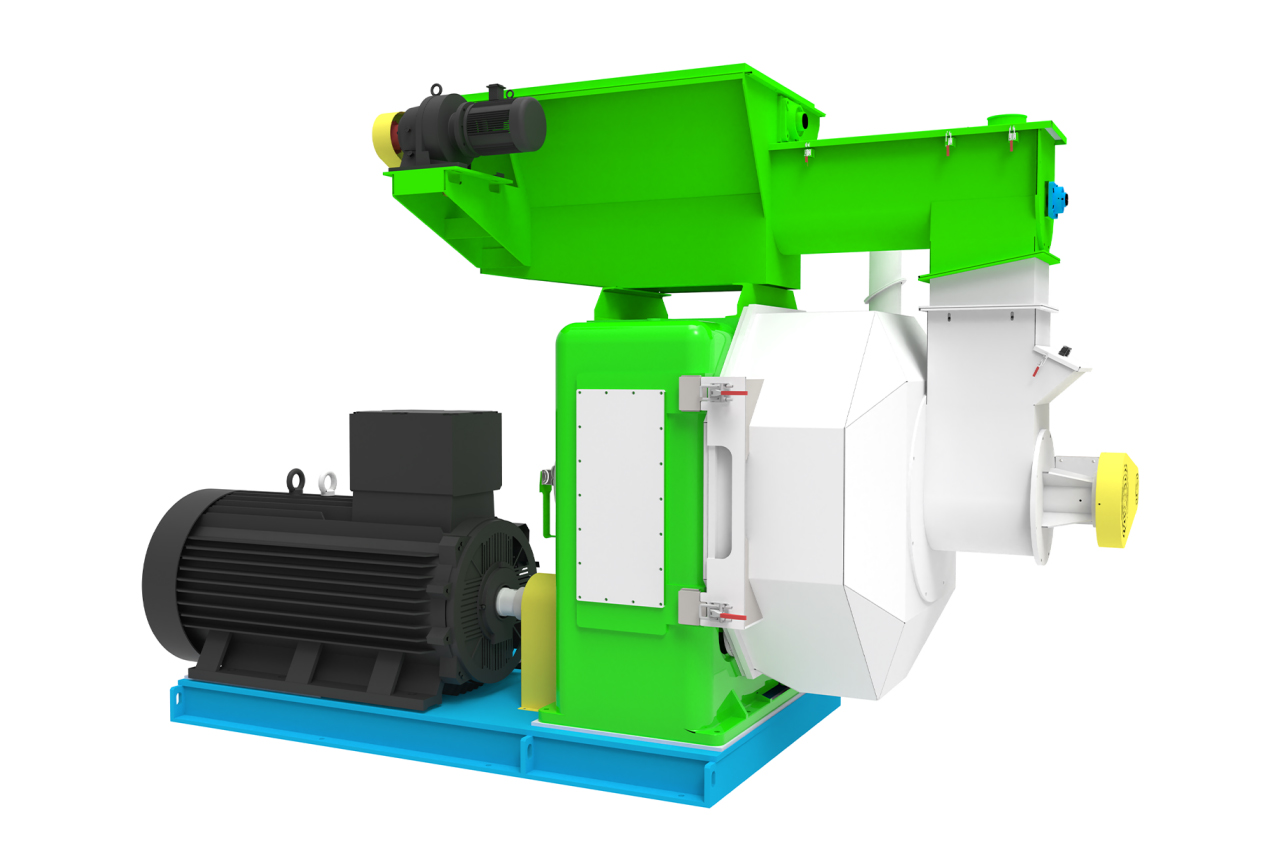
The Kingwood industrial ring-die wood pellet mill range includes the JWZL-688D, which uses a TYL series liquid-cooled high-efficiency permanent magnet synchronous servo motor rated at 200 kW. Comparable generic Chinese ring-die mills at 3–3.5 t/h capacity typically use standard induction motors and lower-grade die steel. The servo drive reduces no-load power draw and allows tighter torque control when feedstock moisture fluctuates—a meaningful advantage given that Vietnamese acacia wood moisture can vary between 30–55% before drying.
A pellet mill that looks affordable at FOB price can become expensive when operating costs are fully accounted for. Our customers in Vietnam typically report that total cost of ownership over three years runs 30–50% above the initial equipment purchase—a figure that closely tracks what Kingwood has observed across its 2,000+ production line projects globally.
Ring dies and roller shells are the highest-wear components in any ring-die mill. Annual spare-parts expenditure—covering ring dies, roller shells, and hammers for the pre-processing stage—typically runs 8–15% of the original machine purchase price per year, based on typical replacement cycles observed across industrial pellet lines. For a mill purchased at $50,000, this means $4,000–$7,500 per year in consumables alone.
Key variables that affect wear rate: - Feedstock hardness: rubber wood is harder than acacia and accelerates die wear - Moisture control: feeding at >16% moisture dramatically shortens die life - Lubrication intervals: insufficient bearing lubrication causes failure within 800–1,200 hours per Kingwood technical data
Buyers frequently forget to include a first-year spare-parts kit in their initial purchase order. By the time a ring die fails—often at 600–900 operating hours for harder feedstocks—waiting 3–6 weeks for sea freight from China costs more in lost production than the kit itself.
A 200 kW pellet mill running 20 hours per day consumes approximately 4,000 kWh/day. At Vietnam's industrial electricity tariff of VND 1,920/kWh (~$0.076/kWh) per EVN rate schedule Q1 2024, daily electricity cost for the mill motor alone is roughly $304/day, or $110,960/year at 365-day operation. Add hammer mills, dryers, conveyors, and cooling systems and total site electricity for a 3–4 t/h line can reach $180,000–$220,000 per year—often the single largest operating cost line item.
Installation and commissioning for a 10 t/h line in Vietnam typically costs $15,000–$35,000, depending on civil works complexity, site distance from Ho Chi Minh City, and whether an experienced local contractor is available. This figure covers foundation preparation, equipment alignment, electrical connections, and trial runs. EPC/turnkey contracts that include on-site engineer support reduce risk; buyers managing their own installation often discover integration problems after the equipment has already cleared customs.
Kingwood's Three-Standardization Framework—Integrated supply chain, Dust-Free enclosed processing, and fully Automated operation—reduces ongoing labour requirements compared to manually operated lines. A fully automated complete biomass wood pellet production line with enclosed conveyors and automated feeding typically requires 3–4 operators per shift versus 7–9 for a manually configured line of equivalent capacity. At Vietnamese labour rates, this difference represents $15,000–$30,000 in annual wage savings.
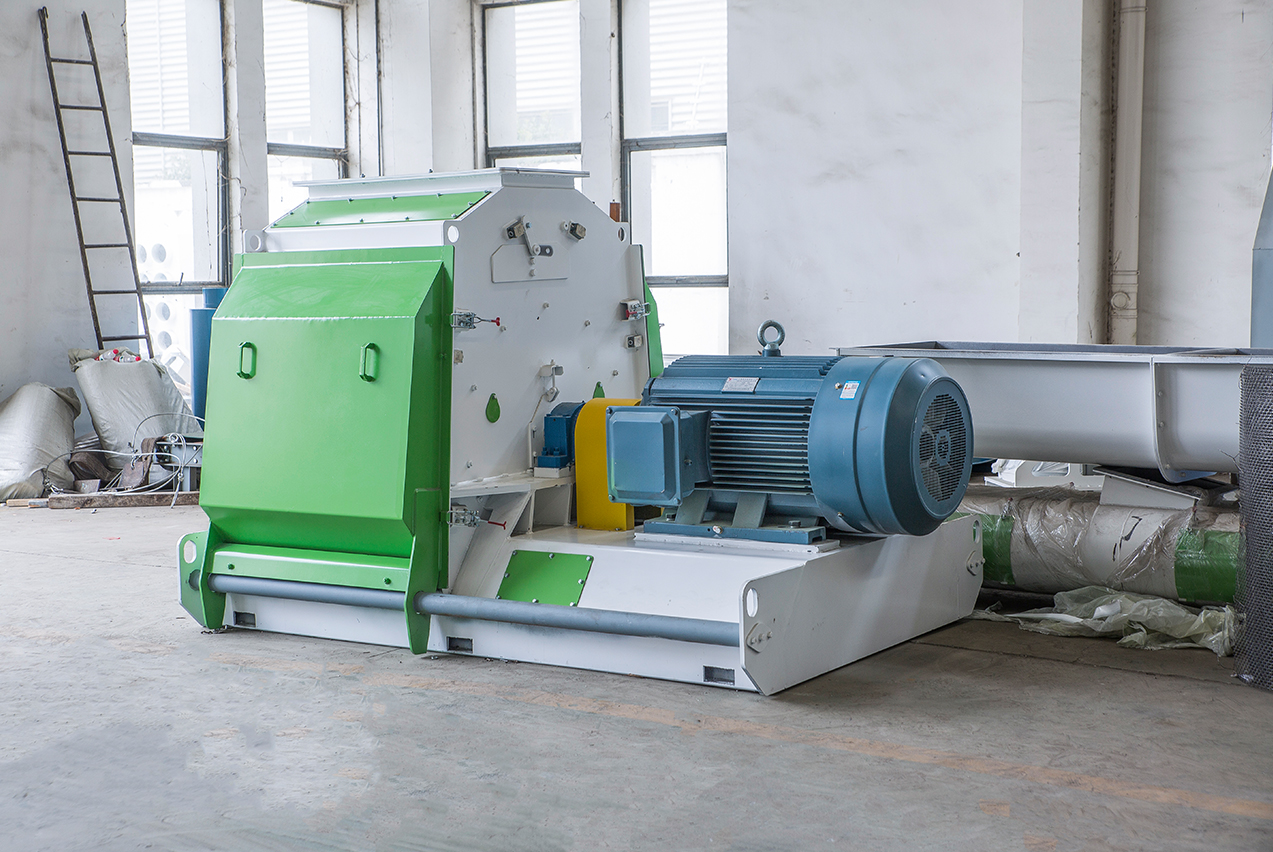
The biomass wood chip hammer mill for pre-processing integrated into a Kingwood line also runs with automatic feed control, reducing the common problem of inconsistent chip size reaching the pellet mill—a major cause of unplanned downtime.
A Vietnamese forestry and energy company operating Kingwood JWZL-688 mills at 12 t/h achieved full investment payback in approximately 23 months, as documented in the Vietnam wood pellet line 12 t/h payback case. The feedstock was plantation acacia wood. Several factors drove the result:
At 12 t/h and 20 hours/day operation, a plant produces approximately 240 tons/day, or roughly 72,000–80,000 tons/year at 85% utilisation. At $140/ton average FOB selling price, gross revenue is $10–$11 million/year. After subtracting feedstock, energy, labour, and spare parts, the margin that drives payback is typically $15–$25/ton for acacia-based operations with controlled input costs.
Break-even utilisation for the same 12 t/h line is approximately 60–65%—meaning the plant must run roughly 12–13 hours per day to cover all fixed and variable costs.
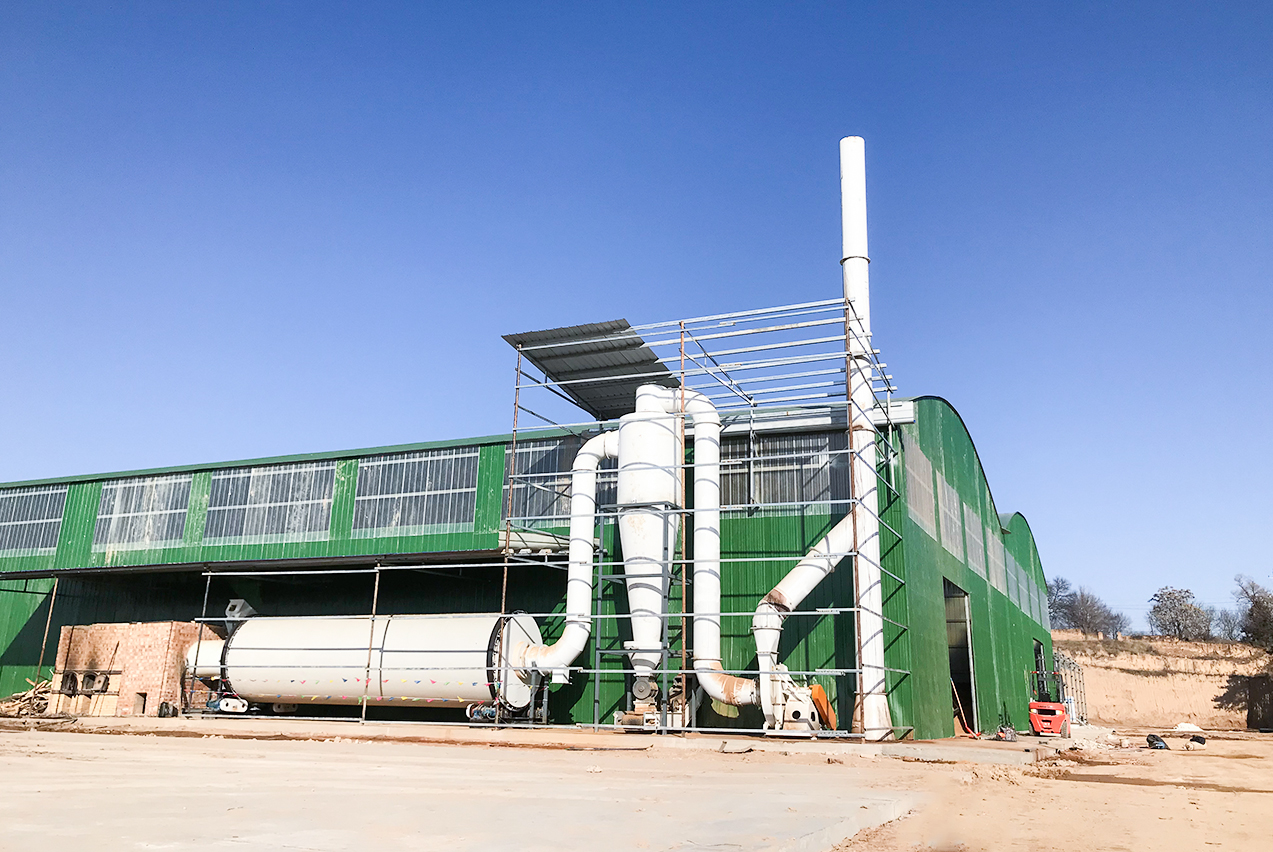
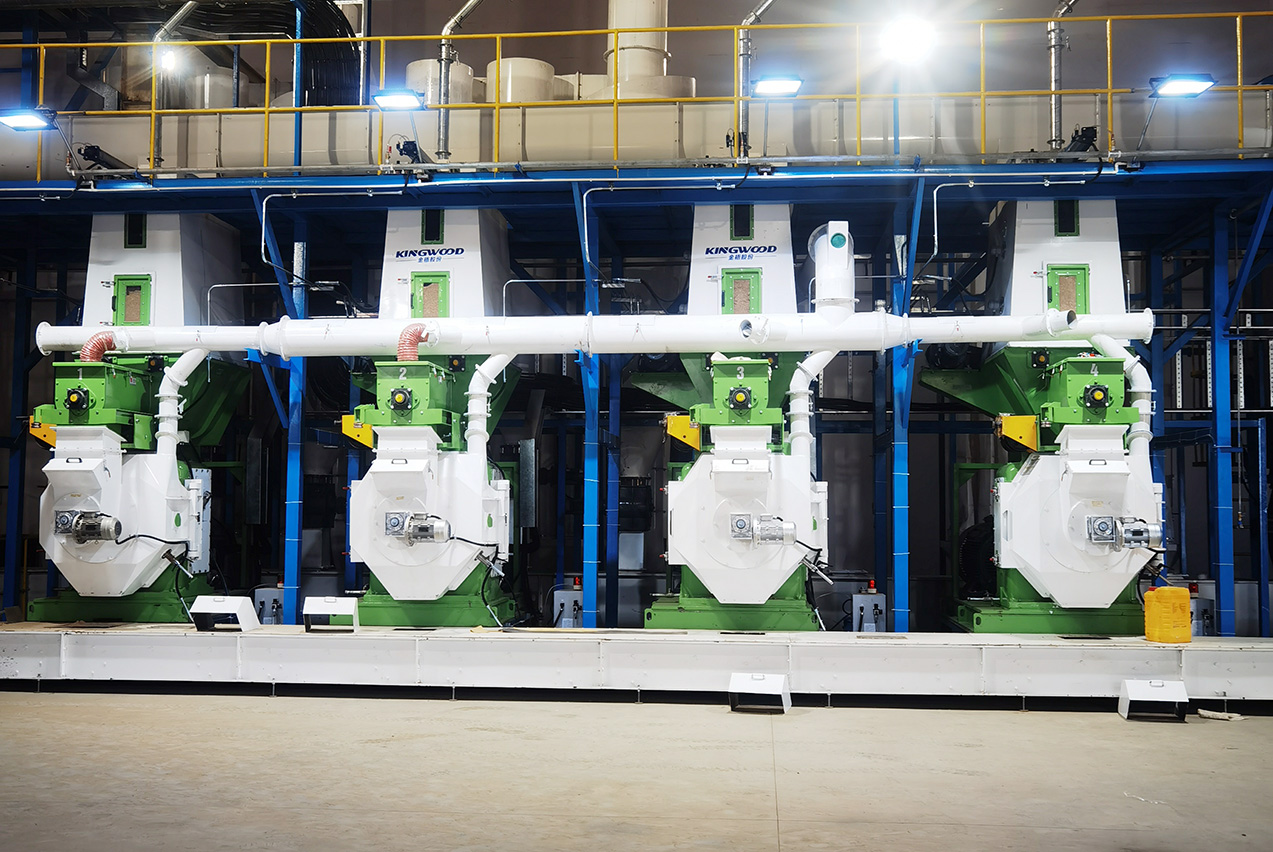
AVP Group, Asia's largest biomass power company, invested an additional USD 10 million in a 24 t/h wood pellet plant in central Vietnam, supplied by Kingwood and commissioned in June 2021. At twice the capacity of the 12 t/h case, the economics improve further: fixed costs (installation, engineering, supervision) are spread over a larger output, reducing cost per ton. The plant illustrates how scale accelerates payback when feedstock supply and export contracts are secured in advance.
For a smaller JWZL-688D unit (3–3.5 t/h, 200 kW), break-even utilisation in Vietnam sits at roughly 65–70% of rated capacity, assuming a landed machine cost of $65,000–$78,000, feedstock at $30–$45/ton, and pellet FOB price at $135–$145/ton. At full utilisation (20 hours/day), payback typically falls in the 28–36 month range—longer than the 12 t/h case, but still commercially viable for producers with secured off-take agreements.
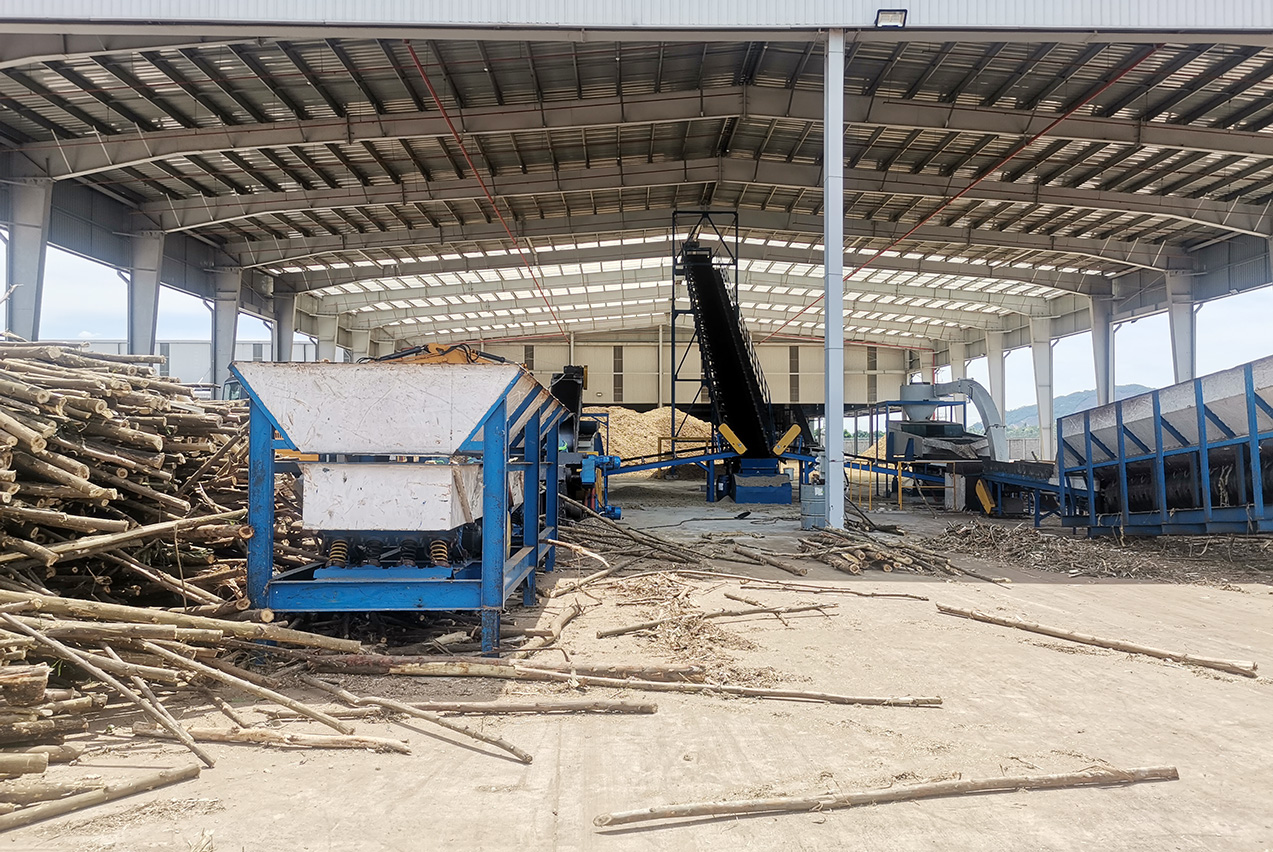
The 500 kg/h production rate is the meaningful decision point for Vietnamese buyers. Below this level, flat-die mills offer a lower purchase price ($5,000–$18,000) and simpler maintenance. Above it, ring-die mills become more cost-effective per ton—not because of lower capital cost, but because their higher throughput and longer die life reduce the cost allocated to each ton produced.
Per Kingwood technical specification data, ring-die mills achieve bulk density above 600 kg/m³ and Pellet Durability Index (PDI) above 97.5% on dry sawdust at 10–14% moisture. Flat-die mills at equivalent throughput cannot consistently reach these quality specifications, which matters for buyers selling into ENplus or industrial fuel markets where quality is contractually specified.
| Factor | Flat Die (1 t/h) | Ring Die (3–3.5 t/h JWZL-688D) |
|---|---|---|
| Machine price (FOB) | $15,000–$25,000 | $45,000–$65,000 |
| Annual spare parts | $2,500–$4,000 | $4,500–$8,000 |
| Energy cost/year | $30,000–$45,000 | $90,000–$115,000 |
| Output (tons/year @ 80%) | ~2,000 t | ~17,500 t |
| Spare parts cost per ton | $1.25–$2.00 | $0.26–$0.46 |
| Typical pellet quality (PDI) | 90–95% | >97.5% |
The per-ton economics strongly favour ring-die above 1,500–2,000 tons/year of annual output.
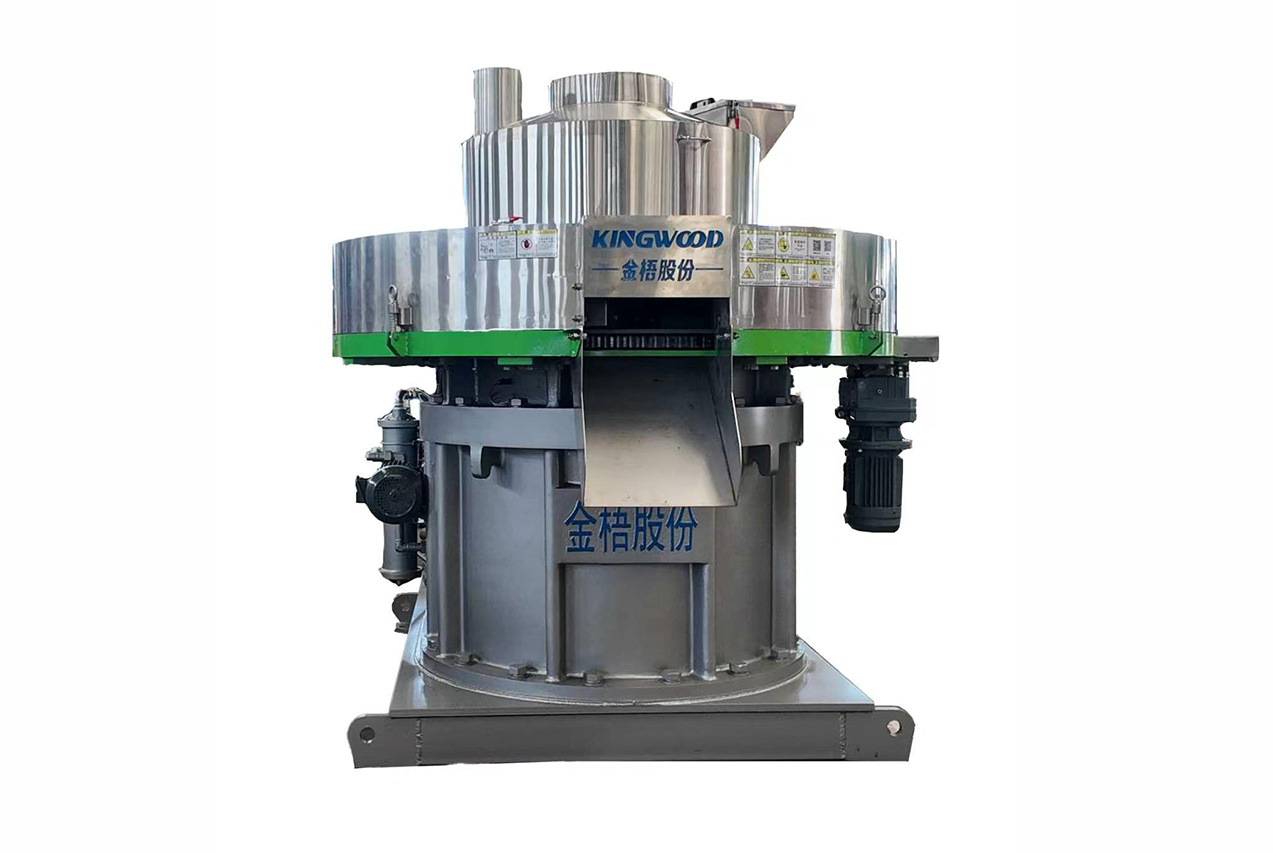
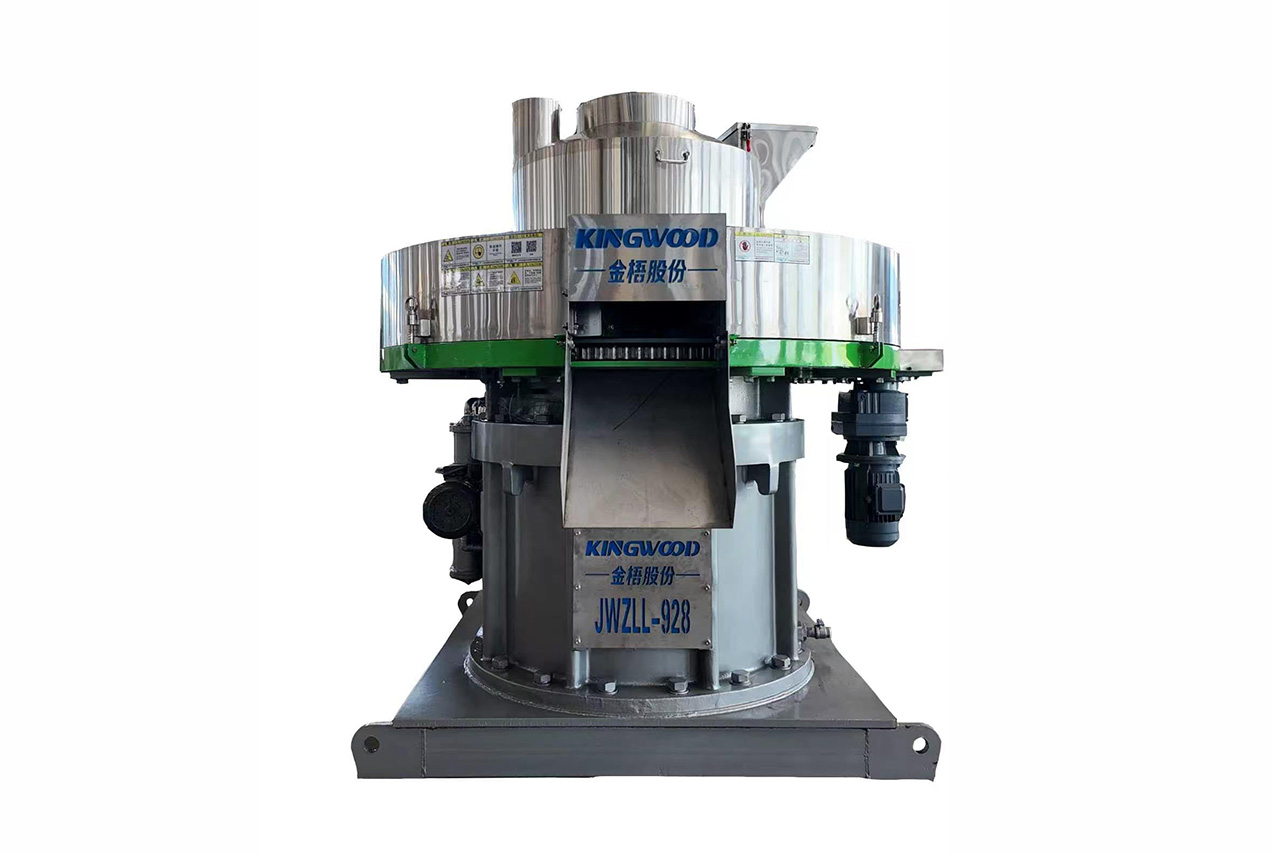
Horizontal ring-die mills are the standard for large-scale Vietnamese export plants. Vertical ring-die configurations offer a smaller footprint and gravity-assisted feeding—an advantage on sites with limited floor area or where civil-works cost is a constraint. The civil-works cost difference between horizontal and vertical configurations is typically $5,000–$15,000 for a single-mill installation, depending on foundation depth requirements.
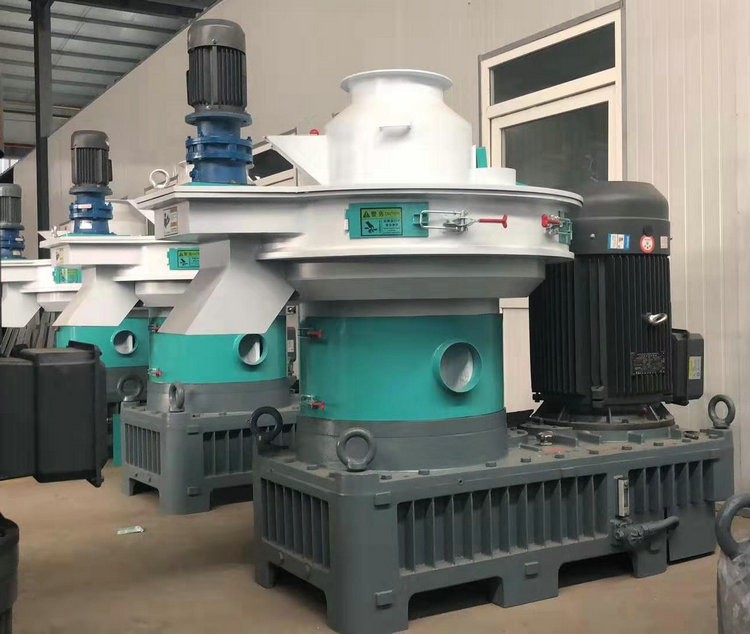
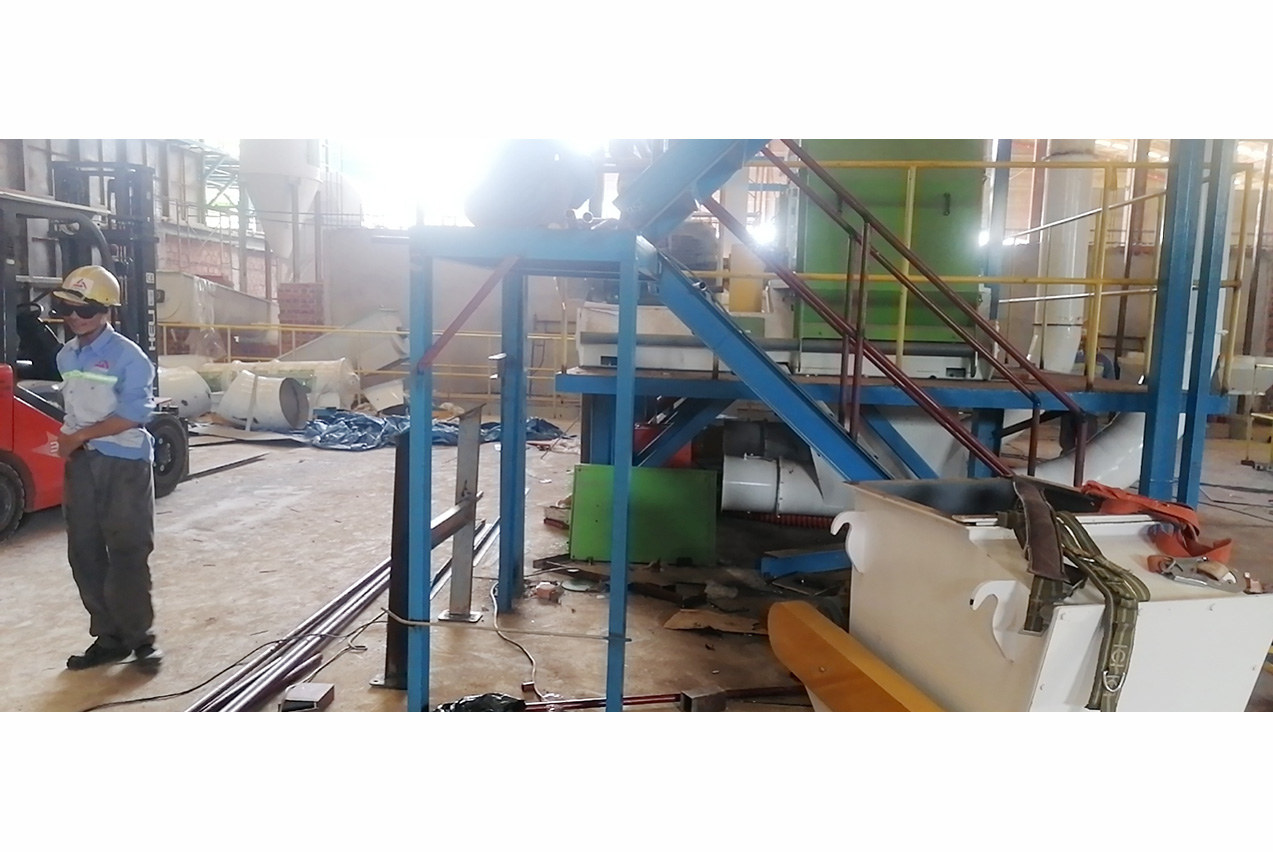
A complete EPC or turnkey quote should include more than the pellet mill itself. Buyers who focus only on mill price routinely find that ancillary equipment, installation, and commissioning add 60–100% to the headline number.
Pellet mill auxiliary equipment (coolers, conveyors, dust collectors) is frequently underspecified in low-cost quotes, only to become a bottleneck at commissioning.
Buyers producing for export markets should require ISO 9001 (quality management), ISO 14001 (environmental management), and CE certification from any equipment supplier. These are not formalities: Japanese and EU utility buyers routinely audit production facilities and will reject pellets from plants using non-certified equipment. Kingwood holds all three certifications and serves as a Deputy Director Member Unit of the China Biomass Energy Industry Alliance.
Ask suppliers specifically: - Where are spare parts warehoused for the Vietnam market? (In-country stock vs ship from China?) - What is the on-site response time if the mill goes down? - Is commissioning support included in the contract or billed separately?
Kingwood has completed over 2,000 production line projects across 30+ countries per its 2024 company profile, and maintains a global operation and maintenance service network that covers Vietnam. This track record is verifiable—buyers should request reference contacts from operating Vietnamese customers.
When comparing quotes, ask for the die's compression ratio (length-to-diameter ratio of the hole), die material grade, and roller-shell surface treatment. Cheaper dies use lower-alloy steel; Kingwood ring dies are manufactured using fully automatic CNC drilling machines with vacuum heat treatment, which improves hole surface smoothness and extends working life. A die that fails 200 hours earlier than expected—common with low-grade alternatives—costs more in lost production than the price difference between suppliers.
Kingwood biomass machinery manufacturer has operated in the Vietnamese market since at least 2020, supplying equipment to AVP Group's 24 t/h central Vietnam plant and multiple forestry and energy producers across the country. Machines manufactured by Kingwood currently produce over 3 million tons of wood pellets annually across customer factories worldwide per its 2024 company profile.
For Vietnamese buyers, the practical advantages are:
To receive an accurate price and layout proposal, prepare the following information:
With this information, Kingwood's engineering team can provide a process flowchart, plant layout drawing, equipment list, and cost estimate—typically within 5–7 working days for standard configurations.
For a complete line ordered CIF Ho Chi Minh City or Da Nang, equipment manufacturing lead time is typically 45–75 days from deposit receipt, depending on order complexity. Sea freight from Liyang, Jiangsu to Vietnamese ports adds 12–18 days. Total time from signed contract to equipment arrival on-site is generally 60–90 days. Buyers should budget an additional 15–30 days for installation and commissioning before commercial production begins.
A single ring-die pellet mill unit (e.g., JWZL-688D at 3–3.5 t/h) typically costs between $30,000–$60,000 FOB China, while a complete 10 t/h automated production line including dryer, hammer mill, and conveyors can reach $200,000–$350,000 landed in Vietnam. Import duties on machinery under HS 8479 are 0–5% per Vietnam's 2024 MFN tariff schedule.
Based on a real Kingwood deployment, a 12 t/h JWZL-688 line processing acacia and rubber wood in Vietnam achieved full payback in approximately 23 months. Payback speed depends on pellet selling price (averaging $135–$145/ton FOB Vietnam in 2024 per Argus Media), utilisation rate, and feedstock cost.
Buying only the pellet mill saves upfront capital but typically increases total project cost due to integration complexity, mismatched equipment specs, and higher installation labour. Kingwood's EPC/turnkey contracts cover equipment manufacturing, plant layout, installation, and commissioning, reducing risk for buyers who lack in-house engineering teams.
Equipment should carry ISO 9001 quality management and ISO 14001 environmental certification at minimum; CE certification is important if the plant's output will be exported to the EU, which received over 70% of Asia's wood pellet exports per Bioenergy Europe 2023 data. Kingwood holds all three certifications and is a Deputy Director Member of the China Biomass Energy Industry Alliance.
Vietnamese pellet plants predominantly process acacia plantation wood, rubber wood offcuts, and wood chips from sawmills—all suitable for ring-die mills producing pellets with a calorific value of approximately 4,800 kcal/ton. Some operations also process rice husk and bamboo, which may require adjusted die specifications and pre-treatment equipment.

Wood Biomass Machinery Manufacturer


 English
 日本語
日本語
 한국어
한국어