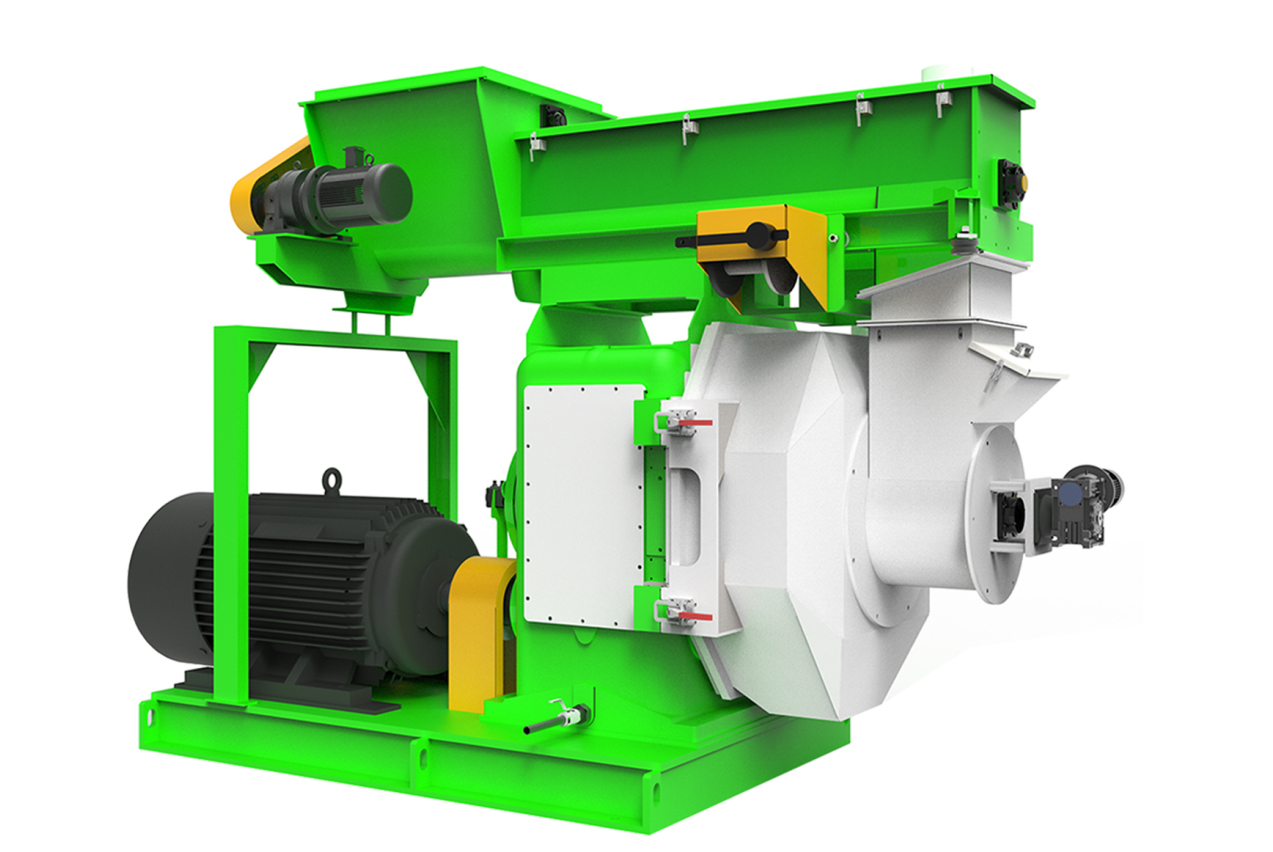
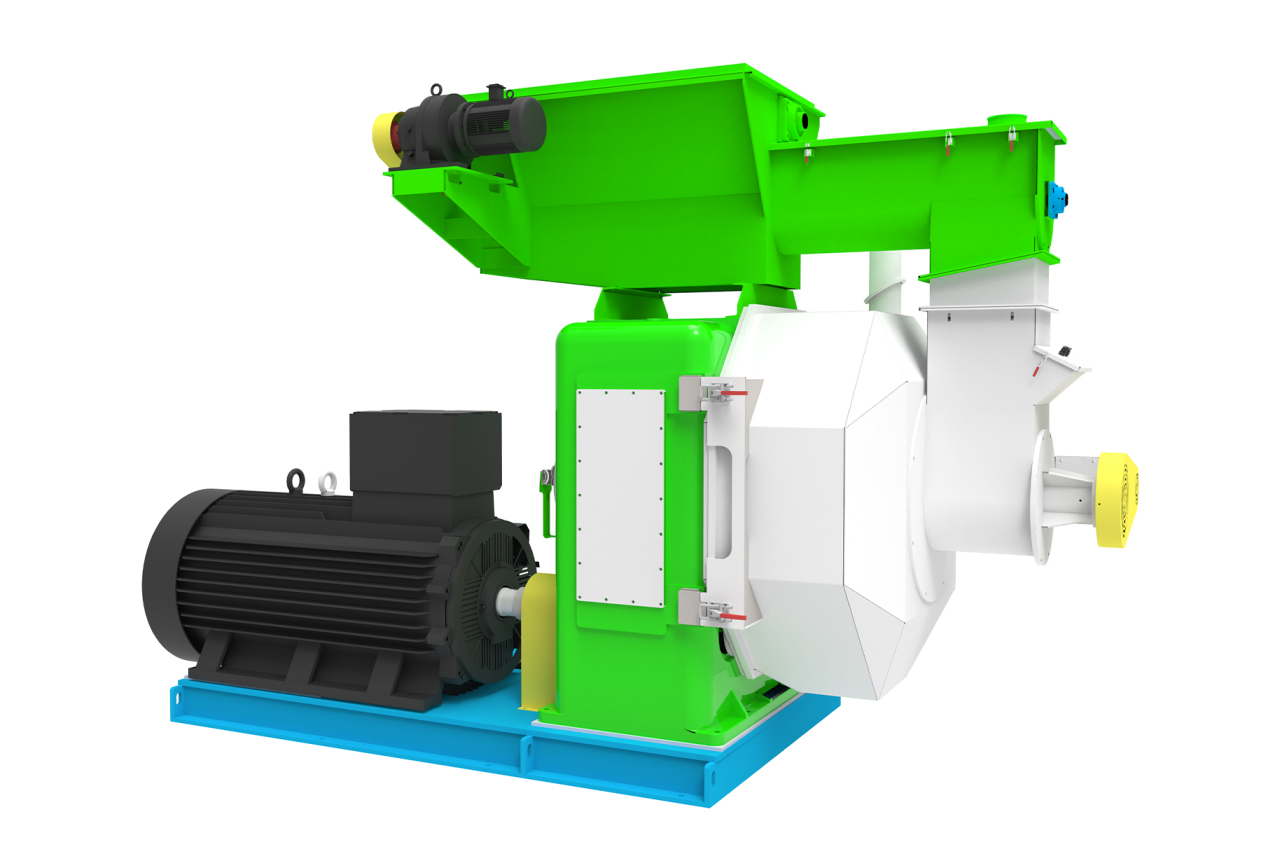
If you are evaluating a wood pellet mill for sale vietnam, the single most expensive mistake is choosing capacity based on budget alone rather than feedstock and market data. This guide covers the variables that actually determine which mill size and configuration will work for your site. Kingwood biomass machinery manufacturer has completed more than 2,000 production line projects across 30+ countries, including multiple large-scale deployments in Vietnam, and the figures cited below reflect real project outcomes rather than marketing estimates.
Vietnam exported approximately 3.8 million tonnes of wood pellets in 2023 per the Vietnam Timber and Forest Product Association (VIFORES) 2024 report, making it the second-largest wood pellet exporter in Asia after Malaysia. That volume has grown from under 1 million tonnes a decade ago, driven almost entirely by demand from Northeast Asian power utilities.
Japan accounted for roughly 60% of Vietnamese wood pellet imports per IEA Bioenergy 2023 data, with South Korea taking most of the remainder. Both markets run feed-in tariff (FIT) programs that lock in long-term offtake contracts for biomass power generation, creating predictable demand for compliant pellet producers in Vietnam.
Vietnam's plantation forestry base—primarily acacia and rubber wood—gives producers a reliable, low-cost raw material supply that European or North American competitors cannot easily replicate. Acacia grows to harvesting size in 5–7 years, and residues from rubber wood processing are abundant in the southern provinces. Both feedstocks pelletize well when properly dried, and neither requires the bark separation steps that complicate softwood processing in Scandinavia.
The challenge is moisture. Fresh-cut acacia arrives at sawmills with 45–55% moisture content, which is well above the 10–14% required at the pellet mill inlet. That gap defines much of the capital equipment decision for any new Vietnamese operation.
The optimal pelletizing moisture is 10–14% per IEA Bioenergy Task 40 2023 guidelines. At moisture levels above 18%, pellets will not bind correctly inside the die, causing the mill to generate powder rather than formed pellets. Below 8%, the material becomes brittle and wear rates on the ring die and roller shells increase significantly—we have seen ring dies fail in under 400 hours when operators try to pelletize over-dried softwood sawdust without adding conditioning steam.
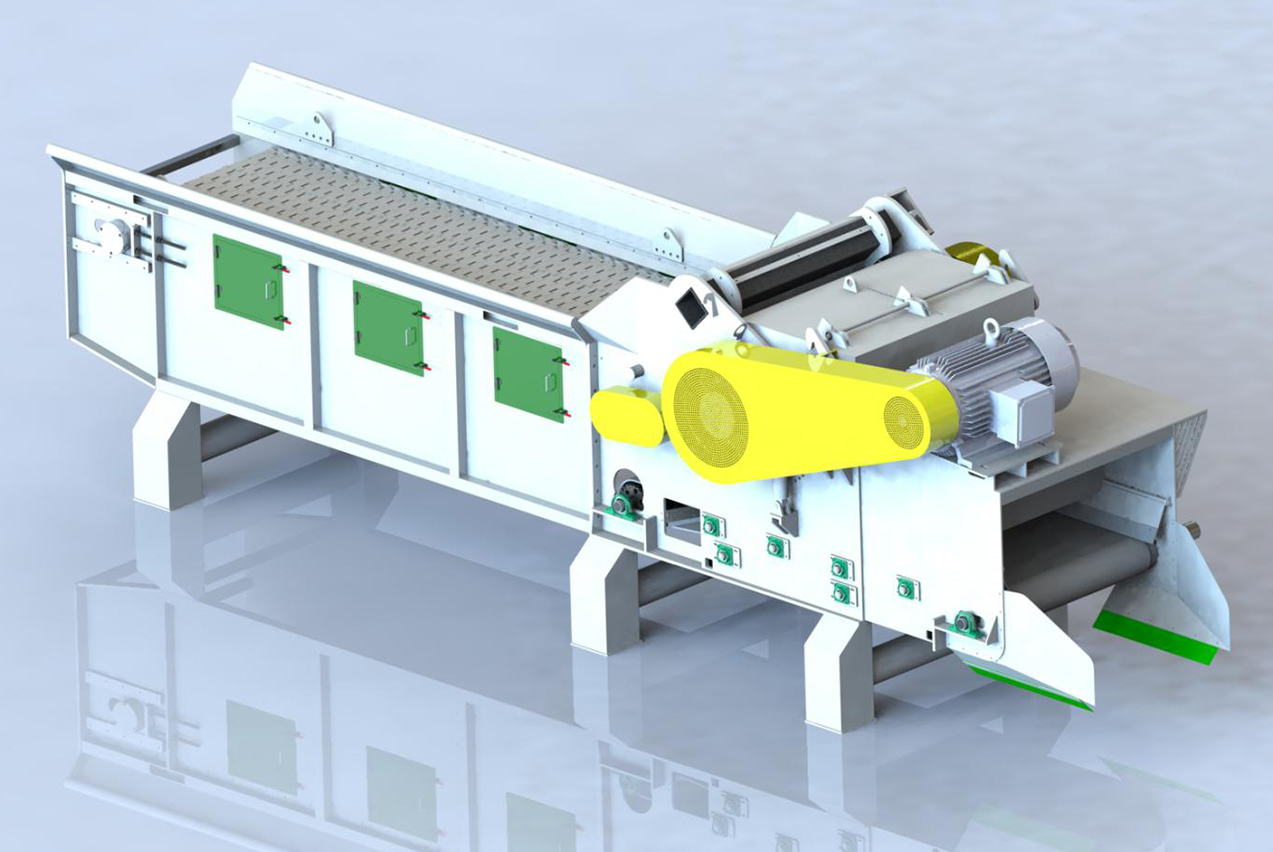
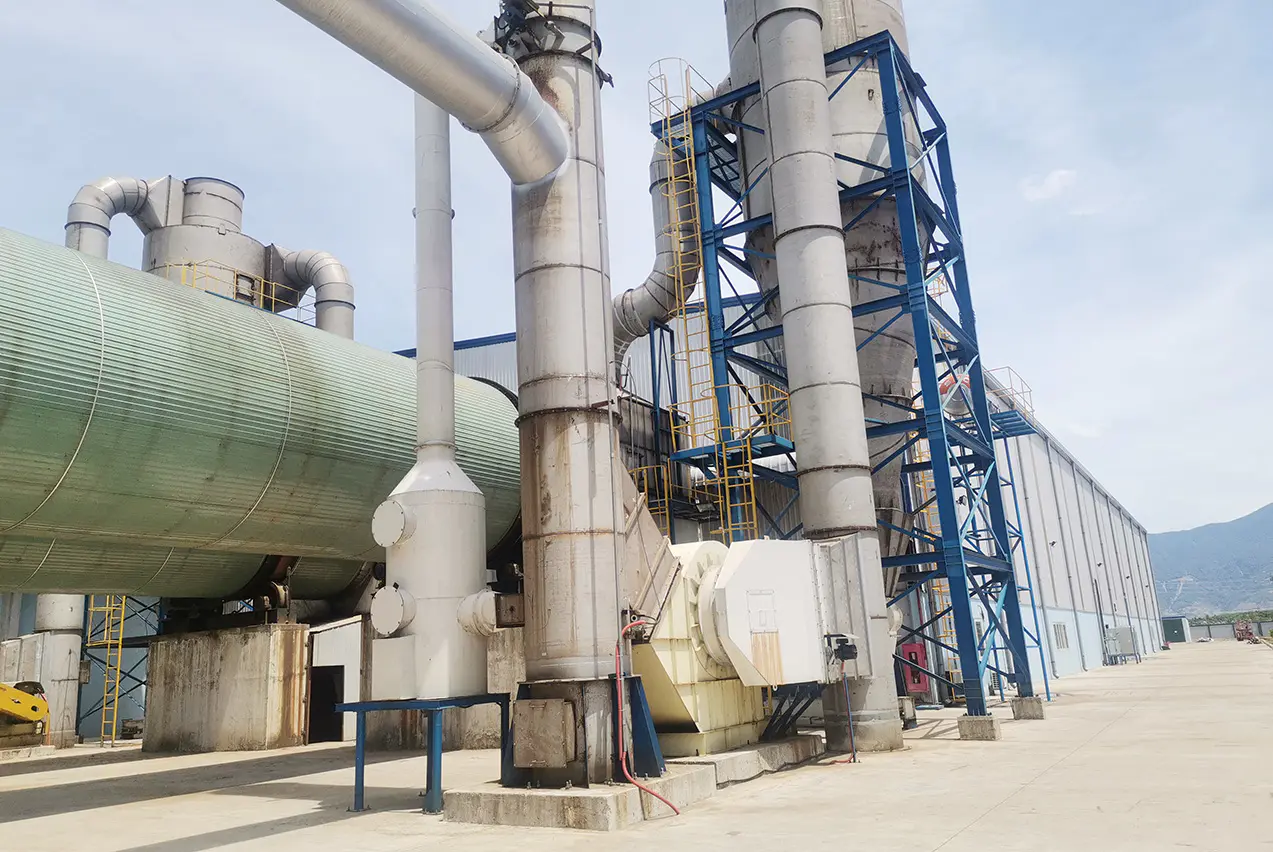
For Vietnamese acacia and rubber wood arriving at 45–55% moisture, a rotary drum dryer upstream of the pellet mill is not optional—it is mandatory. A drum dryer capable of handling your total throughput needs to be sized to your pellet mill cluster, not as an afterthought. A biomass hammer mill for wood chip preprocessing is also required before drying if your feedstock arrives as whole chips or logs rather than sawdust.
| Feature | Flat Die Pellet Mill | Ring Die Pellet Mill |
|---|---|---|
| Suitable output range | Under 500 kg/h | 500 kg/h to 30+ t/h |
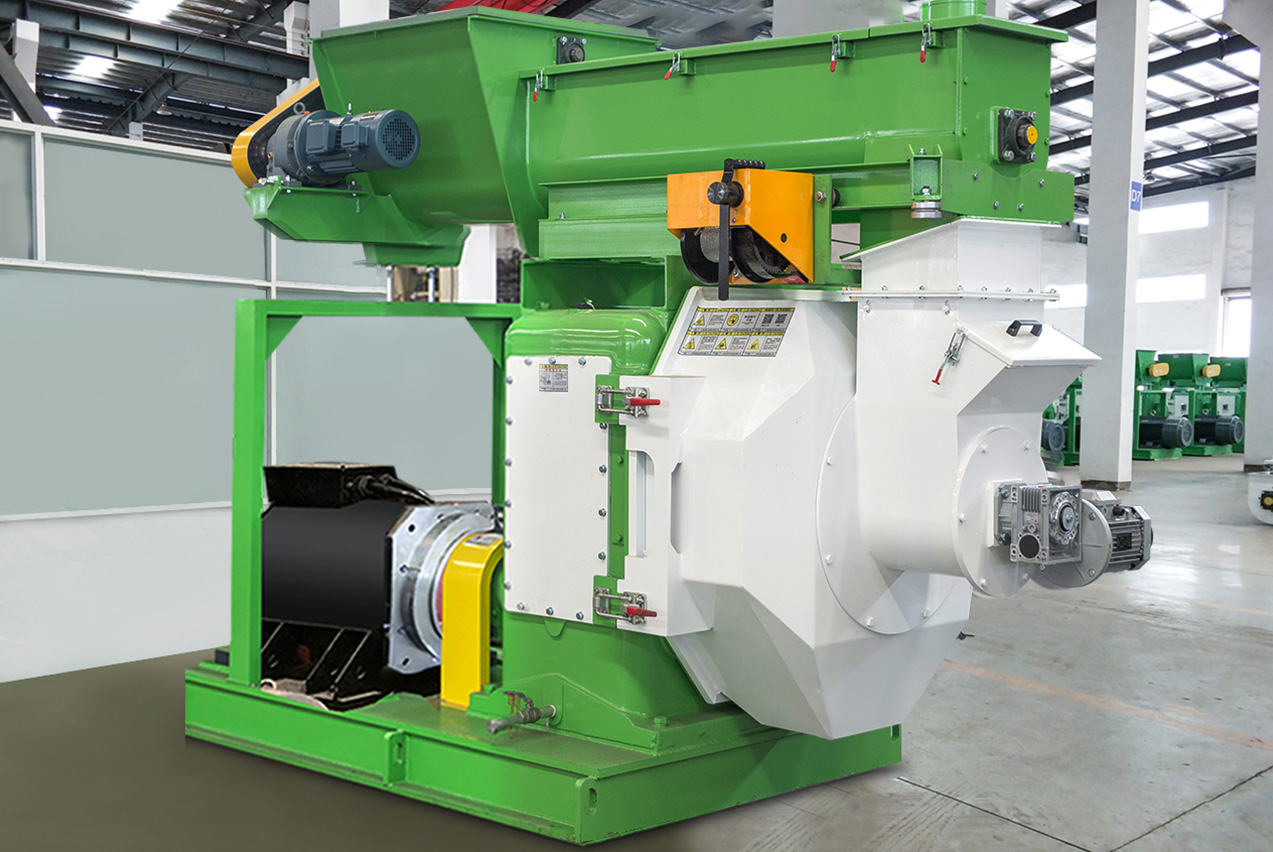
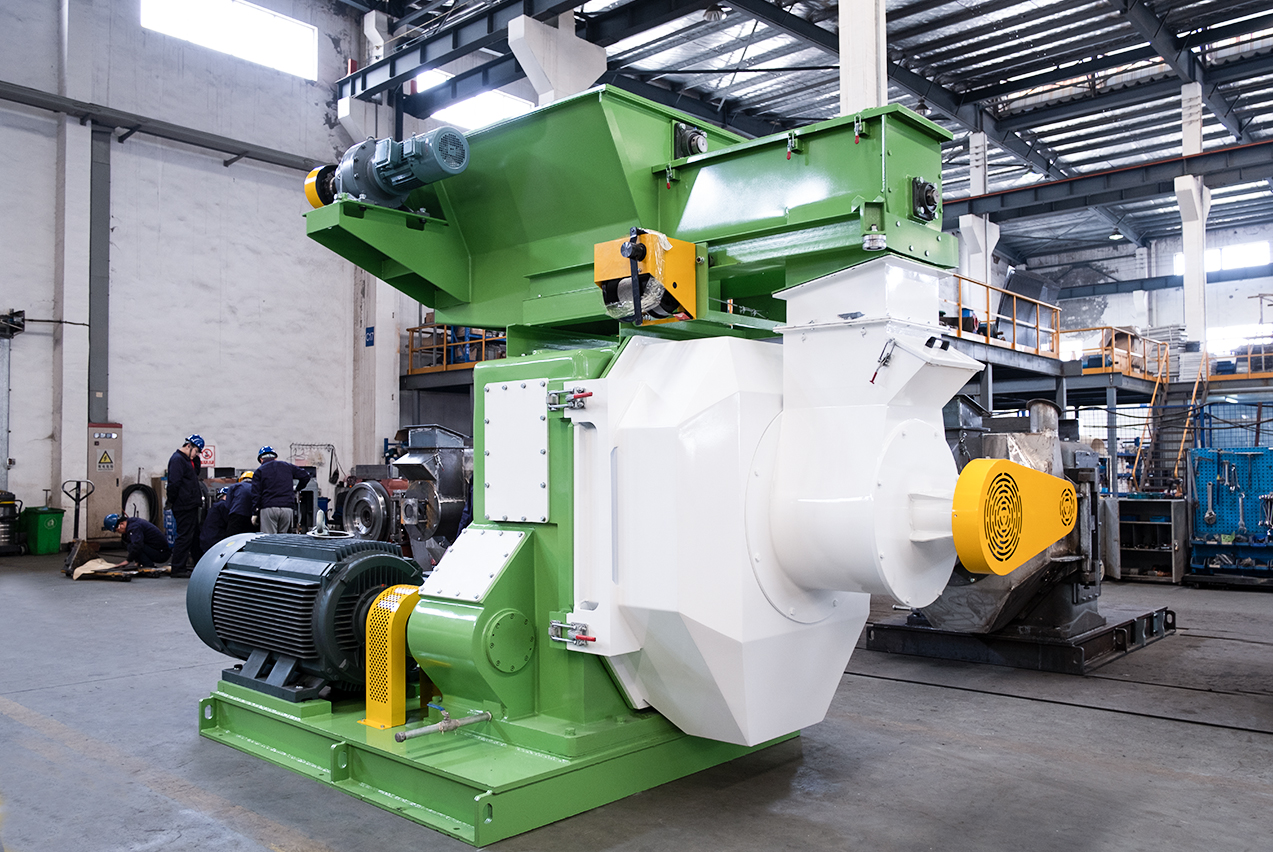
| Drive mechanism | Die is stationary; rollers rotate | Die rotates; rollers are stationary |
| Throughput consistency | Moderate | High |
| Maintenance frequency | Higher at scale | Lower per tonne produced |
| Typical application | Small farm, trial batches | Commercial export production |
| Capital cost | Lower | Higher, but lower cost per tonne |
For any Vietnamese operation targeting export markets, flat die mills are not competitive. A minimum viable export operation starts at 5–10 t/h total output, which already requires ring die technology.
Vietnamese acacia sawdust, when dried to 10–14% moisture and pelletized correctly, should achieve bulk density above 600 kg/m³. This matters for ocean freight: below 580 kg/m³, your container fill weight drops, increasing effective shipping cost per tonne of energy delivered to Japanese buyers. Die hole diameter for standard 6 mm pellets and the length-to-diameter (L/D) ratio of the die channels must be matched to your specific feedstock. Acacia, being a dense hardwood, generally requires a higher L/D ratio than softwood to generate sufficient compression pressure.
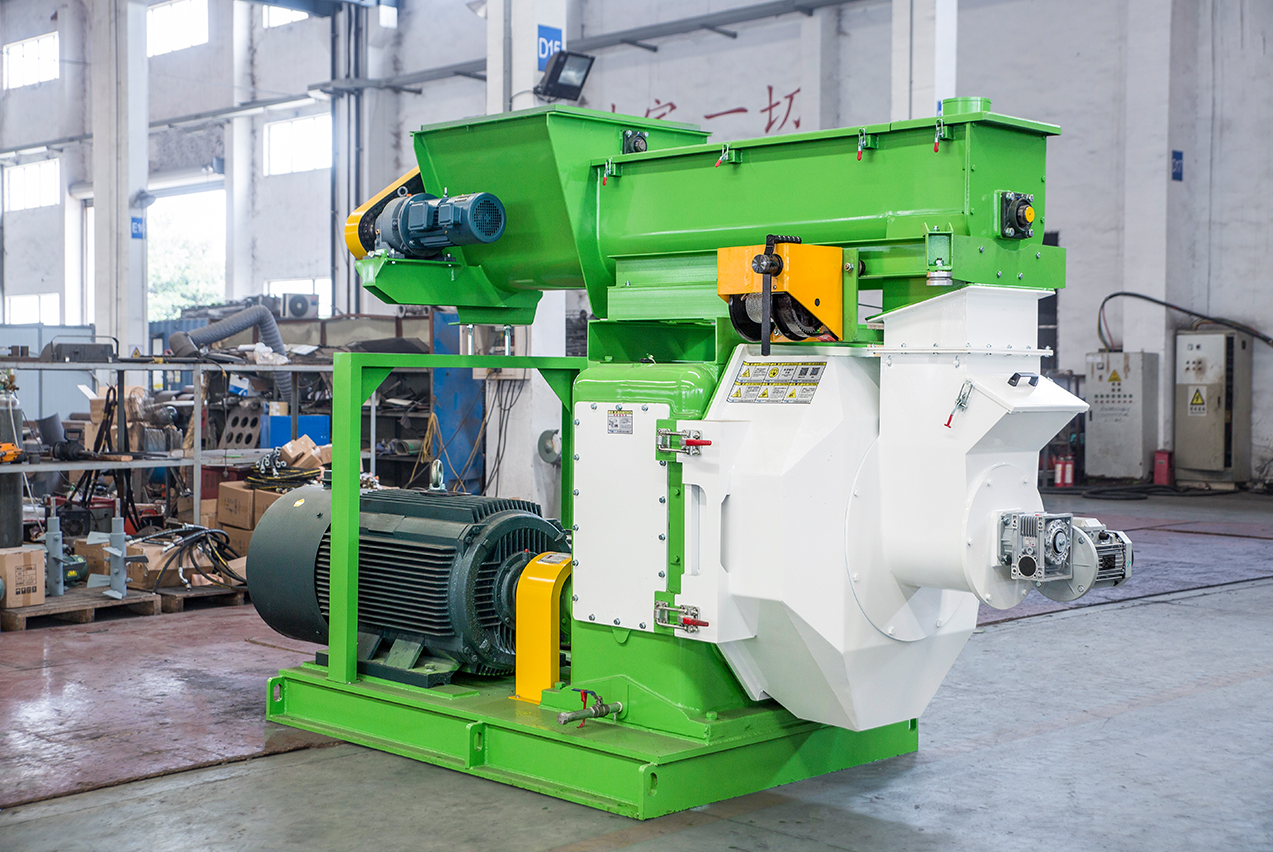
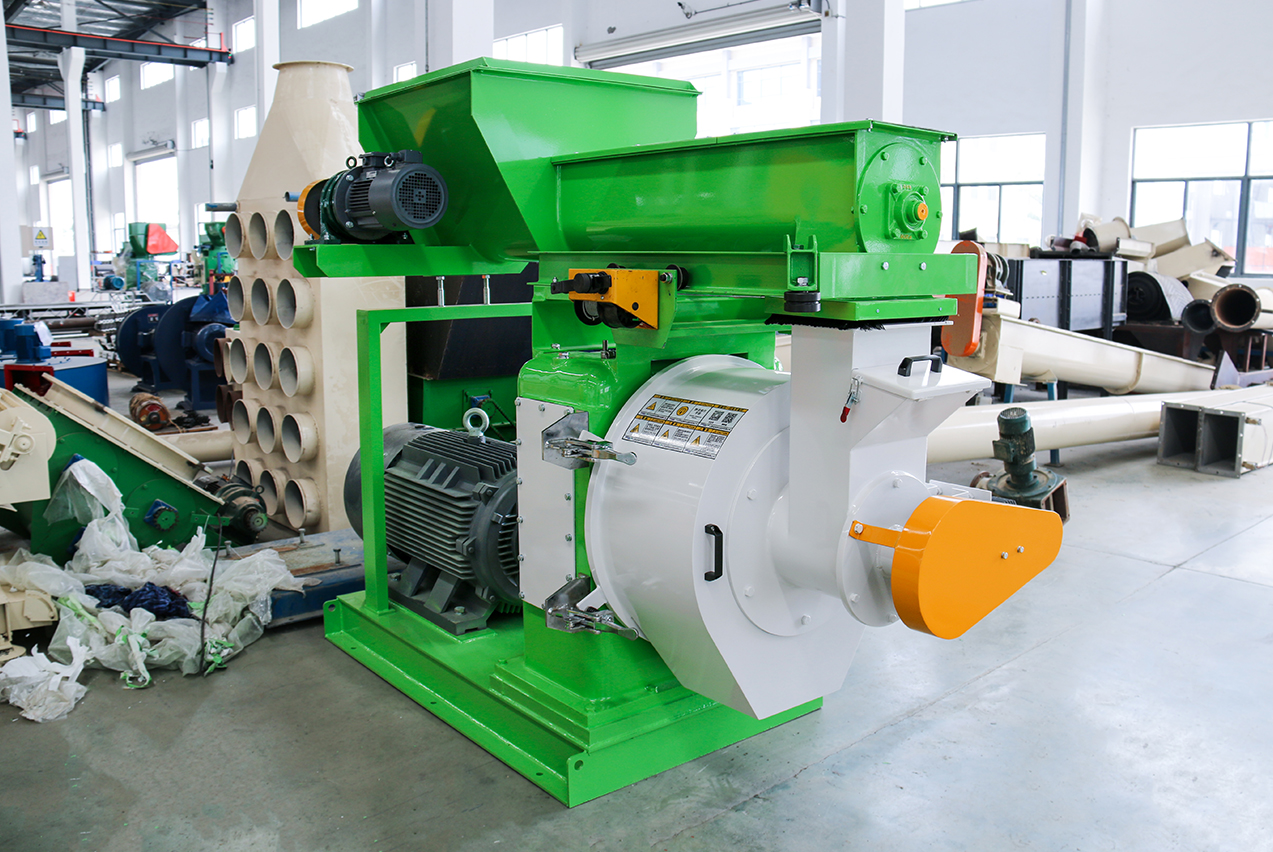
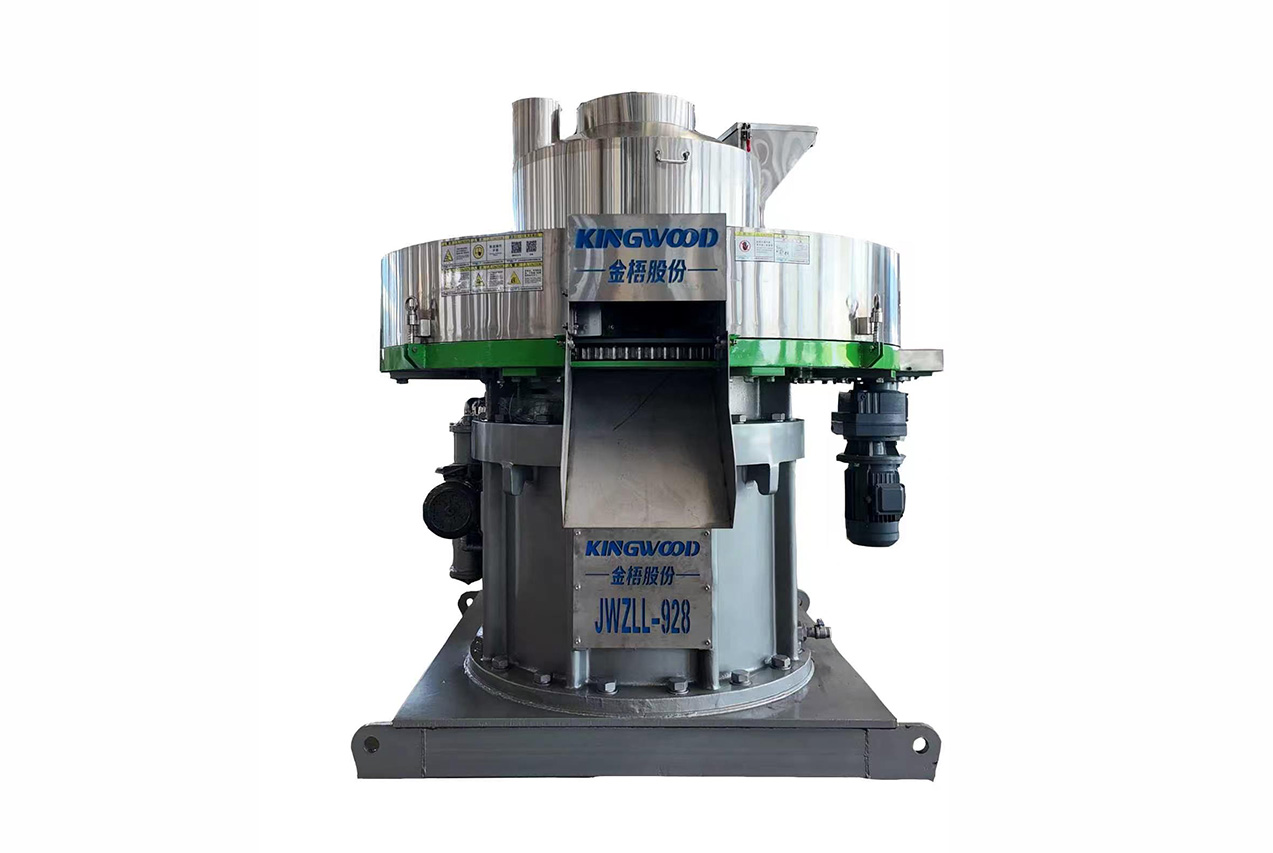
When Vietnamese buyers search for a wood pellet mill for sale vietnam, they encounter a wide range of Chinese, European, and locally assembled machines. The table below focuses on Kingwood's ring die models, which have documented deployments in the Vietnamese market, and shows how multiple units are combined to reach total line capacity.
| Model | Output per Unit | Main Motor Power | Pellet % | Powder % | Noise | Best Fit |
|---|---|---|---|---|---|---|
| JWZL-420 | 1–1.5 t/h | ~90 kW | ≥90% | ≤10% | ≤93 dB(A) | Pilot lines, small operations |
| JWZL-688 | 2–2.3 t/h | ~132 kW | ≥90% | ≤10% | ≤93 dB(A) | Mid-scale, multiple unit arrays |
| JWZL-688D | 3–3.5 t/h | 200 kW servo motor | ≥90% | ≤10% | ≤93 dB(A) | High-throughput single-unit |
| JWZL-860 | 4–5 t/h | ~280 kW | ≥90% | ≤10% | ≤93 dB(A) | Large export-scale lines |
The JWZL-688D uses a TYL series liquid-cooled high-efficiency permanent magnet synchronous servo motor, which delivers better torque consistency at varying feedstock densities compared to standard induction motor drives. This matters for Vietnamese operations where feedstock moisture and chip size are not always tightly controlled.
See the full specification sheets on the Kingwood industrial ring die pellet mill models page.
To reach 10 t/h total output, operators typically deploy four to five JWZL-688D units or two to three JWZL-860 units in parallel. A real deployment benchmark: Kingwood's JWZL-688 units delivered 8 t/h in an Inner Mongolia power generation project, and a Vietnam 12 t/h line using JWZL-688 units achieved payback in 23 months per Kingwood project data. For 20–30 t/h, Kingwood has delivered JWZL-860 configurations in Indonesia at both 20 t/h and 30 t/h scale.
The key spec that Vietnamese buyers frequently overlook when comparing offers is the pellet percentage (≥90%) and powder percentage (≤10%) guarantee. A mill that produces 15% powder wastes feedstock and requires re-processing, cutting effective throughput and raising per-tonne costs. Confirm these figures are stated in the equipment contract, not just in marketing materials.
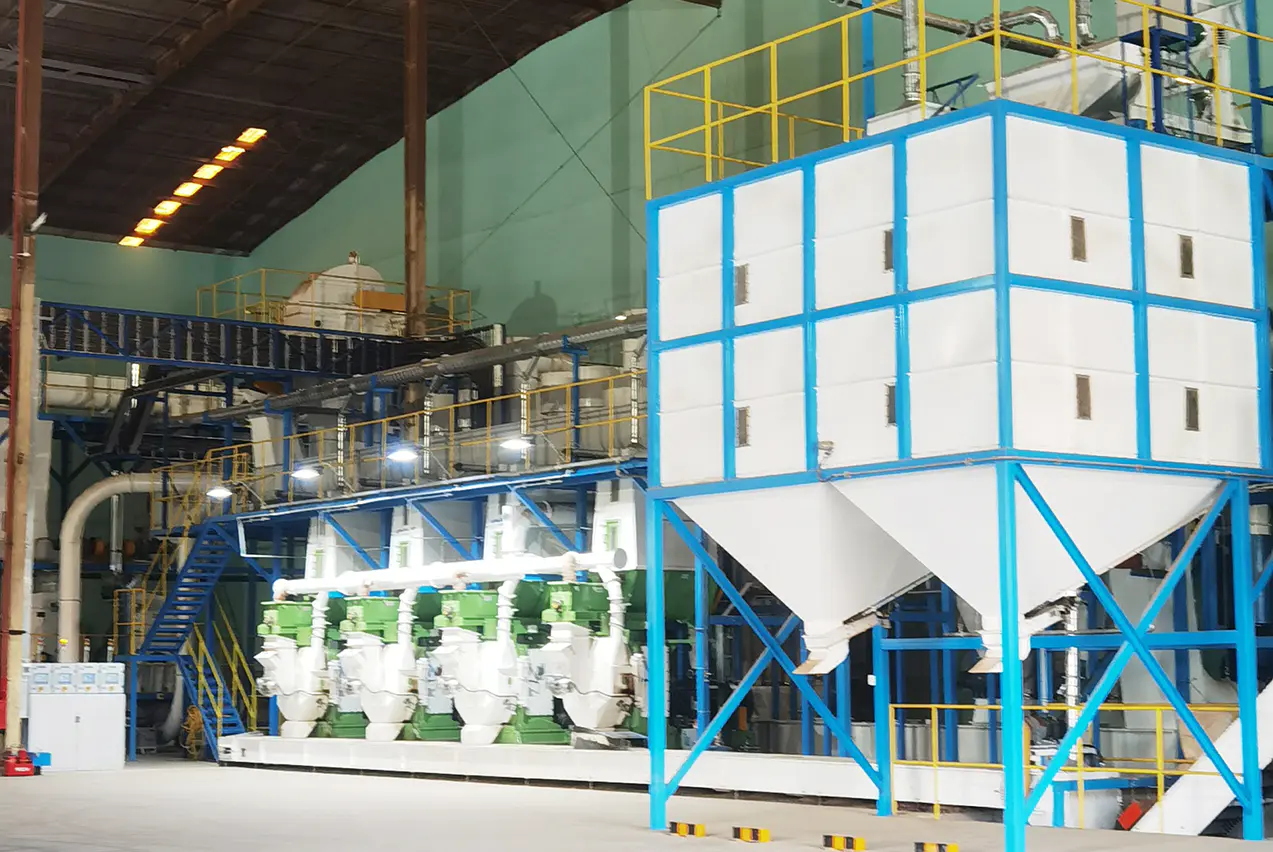
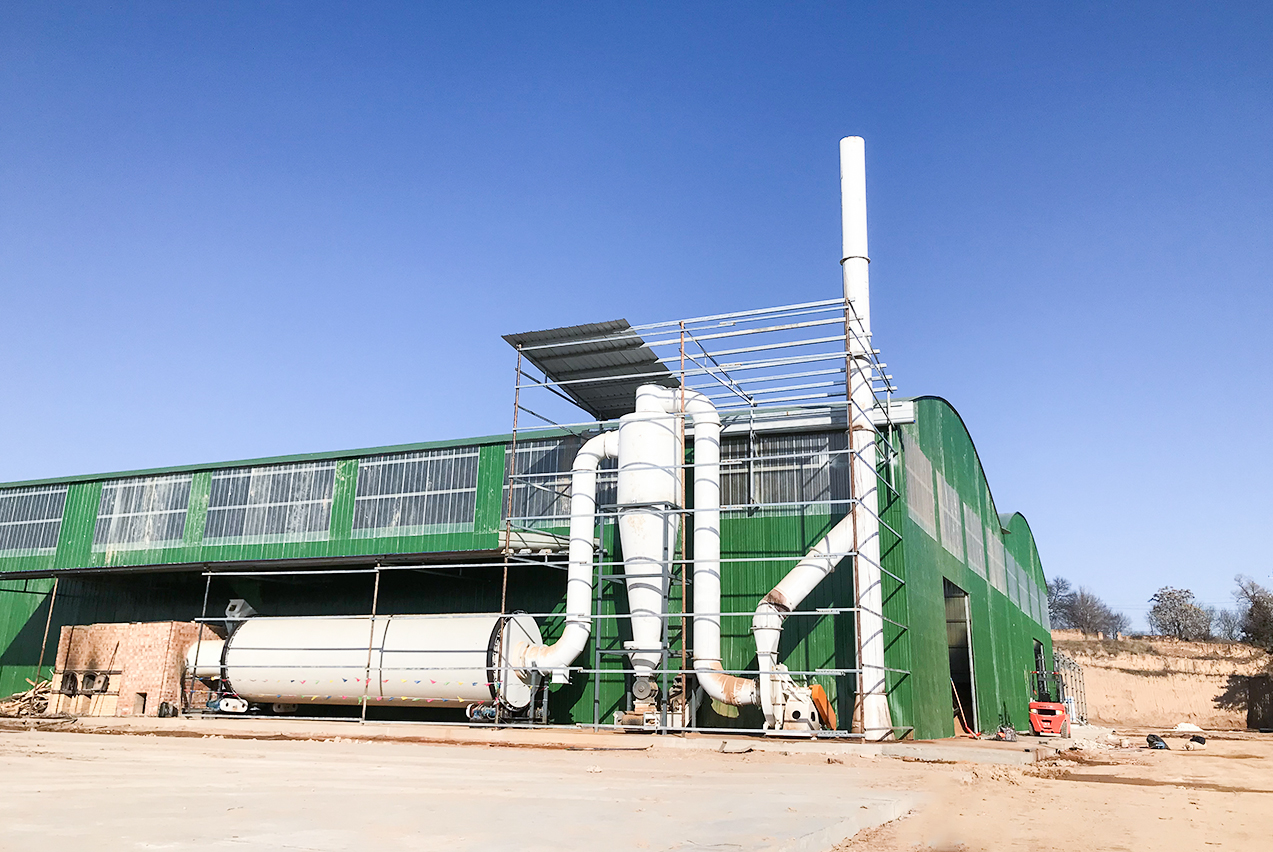
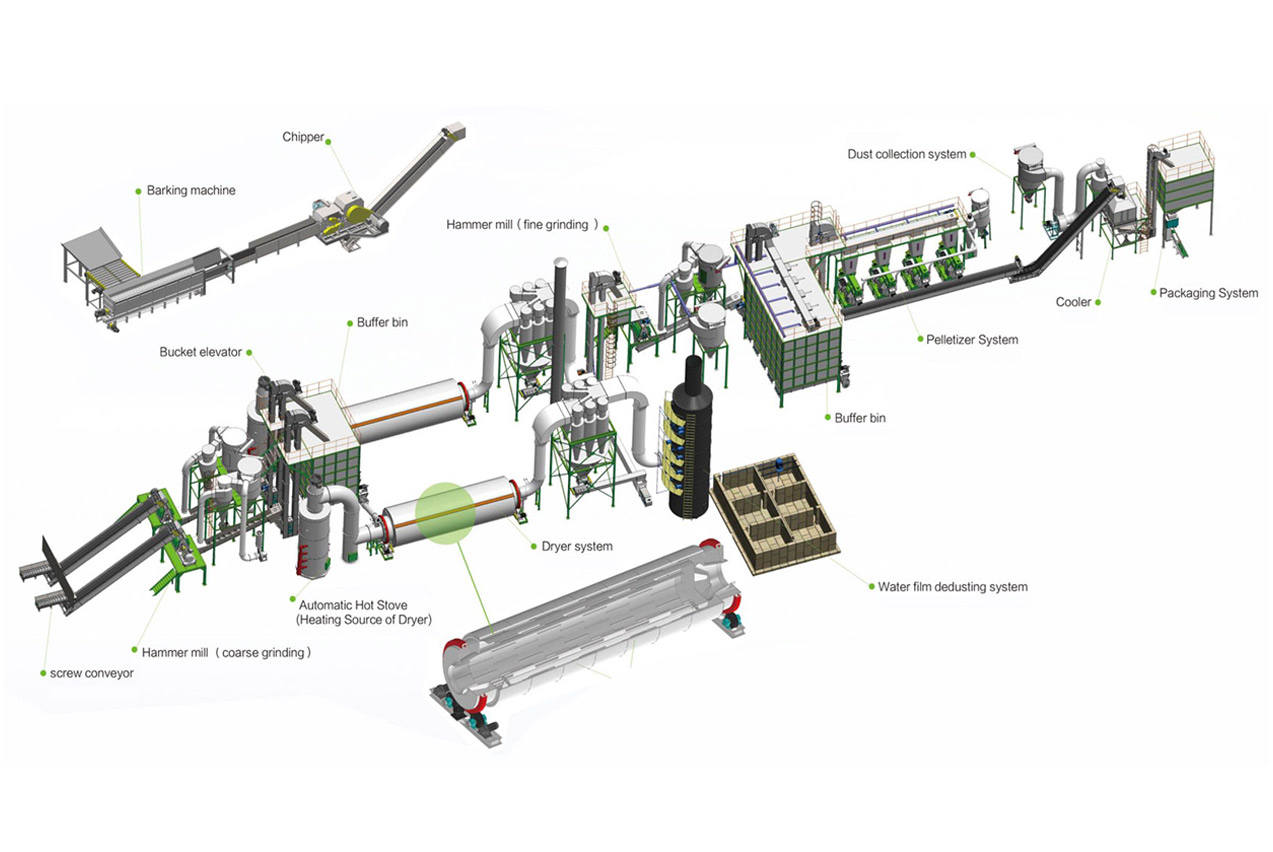
A complete wet-feed biomass pellet line for Vietnamese acacia or rubber wood typically covers six stages: crushing → coarse grinding → drying → fine grinding → pelletizing → packaging. Each stage requires matched capacity—if your drum dryer can only handle 8 t/h dry output but your pellet mill cluster runs at 12 t/h, you will create bottlenecks that force you to throttle the entire line.
Kingwood has designed 2,000+ production line projects across 30+ countries per company data 2024. One of the most relevant Vietnam references is the 24 t/h line for AVP Group in central Vietnam, completed June 2021. AVP Group—Asia's largest power company and a leading sustainable biomass supplier—invested USD 10 million in that plant and awarded the tender to Kingwood following competitive bidding. The installation was completed in approximately 9 months despite COVID-19 logistics disruptions, which required Kingwood's engineers to manage shipping delays and remote commissioning support phases before on-site access was restored.
Explore the full complete biomass wood pellet production line configuration options.
| Scenario | Recommended Approach |
|---|---|
| New greenfield site in Vietnam | Full EPC turnkey line—integrated design avoids bottlenecks |
| Existing line with failed pellet mills | Single machine replacement with matched specs |
| Capacity expansion of existing plant | Add pellet mill units + verify dryer and cooling capacity |
| Upgrading aging line with dust problems | Three-Standardization Framework retrofit (dust-free, automated) |
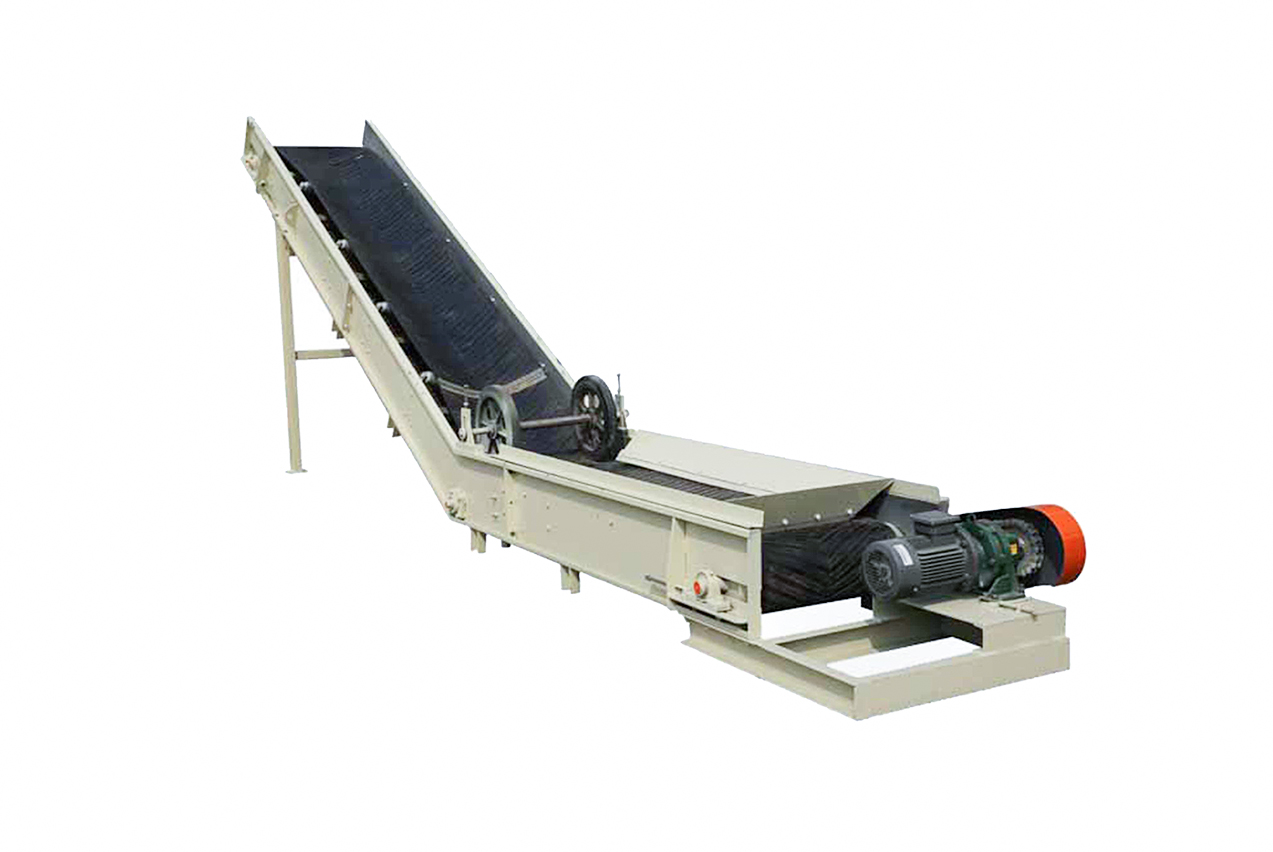
For wood chip feedstock (as opposed to clean sawdust from a furniture factory), the minimum auxiliary set includes: drum dryer, hammer mill, enclosed conveying system, pellet cooler, dust collection system, and automatic packaging. The pellet mill auxiliary equipment including coolers and conveyors must be sized and integrated at the design stage—not added later.
Kingwood's Three-Standardization Framework—integrated (one supply chain), dust-free (enclosed processing), and automated (minimal manual intervention)—directly reduces operating labor costs in Vietnam, where dust management compliance and worker safety regulations are tightening under Ministry of Industry and Trade oversight.
Japan's wood pellet imports reached approximately 4.25 million tonnes in 2023 per USDA Foreign Agricultural Service 2023 report, making it the dominant destination for Vietnamese pellet exporters. Japanese FIT buyers under the feed-in tariff program specify pellet quality requirements that typically align with or exceed ISO 17225-2 standards for industrial pellets.
The core quality benchmarks Vietnamese producers need to hit for Japanese utility buyers are:
Kingwood's ring die pellet mills achieve PDI above 97.5% and bulk density above 600 kg/m³ on dry acacia or rubber wood sawdust at 10–14% moisture. A calorific value of approximately 4,800 kcal/ton is achievable from clean acacia wood, which sits comfortably above the minimum Japanese FIT threshold and is competitive with ENplus A2 grade specifications (≥4,800 kcal/kg on a net calorific value basis).
Kingwood holds ISO 9001 and ISO 14001 management system certifications and CE certification, which are the documentation categories that Japanese and Korean buyers most commonly request during supplier audits. Vietnamese exporters who can reference their equipment supplier's ISO 9001 certificate alongside their own product test reports move through buyer qualification faster than those using uncertified equipment.
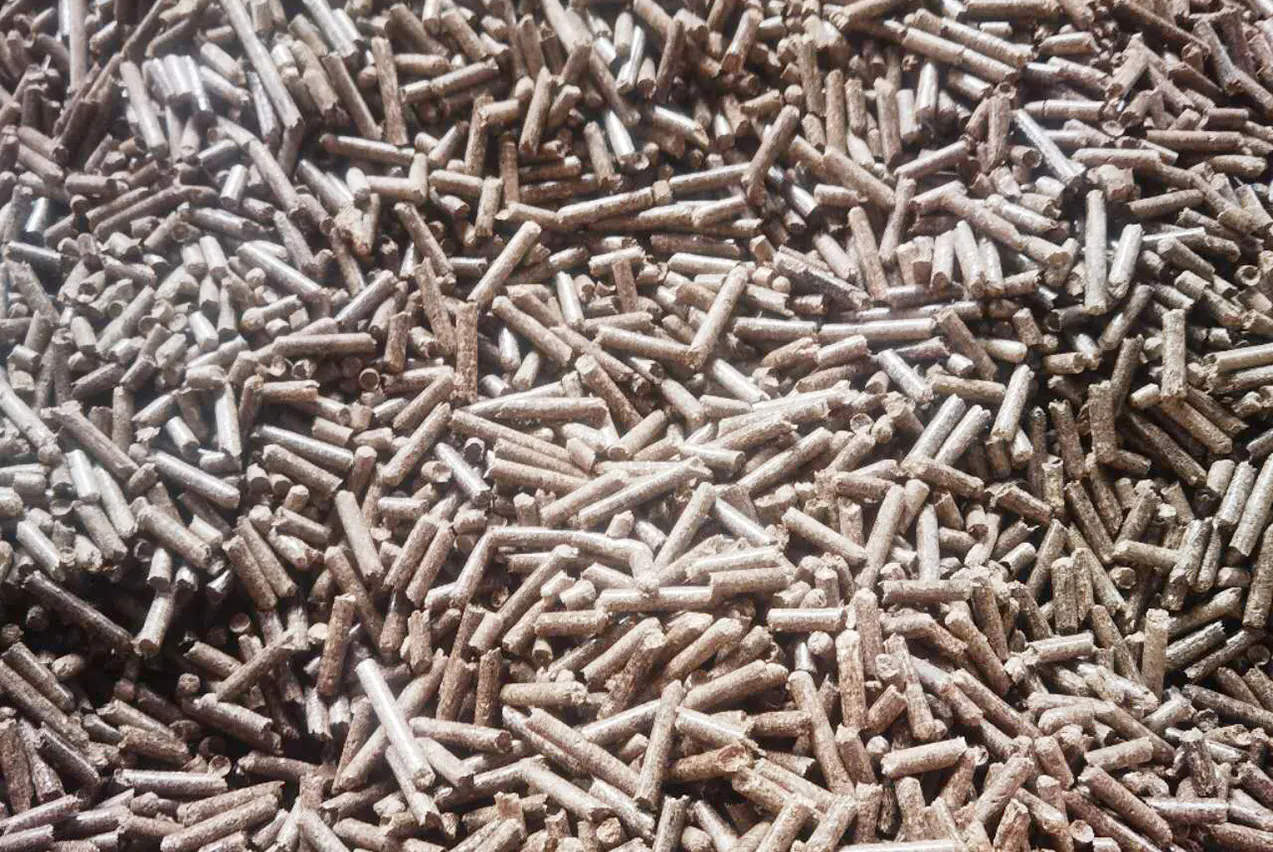
The most directly relevant data point for Vietnamese investors is Kingwood's 12 t/h JWZL-688 line in Vietnam, which achieved payback in 23 months per Kingwood project records. That figure assumes export selling prices prevailing at the time of project evaluation and a capacity utilization rate typical of a well-managed operation (typically 85–90% of nameplate capacity across operating hours).
The global biomass pellet market was valued at approximately USD 12 billion in 2023 and projected to grow at 8–10% CAGR through 2030 per Statista 2024 market report, which supports the long-term revenue assumptions used in Vietnamese project feasibility models.
| Variable | Effect on Payback |
|---|---|
| Pellet FOB selling price (USD/tonne) | Higher price → shorter payback; Vietnamese FOB prices typically USD 120–160/tonne for industrial pellets |
| Capacity utilization rate | Every 10% drop in utilization adds approximately 2–3 months to payback |
| Feedstock cost per tonne | Acacia chips from plantation sources are typically USD 20–40/tonne delivered; lower cost compresses payback |
| Capital cost (Chinese vs. European EPC) | Chinese EPC typically 30–40% lower capital cost → 6–10 months faster payback at same revenue |
| Energy cost for drying | Significant variable; using biomass waste heat for the dryer reduces this cost substantially |
Biomass pellet fuel saves 40–50% versus fuel oil, gas, or electric heating per Kingwood operational data, which explains why industrial boiler customers in Japan and Korea accept a small pellet price premium over coal for compliance reasons.
Evaluating any wood pellet mill for sale vietnam from a Chinese supplier requires going beyond price comparisons. Use these seven questions as a structured evaluation framework.
Ask for factory name, location, and installed capacity—then verify independently if possible. Kingwood's Vietnam references include the AVP Group 24 t/h line in central Vietnam and the 12 t/h line with documented 23-month payback. A supplier that cannot provide specific country references for Vietnam or Southeast Asia has not solved the logistical and technical challenges specific to your region.
Kingwood operates a global O&M service network across 30+ countries and has 35+ R&D and service engineers per 2024 company profile. For Vietnamese buyers, the relevant question is: can an engineer reach your site within 48–72 hours for a critical failure? Confirm which Vietnamese city the supplier's nearest service hub is in, and what the escalation process is if local engineers cannot resolve the issue.
Ring dies, roller shells, and hammer mill blades are consumable items. Ring dies typically last 800–2,500 hours depending on feedstock hardness and lubrication discipline. Our experience with Vietnamese acacia operations shows that buyers routinely under-order roller shells at initial purchase—plan for at least two spare roller shell sets per mill unit from day one. Ask your supplier for a recommended spare parts kit and confirm whether they hold inventory in China or require manufacturing to order.
A complete EPC contract from Kingwood includes: process flowchart, installation drawing, pit drawing, operation instructions, production construction design drawings, and complete electrical wiring diagrams. If a supplier cannot provide these before contract signing, that is a serious due diligence flag.
ISO 9001 (quality management), ISO 14001 (environmental management), and CE certification are the baseline requirements for equipment sold into export-oriented Vietnamese operations. Kingwood holds all three, plus recognition as a Jiangsu Provincial High-Tech Enterprise and Deputy Director Member of the China Biomass Energy Industry Alliance.
Kingwood was founded in 1999 and has 27 years dedicated specifically to biomass pellet equipment R&D and manufacturing, with a joint R&D center with Nanjing University of Agriculture. Compare this to suppliers that entered the biomass market in the last 5–8 years as commodity equipment resellers. R&D history correlates directly with the ability to support non-standard feedstocks and troubleshoot line performance issues after installation.
Turnkey EPC delivery means the supplier takes responsibility for process design, equipment manufacturing, site construction, installation, commissioning, operator training, and handover. Buying individual machines from multiple Chinese suppliers and assembling your own production line is cheaper on paper but transfers integration risk entirely to you. For first-time Vietnamese operators, EPC contracts are strongly advisable.
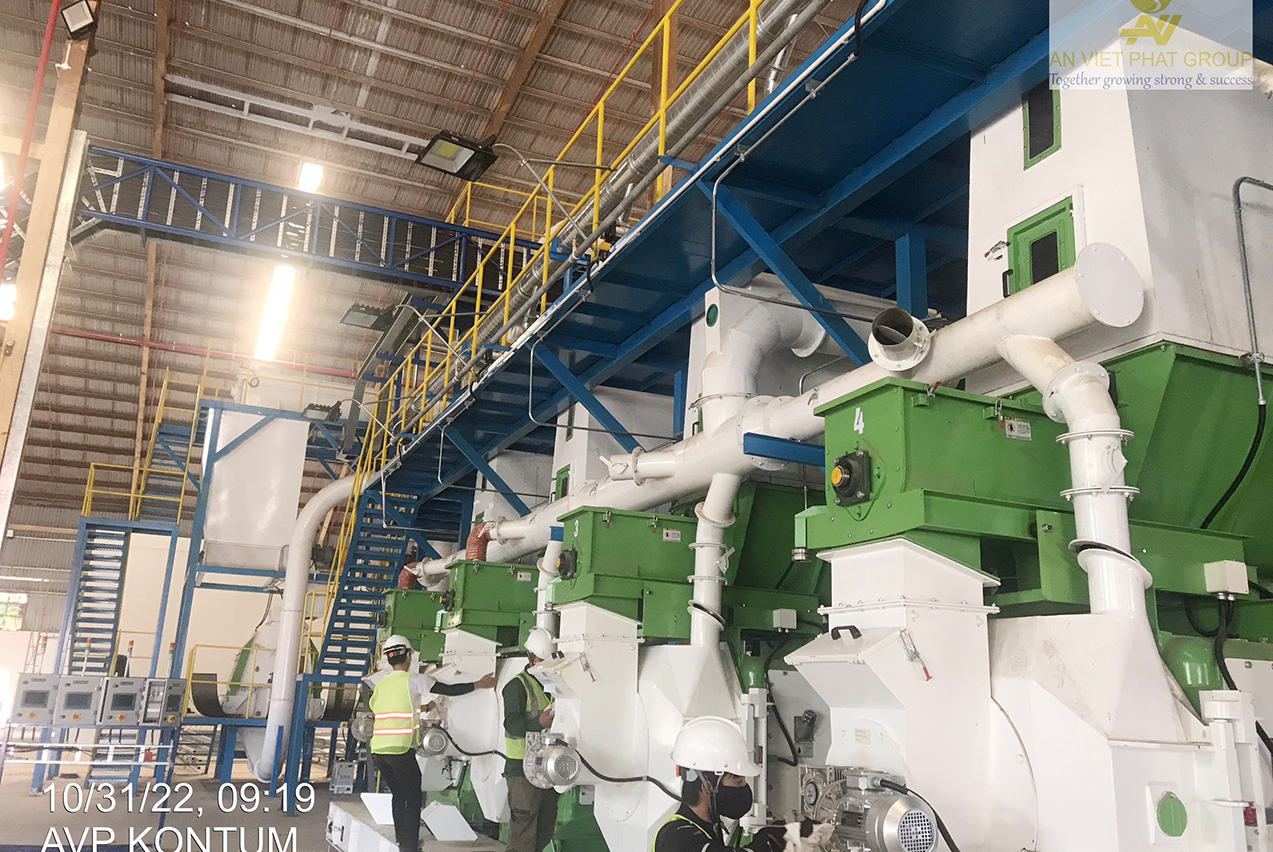
Jiangsu Kingwood Industrial Co., Ltd. (founded 1999, NEEQ-listed, stock code 871765) operates from a 35,000 m²+ facility in Liyang City, Jiangsu Province, with USD 15 million+ in fixed assets and 150 staff including 35+ R&D and service engineers.
For Vietnamese buyers specifically, Kingwood provides:
Over 3 million tonnes of wood pellets are produced annually by Kingwood machines running in customer factories globally. The 10 million+ metric ton annual biomass-fuel project capacity built and operated each year represents a scale of operational experience that is directly relevant when a Vietnamese buyer needs to troubleshoot a feedstock problem at 2 a.m. before a vessel loading deadline.
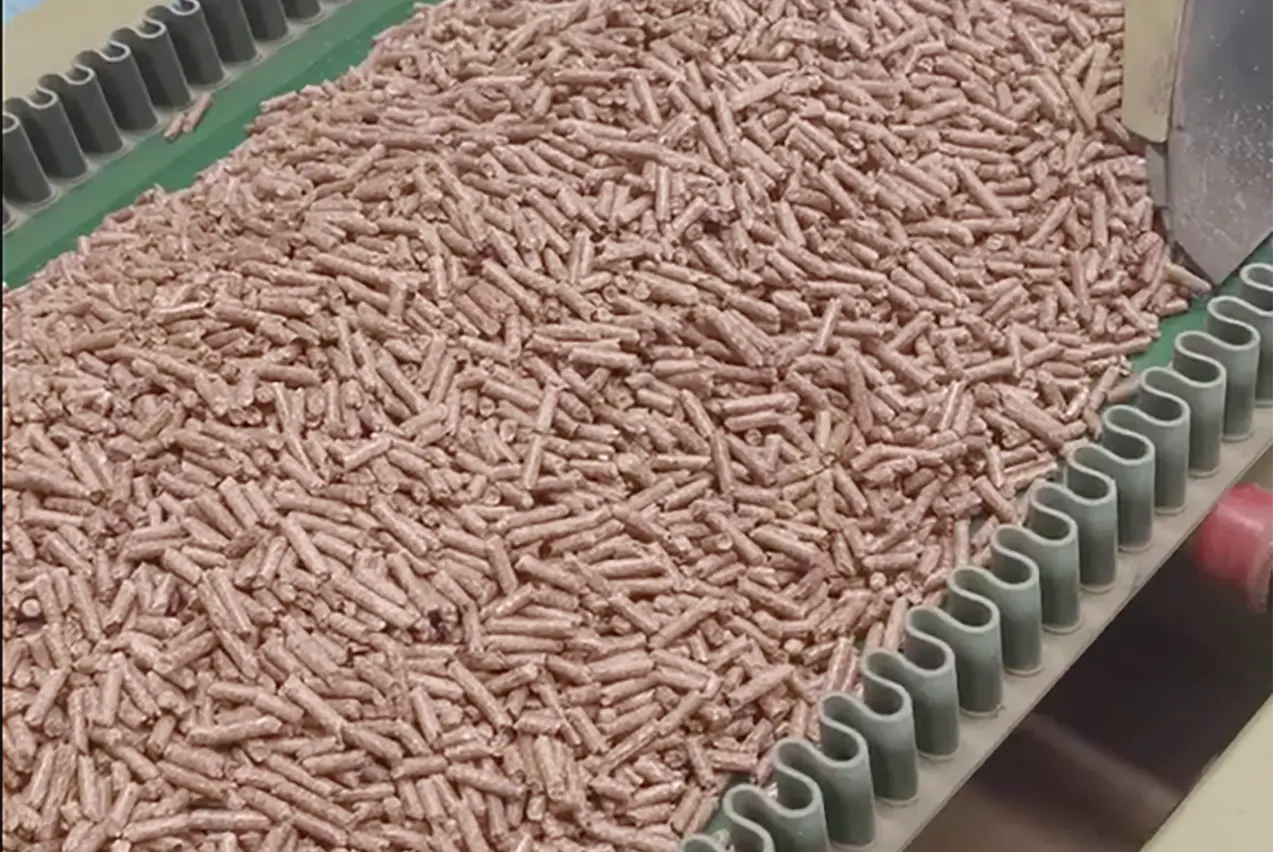
For export-scale production targeting Japanese or Korean buyers, a minimum of 10–12 t/h total output is recommended. Kingwood's Vietnam 12 t/h JWZL-688 line achieved payback in 23 months, making it a proven entry point for new exporters.
Turnkey line cost varies by capacity and feedstock complexity, but Chinese EPC suppliers typically deliver 30–40% lower capital cost than European alternatives. A 10 t/h line including crusher, dryer, pellet mills, cooler, and packaging generally ranges from USD 800,000 to USD 1.5 million depending on automation level and site conditions.
Yes. Kingwood's ring die pellet mills achieve PDI above 97.5% and bulk density above 600 kg/m³ on dry acacia or rubber wood sawdust, meeting the calorific value and moisture targets required under Japan's FIT biomass program. Machines are also CE certified and manufactured under ISO 9001 quality management systems.
Kingwood ring die mills handle acacia wood chips, rubber wood sawdust, bamboo, palm shell, and agricultural straw. High-moisture feedstock (45–55% fresh-cut) requires a rotary drum dryer upstream to reduce moisture to 10–14% before pelletizing, which Kingwood supplies as part of the complete line.
Kingwood's Vietnam 24 t/h AVP Group line took approximately 9 months from contract award to installation completion in June 2021, including equipment manufacturing, shipping, site construction, and commissioning. Smaller 10–12 t/h lines typically take 5–7 months under EPC turnkey contracts.

Wood Biomass Machinery Manufacturer


 English
 日本語
 한국어