Thailand is one of Southeast Asia's most active markets for biomass pelletizing equipment, and the underlying policy framework makes that unlikely to change. The country's Alternative Energy Development Plan (AEDP 2037), published by the Department of Alternative Energy Development and Efficiency (DEDE), targets 5,570 MW of installed biomass power capacity by 2037 — a figure that requires a sustained pipeline of new pellet production infrastructure. IEA 2024 estimates place Southeast Asia's biomass power capacity growth at approximately 8% year-on-year, with Thailand consistently among the top three contributors.
Thailand's forestry and agricultural base provides the raw material foundation for this growth. FAO 2024 Asia-Pacific forestry data estimates Thailand generates approximately 4.1 million dry tons of forestry residue annually, with additional agricultural biomass from cassava, sugarcane bagasse, and rice straw. Rubber wood and eucalyptus are the two dominant industrial feedstocks for wood pellet production, both widely processed through ring die configurations.
Buyers in Thailand fall into three main categories: independent biomass fuel producers supplying industrial boilers, agro-industrial companies converting their own waste streams, and project developers building capacity for export to Japan, South Korea, or the EU. All three groups require ring die equipment rather than flat die, given that production volumes almost universally exceed 500 kg/h at the commercial level.
The combination of a policy-backed growth target, abundant feedstock, and export market access explains why ring die pellet mill price thailand comparisons dominate buyer enquiries received from this region.
Understanding ring die pellet mill price thailand requires separating three pricing layers: the mill unit itself, the complete production line, and the full EPC turnkey project including civil works and commissioning.
The table below summarizes 2026 FOB China price ranges across capacity tiers for ring die pellet mills. These are supplier-quoted ranges; landed cost in Thailand adds freight, import duty, and local installation.
| Capacity (t/h) | Typical FOB China Price (USD) | European Equivalent (USD est.) | Reference Model |
|---|---|---|---|
| 1.0–2.3 | 18,000–35,000 | 28,000–50,000 | JWZL-688 |
| 3.0–3.5 | 38,000–55,000 | 58,000–80,000 | JWZL-688D |
| 4.0–5.0 | 55,000–80,000 | 85,000–120,000 | JZWH-860 |
| 8.0–10.0 | 80,000–120,000 | 130,000–180,000 | JWZL-860 series |
| 20.0–30.0 | 200,000–400,000 (line) | 350,000–600,000 (line) | Multi-mill EPC line |
Bloomberg NEF 2024 data notes that Chinese biomass machinery export prices average approximately 30% below European equivalents for equivalent throughput, consistent with the ranges above. Kingwood's own quotes to Southeast Asian buyers typically land in the 25–40% discount band relative to European list prices.
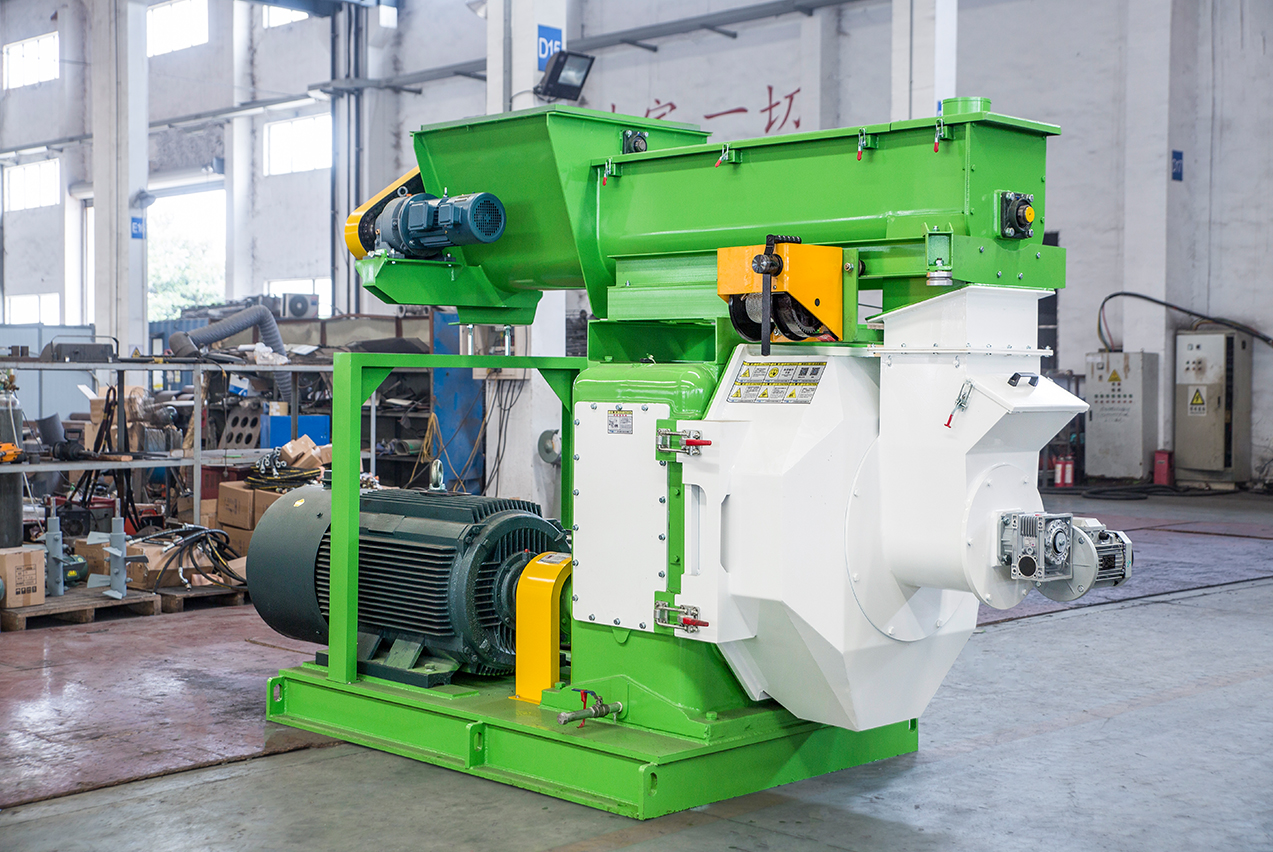
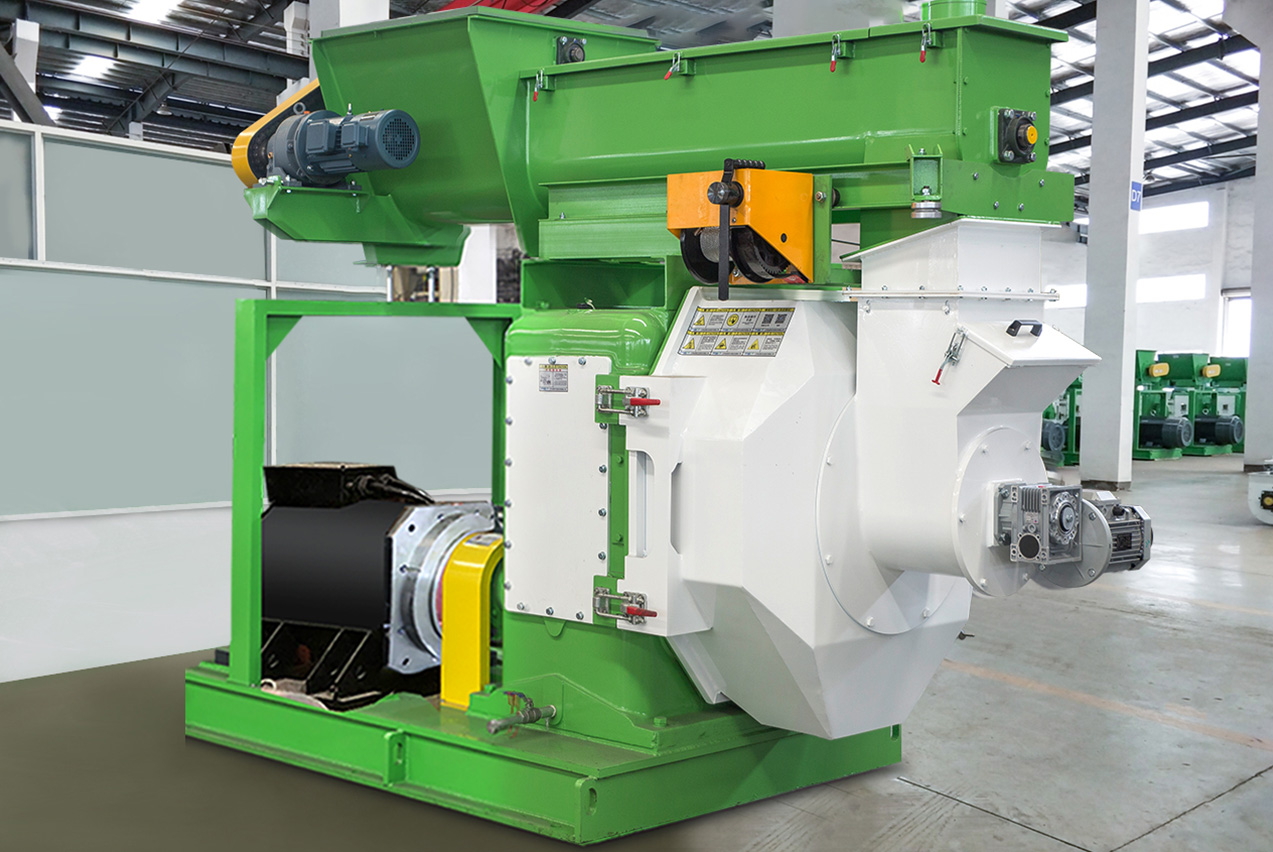
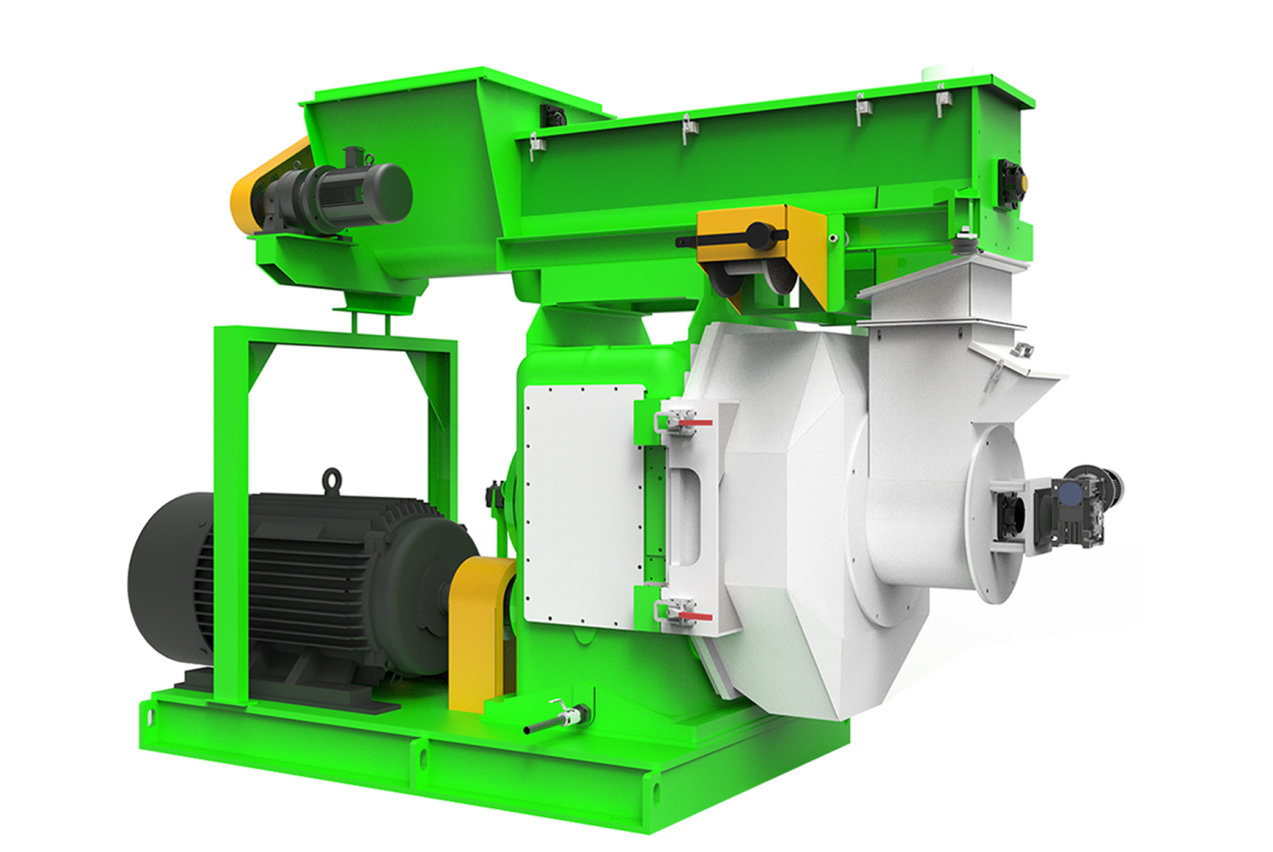
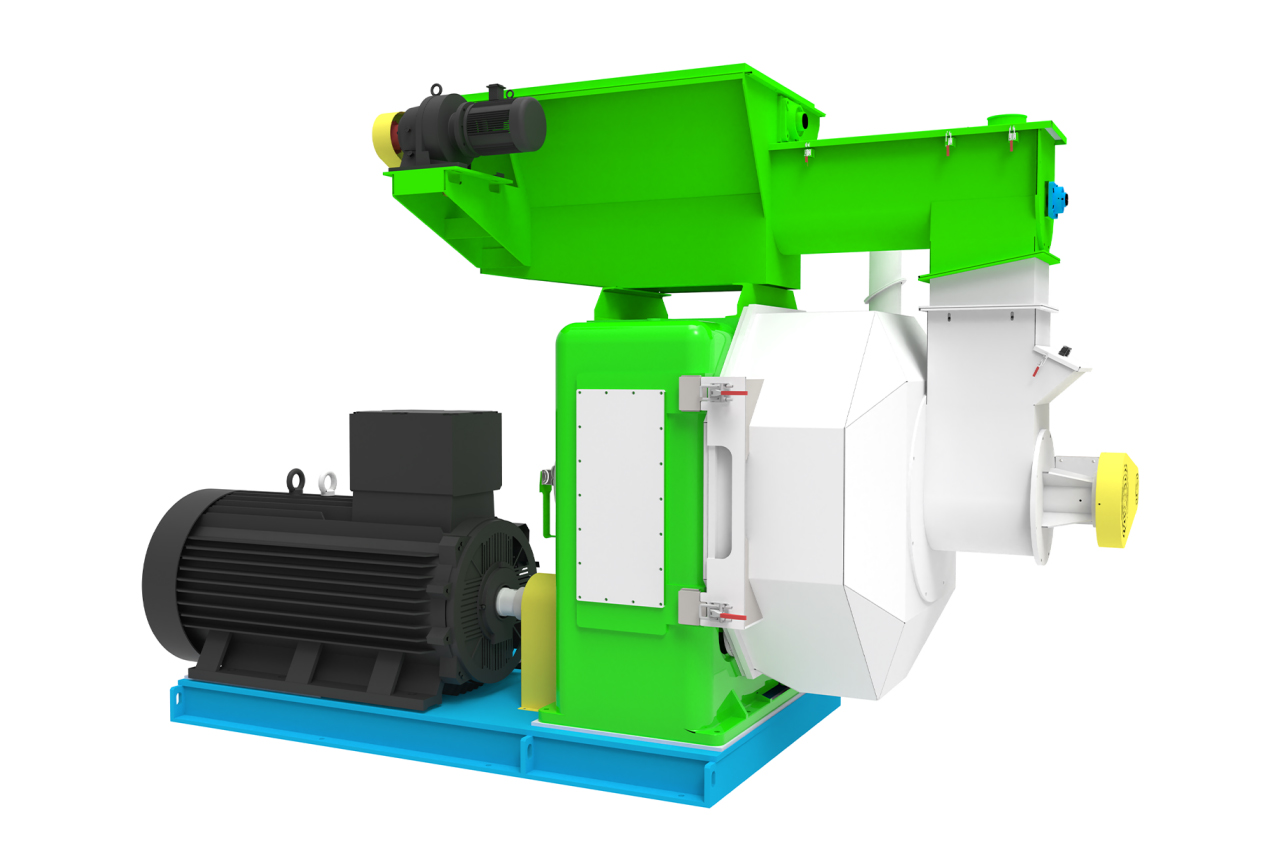
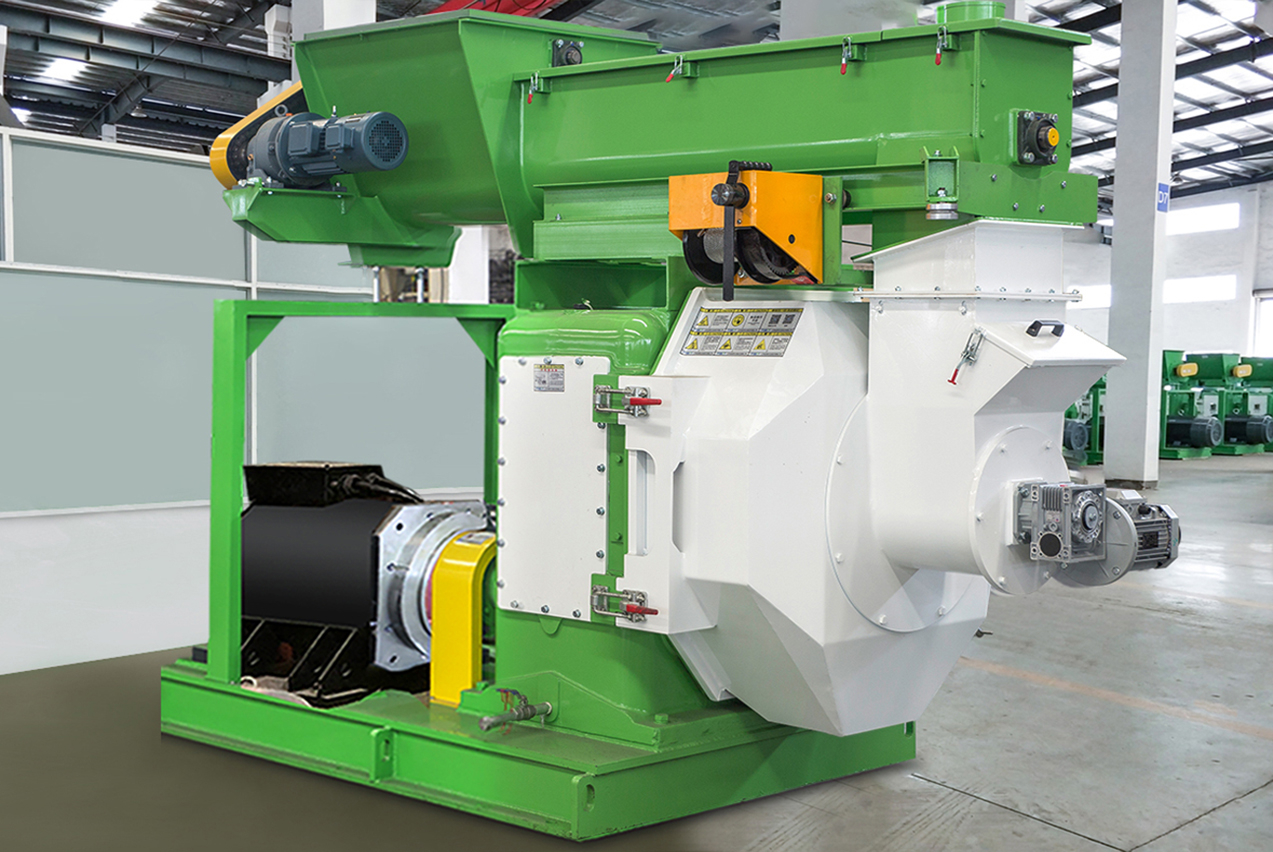
For JWZL-688 ring die pellet mill specifications, the rated capacity is 2–2.3 t/h with a 200 kW main servo motor, making it one of the most widely quoted models in the 1–3 t/h segment across Southeast Asia.
Three variables account for most of the price spread within a given capacity tier:
Die material grade. A standard alloy steel die costs significantly less than a high-chromium or stainless die. For abrasive feedstocks such as cassava stalk or mixed agricultural biomass, upgrading die grade reduces replacement frequency and pays back within 6–12 months of operation.
Motor type. Permanent magnet synchronous servo motors (as fitted on the JWZL-688D) draw higher initial cost but improve energy efficiency by 8–12% compared to standard induction motors, per manufacturer test data.
Automation level. A manually adjusted feed system can be sourced at lower cost, but fully automated feed control—included in Kingwood's Three-Standardization Framework approach—reduces labor cost and improves pellet consistency, particularly relevant for buyers targeting export-grade quality.
Ring die design choices determine both capital cost and operating economics. Thai buyers evaluating ring die pellet mill price thailand proposals should benchmark suppliers against the following specifications.
Standard pellet diameters for industrial boilers in Thailand are 6 mm and 8 mm. The compression ratio (die effective length divided by die hole diameter) controls pellet hardness and energy consumption. Higher compression ratios produce denser pellets but increase motor load and die wear. For rubber wood sawdust at 10–14% moisture content, a compression ratio in the 5:1 to 7:1 range is typical.
Kingwood's ring dies are manufactured using fully automatic CNC drilling machines with vacuum heat treatment, producing consistent hole smoothness that directly extends die service life. For specification detail and available grades, see ring die replacement parts and grades.
A commonly accepted benchmark is 50–80 kWh of electricity consumed per ton of finished pellet, depending on feedstock density and moisture. The JWZL-688 series uses a 200 kW main motor for 2–2.3 t/h output, which places it at approximately 87–100 kWh/ton — toward the higher end due to the capacity range. Larger-diameter ring die mills (the JZWH-860 at 4–5 t/h with proportionally scaled motor) generally achieve better kWh/ton ratios due to economies of scale in drive efficiency.
Thai industrial boiler operators and export traders specify two measurable quality thresholds:
These values are achievable on Kingwood ring die mills with correctly specified feedstock preparation. Meeting these thresholds is also a prerequisite for several Japanese and South Korean import contracts that Thai exporters target.
A McKinsey 2023 industrial equipment study found that maintenance and consumables account for 35–45% of 5-year total cost of ownership for pellet mills. For a Thai buyer paying USD 55,000 for a 3–3.5 t/h unit, this implies USD 19,000–25,000 in consumable and maintenance costs over five years, separate from electricity and labor.
The ring die is the primary consumable. Service life varies from 800 to 2,500 operating hours depending on feedstock abrasiveness, moisture control, and lubrication discipline. Eucalyptus chips with proper pre-grinding typically achieve longer die life than mixed agricultural biomass. Roller shells wear faster under high-moisture or high-silica feedstocks.
Bearing failure is the most common avoidable failure mode we see in poorly maintained installations: without adequate lubrication intervals, bearing life can drop to 800–1,200 hours. Thai buyers who operate in humid conditions should factor monthly lubrication checks into their maintenance schedule and confirm spare bearing availability locally before commissioning.
Kingwood's Three-Standardization Framework—Integrated, Dust-Free, and Automated—has a direct bearing on operating costs:
Statista 2024 data shows China's biomass machinery exports to Southeast Asia reached USD 340 million, up 18% year-on-year — a figure that reflects the region's clear preference for Chinese equipment at current price points. For Thai buyers evaluating vertical ring die vs horizontal ring die trade-offs alongside supplier origin, the comparison below frames the main trade-offs.
| Criterion | Chinese Supplier (e.g., Kingwood) | European Supplier |
|---|---|---|
| FOB unit price (3–5 t/h) | USD 38,000–80,000 | USD 58,000–120,000 |
| Lead time (manufacturing) | 45–75 days typical | 90–180 days typical |
| Spare parts in Thailand | Increasingly available via distributors | Often imported, 4–8 week lead |
| CE certification | Yes (Kingwood) | Yes |
| ISO 9001 / ISO 14001 | Yes (Kingwood) | Yes |
| On-site commissioning support | Available; Kingwood has 30+ country service network | Available; higher day-rate cost |
| Language support | Chinese, English | English, European languages |
Kingwood holds CE certification and ISO 9001 and ISO 14001 management system certifications. These are the certifications most commonly required by Thai commercial banks for equipment financing and by the Department of Industrial Works (DIW) for installation permits on larger installations. Buyers arranging project finance through a Thai bank should confirm documentation requirements early — certification gaps are one of the most common causes of financing delay we see in this market.
Kingwood has completed 2,000+ production line projects across 30+ countries, with confirmed deployments in Southeast Asia including Vietnam and Indonesia, providing reference sites that Thai buyers can use in their due diligence.
The most reliable data point for a Thai buyer is a verified deployment in a comparable market. The Vietnam 12 t/h JWZL688 forestry and energy deployment achieved full capital payback in 23 months, operating on forestry residue feedstock with confirmed offtake to industrial energy buyers.
Three conditions drove this result:
Thai operators with eucalyptus or rubber wood supply chains and access to industrial boiler buyers — or export contracts to Japan, where imports reached 4.25 million tons in 2023 per USDA FAS data — can reasonably target similar payback windows. The World Bank 2024 energy access report highlights that Southeast Asian biomass ROI is improving as coal replacement accelerates across industrial sectors, a trend directly applicable to the Thai market.

For larger-scale Indonesian deployments, a 30 t/h JWZL-860 line in Indonesia demonstrates scalability for buyers planning phased capacity expansion.
Requesting a ring die pellet mill price thailand quote without a complete feedstock and capacity brief results in inaccurate pricing — typically either over-specified (too expensive) or under-specified (requires costly upgrades post-delivery). Prepare the following before contacting any supplier.
Feedstock definition: - Species and form (e.g., eucalyptus chips at 40–50% moisture, rubber wood sawdust at 25% moisture) - Annual tonnage of raw material available - Seasonal supply variation
Capacity target: - Required finished pellet output in t/h or tons/year - Desired operating hours per day and days per year
Output specification: - Target pellet diameter (6 mm or 8 mm standard) - Required PDI and bulk density (use 97.5% PDI and 600 kg/m³ as baseline) - End market requirements (domestic boiler, export Japan/Korea, EU certification)
Site conditions: - Available floor area and building height - Electrical supply voltage and capacity - Distance from feedstock storage to processing area
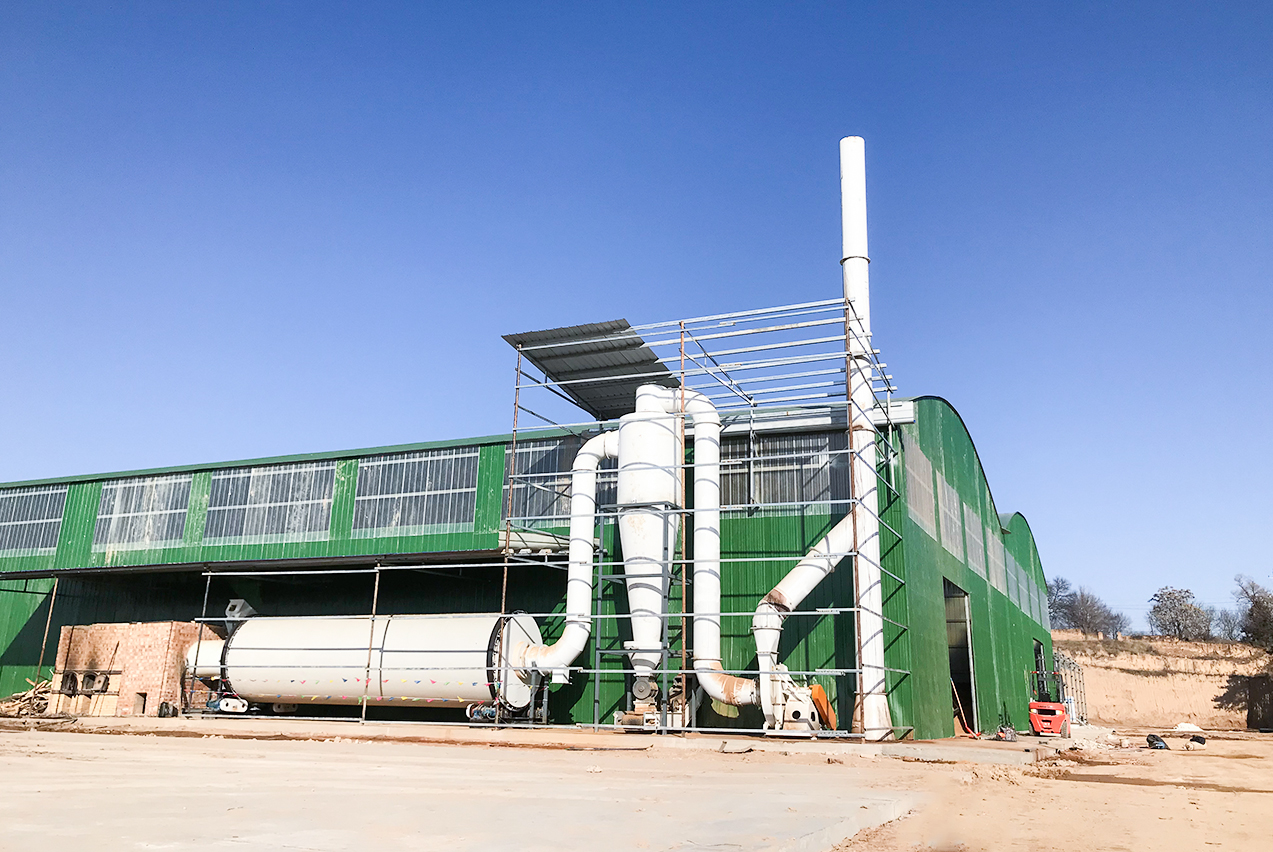
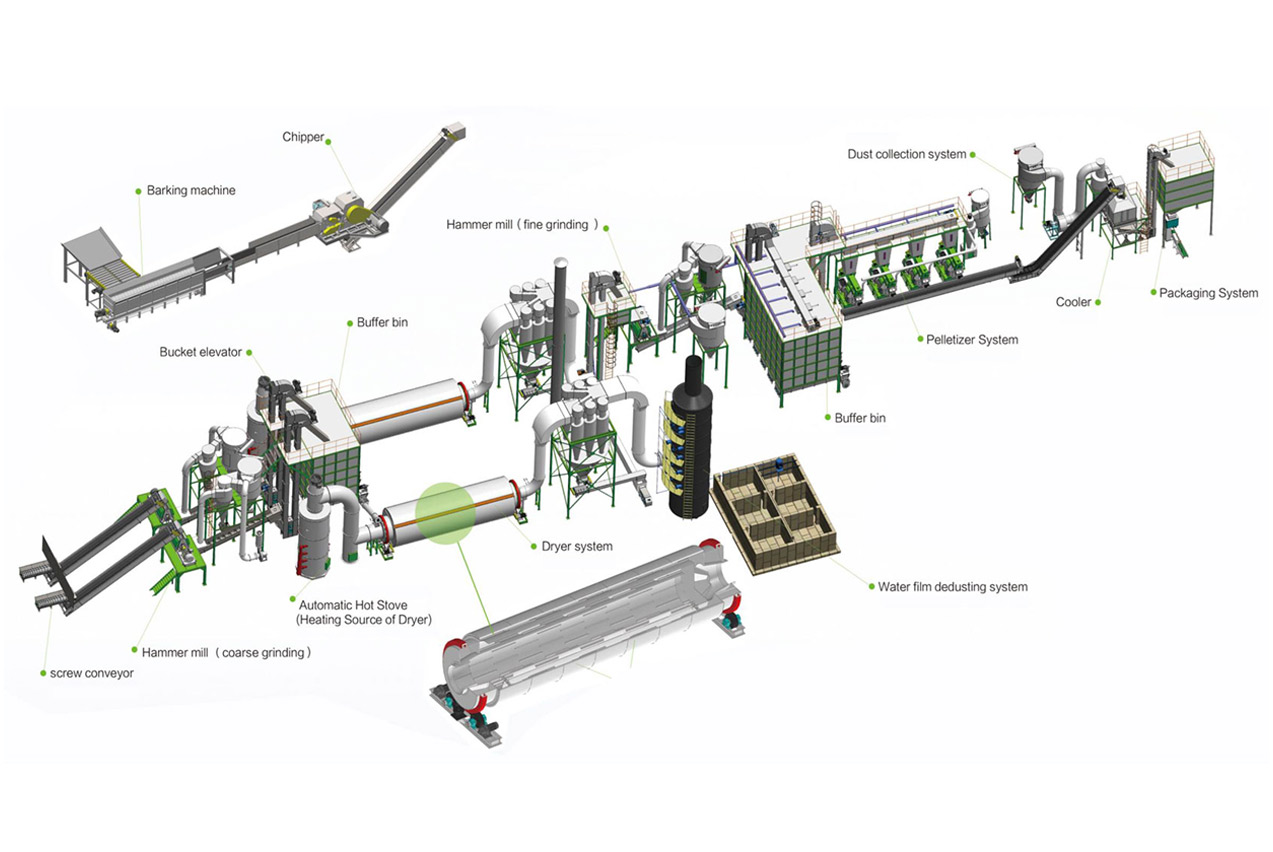
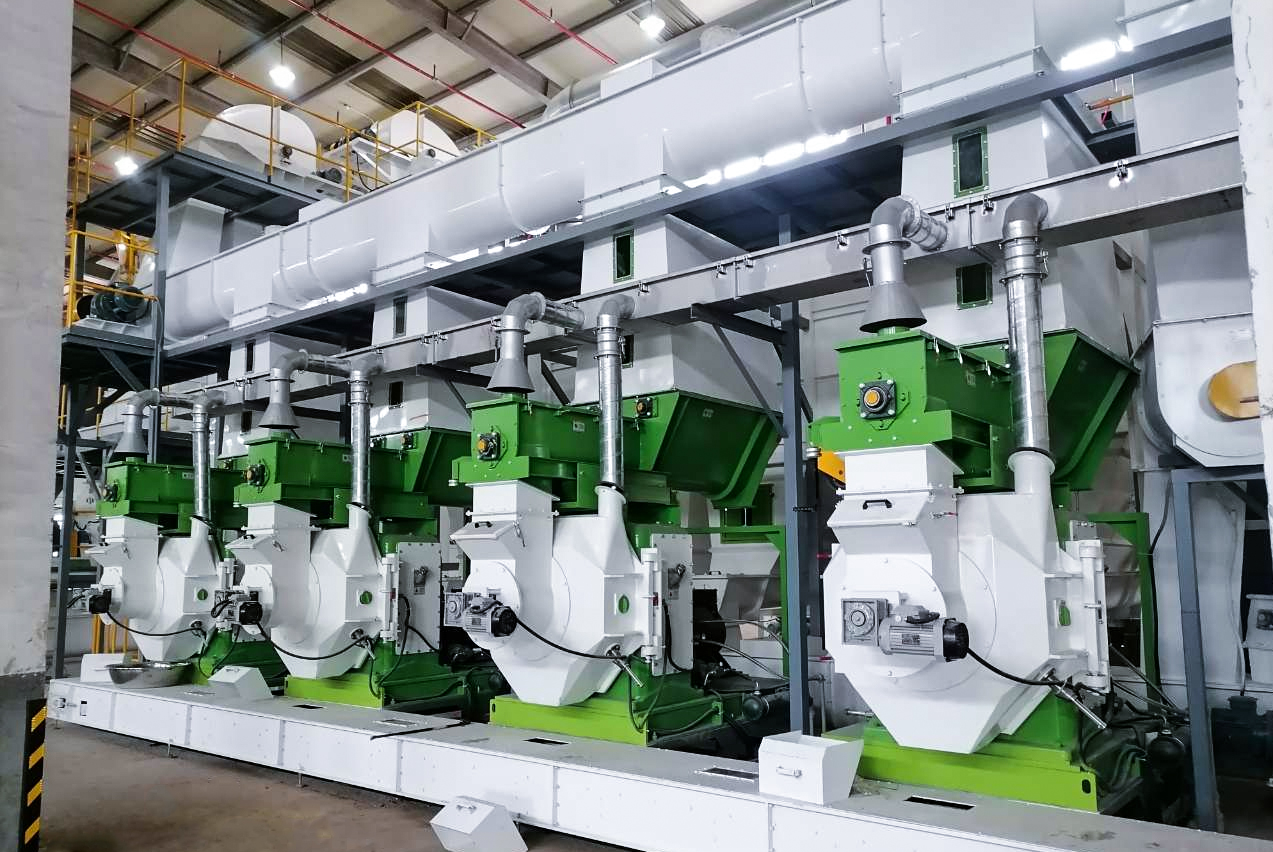
An equipment-only quote covers the pellet mill unit and specified auxiliary components. An EPC (Engineering, Procurement, Construction) or turnkey quote covers the full process from raw material intake through packaged pellet output — including crushing, drying, pelletizing, cooling, screening, and packaging. Complete wet-feed production lines configured for up to 200,000 tons/year output are available in Kingwood's product range.
For how feedstock choice affects pellet mill configuration and cost, the key variable is moisture content: high-moisture feedstocks (above 25%) require a rotary drum dryer upstream, adding USD 15,000–60,000 to the line cost depending on capacity. Review auxiliary equipment for a complete pellet production line to understand which components are typically included or separately quoted in a complete line proposal.
Thai buyers should also request a process flow diagram, plant layout drawing, and pit drawing from any supplier — these are standard deliverables for EPC proposals and a supplier who cannot produce them within 5–7 business days of receiving a brief is unlikely to have genuine project execution capability.
Jiangsu Kingwood Industrial Co., Ltd. has operated since 1999 with 27 years of dedicated biomass pellet equipment R&D. The company has completed over 2,000 production line projects in 30+ countries, producing a combined annual capacity of 10 million+ metric tons of biomass fuel through customer factories.
For Thai projects, Kingwood's standard project development process covers:
Kingwood's manufacturing facility covers 35,000 m² in Liyang City, Jiangsu Province, with 150 staff including 35+ R&D and service engineers. The company holds ISO 9001, ISO 14001, and CE certifications alongside recognition as a Jiangsu Provincial High-Tech Enterprise and a "Jiangsu Provincial Specialized & Innovative Niche Leader" — credentials that matter when Thai project financiers conduct supplier due diligence.
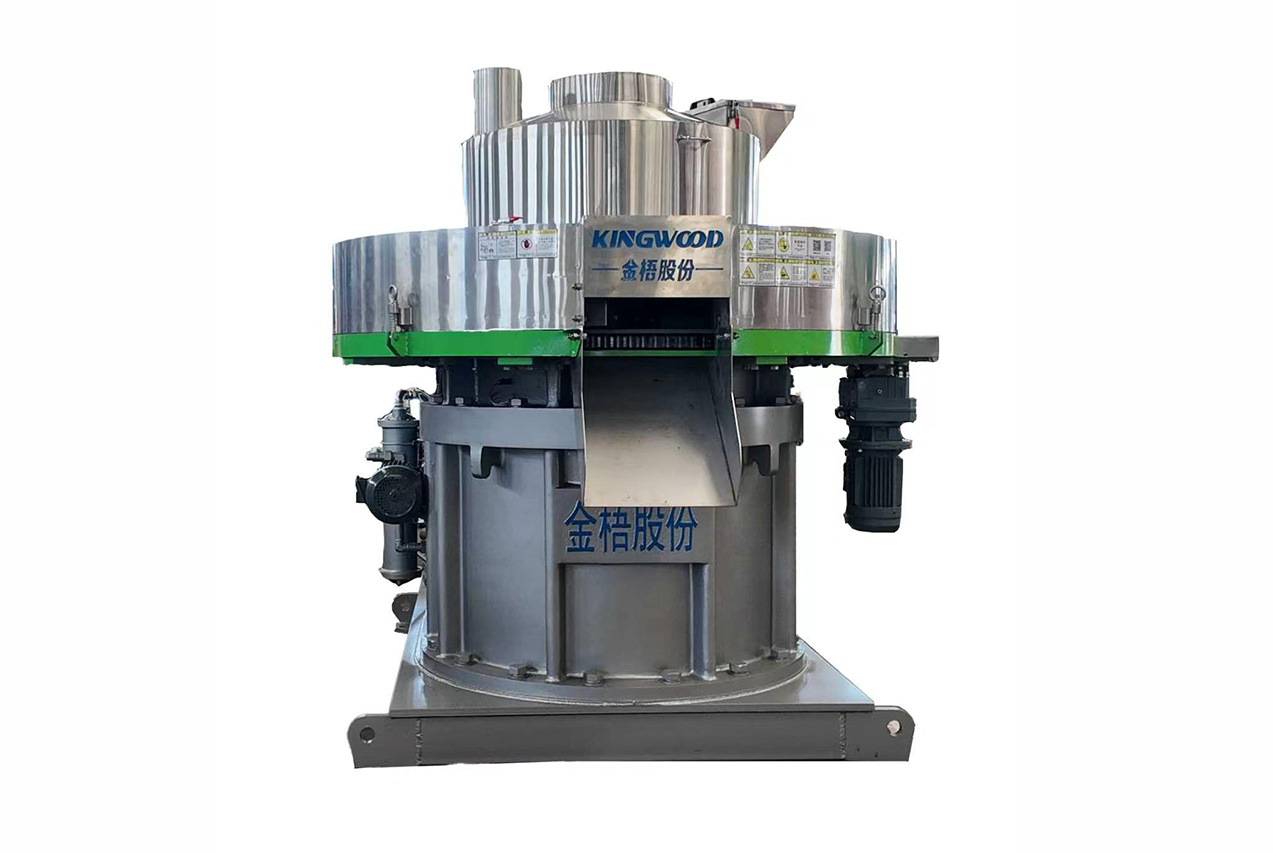
For Thai buyers uncertain whether a horizontal ring die or vertical ring die configuration better suits their facility layout and feedstock, Kingwood's engineering team provides configuration recommendations as part of the initial project assessment at no charge.
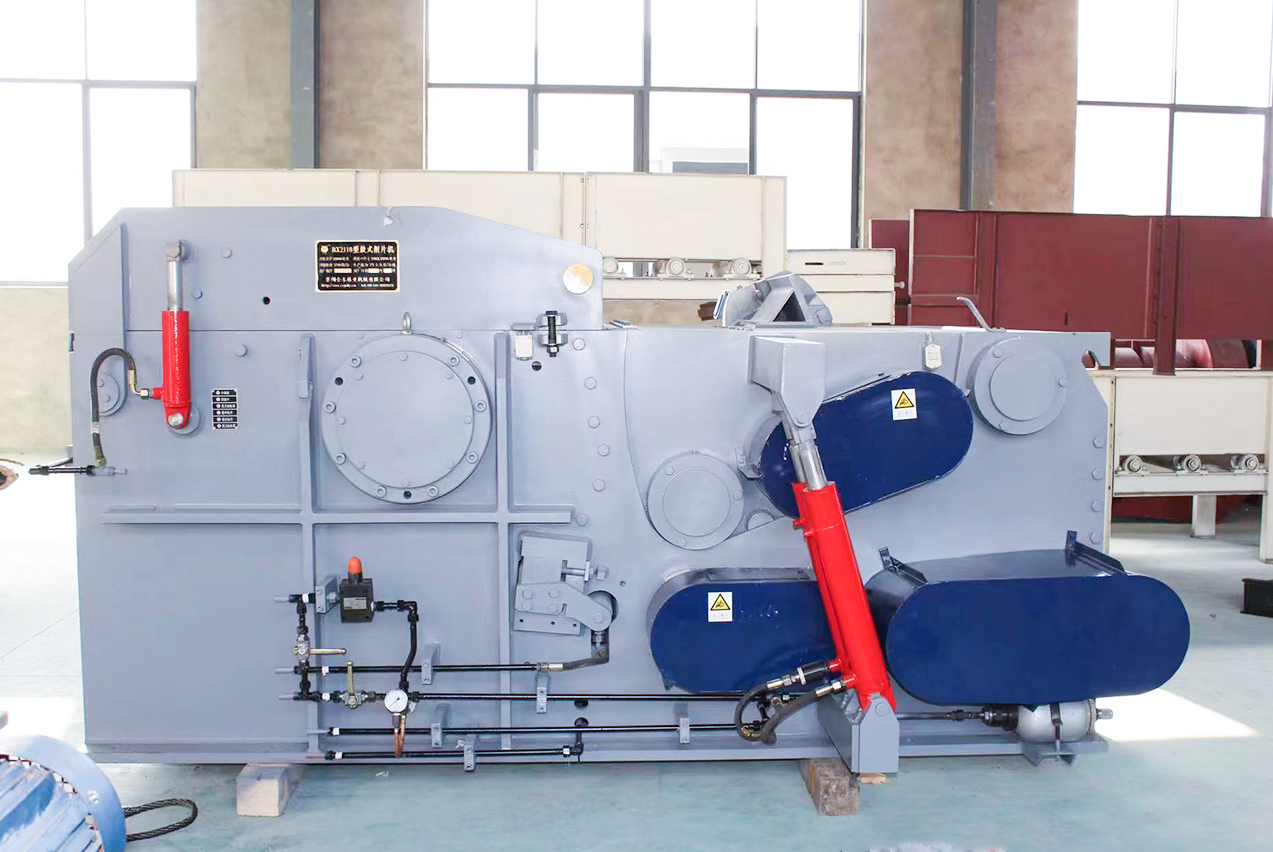
Entry-level ring die pellet mills suitable for Thai operations start around USD 18,000–25,000 for 1–2 t/h units, while industrial-scale 5–10 t/h machines range from USD 60,000 to USD 120,000+. Full turnkey EPC lines including drying, crushing, and packaging can reach USD 500,000 or more depending on capacity.
The JWZL-688D is a widely deployed model rated at 3–3.5 t/h with a 200 kW servo motor, while the JZWH-860 handles 4–5 t/h for heavier-duty applications. Both achieve PDI above 97.5% on sawdust at 10–14% moisture, which meets the quality threshold for Thai industrial boiler buyers.
A verified Kingwood deployment in Vietnam using a 12 t/h JWZL688 line achieved payback in 23 months under forestry and energy feedstock conditions. Thai operators with stable eucalyptus or rubber wood supply and confirmed offtake to industrial boilers or export markets can target similar timelines.
Yes, Kingwood holds CE certification and ISO 9001/ISO 14001 management system certifications, which are commonly required for equipment financing and customs clearance in Thailand. Buyers should confirm specific requirements with their bank or the Thai Department of Industrial Works (DIW) for large installations.
The ring die itself is the primary consumable; replacement frequency depends on feedstock abrasiveness and lubrication discipline, with bearing failure occurring within 800–1,200 hours if lubrication intervals are missed. Industry benchmarks (McKinsey 2023) suggest maintenance and consumables account for 35–45% of 5-year total cost of ownership, so buyers should factor spare parts availability into their supplier selection.

Wood Biomass Machinery Manufacturer


 English
 日本語
日本語
 한국어
한국어