Thailand's Alternative Energy Development Plan 2037 (AEDP 2037), administered by the Department of Alternative Energy Development and Efficiency (DEDE), targets a 37% renewable energy share in the national energy mix. Biomass contributes approximately 18% of Thailand's renewable energy output per IEA 2024 estimates, making it the single largest renewable source in the country. Pellet production is central to that contribution, with domestic output exceeding 4 million tons annually by 2024 and significant export volume to Japan and South Korea under long-term power utility contracts.
If you are sourcing from a ring die pellet mill manufacturer thailand-based or international, understanding why ring die technology became the Thai commercial standard matters before any purchase decision. The answer is largely mechanical: flat die mills are limited to roughly 500 kg/h before die wear, heat buildup, and inconsistent feed rates become unmanageable. Ring die machines, where the die rotates while compression rollers remain stationary, distribute mechanical stress more evenly and scale to 3 t/h, 10 t/h, and beyond without a linear increase in footprint or maintenance complexity.
Thailand's feedstock base compounds this advantage. Rubber wood from southern provinces, eucalyptus from central plantations, bagasse from sugar mills, and rice husk from the central plains are all commercially available in large volumes. Each feedstock presents different bulk densities and moisture profiles. Ring die mills handle this variability more reliably than flat die alternatives, particularly when moisture is controlled through an upstream dryer — a standard installation in any commercial Thai line.
Three geometric parameters govern pellet quality on any ring die machine: die inner diameter (mm), the length-to-diameter (L/D) ratio of the die holes, and the hole diameter itself.
These parameters directly determine PDI (Pellet Durability Index). On dry sawdust at 10–14% moisture content, Kingwood's ring die mills achieve PDI above 97.5% and bulk density above 600 kg/m³ — both critical for transport and combustion efficiency.
A realistic kW-per-ton benchmark for wood biomass is approximately 55–75 kW per metric ton per hour of finished pellets, depending on feedstock density and moisture. Below that range, you are likely looking at a manufacturer overstating capacity; above 80 kW/t/h suggests inefficiency in die geometry or drive train design.
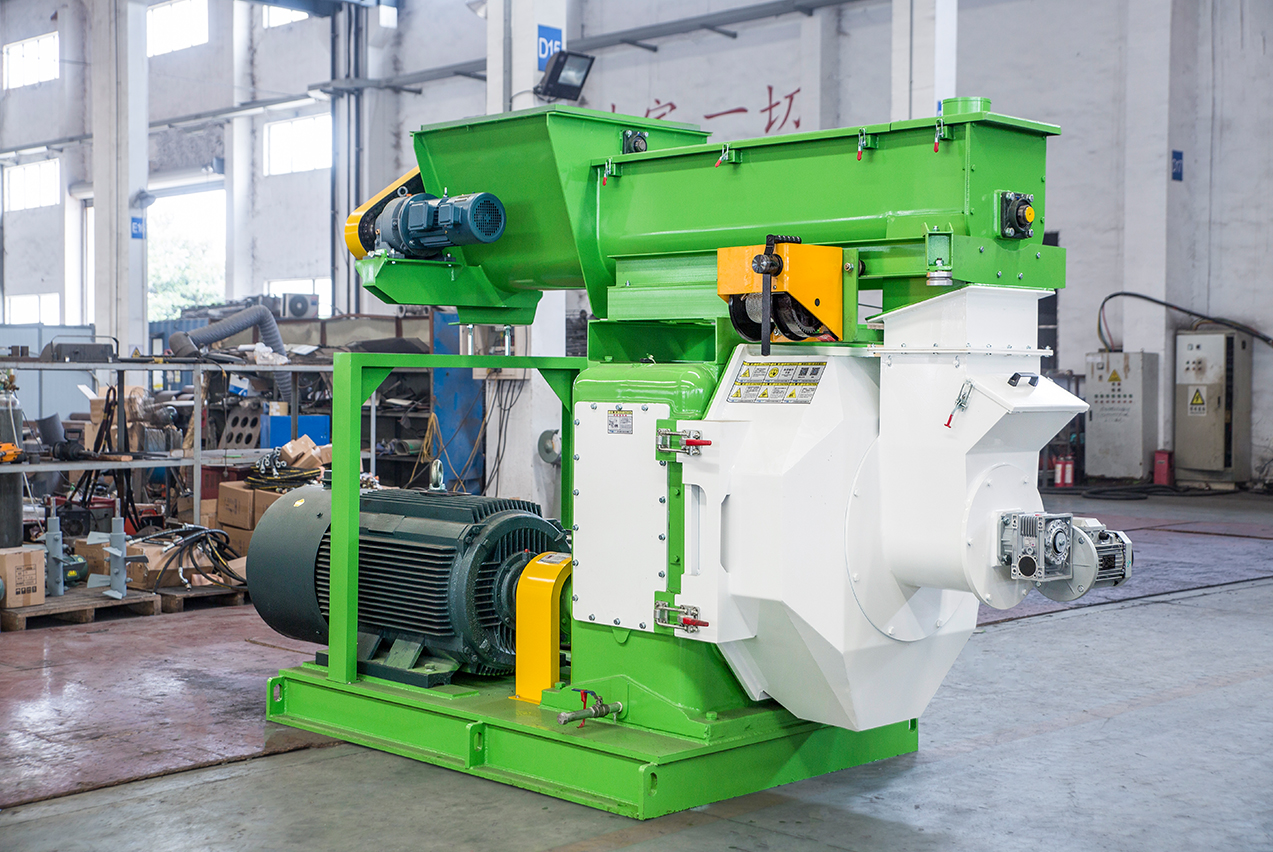
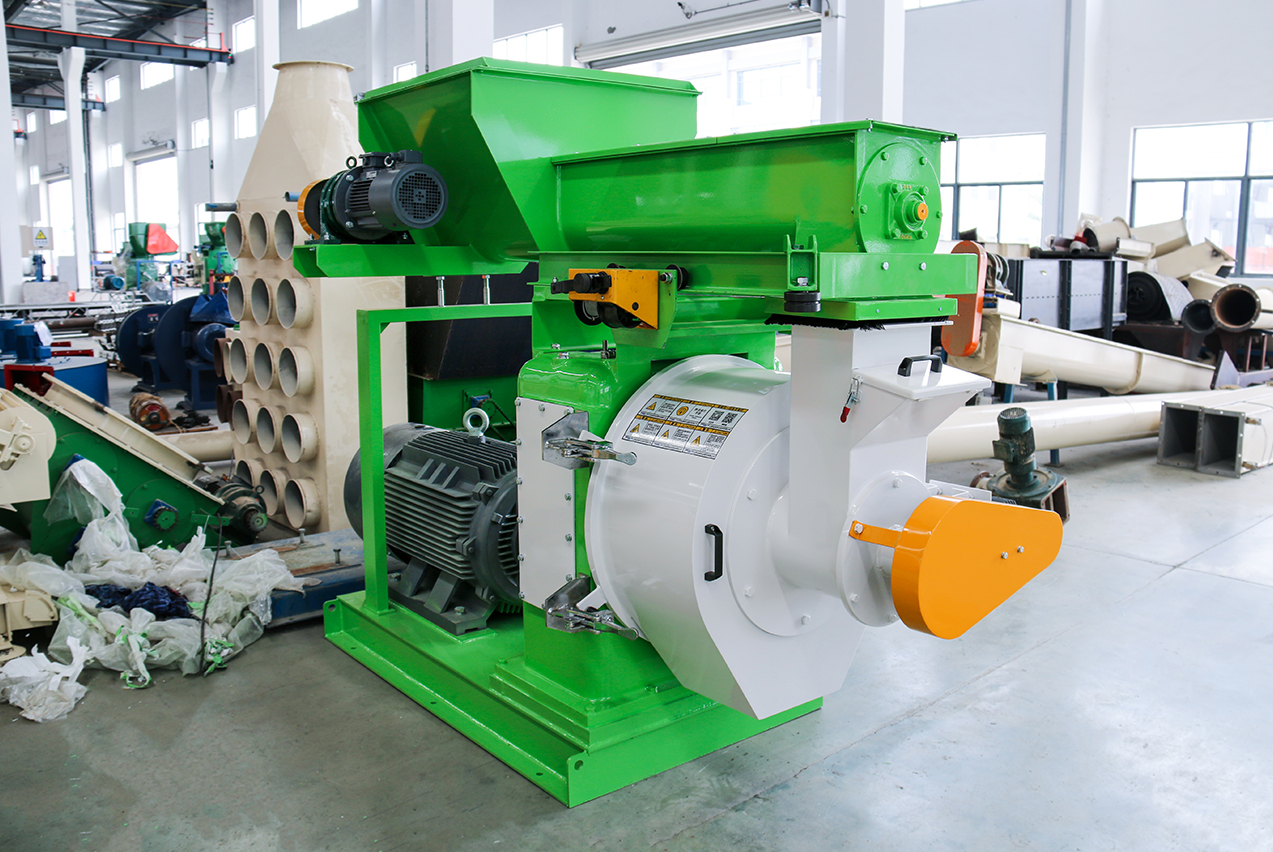
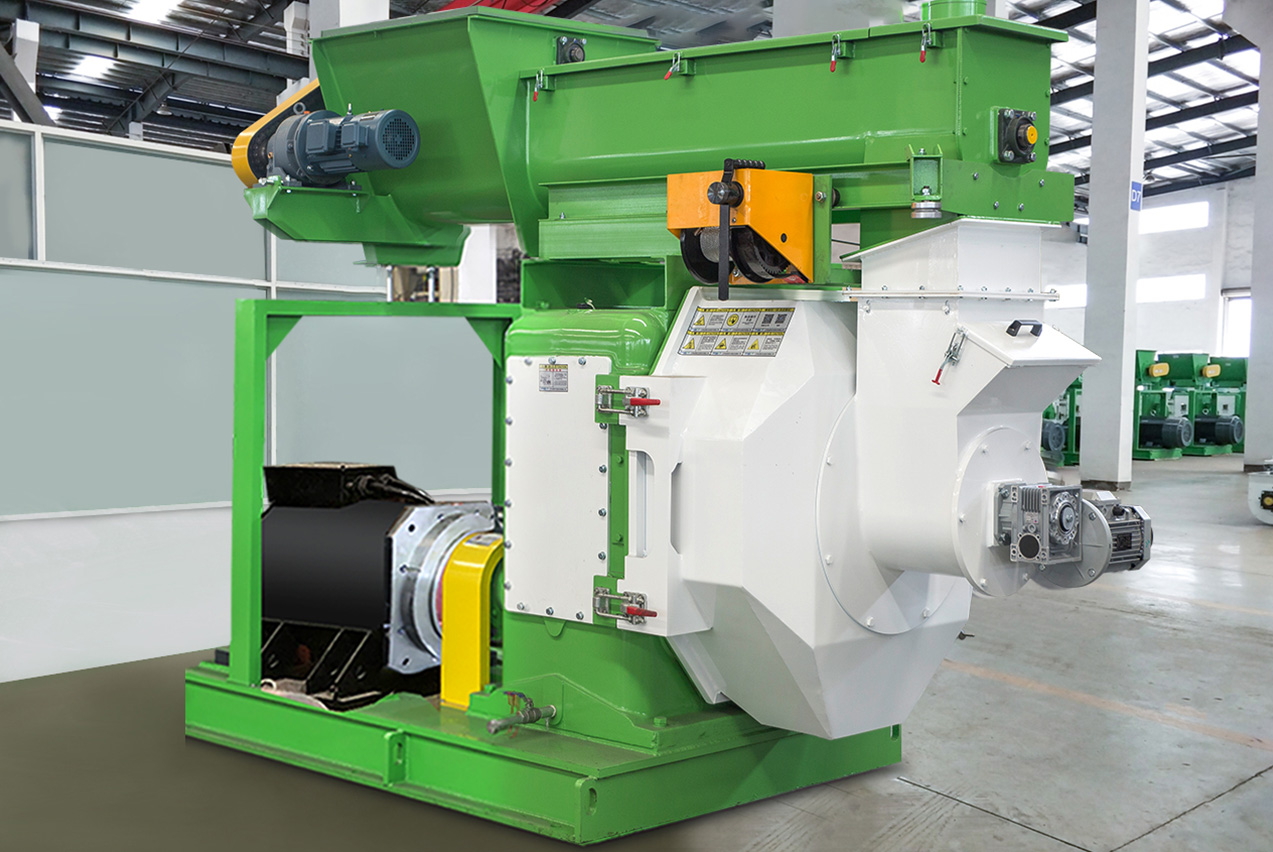
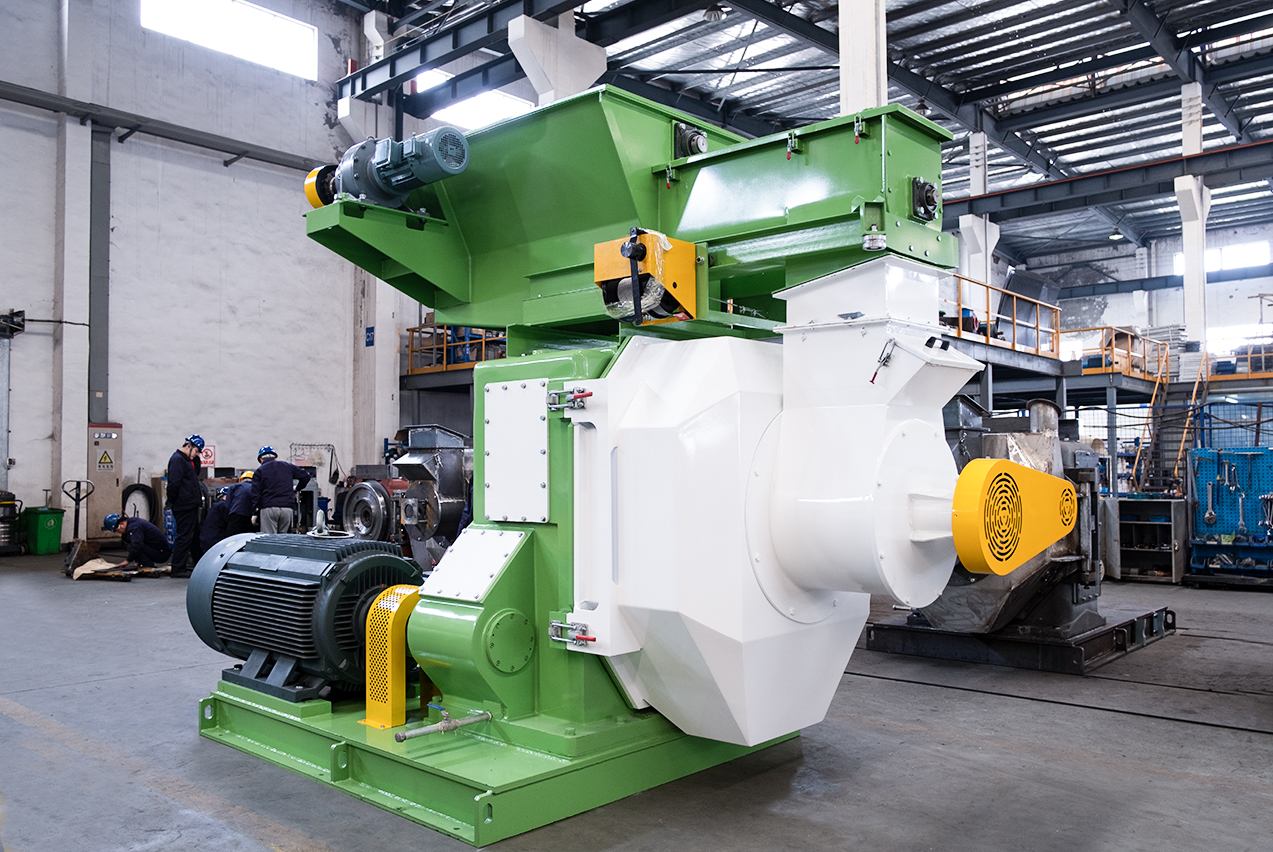
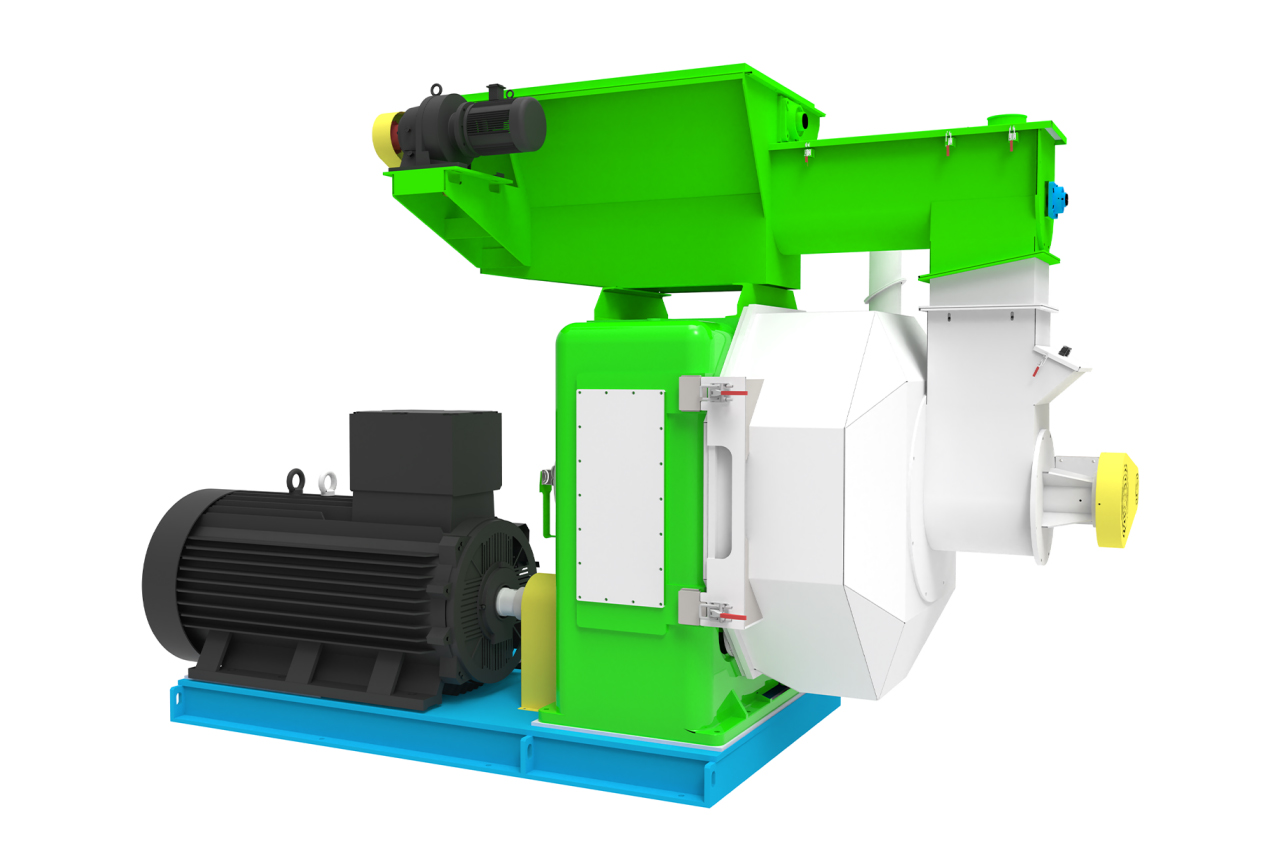
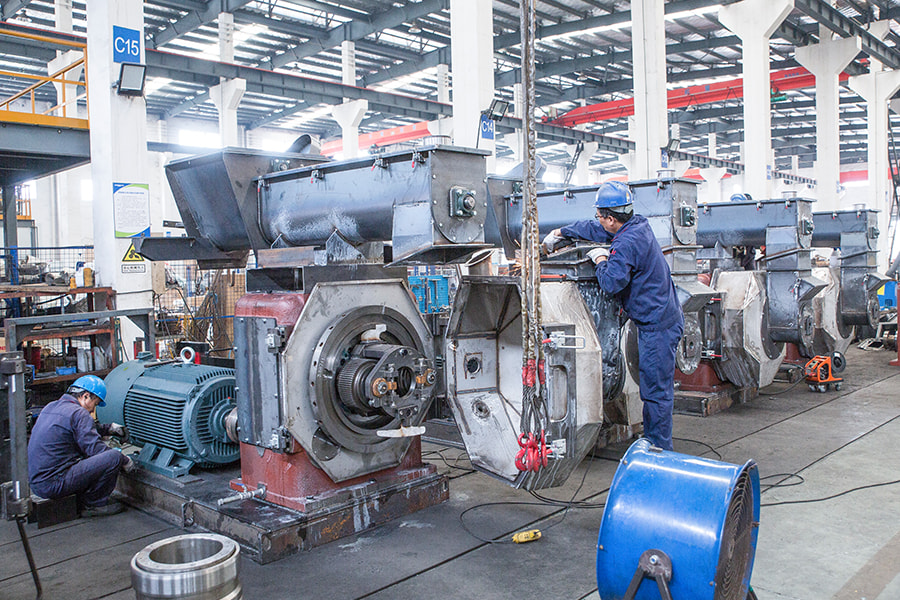
The JWZL-688 industrial ring die wood pellet mill illustrates this benchmark clearly. Its upgraded variant, the JWZL-688D, delivers 3–3.5 t/h with a 200 kW permanent magnet synchronous servo motor — approximately 57–67 kW per t/h — operating at noise ≤93 dB(A) and weighing approximately 9.5 tons. Pellet percentage is guaranteed ≥90%, with powder percentage ≤10%.
For larger throughput requirements, the JWZL-860 scales to 4–5 t/h per unit. Multiple units can be parallelised to reach 12 t/h, 20 t/h, or 30 t/h without single-point-of-failure risk — an important resilience consideration for Thai plants supplying utility power contracts.
For a direct comparison of layout implications, see vertical vs horizontal ring die pellet machines compared.
| Parameter | Horizontal Ring Die | Vertical Ring Die |
|---|---|---|
| Feeding mechanism | Forced feeder required | Gravity-assisted |
| Floor footprint | Larger | Smaller |
| Maintenance access | Standard side access | Top-down access to rollers |
| Typical capacity range | 1–30+ t/h | 1–10 t/h |
| Feedstock handling | Wide range | Better for free-flowing materials |
| Popularity in Thailand | Dominant at >5 t/h | Growing in smaller installations |
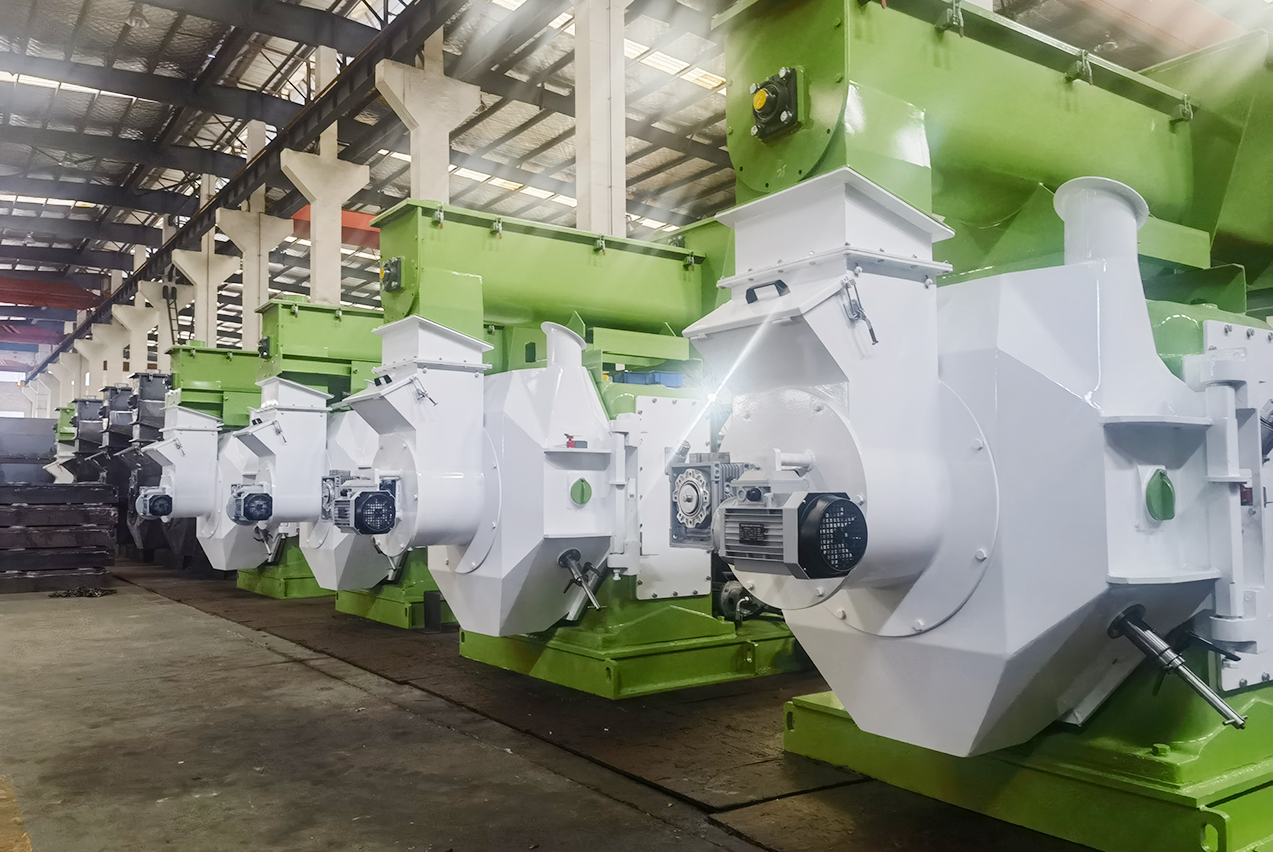
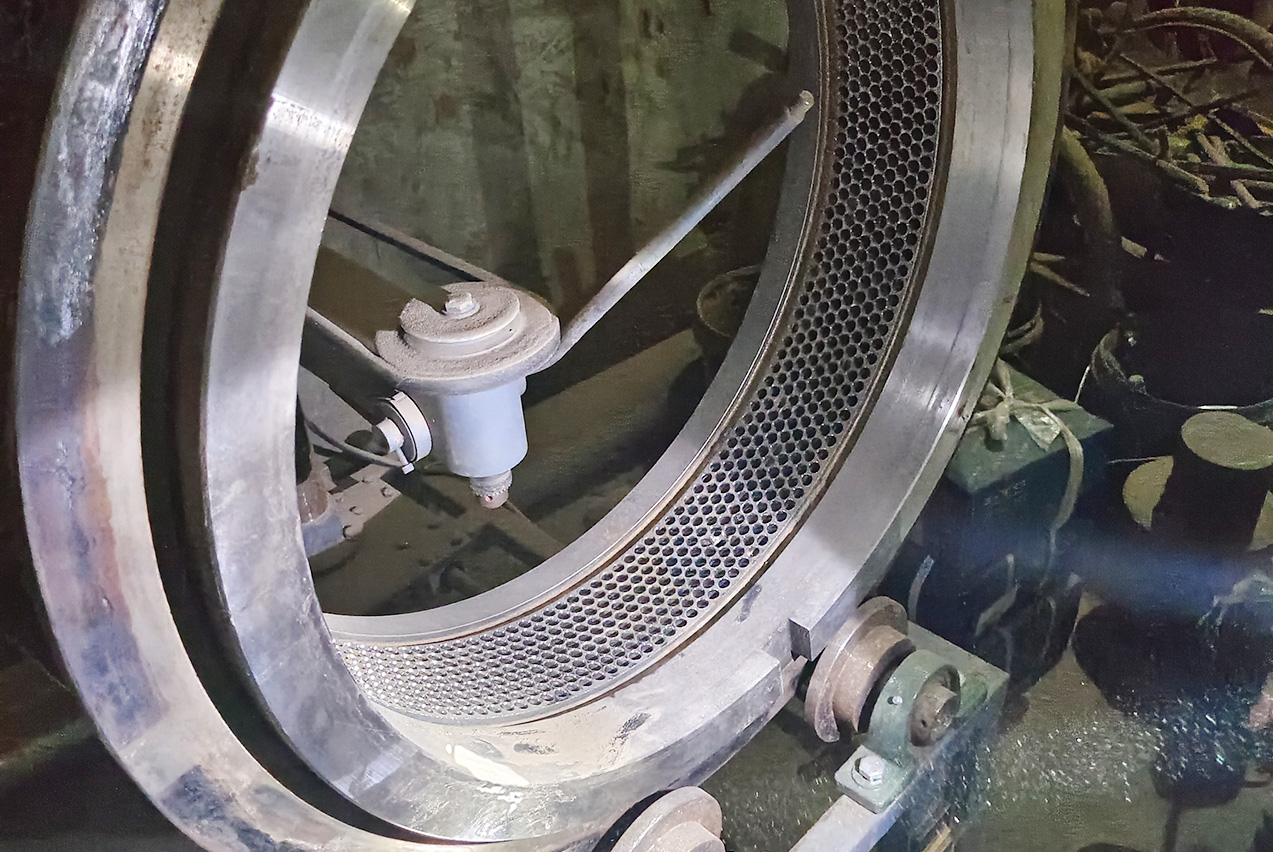
The ring die is the single most expensive wear component in the machine — and the most frequently underspecified in cheaper equipment. The steel grade and heat treatment method determine not just working life but also hole surface smoothness, which directly affects pellet density and throughput.
Kingwood manufactures ring dies using a fully automatic CNC ring die drilling machine. The entire drilling process is automated and controlled, producing hole smoothness in a single pass. Vacuum heat treatment is applied post-drilling to stabilise the die geometry and maximise surface hardness without introducing internal stress fractures that conventional heat treatment methods can cause. This process is explained in detail on the ring die specifications and manufacturing process page.
The practical consequence for a Thai buyer: dies manufactured without vacuum heat treatment typically show micro-deformation in the hole walls under repeated high-compression cycling. This increases fines output, reduces PDI, and shortens die life — none of which shows up in a specification sheet comparison.
Roller shells come in corrugated and smooth surface variants. Corrugated shells increase grip on the biomass feed layer, which is important for low-density feedstocks like bagasse. Smooth shells are preferred for denser, more homogeneous materials like rubber wood chips. Using the wrong shell geometry for a given feedstock increases roller slip, raises motor load, and accelerates bearing wear.
Bearing failure is the most common unplanned downtime event we see in the field. Per Kingwood engineering specifications, bearings fail within 800–1,200 hours under insufficient lubrication — a timeline that compresses further in tropical high-humidity environments like Thailand's southern rubber-growing regions. A structured lubrication schedule (typically every 100–150 operating hours with specified grease grade) is non-negotiable for reliable operation.
Optimal pelletizing moisture for wood biomass is 10–14%. Above 16%, the compressed pellet cannot hold its shape as steam pressure builds inside the die hole during compression; below 8%, the lignin binding mechanism fails and powder output spikes. Both failure modes are common in Thai plants that skip or undersize the drying stage.
Thai feedstocks arrive at processing facilities with widely varying moisture: rubber wood chips from fresh-cut material may be at 40–55%; sun-dried agricultural residues like bagasse can be as low as 15–20% but are inconsistent seasonally. A correctly sized rotary drum dryer upstream of the pellet mill is therefore standard equipment, not optional. The calorific value of correctly produced finished pellets from Thai wood feedstocks is approximately 4,800 kcal/ton — comparable to standard coal — which justifies the drying energy cost in most business models.
For more detail on how input material affects output quality, see how raw material choices influence biomass pellet quality.
| Feedstock | Typical Density (kg/m³) | Silica Content | Recommended L/D | Notes |
|---|---|---|---|---|
| Rubber wood chips | 450–520 | Low | 5:1–6:1 | Standard range; good binding |
| Eucalyptus chips | 480–560 | Low–Medium | 5:1–6:1 | High lignin; can run higher L/D |
| Bagasse | 90–160 | Medium | 4:1–5:1 | Low density requires lower compression |
| Rice husk | 95–150 | High (15–20% ash) | 3.5:1–4.5:1 | Abrasive; wear accelerates at high L/D |
| Cassava stalks | 180–280 | Low | 4:1–5:1 | Mix with denser wood recommended |
Thailand's tropical conditions — high ambient humidity, seasonal dust from field waste, and open-plan processing sheds common in rural provinces — create two specific equipment challenges: condensation inside electrical cabinets and biomass dust accumulation in open conveyor runs.
Kingwood's Three-Standardization Framework (Integrated, Dust-Free, Automated) directly addresses both. Enclosed conveying with integrated dust removal prevents the dust accumulation that creates fire risk and lung hazard. Full automation reduces operator exposure and minimises human error in moisture monitoring — the most common quality deviation point in Thai operations our engineers have observed during commissioning visits.
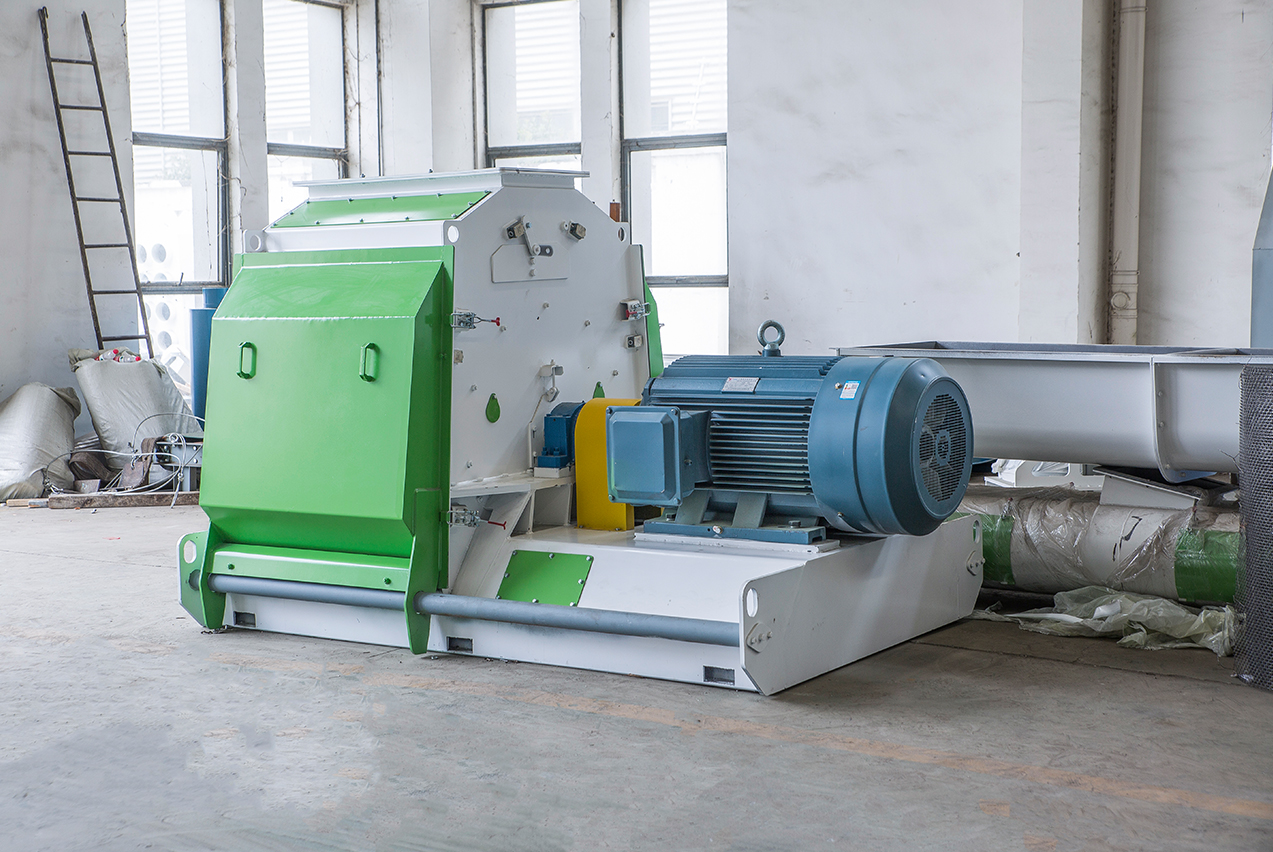
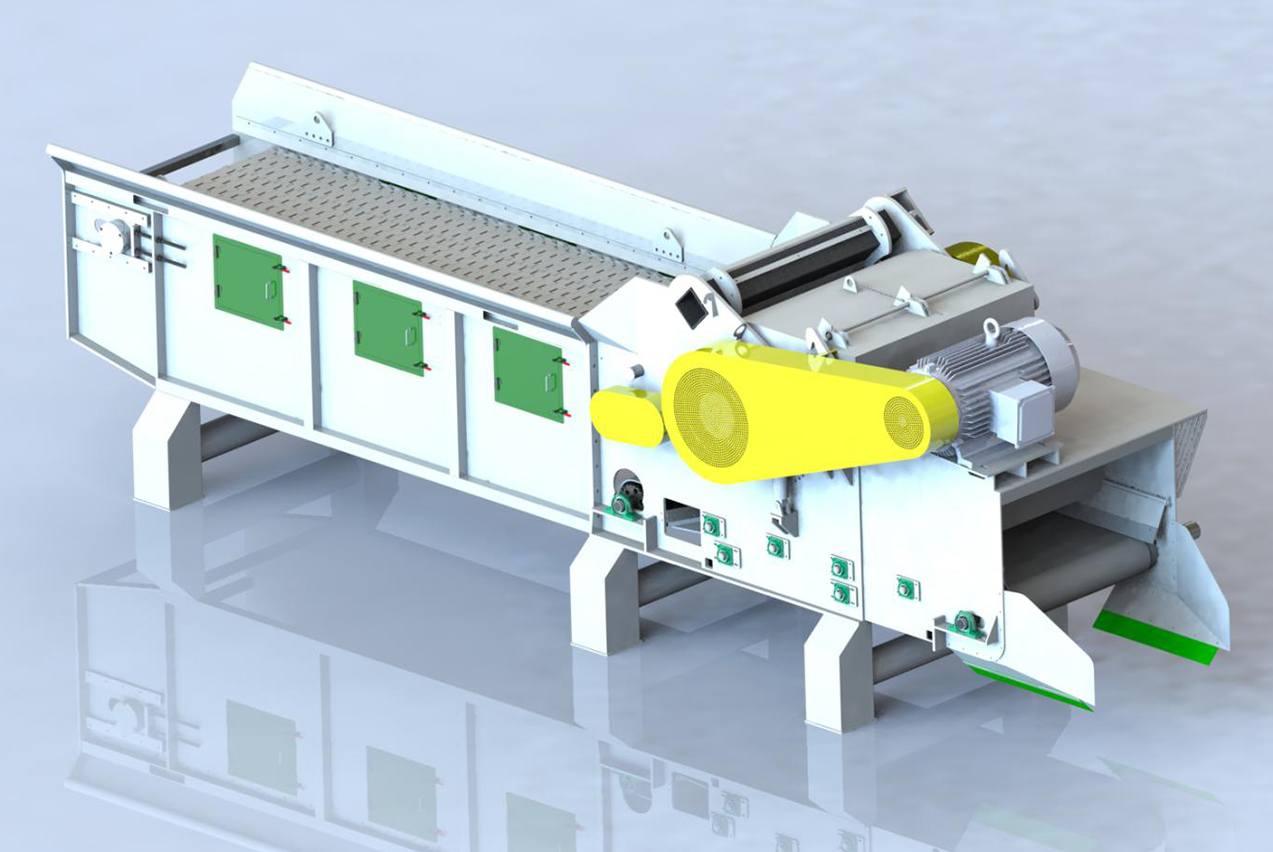
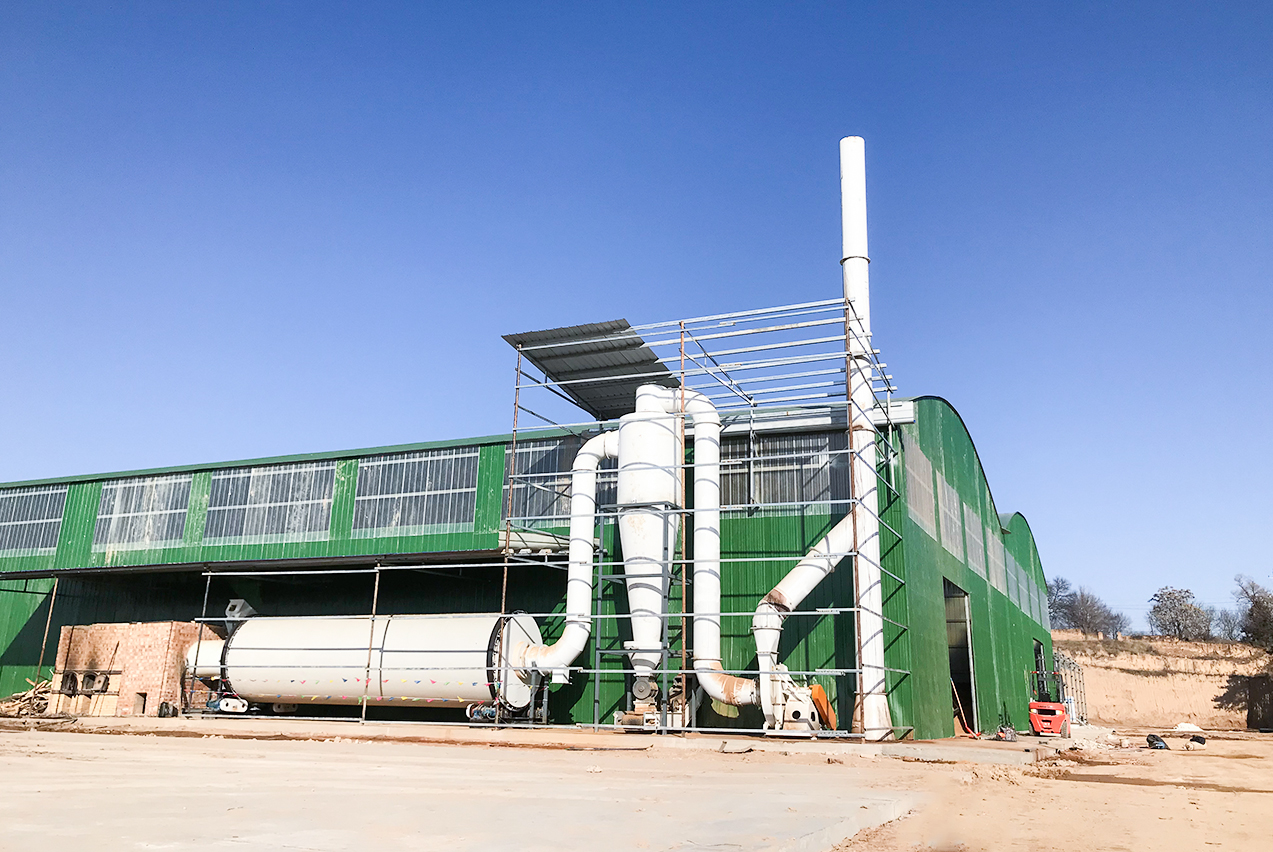
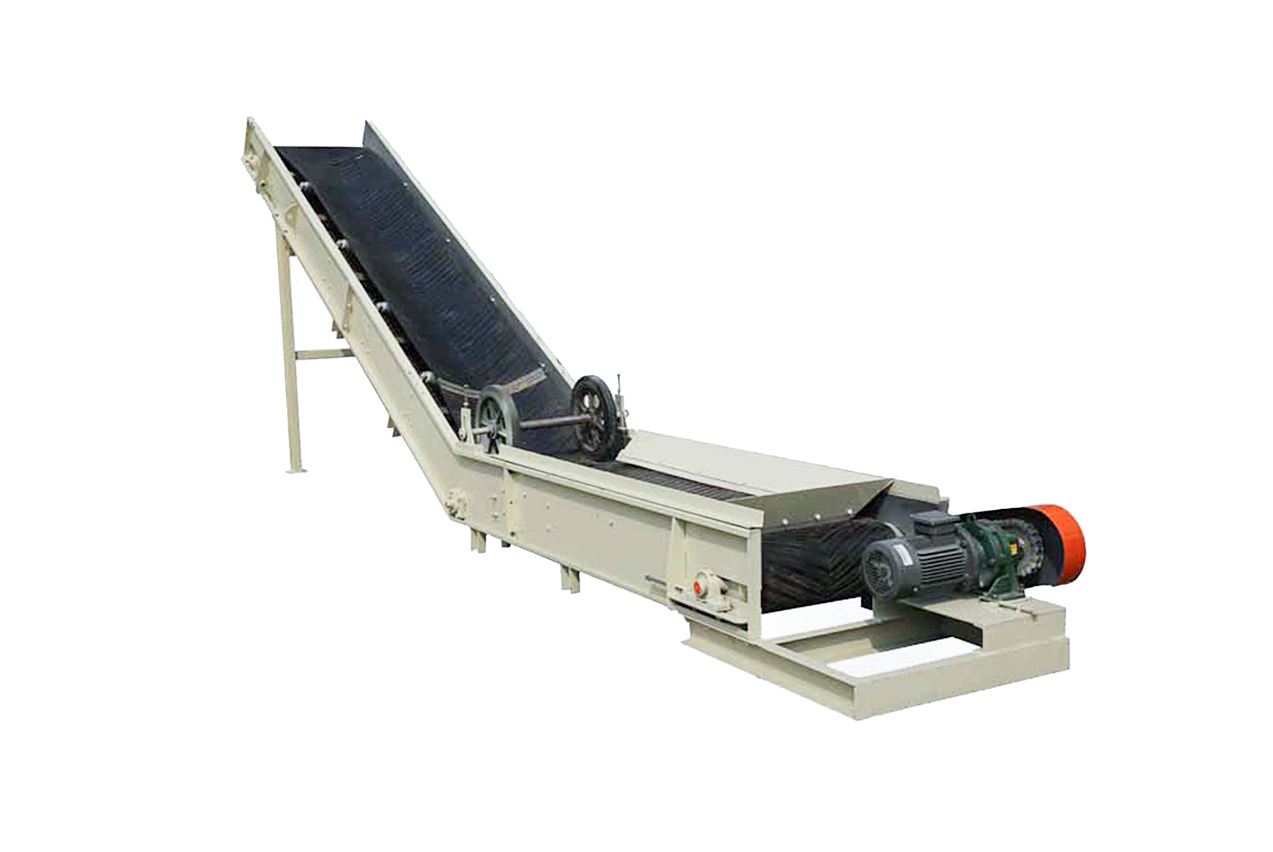
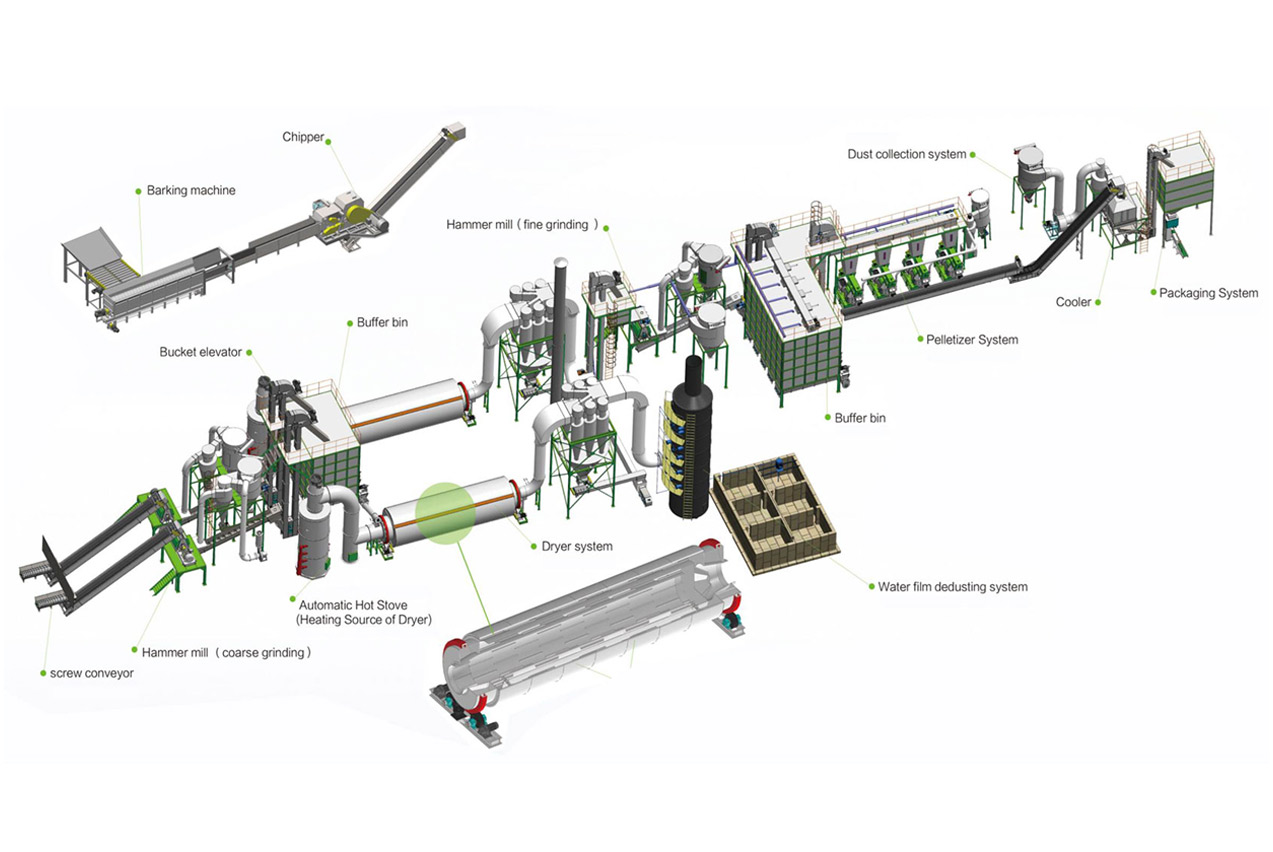
A commercial Thai biomass pellet plant requires more than the pellet mill itself. The equipment sequence for a wet-feed line processing fresh wood or agricultural waste runs:
Full pellet mill auxiliary equipment for complete production lines integrations are available as part of Kingwood's EPC/turnkey contracting scope.
Kingwood's complete wet-feed production line is designed for up to 200,000 tons/year capacity per 2024 company specifications. A landmark Southeast Asian reference for Thai buyers is the 24 t/h plant installed for AVP Group in central Vietnam — Asia's largest power company — completed in June 2021 after approximately nine months of installation work. That project demonstrates both the technical capability and the logistics management required to execute a large-scale installation in tropical Southeast Asian conditions.
For smaller Thai greenfield projects, a Vietnam wood pellet line achieving 12 t/h payback in 23 months provides a realistic ROI reference point at comparable regional feedstock costs.
EPC (Engineering, Procurement, Construction) contracting transfers project management responsibility to the manufacturer for: equipment supply, plant layout design, civil works coordination, installation, commissioning, and operator training. For a Thai greenfield investor who does not have an in-house mechanical engineering team, this model eliminates the coordination risk between separate equipment suppliers, civil contractors, and electrical integrators — the three most common sources of project delay.

Three certifications serve as practical minimum qualifications for any ring die pellet mill manufacturer Thailand buyers consider:
Kingwood holds all three certifications and is listed on China's NEEQ market under stock code 871765, which provides a layer of financial transparency that private unlisted manufacturers cannot offer.
Certification documents alone are insufficient. The quantitative track record matters: Kingwood has delivered 2,000+ production line projects across 30+ countries per its 2024 company brochure, with machines now producing over 3 million tons of wood pellets annually across customer facilities. In Southeast Asia specifically, confirmed installations include Vietnam and Indonesia, with a 30 t/h biomass pellet line in Indonesia as a regional reference.
The most common mistake Thai buyers make when comparing manufacturers is focusing entirely on capital cost and ignoring spare parts lead time. The ring die, roller shells, and hammer mill screens are consumables — they will need replacement within 12–18 months of commissioning at commercial throughput. A manufacturer with no regional warehouse or local agent means these parts ship from China each time, adding 3–5 weeks to any maintenance event.
When evaluating suppliers, ask specifically: Do you maintain spare parts inventory for Southeast Asia? What is the typical lead time for a ring die replacement to Thailand? Kingwood operates a global operation and maintenance service network across 30+ countries, which reduces spare parts lead time compared to manufacturers without established regional logistics.
Electricity is typically the largest operating cost in a pellet plant, exceeding wear parts and labor combined at commercial throughput. Thailand's industrial electricity tariff is approximately 4.18 THB/kWh (approximately USD 0.115/kWh) per EGAT 2024 pricing data. For a 200 kW mill running two shifts (16 hours/day), electricity cost runs approximately 13,376 THB/day (200 kW × 16 h × 4.18 THB). At 3 t/h throughput, that produces approximately 48 tons/day — yielding a power cost of roughly 278 THB/ton of pellets produced, before drying and auxiliary equipment loads.
The permanent magnet synchronous servo motor on the JWZL-688D reduces this cost relative to conventional induction motors. Permanent magnet motors maintain high efficiency across the operating RPM range, including at partial load — important because pellet mills rarely run at nameplate capacity during startup, feedstock transitions, or moisture variations. Induction motors operating at partial load drop efficiency significantly; servo motors do not. Energy savings of 10–15% vs. equivalent induction motor drives are realistic per IEA industrial motor efficiency data (2023).
A practical annual maintenance budget for a 3–4 t/h ring die mill processing wood biomass in Thailand should account for:
Biomass pellets produced save 40–50% in fuel cost versus fuel oil, gas, or electric heating per Kingwood product data — a margin that funds wear-part replacement at realistic commercial pricing.
Three maintenance practices reduce unplanned stoppages in Thai operating environments:

Jiangsu Kingwood Industrial Co., Ltd. (founded 1999, NEEQ: 871765) brings 27 years of biomass pellet equipment R&D to Southeast Asian projects, with a 35,000 m²+ manufacturing facility in Liyang, Jiangsu, and a team of 35+ R&D and service engineers. The company co-operates a Clean Renewable Energy R&D Lab with the Nanjing government and maintains a joint R&D center with Nanjing University of Agriculture — both focused on equipment performance across diverse biomass feedstocks.
For Thai buyers specifically, Kingwood's value proposition covers four stages:
1. Pre-project feasibility: Raw material analysis (moisture, bulk density, silica content), site assessment, and market analysis to determine viable production capacity and pellet grade before any capital commitment.
2. Production line design: Process flow design, equipment selection, plant layout, and cost estimation. Thai projects typically involve humid-season feedstock variability that requires specific dryer sizing and die configuration — not a copy-paste of a northern Chinese project design.
3. EPC delivery: Equipment manufacturing under ISO 9001 and CE certification, civil works coordination, installation, commissioning, and operator training on-site in Thailand.
4. Ongoing O&M support: Standardised inspection protocols, spare parts supply (ring dies, roller shells, hammer mill screens, bearings), and remote technical support. The goal is stable throughput at minimum energy input — not just machine delivery.
The 20 t/h Indonesia biomass pellet line and the Vietnam 24 t/h AVP Group plant are the most directly comparable Southeast Asian reference projects for Thai greenfield investors evaluating this partnership model.
For most Thai commercial operations processing 5,000–15,000 tons per year, a ring die mill in the 3–5 t/h range per unit is the practical starting point. Kingwood's JWZL-688D delivers 3–3.5 t/h with a 200 kW servo motor; multiple units can be paralleled for the 12–20 t/h range without single-point failure risk. Always verify rated capacity against your specific feedstock moisture and bulk density before purchasing.
Die working life varies significantly by steel grade, heat treatment, and operating moisture control, but vacuum-heat-treated CNC-drilled dies typically outlast conventionally manufactured dies by 30–50% under comparable conditions. Kingwood's ring dies use fully automated CNC drilling for consistent hole smoothness, which directly reduces die wear. Maintaining feedstock moisture between 10–14% is the single largest controllable factor in extending die service life.
Yes — established Chinese manufacturers with a global service network handle EPC/turnkey projects including on-site installation, commissioning, and operator training. Kingwood has completed 2,000+ production line projects across 30+ countries including Vietnam and Indonesia in Southeast Asia, with documented cases such as a 24 t/h plant installed for AVP Group in central Vietnam. Confirm the manufacturer has in-region spare parts inventory or a local agent to minimize downtime after commissioning.
As a minimum, look for ISO 9001 quality management and CE marking on the machinery itself; ISO 14001 environmental management certification signals that the manufacturer's own processes meet international standards. Thailand's Department of Alternative Energy Development and Efficiency (DEDE) projects may also require compliance documentation for imported equipment under the AEDP 2037 framework. Kingwood holds ISO 9001, ISO 14001, and CE certifications and is listed on China's NEEQ market (stock code 871765), providing an additional layer of financial transparency.
Ring die mills are preferred above 500 kg/h because the rotating die design distributes compression force more evenly and handles higher feed rates without die clogging — critical for abrasive, high-silica materials like rice husk. Flat die machines are simpler and lower-cost but typically cap out below 500 kg/h and see accelerated wear on silica-heavy feedstocks. For rice husk specifically, a shorter L/D ratio die (lower compression) combined with a controlled moisture of 10–12% reduces ring die wear and maintains PDI above 97.5%.

Wood Biomass Machinery Manufacturer


 English
 日本語
日本語
 한국어
한국어