Vietnam exported approximately 4.8 million tonnes of wood pellets in 2023 per FAO 2024 forestry trade data, making it Asia's second-largest exporter behind only Canada on some trade flows. That volume has grown consistently at 12–15% year-on-year since 2019, driven primarily by Japanese and South Korean buyers under their respective feed-in-tariff biomass programmes.
Two structural forces are accelerating this growth. First, Vietnam's government has published coal-replacement targets under its Power Development Plan VIII, which calls for biomass co-firing at coal plants to reach 3,000 MW by 2030. Second, tightening European Union deforestation regulation (EUDR) is pushing Vietnamese exporters to certify traceable, plantation-sourced feedstock — which benefits organised pellet plants over informal chip traders.
The dominant feedstocks are acacia (Acacia mangium and A. auriculiformis), rubber wood from replanted Hevea plantations in the south-central region, and rice husk in the Mekong Delta. Each has a distinct moisture and density profile that directly affects pellet mill die selection, which is a point most equipment-only suppliers undervalue.
Buyers entering Vietnam's pellet market in 2025 face a practical question: where do you find a ring die pellet mill manufacturer Vietnam operations can rely on for long-term spares and support — not just the initial equipment sale?
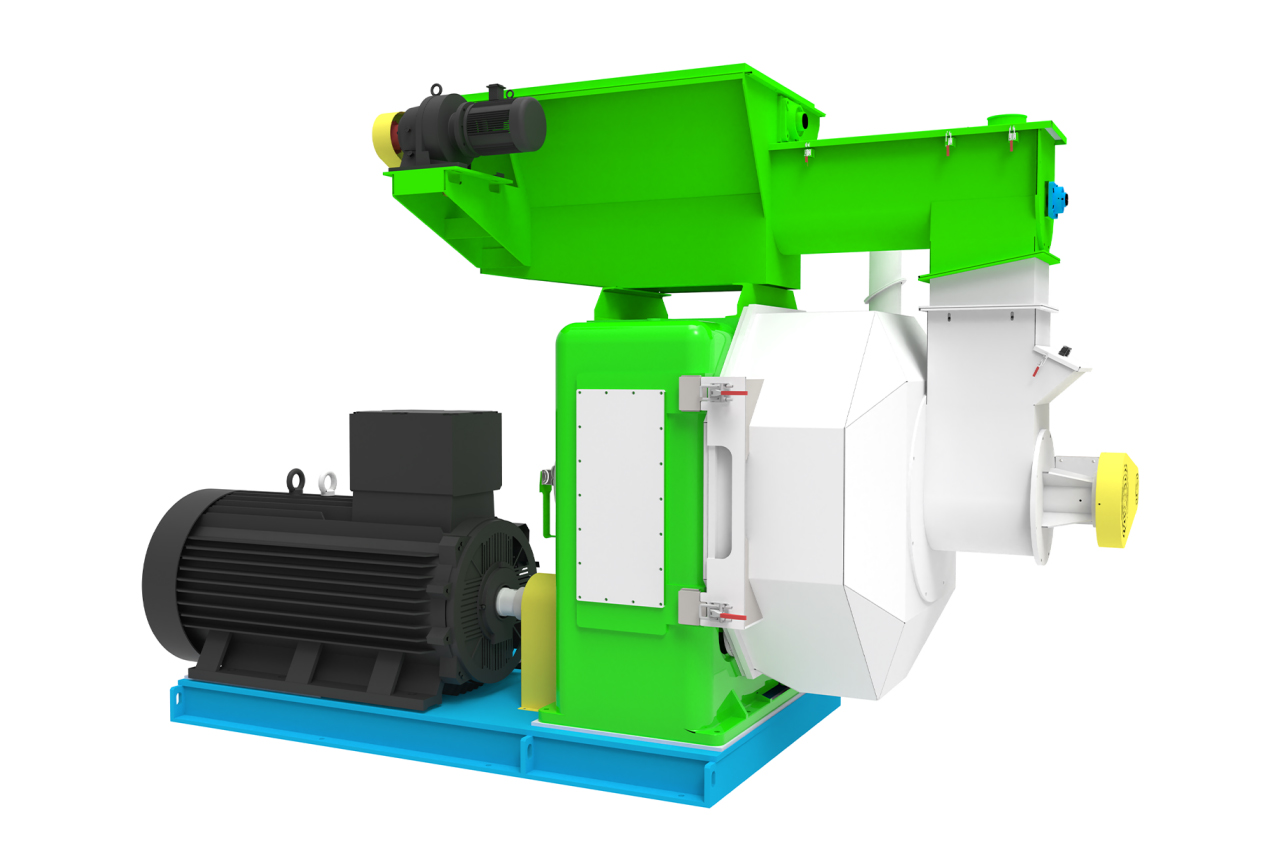
Flat die pellet mills suit small-scale or farm-level operations — typically under 500 kg/h. Above that threshold, the ring die configuration becomes the practical standard. The ring die rotates around stationary rollers, which distributes wear more evenly and allows continuous, high-throughput operation without overheating. Ring die mills account for over 70% of industrial-scale pellet mill installations globally per Statista biomass machinery report 2024.
For Vietnam's export-oriented plants, "high throughput" means something specific: most bankable projects operate at 10 t/h minimum to justify the land, dryer, and packaging capital. The commercially viable range for Vietnamese export lines runs from 10 t/h (small single-mill setups) through 24 t/h (two-mill parallel configurations) to 30 t/h and above for large concession-holder operations.
| Plant Type | Target Capacity | Typical Mill Configuration |
|---|---|---|
| Small export plant | 10–12 t/h | 1 × JWZL-688 or equivalent |
| Mid-scale export plant | 20–24 t/h | 2 × parallel ring die mills |
| Large concession plant | 30+ t/h | 3+ mills or JWZL-860 class |

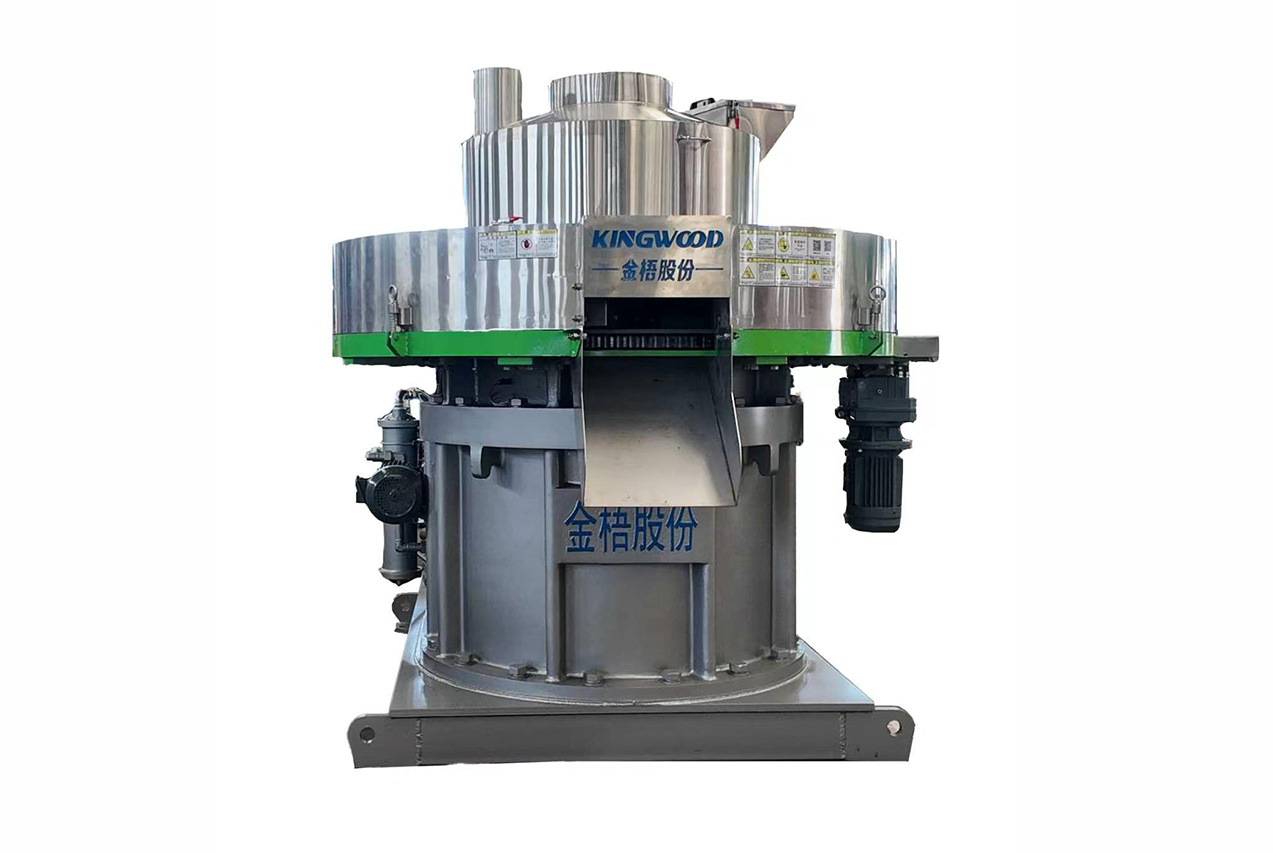
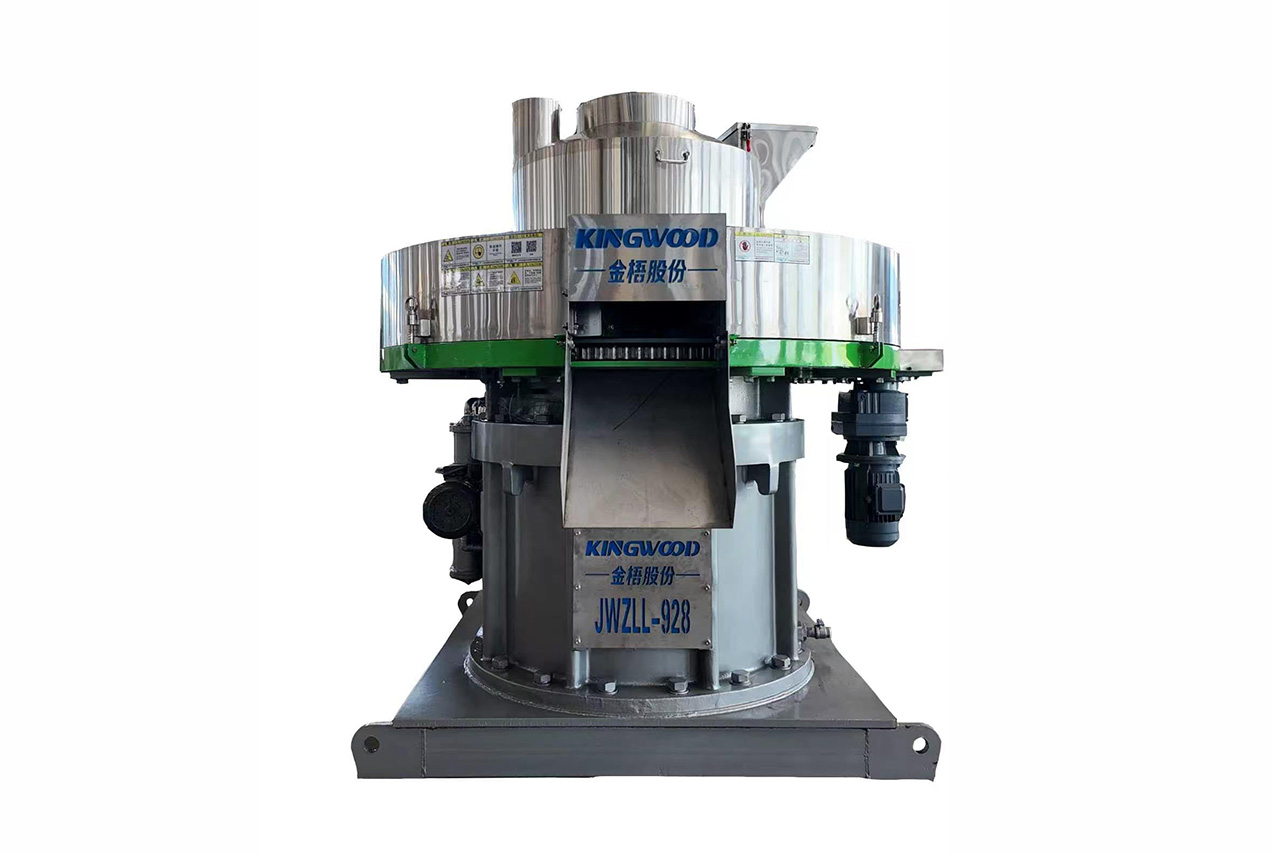
For buyers evaluating options, it is also worth reviewing why vertical ring die pellet machines are gaining popularity — vertical configurations can reduce floor space requirements, which matters on constrained Vietnamese factory sites.
The key point: any ring die pellet mill manufacturer Vietnam buyers shortlist should be able to size the mill configuration against your specific feedstock bulk density, not just quote a nominal hourly figure.
Two quality benchmarks should be written into every supply contract. First, Pellet Durability Index (PDI) above 97.5% on dry sawdust at 10–14% moisture. Second, bulk density above 600 kg/m³. Both are measurable at factory acceptance testing and directly affect whether your pellets meet Japanese or Korean import specifications. Pellets that fail PDI create fines during ocean shipping, which means penalties or rejection at the destination port.
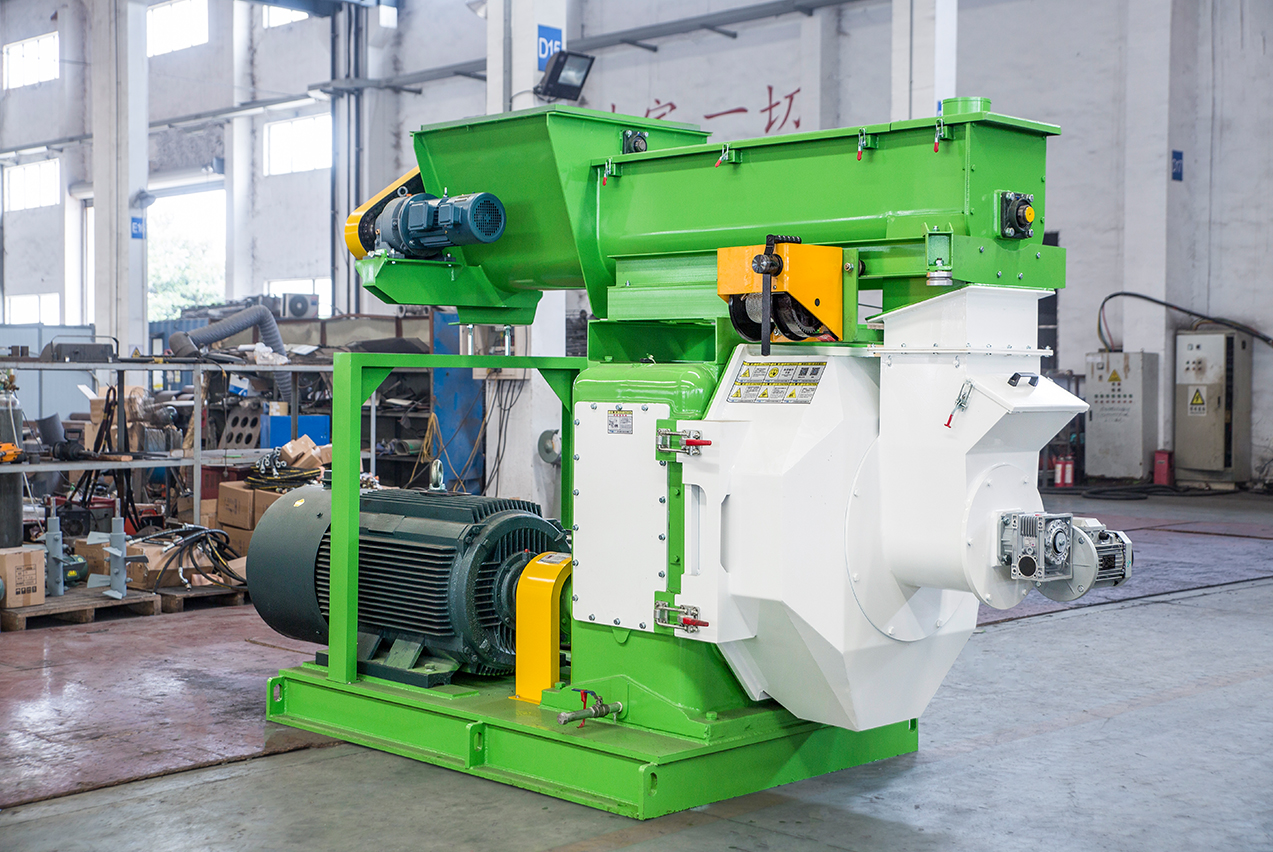
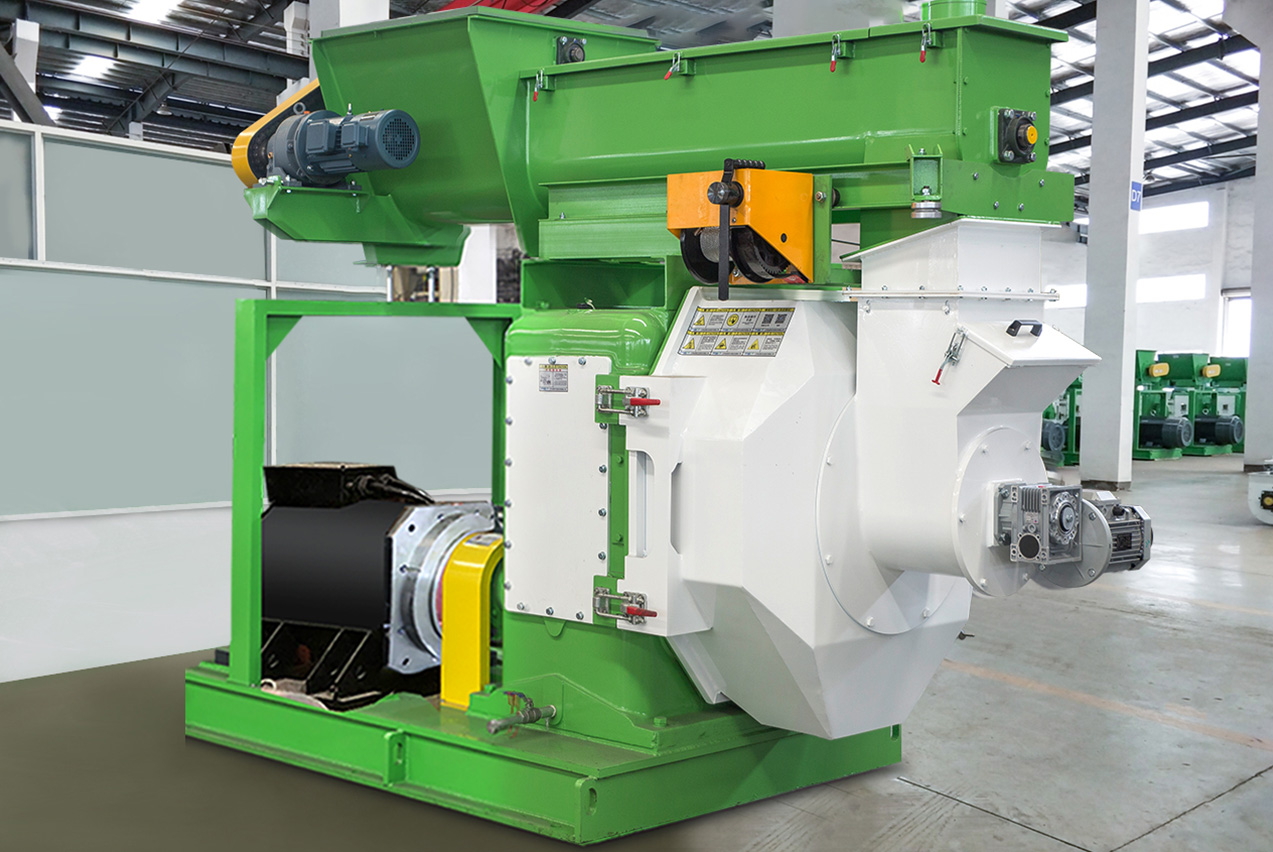
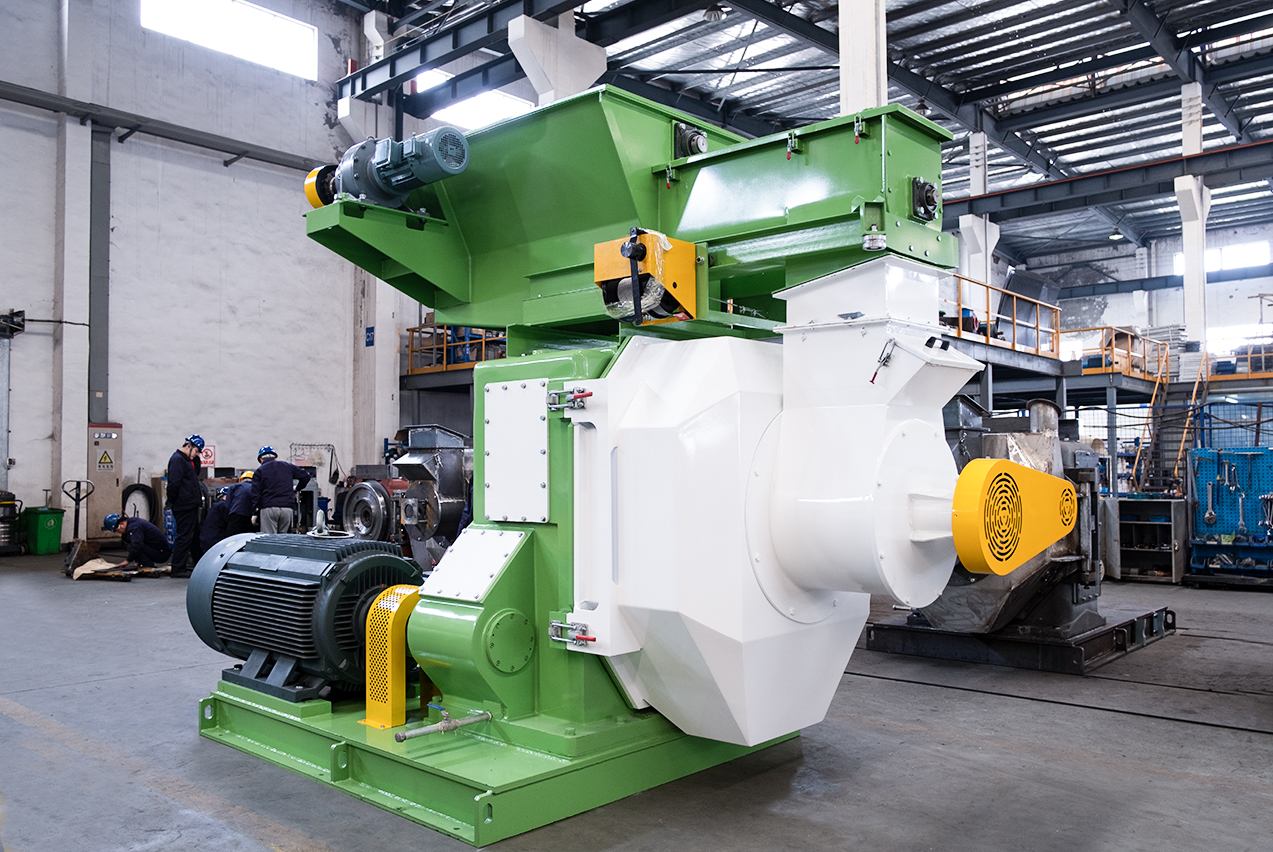
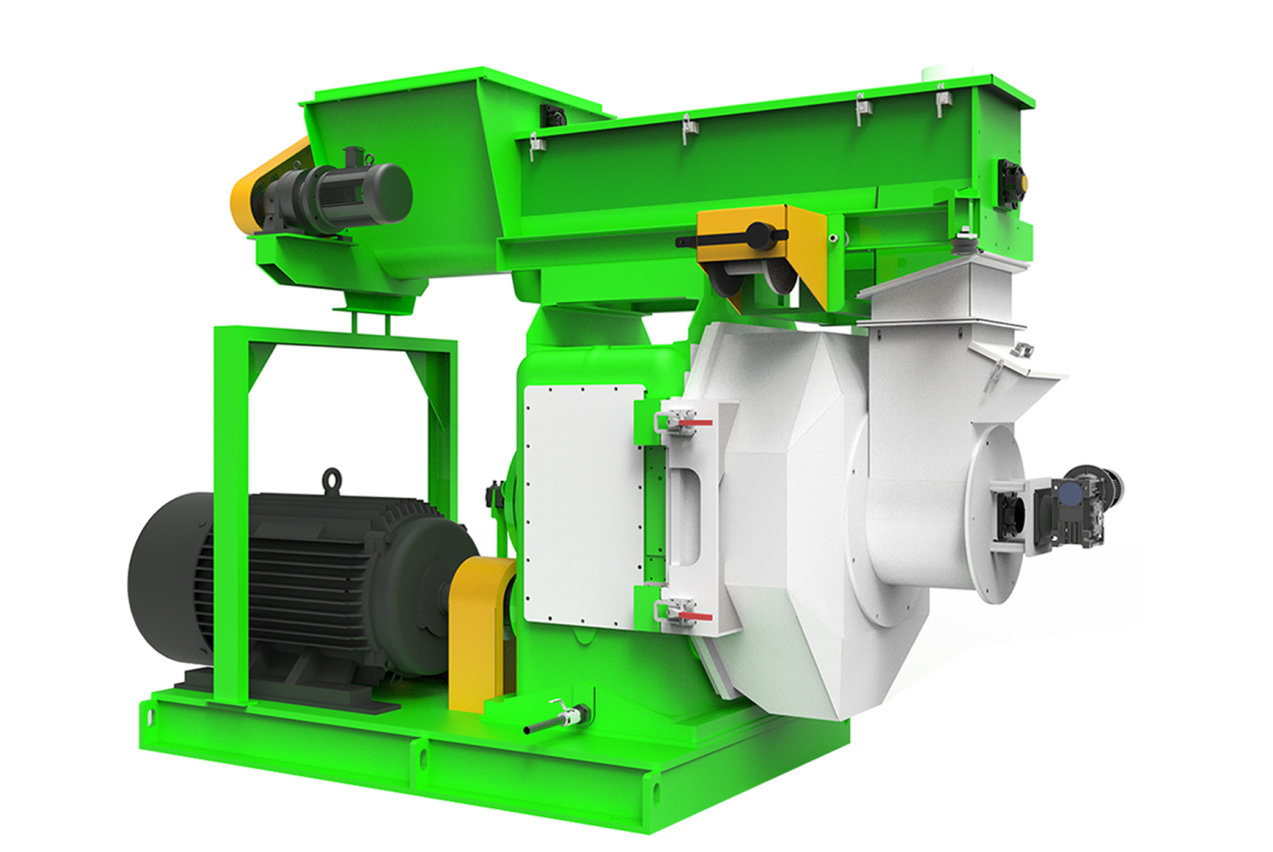
Motor power must match your tonnage target. Kingwood's JWZL-688 ring die wood pellet mill specifications show a 200 kW servo main motor delivering 2–2.3 t/h. The upgraded JWZL-688D reaches 3–3.5 t/h with the same 200 kW motor through improved die geometry. The JZWH-860 class unit steps up to 4–5 t/h capacity at higher power draw. Under-specifying motor power relative to die diameter leads to stalling on high-lignin rubber-wood feedstock — a failure mode we have seen repeatedly on imported machines where the buyer chose on price without checking power-to-die-area ratio.
Per Kingwood engineering data, under-lubricated bearings fail within 800–1,200 hours, costing far more in downtime than the grease saved. Demand a written lubrication schedule from any manufacturer, and confirm whether automated lubrication systems are standard or optional on the model you are quoting.
Die compression ratio must be matched to feedstock. Acacia typically requires a lower compression ratio than rubber wood due to lower natural lignin content; switching feedstocks without adjusting the die risks either crumbling pellets or blocked die holes. See ring die replacement parts and hole-size options for details on hole geometry options.
Noise output should be confirmed at ≤93 dB(A) — the specification listed for Kingwood's JWZL-688D. Vietnamese Ministry of Labour regulations set 85 dB(A) as the 8-hour exposure limit, so factory layout and acoustic shielding plans must account for this at the design stage.
| Spec | JWZL-688D | JZWH-860 |
|---|---|---|
| Capacity | 3–3.5 t/h | 4–5 t/h |
| Main motor | 200 kW servo | Higher power class |
| Noise | ≤93 dB(A) | Per manufacturer spec |
| PDI (dry sawdust) | ≥97.5% | ≥97.5% |
| Bulk density | >600 kg/m³ | >600 kg/m³ |
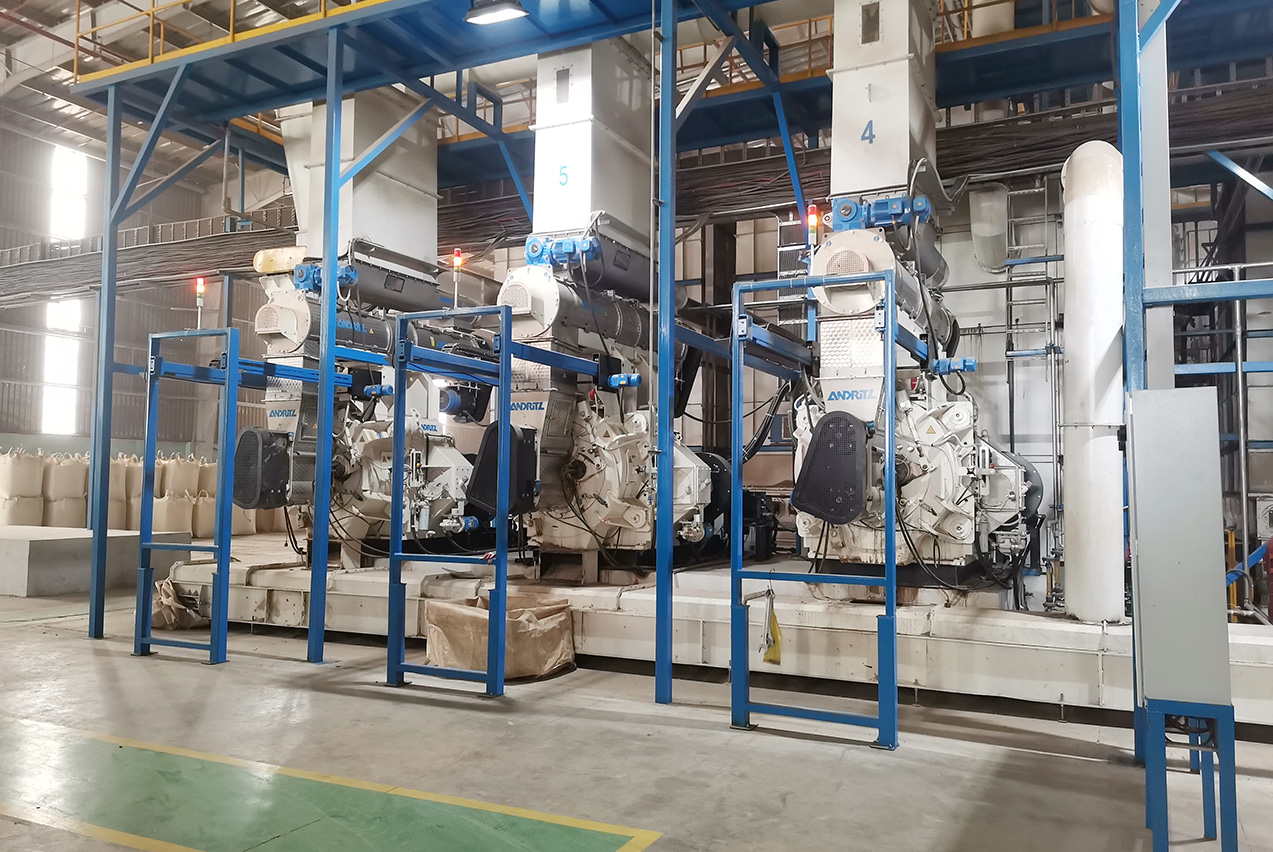
An EPC (Engineering, Procurement, and Construction) turnkey contract covers everything from site layout and civil works coordination through equipment supply, installation, commissioning, and operator training. An equipment-only sale covers the machines on an FCA or CIF basis — the buyer handles import, civil works, installation, and startup independently.
For Vietnam, the gap between these two models is material. EPC biomass projects in Southeast Asia reduce commissioning delays by an estimated 35% versus equipment-only supply per World Bank infrastructure procurement study 2023. The reasons are practical: Vietnamese pellet plant sites often involve new construction, three-phase power upgrades, and dust extraction permitting — none of which are trivial for a buyer managing this for the first time.
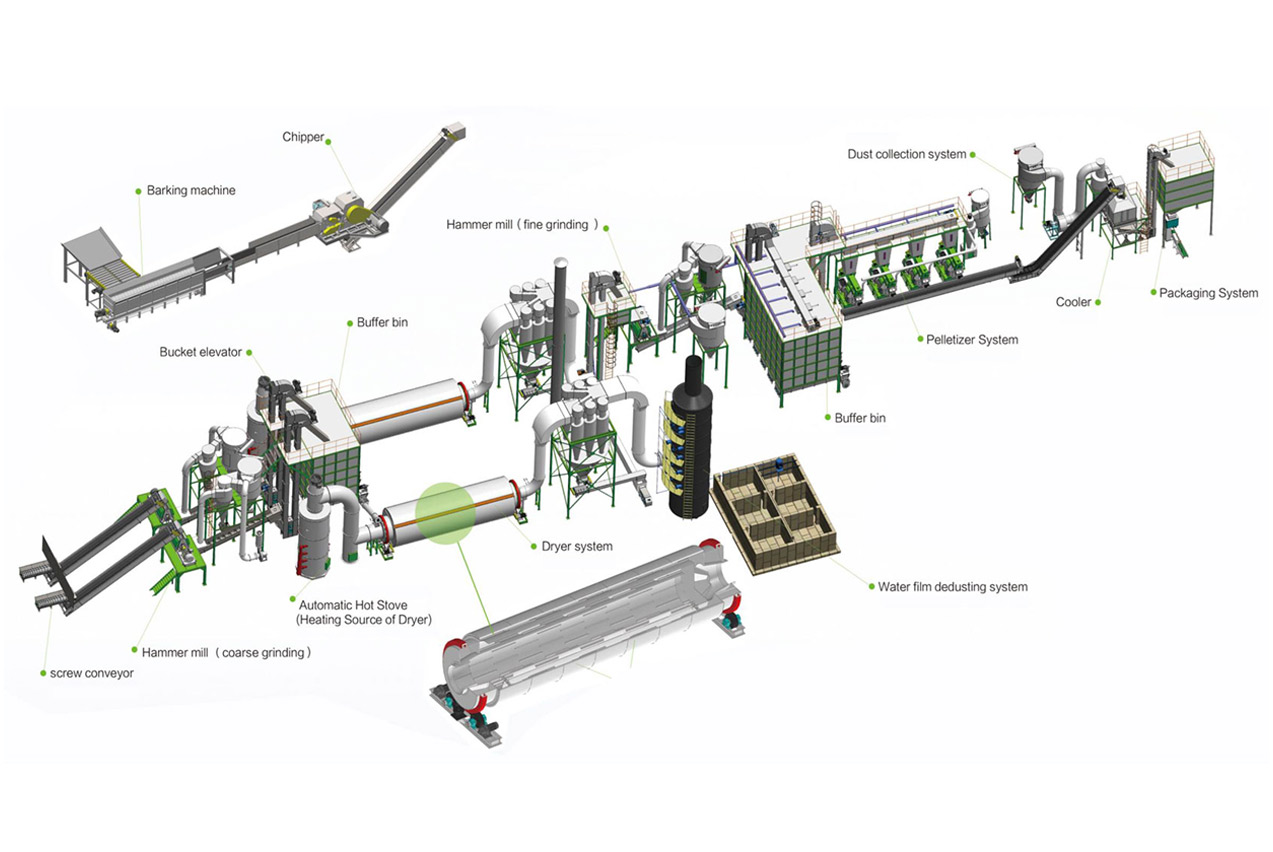
Kingwood's approach to EPC delivery follows what they call the Three-Standardization Framework: Integrated (full upstream-downstream supply chain coordination), Dust-Free (enclosed processing with active dust removal at every transfer point), and Automated (minimal manual intervention after commissioning).
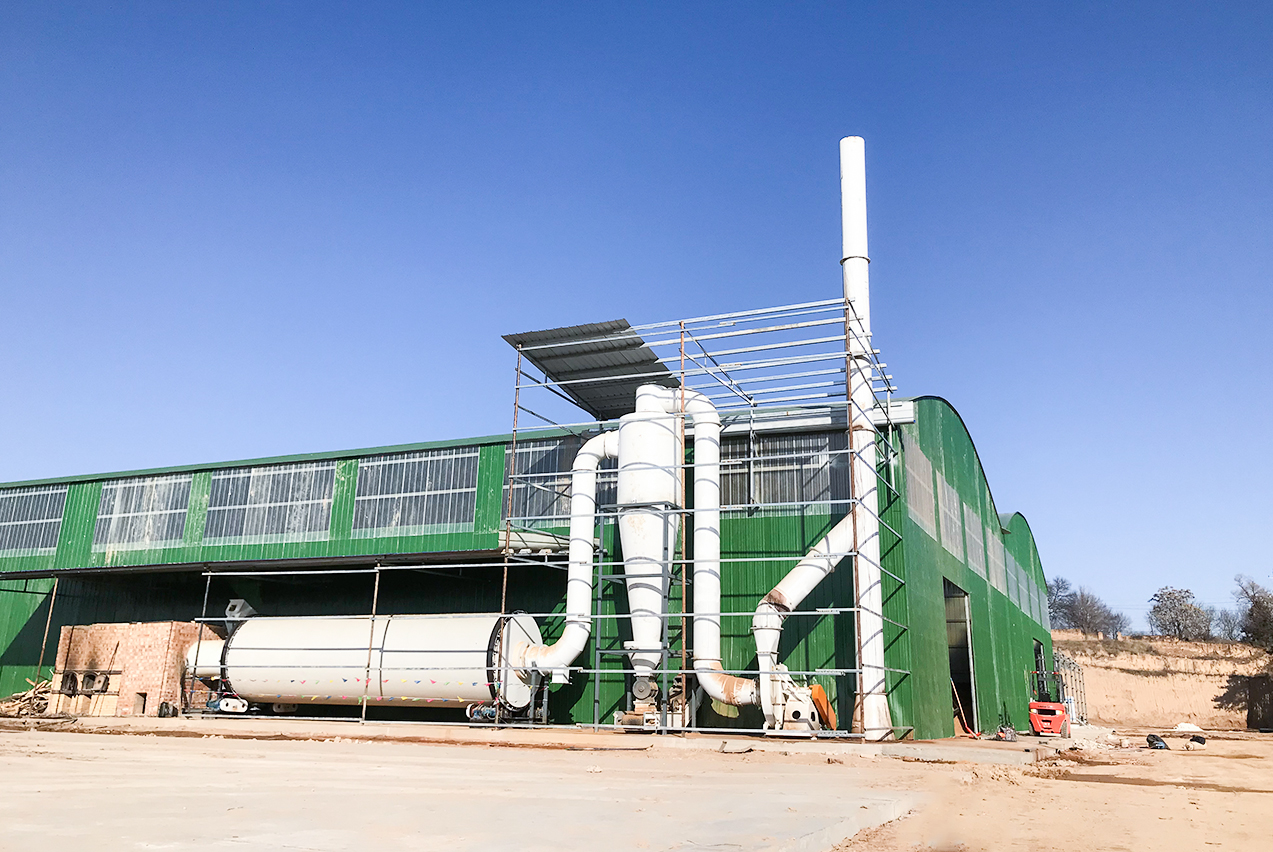
In Vietnam specifically, the dust-free requirement is not optional. Vietnamese factory inspection authorities have increased enforcement of dust emission standards since 2022, and biomass sawdust is classified as a fire and explosion risk at concentrations above 40 g/m³. A manufacturer that designs enclosed conveying from the start avoids costly retrofits later.
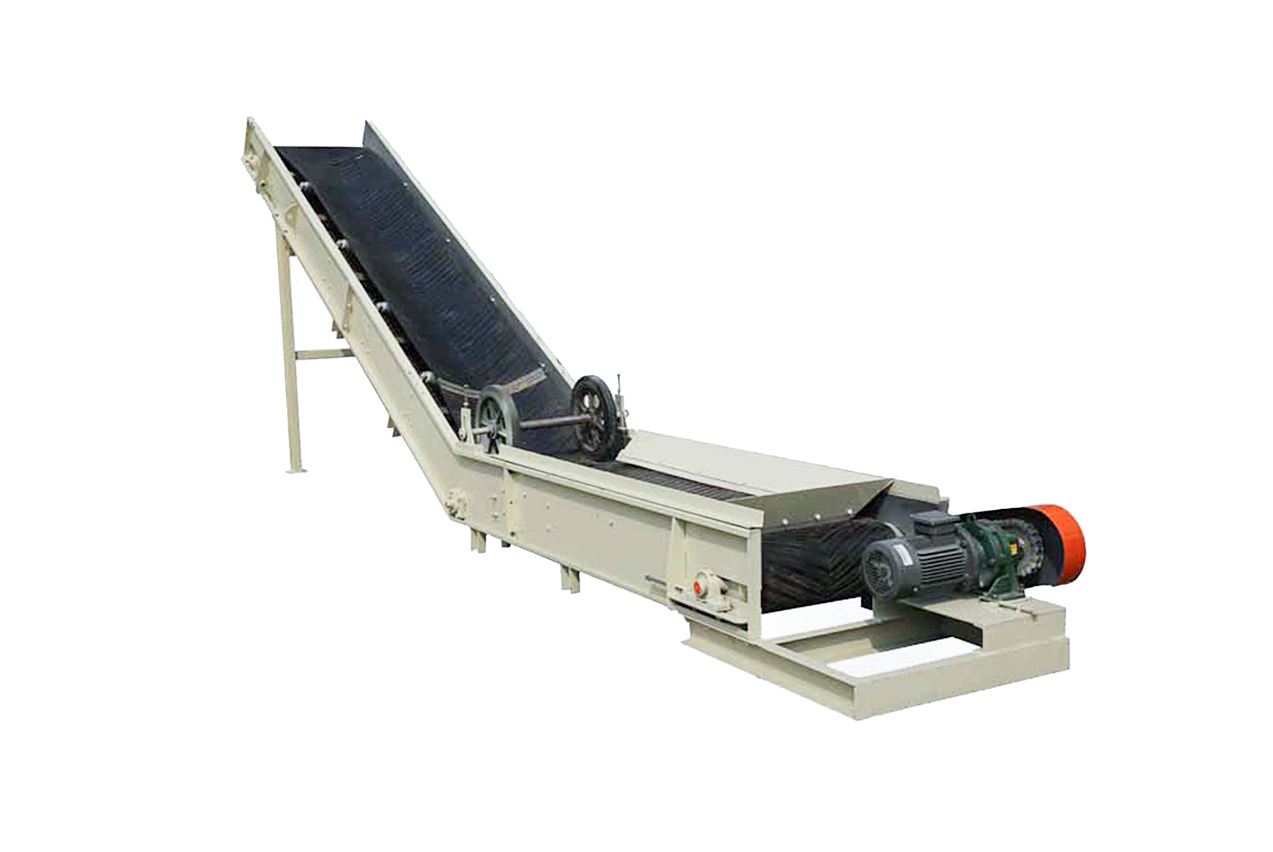
The auxiliary equipment for a complete pellet production line — coolers, screeners, conveyors, and packaging systems — accounts for roughly 35–40% of total plant capital cost and is where equipment-only buyers most often encounter specification gaps after the main mill arrives.
Vietnamese import duties on capital equipment from China are typically 0–5% under ACFTA (ASEAN-China Free Trade Agreement) provisions for most HS codes covering pellet mill machinery. Combined with shorter sea freight lead times (5–8 days Shanghai to Ho Chi Minh City), Chinese EPC suppliers have a structural logistics advantage over European competitors.
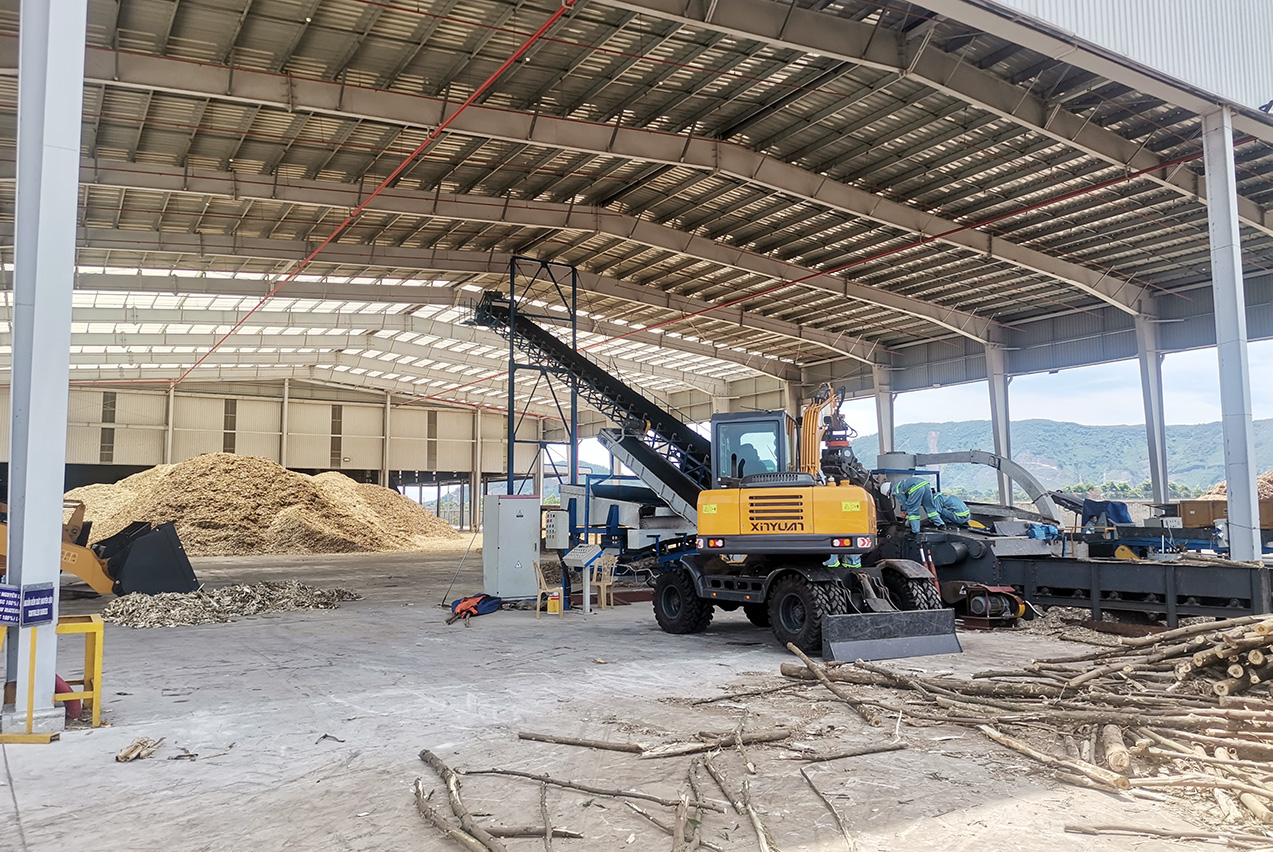
AVP Group, described as Asia's largest power company and a leading producer and supplier of sustainable biomass, invested a further USD 10 million in a 24 t/h wood pellet plant in central Vietnam. Kingwood was awarded the tender in late 2020 following a competitive procurement process.
The feedstock was primarily wood chips sourced from acacia plantations in the central highland region. The plant was designed to produce pellets meeting Japanese Biomass Fuel Quality Standards for co-firing import.
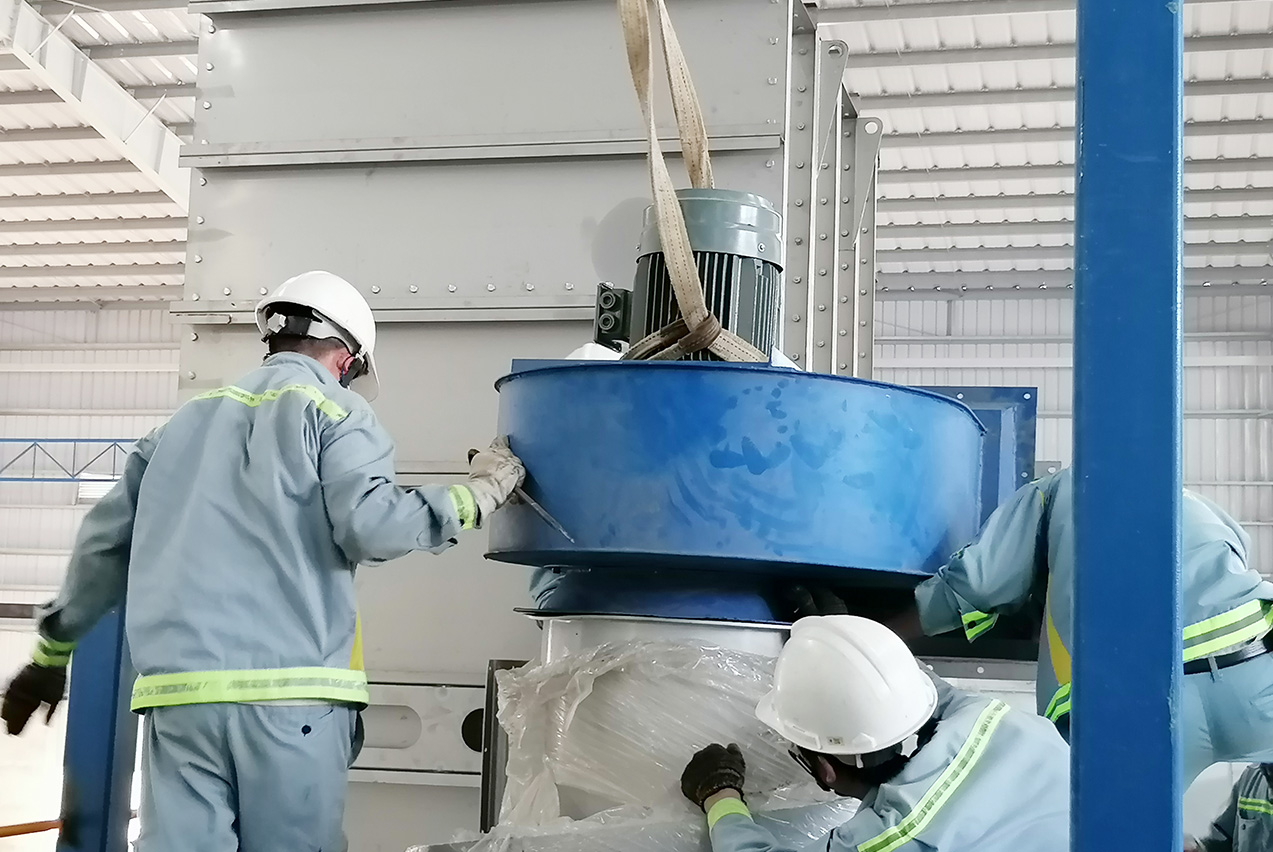
Installation was completed in approximately nine months despite 2021 COVID-era restrictions on international engineer travel. Kingwood's engineers worked through a combination of on-site Vietnamese technical staff trained at Kingwood's Liyang facility before border closures, remote diagnostic support, and a staggered travel schedule as border controls eased. This is a real operational detail that matters when evaluating any ring die pellet mill manufacturer Vietnam buyers are considering: what happens when your commissioning engineer cannot board a plane?
A separate Vietnam wood pellet line deployment using JWZL688 mills at 12 t/h achieved full investment payback in 23 months per verified Kingwood project data. The key factors driving that payback speed were: high feedstock availability at low cost (plantation waste), strong pellet export pricing in 2022–2023, and minimal unplanned downtime due to pre-arranged spare parts inventory.
The lesson for buyers: payback period is not primarily a machine specification — it is a system design outcome. Line uptime, feedstock drying efficiency, and spare parts availability matter as much as the mill's nominal throughput.
For context on how raw material choice shaped this project's die selection, see how raw material choices affect pellet quality and die wear.
Require ISO 9001 quality management certification, ISO 14001 environmental management certification, and CE marking at minimum. Kingwood holds all three. ISO 14001 is increasingly demanded by European end-buyers of Vietnamese pellets as part of their sustainable supply chain documentation — it adds commercial value downstream, not just compliance value at the factory gate.
Manufacturers with 2,000+ completed production line projects across 30+ countries demonstrate supply chain resilience per IEA bioenergy supply chain guidelines 2024. That volume signals that the manufacturer has encountered and solved the range of feedstock, climate, and site problems that a Vietnam deployment will present. Kingwood has planned and designed over 2,000 production line projects across more than 30 countries since founding in 1999.
Ask specifically: where is the nearest spare parts depot to your Vietnamese site? What is the guaranteed engineer response time? Kingwood operates a global operation and maintenance service network across 30+ countries. For Vietnam, confirm that ring dies, roller shells, and bearing sets are held in regional stock — not just available on 8-week lead time from the factory.
A manufacturer with USD 15 million or more in fixed assets and a stock exchange listing (Kingwood is listed on China's NEEQ Market, stock code 871765) provides a level of financial transparency that private manufacturers cannot. This matters when you are negotiating a 5-year spare parts supply agreement or a performance warranty.
Twenty-seven years of dedicated biomass pellet equipment R&D, backed by a joint R&D centre with Nanjing University of Agriculture, produces engineering data that generic resellers cannot replicate. When a Vietnamese buyer asks "what compression ratio should I use for rubber wood at 35% initial moisture?", the answer should come from test data, not a sales estimate.
Confirm that the manufacturer can supply and execute a full EPC contract including civil design coordination, not just equipment. Ask for references from at least two completed Southeast Asia EPC projects with verifiable commissioning dates.
| Vetting Criterion | What to Ask For | Red Flag |
|---|---|---|
| Certifications | ISO 9001, 14001, CE certificates with validity dates | No CE marking |
| Project history | Reference list with capacity and country | Fewer than 50 international projects |
| After-sales | Regional spare parts stock list | "Lead time 8–12 weeks" for ring dies |
| Financial stability | Audited financials or exchange listing | No verifiable fixed assets |
| R&D capability | Technical data sheets with test conditions | Specs without test methodology |
| EPC experience | Completed SEA EPC project references | Equipment-only supply only |
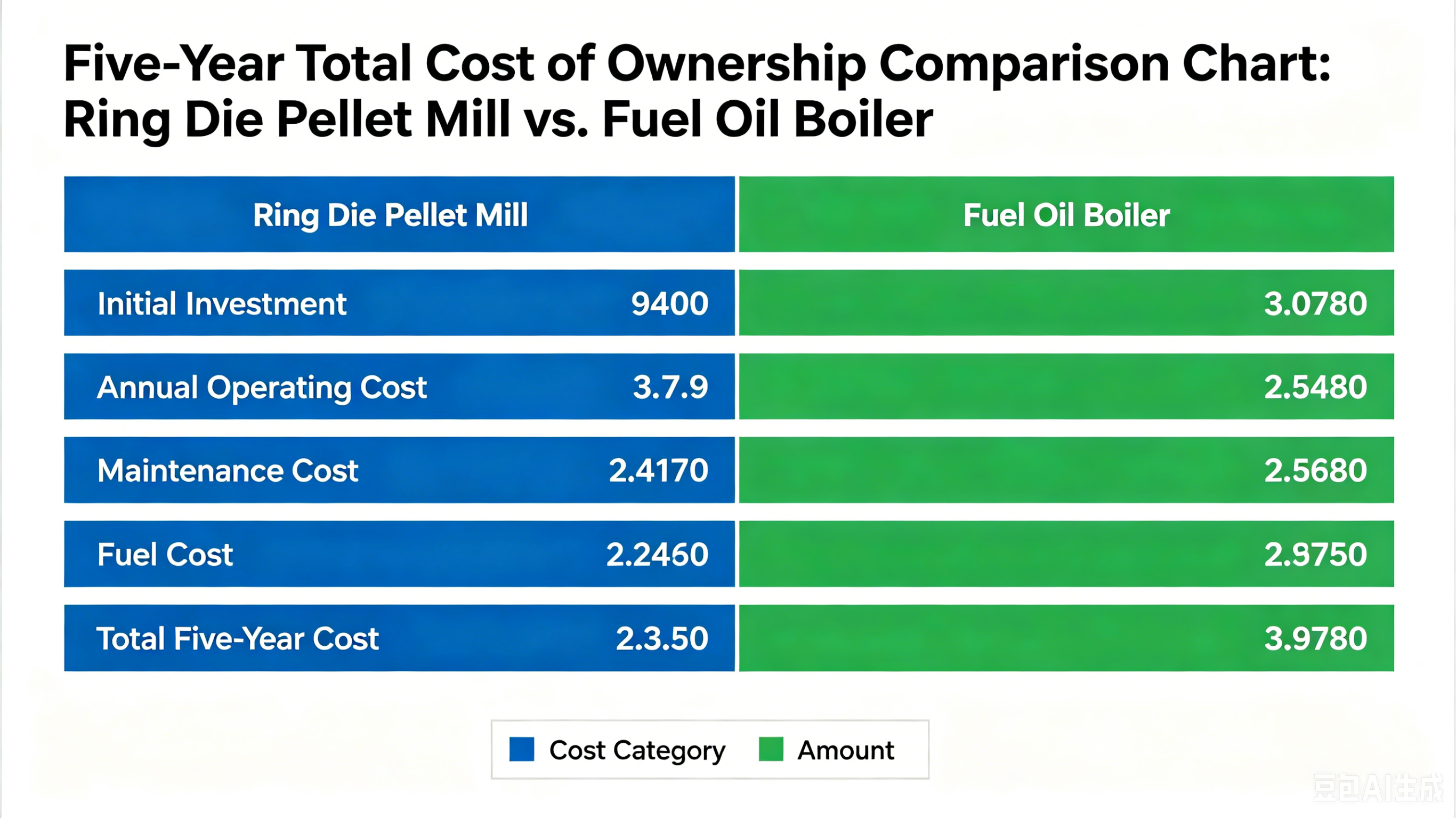
The five-year operating cost of a ring die pellet mill line divides into: electricity (typically 50–60% of OpEx), die and roller shell replacement (15–20%), lubrication and routine maintenance (5–8%), labour (10–15%), and miscellaneous consumables. Biomass pellet production costs in Southeast Asia average USD 65–80 per tonne excluding feedstock per Bloomberg NEF bioenergy cost survey 2024.
Choosing the correct die compression ratio at the outset is the single highest-leverage decision for long-term die cost. An incorrect ratio — typically too high for the feedstock's natural binder content — causes premature die hole scoring. A correctly matched die on acacia feedstock will typically last 800–1,200 operating hours before replacement. Operators who switch between acacia and rubber wood without changing die geometry routinely cut that life in half. Budgeting for two die sets per mill per year is conservative but defensible for mixed-feedstock operations.
Biomass pellet fuel costs 40–50% less than fuel oil, gas, or electric heating per verified Kingwood project data across multiple deployments. For a Vietnamese industrial boiler operator burning 5,000 tonnes of fuel oil equivalent per year, switching to pellets can represent USD 800,000–1,200,000 in annual energy savings depending on oil price conditions. That saving is the economic foundation that makes a 23-month payback possible.
Kingwood — Jiangsu Kingwood Industrial Co., Ltd., founded 1999, listed on NEEQ (stock code 871765) — is not an equipment trading company. The business manufactures ring die mills, designs complete production lines, and executes EPC turnkey contracts from its 35,000 m²+ facility in Liyang, Jiangsu, staffed by 35+ R&D and service engineers.
For Vietnam specifically, Kingwood's credentials include:
Buyers evaluating a ring die pellet mill manufacturer Vietnam operations can work with long-term should review both the equipment specifications and the service infrastructure behind them. The pellet mill itself runs for 10–15 years; the quality of after-sales support determines whether it runs profitably or not.
Contact Kingwood's project team with your feedstock type, target annual output, and site location to receive a capacity sizing recommendation and preliminary EPC scope.
A 100,000 tonne/year target at roughly 330 operating days requires about 30 t/h throughput. Kingwood's JWZL-860 delivers 20 t/h per unit, so two units in parallel — as deployed in Indonesia — cover that target with redundancy built in.
Typical lead time from contract signing to commissioning is 6–9 months for a complete EPC turnkey line. Kingwood's 24 t/h AVP Group project in central Vietnam was installed in approximately 9 months despite 2021 COVID-era restrictions on engineer travel.
Yes — both acacia and rubber wood are standard feedstocks for ring die mills when moisture is dried to the 10–14% optimal range. Kingwood's lines include integrated drum dryers that bring high-moisture tropical wood to pelletizable conditions before the mill stage.
At minimum, buyers should require ISO 9001 quality management and CE marking, which Kingwood holds. ISO 14001 environmental certification is increasingly demanded by European end-buyers of Vietnamese pellets, so it adds downstream commercial value.
A verified 12 t/h Kingwood JWZL688 deployment in Vietnam achieved full payback in 23 months. Payback varies with feedstock cost, pellet sale price, and capacity utilisation, but the 40–50% fuel cost saving versus fossil alternatives is a consistent driver.
For equipment selection criteria, see this commercial wood pellet mill guide.

Wood Biomass Machinery Manufacturer


 English
 日本語
日本語
 한국어
한국어