Thailand sits on some of the densest agricultural biomass supply chains in Southeast Asia. Sugarcane bagasse, rubber wood chips, palm shell, and rice husk are all generated in quantities that industrial pellet plants can source at $25–$40 per dry ton — below the threshold where ring die pellet mill economics deliver attractive returns.
Policy is adding another layer of pull. Thailand's Alternative Energy Development Plan (AEDP) targets 30% renewable energy share by 2037, per the Department of Alternative Energy Development and Efficiency (DEDE) 2023 report. Biomass power and heat are the most readily scalable pathway to that target, and pelleted fuel is the preferred form for transport, storage, and co-firing. IEA 2024 estimates place Southeast Asia's biomass energy capacity growing at 8% year-on-year through 2030 — the fastest of any major regional bloc.
On the export side, Japan and South Korea continue to expand feed-in-tariff programs that mandate imported biomass pellets for co-firing with coal. Thailand's proximity to these markets — shorter sea freight than Vietnam or Indonesia — gives Thai pellet exporters a logistics cost advantage of roughly $4–$8 per ton FOB.
Feedstock geography matters for plant siting. The sugarcane belt in Khon Kaen and Udon Thani, rubber wood mills in the South, and palm processing clusters in Krabi and Surat Thani each present distinct raw material profiles. Each feedstock has different moisture content and bulk density, which directly affects dryer sizing and pellet mill die selection. Buyers evaluating a ring die pellet mill for sale Thailand must map feedstock supply within a 50 km radius before finalizing plant location.
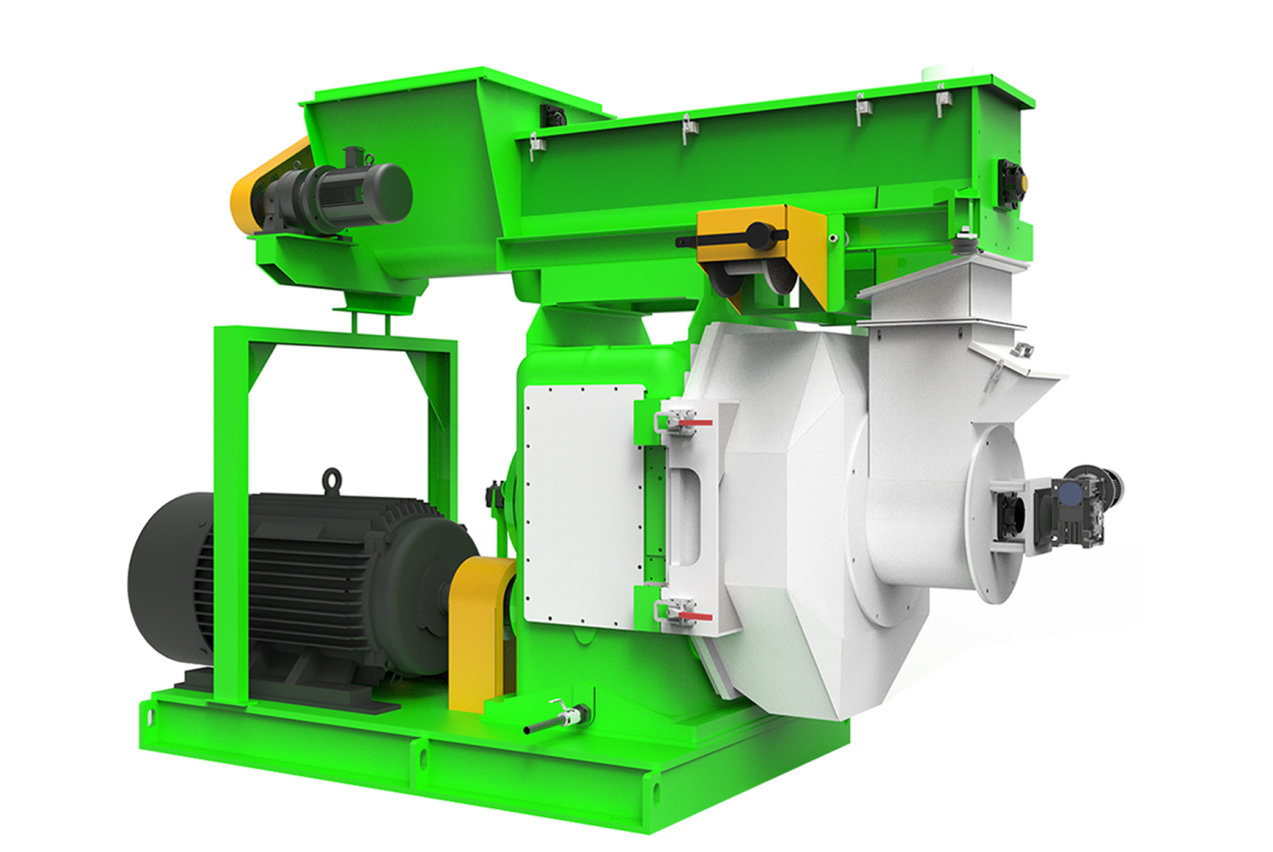
Understanding why ring die pellet machines are gaining popularity in Asia starts with the mechanics. In a ring die configuration, the die rotates while rollers remain stationary, generating centrifugal forces that improve material distribution and allow sustained high-throughput operation. In a flat die mill, rollers press material downward through a stationary horizontal die — a simpler mechanism that works well at small scale but creates uneven wear distribution at higher feed rates.
The practical crossover point is approximately 500 kg/h. Below that threshold, flat die mills offer lower capital cost and easier maintenance. Above it — which is every commercial Thai biomass plant — ring die becomes the economically superior choice, and how feedstock choice affects pellet mill performance is a key reason why.
Ring die mills produce pellets with bulk density above 600 kg/m³ and a Pellet Durability Index (PDI) above 97.5% on dry sawdust feedstock at 10–14% moisture. These figures are not just technical specifications — they are the minimum thresholds required by Japanese and Korean import standards for biomass co-firing fuel. A flat die mill running the same feedstock typically produces PDI values of 92–95%, which fails export-grade requirements and eliminates the premium pricing tier.
Ring die mills account for over 78% of industrial-scale biomass pellet capacity globally, per Statista's 2024 biomass machinery market report. For Thai operators targeting export contracts, this is not a technology debate — it is a market access requirement.
| Cost Category | Ring Die Mill (per year, 10 t/h line) | Flat Die Mill (per year, equivalent output) |
|---|---|---|
| Die replacement | $3,500–$6,000 | $1,800–$3,200 |
| Roller shell replacement | $2,000–$3,500 | $1,200–$2,000 |
| Bearing/lubrication | $1,200–$2,000 | $800–$1,400 |
| Unplanned downtime cost | Lower (robust housing) | Higher (die misalignment) |
| 5-year total estimate | $34,000–$57,500 | $50,000–$80,000 at equivalent output |
At equivalent annual throughput, ring die total maintenance cost over five years is typically 20–30% lower, because the load is distributed more evenly across the die surface and the roller bearing design is engineered for continuous operation.
Kingwood has completed 4,000+ production line projects globally, with over 3 million tons of wood pellets produced annually by machines in customer factories across 30+ countries. This operating base provides real-world calibration on which models perform reliably under Southeast Asian conditions — high ambient humidity, variable feedstock moisture, and operators working three-shift schedules.
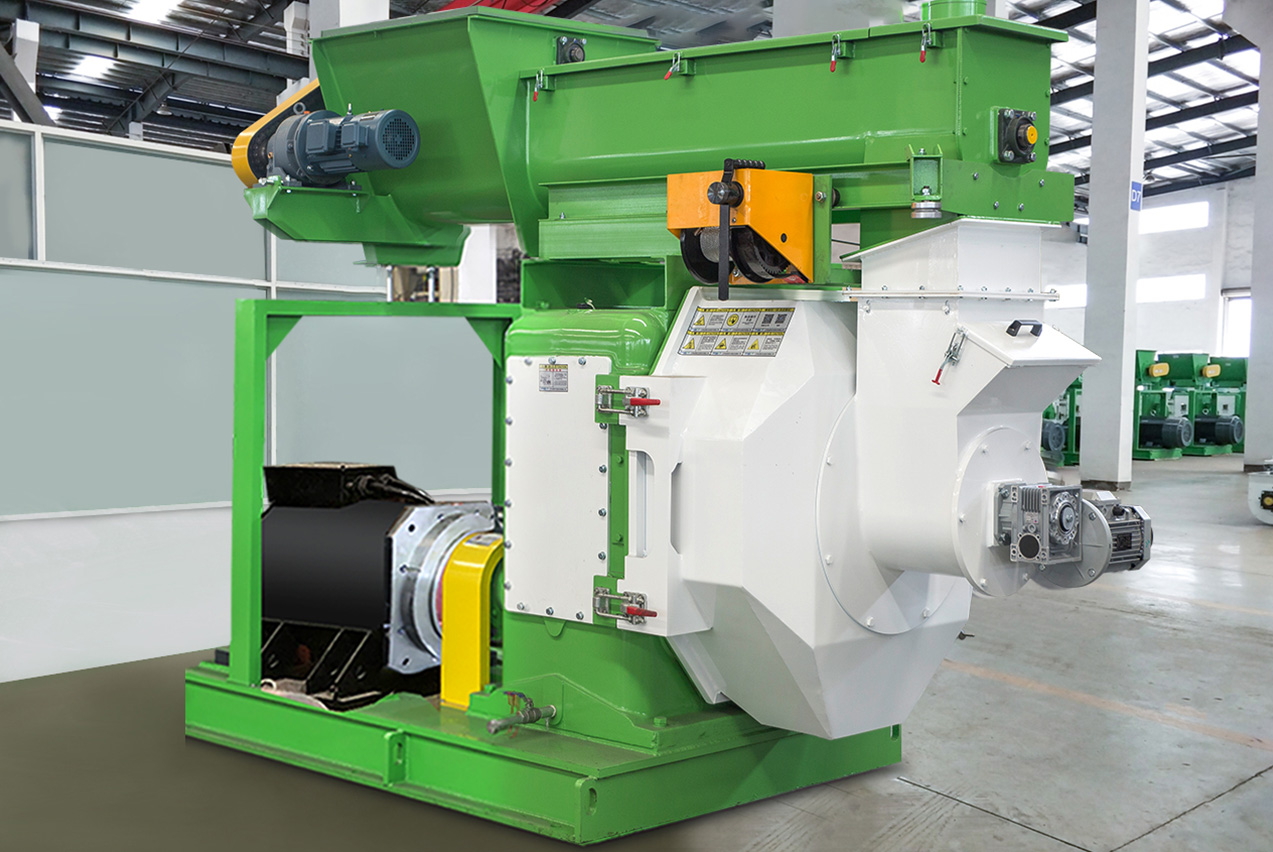
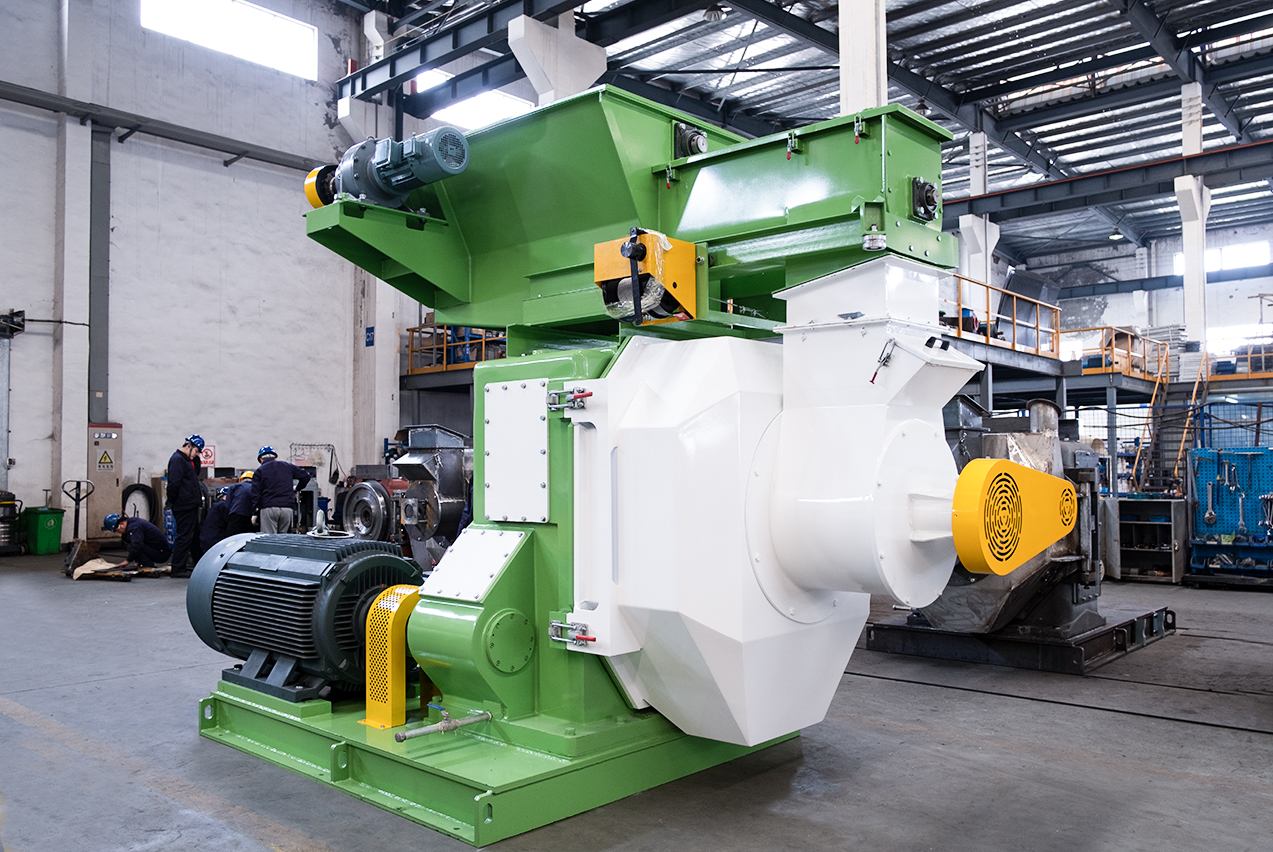
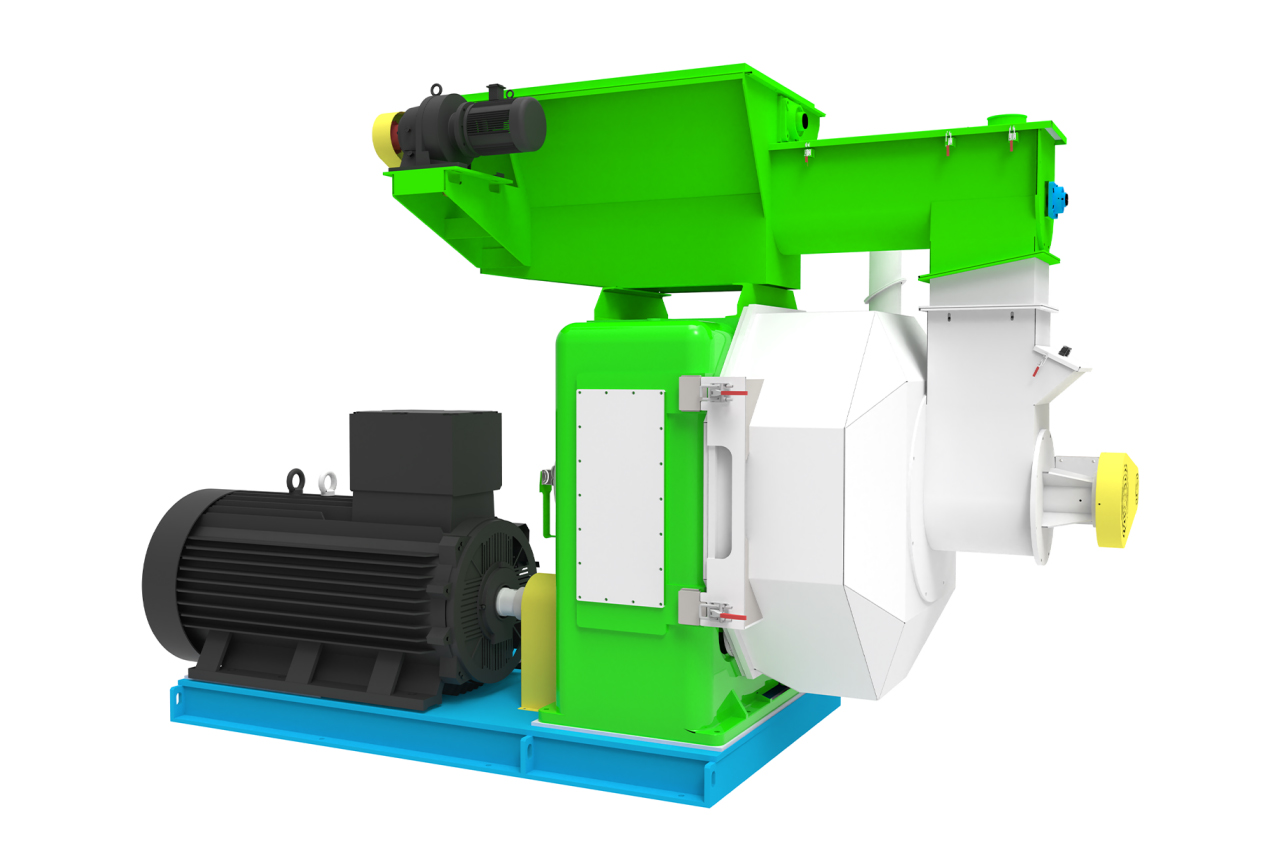
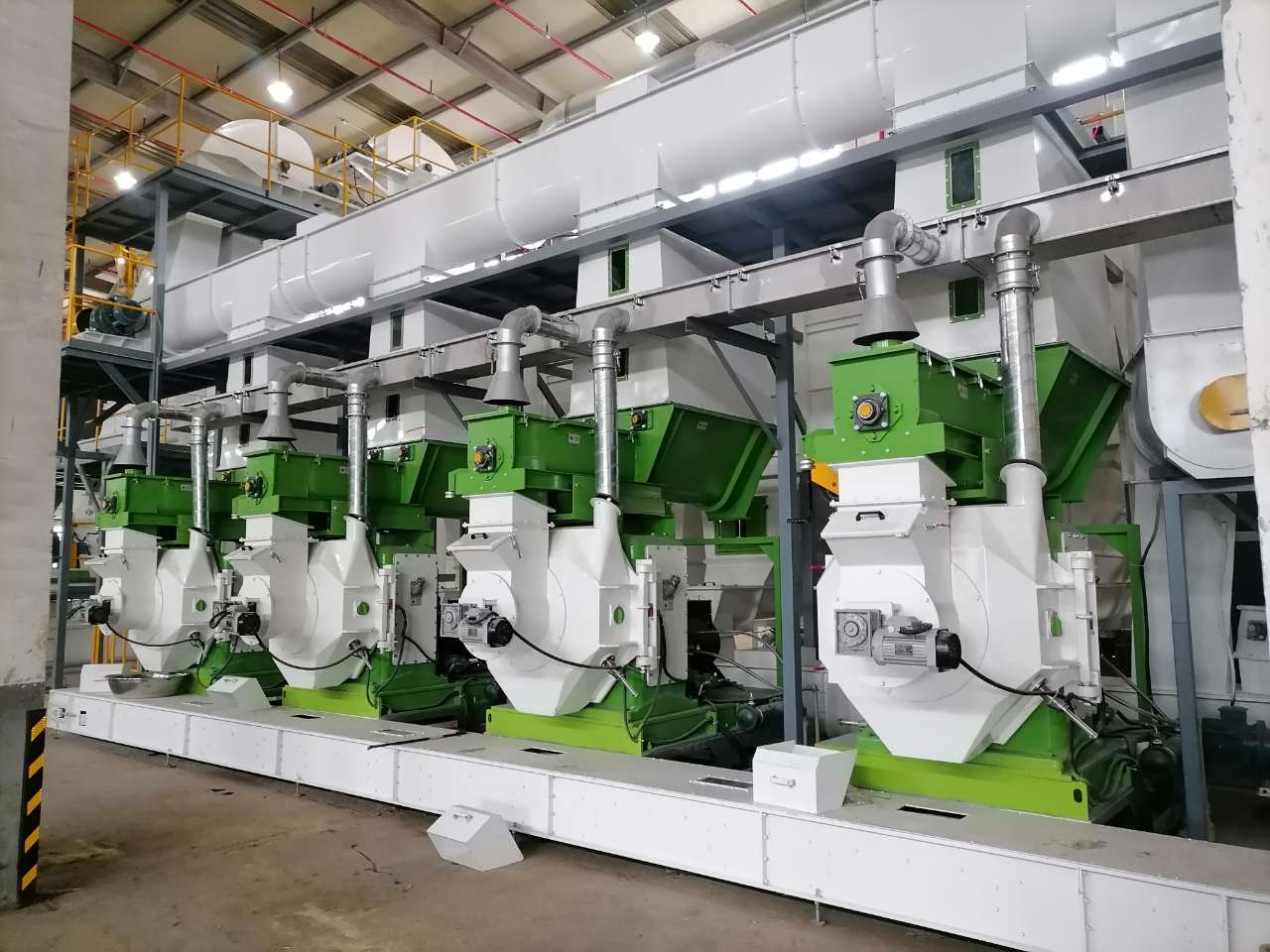
The two models most relevant to Thai plant developers are the JWZL-688D and the JZWH-860.
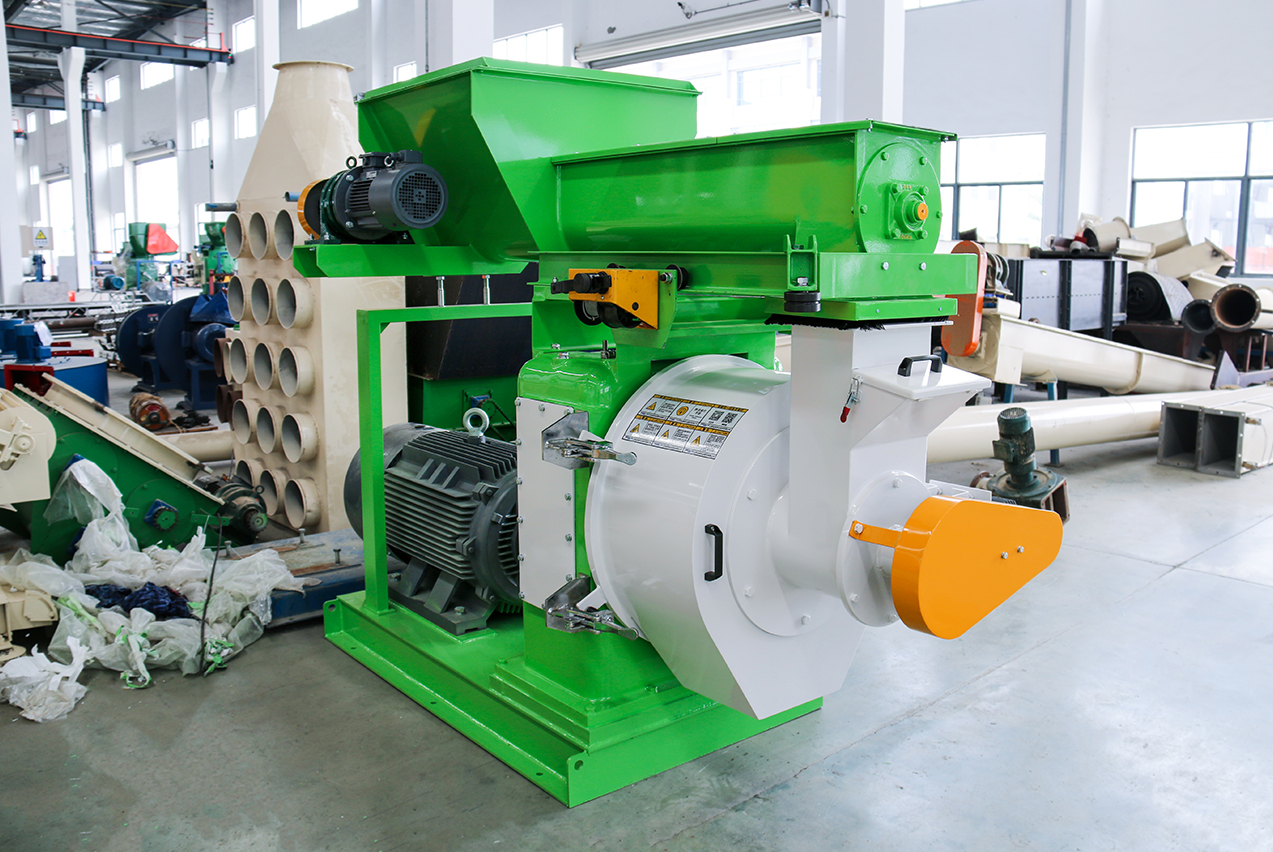
The Kingwood JWZL-688 industrial ring die pellet mill uses a 200 kW servo motor (10-pole), a 688 mm ring die, and produces 2.5–3.2 t/h on dry wood fiber feedstock. Footprint is 3,500 × 1,500 × 2,400 mm and total weight is approximately 9.5 tons — suitable for standard Thai industrial park column grids without floor reinforcement beyond standard industrial slab (typically 200–250 mm reinforced concrete).
Noise level is ≤93 dB(A), relevant for Thai industrial estate noise compliance. The servo motor configuration reduces energy draw at partial load, which is operationally important during feedstock transitions or startup sequences.
For a 10 t/h plant, operators typically run three to four JWZL-688D units in parallel, with the fourth providing redundancy during planned maintenance windows.
The JZWH-860 uses a 280–355 kW motor, an 860 mm × 120 mm ring die, and produces 4–5 t/h per unit. Dimensions are 3,961 × 2,084 × 2,847 mm, weight 12.5 tons. For a 20 t/h plant, four JZWH-860 units deliver the target output with better energy efficiency per ton than six JWZL-688D units, because the larger die diameter reduces specific energy consumption.
In Indonesia, a 20 t/h JWZL-860 deployment demonstrates how this model scales to large-format Southeast Asian plants processing mixed hardwood and palm biomass.
| Model | Motor Power | Die Diameter | Capacity | Weight | Best Fit |
|---|---|---|---|---|---|
| JWZL-688D | 200 kW servo | 688 mm | 2.5–3.2 t/h | 9.5 t | 10–15 t/h plant (3–4 units) |
| JZWH-860 | 280–355 kW | 860 mm | 4–5 t/h | 12.5 t | 15–25 t/h plant (3–5 units) |
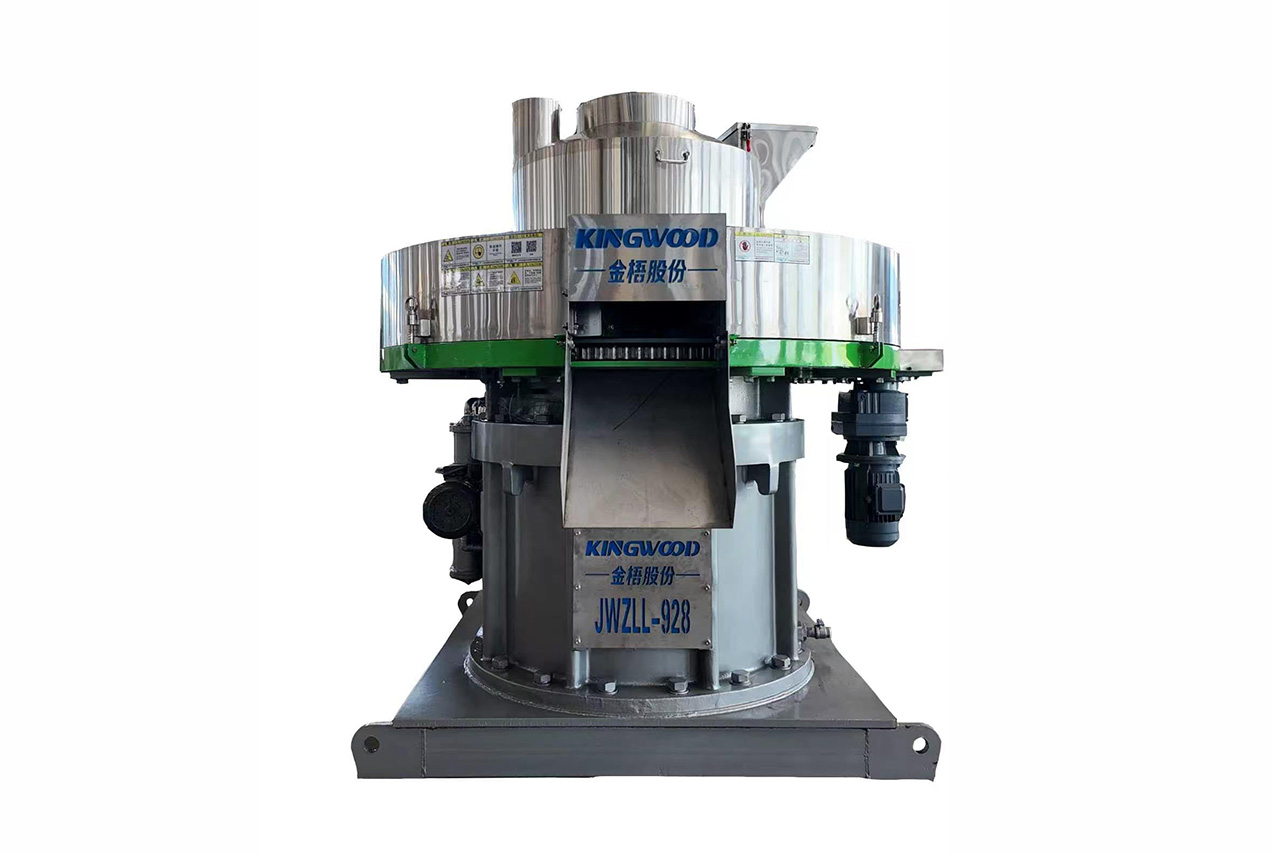
| JWZL-998 | 400 kW | 998 mm | 5–6 t/h | 18 t | 20–30 t/h plant (4 units) |
IEA 2024 Southeast Asia Energy Outlook estimates biomass pellet production costs in the region at $65–$90 per ton when feedstock is sourced locally at competitive rates — leaving significant margin against export prices.
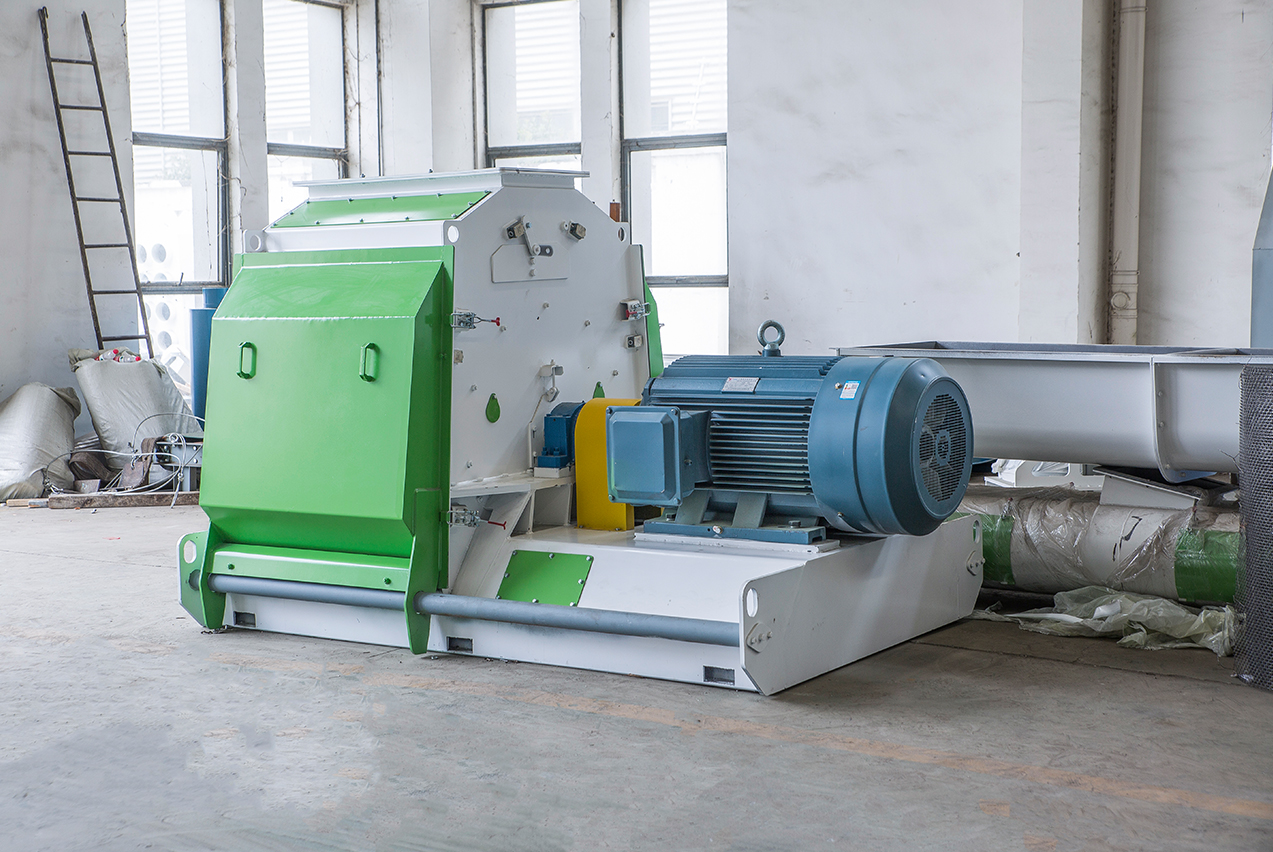
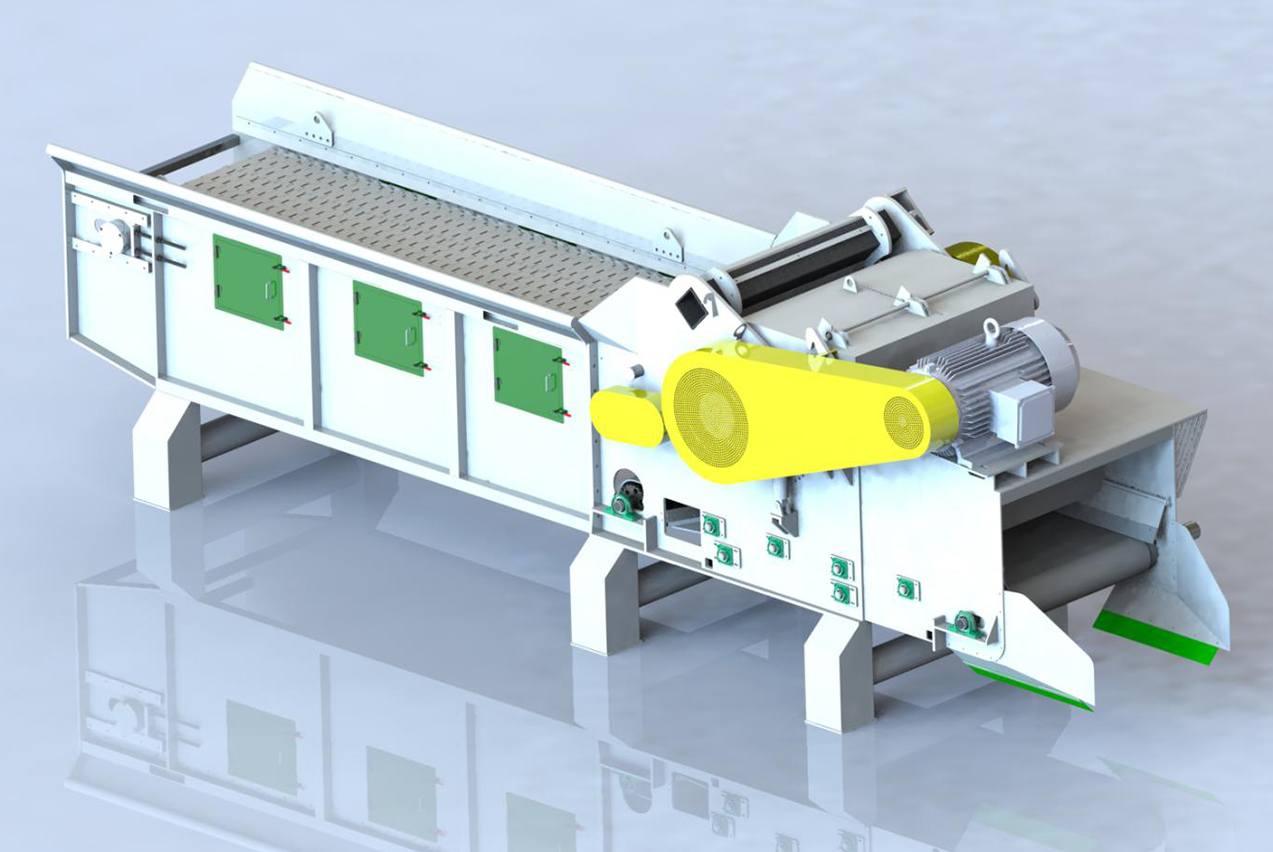
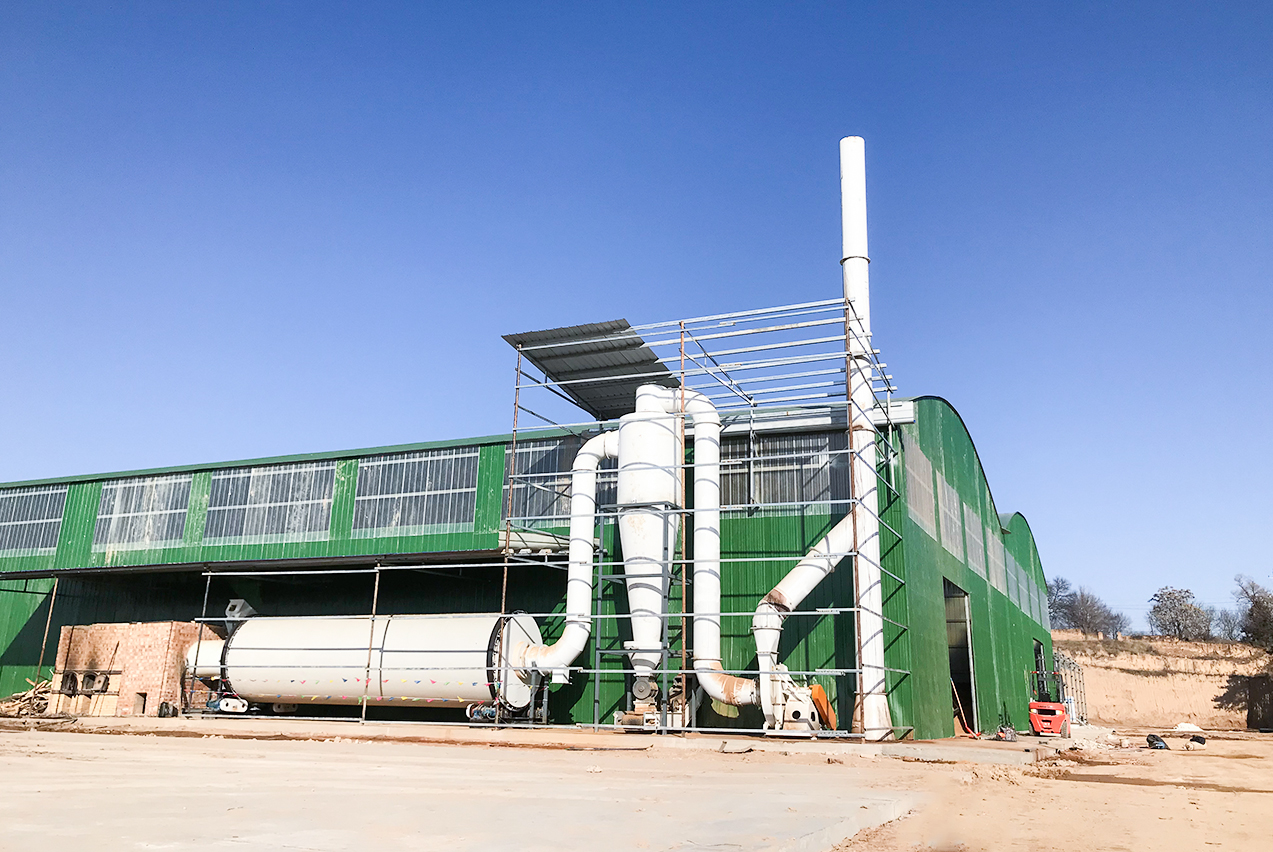
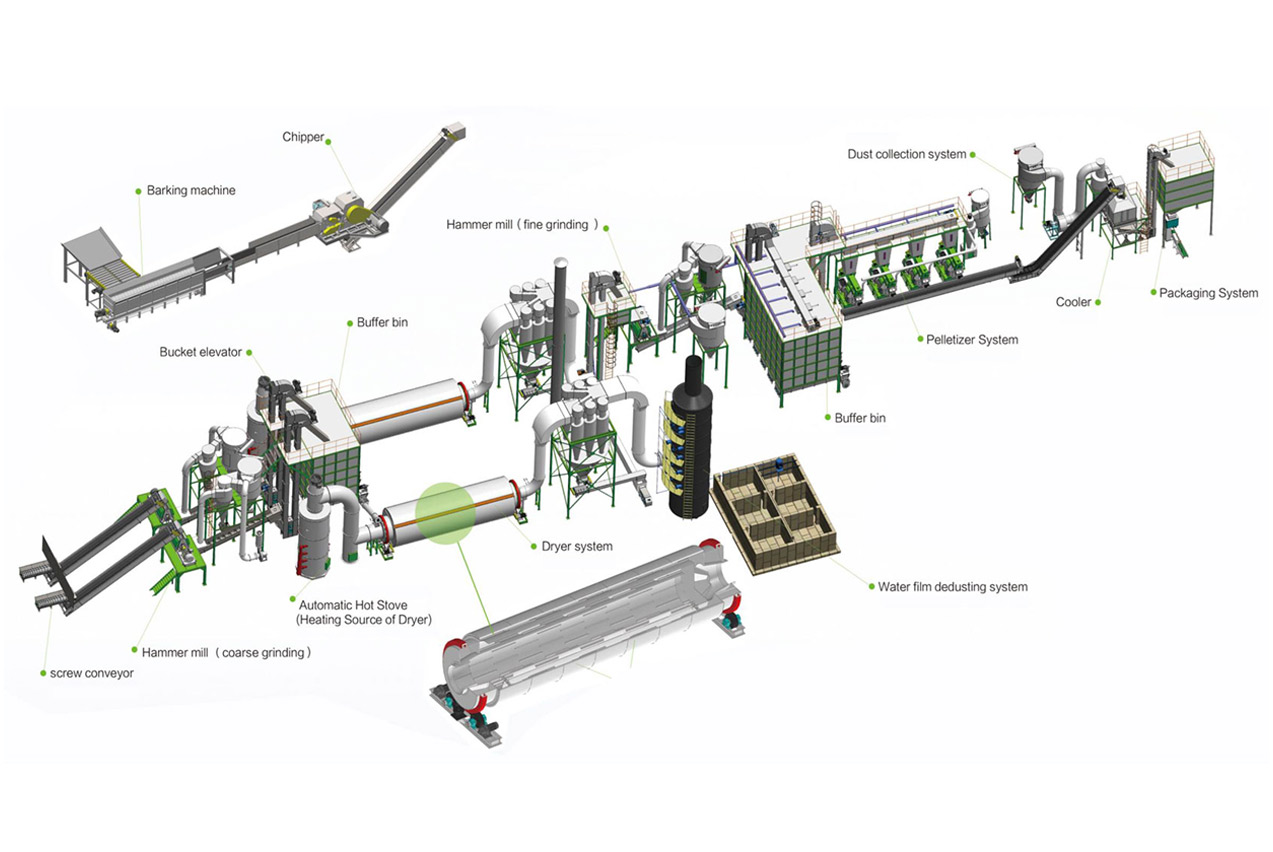
A complete 10 t/h ring die pellet line — including wood chipper, two-stage hammer mill, rotary drum dryer, four pellet mills, cooler, packaging system, dust collection, and electrical controls — typically runs USD 350,000–USD 550,000 FOB China for turnkey supply from a mid-to-large certified Chinese manufacturer. Civil construction and installation in Thailand adds USD 80,000–USD 150,000 depending on whether a building shell already exists.
Total greenfield capital budget: USD 430,000–USD 700,000.
Wood pellet export prices averaged USD 120–145 per ton FOB Southeast Asia per Bloomberg Commodity Tracker Q3 2024. A conservative base case uses USD 130/ton.
At 10 t/h, 22 operating hours per day, and 330 operating days per year (85% utilization), annual output is approximately 72,600 tons. Annual revenue at USD 130/ton: USD 9.44 million.
Production costs per ton: - Feedstock (rubber wood or bagasse at $35/dry ton, 1.3 t feedstock per t pellet): ~$45.50 - Energy (60–80 kWh per ton at Thai industrial tariff ~$0.09/kWh): ~$6.30 - Labor, maintenance, packaging: ~$12–$18 - Total variable cost: approximately $63–$70/ton
Gross margin per ton: USD 60–67. Annual gross profit: USD 4.36–4.86 million.
Simple payback: USD 550,000 ÷ USD 4.6M gross profit ≈ 1.4 years. Adjusted for financing costs, ramp-up period (typically 3 months to reach 85% utilization), and working capital, realistic payback ranges to 18–24 months.
A comparable Kingwood deployment — a Vietnam 12 t/h JWZL-688 wood pellet line — achieved full capital recovery in 23 months. Thai operators benefit from slightly lower civil construction costs compared to Vietnam and better port access for Japanese buyers, which could compress payback by 2–4 months in a well-sited plant.
Biomass pellets save 40–50% versus fuel oil for industrial boilers. At current Thai bunker fuel prices (~THB 25,000/ton) and a 200 t/month industrial boiler load, switching to pellets saves approximately THB 2.5–3 million per month — a strong domestic sales argument in addition to export revenue.
Per Kingwood engineering data, inadequate lubrication is the single most common cause of premature bearing failure, with poorly lubricated bearings failing within 800–1,200 operating hours. At a 22-hour daily run cycle, that failure window can arrive in as little as 36–54 days — a plant-stopping event that can cost $15,000–$40,000 in lost production per IEA 2023 estimates of unplanned downtime costs (12–18% of annual revenue for biomass operators).
Kingwood's recommended protocol for tropical operating environments: - Main roller bearings: Lubricate every 200–300 operating hours using lithium-based high-temperature grease (not standard chassis grease). - Main shaft and gearbox: Circulating oil cooling system maintains gear oil at operating temperature; check oil level and condition every 500 hours. - Gearbox oil: L-CKC220 specification; change every 2,000 hours or 6 months, whichever is earlier.
We've seen Thai operators extend bearing life to 4,000–6,000 hours by adding automated centralized lubrication systems — a $3,000–$5,000 add-on that typically pays back within the first year of operation.
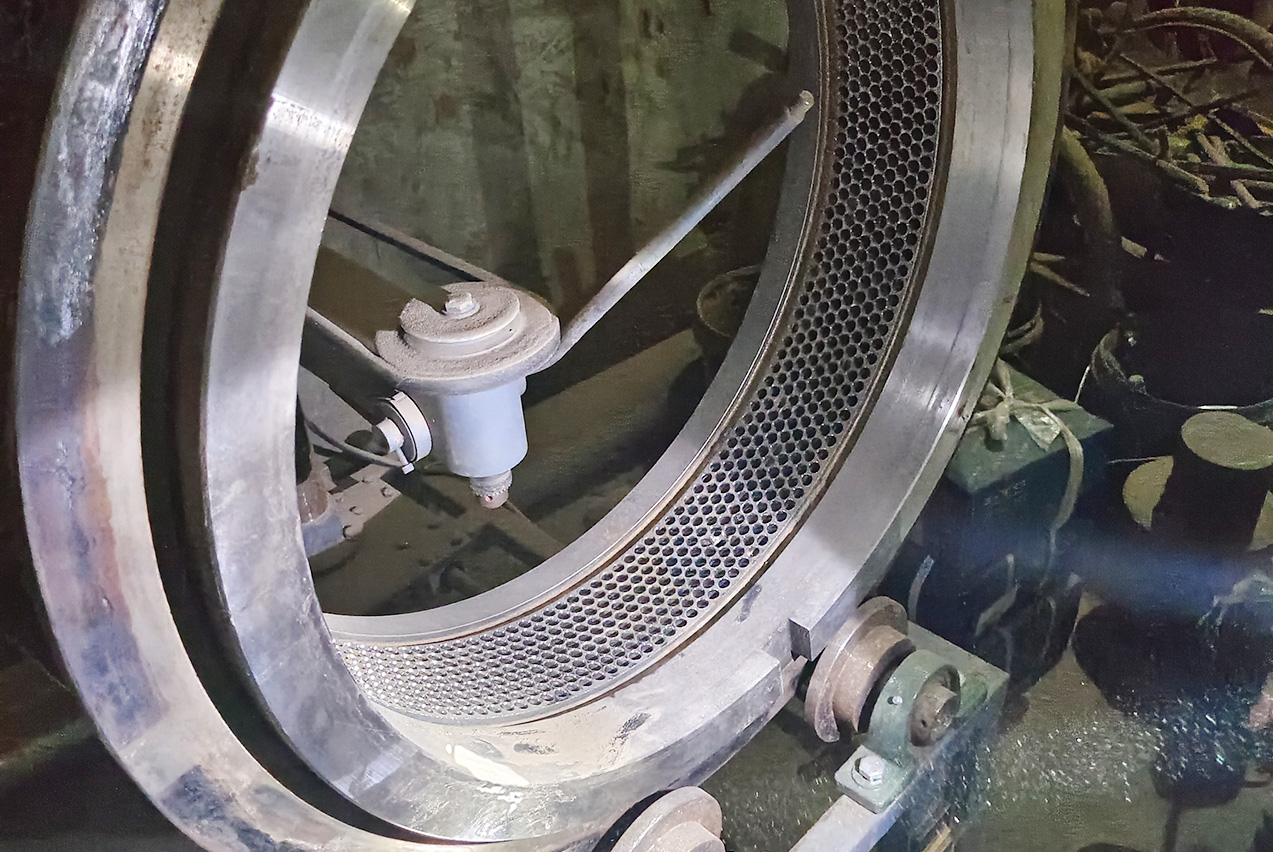
Ring die service life depends heavily on feedstock abrasiveness. For Thai rubber wood or bagasse, expect 800–1,200 hours of productive life per ring die set. Palm shell, being harder and more silica-rich, reduces die life to 600–900 hours. Replacement ring die components for pellet mills manufactured using CNC-drilled, vacuum heat-treated steel extend service life by 15–25% compared to lower-grade alternatives.
Kingwood's Three-Standardization Framework — integrated supply chain, dust-free enclosed processing, and fully automated operation — reduces unplanned downtime in three direct ways:
Buyers frequently under-order spare parts at contract stage. Based on operating experience across Southeast Asian customers, the minimum recommended initial spare parts package for a 10 t/h line: - 2 ring dies per pellet mill (one in operation, one staged) - 4 roller shell sets - 2 full hammer mill blade sets - 10 hammer mill screens per mill - Sufficient bearing stock for one full rebuild per pellet mill - Safety pins (consumable — stock 50 per pellet mill)
Lead time from China to Thailand by sea is 6–9 weeks per World Bank 2024 logistics data. Air freight is available for urgent items but adds $800–$2,500 per shipment depending on weight.

Per World Bank 2024 Ease of Doing Business data, machinery import lead times from China to Thailand average 6–9 weeks by sea. At that lead time, selecting the wrong supplier is a costly mistake — one that cannot be reversed quickly.
Every Chinese pellet mill supplier quoting to Thai buyers should present: - ISO 9001 quality management system certificate (verify current registration, not expired) - ISO 14001 environmental management system certificate - CE certification for electrical and mechanical safety (relevant for any Thai plant with European offtake buyers who conduct factory audits)
Kingwood holds all three. Certificates should reference the specific product lines being supplied, not just the company entity.
First-time Thai plant developers consistently underestimate the complexity of integrating individual equipment purchases from multiple Chinese suppliers. Process engineering, civil construction drawings, electrical schematics, commissioning sequence, and operator training must all be coordinated. An EPC or turnkey supplier provides all of this under a single contract.
The risk reduction is tangible: Kingwood's turnkey projects reduce commissioning time by 30–40% compared to self-integrated lines, because equipment interfaces are pre-designed rather than field-adapted.
Kingwood was founded in 1999 and has maintained continuous biomass pellet equipment R&D for 27 years. The company operates an R&D Center with Nanjing University of Agriculture — an institutional collaboration that drives process engineering improvements, not just incremental product updates. Over 20 top R&D experts work on equipment development. This depth of institutional knowledge is difficult to replicate by manufacturers who entered the market in the last 5–10 years.
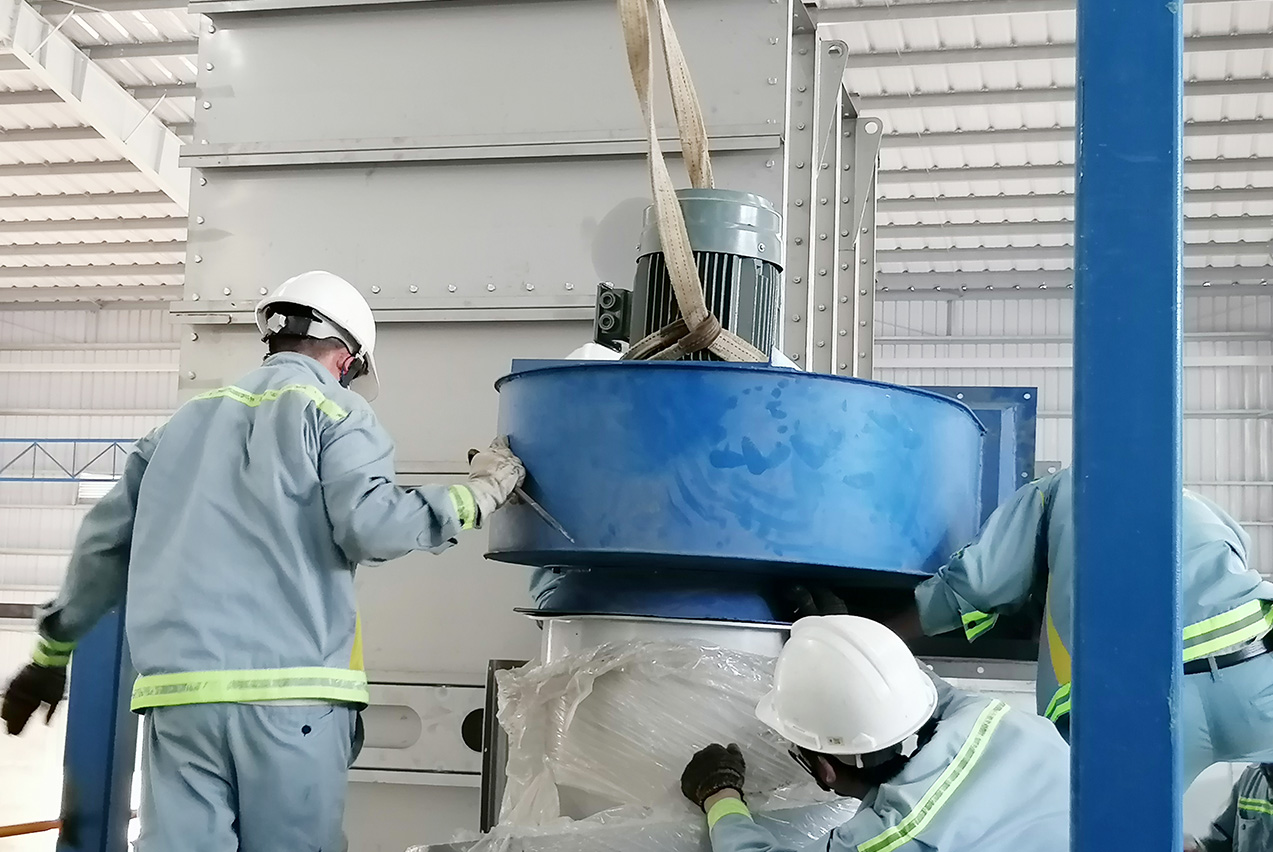
Kingwood's operation and maintenance service network covers 30+ countries. For Thai operators, this means on-site engineers can be dispatched for commissioning, troubleshooting, or major maintenance without waiting for the buyer to self-source technical expertise. The company's regional service capability across Vietnam, Indonesia, and Malaysia means regional response times are shorter than manufacturers operating purely from a Jiangsu headquarters.
Kingwood's project development process follows four stages: business model assessment, production line solution design, construction and commissioning, and operational handover. Each stage has defined deliverables that reduce buyer risk progressively.
A supplier cannot provide a meaningful proposal without these inputs: 1. Feedstock type and source (rubber wood chips, bagasse, palm shell — or a blend) 2. Feedstock moisture content (wet basis, seasonal range) 3. Target production capacity (t/h or tons/year) 4. Site dimensions and whether a building shell exists 5. Utility availability (electrical supply capacity, water access) 6. Target pellet specification (diameter, moisture, ash content for buyer) 7. Port or delivery point for finished pellets
Without items 1–4, any quoted price is a placeholder, not a bankable figure.
| Stage | Duration | Key Milestone |
|---|---|---|
| Quotation and contract | 3–6 weeks | Signed EPC contract |
| Equipment manufacturing | 10–14 weeks | Factory acceptance test |
| Shipping China to Thailand | 6–9 weeks | Port arrival |
| Civil construction (parallel) | 12–16 weeks | Building shell ready |
| Installation and commissioning | 4–6 weeks | First pellet production |
| Total (contract to production) | ~9–12 months |
Kingwood completed the 24 t/h Vietnam AVP Group plant installation within 9 months during COVID-era supply constraints — a benchmark that shows what disciplined project management achieves even under adverse conditions. Under normal supply chain conditions, a 10 t/h Thai plant can realistically reach first production in 9–11 months from contract signing.
Typical terms for Thai B2B buyers importing Chinese biomass equipment: 30% advance with contract signing, 60% against shipping documents (or letter of credit), 10% retention released after successful commissioning. Some suppliers offer deferred payment structures for large EPC contracts — discuss this at RFQ stage with financing documentation ready.
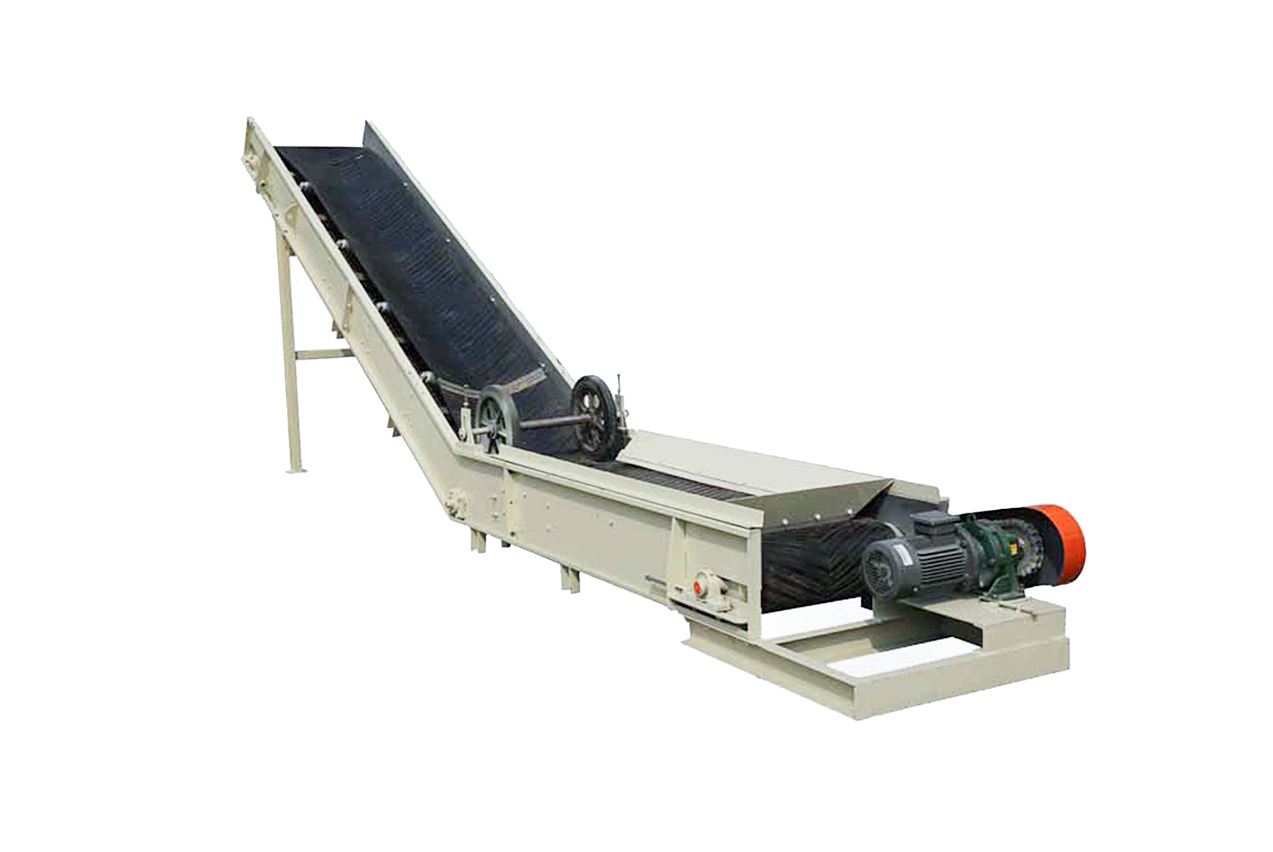
Pellet mill auxiliary equipment for complete production lines — coolers, conveyors, packaging systems — should be specified in the same EPC contract to ensure mechanical compatibility and single-source warranty coverage.
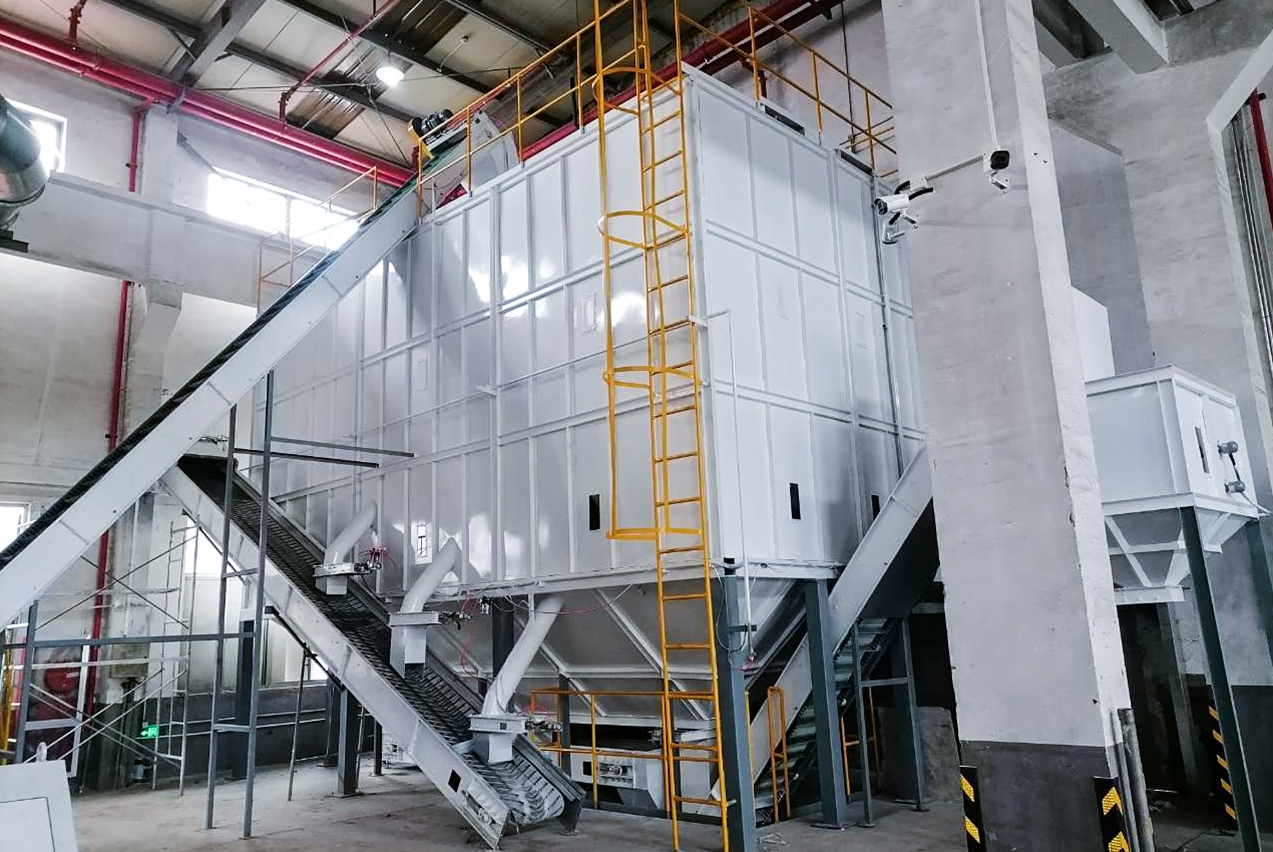
Kingwood (Jiangsu Kingwood Industrial Co., Ltd., stock code 871765, NEEQ Market) operates from a 35,000 m²+ facility in Liyang, Jiangsu with USD 15 million+ in fixed assets and 150 staff including 35+ R&D and service engineers. The company is ISO 9001, ISO 14001, and CE certified, holds Jiangsu Provincial High-Tech Enterprise status, and is a Deputy Director Member of the China Biomass Energy Industry Alliance.
For Thai plant developers, Kingwood's practical value proposition is:
Contact Kingwood at kingwood-china.com to request a feedstock assessment and preliminary budget quotation for your Thai project.
A single industrial ring die pellet mill such as the Kingwood JWZL-688D (200 kW, 2.5–3.2 t/h) typically costs USD 25,000–55,000 FOB China in 2025, depending on die diameter and motor configuration. A complete 10 t/h turnkey line including crusher, dryer, cooler, and packaging system ranges from USD 350,000 to USD 700,000. Payback in Thailand is commonly modeled at 18–26 months based on local pellet prices of USD 120–145 per ton.
Ring die pellet mills in Thailand most commonly process rubber wood chips, palm shell, sugarcane bagasse, and rice husk — all abundant in Thai agricultural and forestry supply chains. Optimal pelletizing moisture is 10–14%; high-moisture feedstocks like fresh palm fronds require a rotary drum dryer upstream to reduce moisture before pelletizing. Kingwood's JZWH-860 handles palm shell and hardwood mixes at 4–5 t/h per unit.
Based on a comparable Kingwood deployment in Vietnam — a 12 t/h JWZL-688 line — full capital recovery was achieved in 23 months. Thai economics are broadly similar given comparable biomass feedstock costs and pellet export prices, though domestic electricity tariffs and land costs vary by region. A conservative Thai ROI model targeting USD 130/ton FOB pellet pricing and 85% plant utilization typically projects payback in 20–26 months.
Ring die pellet mills rotate the die while rollers remain stationary, enabling continuous high-volume throughput above 500 kg/h and bulk densities above 600 kg/m³ — essential for export-grade pellets. Flat die mills press material downward through a horizontal die and are suited for small-scale operations under 500 kg/h. For commercial Thai biomass plants targeting 5–30 t/h output, ring die technology is the industry standard, representing over 78% of global industrial biomass pellet capacity per Statista 2024.
Yes — Kingwood operates a global operation and maintenance service network spanning 30+ countries, including Southeast Asian markets such as Thailand, Vietnam, and Indonesia. Spare parts including ring dies, roller shells, hammer mill blades, and screens are available for direct shipment. The company's smart O&M service covers comprehensive inspection, operator training, and one-stop spare parts supply to minimize downtime for Thai plant operators.
For regional project requirements, see our Vietnam and Thailand supplier guide.

Wood Biomass Machinery Manufacturer


 English
 日本語
日本語
 한국어
한국어