If you are evaluating a ring die pellet mill for sale vietnam, the question is not whether the market exists — it does, at scale — but whether your specific capital investment will return within a timeline that satisfies your financing and ownership requirements. This article works through real capacity data, verified deployment numbers, and ownership costs so you can make that judgment with concrete figures rather than sales assumptions.
Vietnam exported approximately 3.5 million tonnes of wood pellets in 2023 per VIFOREST and FAO 2024 data, making it one of the top three global pellet exporters alongside the United States and Canada. The primary buyers are Japanese and South Korean power utilities operating under feed-in tariff programs that require verified renewable fuel, and demand from these markets is contractual, not spot-based. That predictability is important for ROI modelling.
South Korea's RPS (Renewable Portfolio Standard) and Japan's FIT program together absorbed over 70% of Vietnamese pellet exports in 2023 per IEA Bioenergy 2024 estimates, and both programs have multi-year compliance schedules extending to 2030 and beyond.
Compared to Indonesia and Malaysia, Vietnam has three structural advantages for pellet production: dense plantation forests of acacia and rubber wood in the Central Highlands and Southeast regions, established port infrastructure at Ho Chi Minh City and Da Nang, and a labor cost base that keeps processing margins competitive. Indonesia has larger forestry biomass reserves but more complex permitting; Malaysia's rubber wood supply is declining as the industry shifts to synthetics. Vietnam's planted forest area exceeded 4.3 million hectares per the General Statistics Office of Vietnam 2023, providing a reliable, renewable feedstock base.
Policy incentives under Vietnam's Power Development Plan 8 (PDP8, 2023) allocate biomass energy an expanded role in the national energy mix through 2030, supporting both domestic use and export-oriented production.
The 500 kg/h throughput threshold is the practical dividing line between flat die and ring die pellet mill technology. Below that level, a flat die press can handle small-scale or on-farm biomass processing adequately and at lower capital cost. Above it, the ring die configuration is more efficient mechanically because the die rotates while the rollers remain stationary, distributing wear more evenly and allowing continuous high-volume feed without heat buildup that degrades pellet quality.
For Vietnamese operators processing acacia, rubber wood, or bamboo at commercial scale, this means ring die is the correct choice for any plant targeting more than 500 kg/h output. See how feedstock selection affects pellet quality and yield for a detailed look at how moisture, fiber length, and density of each species interact with pelletizing mechanics.
Ring die mills achieve a Pellet Durability Index (PDI) of ≥ 97.5% on dry sawdust at 10–14% moisture per Kingwood technical specifications. Flat die mills typically return PDI figures of 90–93% at equivalent throughput per industry benchmarks. For Japanese and South Korean buyers, PDI requirements in supply contracts commonly sit at 97.5% minimum — meaning a flat die plant may not consistently qualify on quality alone.
Bulk density from ring die output on acacia and rubber wood feedstock is consistently above 600 kg/m³, which reduces shipping volume per tonne and directly improves the economics of FOB export pricing.
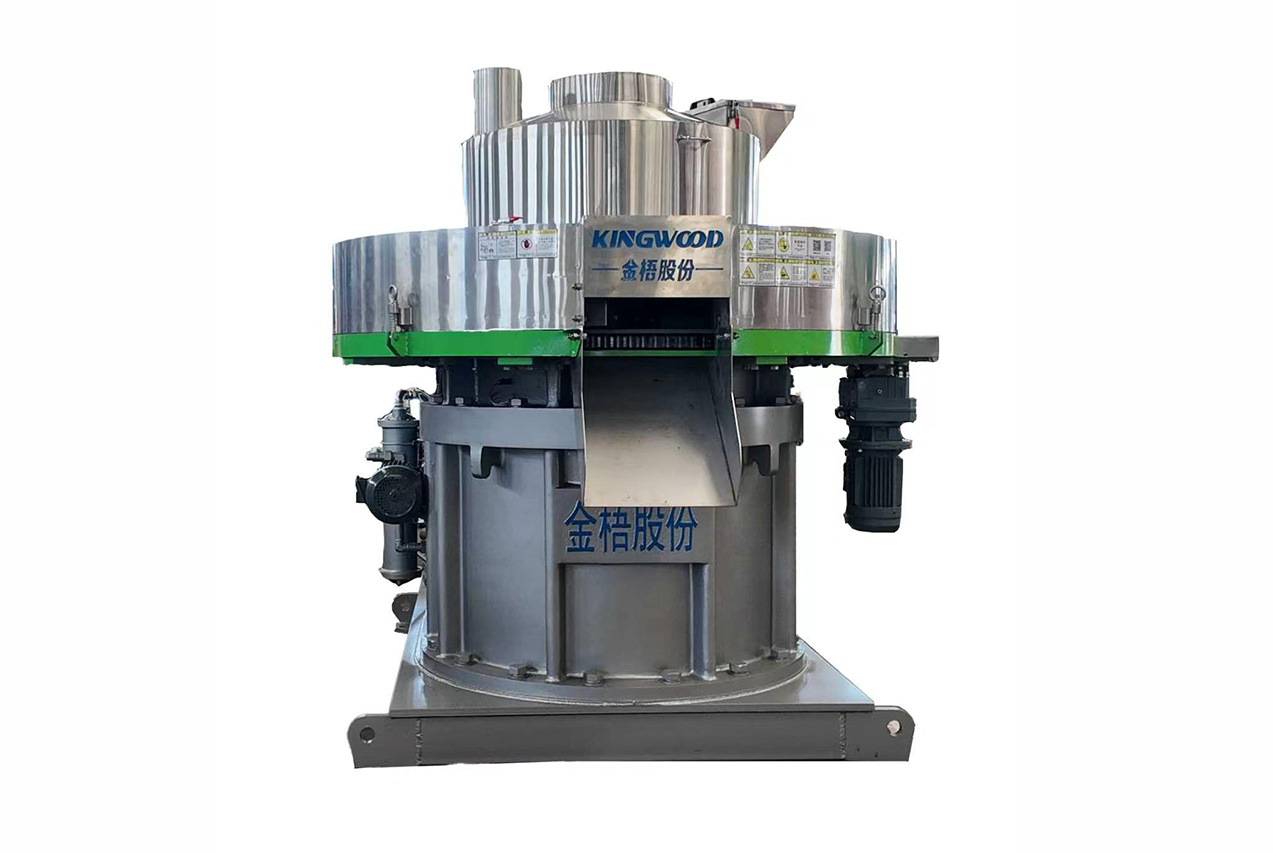
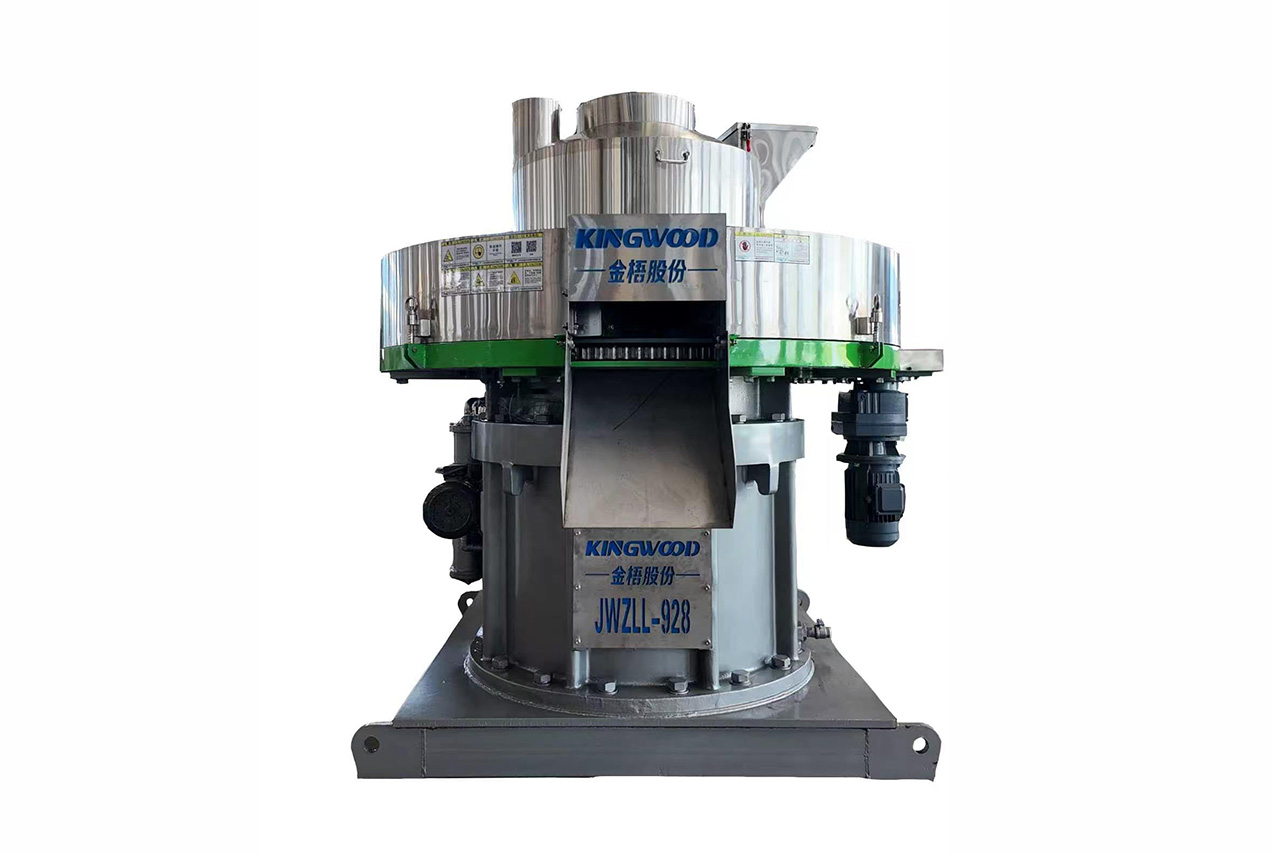
A flat die mill remains a reasonable choice for a Vietnamese operator processing less than 300 kg/h for local boiler fuel, animal feed pellets, or pilot-scale testing before scaling. The capital cost is lower and maintenance is simpler. Beyond that scale, the quality gap and throughput limitation make ring die the commercially sound choice. You can also read why vertical ring die designs are gaining traction in Asia for context on the vertical ring die variant gaining share in space-constrained Southeast Asian plants.

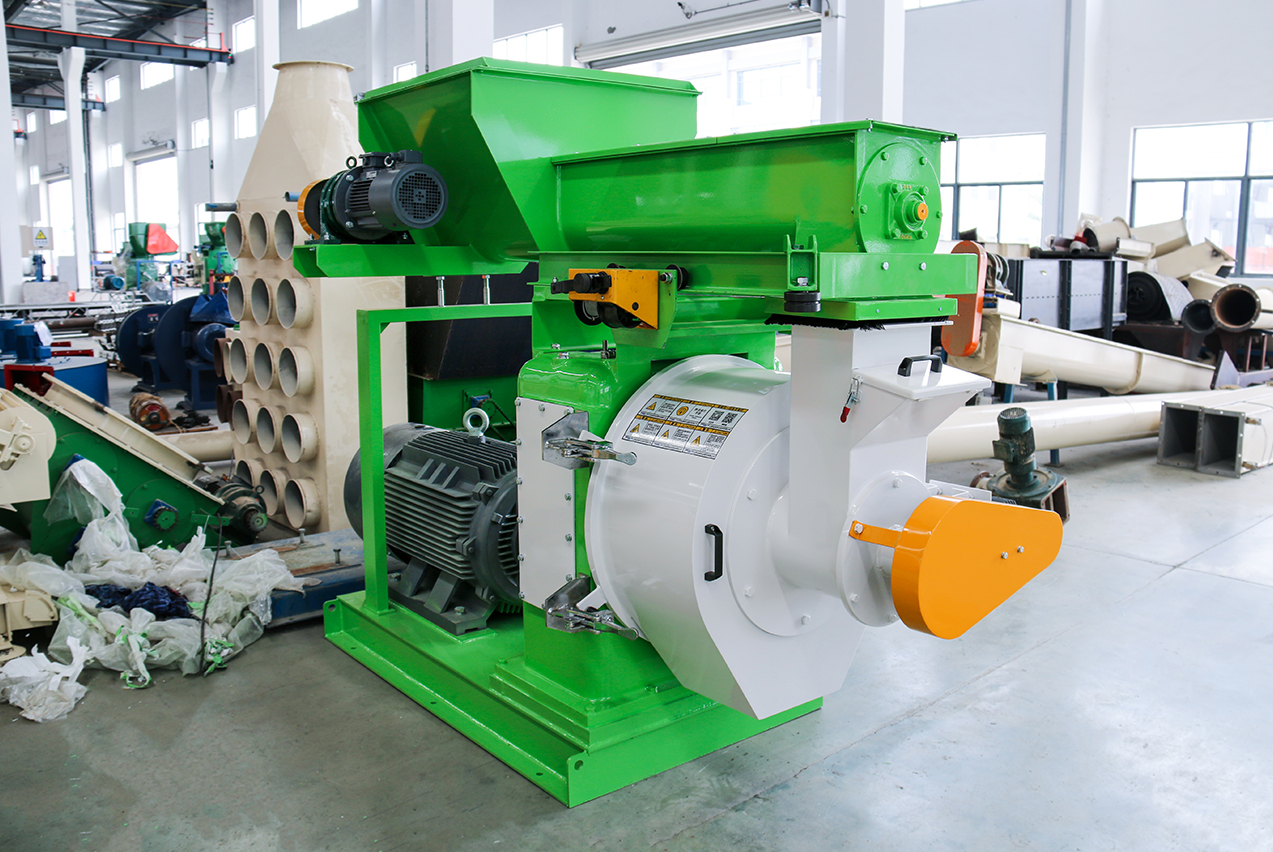
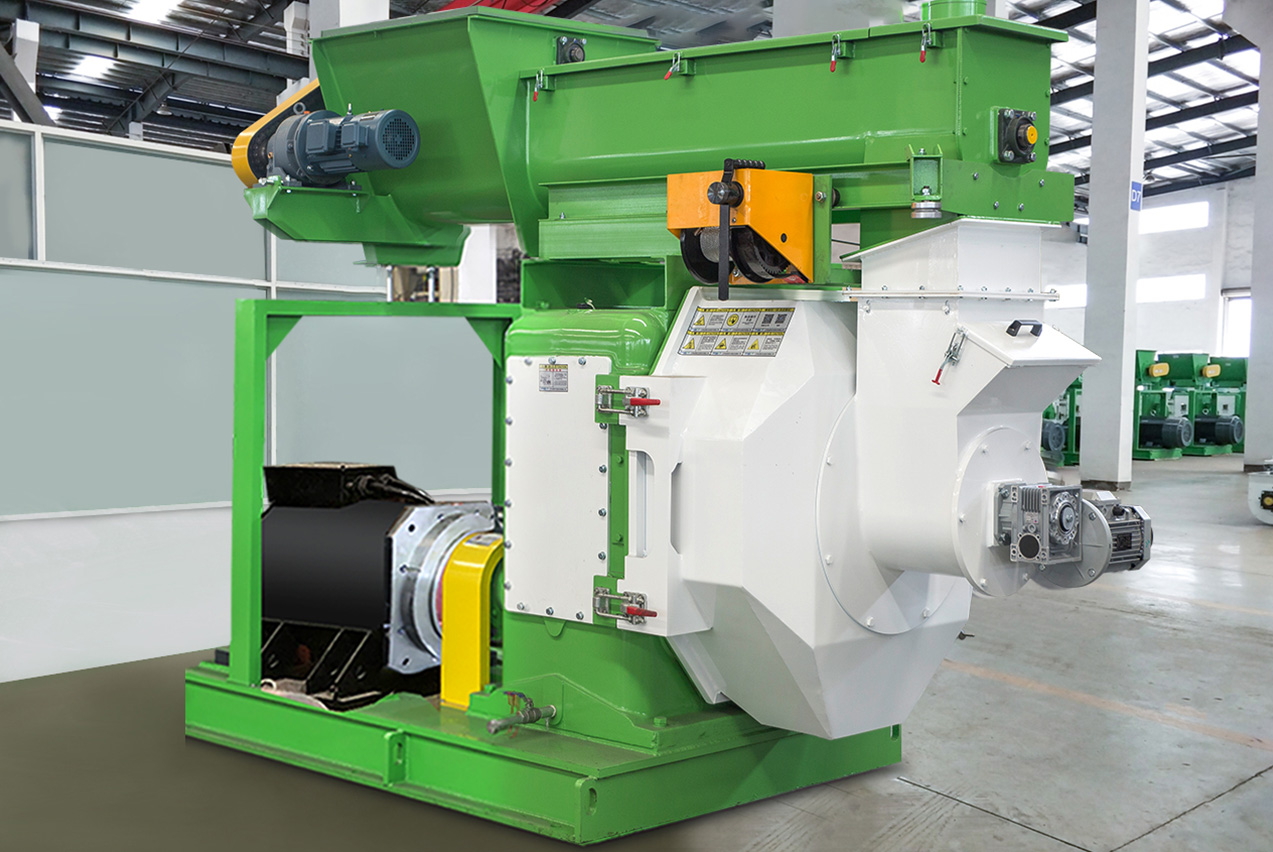
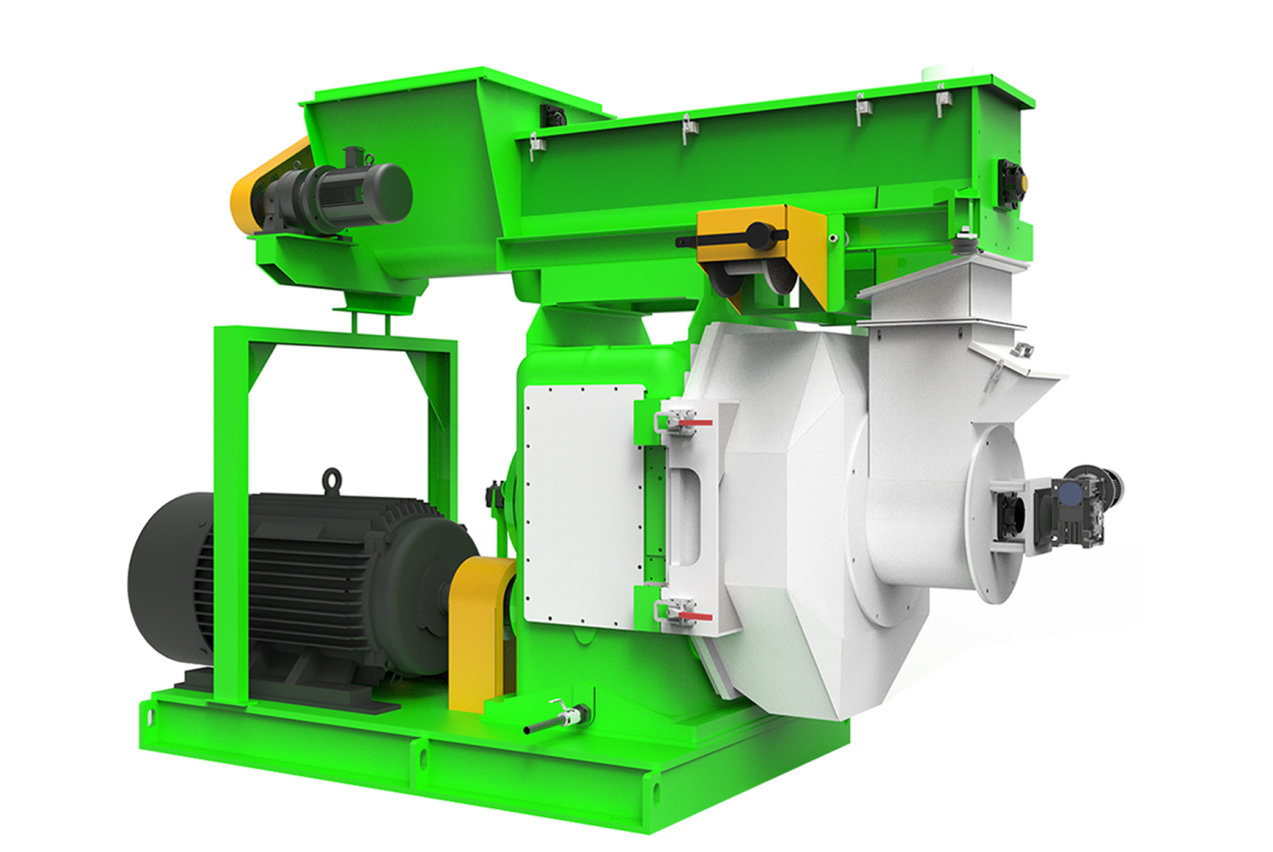
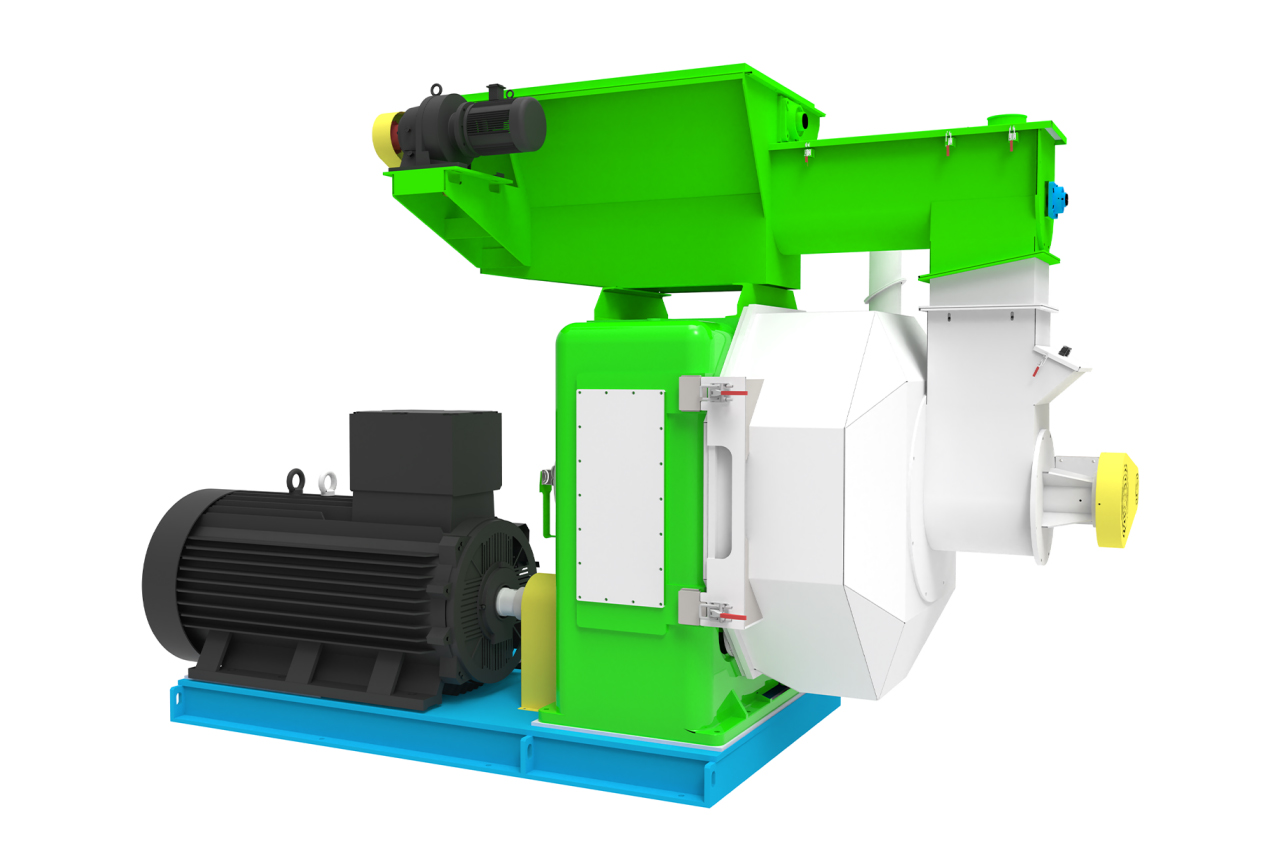
For buyers evaluating a ring die pellet mill for sale vietnam, the following Kingwood models cover the commercially relevant capacity range:
| Model | Ring Die Diameter | Capacity | Main Motor | Weight | Configuration |
|---|---|---|---|---|---|
| JWZL-420 | 420 mm | 1.0–1.5 t/h | 90 kW | 3.5 t | Horizontal ring die |
| JWZL-688 | 688 mm | 2.2–3.0 t/h | 200 kW | 9.5 t | Horizontal ring die |
| JWZL-688D | 688 mm | 2.5–3.2 t/h | 200 kW (servo) | 9.5 t | Horizontal, servo motor |
| JZWH-788 | 788 mm | 3.0–4.0 t/h | 250–280 kW | 12 t | Horizontal ring die |
| JZWH-860 | 860 mm | 4.0–5.0 t/h | 280–355 kW | 12.5 t | Horizontal ring die |
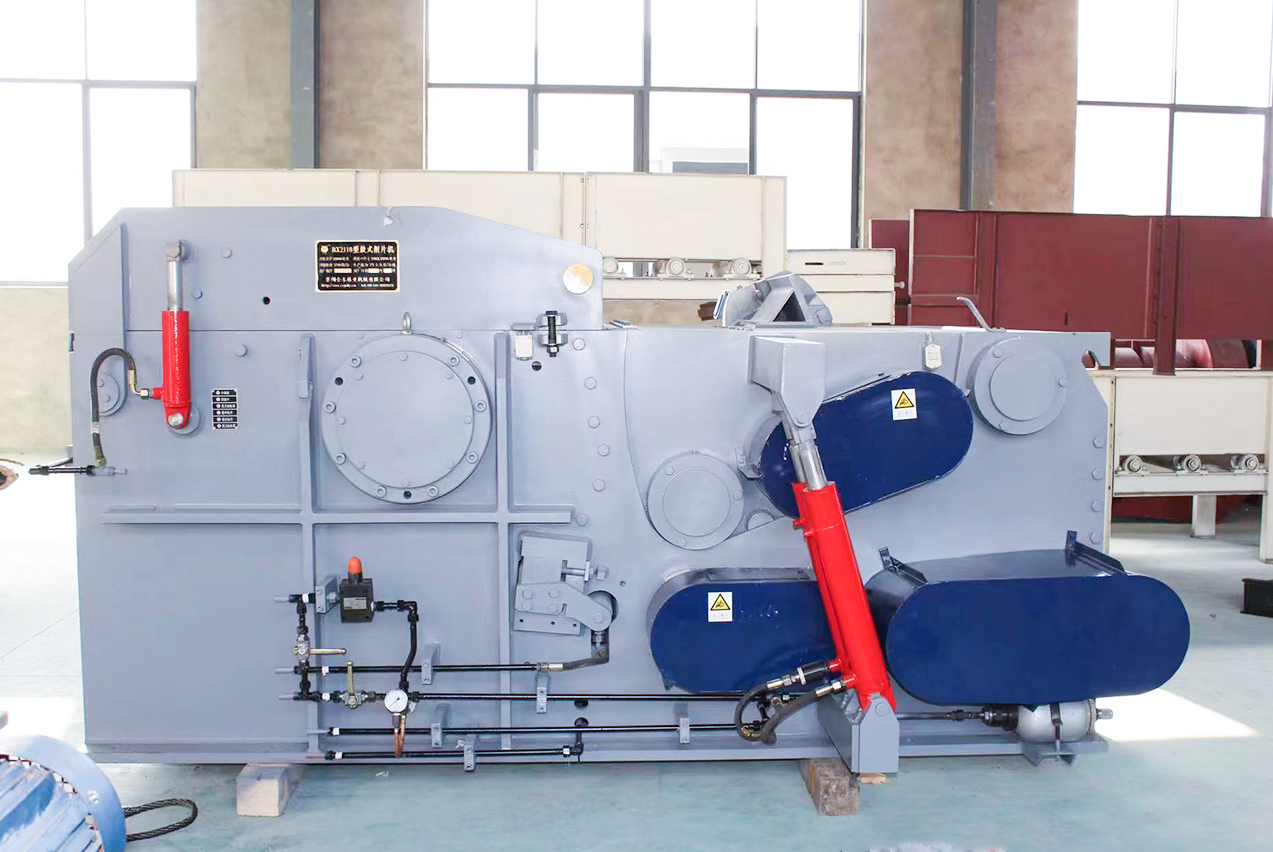
The JWZL-688 industrial ring die wood pellet mill is the most deployed model in Southeast Asia and the basis for the Vietnam payback case study in the next section.
Vietnamese operators targeting 10–30 t/h typically install multiple JWZL-688 or JZWH-860 units in parallel rather than a single oversized machine. A documented 2023 project in Hubei, China demonstrated that four JWZL-688 units achieved 10 t/h total capacity at a combined 1,980 kW installed power per Kingwood 2023 case data — confirming that modular scaling works reliably and simplifies maintenance scheduling (one unit can be taken offline while others continue running).
For a 20–30 t/h Vietnamese plant, the Indonesia 30 t/h JWZL-860 deployment provides a comparable reference case from the same regional market conditions.
The JWZL-688D replaces the standard induction motor with a TYL-series liquid-cooled permanent magnet synchronous servo motor. This delivers variable-speed torque control, which reduces energy draw during partial-load operation and extends die life by reducing peak stress during startup. The 688D's capacity of 2.5–3.2 t/h slightly exceeds the standard 688's 2.2–3.0 t/h range while holding the same 200 kW nameplate power.
Both CE marking and ISO 9001 / ISO 14001 certification are held by Kingwood, per their published management system documentation. CE marking matters for equipment that may be re-exported or inspected against EU supply chain due diligence requirements, and ISO 14001 is increasingly requested by Japanese utility buyers during facility audits.

The most directly relevant reference for buyers evaluating a ring die pellet mill for sale vietnam is Kingwood's Vietnam 12 t/h wood pellet line deployment, which achieved full payback in 23 months on acacia and rubber wood feedstock. The line ran two JWZL-688 units as the core pelleting stage, supported by auxiliary equipment for drying, cooling, and packaging.
At 12 t/h with two operational shifts (16 hours/day), the line produces approximately 192 tonnes per day. Accounting for scheduled maintenance and raw material supply variability, a realistic annual output target is 55,000–60,000 tonnes. At Vietnamese pellet FOB export prices of USD 120–145 per tonne in 2024 per Wood Pellet Association and Argus Media 2024 reporting, annual revenue from a well-run 12 t/h line falls in the range of USD 6.6–8.7 million.
The three main operating cost drivers are:
1. Electricity. At 200 kW per JWZL-688 unit (two units = 400 kW pelleting load), plus hammer mills, dryer drive, conveyors, and cooling, total line consumption is typically 55–70 kWh per tonne of finished pellets. At Vietnamese industrial electricity rates of approximately USD 0.07–0.09/kWh, electricity cost runs USD 3.85–6.30 per tonne.
2. Dryer fuel. Drying from 35–45% input moisture to 10–14% target moisture is the largest variable cost. Kingwood's SG-series rotary drum dryers burn biomass residuals as fuel, which reduces this cost significantly when feedstock waste is available on-site. Biomass pellet fuel saves 40–50% versus fuel oil, gas, or electric heating per Kingwood operational data — operators in Vietnam who fire the dryer with acacia off-cuts can reduce drying cost to under USD 2 per tonne.
3. Die and roller wear. Ring die replacement is the primary scheduled capital replacement cost. Typical die life on acacia feedstock at standard operating conditions is 800–1,500 operating hours depending on moisture control and feed consistency, per Kingwood engineering data. Stocking one spare ring die and two roller shell sets locally (see the spare parts section below) avoids unplanned downtime that can erode margins faster than the parts cost itself.
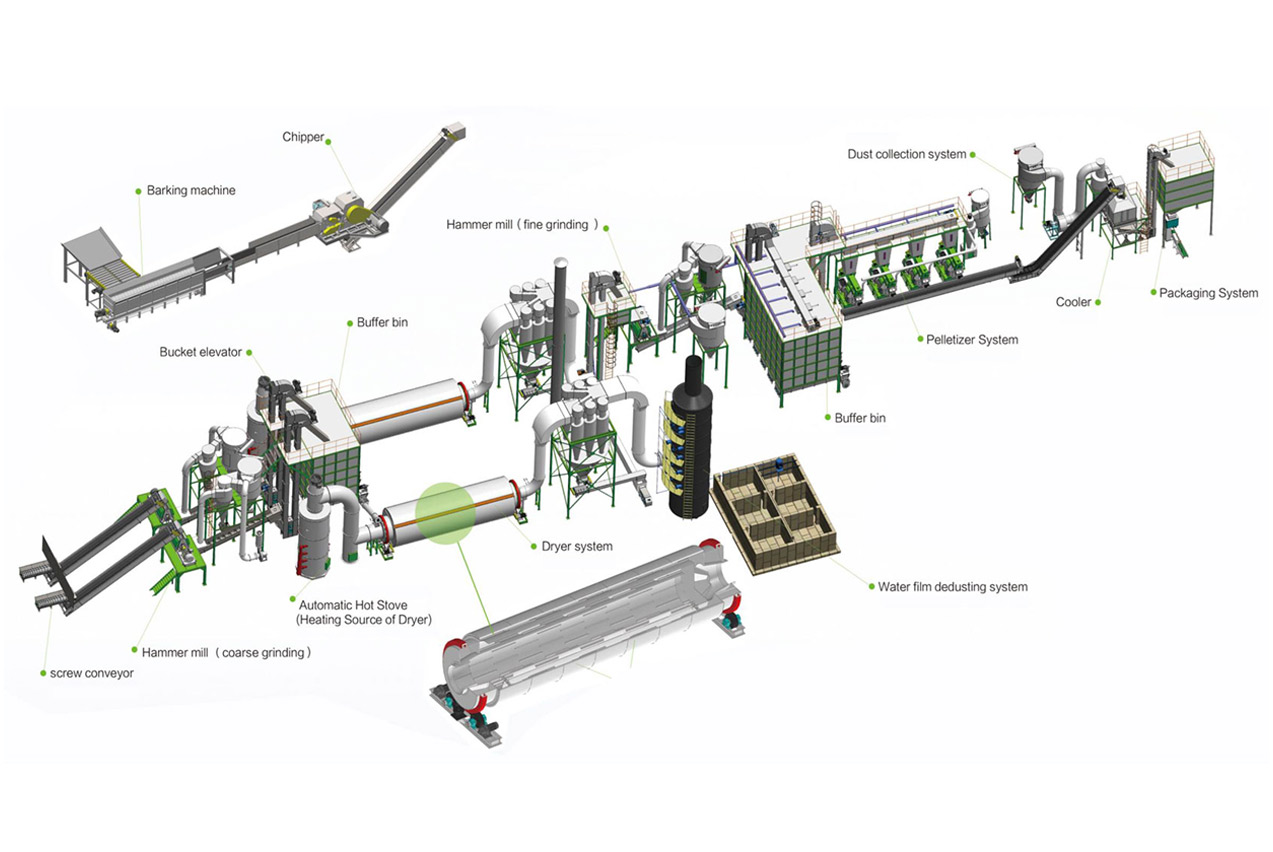
Kingwood does not publish list prices publicly, and landed cost in Vietnam will include CIF freight, import duties, and civil construction. Based on the documented project structure and the scale of auxiliary equipment for a complete pellet production line required for a 12 t/h line, buyers should budget for equipment, installation, civil works, and commissioning as a combined project cost, then validate payback against the 23-month reference case by adjusting for local feedstock and energy prices.
The 10 million+ metric tonnes of annual biomass-fuel project capacity that Kingwood has built and operated across its customer base provides a statistically meaningful dataset for ROI benchmarks — the 23-month payback figure is not an outlier but a representative outcome for well-managed Vietnamese plants.
Ring die life is the most frequently underestimated line item in Vietnamese pellet plant budgets. The main wear drivers are feedstock moisture (wet material increases compaction force and heat), particle size consistency (oversized particles from a poorly calibrated hammer mill accelerate die hole erosion), and lubrication discipline. On acacia and rubber wood at properly conditioned 10–14% moisture, die life in our customer installations typically falls between 800 and 1,500 hours of productive operation.
Proper maintenance protocols can extend die life by up to 30% per industry estimates (WPAC 2023). The practical implication: a Vietnamese plant running two shifts at 16 hours/day should plan die replacement every 50–90 production days depending on feedstock consistency and operating discipline. See replacement ring die components and specifications for Kingwood's die availability by model.
Insufficient lubrication is the most common cause of unplanned downtime in ring die mills. Per Kingwood engineering data, bearing failure occurs within 800–1,200 operating hours when lubrication intervals are missed or when the wrong grease specification is used. In Vietnam's high-humidity operating environment, water ingress through inadequately sealed bearing housings accelerates this timeline further. We've seen this failure mode in newly commissioned plants where the operations team was not trained on the lubrication schedule during handover — not a machine fault, but a commissioning gap.
Vietnamese buyers should hold the following parts on-site from day one:
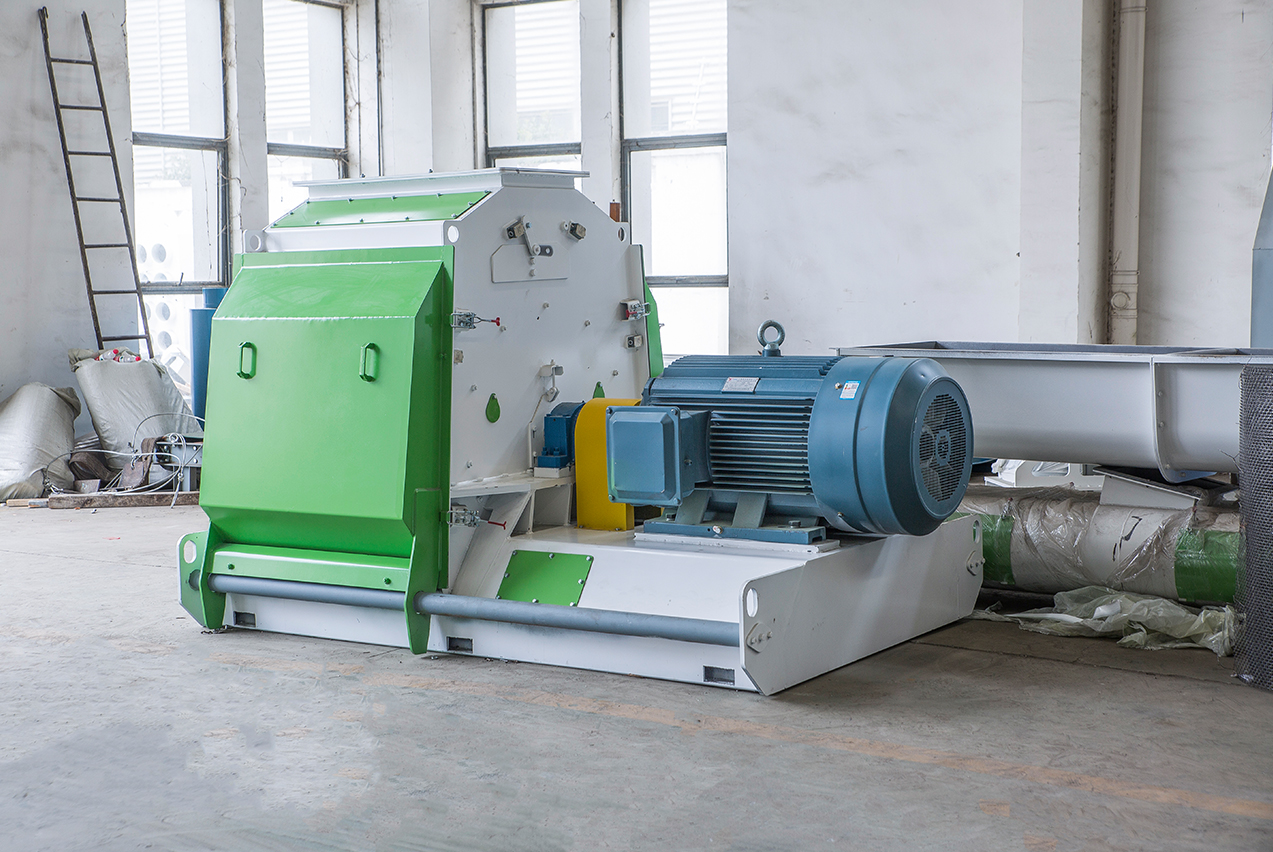
Parts that buyers commonly forget to order at project commissioning: safety pins (inexpensive but critical — they shear under overload to protect the main shaft) and hammer mill screens (which wear faster than expected on bamboo or mixed-wood feedstock).
Kingwood's global operation and maintenance service network covers 30+ countries, with Vietnam as one of the most active regional markets. The EPC service model includes operator training at commissioning, remote diagnostics support, and a one-stop spare parts supply that reduces the number of vendors a Vietnamese operator needs to manage.
Any supplier offering a ring die pellet mill for sale vietnam should hold, at minimum, ISO 9001 (quality management) and ISO 14001 (environmental management) certifications, plus CE marking on exported equipment. Beyond certifications, financial transparency matters: Kingwood is listed on China's NEEQ market (stock code 871765), which requires periodic public financial disclosure — a layer of accountability not available from unlisted manufacturers.
Founded in 1999 with 27 years of dedicated biomass pellet equipment R&D and manufacturing, Kingwood has completed over 4,000 production line projects in 30+ countries per their 2024 brochure. Machines built by Kingwood produce over 3 million tonnes of wood pellets annually across customer factories globally per Kingwood 2024 operational data.
Whether visiting in person or conducting a virtual audit, ask the following:
Kingwood's value to a Vietnamese buyer extends beyond supplying machines. The Three-Standardization Framework — Integrated (full supply chain coordination), Dust-Free (enclosed processing with dedicated dust removal at every stage), and Automated (minimal manual intervention throughout the line) — is an operational system, not just a product feature. It determines whether your plant runs reliably at full capacity or spends time in partial-load firefighting.
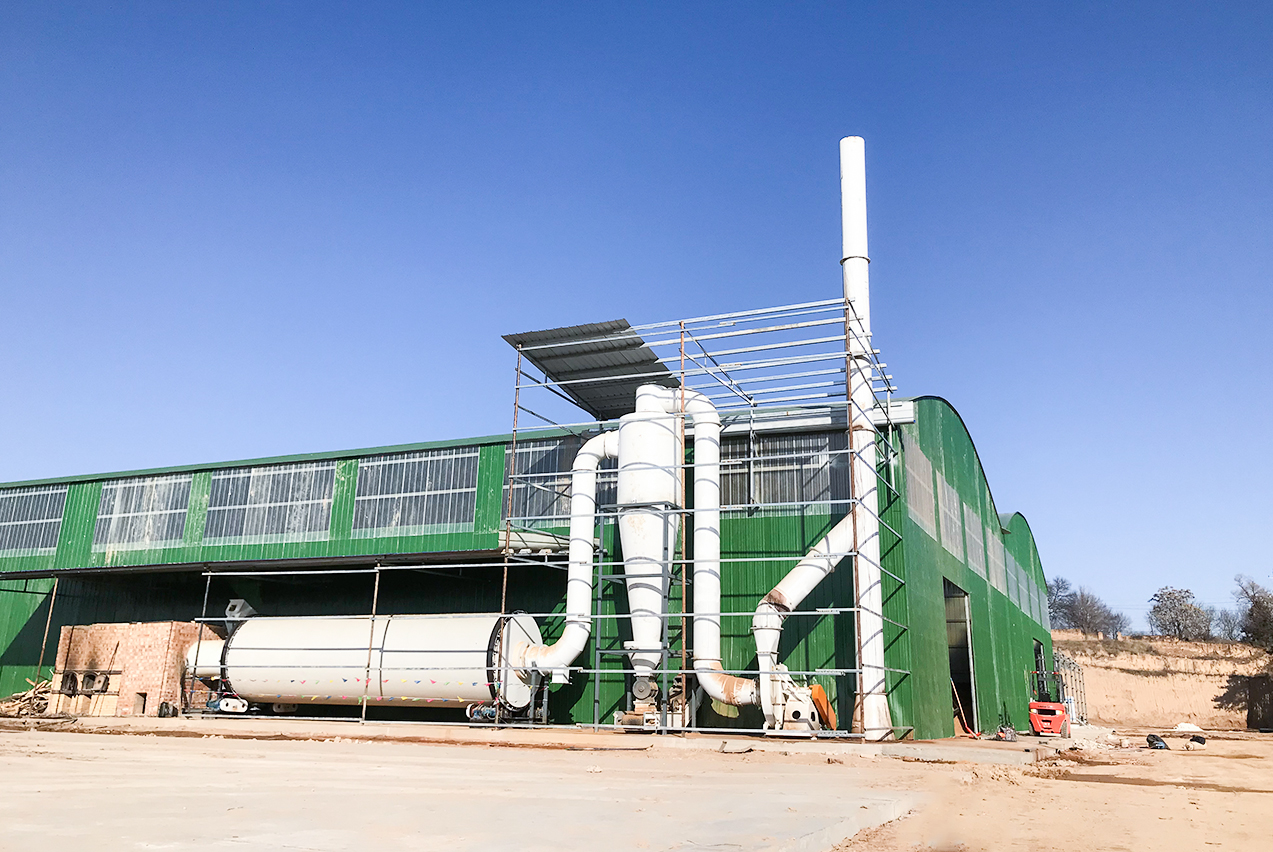
The 24 t/h turnkey wood pellet plant completed for AVP Group in central Vietnam in June 2021 — Vietnam 24 t/h wood chip pellet production line case — is the clearest demonstration of what EPC delivery in Vietnam looks like at scale: equipment manufactured in Jiangsu, shipped to Vietnam, installed and commissioned by Kingwood engineers over a nine-month project period that included pandemic-related logistics constraints.
For first-time Vietnamese investors, the EPC model removes the risk of integrating equipment from multiple suppliers across different communication standards and warranty responsibilities. One contract, one point of accountability, one commissioning team.

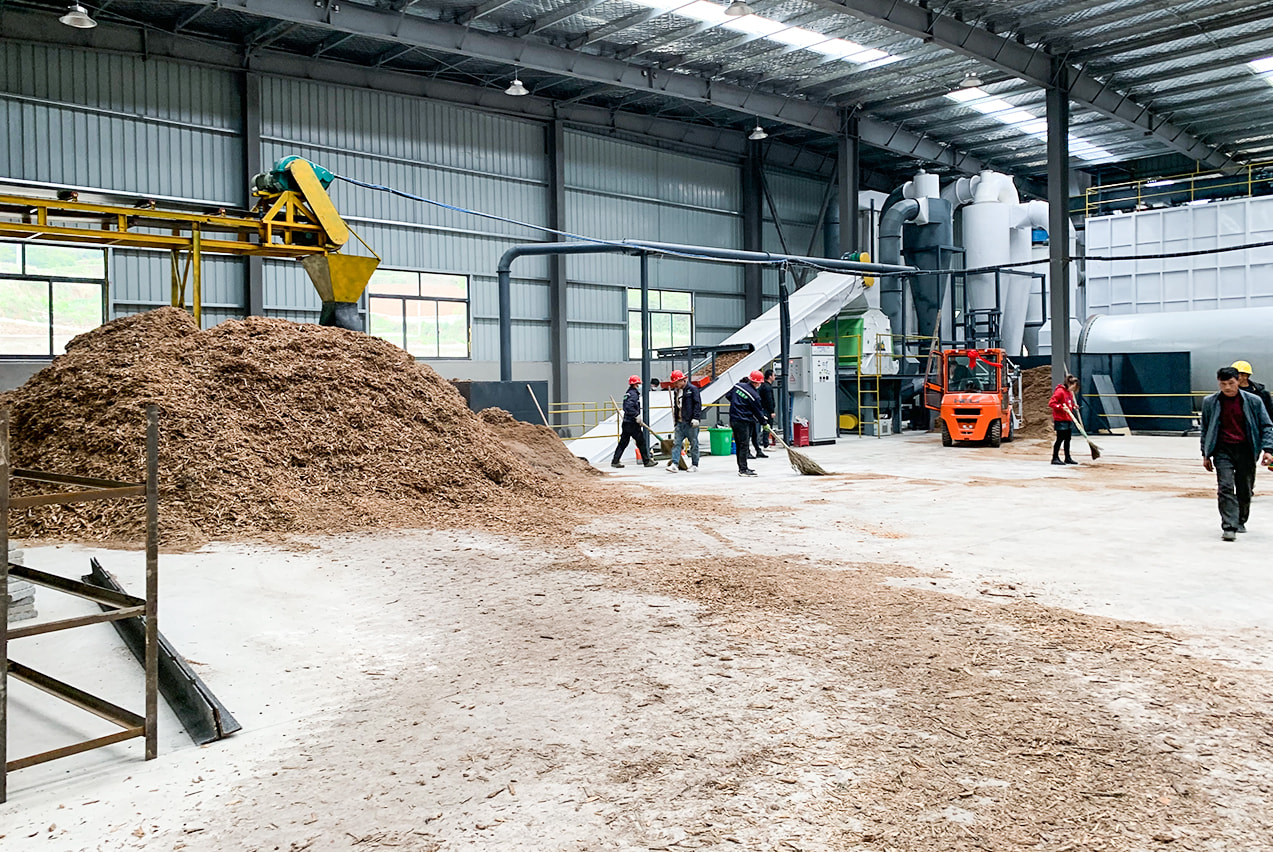
Based on a real Kingwood JWZL-688 deployment in Vietnam, payback was achieved in 23 months on a 12 t/h line processing acacia and rubber wood. Actual payback depends on local pellet prices, feedstock cost, and operating hours, but two-shift operations on Vietnamese hardwood typically yield strong margins given 2024 FOB export prices of USD 120–145 per tonne.
For 5–10 t/h, two JWZL-688D units (each rated 2.5–3.2 t/h at 200 kW with servo motor) or one JZWH-860 (4–5 t/h at 280–355 kW) are the most common configurations. Four JWZL-688 units were used to achieve 10 t/h at 1,980 kW total in a documented 2023 Chinese project, confirming the modular scalability of this approach.
Yes. Kingwood completed a 24 t/h turnkey wood pellet plant installation in central Vietnam for AVP Group in June 2021, including on-site engineering support during the project. Their global O&M service network covers 30+ countries, and the EPC model includes equipment manufacturing, civil construction coordination, installation, commissioning, and operator training.
Feedstock moisture should be reduced to 10–14% before entering the ring die pellet mill; above this range pellets lose density and PDI drops below the 97.5% benchmark. Kingwood's SG-series rotary drum dryers handle inputs up to 45% moisture and offer water evaporation rates from 700 kg/h (SG-10) to 5,200 kg/h (SG-80), with thermal efficiency exceeding 70%.
Check for ISO 9001 and ISO 14001 certification, CE marking, and a listed stock exchange presence — Kingwood is listed on China's NEEQ market (stock code 871765) founded in 1999. Ask for reference projects in your region with verifiable capacity figures, and confirm the supplier offers a full EPC or turnkey option with documented after-sales O&M coverage.
For regional project requirements, see our Vietnam and Thailand supplier guide.

Wood Biomass Machinery Manufacturer


 English
 日本語
日本語
 한국어
한국어