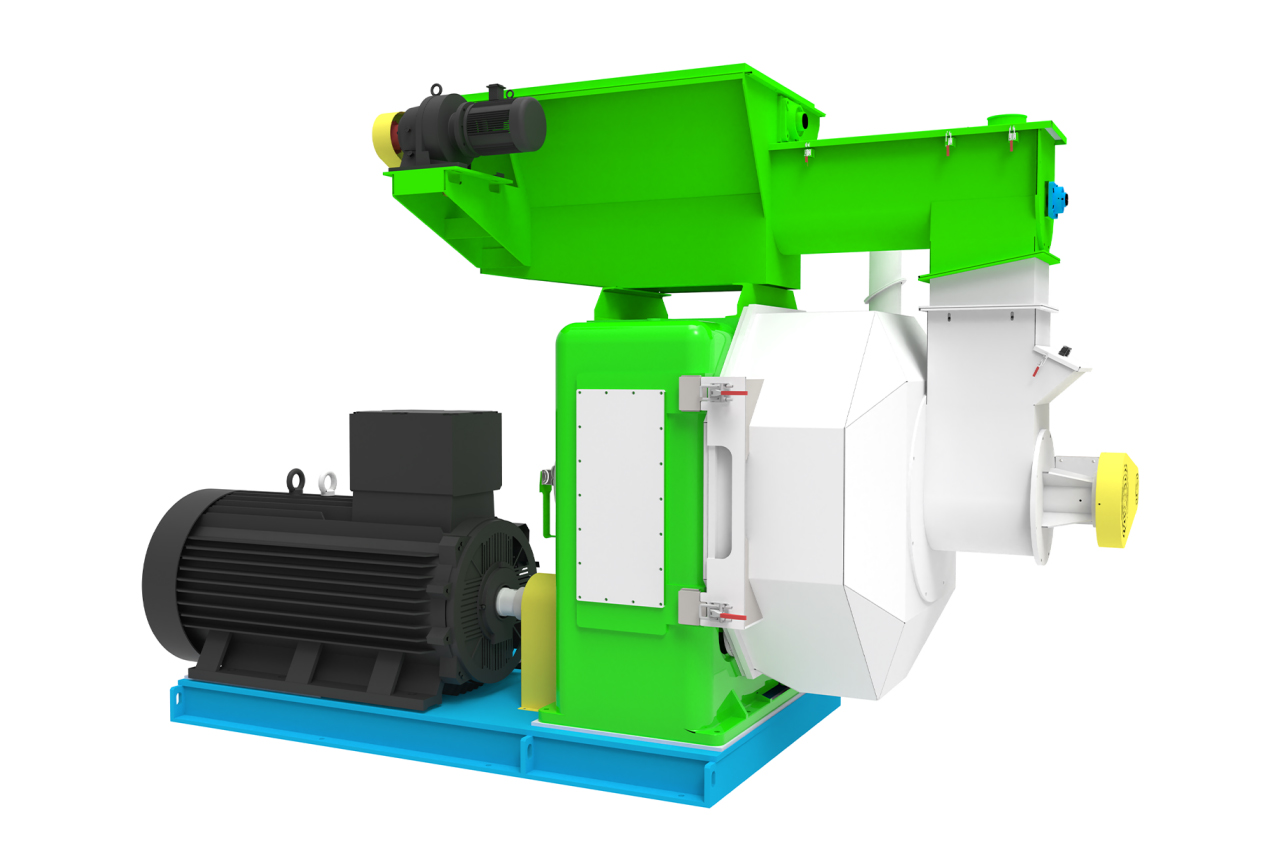
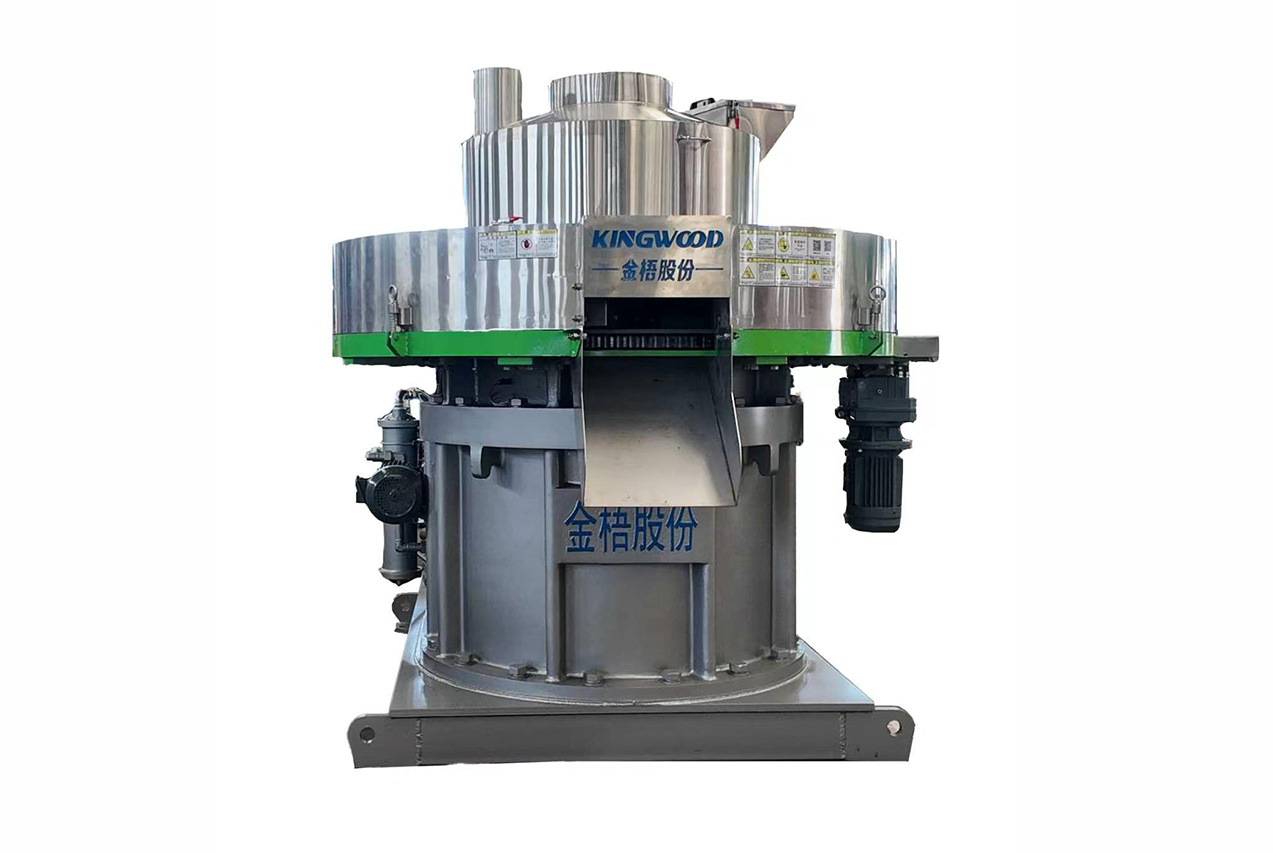
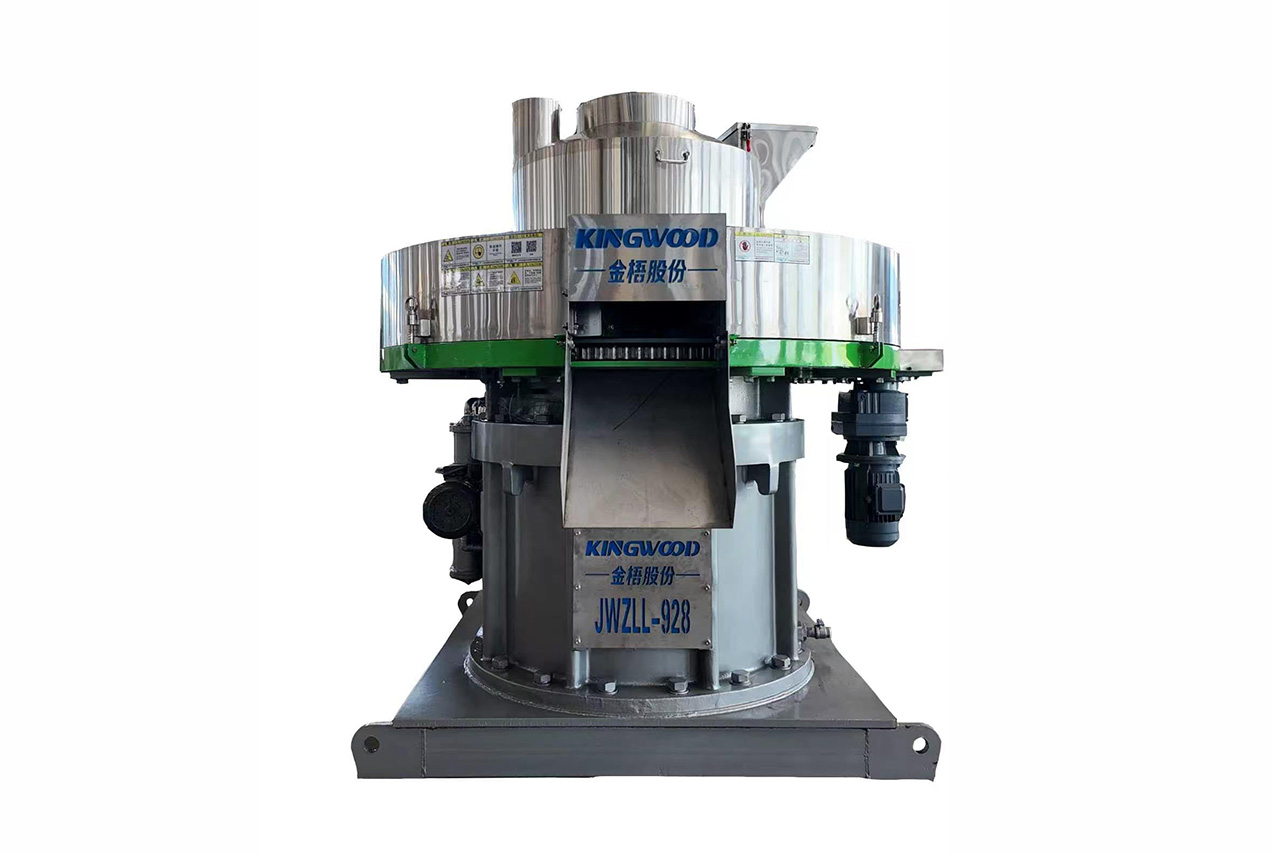
Biomass pellets are compressed, cylindrical fuel units made from organic feedstocks—primarily wood chips, sawdust, agricultural straw, rice husks, palm shell, and bamboo. Raw material is dried, ground, and forced through a ring die under high pressure and heat, binding lignin in the wood fibers without chemical additives. The result is a dense, uniform pellet, typically 6–8 mm in diameter, with a bulk density above 600 kg/m³.
Demand has accelerated sharply since 2020 for three converging reasons: national coal phase-out mandates, rising natural gas prices following the Russia–Ukraine conflict, and expanding feed-in-tariff (FIT) programs in Japan, South Korea, and the EU. Per IEA 2024 data, global solid bioenergy demand reached 32 EJ in 2023, with wood pellets as the fastest-growing solid biofuel segment.
Industrial-grade biomass pellets deliver approximately 4,800 kcal/ton—comparable to standard coal on an energy-per-ton basis. The key operational difference is emission profile. When burned in a correctly configured boiler, biomass pellets produce particulate matter and SO₂ levels that fall below GB13271-2001 national standard limits in China and well within EU Class 5 thresholds. For plant operators under regulatory pressure to reduce scope 1 emissions, this matters more than the raw energy comparison.
Switching from fuel oil, gas, or electric heating to biomass pellets typically cuts fuel costs by 40–50%, a figure we see consistently reported by customers in Vietnam and Indonesia where fossil fuel import costs are high.
Per Statista 2024 estimates, global wood pellet production exceeded 40 million metric tons in 2023, with Asia-Pacific output growing approximately 18% year-on-year. At that trajectory, global demand crossing 50 million metric tons by 2026 is a realistic projection, not an optimistic one.
The EU remains the world's largest consumer of industrial biomass pellets, driven primarily by large-scale co-firing at coal power plants in the UK, Germany, Denmark, and the Netherlands. EU sanctions on Russian energy since 2022 removed a significant competing fuel source, accelerating the shift. In France alone, wood pellet prices briefly reached €600/ton (approximately 4,100 RMB) before supply chains adjusted.
Japan's expanded FIT program has driven import demand to an estimated 4.25 million metric tons in 2023 per USDA Foreign Agricultural Service data. South Korea's Renewable Portfolio Standard (RPS) adds another significant import pull. Both countries source heavily from Vietnam and Indonesia, which hold competitive advantages in feedstock cost and forest biomass availability.
Vietnam has established itself as a major production hub, with several large plants operating above 20 t/h. Indonesia's palm shell and wood chip availability supports a growing export-oriented pellet industry, with 30 t/h installations now operational—as seen in Kingwood's Indonesia biomass pellet line deployment.
| Region | 2023 Production (est.) | YoY Growth | Primary Markets |
|---|---|---|---|
| Europe (incl. Russia) | ~18 million t | ~4% | Domestic power, heating |
| Asia-Pacific | ~14 million t | ~18% | Japan, South Korea export |
| North America | ~10 million t | ~6% | EU export |
| Rest of World | ~3 million t | ~12% | Regional industrial |
India is an emerging market, with government biomass co-firing mandates pushing thermal power plants toward blending rates of 5–10% biomass by 2026 per India's National Bioenergy Policy 2022 targets.
The primary end use for industrial biomass pellets is thermal energy in boilers and co-firing at coal power stations. However, the application range has broadened considerably, and buyers evaluating entry points need to understand where price premiums are achievable. For a broader overview, see biomass pellet applications across industries.
Coal-fired industrial boilers represent the single largest market for biomass pellet substitution. Per IEA 2025 estimates, biomass co-firing in coal plants could displace up to 15% of coal consumption in Asia by 2030. Plants operating at 5–20% biomass blend ratios require minimal boiler modification, making this the lowest-barrier entry point for industrial buyers.
In Europe, pellet stoves and biomass boilers for residential and commercial heating account for roughly 30–35% of pellet consumption per European Biomass Association 2024 data. This segment prioritizes ENplus A1-grade pellets with moisture below 10% and ash below 0.7%.
Biomass pellets are increasingly evaluated as a feedstock for green methanol production and as a stored energy form that complements intermittent renewables (wind, solar). The concept links "green electricity" production with "green industrial production" in a circular economy chain—an area where Kingwood has positioned its project design capability specifically.
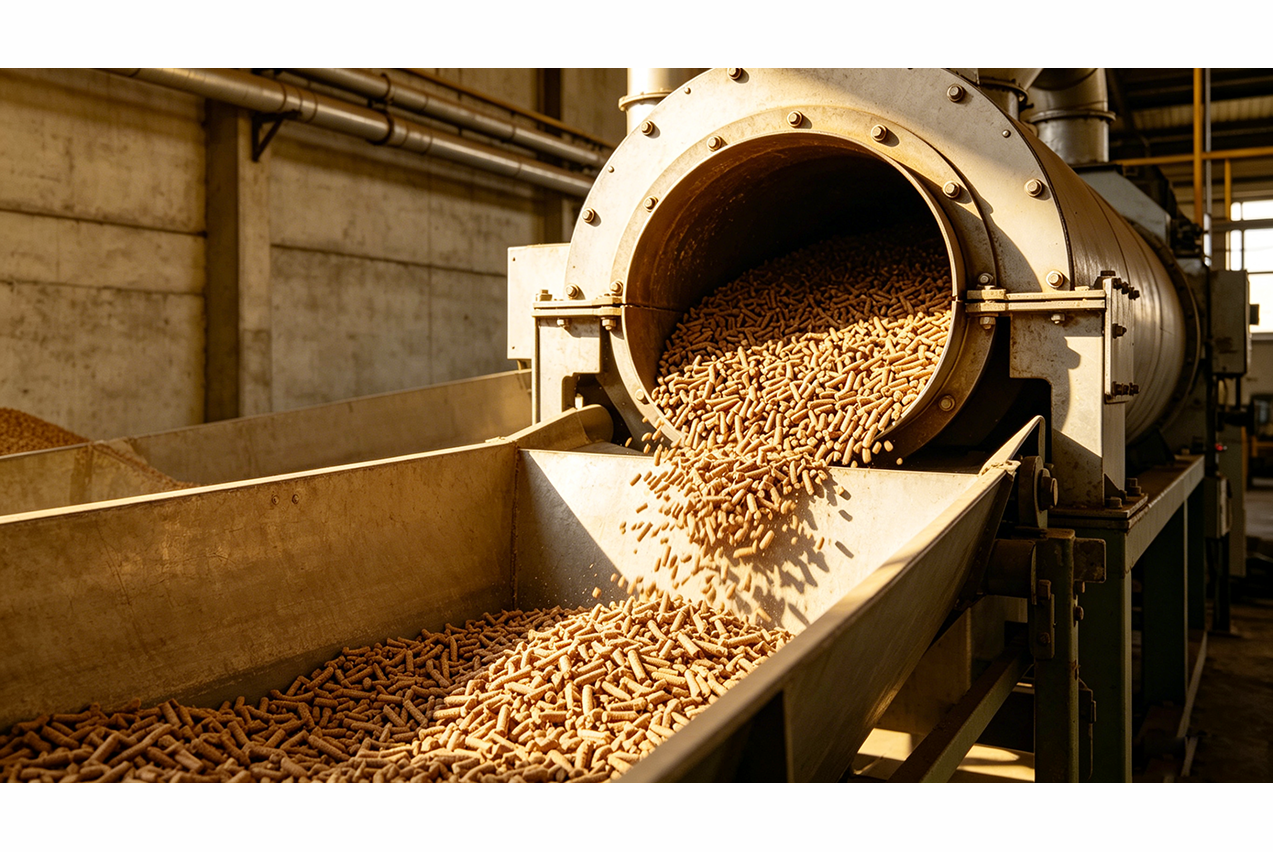
Animal feed pellets use different binders and process parameters and should not be conflated with fuel-grade biomass pellets, though some customers operate dual-mode lines where raw material permits.
When switching from coal to biomass pellets, operators can typically document SO₂ reductions exceeding 90% and particulate reductions of 70–80%, depending on combustion system design—figures that support carbon credit claims and regulatory compliance filings.
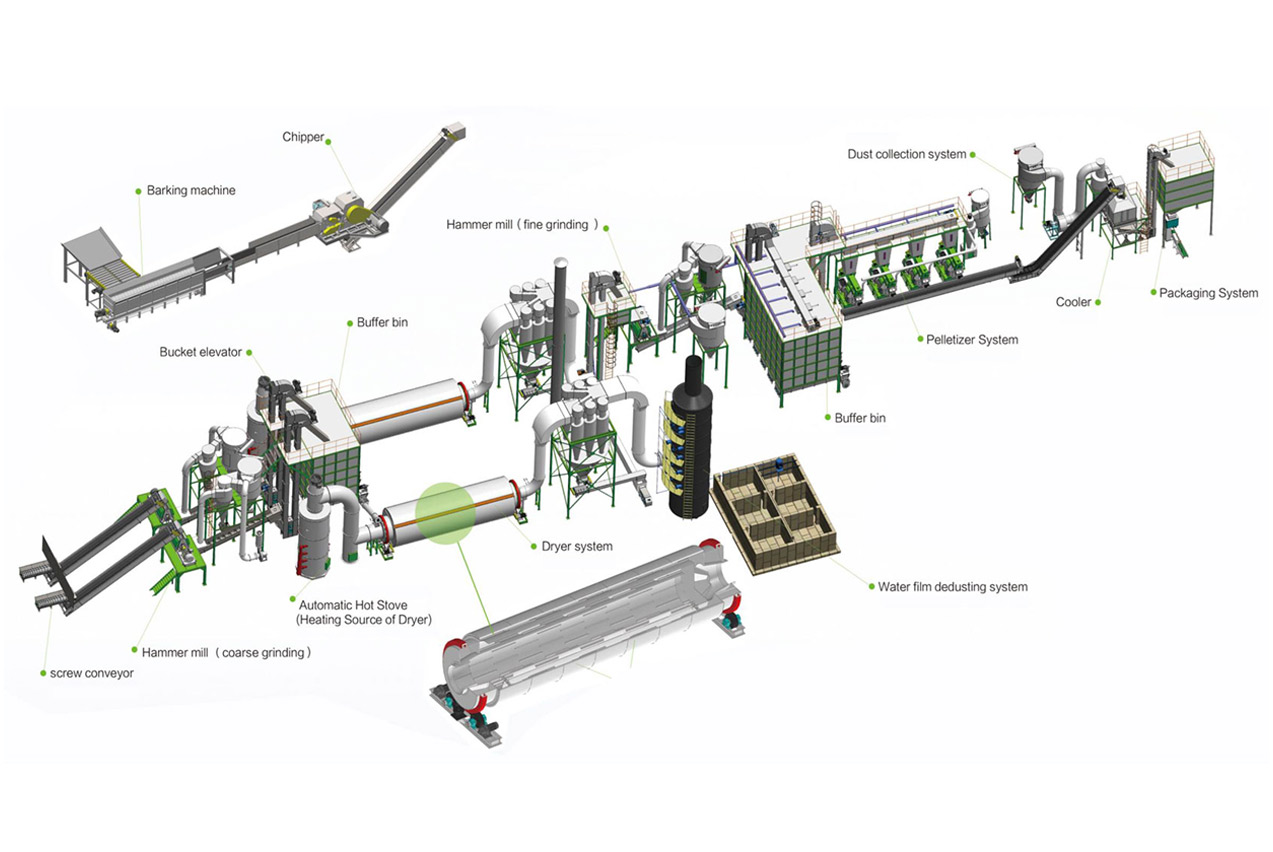
A complete biomass pellet production line moves feedstock through six core stages: crushing, coarse grinding, drying, fine grinding, pelletizing, and cooling/packaging. Each stage has specific parameters that, if mismatched, create bottlenecks downstream. The two most common errors we see in poorly designed lines are under-capacity drying and oversized grinding ahead of the pellet mill.
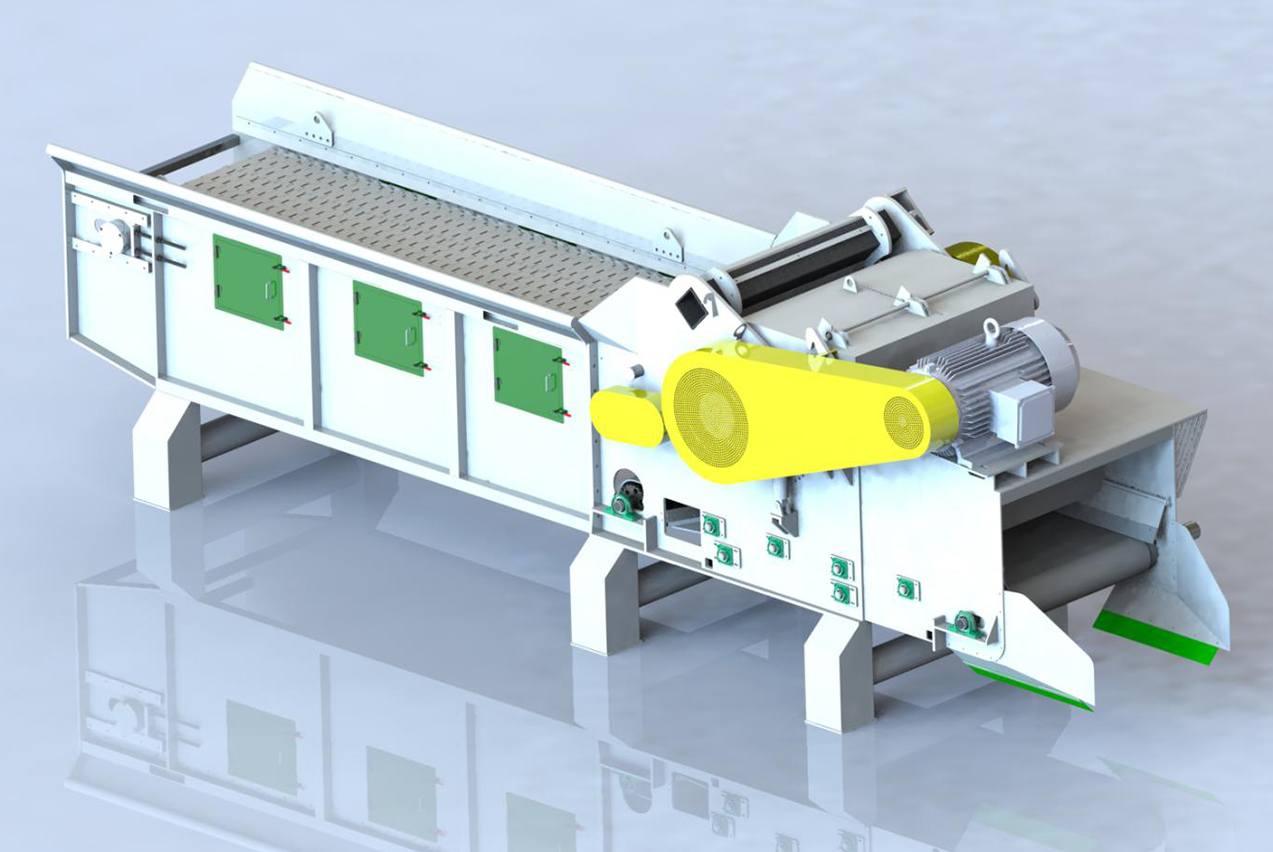
Incoming raw material—logs, wood chips, demolition waste, agricultural straw—is first processed through a primary crusher or wood chipper to reduce particle size to roughly 15–30 mm. A hammer mill for biomass pre-processing then grinds this material to 8–15 mm for entry into the drying stage, and again to under 5 mm for fine grinding before pelletizing. Kingwood's FSP-series hammer mills cover capacities from 2.5 t/h (FSP80T, 132 kW) to 9–12 t/h (FSP140T, 280 kW).
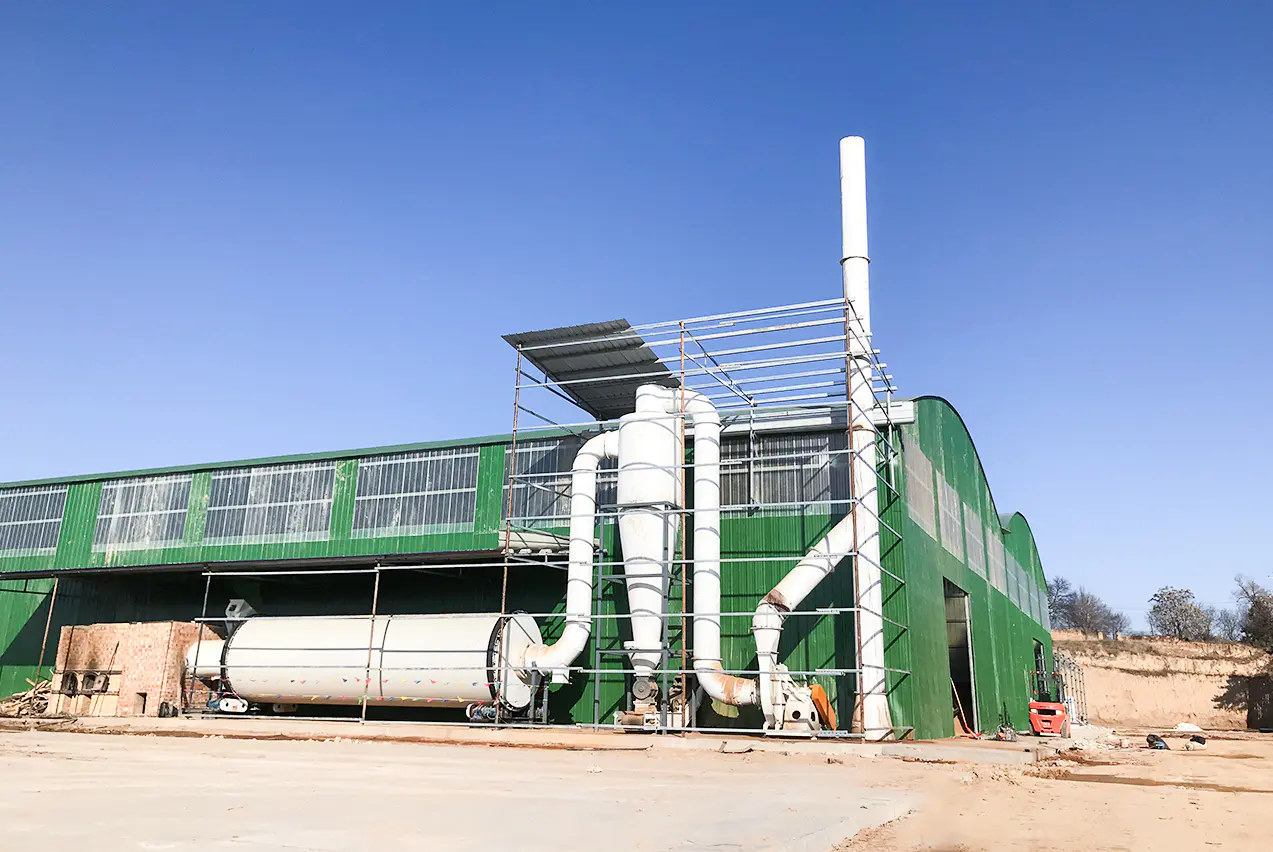
EN ISO 17225 requires moisture content below 10% for premium-grade (A1) wood pellets. Most agricultural and forestry feedstocks arrive at 25–50% moisture. A biomass drum dryer for moisture reduction reduces this to the 10–14% range required before pelletizing. Kingwood's triple-layer single-channel drum dryer design achieves thermal efficiency above 70% and reduces power consumption approximately 60% compared to conventional single-drum units—important because drying is typically the largest energy cost in the production process.
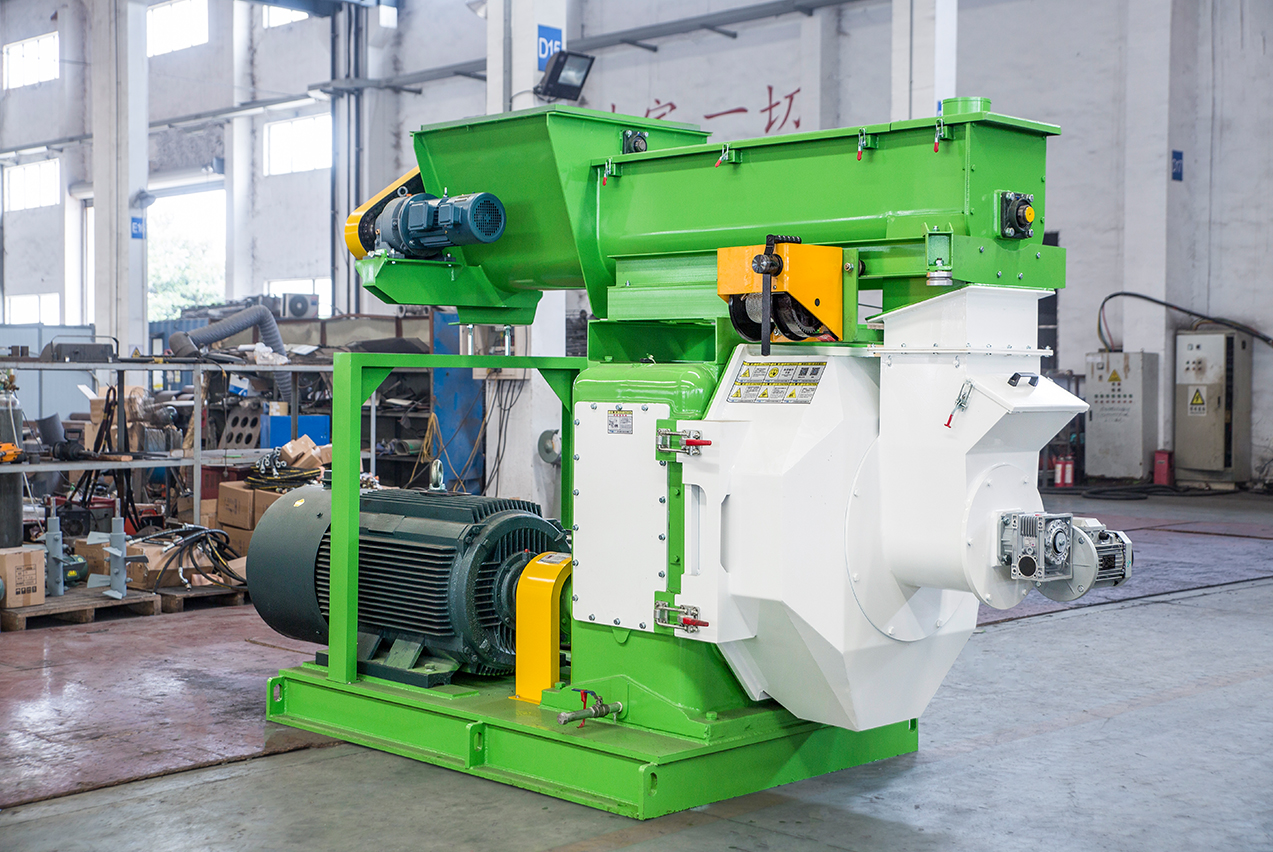
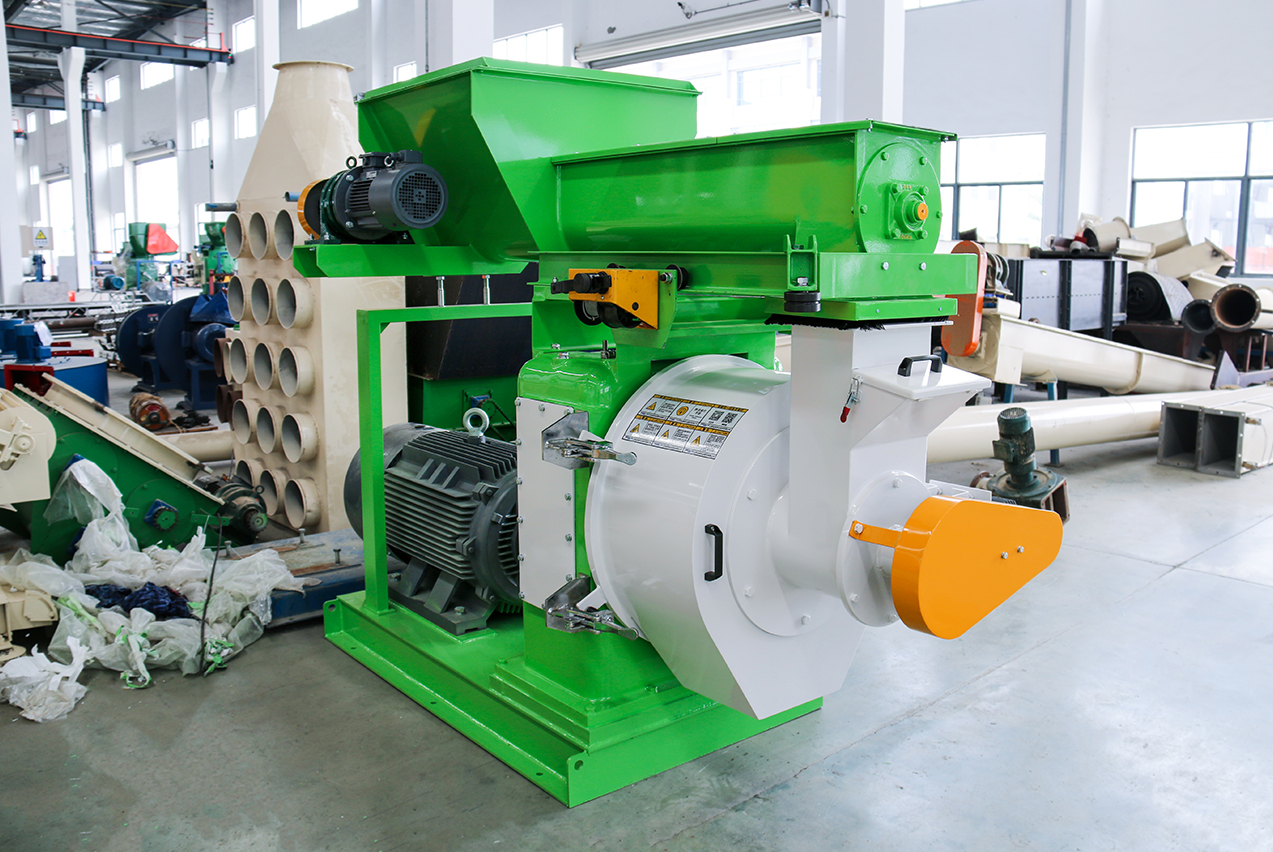
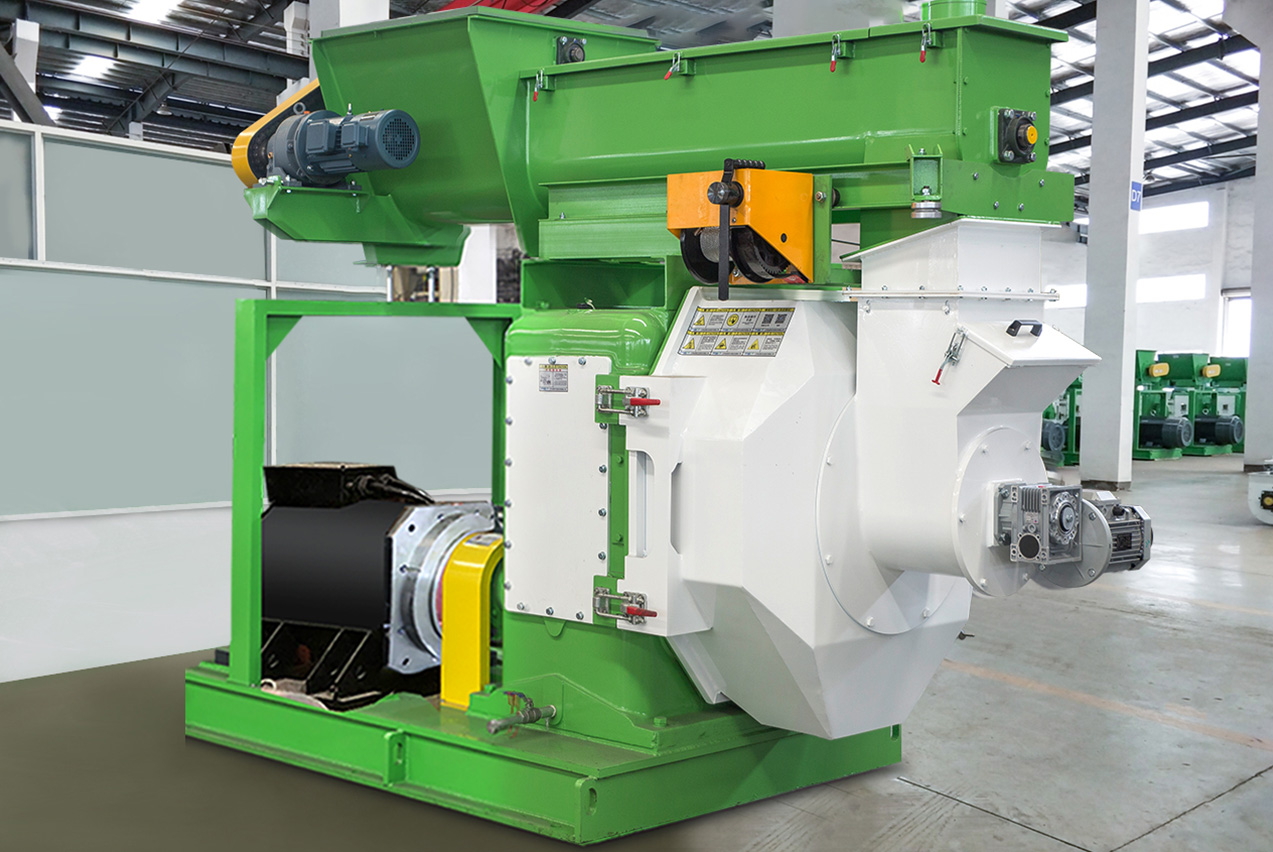
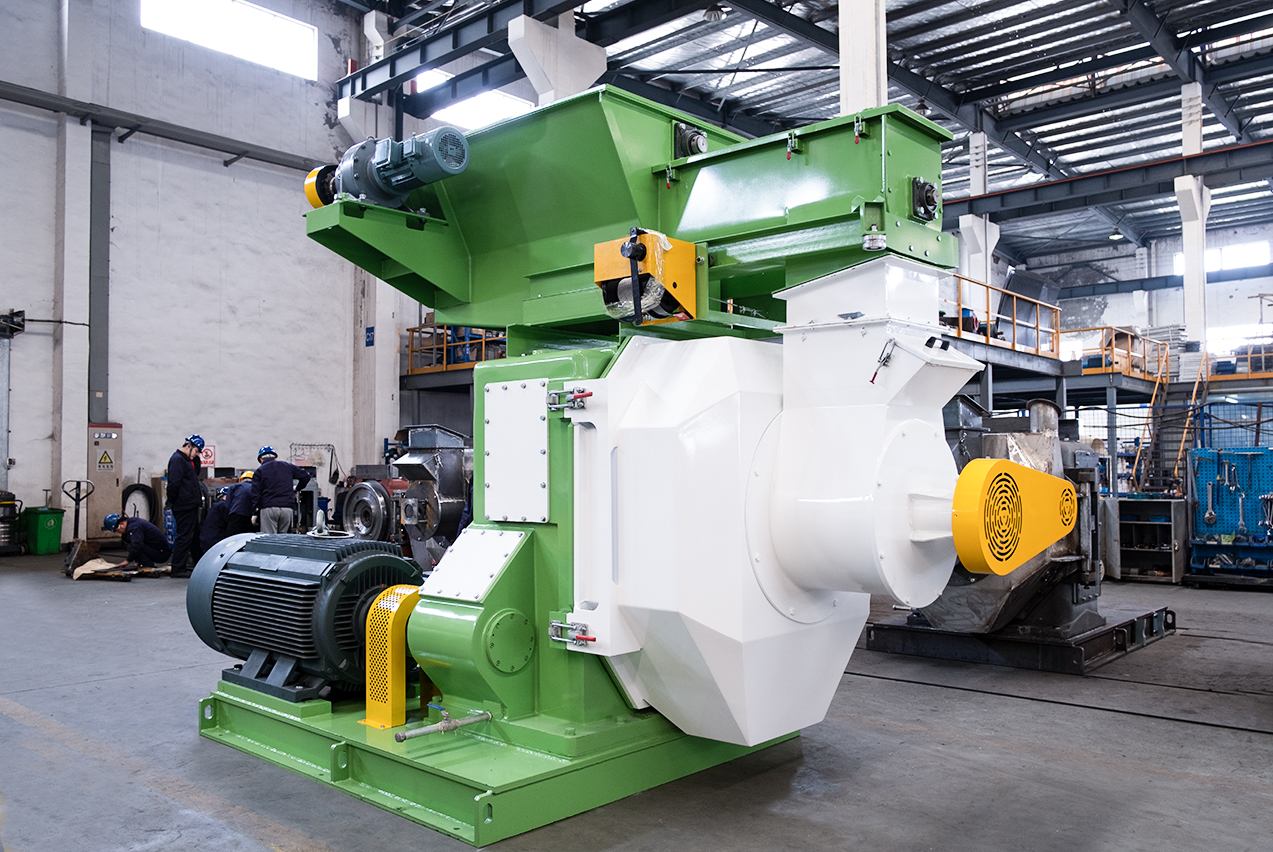
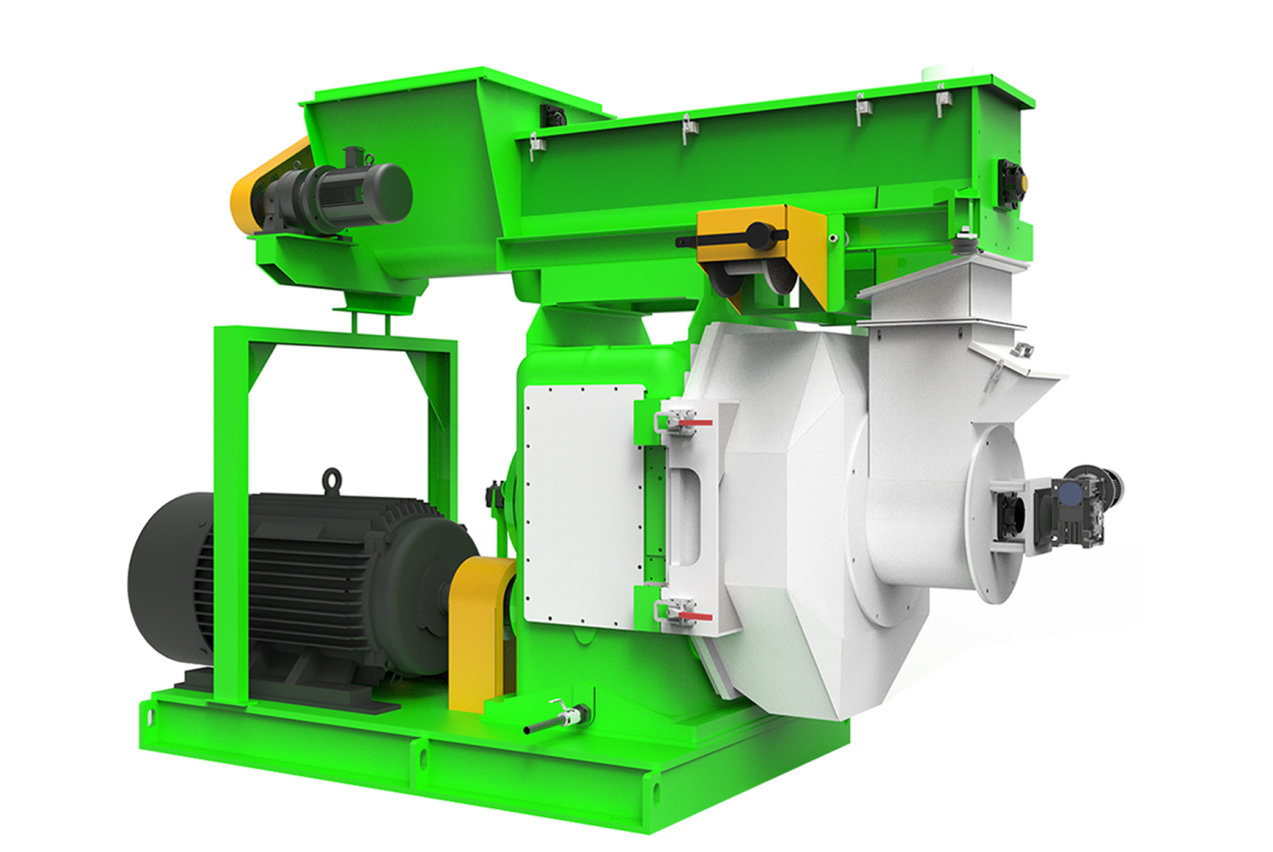
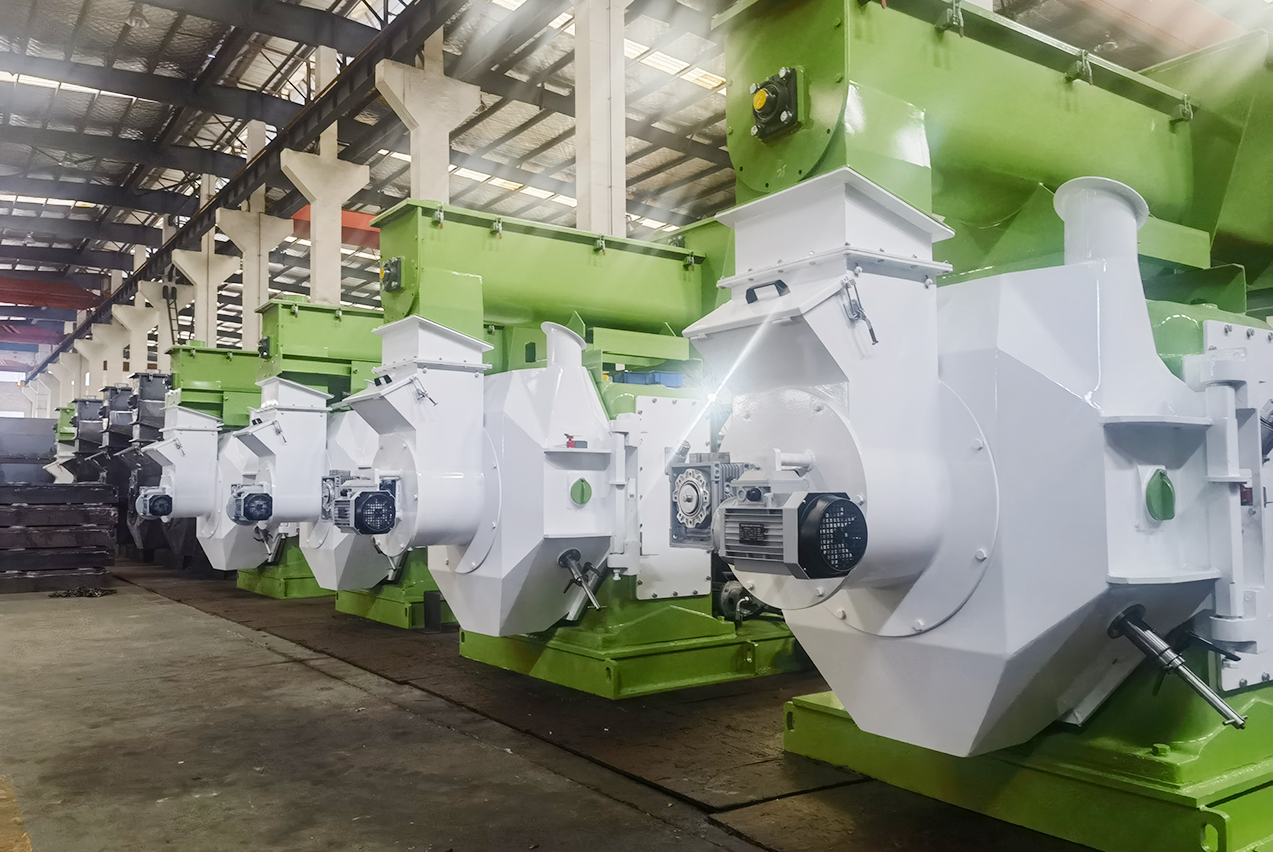
The pellet mill is the throughput-defining piece of equipment in any production line. Per industry practice benchmarks (IEA Bioenergy Task 32, 2023), ring die pellet mills are the standard choice for any output above approximately 500 kg/h, while flat die mills are suited to small-scale or on-farm use. The ring die rotates while rollers remain stationary—this design handles higher feed rates more efficiently and achieves pellet durability index (PDI) above 97.5% on dry sawdust at 10–14% moisture.
Pellets exit the die at 70–80°C and must be cooled to within 3–5°C of ambient temperature before bagging to prevent condensation and degradation. Counter-flow coolers are standard on lines above 3 t/h. Packaging is either bulk (jumbo bags) for industrial buyers or 15–25 kg retail bags for domestic heating markets.
| Process Stage | Key Parameter | Consequence If Wrong |
|---|---|---|
| Crushing | Output size ≤30 mm | Hammer mill blockages |
| Drying | Moisture 10–14% | Poor pellet formation, die wear |
| Fine grinding | Particle size ≤5 mm | High fines, low PDI |
| Pelletizing | Die compression ratio | Pellet hardness, output rate |
| Cooling | ≤ambient + 5°C | Moisture reabsorption, bag damage |
Buyers sourcing from Asia for European or Japanese markets face a tiered compliance landscape. Per European Pellet Council 2024 data, ENplus-certified pellet volume grew to over 12 million metric tons in 2023—and the EU's Renewable Energy Directive (RED III) increasingly ties subsidy eligibility to certified supply chains.
ENplus A1 grade sets the benchmark for residential and small commercial use: moisture ≤10%, ash ≤0.7%, bulk density ≥600 kg/m³, calorific value ≥16.5 MJ/kg (approximately 3,940 kcal/kg). ENplus B grade is used for industrial boilers with relaxed ash limits up to 3%. ISO 17225-2 mirrors these parameters and is the reference standard for most B2B procurement contracts in Asia.
| Parameter | ENplus A1 | ENplus B / Industrial | Kingwood Line Output |
|---|---|---|---|
| Moisture content | ≤10% | ≤10% | Controllable to 8–12% |
| Bulk density | ≥600 kg/m³ | ≥600 kg/m³ | Above 600 kg/m³ |
| PDI (Durability) | ≥97.5% | ≥96.5% | ≥97.5% (dry sawdust) |
| Ash content | ≤0.7% | ≤3.0% | Feedstock-dependent |
| Calorific value | ≥16.5 MJ/kg | ≥14.5 MJ/kg | ~4,800 kcal/ton |
Buyers should request PDI test certificates, proximate analysis reports (moisture, ash, volatile matter), and calorific value test data from an accredited laboratory—not just the equipment manufacturer's specification sheet. Kingwood's production lines include in-line dust removal and closed-conveying systems that reduce contamination and protect product quality from pelletizing through packaging, which is directly relevant to achieving certified pellet output.
Per FAO 2023 estimates, global agricultural residue availability exceeds 5 billion metric tons annually, with Asia accounting for over 60% of that supply. This gives Southeast Asian plant operators a structural cost advantage over North American or European producers, but that advantage only materializes when feedstock logistics and moisture management are properly engineered.
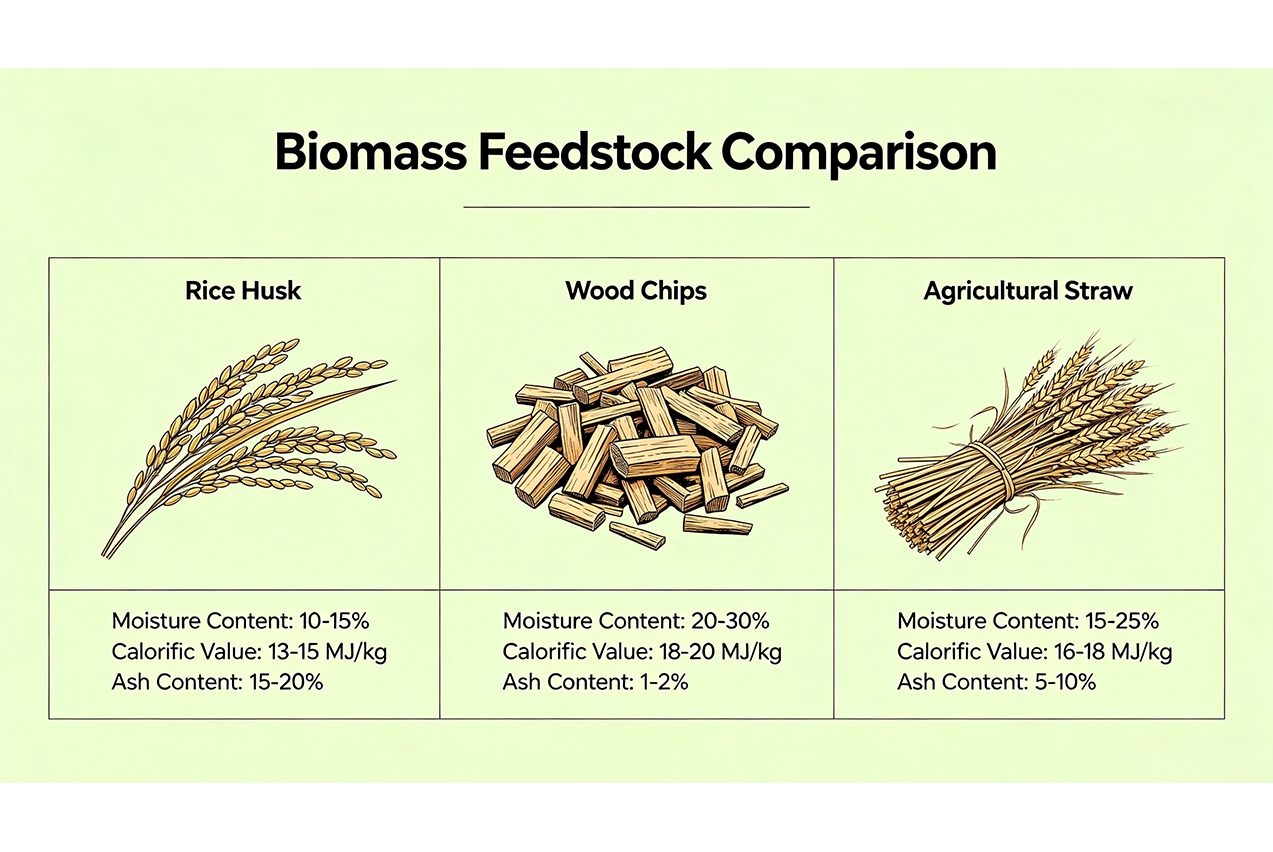
| Feedstock | Typical Moisture (%) | Relative Processing Cost | Best Market |
|---|---|---|---|
| Sawdust / dry shavings | 10–20% | Low | Premium wood pellets |
| Wood chips (fresh) | 40–55% | Medium (drying-intensive) | Industrial fuel pellets |
| Rice husk | 8–14% | Low–Medium | Southeast Asia domestic |
| Agricultural straw | 15–30% | Medium | South Asia, China |
| Palm shell | 12–18% | Low | Indonesia, Malaysia export |
In Vietnam, sawdust from acacia and rubber wood processing is widely available at low cost, supporting production economics that allow payback periods under 24 months on mid-scale lines. In India, rice straw and sugarcane bagasse are abundant but require additional crushing capacity due to fibrous structure, which increases upfront equipment investment.
Feedstock moisture content is the primary driver of drying energy cost. Moving from 50% to 10% moisture in 1 metric ton of wood chips requires evaporating approximately 800 kg of water. At industrial dryer efficiencies, this translates to roughly 130–260 kg of pellets consumed as drying fuel per hour (per Kingwood SG-series dryer operating data), depending on dryer scale. Buyers who underestimate this cost during project planning frequently overpay for feedstock and under-specify their dryer.
Feedstock diversification—running multiple raw material types through the same line—reduces supply chain risk. Modern ring die pellet mills handle variable particle size and moderate moisture variation without significant retooling, making multi-feedstock operation practical for experienced operators.
The capacity tier you select has direct implications for equipment cost, civil construction requirements, working capital for feedstock, and ultimately payback period. Per real-world deployment data, a Vietnam forestry and energy project using a Kingwood JWZL688 at 12 t/h achieved payback in approximately 23 months. Larger lines above 20 t/h—such as Kingwood's 20 t/h JWZL-860 deployment in China—benefit from better economies of scale.
| Capacity Tier | Typical Use Case | Pellet Mills | Approx. Annual Output |
|---|---|---|---|
| 1–5 t/h | Agro-waste co-ops, small factories | 1× JWZL-420 or JWZL-688 | 7,000–35,000 t/year |
| 5–15 t/h | Mid-scale industrial, export-oriented | 1–2× JWZL-688 or JZWH-860 | 35,000–100,000 t/year |
| 15–30 t/h | Large export lines, utility-adjacent | 2–4× JZWH-860 or JWZL-998 | 100,000–200,000 t/year |
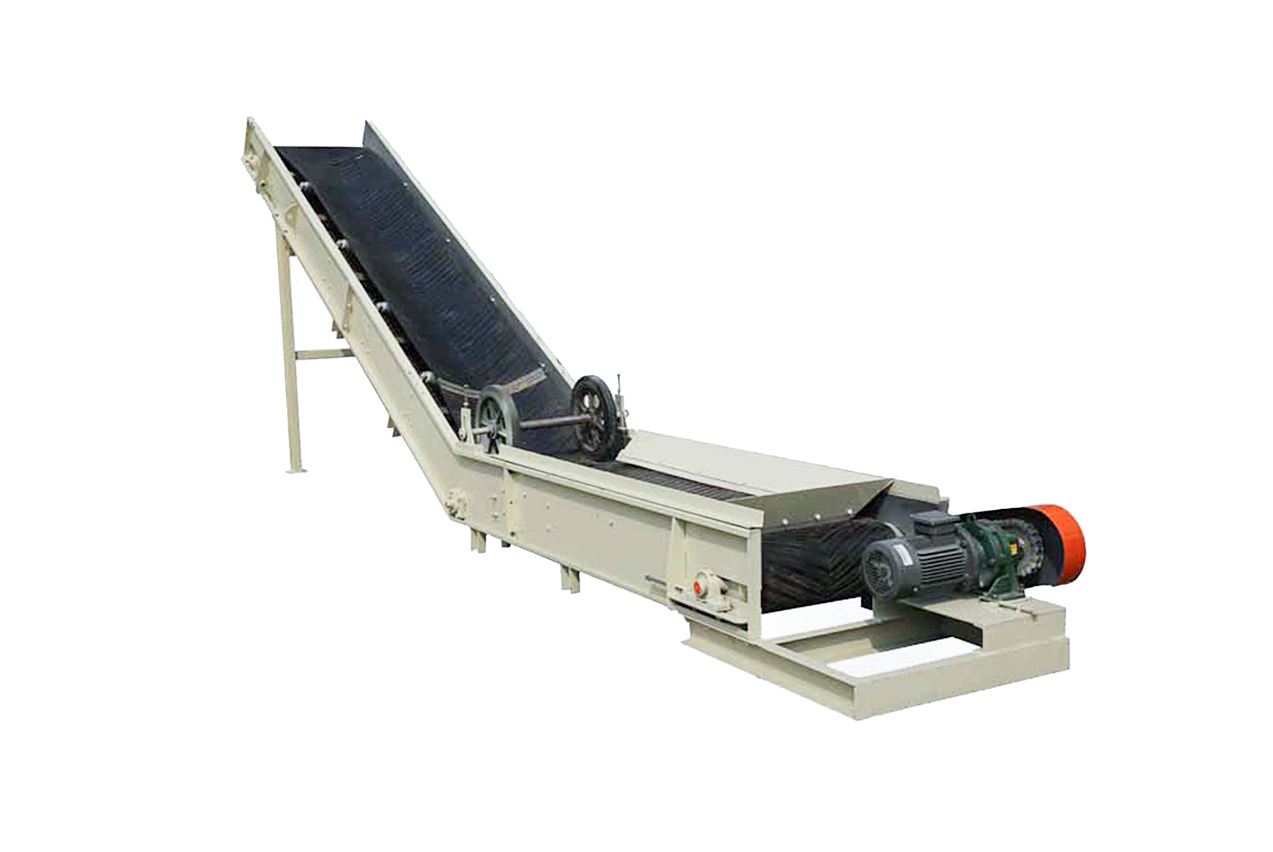
For the 15–30 t/h range, civil construction and electrical infrastructure become significant cost items. Buyers should request full EPC (Engineering, Procurement, Construction) support from their supplier rather than purchasing equipment only—this ensures the process flow, plant layout, and utility connections are engineered as an integrated system.
Pellet mill: The industrial ring die wood pellet mill is the throughput-defining and highest-maintenance component in the line. Evaluate ring die diameter (688 mm to 998 mm), main motor power (200 kW to 400 kW), and whether servo motor or standard induction motor drive is offered. Kingwood's JWZL-688D uses a 200 kW servo motor for improved efficiency and stable output at 2.5–3.2 t/h per unit.
Hammer mill: Capacity must match the pellet mill's feed demand with a buffer. Undersizing here creates production stoppages. Buyers often forget to order spare screens and blades at initial procurement—these wear parts have lead times of 3–6 weeks if not stocked locally.
Drum dryer: Specify evaporation capacity (kg water/hour), not just nominal capacity in t/h, when comparing dryer quotes. A dryer rated "5 t/h" may mean 5 t/h of dry output or 5 t/h of wet input—these are different machines.
An equipment-only vendor delivers machines to site. An EPC supplier handles project assessment, raw material analysis, plant layout design, civil construction coordination, installation, commissioning, operator training, and after-sales O&M. The total cost of an EPC engagement is higher upfront, but total project risk is substantially lower—particularly for buyers commissioning their first production line.
Key questions to ask any supplier: - Have you completed projects in my country or region? - Do you have local O&M engineers or can you deploy within 72 hours? - What is your standard spare parts stocking policy for the first 12 months? - Can you provide references from lines running above 10 t/h for more than 2 years?
Jiangsu Kingwood Industrial Co., Ltd. has been designing and manufacturing biomass pellet equipment since 1999 and has planned or designed 4,000+ production line projects across 30+ countries. The company holds ISO 9001 and ISO 14001 certifications, CE certification, and is a Deputy Director Member Unit of the China Biomass Energy Industry Alliance.
Kingwood's project approach follows a structured lifecycle: raw material analysis → production line solution design → civil construction coordination → equipment manufacturing → installation and commissioning → operator training → ongoing O&M support. This covers buyers at every stage from feasibility through long-term plant operation.
The company's Three-Standardization Framework differentiates its production line designs: - Integrated (一体化): Full upstream-downstream supply chain coordination. - Dust-Free (无尘化): Enclosed processing and conveying with active dust removal at every stage—a practical requirement for urban and peri-urban plant locations. - Automated (自动化): Fully automated operation with minimal manual intervention, reducing labor cost and improving consistency.
Kingwood operates an O&M service network across 30+ countries and maintains a joint R&D Center with Nanjing University of Agriculture and a Clean Renewable Energy R&D Lab co-established with the Nanjing government. Over 3 million metric tons of wood pellets are produced annually in customer factories running Kingwood equipment.
For buyers evaluating entry into biomass pellet production—whether a 3 t/h line to process local agricultural waste or a 30 t/h export-grade facility—the most useful first step is a raw material and market analysis, not an equipment catalog comparison. Kingwood's project team conducts that analysis as part of its pre-contract consulting process.

Industrial-grade wood pellets typically deliver around 4,800 kcal/ton, which is comparable to standard coal on an energy-per-ton basis. This makes them a viable coal substitute for boilers and power generation. High-quality pellets also achieve a Pellet Durability Index (PDI) above 97.5%, ensuring minimal breakage during transport and storage.
Production costs vary significantly by region and feedstock, but biomass pellets generally save operators 40–50% compared to fuel oil, gas, or electric heating alternatives. In Southeast Asia, where feedstock such as sawdust and wood chips is abundant, all-in production costs are typically lower than in Europe or North America. Equipment selection and drying energy cost are the two largest variables affecting per-ton cost.
Biomass pellets can be produced from a wide range of feedstocks including wood chips, sawdust, agricultural straw, rice husks, palm shell, bamboo, and even demolition wood waste. The FAO estimates global agricultural residue availability exceeds 5 billion metric tons per year, with Asia accounting for over 60% of that supply. Feedstock flexibility is a major advantage of modern ring die pellet mills, which handle variable moisture and particle size inputs.
For export to European markets, ENplus certification (governed by the European Pellet Council) is the most widely required standard, with certified volume exceeding 12 million metric tons in 2023. ISO 17225 sets parameters for moisture content (below 10% for A1 grade), ash content (below 0.7%), and bulk density. Japan's FIT program has its own sustainability and calorific value requirements that exporters from Vietnam and Indonesia must meet.
Payback periods depend heavily on capacity, feedstock cost, and local pellet prices, but real-world deployments show it is achievable in under two years. For example, a Kingwood-supplied 12 t/h JWZL688 production line in Vietnam achieved payback in approximately 23 months. Larger-capacity lines above 20 t/h generally benefit from better economies of scale and can shorten that timeline further.
For investment evaluation, see this pellet plant payback guide.

Wood Biomass Machinery Manufacturer


 English
 日本語
日本語
 한국어
한국어