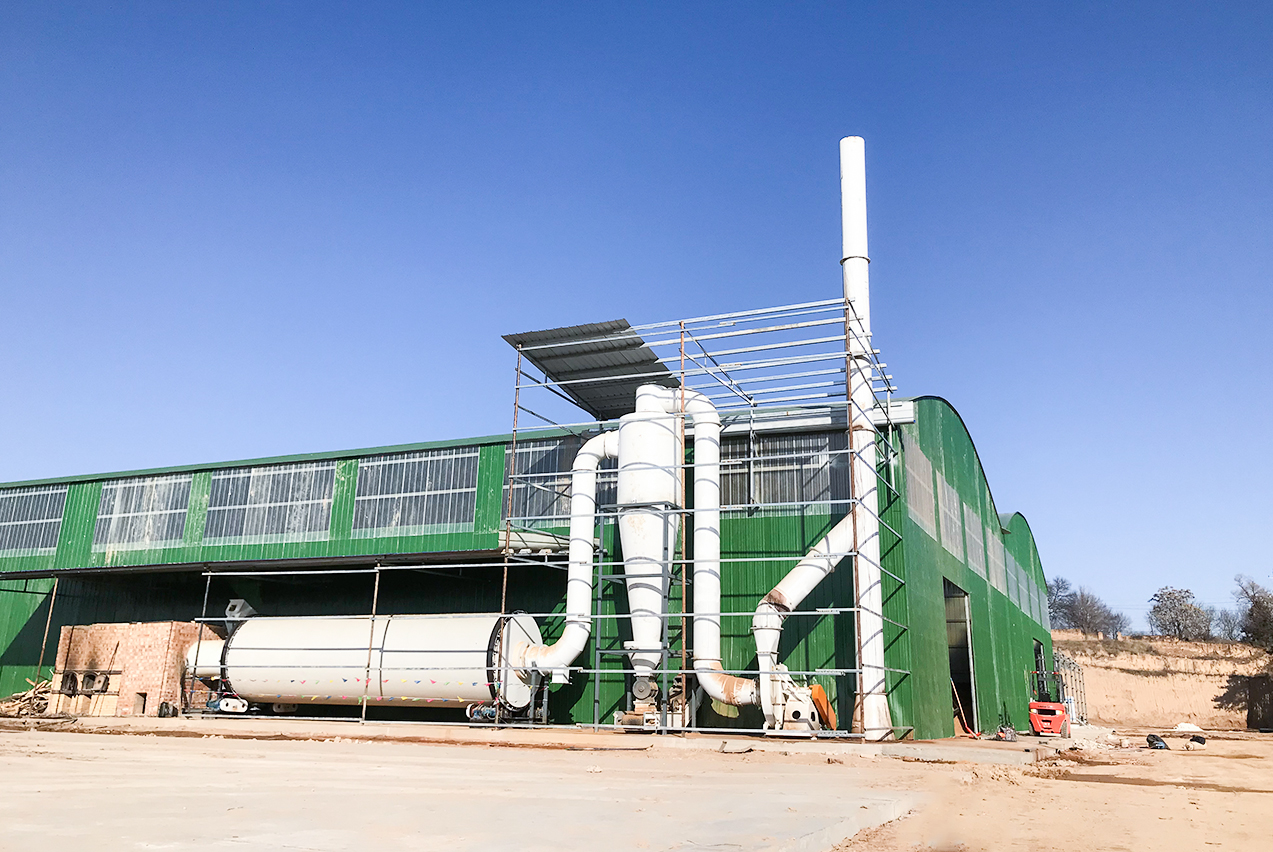
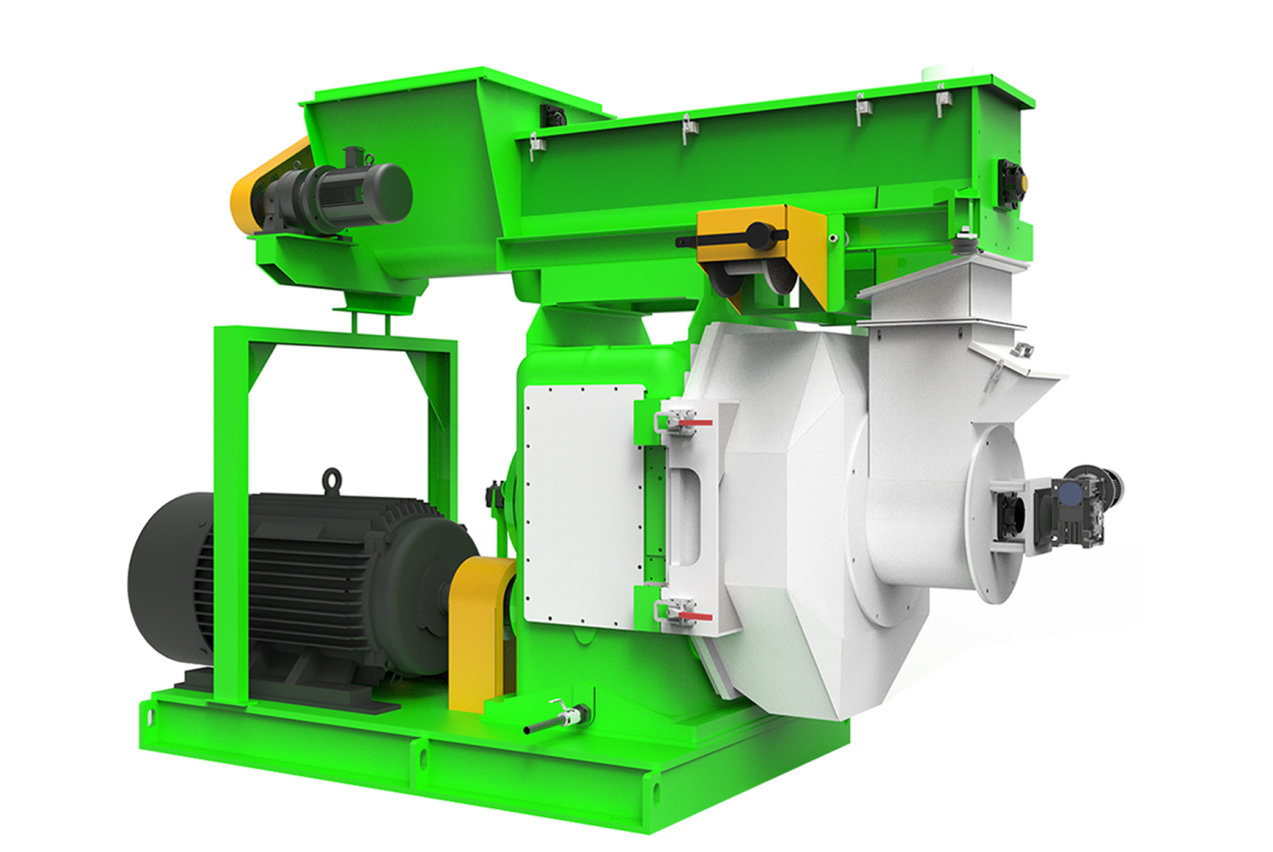
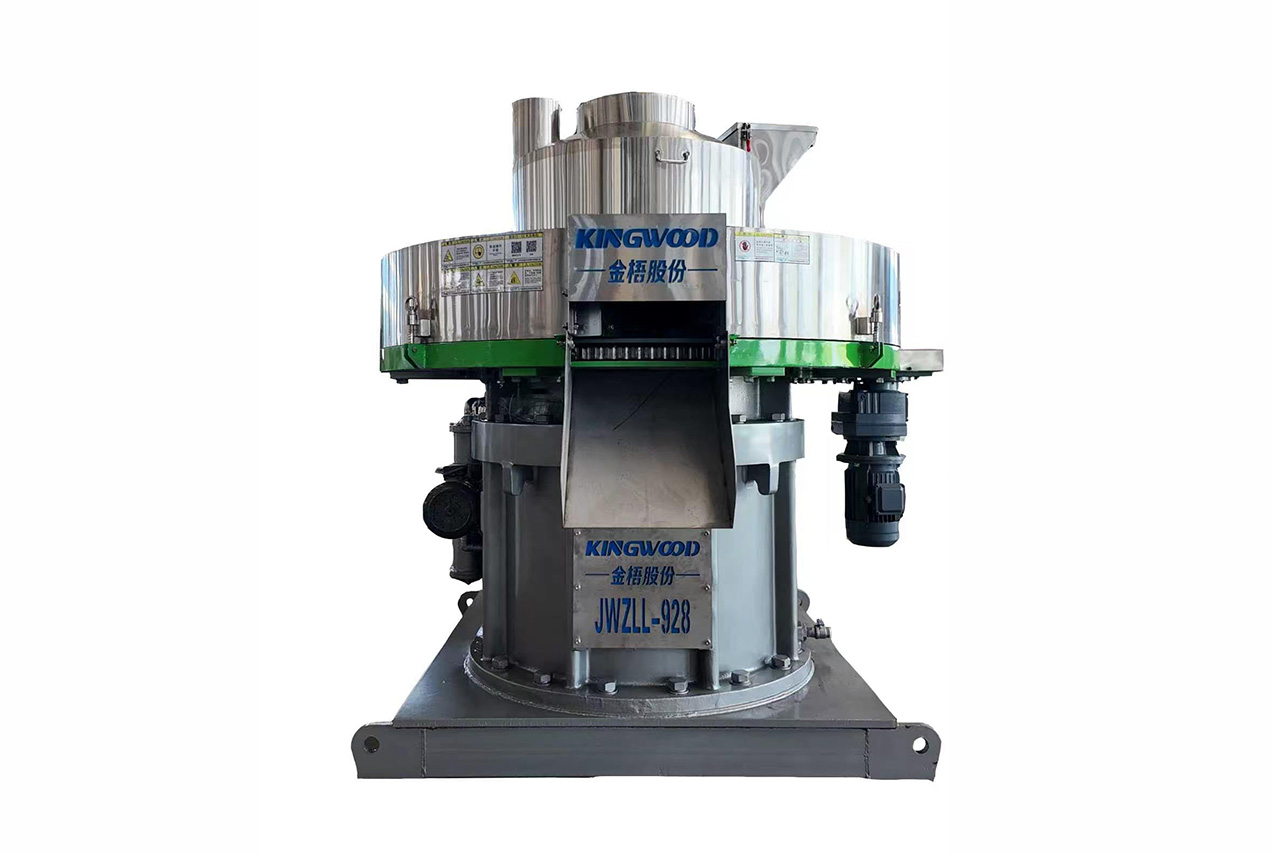
Project at a glance: A Jiangxi Nanchang biomass company deployed a Kingwood JWZL-860-based china biomass pellet line running at 20 t/h to convert urban demolition debris and forestry residue into clean pellet fuel, commissioned October 2025.

Jiangxi Province sits at the center of one of China's fastest-growing regional economies, but rapid urbanization carries a heavy price: an unrelenting torrent of construction and demolition (C&D) waste. In the Nanchang metropolitan area alone, urban renewal projects and building teardowns generate hundreds of thousands of tonnes of mixed solid waste every year — wood board offcuts, structural timber, pallet material, and composite wood scraps that cannot easily be landfilled under China's tightening solid-waste management regulations.
Simultaneously, Jiangxi's extensive forestry sector produces significant volumes of residue: branches, bark, thinning wood, and agricultural straw. For decades, much of this material was burned openly in fields or piled in temporary storage yards, contributing to particulate emissions and representing a lost energy resource estimated, by China's National Development and Reform Commission, to be worth billions of RMB per year in wasted calorific value.
The biomass company at the center of this case study faced both streams simultaneously. Its raw material supply included urban solid waste demolition materials — irregular in size, contaminated with nails and fasteners — and forestry waste with moisture content that could swing from 15% on dry twig wood to over 40% on freshly harvested branch material. Standard off-the-shelf pellet lines are not designed for this combination. The client needed a solution that could handle variable feedstock sizes, moisture levels, and densities without shutting down for manual sorting or reconfiguration.
China's 14th Five-Year Plan set explicit targets for non-fossil energy to account for 20% of total primary energy consumption by 2025. At the provincial level, Jiangxi's local government rolled out complementary incentives for biomass energy utilization, including feed-in premium structures for biomass power generation and tax benefits for waste-to-energy projects meeting Class A utilization standards. These policies created a viable financial case for the project, but they also imposed strict environmental compliance requirements: dust emissions below national GB standards, fire safety certification, and verifiable utilization rates above 95% to qualify for the highest subsidy tier.
The combination of regulatory pressure, growing raw material supply, and improving economics made 2025 the right moment to invest in a purpose-built china biomass pellet line capable of handling this mixed waste stream at genuine industrial scale.

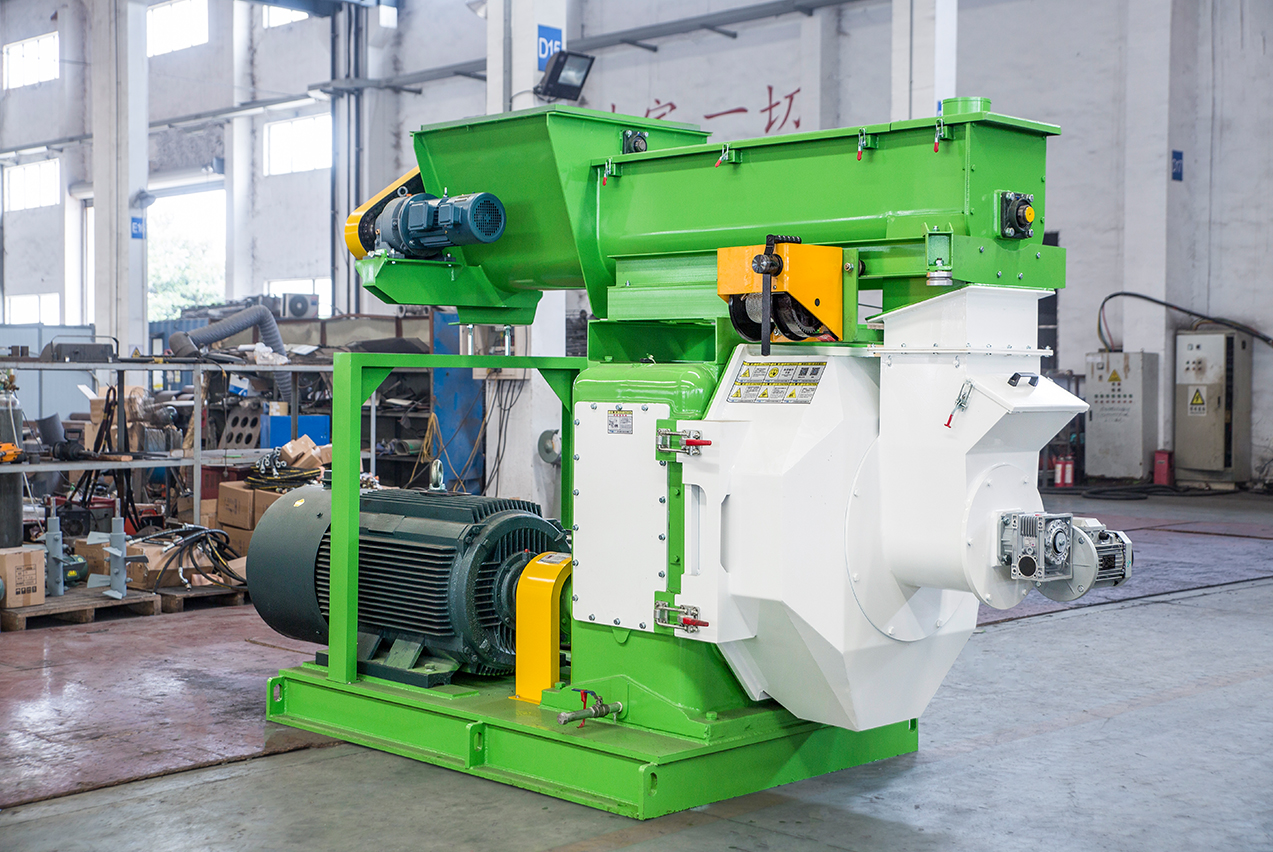
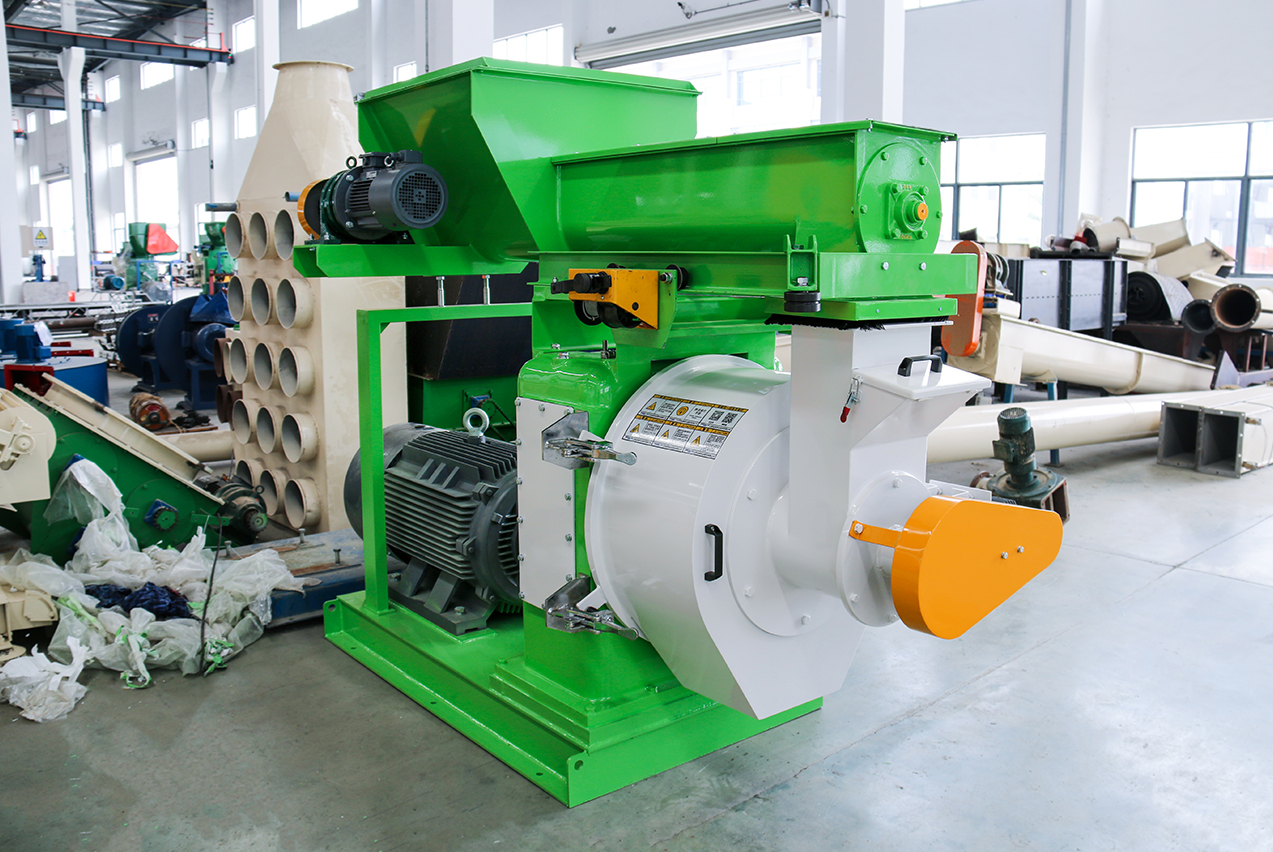
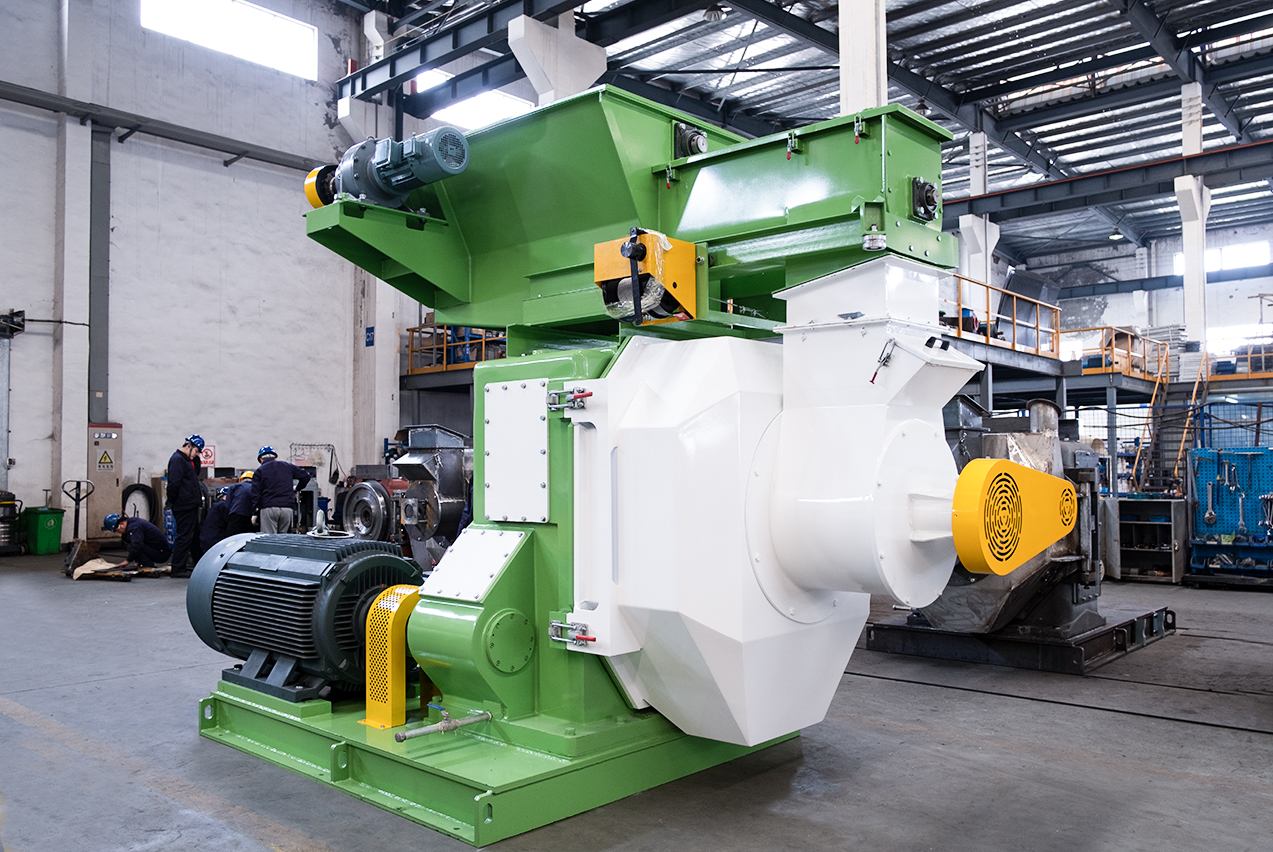
The JWZL-860 ring die pellet mill is Kingwood's largest-format horizontal ring die machine in standard production, rated at 4–5 t/h per unit. Its ring die diameter of 860 mm × 120 mm and compression roller dimensions of 380 mm × 126 mm × 2 deliver a substantially larger pressing surface area than the JWZL-688 family, reducing specific energy consumption per tonne of pellet produced and extending die service life when processing abrasive demolition-origin feedstocks.
For the Jiangxi project, the engineering team specified multiple JWZL-860 units in a coordinated multi-position layout. Combined line throughput: 20 t/h. Each mill runs at its rated output band and feeds into a shared downstream cooling and packaging system, so if one unit goes offline for a scheduled die change, the rest of the line continues production — a critical operational resilience feature for a plant targeting high annual utilization hours.
The 860's main motor operates at 280–355 kW in the 4-pole configuration, and the gearbox specification (WJ-860 series) uses a self-developed high-precision hard-tooth-surface gear transmission that Kingwood engineers validate for biomass feedstocks with variable lignin content — important when processing mixed demolition wood that may include engineered timber with resin binders.
Kingwood's proprietary Three-Standardization Framework (三化体系) structured the entire engineering design:
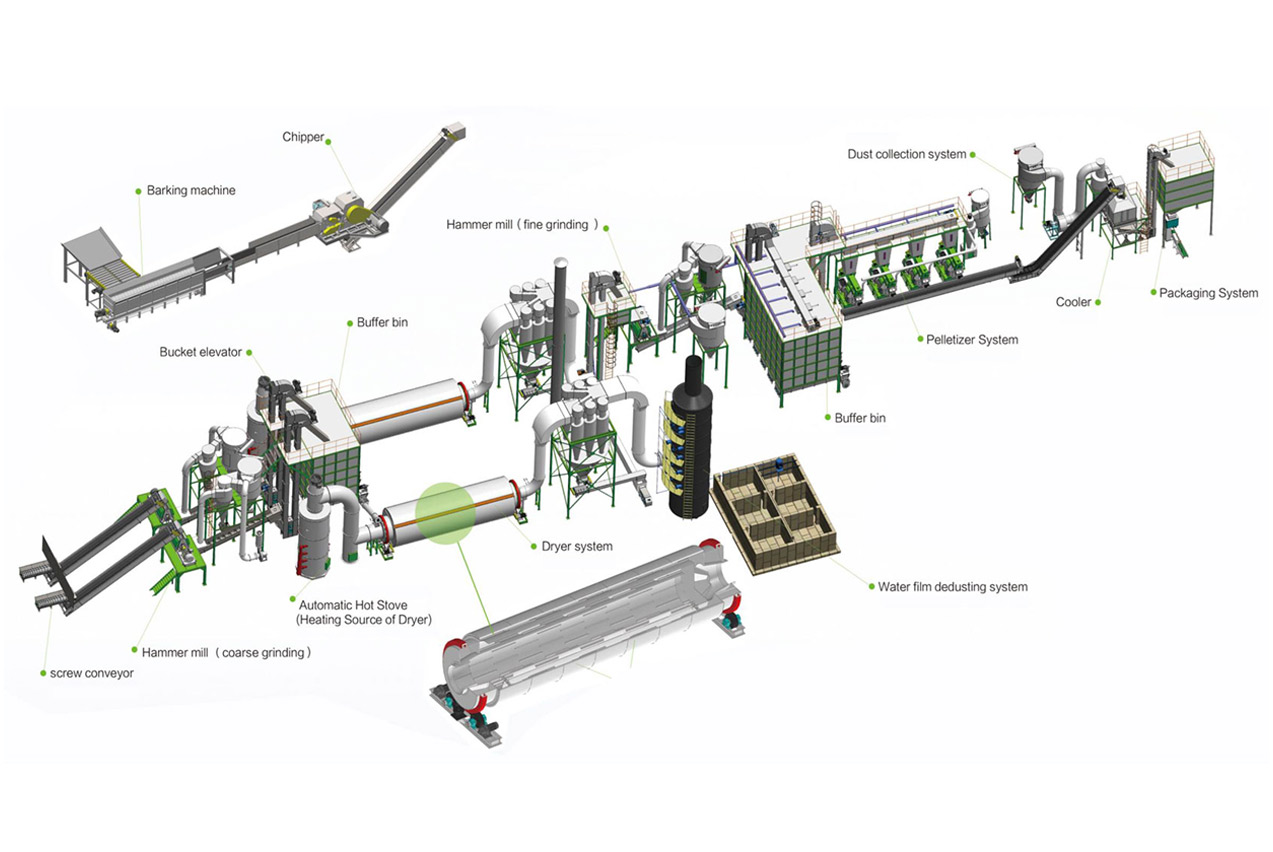
Integrated : Every stage — from incoming raw material reception through crushing, grinding, drying, pelletizing, cooling, and bagging — was planned and built as a unified system. Conveying routes, buffer bin capacities, and equipment throughput rates were matched to eliminate bottlenecks, achieving the 20 t/h combined throughput without requiring manual inter-stage transfer.
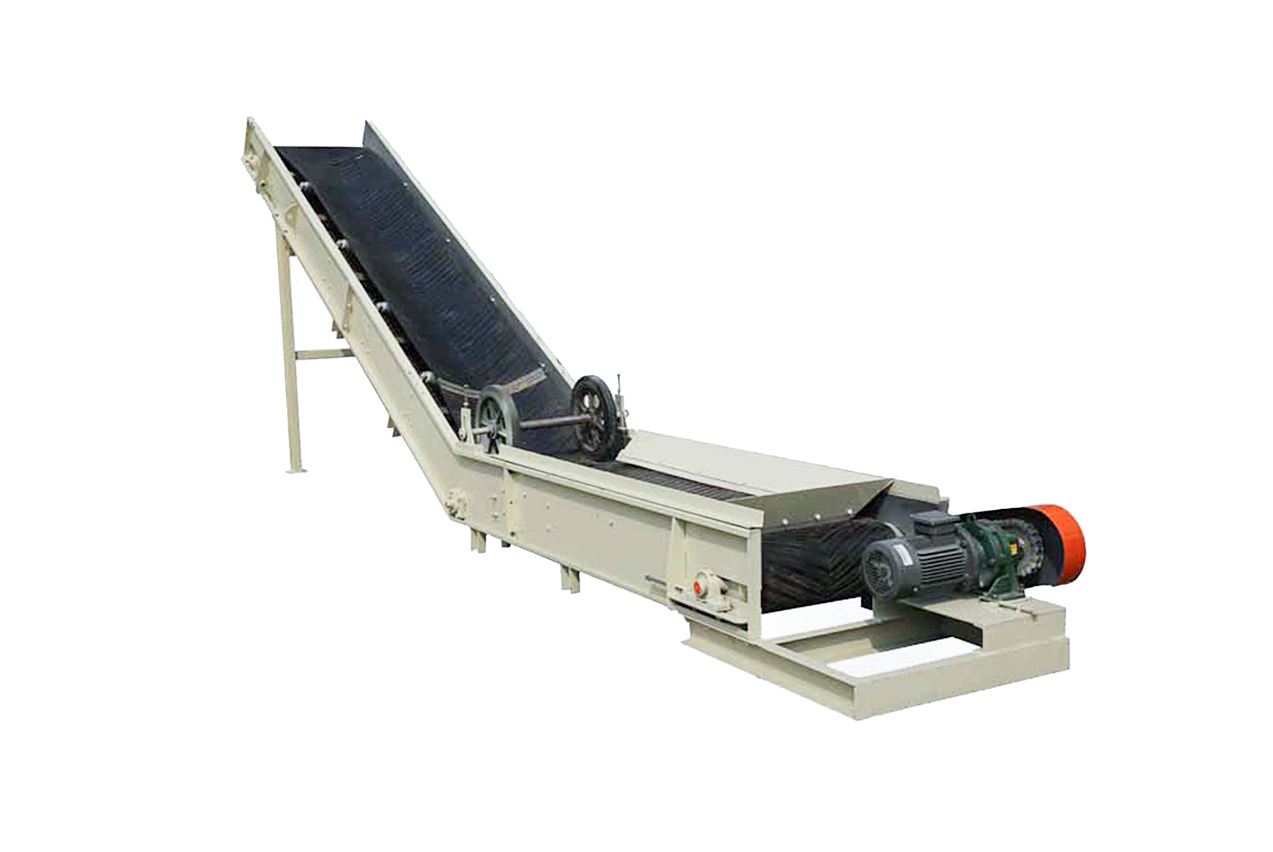
Dust-Free: All conveying between process stages uses enclosed screw and belt conveyors. A centralized dust removal system with water-film dust suppression captures fine particles at the grinder discharge, the pellet mill hood, and the cooling drum outlet. Workshop air quality meets the GB 16297 emission standard required for subsidy qualification.
Automated: The entire line runs under PLC-based control with automatic load-sensing on feeder motors, auto-lubrication circuits on the ring die bearing assemblies, and alarm-triggered interlocks that safely shut down upstream stages if a downstream blockage is detected. Operator headcount for the 20 t/h line is reduced to a small supervisory team.
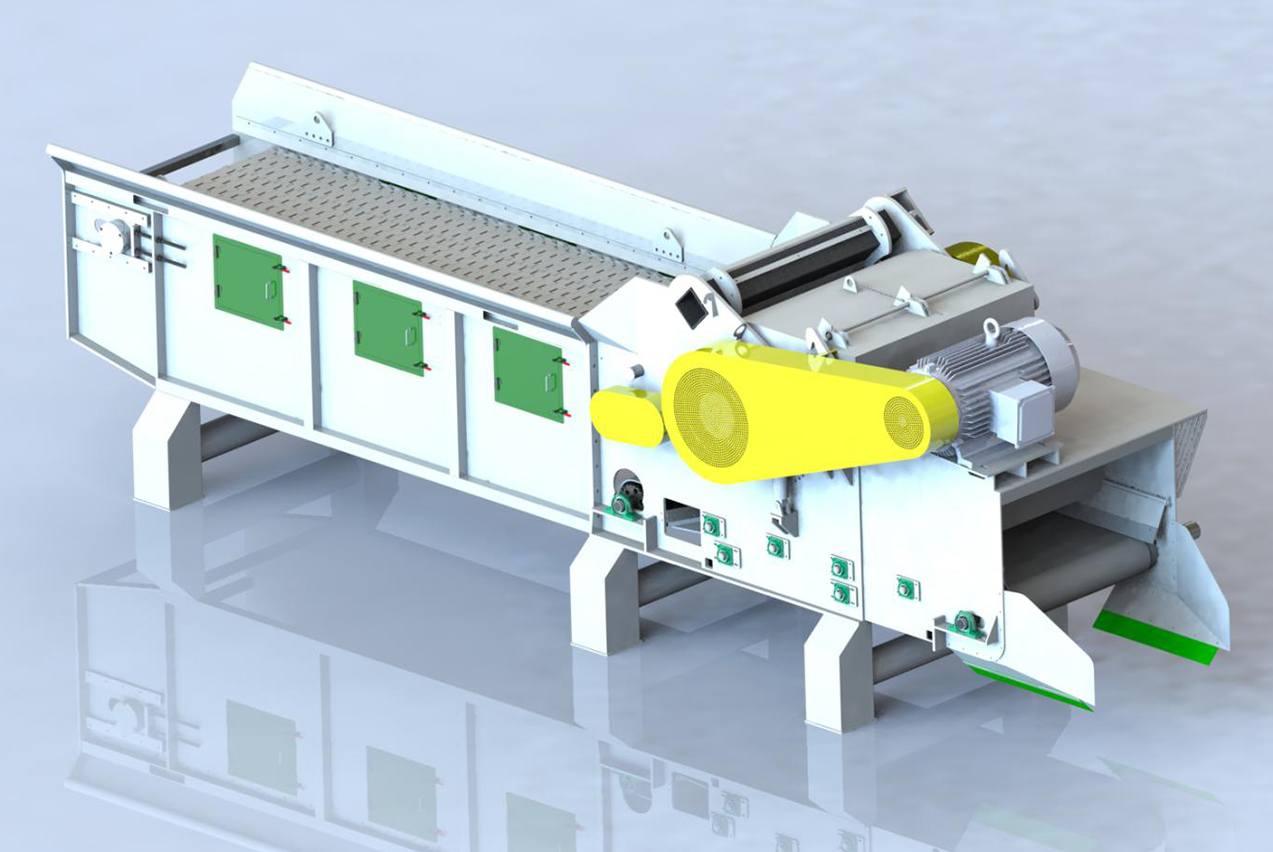
Raw demolition timber and forestry branches arrive by truck and are fed into a combined crusher. The crusher's chain-plate intelligent feeding system automatically adjusts feed speed against main motor load, preventing the over-loading that is common when processing nailed or fastened demolition timber. After primary crushing to chips of 30–50 mm, material passes via enclosed conveyor to hammer mills for coarse grinding to ~15 mm, then to a secondary fine grinder to reduce particle size to 8 mm for optimal die compression.
High-moisture feedstock batches — predominantly fresh forestry residue — route through the rotary biomass drum dryer, which reduces moisture content from up to 45% down to the 10–14% window required for pellet formation. Kingwood's triple-layer single-channel dryer design, used on this project, achieves thermal efficiency above 70% and cuts power consumption by 60% compared to conventional single-drum units — a verified specification from Kingwood's SG-series dryer technical data.
Pre-conditioned powder then feeds to the multi-position JWZL-860 pellet mills. Extruded pellets exit at 70–80 °C and pass through a countercurrent cooler before automatic bagging or jumbo-bag filling.
| Parameter | Specification |
|---|---|
| Ring die diameter | 860 mm × 120 mm |
| Compression roller | 380 mm × 126 mm × 2 |
| Main motor power | 280–355 kW, 4-pole |
| Rated capacity per unit | 4–5 t/h |
| Combined line capacity | 20 t/h (multi-position) |
| Pellet formation rate | ≥ 97% |
| Pulverization rate | ≤ 3% |
| Noise level | ≤ 93 dB(A) |
The pellet formation rate of ≥ 97% is a factory-certified performance index, reflecting die hole geometry optimized for mixed wood feedstocks. The non-stop lubrication circuit and water-cooling heat exchanger (plate type) allow continuous multi-shift operation — a requirement given the plant's production scheduling.
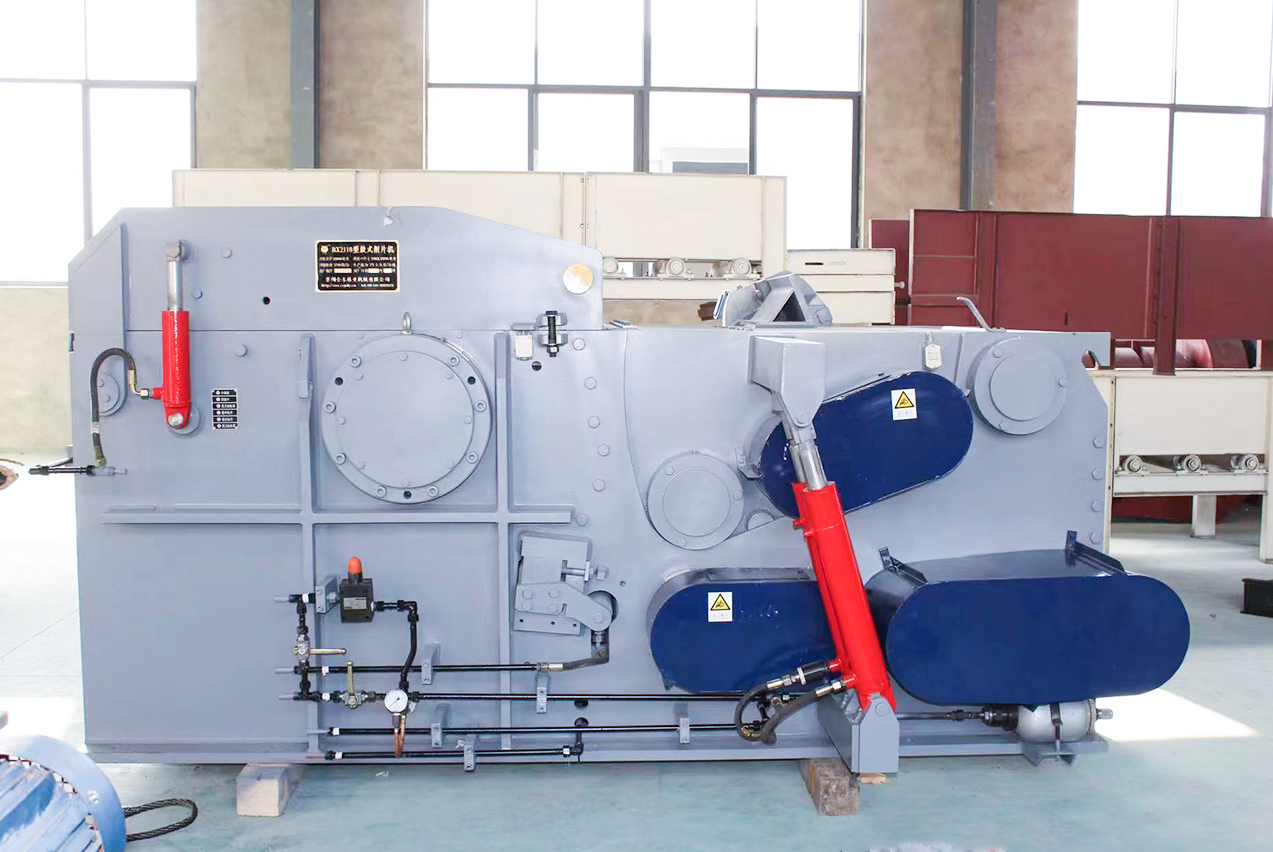
The combined crusher (JZHP series, 300–355 kW main motor for this scale) was selected specifically for its tolerance of nailed pallet wood and construction timber. Its cutter roll speed of 650 rpm and maximum machining diameter of 800 mm accommodate the large, irregular pieces typical of urban demolition debris. Hammer-type crushing mode handles fibrous agricultural and forestry residues that would stall blade-only machines.
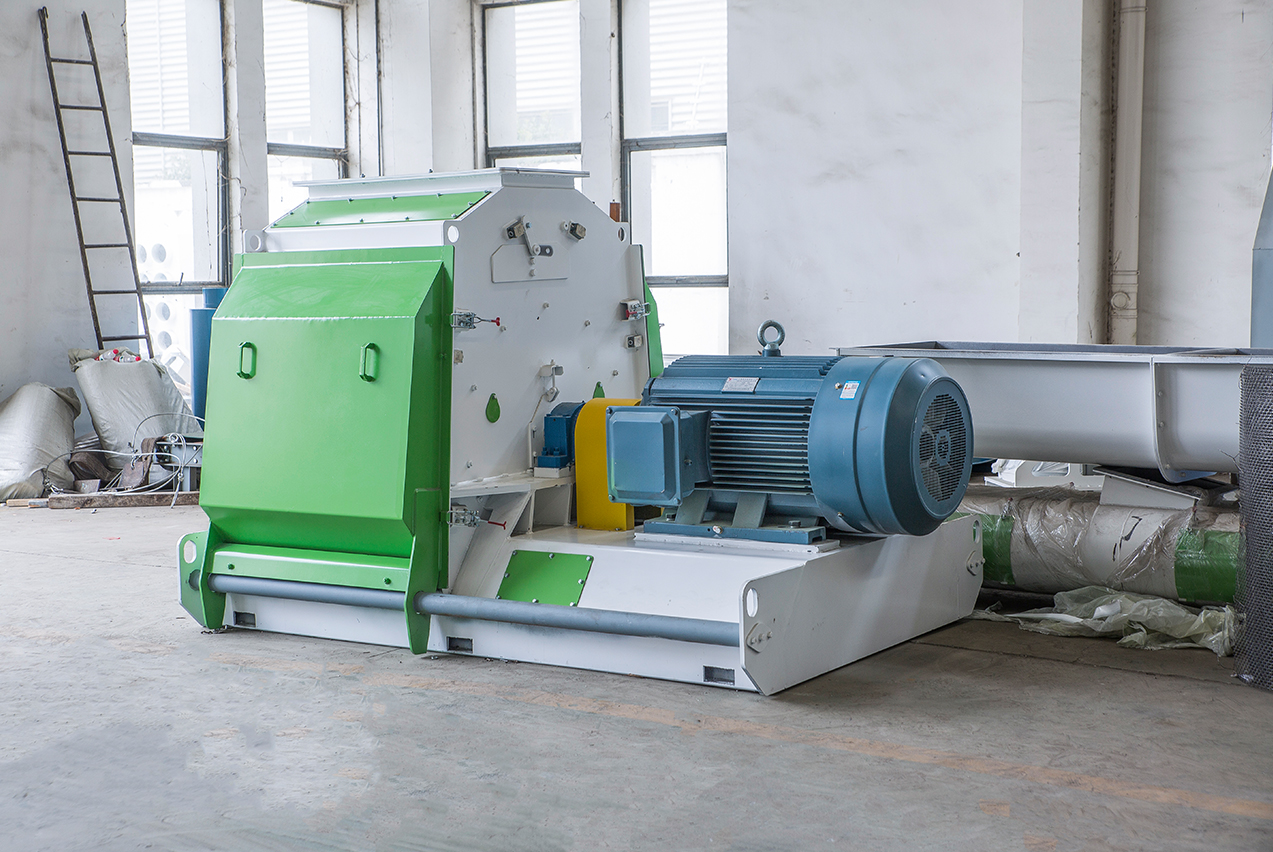
The FSP140T hammer mill (1,600 mm chamber width, 280 kW, 9–12 t/h capacity per unit) handles the coarse-grinding stage, reducing chip material to the particle size window required before the fine grinder brings it to pelletizable fineness. Chamber screens are configured to the 8 mm final mesh required for the JWZL-860 die hole specifications.
Security and environmental protection facilities installed as part of the EPC scope include:

The headline outcome for the Jiangxi Nanchang project is a comprehensive waste utilization rate exceeding 99% for the combined feedstock stream of agricultural and forestry residue and urban solid waste demolition material. In practical terms, this means that for every 100 tonnes of raw material entering the gate, fewer than one tonne leaves as residual waste requiring disposal — a figure that satisfies the highest subsidy tier under Jiangxi's biomass utilization incentive framework.
This result is achievable because the integrated line design leaves no underutilized fraction: oversize pieces rejected by the primary screen return to the combined crusher; fine dust collected by the central dust removal system is reintroduced to the buffer bin ahead of the pellet mills rather than being vented to atmosphere or landfilled.
The biomass pellet fuel produced by this line has a measured calorific value of approximately 4,800 kcal/tonne — comparable to standard coal on an energy-per-unit-cost basis, while displacing fossil carbon with biogenic carbon that is part of the short-cycle carbon loop. At 20 t/h throughput across a planned annual operating schedule, the Jiangxi line has the capacity to produce pellet fuel that delivers annual carbon emission reductions of several tens of thousands of tonnes relative to the coal-fired industrial boiler baseline it replaces in the regional heat market.
For context, IEA's 2024 Renewables Report projects that biomass pellets will need to reach 50+ million tonnes annual global trade volume by 2030 to meet net-zero pathway requirements — China's domestic waste-to-pellet capacity, exemplified by projects like this Jiangxi deployment, is a material contributor to closing that gap.
The Three-Standardization Framework delivered measurable operational outcomes compared to conventional manually-supervised lines:
Jiangsu Kingwood Industrial Co., Ltd. (stock code: 871765) has been engineering biomass pelletizing equipment since 1999 — 27 years of dedicated R&D in a single product domain. That focus translates directly into application depth that generalist machinery manufacturers cannot match.
The engineering team behind the Jiangxi deployment draws on a portfolio of 4,000+ production line projects planned and designed globally, including landmark deployments such as Beijing's first biomass fuel demonstration project (100,000 t/year output), a 24 t/h wood chip pellet line for AVP Group in central Vietnam (Asia's largest power company at time of award), and a 30 t/h line in Chongqing — one of China's largest single-site wood pellet facilities.
Kingwood's R&D Center, established jointly with Nanjing University of Agriculture, and its Clean Renewable Energy R&D Lab co-founded with the Nanjing municipal government, provide the institutional research base behind equipment innovations like the JWZL-860's gear transmission system. More than 20 senior R&D engineers contribute to ongoing die geometry and roller shell optimization work that feeds directly into machine performance on mixed-waste feedstocks like those processed in Jiangxi.
Quality credentials include ISO 9001, ISO 14001, CE certification, and recognition as a Jiangsu Provincial High-Tech Enterprise and Jiangsu Provincial Gazelle Enterprise. Kingwood holds the title of Deputy Director Member of the China Biomass Energy Industry Alliance — giving the company direct visibility into evolving national policy and technical standards.
For customers evaluating a complete biomass pellet production line, the company's one-stop EPC model covers consultation, design, civil construction, equipment manufacturing, logistics, installation, commissioning, training, and after-sales service — eliminating the integration risk that comes with multi-vendor project assembly.
The Jiangxi Nanchang case is significant beyond its immediate production metrics. It demonstrates a replicable template for cities across China that are simultaneously managing urban C&D waste streams and seeking routes to biomass energy development targets.
Several factors make this template broadly applicable:
Feedstock flexibility at scale. The JWZL-860 multi-position layout is not feedstock-specific: the same line configuration can pivot between demolition wood, forestry residue, agricultural straw, and bamboo powder by adjusting die compression ratio and grinder screen size — without capital reinvestment.
Policy-aligned economics. The project was structured to qualify for provincial biomass incentives by exceeding the 95% utilization rate threshold. Developers in other provinces with similar incentive frameworks — Shandong, Hubei, Yunnan — can apply the same design logic.
Scalability. The multi-position JWZL-860 approach allows capacity to be scaled incrementally by adding mill positions rather than replacing the entire line. A facility starting at 10 t/h can expand to 20 t/h or beyond by commissioning additional units into the shared infrastructure.
Carbon accounting compatibility. With biomass pellet fuel displacing coal in industrial boilers, projects structured under China's CCER (Certified Emission Reduction) framework can generate tradeable carbon credits — an emerging revenue stream that was factored into the Jiangxi project's investment model.
For biomass project developers, EPC contractors, and local government industrial planners evaluating china biomass pellet line investments, the Jiangxi deployment offers a documented reference point: 20 t/h capacity, 99%+ waste utilization, automated dust-free operation, delivered October 2025.
The JWZL-860 ring die pellet mill is rated at 4–5 t/h per unit. In this Jiangxi project, multiple units operate in coordinated multi-position mode to achieve a combined line capacity of 20 t/h, processing both forestry residue and urban demolition waste as raw materials.
Kingwood's Three-Standardization Framework mandates fully enclosed conveying and processing at every stage, complemented by centralized dust removal equipment. In the Jiangxi project, this approach reduced workshop dust pollution to compliant levels while maintaining continuous automated operation with minimal manual intervention.
Yes. The Jiangxi Nanchang project demonstrates that urban solid waste demolition materials and forestry waste can be co-processed through a combined crushing, grinding, and pelletizing line. The project achieved a comprehensive utilization rate of over 99% for these mixed feedstocks, commissioned in October 2025.
Kingwood holds ISO 9001 and ISO 14001 management system certifications as well as CE certification. The company is a Jiangsu Provincial High-Tech Enterprise and a Deputy Director Member of the China Biomass Energy Industry Alliance, with over 4,000 production line projects completed globally since 1999.
Yes. Kingwood offers full EPC/turnkey contracting covering project consultation, design, civil construction, equipment manufacturing, logistics, installation, commissioning, operator training, and ongoing after-sales service. The Jiangxi project was delivered under this one-stop model, including integrated security and environmental protection facilities.
For the stages included in a complete plant, see this turnkey scope guide.
For every stage from chipping to bagging, and typical output rates, see our complete wood pellet production line guide.



Wood Biomass Machinery Manufacturer


 English
 日本語
日本語
 한국어
한국어