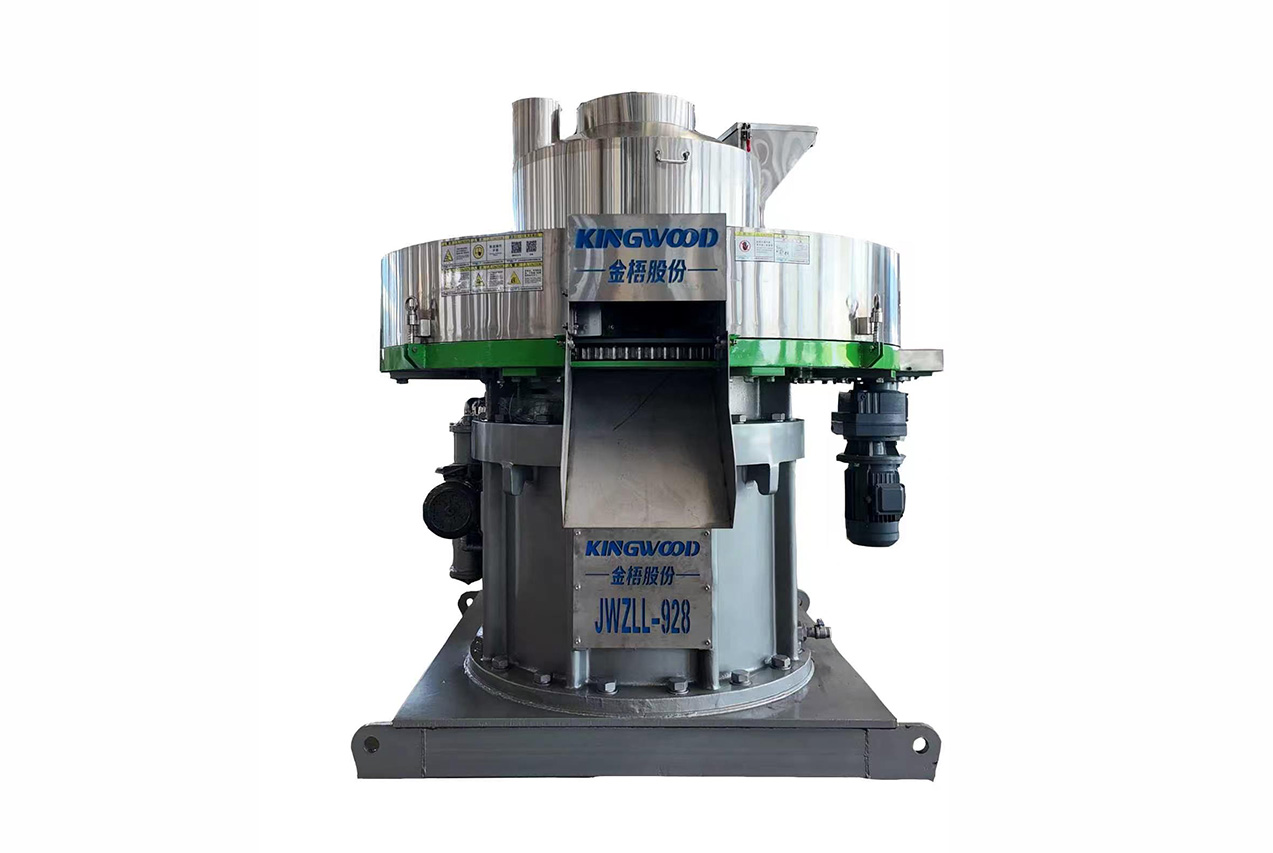
Biomass pellets are small, dense cylinders produced by compressing agricultural or forestry residues under high pressure and heat. They are one of the most traded solid biofuel commodities globally — the IEA 2024 Renewables Report estimated that global biomass pellet production reached approximately 38 million tonnes per year, with industrial-grade wood pellets making up the majority of that volume.
Standard industrial-grade wood pellets are 6–8 mm in diameter and 10–30 mm in length. Raw materials include:
The material is non-selective to a useful degree — in practice, a well-configured production line can process most lignocellulosic feedstocks with adjustments to die specification and moisture conditioning.
Industrial-grade biomass pellets deliver approximately 4,800 kcal/ton, which places them close to standard thermal coal on an energy-density basis. Loose biomass waste — unprocessed straw or wood chips — typically delivers 1,800–2,500 kcal/ton before pelletizing, so densification multiplies effective energy content per unit volume and dramatically improves logistics economics.
| Fuel | Approx. Calorific Value | CO₂ Status |
|---|---|---|
| Wood pellets | ~4,800 kcal/ton | Carbon-neutral (EU taxonomy) |
| Standard coal | ~5,500–6,000 kcal/ton | Fossil, taxed |
| Fuel oil | ~10,000 kcal/ton | Fossil, taxed |
| Natural gas | ~8,500 kcal/m³ | Fossil, taxed |
| Loose straw | ~1,800–2,500 kcal/ton | Carbon-neutral |
Under EU taxonomy rules, biomass is classified as carbon-neutral on the basis that the CO₂ released during combustion was absorbed by the plant during its growth cycle. This classification is what makes biomass pellets eligible for FIT (Feed-in Tariff) subsidies and carbon credit offsets in multiple jurisdictions.
Buying or producing biomass pellets without understanding quality specifications is one of the most common mistakes industrial buyers make. A batch that looks acceptable visually can still damage boiler systems, clog conveyor lines, or result in contract rejection at the delivery port.
PDI measures the percentage of pellets that survive standardised mechanical tumbling without crumbling into fines. The benchmark for industrial-grade wood pellets is PDI ≥ 97.5%, measured on feedstock at 10–14% moisture content. We've seen shipments with PDI in the 92–94% range arrive at power plants and cause conveyor blockages within the first week of operation — the fine dust accumulates faster than the handling system was designed for.
Low PDI typically traces back to two causes: incorrect moisture at the pelletizing stage, or a worn ring die with enlarged holes that can no longer maintain adequate compression.
ISO 17225-2 (2021) specifies bulk density ≥ 600 kg/m³ for industrial-grade wood pellets. Pellets below this threshold take up more storage volume per unit of energy and can bridge inside silos, interrupting fuel feed to boilers.
| Quality Parameter | Industrial Grade Target | What Fails at Spec? |
|---|---|---|
| PDI | ≥ 97.5% | Fines accumulation, conveyor clogging |
| Moisture content | 10–14% | Poor combustion, swelling, mould |
| Bulk density | ≥ 600 kg/m³ | Storage losses, feeding problems |
| Ash content (wood) | ≤ 1.5% (ENplus A1) | Clinker formation, boiler maintenance cost |
Ash content limits differ meaningfully by market. ENplus A1 (EU standard) requires ≤ 1.5% ash, while Japan's FIT program permits higher ash fractions for co-firing applications. US PFI standards allow up to 3% ash for industrial-grade pellets. Buyers supplying multiple end-use markets should specify to the tightest applicable standard to avoid market access problems.

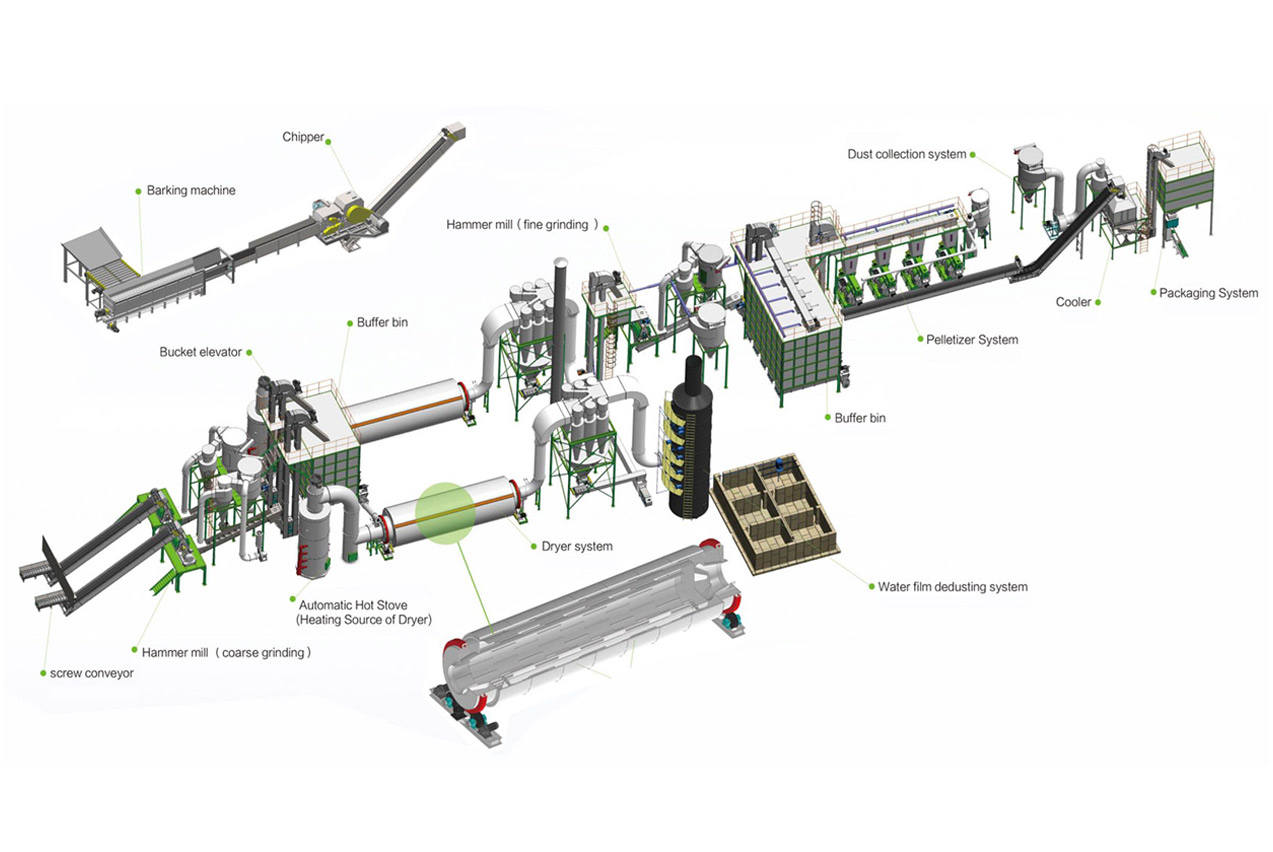
A complete biomass pellet production line moves raw material through five or six process stages before a finished, bagged pellet is ready for shipment. Understanding each stage is essential when evaluating equipment suppliers, comparing quotes, and identifying where operational costs concentrate.
1. Primary Crushing Large raw materials — logs, demolition timber, furniture offcuts — are fed into a drum chipper or combined crusher to produce chips of approximately 30–50 mm. This stage handles materials that are too coarse for hammer mills.
2. Coarse Grinding (Hammer Mill) Wood chips pass through a hammer mill to produce particles of approximately 15 mm. A hammer mill for feedstock preparation is the workhorse of this stage; screen size controls particle output.
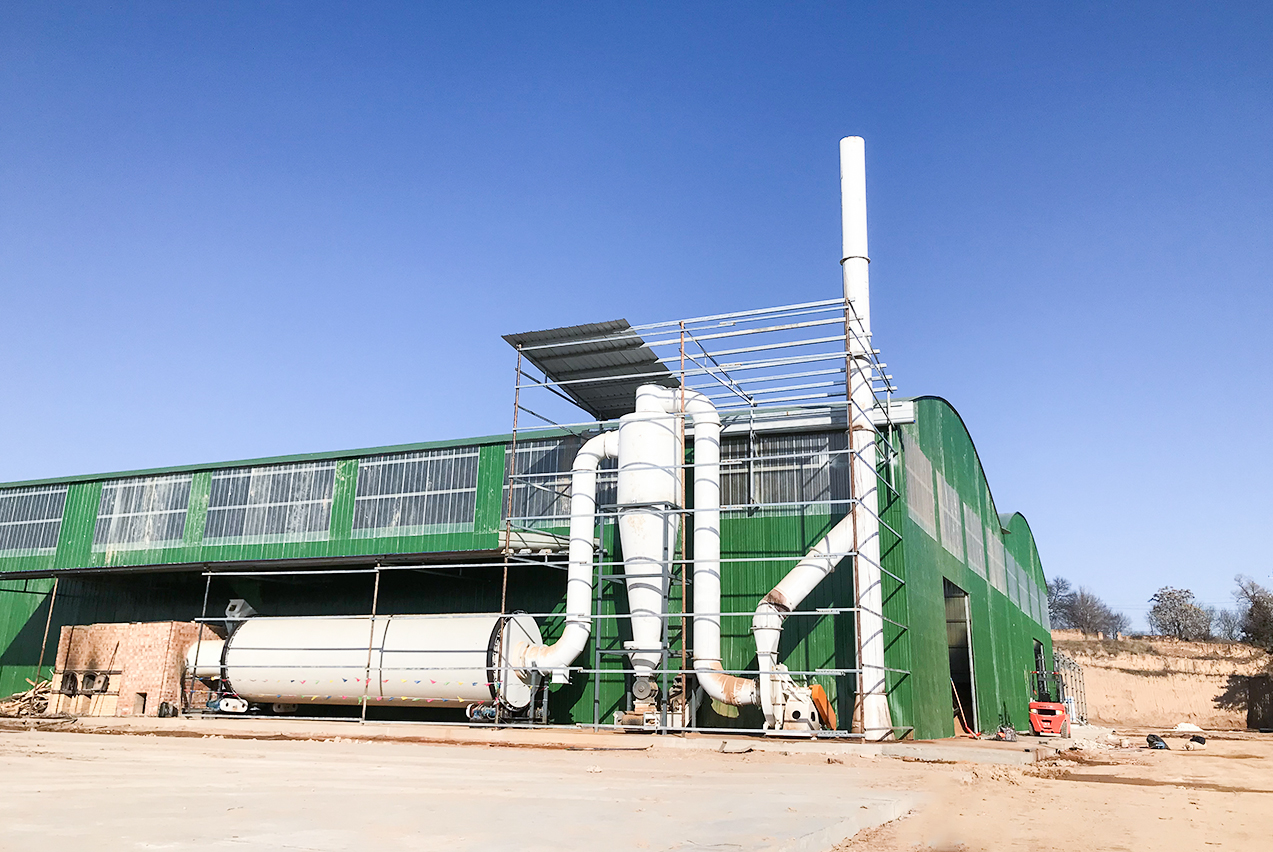
3. Drying This is typically the highest-energy stage. Per Biomass Energy Europe 2023 data, drying accounts for approximately 35–40% of total energy input in a pellet production line. A drum dryer for biomass drying reduces feedstock moisture from incoming levels — sometimes 45%+ for fresh green wood — down to the 10–14% target required for pelletizing. Rotary triple-pass drum dryers achieve thermal efficiency above 70%, which significantly reduces fuel consumption per tonne of dried output.
4. Fine Grinding Dried material is reduced further to 3–8 mm particle size, creating the fine, consistent powder that allows the ring die to form well-bonded pellets.
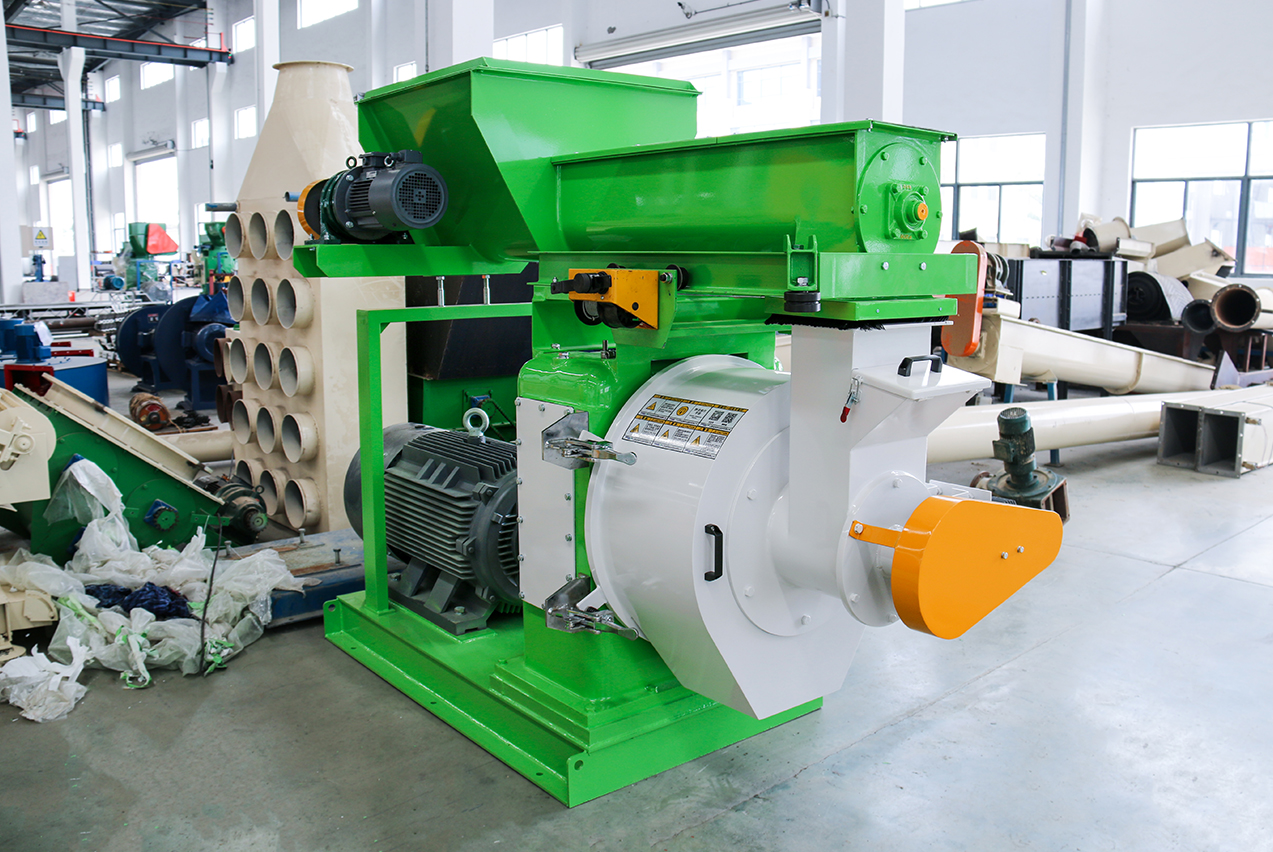
5. Pelletizing The core stage. Fine powder enters the ring die pellet mill, where rollers press it through die holes under 120–180 MPa of compression. The heat generated during compression (typically 80–100°C) activates natural lignin in the wood fibres, acting as a binder without any chemical additives.
6. Cooling & Packaging Hot pellets exit the mill at 70–80°C and must be cooled to near-ambient temperature (20–30°C) in a counter-flow cooler before packaging. Packaging in bags or jumbo bags, or bulk loading for industrial buyers, completes the line.
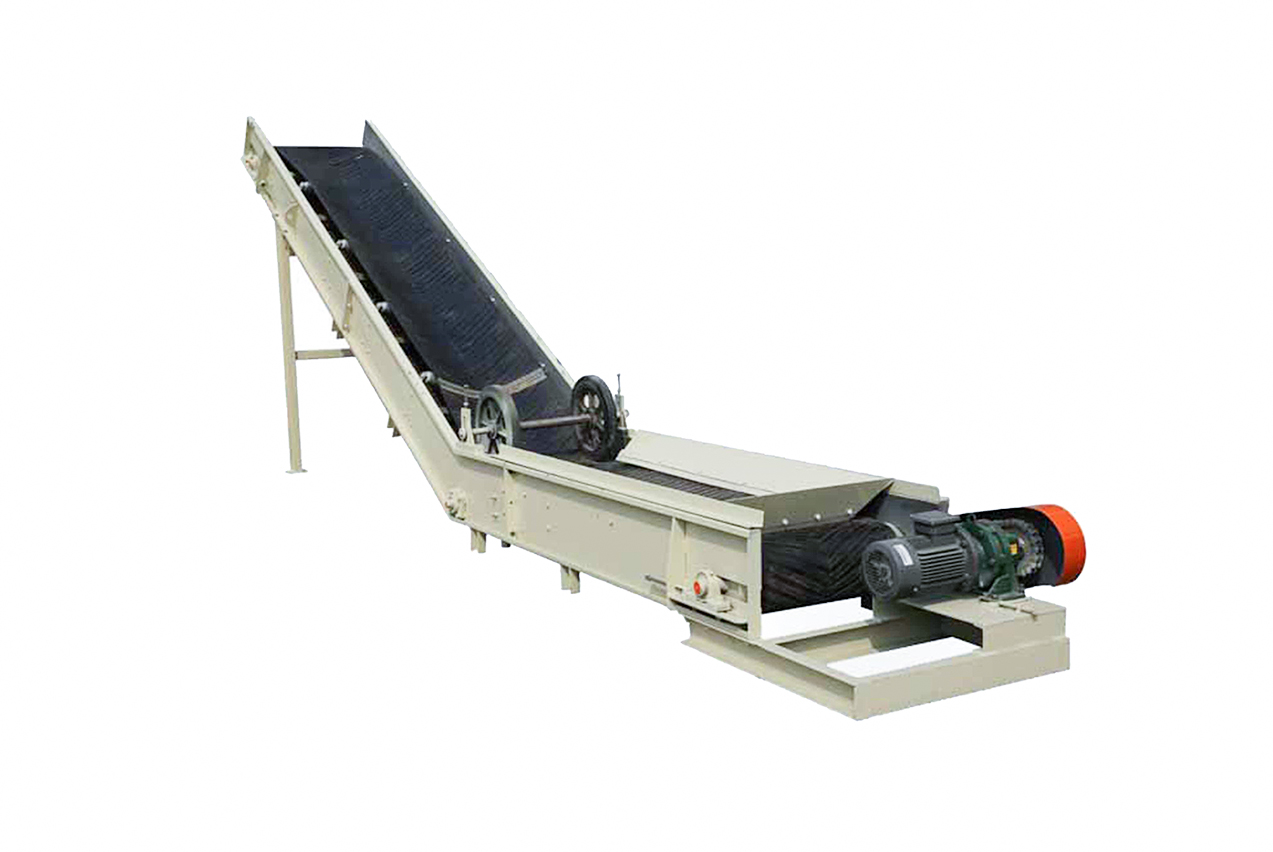
Wood dust in a production facility is both a health hazard and an explosion risk. Kingwood's Three-Standardization Framework specifies enclosed processing and conveying with integrated dust removal at every transfer point. In our experience, enclosed layouts also reduce raw material loss during conveying by 3–5% compared to open-belt systems, which improves raw material yield and reduces waste disposal costs.

The range of biomass pellet applications and end-use markets is broader than many buyers initially expect. The fuel's combination of high energy density, low ash, and carbon-neutral status makes it a viable drop-in replacement across several industrial energy categories.
This is the largest volume application globally. Biomass pellets can replace coal, fuel oil, or gas in existing industrial boilers with relatively minor modifications to the fuel handling and feed systems. The cost saving is substantial: switching from fuel oil to biomass pellets typically delivers 40–50% reduction in fuel cost at equivalent heat output. Against natural gas, the saving depends on regional gas pricing but is often in the 20–40% range.
All emission indicators for biomass pellet combustion fall below the limits set under China's GB13271-2001 national boiler emission standard — including particulate matter, SO₂, and NOₓ — which gives industrial operators a straightforward compliance path when facing local air quality enforcement.
Large utility-scale power plants use biomass pellets as a partial or full substitute for coal. Japan's FIT program is a major driver: Japan was forecast to import 4.25 million tonnes of wood pellets in 2023 per the USDA FAS Global Agricultural Information Network 2023 report, as the FIT program expanded biomass co-firing mandates following the post-Fukushima nuclear phase-down.
| Application | Pellet Form | Key Benefit |
|---|---|---|
| Industrial boilers | Standard 6–8 mm | Coal/oil replacement, cost saving |
| Power plant co-firing | Industrial grade pellets | FIT eligibility, emission compliance |
| Domestic heating | ENplus 6 mm | Automated stoker boilers, clean burn |
| Green methanol production | Biomass feedstock | Zero-carbon methanol pathway |
| Carbon-neutral manufacturing | Process energy | Carbon credit generation |
The green methanol application is an emerging category, connecting biomass energy directly to the chemical industry's decarbonisation pathway.
Global wood pellet trade volume exceeded 28 million tonnes in 2022 per FAO FAOSTAT 2023, with growth concentrated in a small number of high-demand regions. Understanding where demand is expanding helps producers and equipment buyers identify the most commercially attractive markets.
Southeast Asia has emerged as both a major producer and a growing consumer. Vietnam and Indonesia have significantly expanded pellet export capacity since 2020, driven by cheap forestry residues, growing plantation timber supply, and proximity to Japan and South Korea — the two largest import markets in Asia. Our customers in Vietnam typically report that export contracts to Japanese power utilities provide stable long-term offtake with 12–24 month supply agreements.
Europe remains the largest single consuming region. The EU Renewable Energy Directive III (RED III) sets binding renewable energy targets for 2030, with solid biomass remaining a key compliance pathway for heat and power operators. Policy tools including carbon taxes, coal-phase-out deadlines, and FIT payments are creating durable, policy-backed demand through at least 2035 per European Bioenergy 2023 projections.
South Korea operates a Renewable Portfolio Standard (RPS) that mandates biomass co-firing, making it a consistent high-volume importer. United Kingdom co-firing and dedicated biomass power generation (Drax and others) account for several million tonnes of annual pellet consumption.
The combination of EU RED III, Japan FIT expansion, and South Korea RPS means that industrial-grade pellet demand in the 2025–2030 window is underpinned by regulation, not just market preference.
Equipment selection is where buyers most commonly overspend on underspecified machines or underspend and face capacity bottlenecks within 18 months of startup.
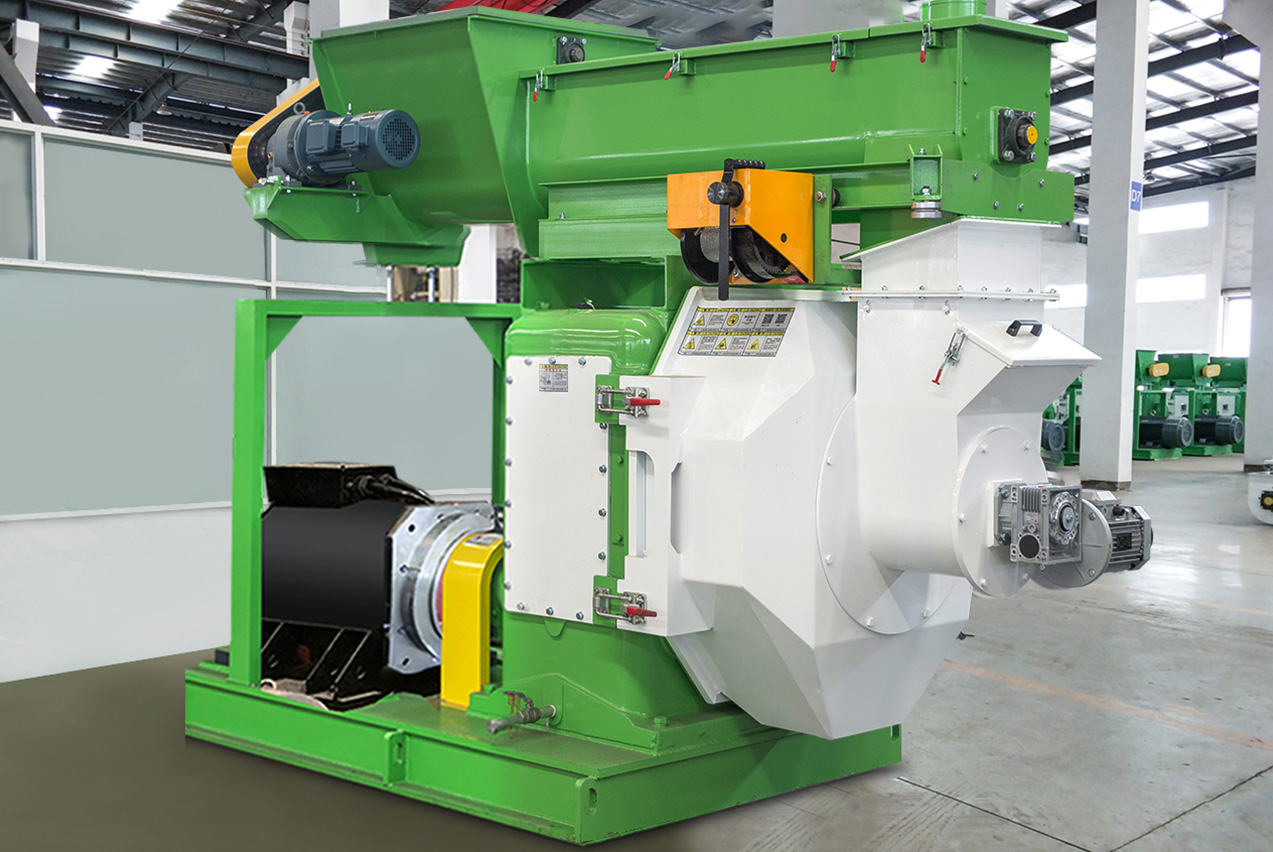
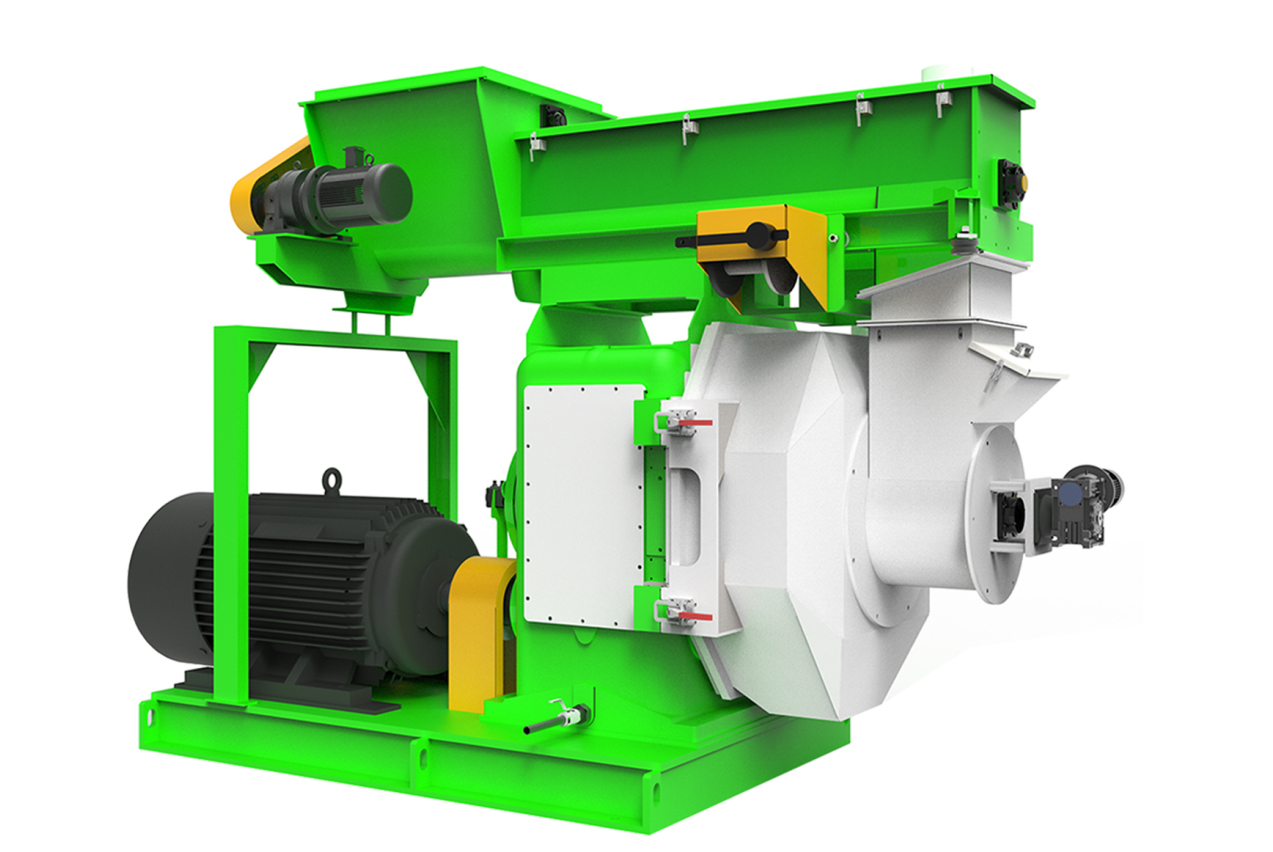
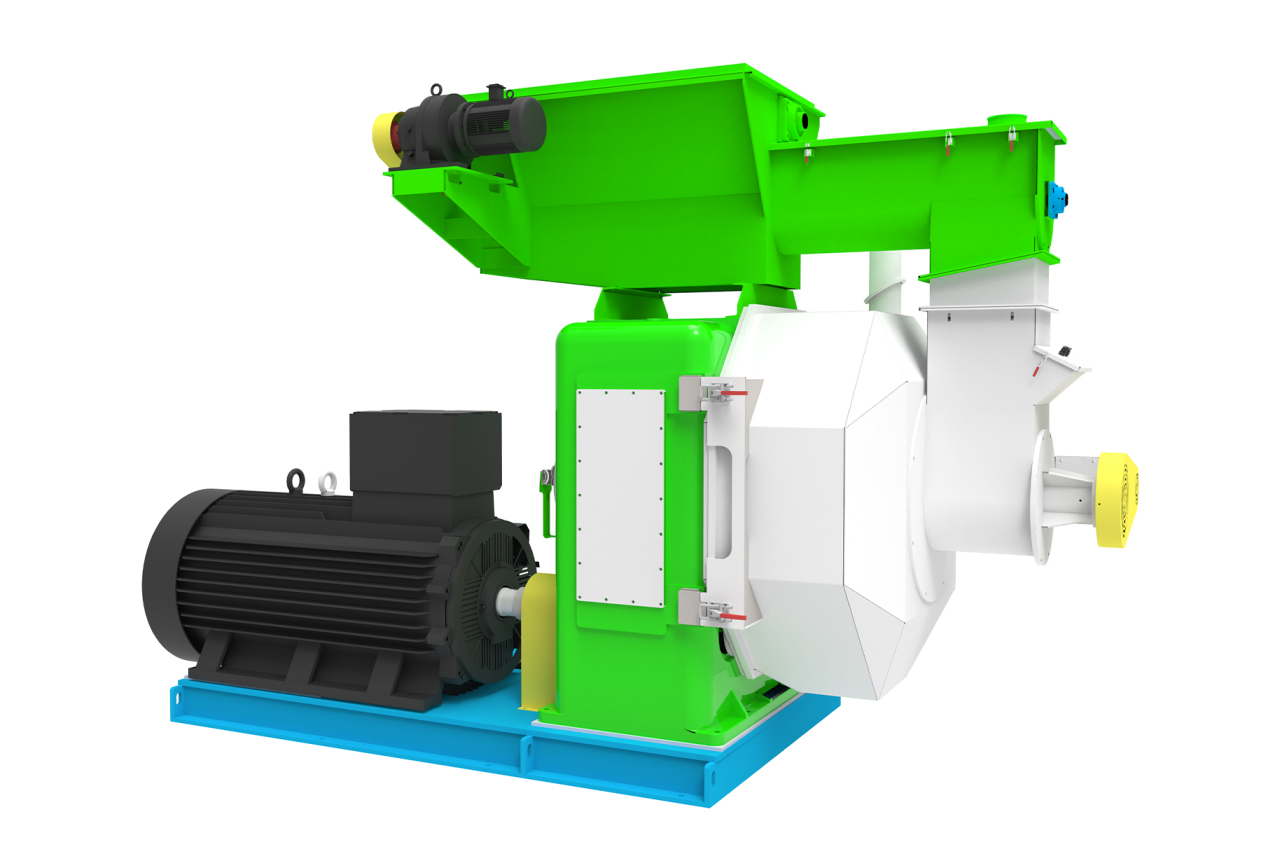
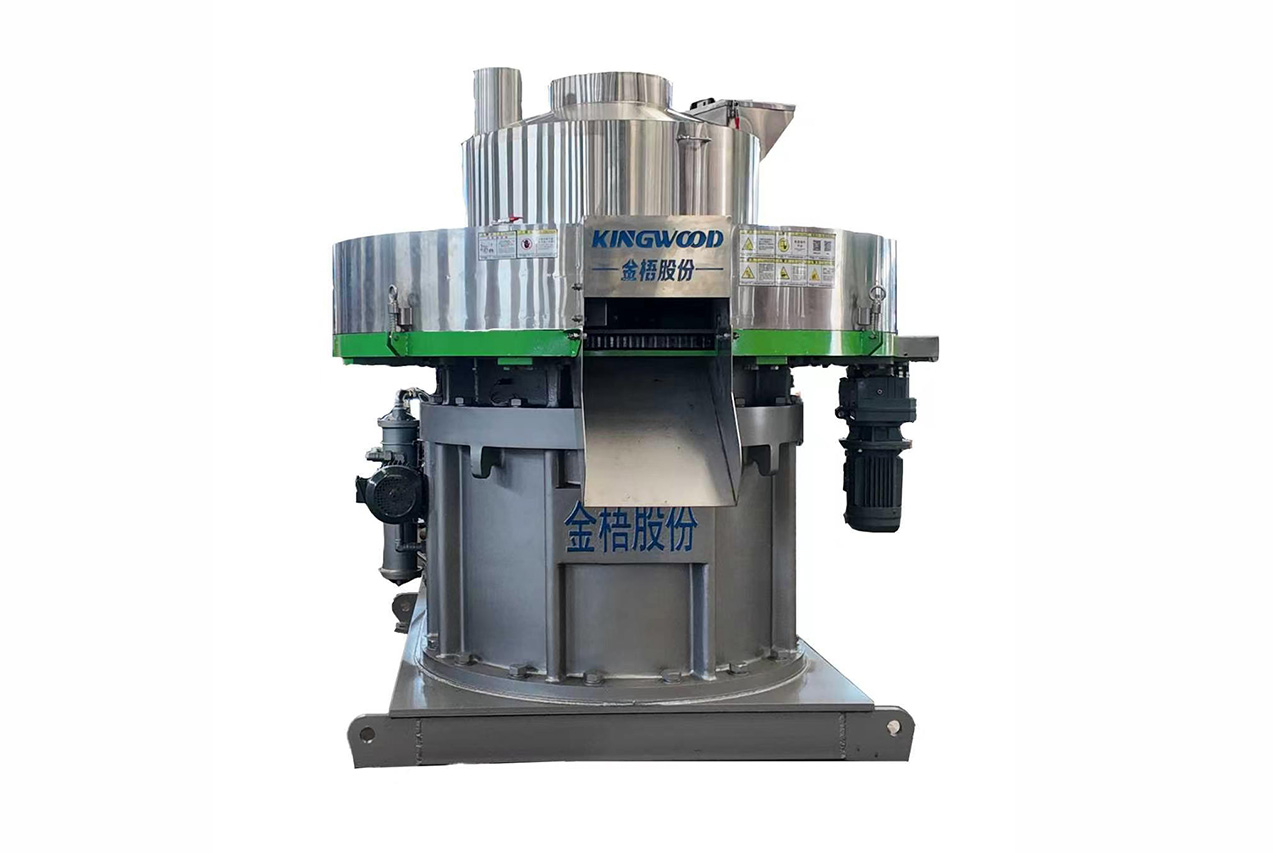
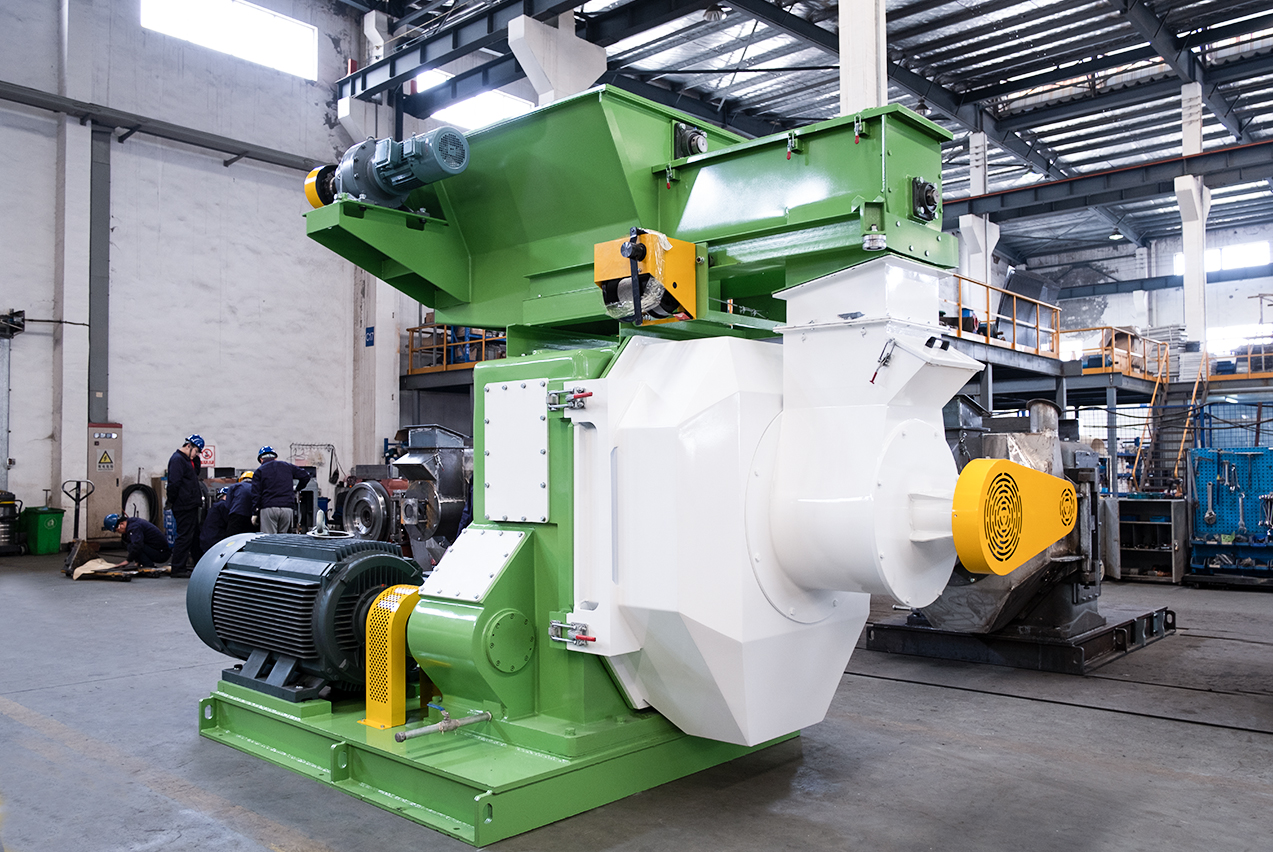
The rule is straightforward: for production volumes above approximately 500 kg/h, a ring die pellet mill is the correct choice. Below that threshold, a flat die mill is simpler to operate and maintain. Ring die mills account for over 70% of global industrial pellet equipment installations per Statista 2023 biomass machinery data, because most commercial operations quickly exceed the flat die's practical ceiling.
The ring die design — where the die rotates and stationary rollers compress feedstock through die holes — handles higher feed rates more efficiently, with better heat distribution across the die surface and more consistent PDI output.
Kingwood's ring die line covers the full industrial capacity range:
| Model | Capacity | Main Motor | Ring Die Diameter | Weight |
|---|---|---|---|---|
| JWZL-420 | 1–1.5 t/h | 90 kW | 420 mm | 3.5 t |
| JWZL-688 | 2–3 t/h | 200 kW | 688 mm | 9.5 t |
| JWZL-688D | 2.5–3.2 t/h | 200 kW servo | 688 mm | 9.5 t |
| JZWH-788 | 3–4 t/h | 250–280 kW | 788 mm | 12 t |
| JZWH-860 | 4–5 t/h | 280–355 kW | 860 mm | 12.5 t |
| JWZL-998 | 5–6 t/h | 400 kW | 998 mm | 18 t |
An industrial ring die pellet mill at the JWZL-688 or JZWH-860 level is the most common choice for new commercial lines. A 30 t/h facility simply multiples units — for example, the Indonesia biomass pellet line deployed JWZL-860 units at 30 t/h total capacity.
Dry-feed lines suit feedstocks arriving at ≤ 20% moisture (dry sawdust, wood shavings from enclosed factories). These lines skip or minimise the drying stage, reducing CAPEX and energy cost significantly.
Wet-feed lines handle high-moisture biomass — fresh wood chips, green agricultural residues, logging waste. These lines include a full drying section and can handle up to 200,000 tonnes/year in large-scale configurations. The additional drying equipment increases both CAPEX and operating cost but is unavoidable when feedstock moisture exceeds 25–30%.
A biomass pellet plant's total cost of ownership breaks into five categories:
The Vietnam 12 t/h wood pellet line deployment using JWZL-688 ring die mills achieved full payback in 23 months, driven by competitive feedstock cost (plantation timber residues) and a firm export offtake contract. This is a realistic benchmark for a well-structured Southeast Asian project with stable wood supply.
Larger-scale lines with annual capacity of 100,000–200,000 tonnes benefit from lower unit costs at scale, but the payback advantage only materialises when long-term supply contracts are already in place before construction begins. Per our project experience, buyers who start construction without offtake agreements locked in typically face 6–12 months of idle capacity that directly extends their payback period.
For first-time buyers, an EPC (Engineering, Procurement, Construction) or turnkey contract transfers the integration risk from the buyer to the contractor. Kingwood's EPC model covers project assessment, raw material analysis, plant layout, equipment manufacturing, civil construction coordination, installation, commissioning, and operator training. This eliminates the coordination overhead between multiple sub-suppliers — a common source of cost overruns on self-managed projects.
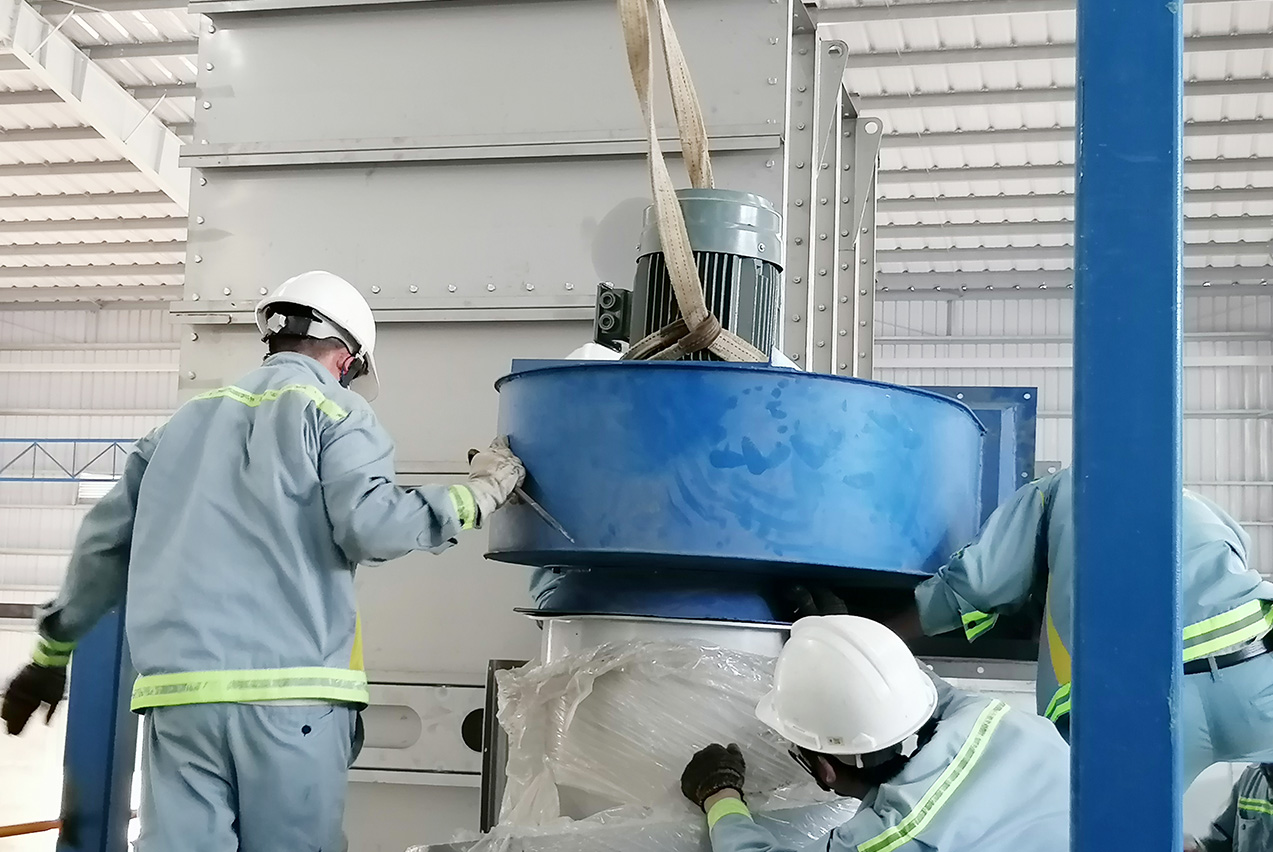
Jiangsu Kingwood Industrial Co., Ltd. (NEEQ: 871765) has been designing and manufacturing biomass pellet equipment since 1999. With 4,000+ production line projects planned and delivered across 30+ countries, the practical experience covers most feedstock types, climate conditions, and regulatory environments buyers encounter.
Key capabilities:
Buyers frequently ask what differentiates one supplier's ring die from another's. The practical answer is hole surface finish and heat treatment consistency — smooth die holes produce higher PDI and last longer before the compression ratio degrades. Our ring dies are processed fully automatically on CNC machines using vacuum heat treatment, and the production quality difference shows up in PDI readings and die lifespan data from customer factories.
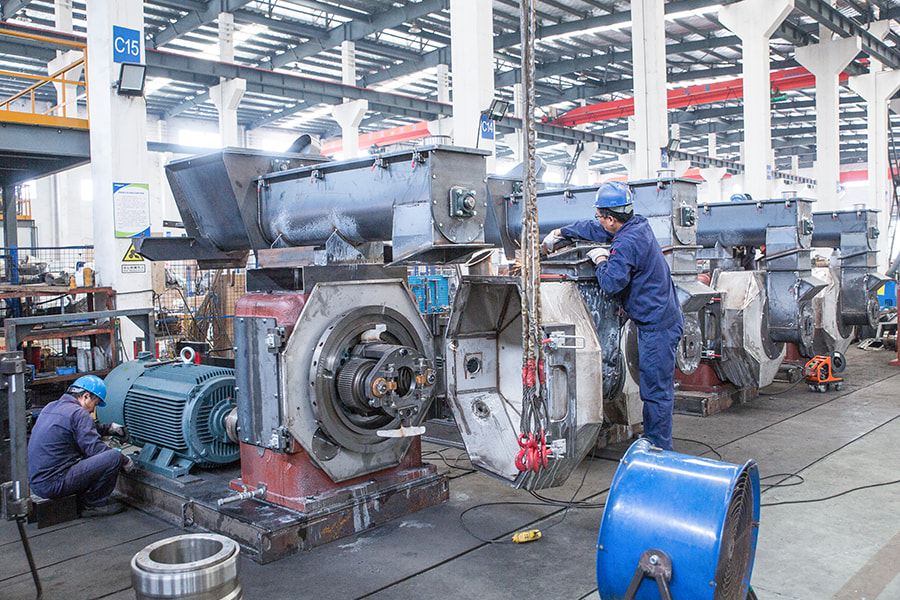
For a project assessment, raw material evaluation, or production line proposal, the first step is sharing your feedstock type, moisture content, target output, and site location — from there, the production line configuration and cost estimate can be developed specifically for your project.
Industrial-grade wood pellets deliver approximately 4,800 kcal/ton, which is comparable to standard coal and significantly higher than loose biomass waste. Switching from coal to biomass pellets can cut fuel costs by 40–50% in industrial boiler applications while meeting emission limits under standards such as China's GB13271-2001.
Feedstock moisture should be reduced to 10–14% before pelletizing; material that is too wet produces loose, low-durability pellets while over-dry material is difficult to bind. A rotary drum dryer is typically used upstream to bring high-moisture biomass (sometimes 45%+ for fresh logs) down to this target range.
Payback periods vary by scale, feedstock cost, and offtake market, but real-world data shows competitive timelines: a 12 t/h line using Kingwood's JWZL-688 ring die mills in Vietnam achieved full payback in 23 months. Larger-scale turnkey projects with annual capacity of 100,000–200,000 tonnes typically benefit from lower unit costs and faster payback when long-term supply contracts are in place.
PDI stands for Pellet Durability Index and measures the percentage of pellets that survive standardised mechanical tumbling without crumbling; a PDI ≥ 97.5% (on dry sawdust at 10–14% moisture) is the benchmark for industrial-grade wood pellets. Low-PDI pellets create excessive fines during transport and storage, clog conveying systems, and reduce combustion efficiency in boilers and power plants.
Japan, South Korea, the United Kingdom, Denmark, and the Netherlands are among the largest importers, collectively driving tens of millions of tonnes of annual trade. Japan alone was forecast to import 4.25 million tonnes of wood pellets in 2023 (per USDA FAS Global Agricultural Information Network) as its FIT program expanded biomass co-firing mandates after the Fukushima nuclear phase-down.
For equipment selection criteria, see this commercial wood pellet mill guide.

Wood Biomass Machinery Manufacturer


 English
 日本語
 한국어