The china biomass pellets market has expanded rapidly over the past decade, transitioning from scattered rural energy programs to industrial-scale fuel production and export-oriented equipment manufacturing. Understanding the current size and trajectory matters whether you are buying pellet equipment, securing a fuel supply contract, or evaluating co-investment in a greenfield plant.
China's installed biomass energy capacity reached 41.32 GW by end-2023, per China's National Energy Administration (NEA) 2024 report — making it the single largest biomass power fleet globally. Total annual biomass fuel utilization is approaching the NDRC's 2025 target of 35 million tonnes, with the IEA 2024 bioenergy outlook projecting global biomass pellet demand exceeding 50 million tonnes by 2025 and China contributing a disproportionately large share of both production and equipment supply.
The EU — led by Germany, the UK, and Denmark — remains the largest consuming market for wood pellets, importing over 26 million tonnes annually per IEA 2023 bioenergy data. The United States, anchored by Enviva and Drax contracts, exports roughly 9–10 million tonnes per year. China's role is different: it consumes the majority of what it produces domestically, but its equipment manufacturing base exports turnkey complete biomass pellet production line solutions to Southeast Asia, the Middle East, Africa, and beyond at price points European manufacturers cannot match.
Estimated compound annual growth in Chinese biomass pellet output runs at 8–12% per year through 2027, per Bloomberg NEF 2024 bioenergy analysis, driven by coal substitution mandates in industrial boilers, expanded rural biomass heating programs, and China's rapidly growing renewable energy installation pace — 293 GW of new renewable capacity was added in China alone in 2023, per IEA 2024.
China's biomass pellet sector does not operate independently of government direction. Two policy commitments define the market's medium-term shape: the 2030 carbon peak target and the 2060 carbon neutrality goal. These are not aspirational statements — they translate into binding provincial targets, capital allocation decisions, and industrial boiler fuel-switching mandates that create sustained equipment demand.
The NDRC's 2022 Biomass Energy Development Plan explicitly targets 35 million tonnes of annual biomass fuel utilization by 2025 and sets out pathways for dedicated biomass power, distributed heating, and industrial fuel substitution. Separately, China's Ministry of Industry and Information Technology (MIIT) has issued phase-out schedules for coal-fired industrial boilers below certain MW thresholds, forcing operators to switch to gas, electricity, or biomass pellets — with pellets typically being the lowest-cost option per unit of heat.
Provinces with large forestry and agricultural waste bases — Yunnan, Guangxi, Jiangsu, Heilongjiang, and Shandong — have the most active incentive programs. These include direct capital subsidies of CNY 100–300 per tonne of pellet production capacity installed, feed-in tariff premiums for dedicated biomass power plants, and green energy certificates that allow industrial buyers to count biomass consumption toward scope 2 emissions reductions. For equipment investors, Jiangsu province in particular has created a concentrated cluster of pellet machinery manufacturers, and Liyang City — where Kingwood's facility is located — carries an informal reputation as a center of gravity for the sector.
China's dual-carbon policy creates export demand as well: Chinese engineering firms and equipment suppliers are deploying biomass plant designs tested domestically into markets across Southeast Asia, the Middle East, and Africa, transferring both technology and financing models. This is an important signal for buyers in Vietnam, Indonesia, or India evaluating whether Chinese suppliers have operational references at scale — they do, and those references are domestic and measurable.
Feedstock availability is the single largest variable in production line design, equipment selection, and per-tonne operating cost. China's biomass resource base is vast but geographically uneven, and matching equipment specifications to the actual feedstock on a given site is where many buyers go wrong.
China generates approximately 900 million tonnes of crop straw annually per China's Ministry of Agriculture and Rural Affairs 2023 data — wheat straw, corn stover, rice straw, and cotton stalks being the dominant types. Forestry waste output exceeded 350 million tonnes per FAO 2023 Global Forest Resources Assessment, encompassing logging residues, sawmill offcuts, bamboo powder, and plantation thinnings. Rice husks, palm shells, and bagasse add further regional variety.
The practical implication: China's pellet equipment manufacturers have processed virtually every feedstock combination that exists. This breadth of experience — built across 4,000+ production line projects planned and designed by companies like Kingwood — is a genuine differentiator relative to suppliers who have only worked with clean sawdust or standardized wood chips.
| Feedstock | Typical Moisture (%) | Calorific Value (kcal/kg) | Requires Dryer? | Primary Equipment Challenge |
|---|---|---|---|---|
| Dry sawdust / wood chips | 10–14 | 4,400–4,800 | No | Fine grinding consistency |
| Fresh wood chips / logs | 40–55 | 3,200–3,800 | Yes | High drying load, fire risk |
| Rice husk | 8–12 | 3,000–3,500 | Usually not | High ash, die wear |
| Agricultural straw | 15–30 | 3,500–4,200 | Often | Fibrous feed, bridging in bins |
| Bamboo powder | 10–20 | 4,200–4,600 | Sometimes | Abrasive, density variation |
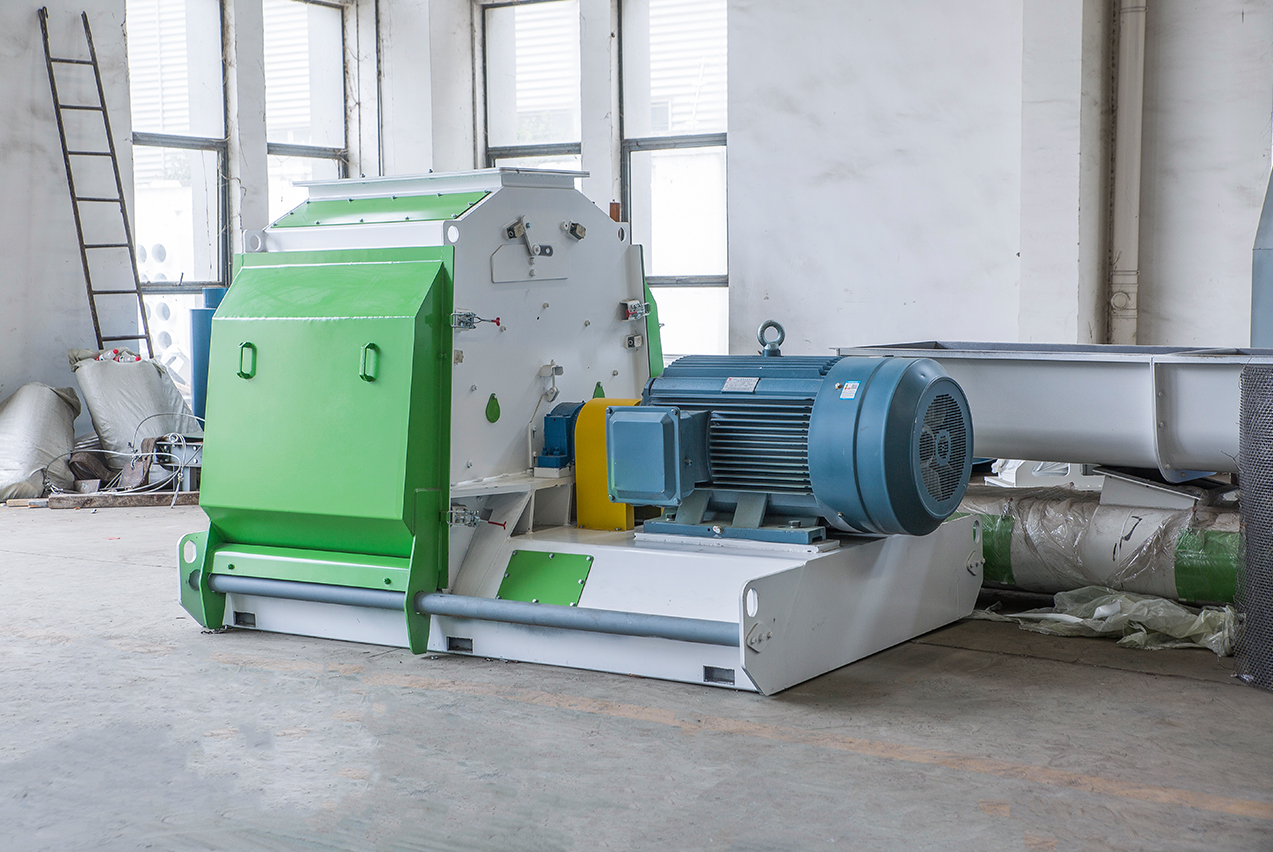
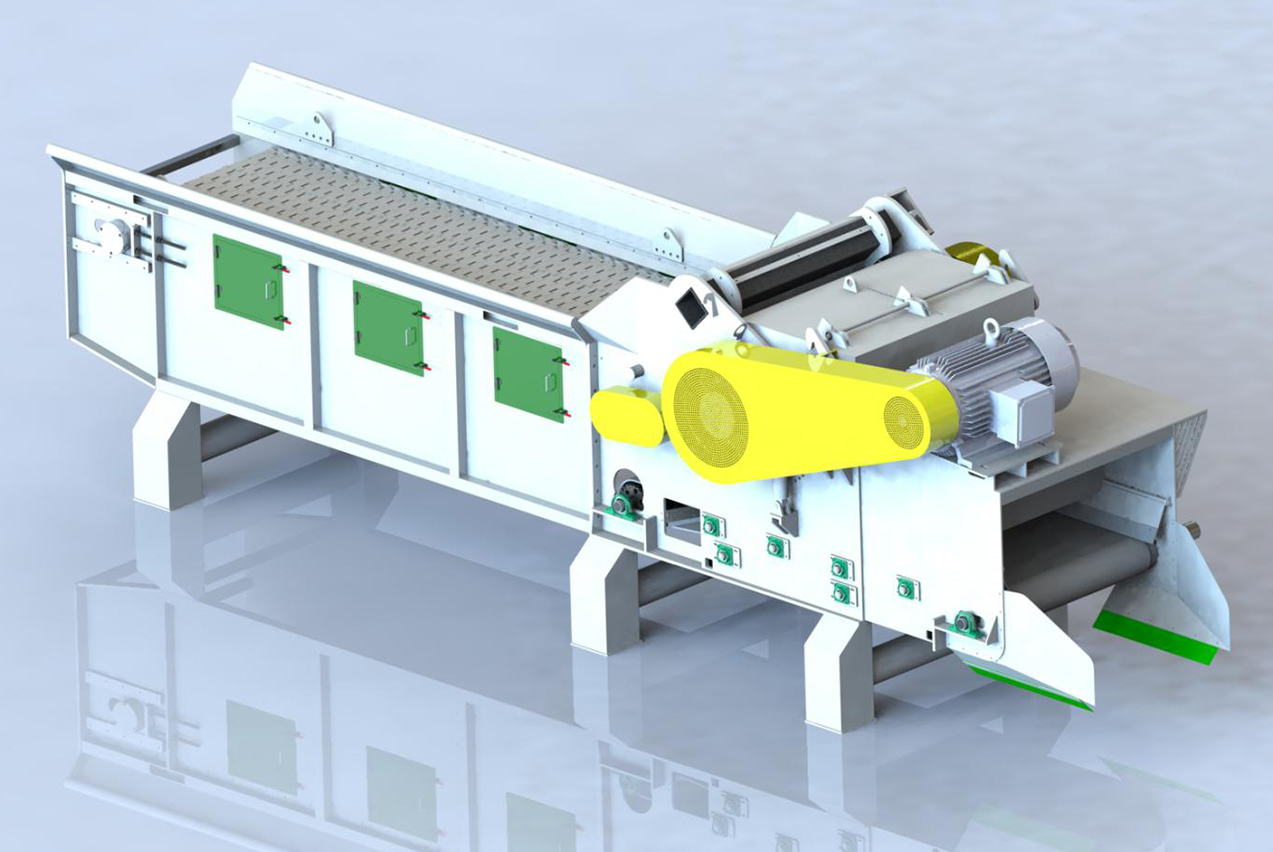
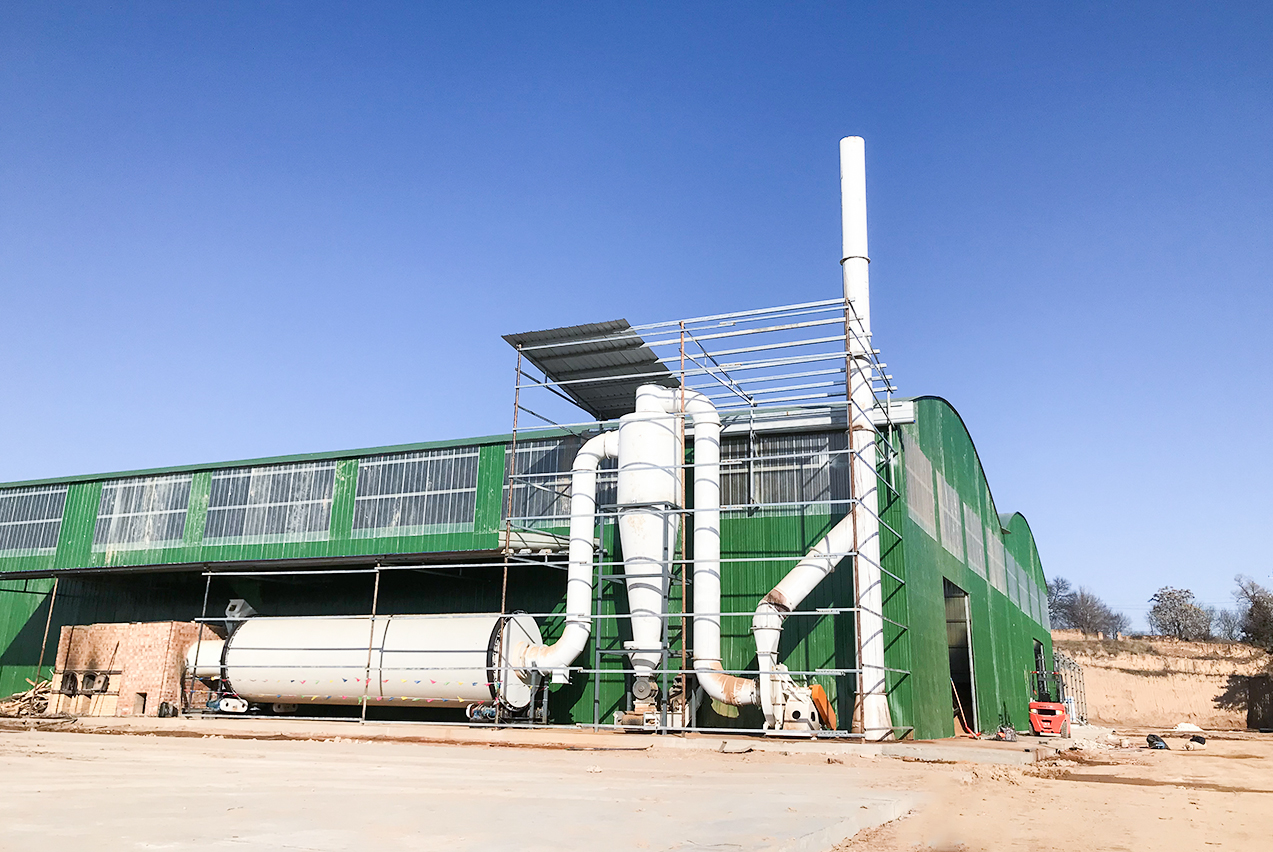
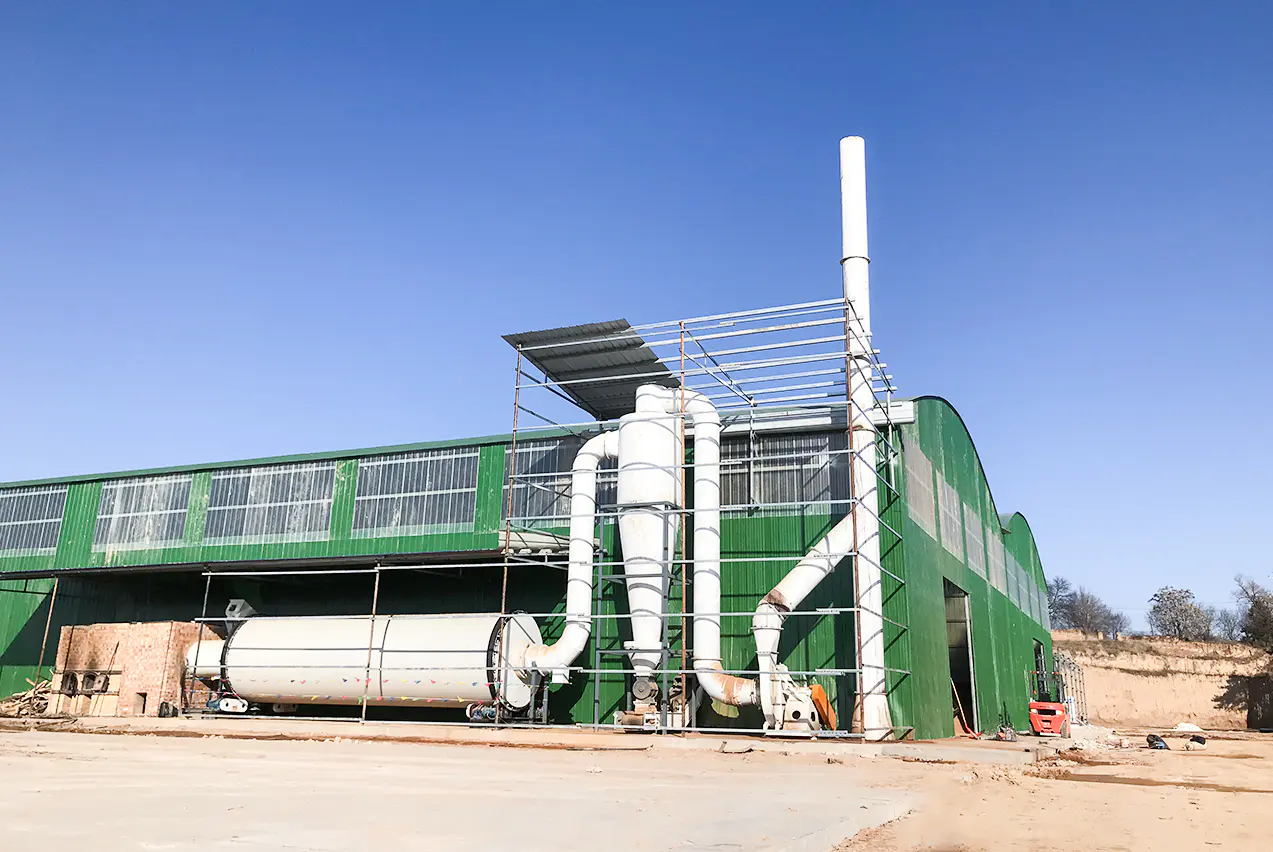
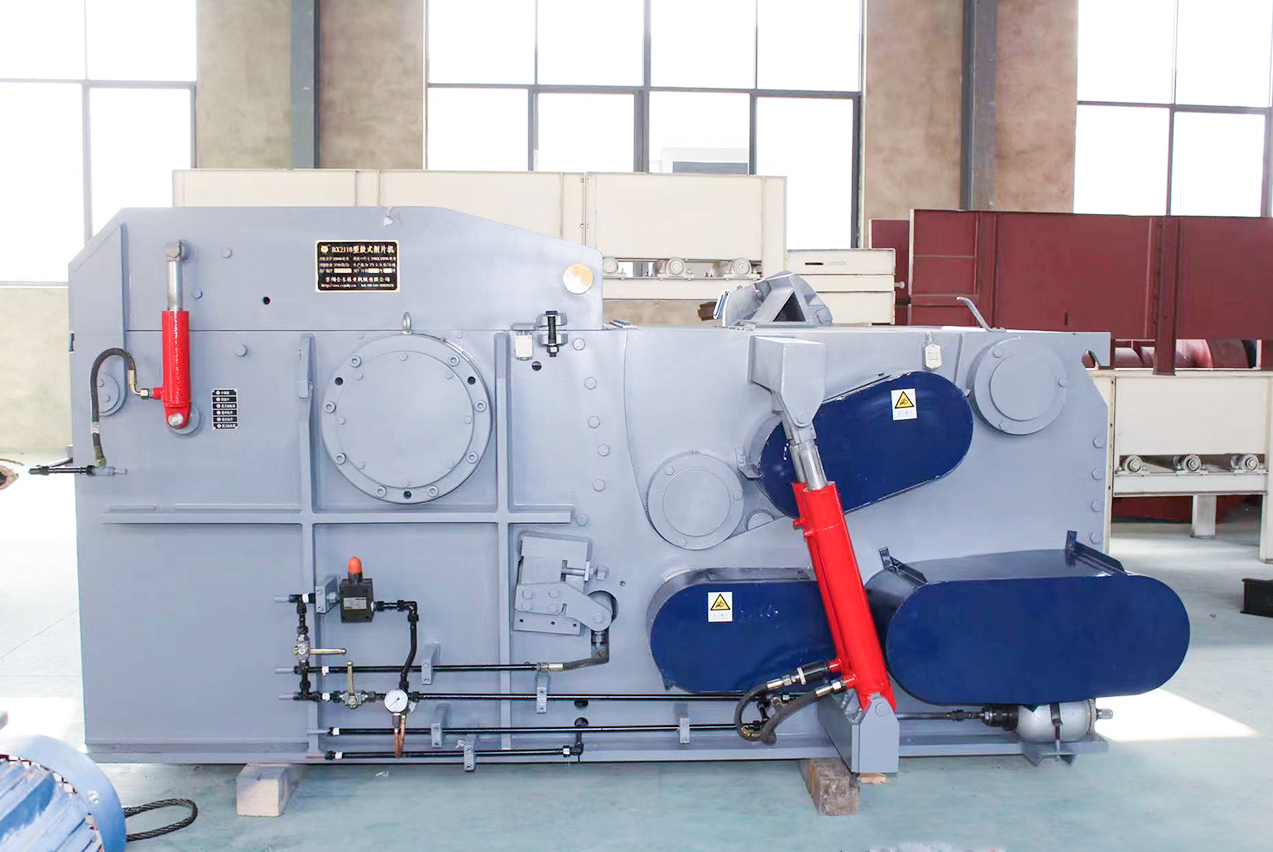
For high-moisture feedstocks, a rotary drum drying stage is mandatory before pelleting. The moisture window for ring die pelletizing is typically 10–14% — materials outside that range either fail to bind or clog the die. A biomass wood crusher for feedstock preparation is equally critical upstream: inconsistent particle sizing is one of the most common causes of die wear and throughput loss that our engineering team sees during commissioning.
Quality pellets from any feedstock should achieve a calorific value near 4,800 kcal/ton, a PDI (Pellet Durability Index) above 97.5%, and bulk density above 600 kg/m³ to meet standard industrial boiler and export specifications.
The china biomass pellets equipment export market has changed materially since 2015. Early Chinese pellet mills had a reputation for inconsistent tolerances and short die life. That reputation is now outdated for the better-established manufacturers. Chinese machinery exports to Southeast Asia grew 18% year-on-year in 2023 per World Bank trade data, and the growth is being driven by capability improvements, not just price.
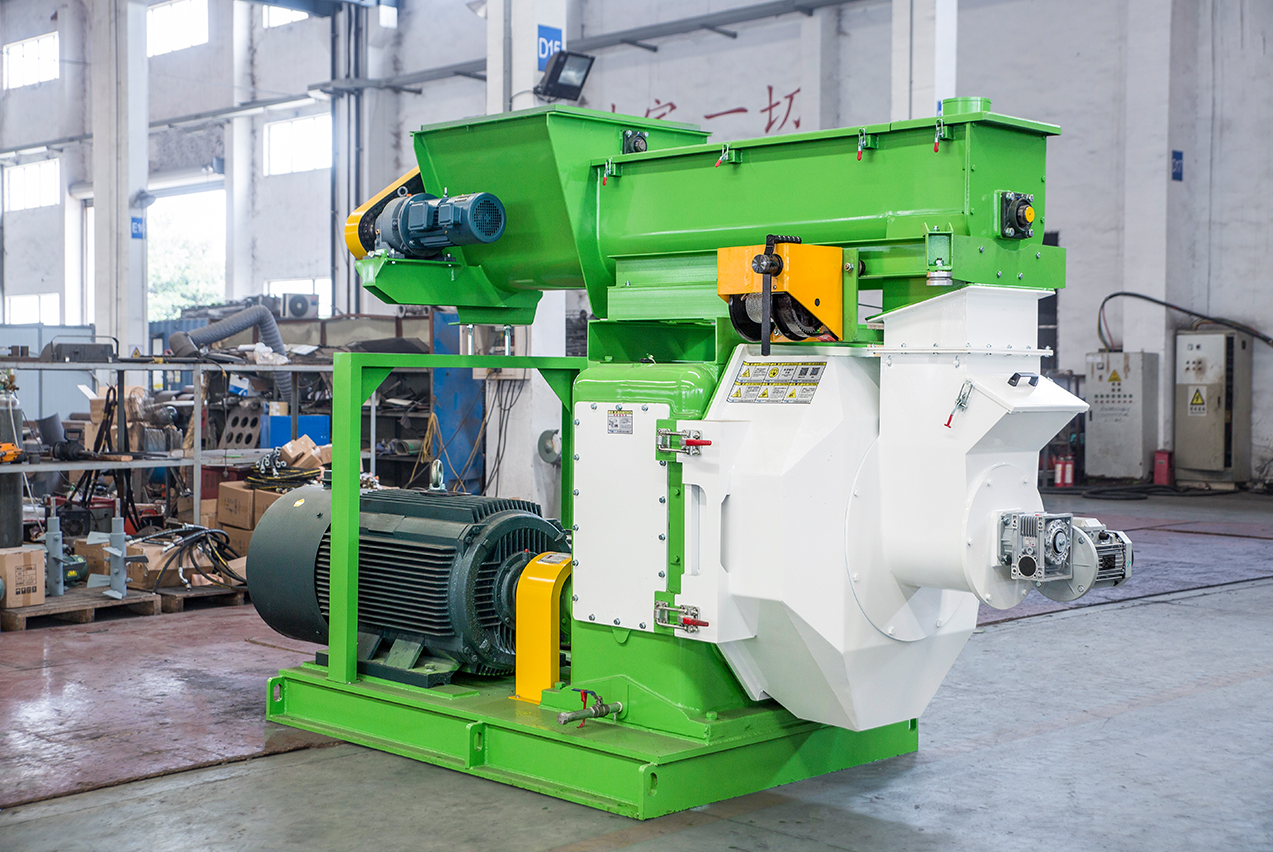
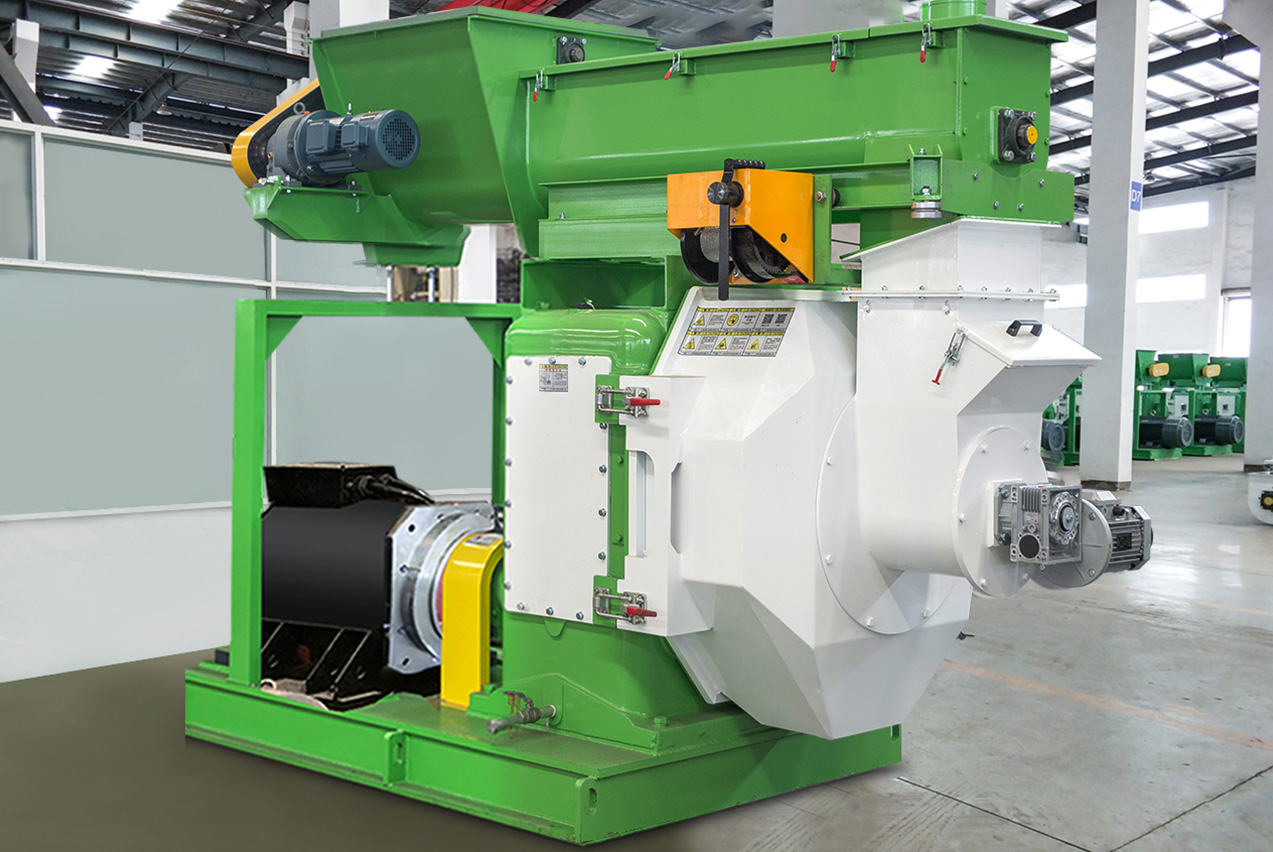
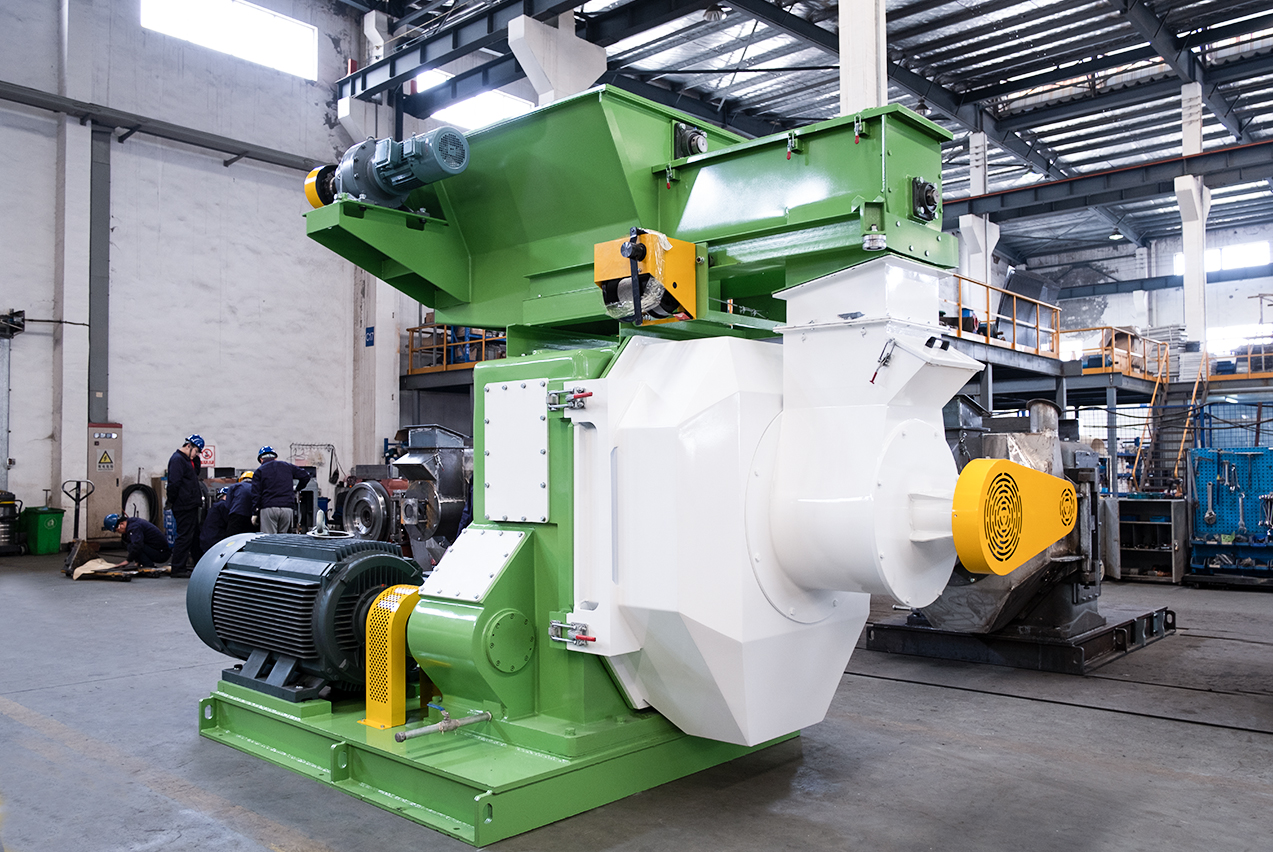
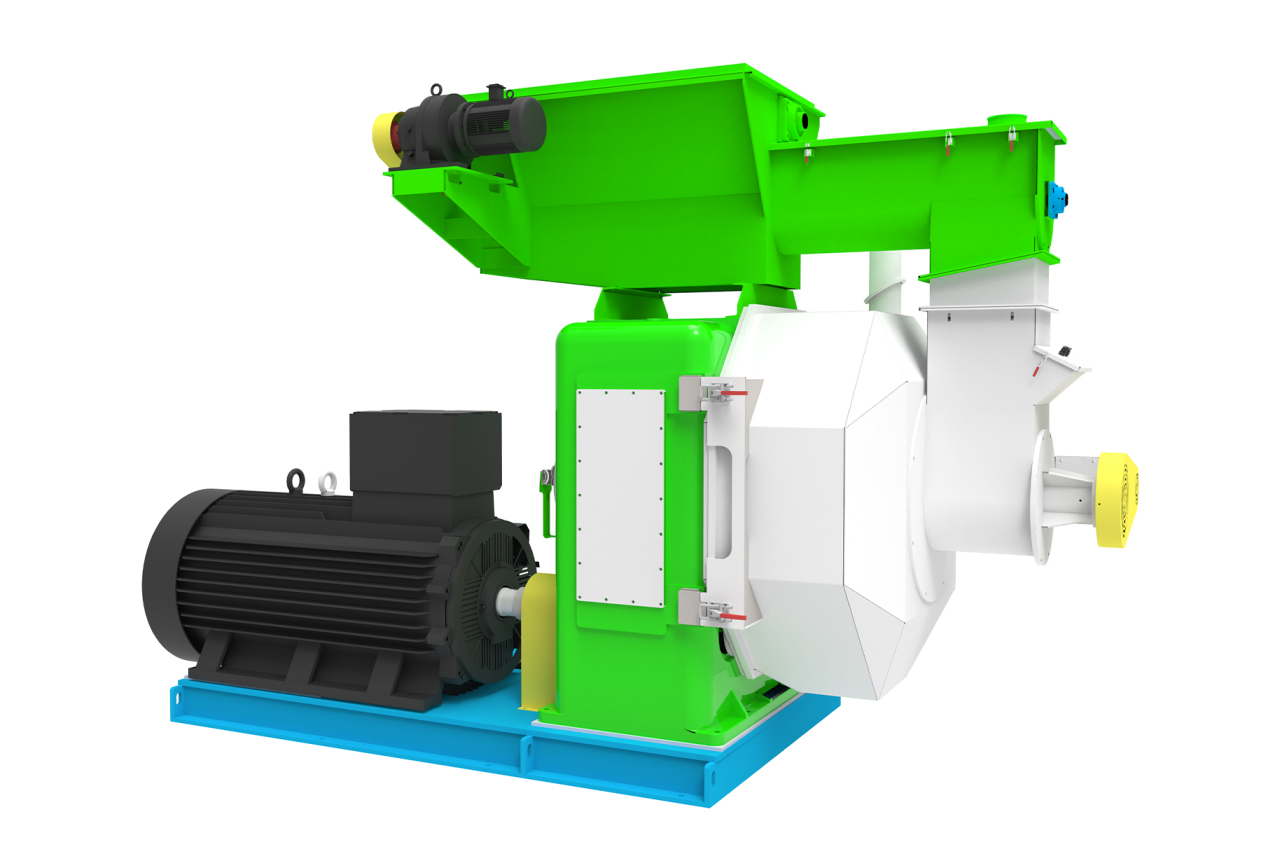
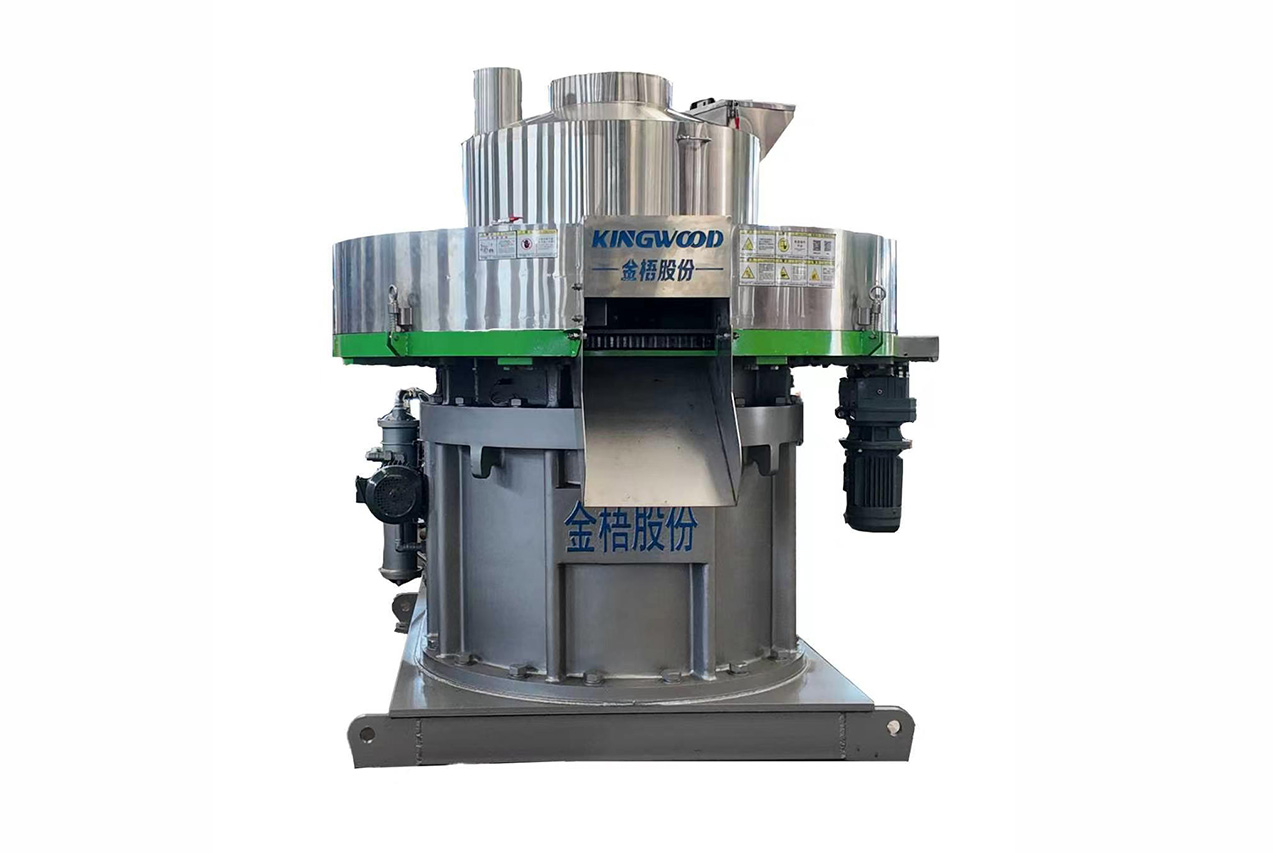
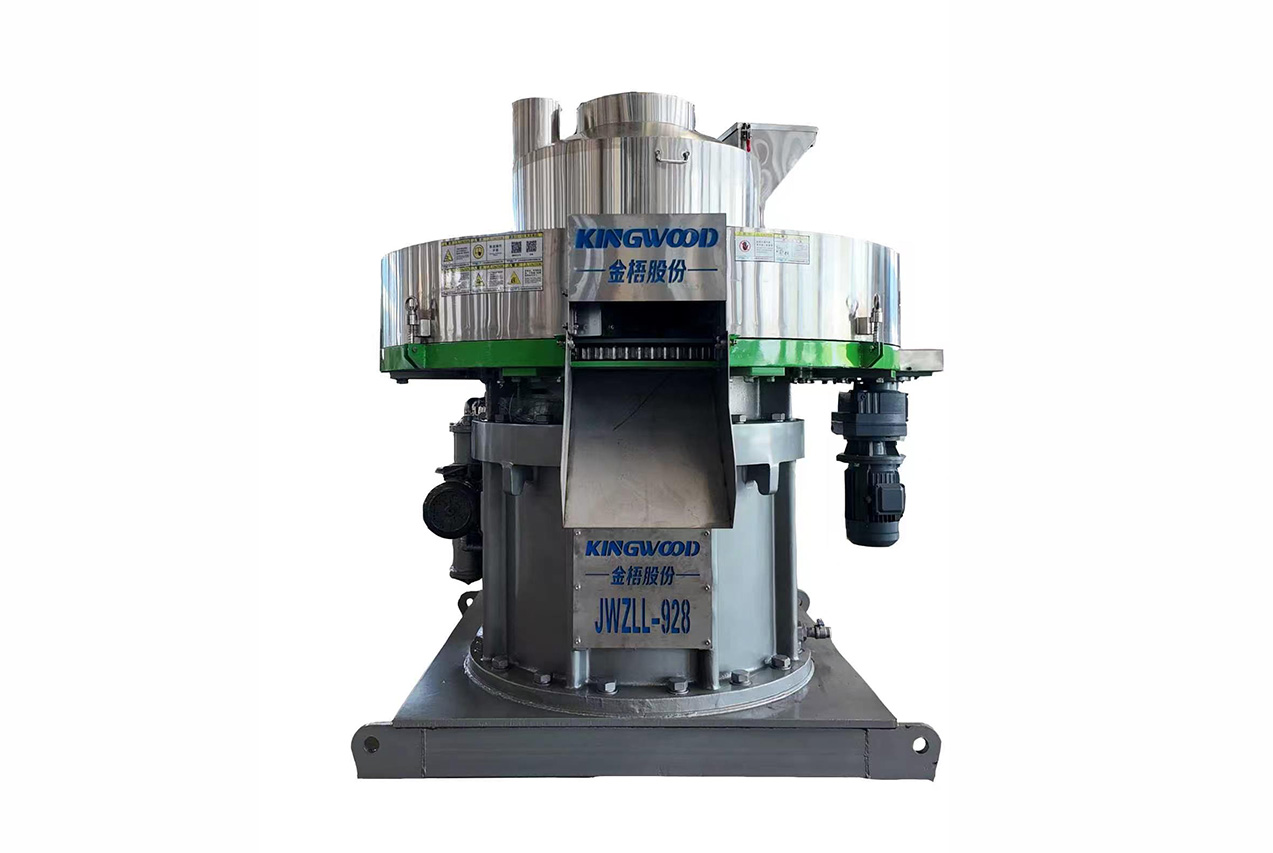
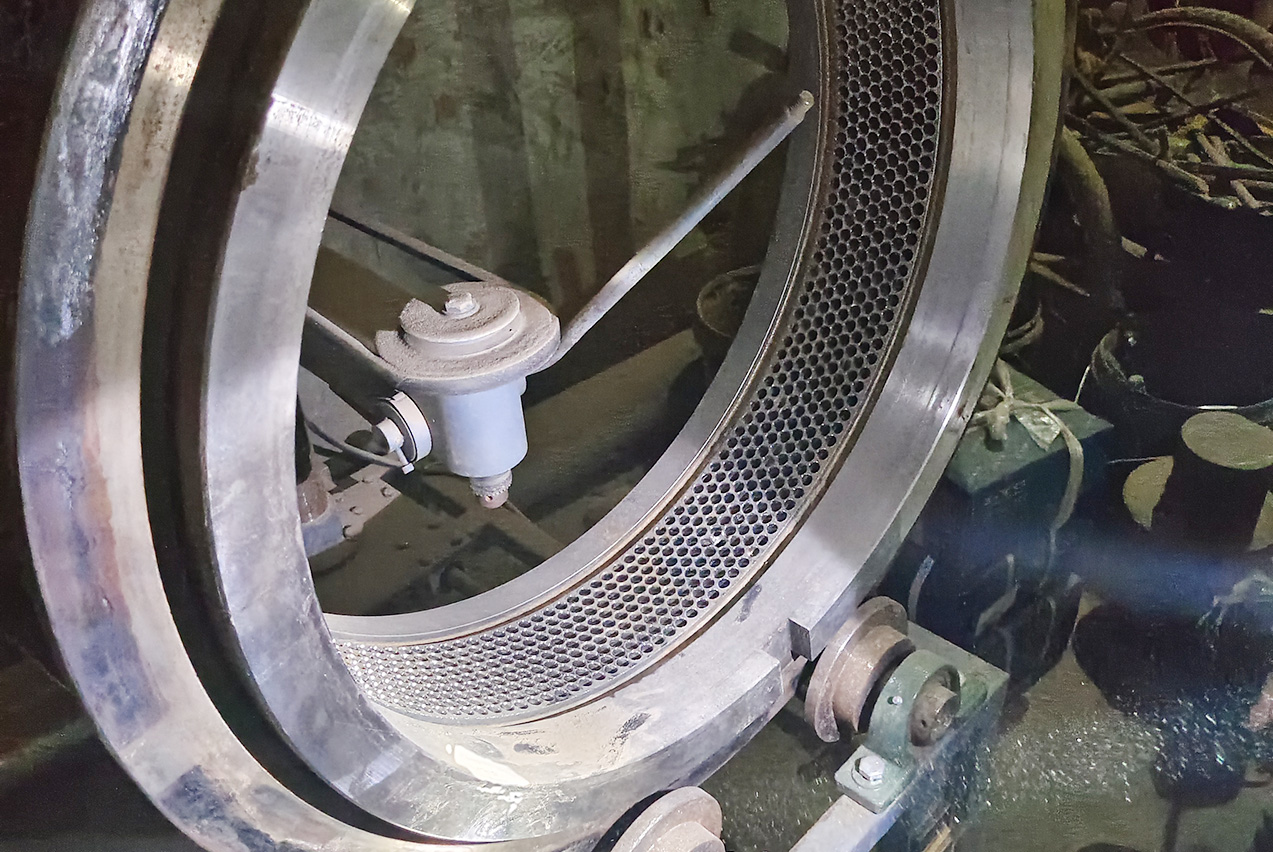
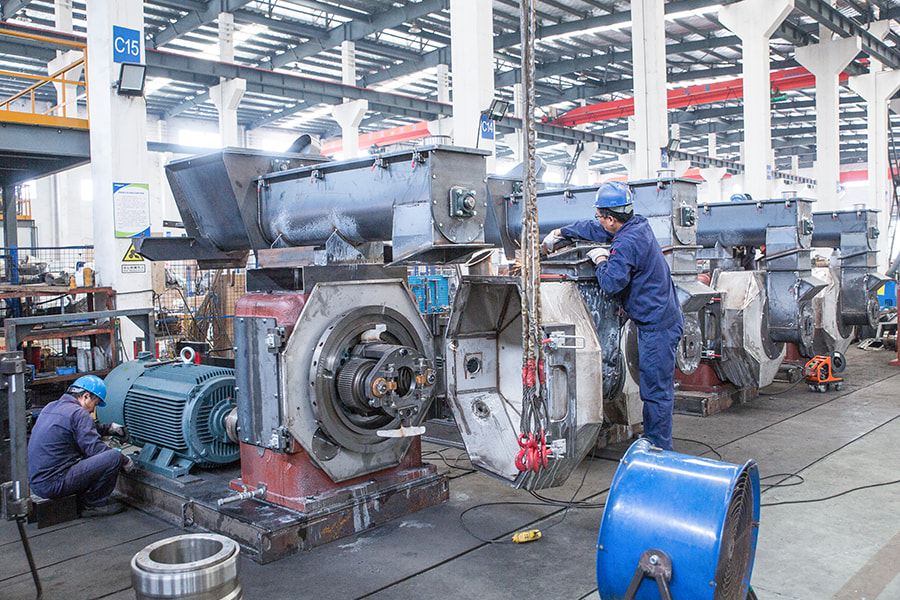
For production volumes above 500 kg/h, ring die mills are the standard choice. The ring die rotates while the rollers remain stationary, distributing heat and wear more evenly across the die surface and achieving higher throughput per kilowatt of installed power. The JWZL-688 ring die pellet mill (2–3 t/h, 200 kW) is one of the most widely deployed models in Southeast Asia, with a ring die diameter of 688 mm and documented performance at PDI ≥97% on dry sawdust at 10–14% moisture. Flat die mills remain cost-effective below 500 kg/h but are not suited for continuous industrial-scale operation.
| Quality Indicator | Minimum for Serious Evaluation | Kingwood Benchmark |
|---|---|---|
| Quality management | ISO 9001 | ISO 9001 certified |
| Environmental management | ISO 14000 | ISO 14000 certified |
| Export compliance | CE certification | CE certified |
| Production line references | 50+ completed projects | 4,000+ projects across 40 countries |
| In-house R&D | Some | Joint R&D Center with Nanjing University of Agriculture |
| Stock market listing (transparency) | Optional | NEEQ: 871765 |

China's industrial boiler sector consumes an estimated 15 million tonnes of biomass pellets annually per Bloomberg NEF 2024. This is the dominant application: coal-fired boilers being retrofitted or replaced with biomass-capable units in food processing, textiles, paper, and chemicals. Pellets at 4,800 kcal/ton deliver comparable steam output to standard coal at roughly 40–50% lower fuel cost, depending on local coal prices.
Biomass co-firing — blending pellets with coal in existing power plants — is technically straightforward and can reduce a plant's coal consumption by 5–15% without major capital expenditure. The IEA World Energy Outlook 2024 estimates that biomass co-firing could displace up to 10% of global coal power by 2030. In China, dedicated biomass power plants are expanding alongside co-firing programs, supported by feed-in tariff premiums.
A newer but growing application is using biomass pellets as a feedstock for green methanol synthesis, which feeds into zero-carbon shipping fuels and chemical manufacturing supply chains. Kingwood positions biomass energy as a circular economy link — connecting renewable electricity generation, green production, and carbon-neutral industrial output. For B2B buyers looking to make scope 1 and scope 2 claims, a biomass pellet supply chain is one of the more accessible near-term options.
Pellets produced using Chinese equipment in Vietnam, Indonesia, and Malaysia are predominantly exported to Japan and South Korea, which collectively imported over 7 million tonnes in 2023 per Japan's USDA Foreign Agricultural Service data. This export market dynamic explains why Southeast Asian investors are expanding pellet production capacity at pace.
A 3–5 t/h single-mill line (ring die, with crusher, dryer, and packaging) typically requires USD 300,000–600,000 in equipment cost, plus civil construction and installation. A 10–12 t/h line scales to roughly USD 800,000–1.4 million all-in for the production system, depending on feedstock moisture and the complexity of dust control required. Lines above 20 t/h are custom-engineered and priced individually.
A Vietnam forestry customer operating a 12 t/h JWZL-688 line achieved payback in 23 months — a strong result driven by competitive feedstock costs (rubber wood and acacia residues) and local industrial boiler demand. The 30 t/h wood pellet mill project in Chongqing processes furniture factory sawdust and wood chips, with output going directly to industrial boilers across the Chongqing municipality. For mixed waste streams including demolition residues, the 10 t/h construction waste and furniture offcuts pellet line case study — four JWZL-688 units at 1,980 kW total power — demonstrates that heterogeneous feedstocks are commercially viable at scale.
Kingwood's "Three-Standardization Framework" structures production lines around three operational principles: Integrated (full upstream-downstream supply chain connection), Dust-Free (enclosed processing with active dust removal at every stage), and Automated (minimal manual intervention). In practice, buyers often underestimate dust-related costs — equipment failure due to particulate ingress, fire suppression system triggers, and regulatory fines under China's GB13271-2001 emission standard are all real operating risks. Enclosed conveying and properly specified dust collection systems add 8–15% to initial equipment cost but typically reduce long-term maintenance and compliance costs by a larger margin.
Biomass pellets save buyers 40–50% versus fuel oil, gas, or electric heating per Kingwood operational data — a figure that holds across most industrial boiler applications in Asia and is the primary driver of the 23-month payback period documented in Vietnam.
Biomass supply chain disruptions caused a 12% price spike in Asian pellet markets in 2023 per Reuters Commodities Report 2023. Agricultural residue availability fluctuates with harvest seasons and competing uses (animal bedding, soil amendment). Buyers relying on a single feedstock source — particularly straw — should model at least two alternative input streams and negotiate supply contracts before committing to production line capacity.
Not all Chinese manufacturers have the same process controls or materials quality. Common failure points we see in the field: substandard ring die alloy that wears out in 400–600 hours instead of the industry-standard 1,000+ hours; gearboxes that lack oil cooling circulation, leading to thermal failure under continuous operation; and bearing housings without labyrinth seals, which allow sawdust ingress and shorten bearing life to 800–1,200 hours rather than the achievable 3,000+ hours with proper sealing.
China's GB13271-2001 emission standard sets limits for particulate matter, SO₂, and NOₓ from industrial boilers burning biomass. Emission compliance affects both equipment design choices and facility layout. Buyers installing lines in markets with equivalent or stricter local standards (Vietnam's QCVN, Indonesia's PP41/1999) need to verify that dust removal system specifications meet local requirements, not just Chinese domestic standards.
Before signing a purchase agreement with any Chinese pellet equipment supplier, verify: ISO 9001 and CE certification documents (request the actual certificates, not photocopies); a list of at least 10 operational references with contact details you can independently call; engineering drawings specific to your feedstock and site, not a generic brochure layout; availability of spare parts (ring dies, roller shells, hammer mill screens) in your country or with lead times under four weeks; and a commissioning engineer assignment commitment with a defined acceptance test protocol.
Kingwood — Jiangsu Kingwood Industrial Co., Ltd. (NEEQ: 871765), founded in 1999 and based in Liyang City, Jiangsu — operates as a full-lifecycle project partner, not a box-shifter. The distinction matters in practice.
The project development process runs from raw material analysis and site assessment through to EPC turnkey delivery and long-term operation and maintenance support. Kingwood's engineering team has planned and designed 4,000+ production line projects, giving buyers access to documented process data for almost every feedstock and regional context. The 35+ R&D and service engineers on staff include specialists in process design, mechanical engineering, and emissions compliance, backed by the joint R&D Center with Nanjing University of Agriculture and a Clean Renewable Energy R&D Lab co-established with the Nanjing government.
For international buyers, Kingwood's service network spans 40 countries — meaning that when a ring die needs replacing at 2 a.m. in Vietnam or a dryer thermocouple fails in Indonesia, there is a regional contact rather than an 8-hour time zone gap to the factory.
The Smart O&M program covers production line quality and efficiency audits, spare parts supply (ring dies, roller shells, hammer mill blades, screens), operator training, and upgrade consulting for aging production lines. Buyers consistently underestimate the spare parts budget in year one: for a 10 t/h line running two shifts, plan for ring die replacement every 6–12 months depending on feedstock abrasiveness, roller shell replacement every 12–18 months, and hammer screen changes every 4–8 weeks on abrasive materials like rice husk.
The complete wet-feed and dry-feed production line designs — scaling from 10,000 tonnes/year to 200,000 tonnes/year — are available in documented configurations, reducing the engineering timeline from concept to equipment order by 4–8 weeks compared to starting from a blank sheet.
China's installed biomass energy capacity reached 41.32 GW by end-2023 per the National Energy Administration, with annual biomass fuel project capacity exceeding 25 million metric tons per Kingwood's operational data across 4,000+ production line projects. Growth is accelerating under the NDRC's 2025 biomass utilization targets.
Payback periods vary by scale and feedstock, but real deployments show strong returns: a 12 t/h JWZL-688 line installed by Kingwood in Vietnam achieved payback in 23 months. Biomass pellets typically save buyers 40–50% compared to fuel oil, gas, or electric heating, which accelerates ROI significantly.
Prioritize suppliers holding ISO 9001 (quality management), ISO 14000 (environmental management), and CE certification for export-market compliance. Leading Chinese manufacturers like Kingwood, founded in 1999 with 20+ years of R&D, also hold provincial high-tech enterprise designations and are listed on public markets (NEEQ: 871765), adding transparency.
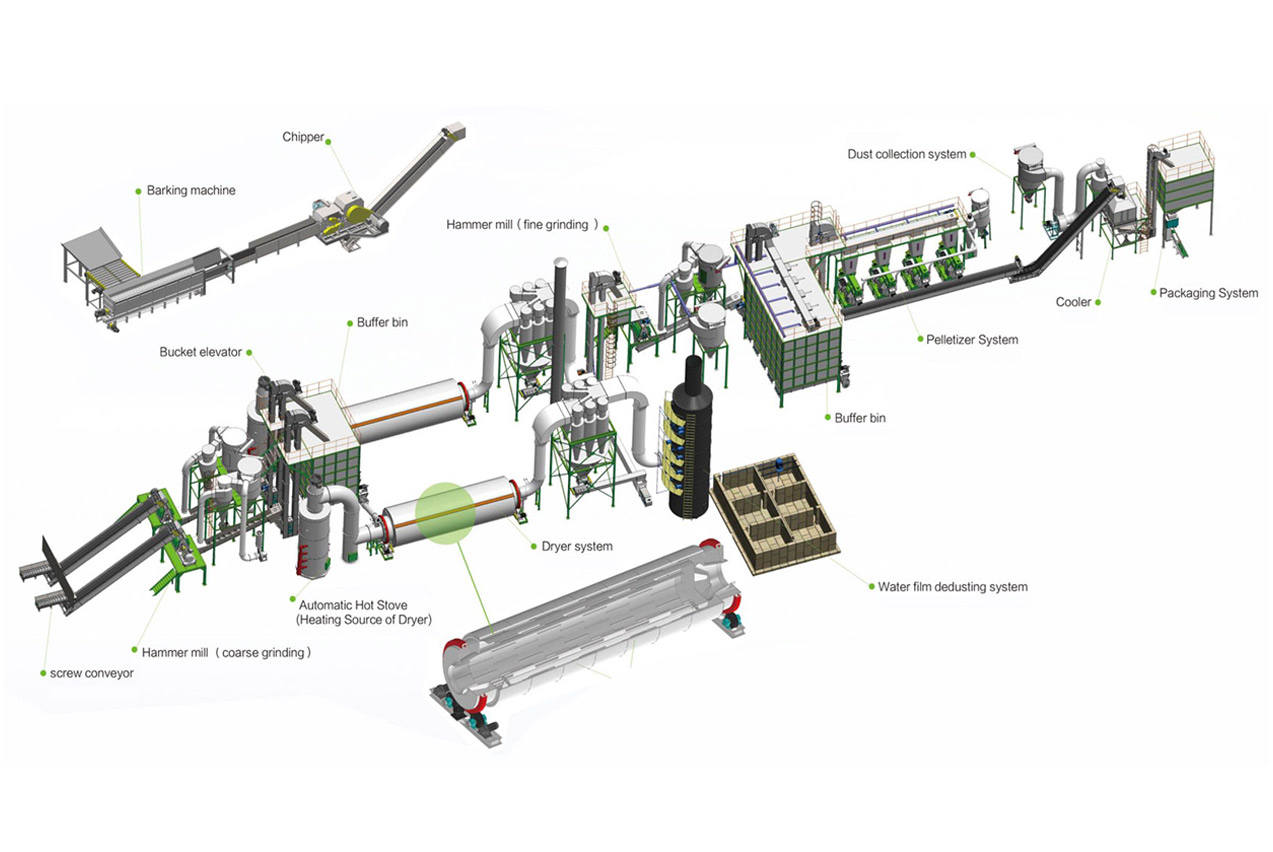
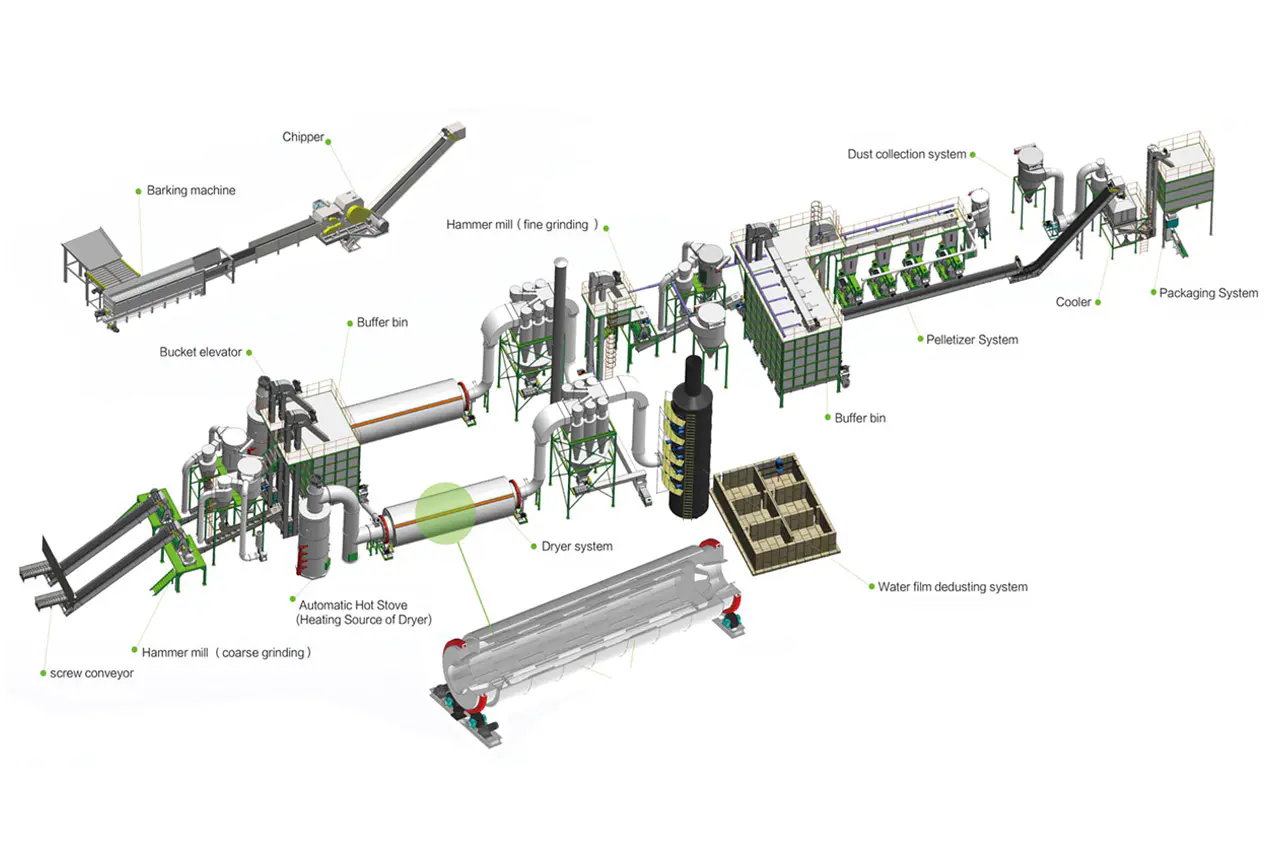
Yes — complete wet-feed production lines are designed for high-moisture biomass, incorporating crushing, coarse grinding, rotary drum drying, fine grinding, pelletizing, and packaging stages in sequence. Kingwood's wet-feed lines scale to 200,000 tonnes per year and use enclosed dust-removal conveying throughout, meeting China's GB13271-2001 emission standards.
China's commitment to peak carbon emissions by 2030 and carbon neutrality by 2060 is channeling government subsidies and industrial mandates toward biomass energy, creating sustained demand for both domestic production and export of pellet equipment. The IEA's 2024 bioenergy outlook projects global biomass pellet demand exceeding 50 million tonnes by 2025, with Chinese equipment manufacturers uniquely positioned to supply turnkey lines at competitive costs across Asia, the Middle East, Africa, and beyond.
For a comparison of industrial suppliers, see this manufacturer overview.

Wood Biomass Machinery Manufacturer


 English
 日本語
 한국어