Project at a glance: A state-owned power plant in Inner Mongolia Ordos, China, deployed Kingwood's JWZL-688 ring die pellet mills in a multi-unit configuration to achieve 7–9 t/h aggregate biomass pellet output, with equipment delivered and commissioned in September 2025.
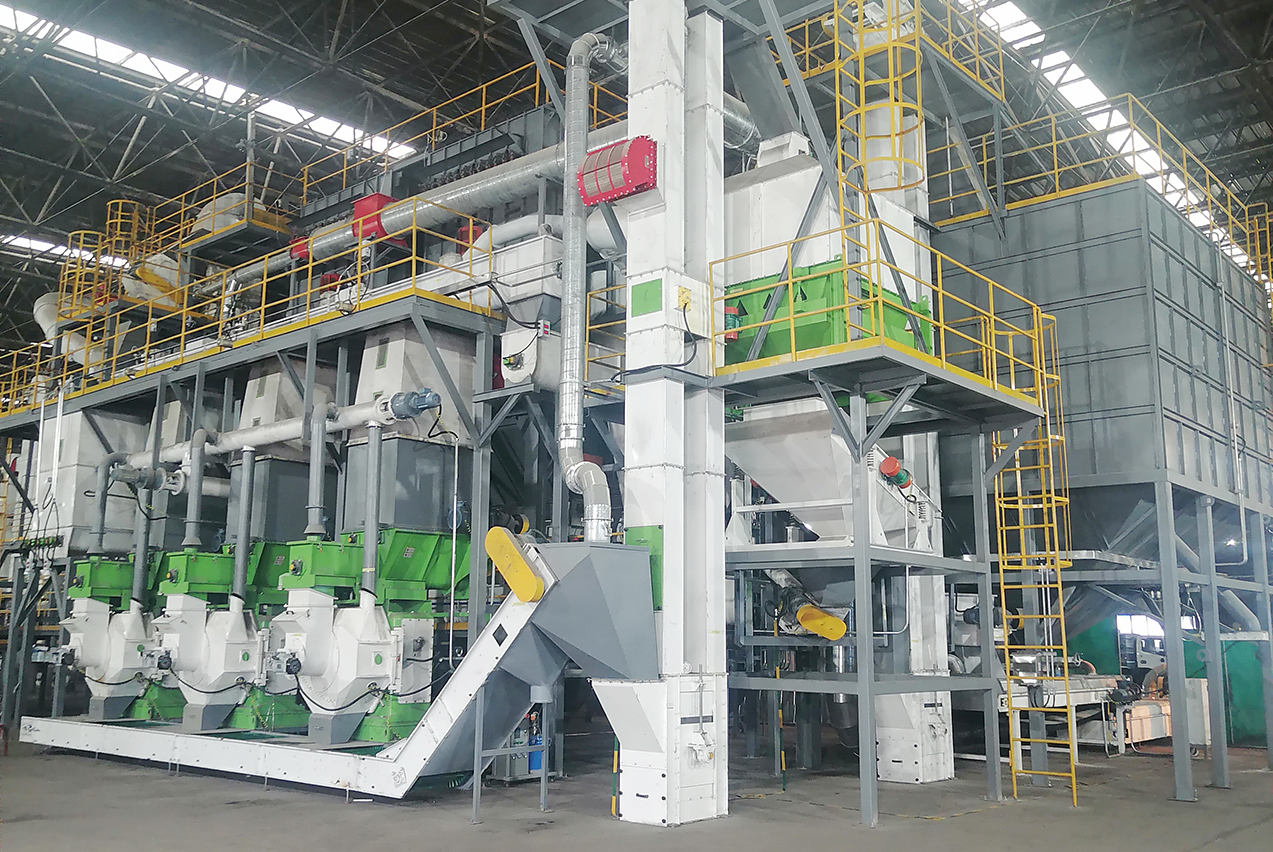
Inner Mongolia's Ordos region sits at the heart of China's coal belt — a landscape shaped by decades of thermal power generation and the economic infrastructure that surrounds it. For the state-owned power enterprise at the centre of this project, the strategic context in 2024–2025 was unambiguous: reduce operating costs, improve plant efficiency, and begin a credible transition toward green and low-carbon operations without disrupting baseload generation capacity.
State-owned power enterprises in China face a layered compliance environment. National ultra-low emission standards require coal-fired plants to meet strict particulate, SO₂, and NOₓ thresholds. Simultaneously, China's dual-carbon targets — carbon peaking by 2030 and carbon neutrality by 2060 — place institutional pressure on state-owned enterprises to demonstrate measurable progress on renewable energy integration. For this Ordos facility, those twin mandates translated into a concrete operational question: how to reduce dependence on coal input while maintaining reliable heat and power output at competitive cost?
Biomass pellets offer a calorific value of approximately 4,800 kcal/ton — comparable to lower-grade coal — but with dramatically lower ash content and sulfur emissions. On-site biomass pellet production, rather than purchasing pellets on the spot market, offered a further cost lever: converting locally available agricultural and forestry residues into standardised fuel, reducing procurement costs by an estimated 40–50% compared to fuel oil or gas alternatives.
The plant's technical team evaluated co-firing as the most pragmatic pathway. According to IEA 2024 analysis, biomass co-firing can substitute 5–20% of coal input in existing boiler infrastructure with minimal capital modification to combustion systems. For this facility, a dedicated on-site china biomass pellet line would allow continuous supply of standardised pellets matched to boiler specifications, eliminating supply chain dependency and enabling real-time adjustment of co-firing ratios.
The broader ambition extended beyond cost and compliance. The plant's leadership framed the initiative as a demonstration project for coupling traditional thermal power with renewable energy technologies — establishing an ecological chain that integrates conventional and new energy sources within a single operational site. That framing positioned the project not merely as a retrofitting exercise but as a new-model power system demonstration with regional replication potential.
After technical review and competitive tendering, the Ordos facility selected Jiangsu Kingwood Industrial Co., Ltd. — founded in 1999 and carrying 27 years of dedicated biomass pellet equipment R&D — to design, manufacture, and commission the production line. Kingwood's proposal was built around its proprietary Three-Standardisation Framework: Integration (一体化), Dust-Free (无尘化), and Automation (自动化). Each principle directly addressed one of the plant's core requirements.

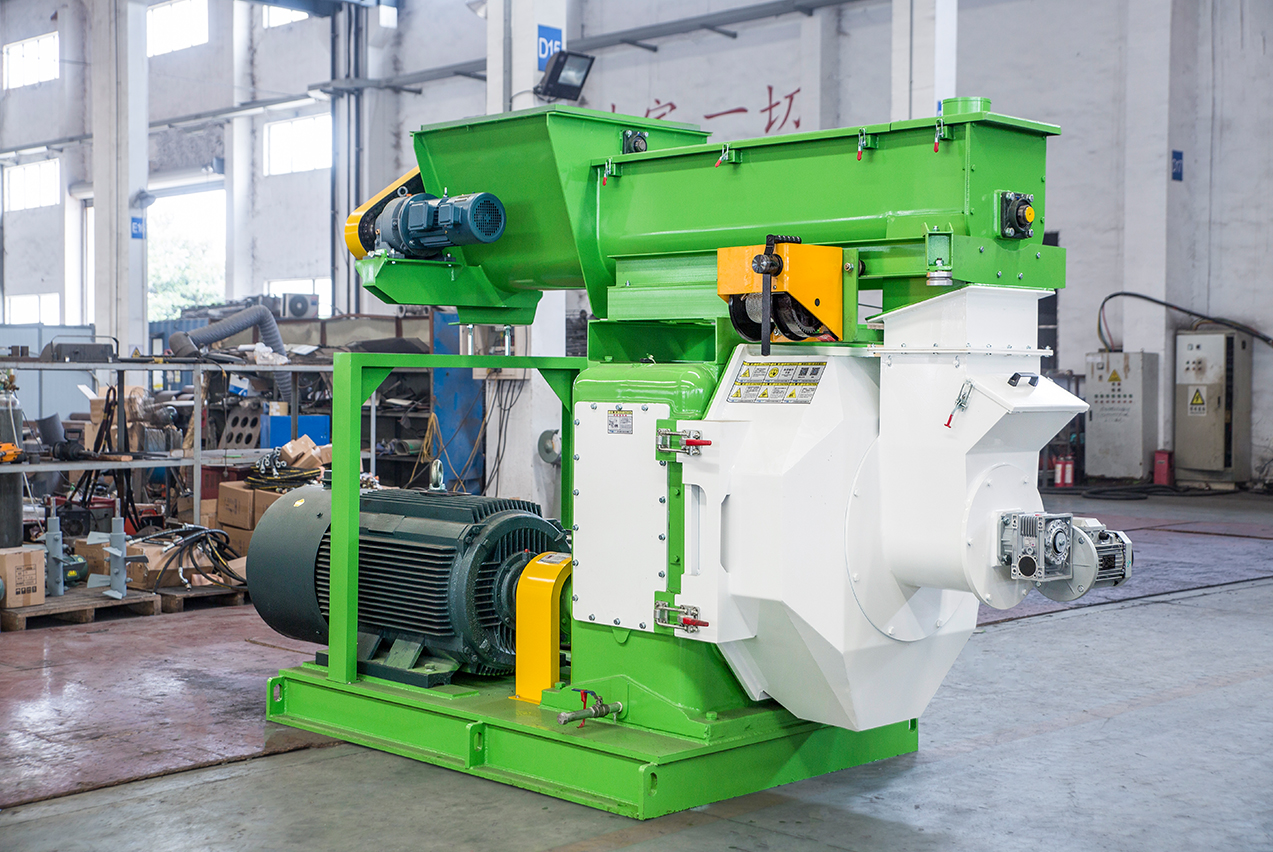
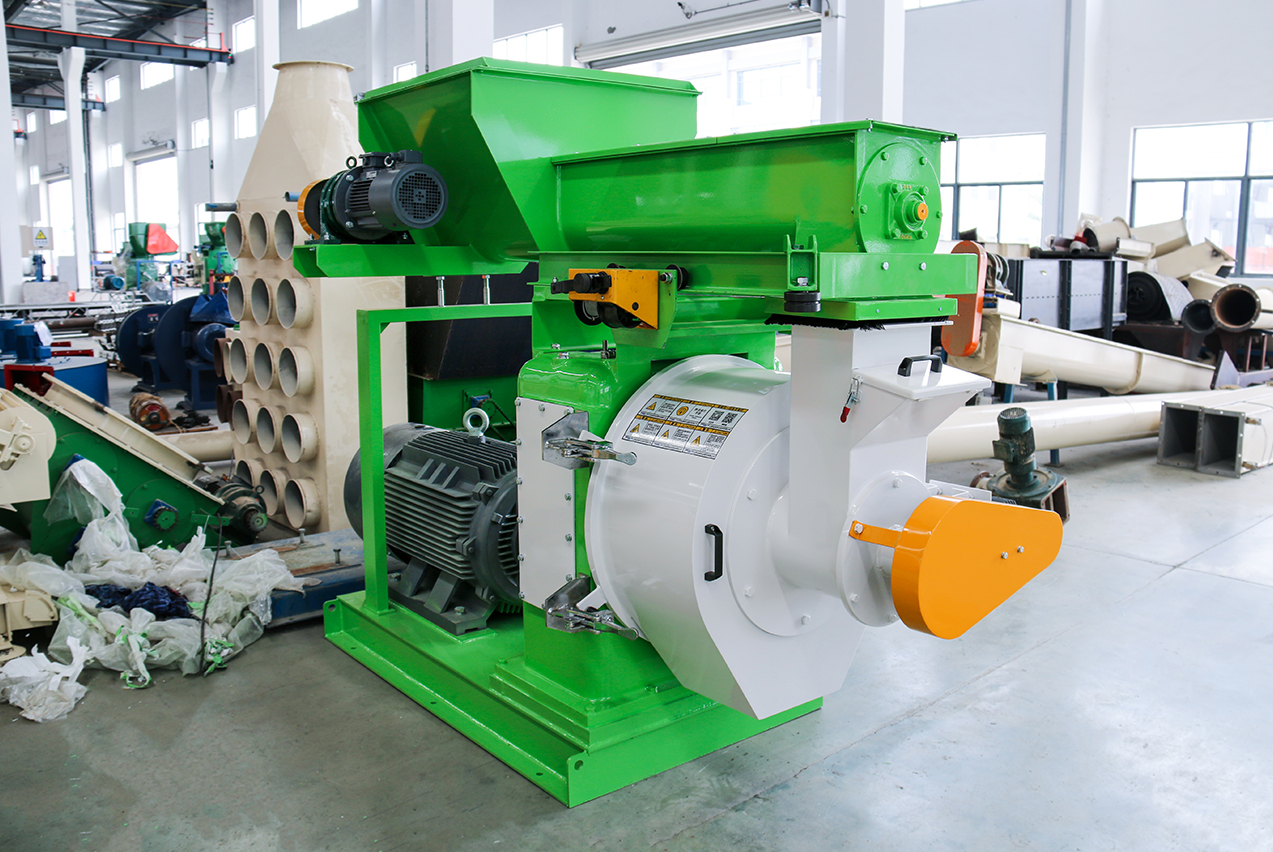
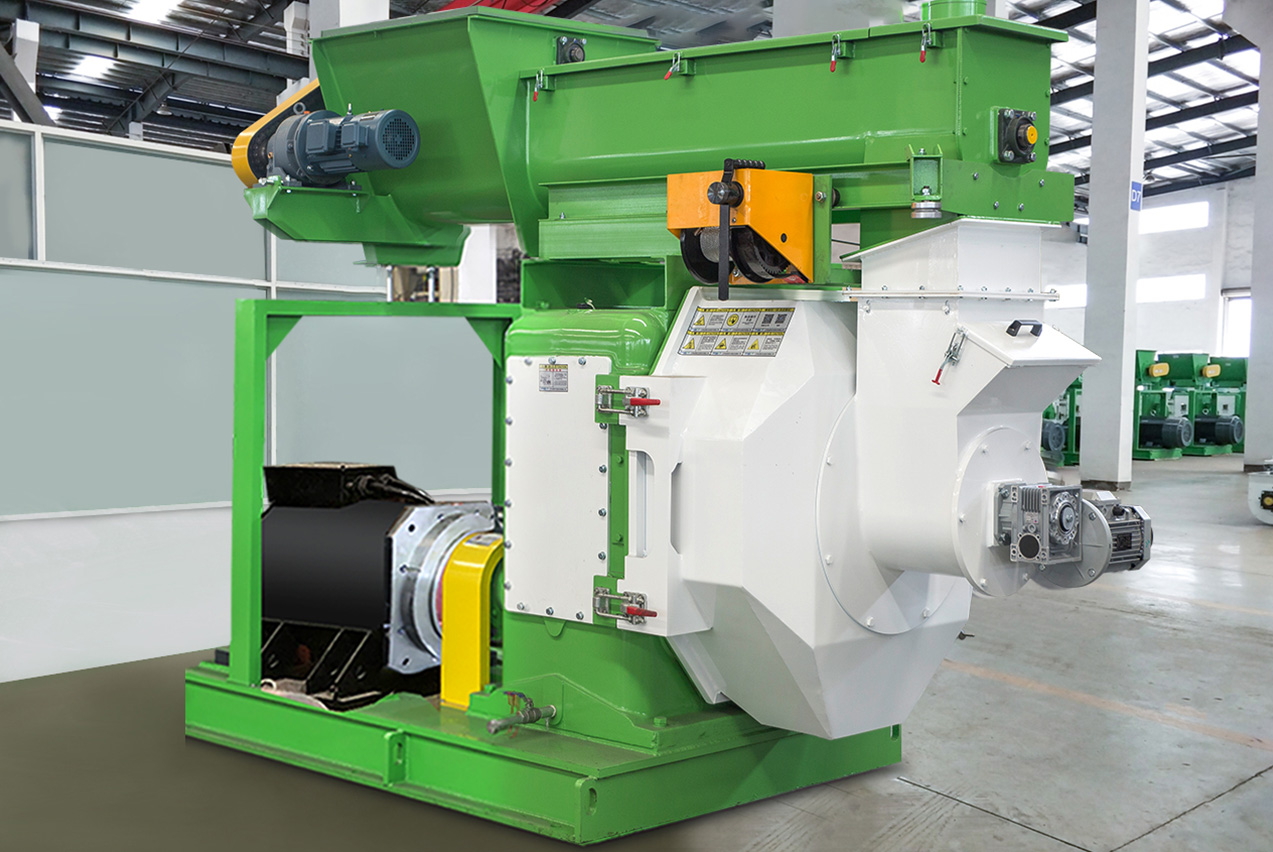
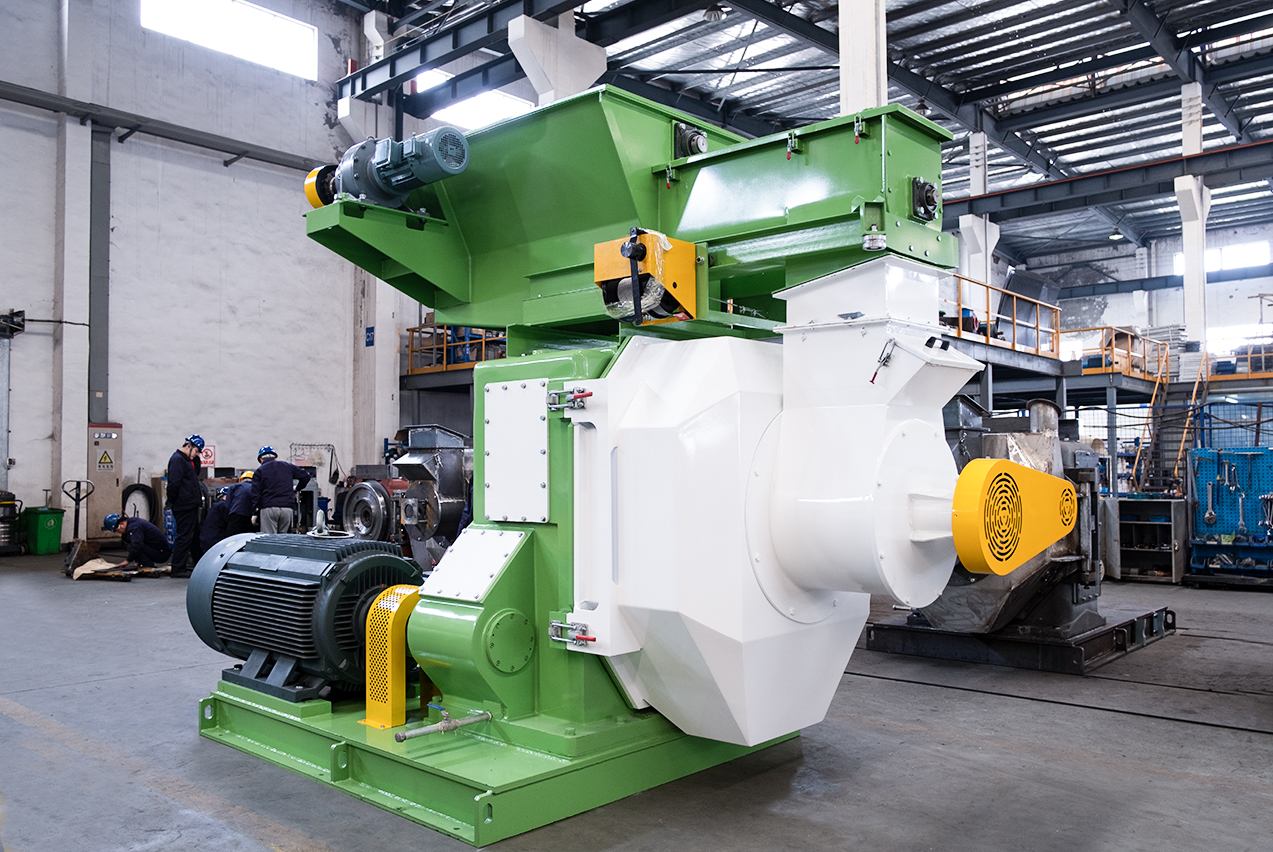
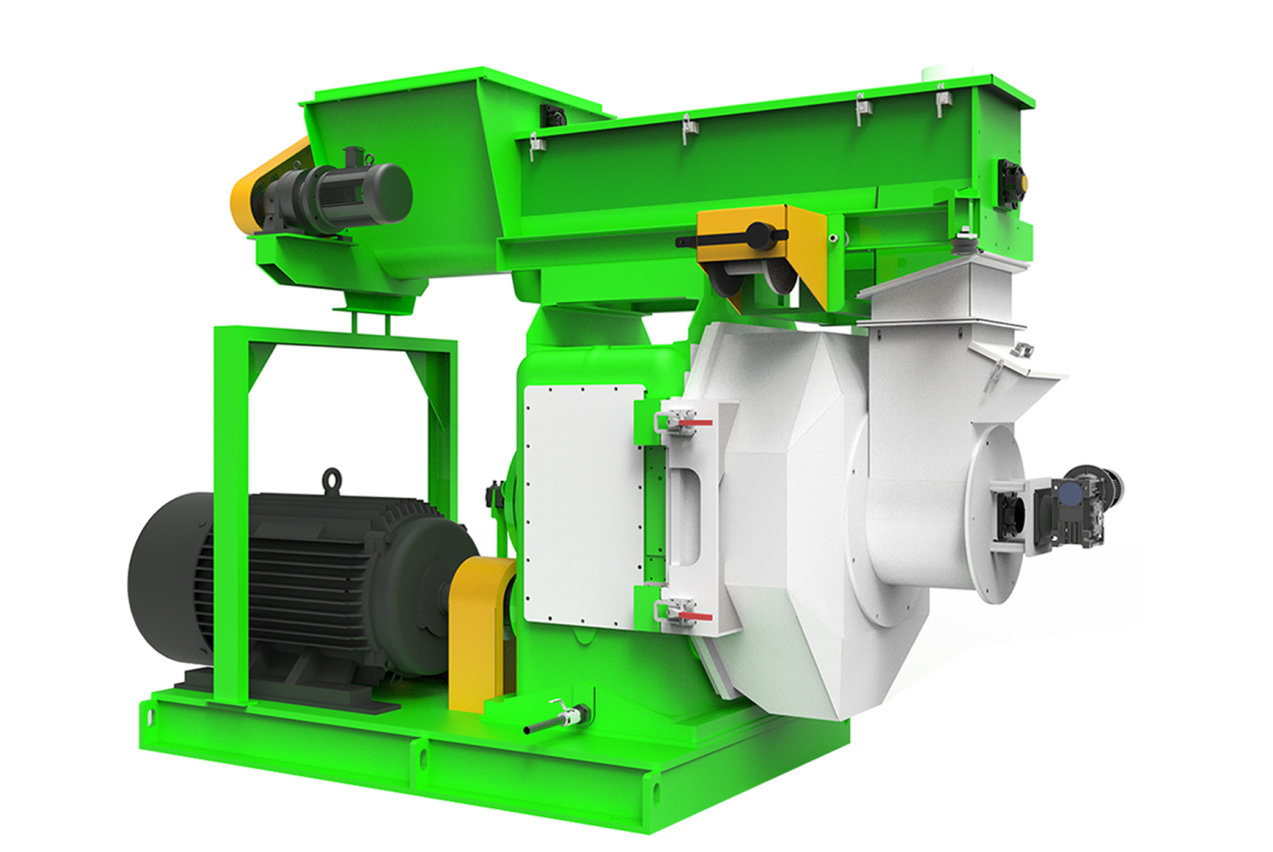
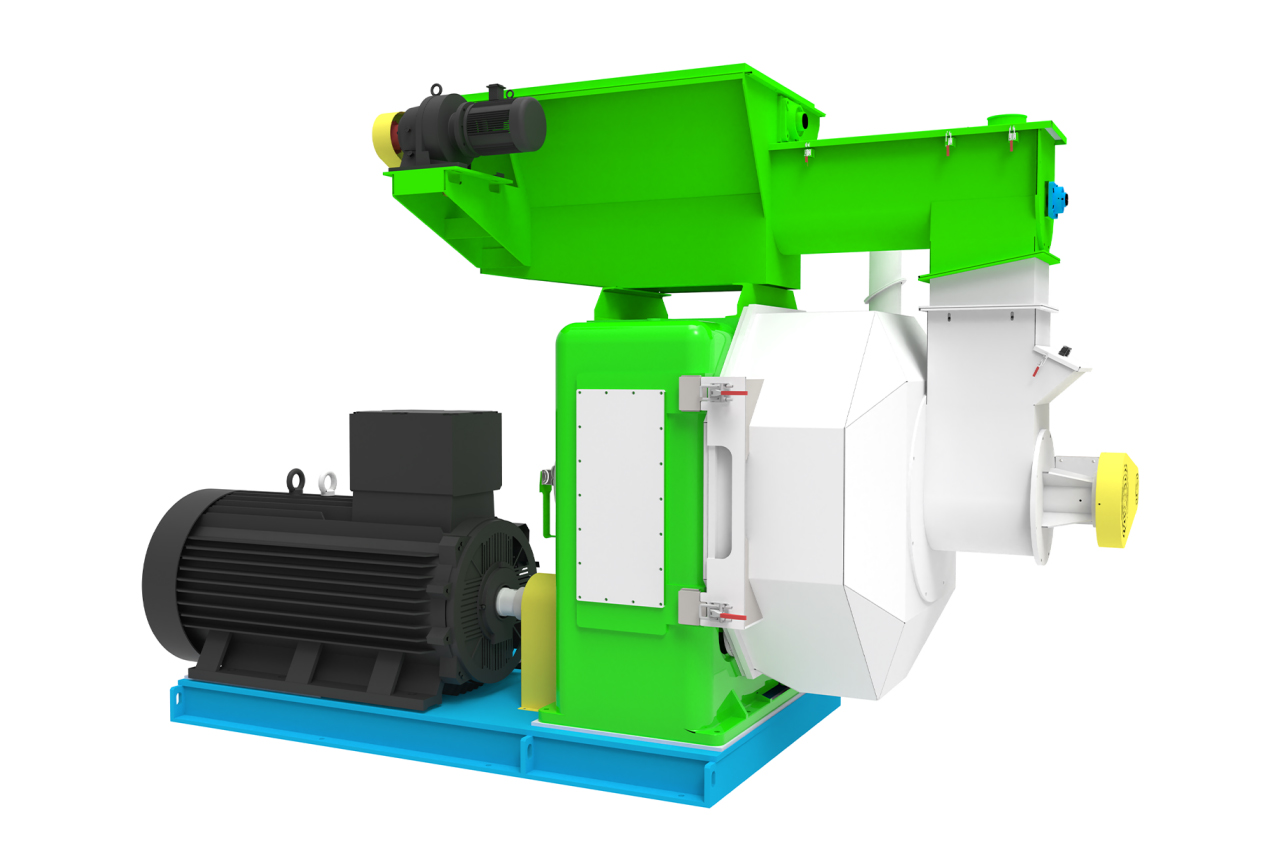
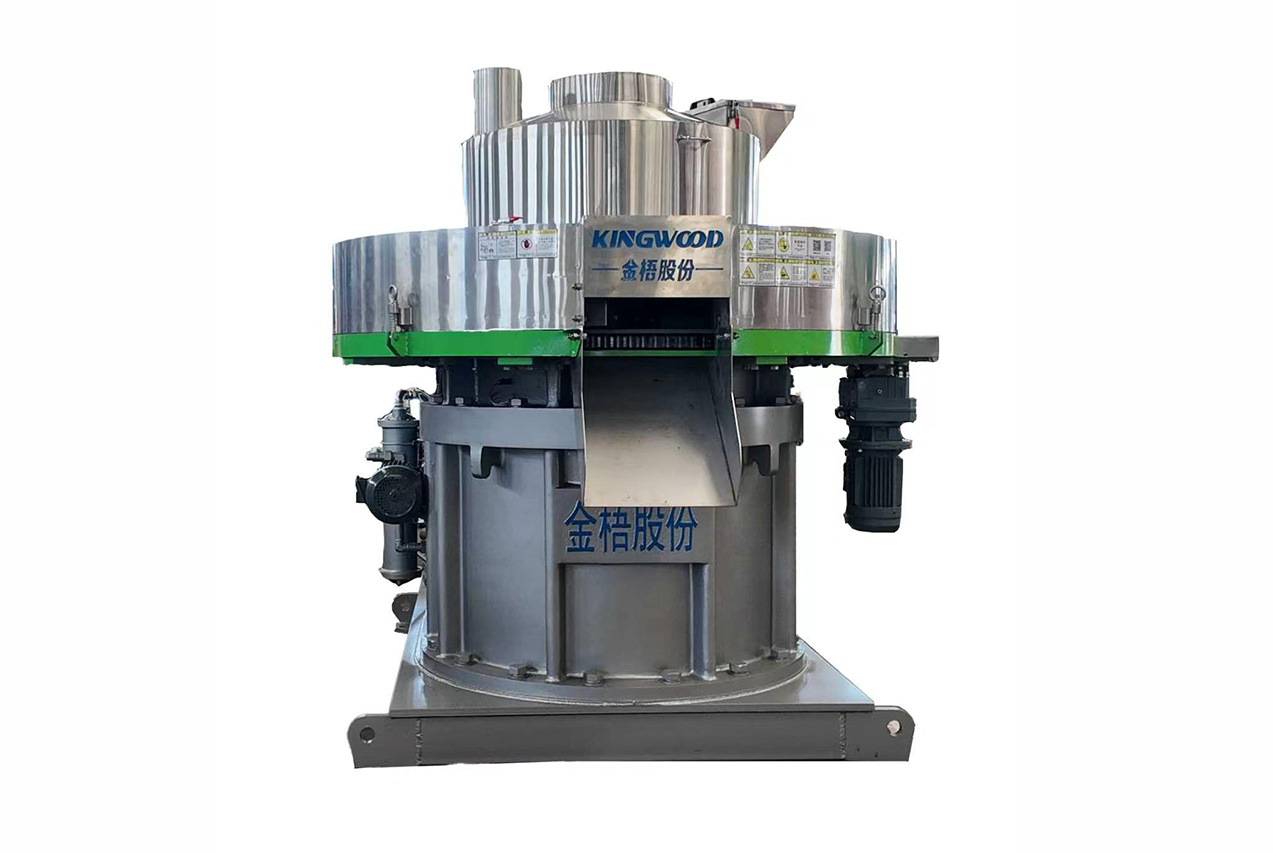
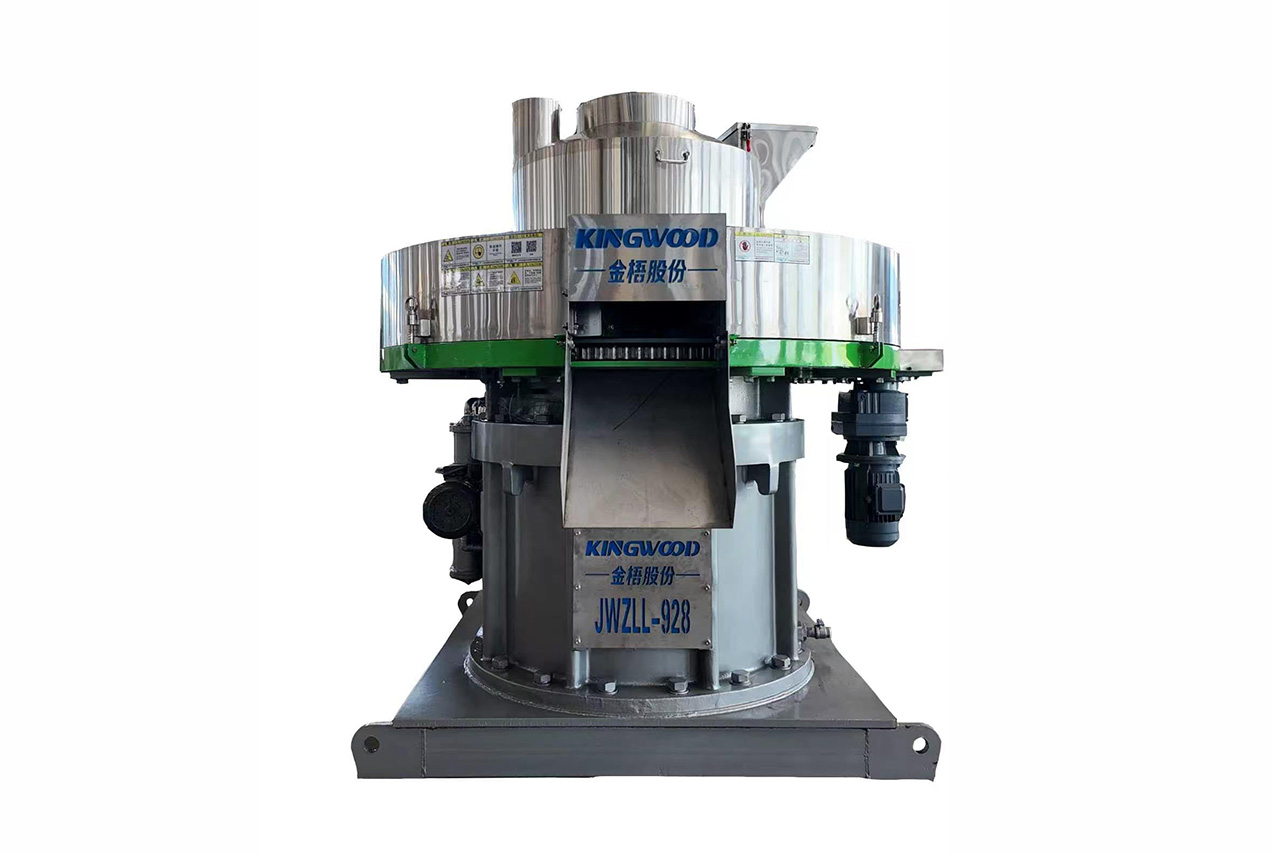
The core pelleting equipment is Kingwood's JWZL-688 ring die pellet mill. Each JWZL-688 unit delivers a single-machine output of 2.2–3 t/h under standard operating conditions. To meet the power plant's 8 t/h aggregate target — with an operational window of 7–9 t/h depending on feedstock moisture and composition — multiple JWZL-688 units were deployed in parallel collaborative operation across coordinated machine positions.
This multi-unit architecture is a deliberate engineering choice rather than a workaround. Parallel operation allows individual units to be taken offline for scheduled maintenance without interrupting line output — a critical reliability requirement for a power plant where fuel supply interruption directly affects generation capacity. The ring die configuration itself is well-suited to this application: the ring die rotates while rollers remain stationary but spin through die contact, delivering consistent compression force and a Pellet Durability Index (PDI) above 97.5% on feedstocks with 10–14% moisture content, and bulk density above 600 kg/m³. These physical characteristics are directly relevant to boiler combustion performance — denser, more durable pellets feed more consistently through pneumatic conveying systems and combust more uniformly.
A comparable deployment benchmark: Kingwood's 24 t/h wood chip pellet line for AVP Group in central Vietnam (commissioned June 2021) demonstrated that multi-unit JWZL ring die configurations scale effectively to industrial throughput without sacrificing pellet quality — a precedent that informed the Ordos engineering design.
Power plant environments impose strict air quality obligations on all on-site processes, not just combustion. The pelleting process generates water vapour during the compression and heating of biomass feedstock, along with fine particulate dust at crushing and transfer points. For a state-owned plant operating under ultra-low emission mandates, uncontrolled dust from an on-site pellet line would create a direct compliance liability.
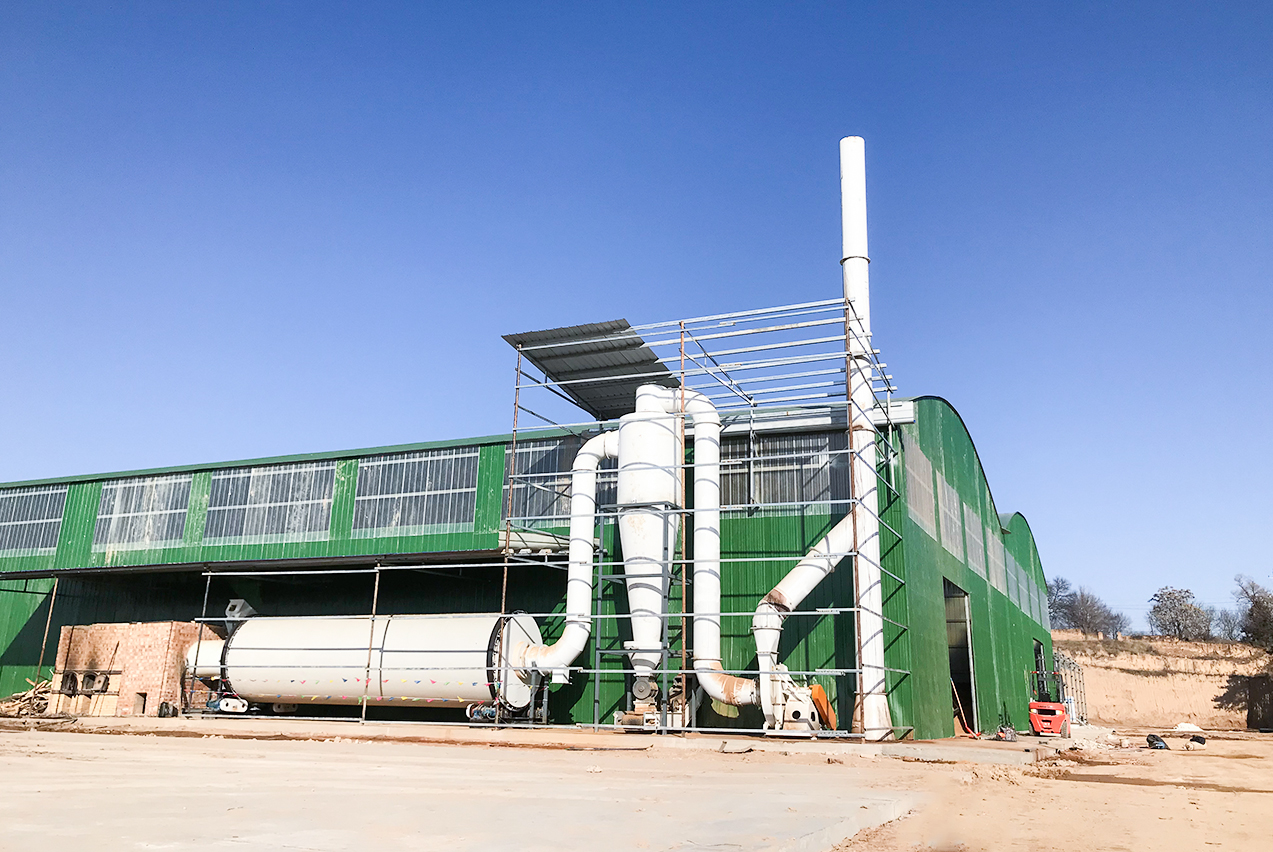
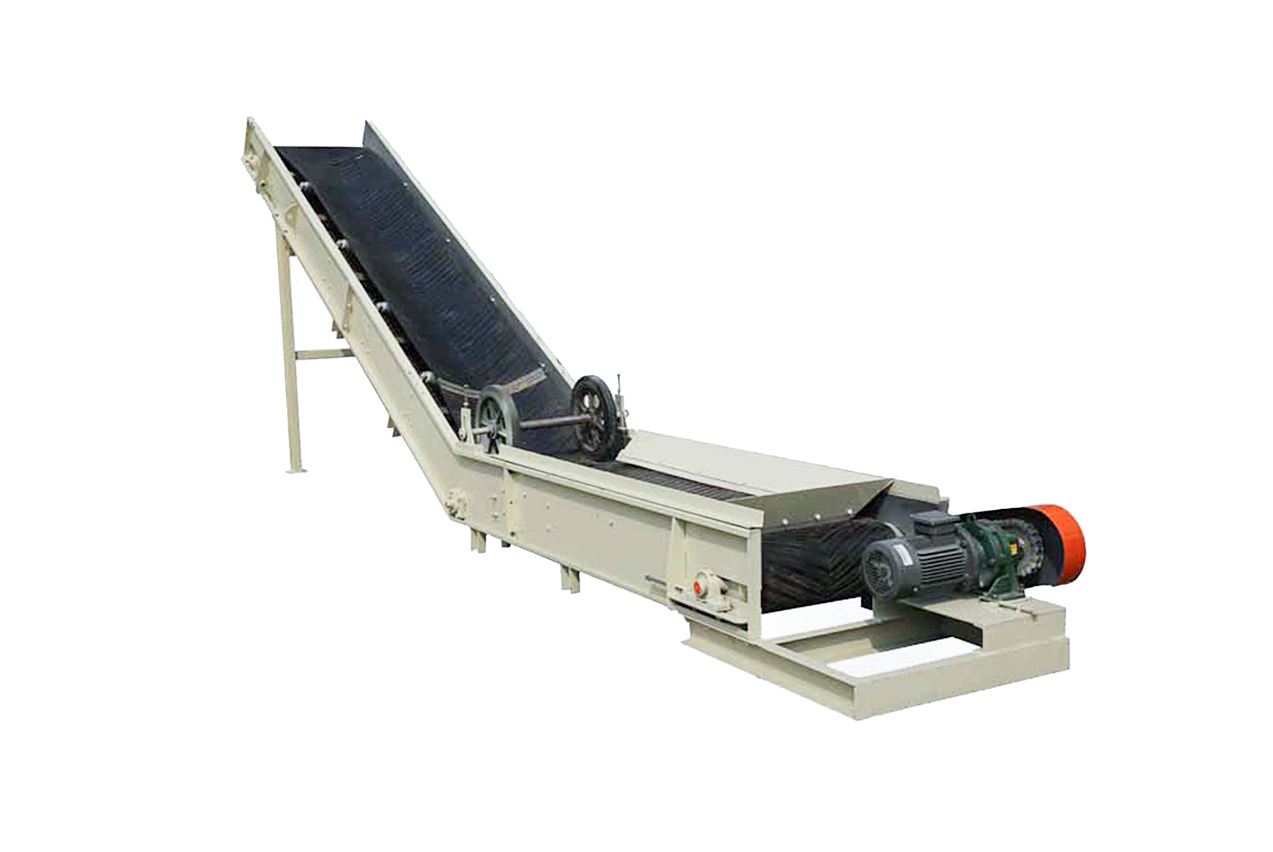
Kingwood's solution was a comprehensive dust-and-humidity removal integrated system installed across the full processing chain. This system uses enclosed conveying throughout — from raw material intake through grinding, drying, pelleting, cooling, and packaging — with dedicated dust collection at each transfer point. Water vapour generated during pelleting is captured and vented through controlled extraction rather than released into the workshop atmosphere. All emission indicators are designed to remain within Chinese national standard GB13271-2001 limits, aligned with the power plant's own ultra-low emission reporting obligations.
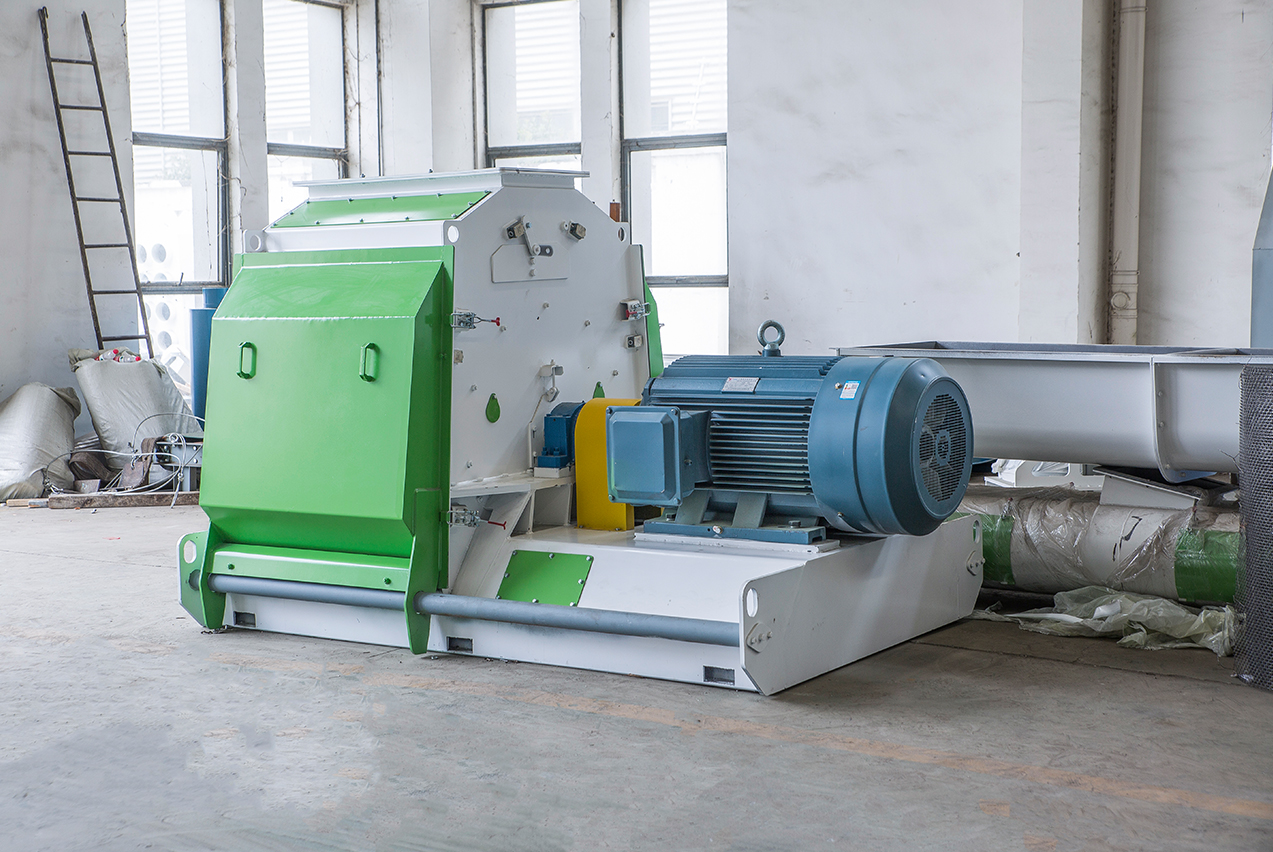
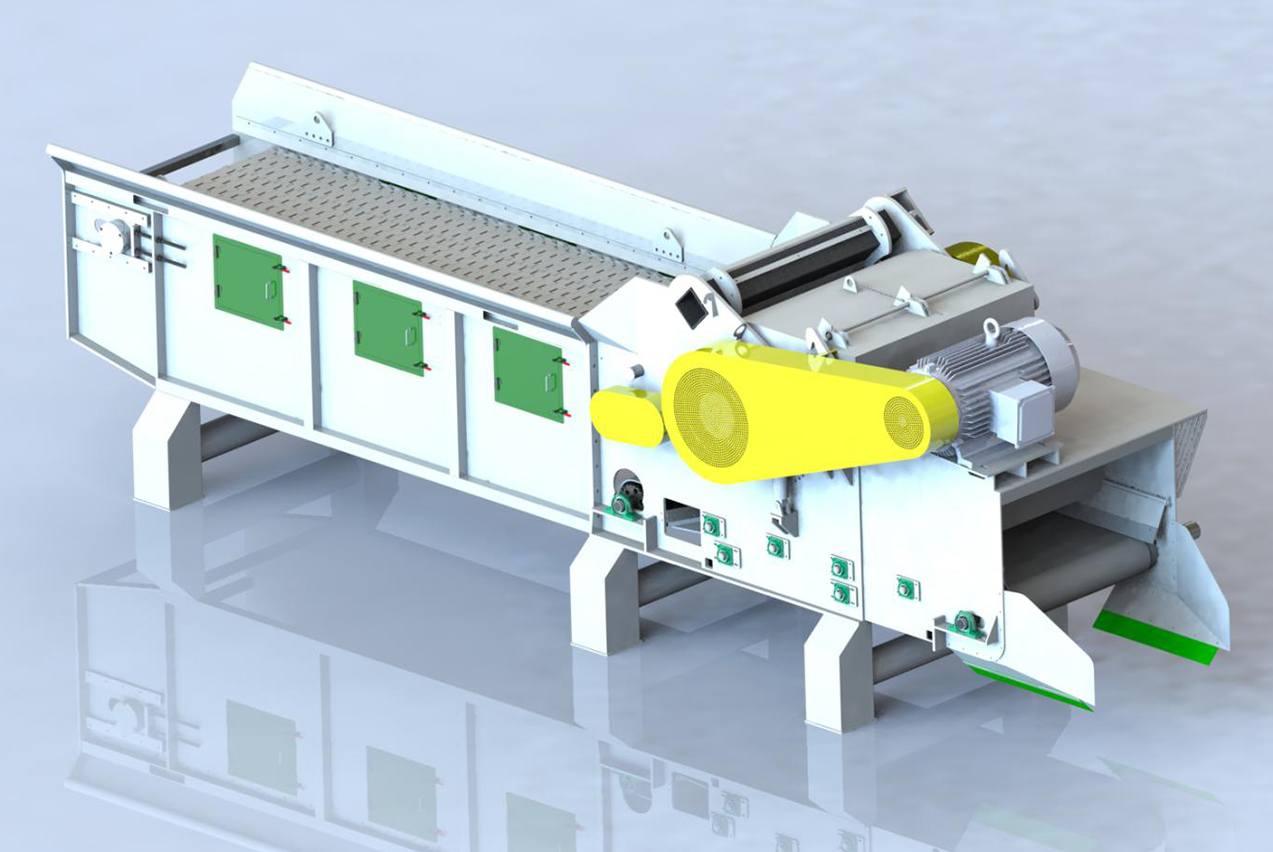
Kingwood's Three-Standardisation Framework was not applied as a checklist but as an integrated design constraint from the earliest engineering stage. Integration meant that the full upstream-to-downstream supply chain — raw material handling, size reduction, drying, fine grinding, pelleting, cooling, and packaging — was engineered as a single coherent system rather than assembled from independently sourced components. This eliminates interface failures between equipment stages and simplifies commissioning.
Dust-Free was addressed through the enclosed processing and conveying infrastructure described above, combined with the dust removal and auxiliary systems that Kingwood supplies as part of its standard complete line offering.
Automation reduced the need for manual intervention at each process stage, supporting consistent output quality across shifts and minimising operator-induced variability — a particular advantage in a power plant context where production staff are typically experienced in power systems operations rather than biomass processing.
The complete biomass pellet production line delivered to this Ordos facility represents the full integration of these principles in a single turnkey deployment.
Kingwood managed the project from initial raw material analysis through final commissioning under its EPC (Engineering, Procurement, Construction) turnkey contracting model. Equipment was manufactured at Kingwood's 35,000 m² facility in Liyang City, Jiangsu Province, under ISO 9001 and ISO 14001 certified quality management systems, and delivered to the Inner Mongolia site in September 2025.
The EPC approach compressed the project timeline by eliminating the coordination delays that arise when a client manages multiple equipment vendors independently. Kingwood's engineering team handled plant layout planning, process flow design, equipment selection, and installation supervision as a single accountable party.
Kingwood's delivered scope for this project followed its standard full-lifecycle project development process:
This structured handover is particularly important for power sector clients, whose operations teams typically have deep expertise in generation systems but limited prior experience with biomass pelleting processes.

Since commissioning in September 2025, the production line has operated stably within the 7–9 t/h throughput window, with 8 t/h representing the design-point aggregate capacity across the deployed JWZL-688 units. The customer's own assessment confirms that "operations have been stable, and the results have far exceeded our expectations." This is a direct client quotation — not a manufacturer's projection — and carries corresponding weight as a performance verification.
The pellet output characteristics align with the quality specifications relevant for co-firing: calorific value of approximately 4,800 kcal/ton (comparable to standard coal), low ash content, low sulfur, and PDI above 97.5%. These properties ensure consistent combustion performance in the plant's existing boiler infrastructure without modification to combustion management systems.
The integrated dust-and-humidity removal system has performed as designed, with the workshop environment maintaining dust-free production standards throughout operations. All emission indicators from the pellet production process remain within Chinese national standards, consistent with the power plant's ultra-low emission reporting requirements. This outcome validates the design-phase decision to treat dust control not as an auxiliary feature but as a core engineering constraint from the outset.
Biomass co-firing itself contributes to the plant's carbon intensity reduction. With pellet fuel substituting a share of coal input, the facility is making measurable progress on its dual-carbon commitments — a strategic outcome that supports the plant's institutional reporting to China's state-owned assets supervision authority.
The Ordos project's significance extends beyond its own operational metrics. The customer's feedback explicitly frames it as "a replicable practical model for the large-scale application of biomass energy" in the region. That framing reflects a deliberate strategic design: Kingwood's Three-Standardisation Framework is engineered for standardised replication across multiple sites, not bespoke one-off installations.
For China's power sector — which includes hundreds of coal-fired plants facing similar dual-carbon and cost pressures — a validated benchmark project in an iconic coal-producing region like Ordos carries demonstrable influence. The 8 t/h configuration, multi-unit JWZL-688 architecture, and integrated dust control approach constitute a deployable template that other state-owned power enterprises can evaluate against their own operational parameters.
Kingwood has completed over 2,000 production line projects across 30+ countries, supporting more than 10 million metric tons of annual biomass fuel capacity globally. The Ordos project adds a specifically significant data point: a proven china biomass pellet line operating within a state-owned thermal power plant under China's most stringent environmental compliance framework.
The following is the customer's direct assessment, provided following commissioning:
"We sincerely appreciate the professional solutions your company has provided us. Addressing our core challenges related to cost reduction, efficiency improvement, and green low-carbon transformation at the local power plant, the customised plan you developed perfectly aligned with our actual needs. As a benchmark renewable energy project in the region, this initiative, with a stable production capacity of 7–9 tons per hour, has set a replicable practical model for the large-scale application of biomass energy, effectively resolving our real issues. Since the project's implementation, its operations have been stable, and the results have far exceeded our expectations. Not only has it achieved efficient resource utilisation, but it has also significantly supported our green low-carbon development efforts. Moving forward, we look forward to maintaining a long-term and stable partnership with your company to explore further collaboration opportunities."
The specific reference to results "far exceeding expectations" and the explicit identification of the project as a regional benchmark model are outcomes that were validated by the client independently of Kingwood's own assessment.
Power sector procurement teams evaluating biomass pelleting equipment need a supplier who understands both the technical requirements of industrial-scale pellet production and the compliance environment of state-owned energy enterprises. Several factors distinguish Kingwood in this context:
For a state-owned power enterprise where procurement risk and operational reliability are paramount, these credentials represent substantive rather than nominal assurances.
The project used Kingwood's JWZL-688 ring die pellet mill, with each unit delivering a single-machine output of 2.2–3 t/h. Multiple units were deployed in parallel collaborative operation to achieve an aggregate system capacity of 7–9 t/h, meeting the power plant's co-firing fuel requirements.
Kingwood's Three-Standardisation Framework incorporates enclosed, dust-free conveying and a comprehensive dust-and-humidity removal integrated system that captures water vapour and fine particulates generated during pelleting. This design ensures all emission indicators remain within Chinese national standards and aligns with the ultra-low emissions targets mandated for state-owned power enterprises.
Yes. According to IEA 2024 data, biomass co-firing can substitute 5–20% of coal input with minimal boiler modification, reducing CO₂ intensity proportionally. This Ordos project demonstrates a scalable model: the 8 t/h pellet line produces fuel with a calorific value of approximately 4,800 kcal/ton, directly substitutable for coal in existing boiler infrastructure.
The equipment was delivered and commissioned in September 2025. Kingwood managed the full project lifecycle — from raw material analysis and plant layout through equipment manufacturing, on-site installation, and operator training — under its EPC turnkey contracting model, ensuring a smooth handover to the power plant's operations team.
According to the customer's own feedback, this project has established a "replicable practical model for the large-scale application of biomass energy" in the region. Kingwood has completed 2,000+ production line projects across 30+ countries, and its standardised Three-Standardisation design framework is specifically engineered for scaled replication across multiple sites.
For equipment selection criteria, see this commercial wood pellet mill guide.



Wood Biomass Machinery Manufacturer


 English
 日本語
日本語
 한국어
한국어